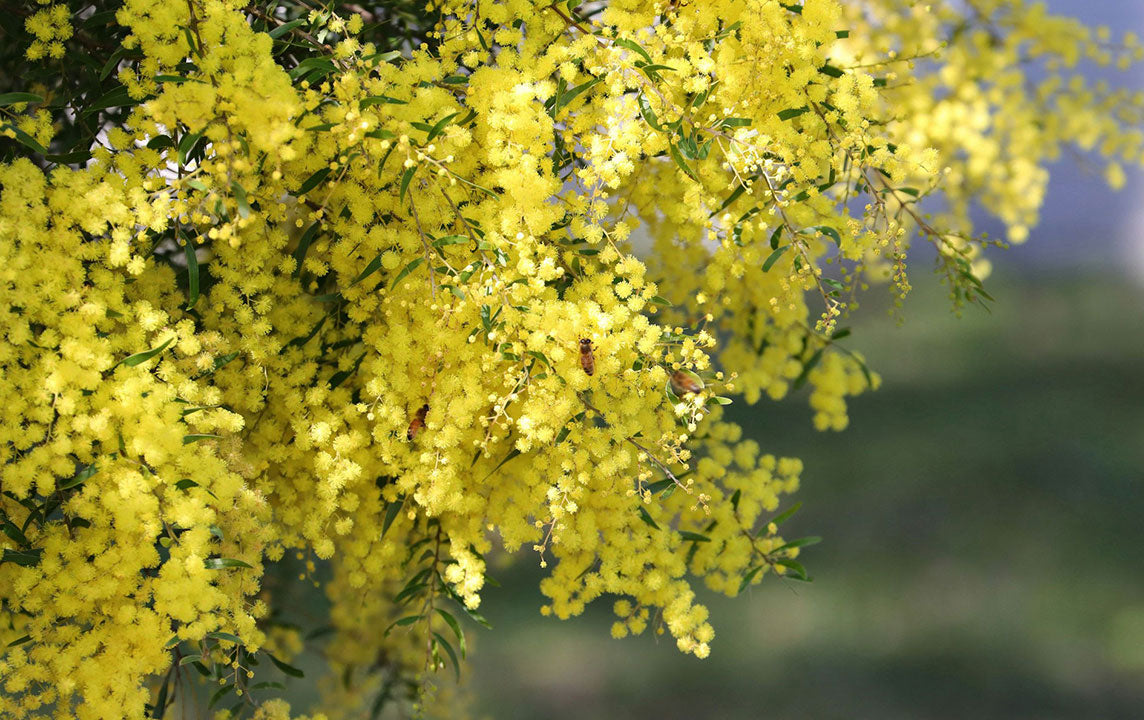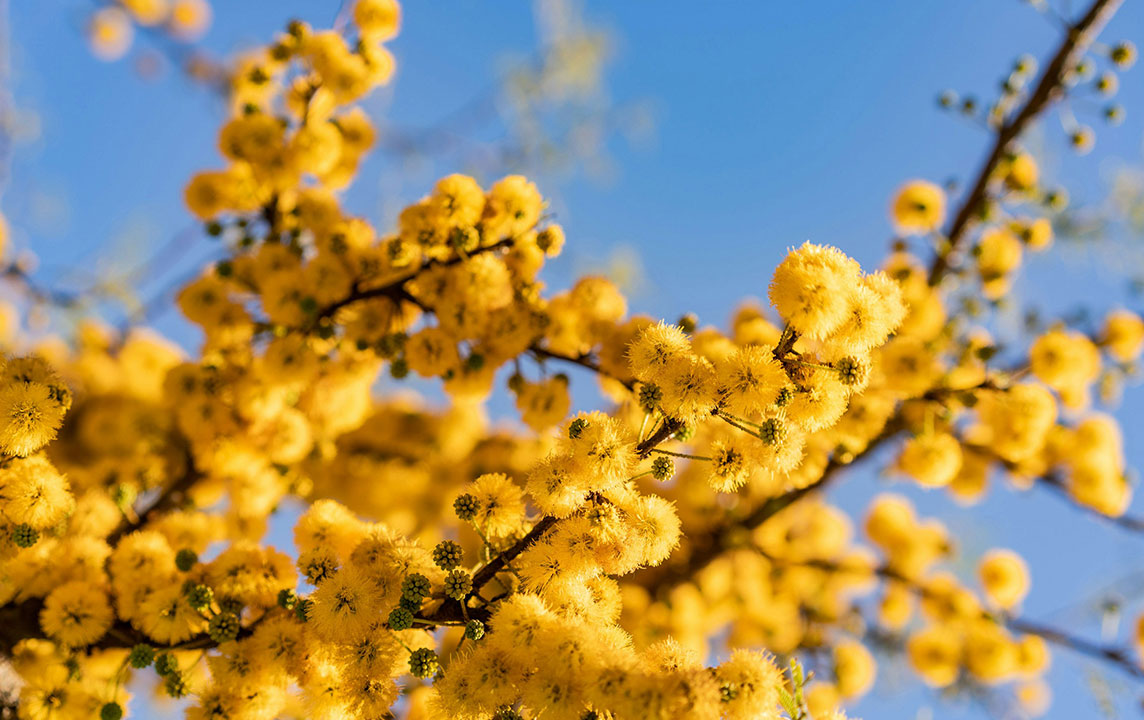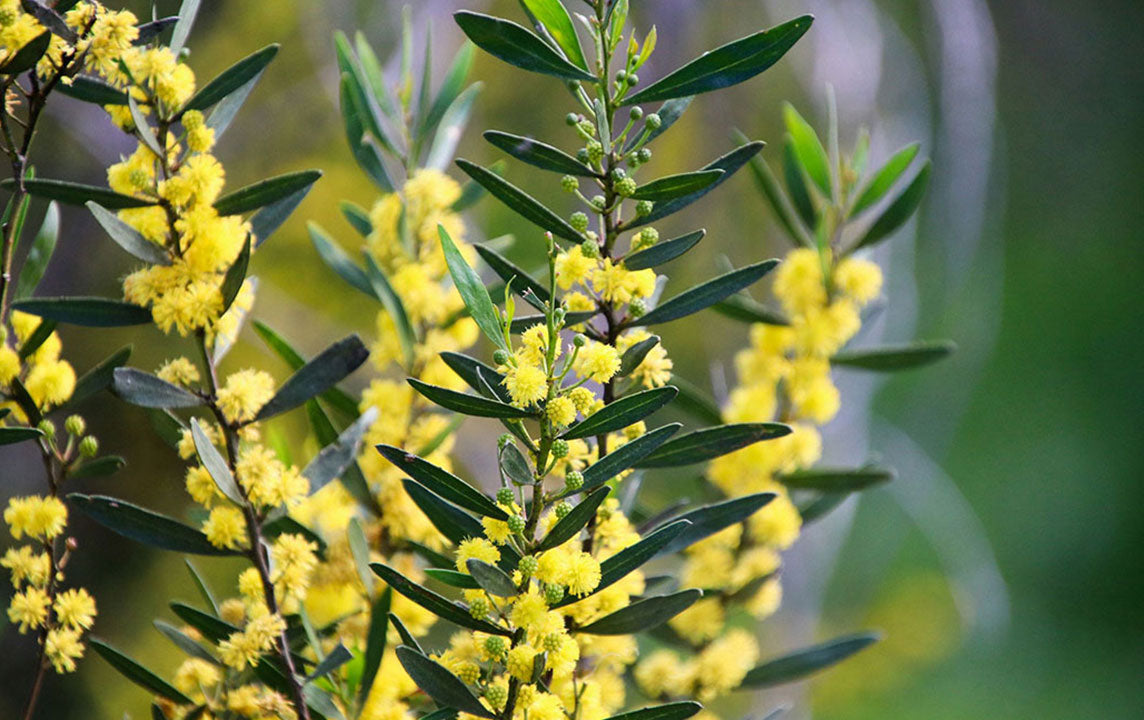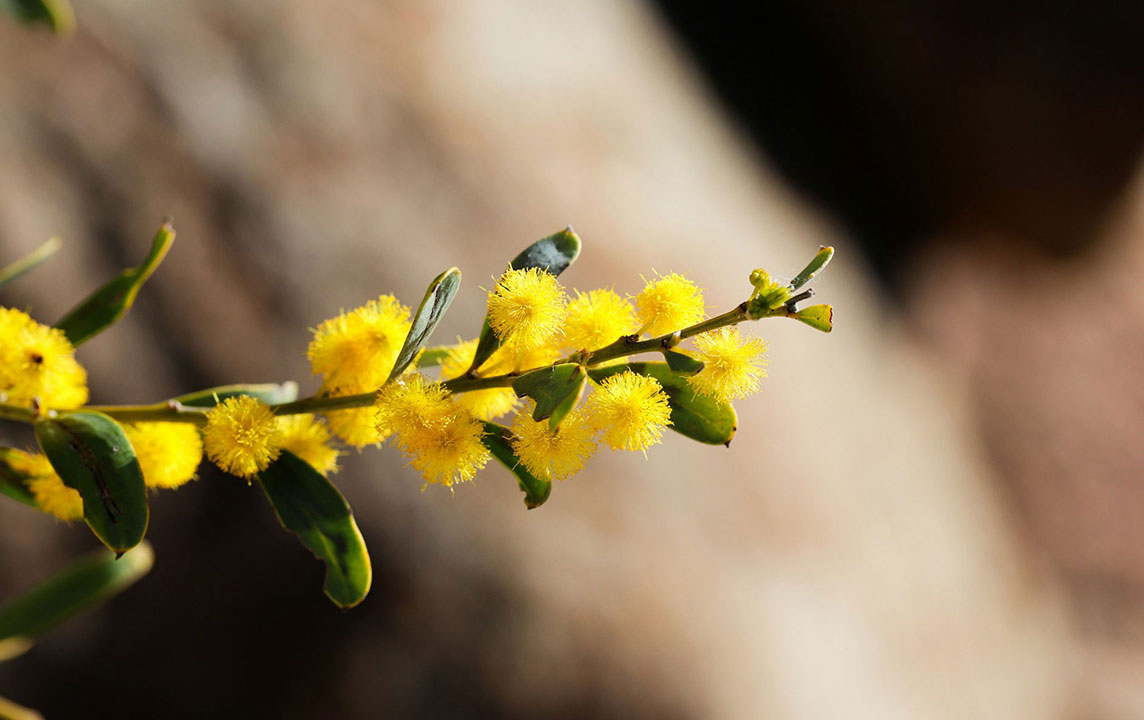

Mimosa trees add a touch of the exotic to British gardens. Their finely divided, fern‑like foliage and clouds of golden, scented flowers give a distinctly Mediterranean feel, especially on a bright late‑winter day when little else is in bloom.

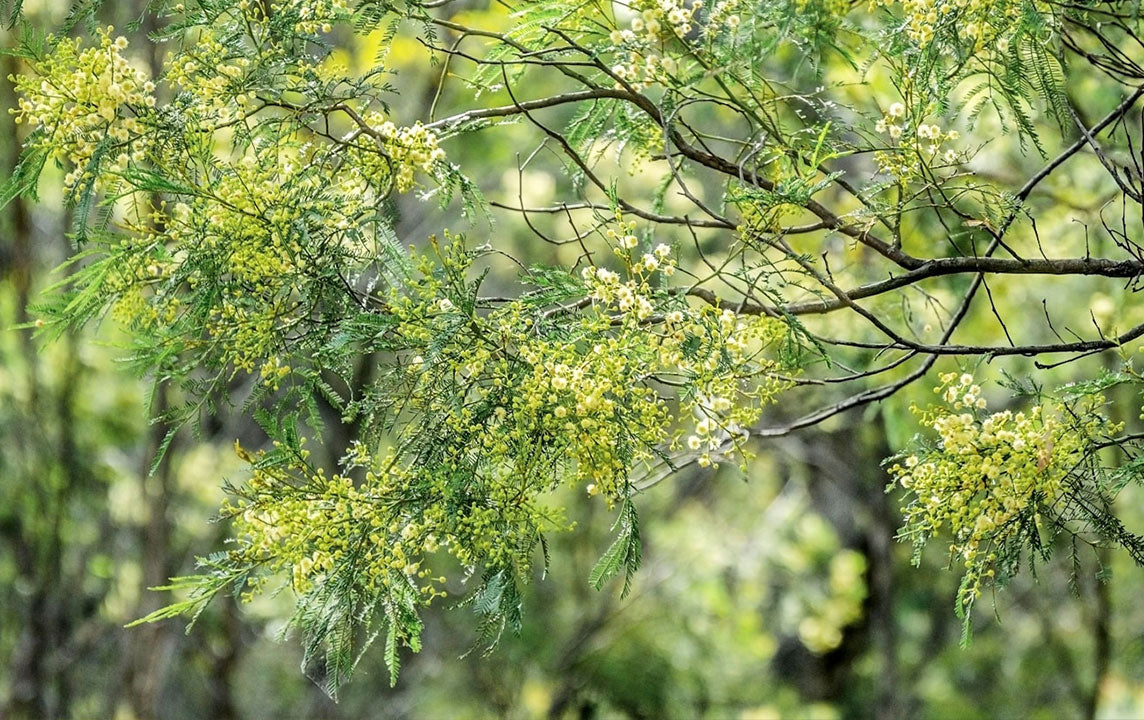

Common name: Mimosa tree (also called silver wattle)
Latin name: Acacia
Size in UK gardens: Typically 4–8m tall × 3–5m wide over time. Best in medium to larger gardens, or in a big pot to keep it smaller.
Best position: Full sun, south or west-facing, in a warm, sheltered spot (by a wall or in a courtyard)
Soil: Free-draining garden soil – not heavy clay or boggy. Happy in most soils as long as water doesn’t sit around the roots.
Flowering time: Late winter to early spring (Feb–Mar, sometimes into April) with bright yellow, fluffy pom-pom flowers
Fragrance: Soft, sweet, honeyed scent that you can notice on mild days
Hardiness: Borderline hardy (around –5 °C) – best in milder parts of the UK, or with winter protection in colder areas
Care level: Easy once established – likes sun, hates waterlogged soil, and needs a bit of protection in severe cold

The Simpson’s team raises the majority of our trees here at the nursery. For varieties outside our own production, we work with independent local growers we trust - all chosen for UK climate suitability.
Planting time: As container‑grown trees, Acacias can be planted in most months when the soil is workable and not frozen or waterlogged, with spring and early autumn usually the easiest times for both you and the plant.
Watering: Keep evenly moist while establishing; then water deeply only in dry spells
Feeding: Light spring feed or top‑dress with compost; avoid high‑nitrogen fertilisers
Pruning: Minimal – tidy and shape just after flowering; avoid pruning after late summer
Winter: Provide shelter/fleece in very cold spells, especially in colder regions and for young trees
Availability is always changing, so please check with us if you have a particular variety in mind.


A narrow, upright field maple that keeps a slim profile, ideal for tight spaces, drives and formal planting. The foliage stays fresh green, then turns warm yellow in autumn. A great alternative to larger columnar trees when you want height, privacy and minimal spread, even in wind.
A decorative field maple selected for richer colour, with fresh green summer leaves and a stronger red-orange flush in autumn. It keeps the toughness of the species while adding extra seasonal drama. Excellent for small gardens where you want reliable structure with a brighter finish.