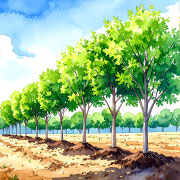

Acer negundo is loved less for flowers and more for its leaves — especially in these garden‑friendly cultivars. The foliage has a light, airy texture, and the variegation can make a border feel brighter from the moment it leafs out. ‘Flamingo’ is famous for its pink‑flushed new growth, ‘Kelly’s Gold’ offers a clear golden look, and ‘Elegans’ brings a steadier creamy variegation. Used well, they act like living highlights in planting — softening darker shrubs, lifting shaded corners, and making the garden feel more cheerful without needing a single bloom.
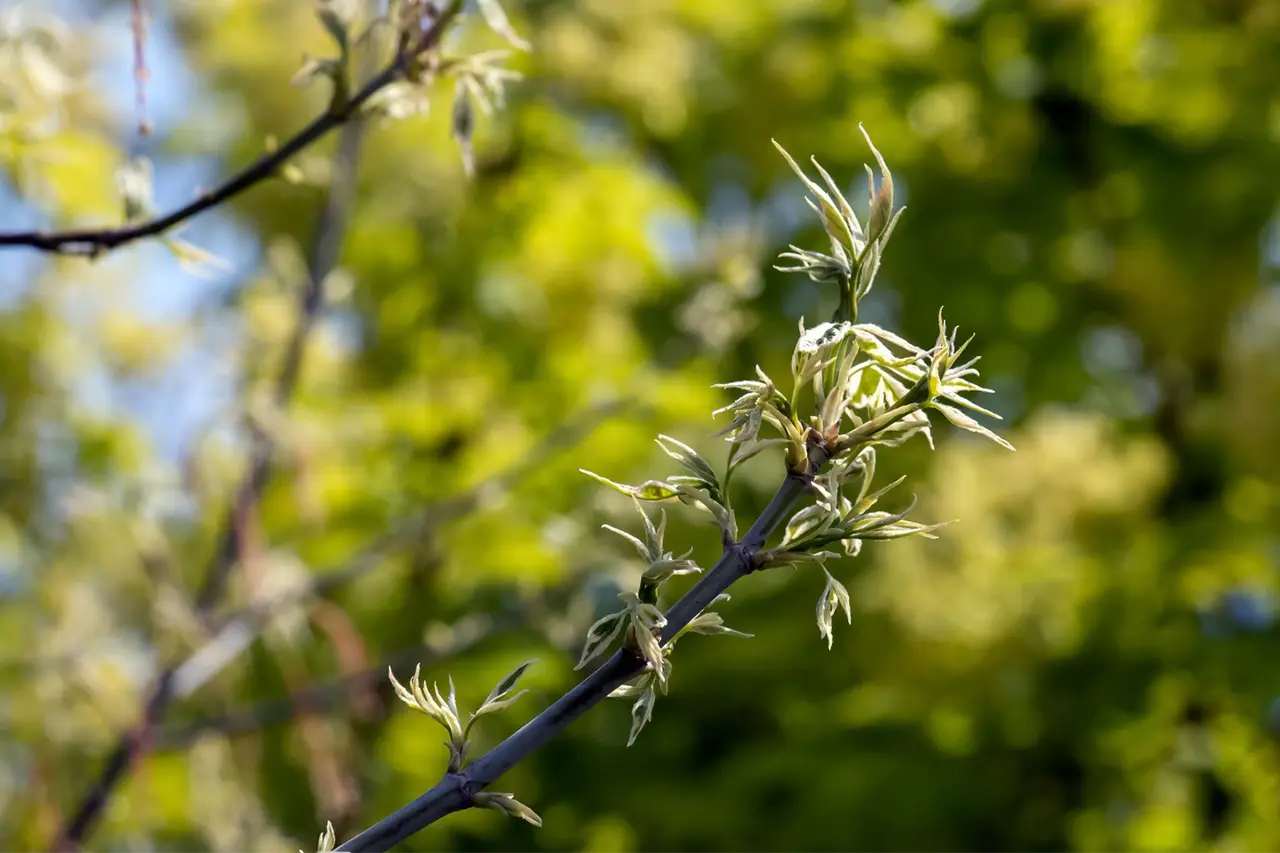
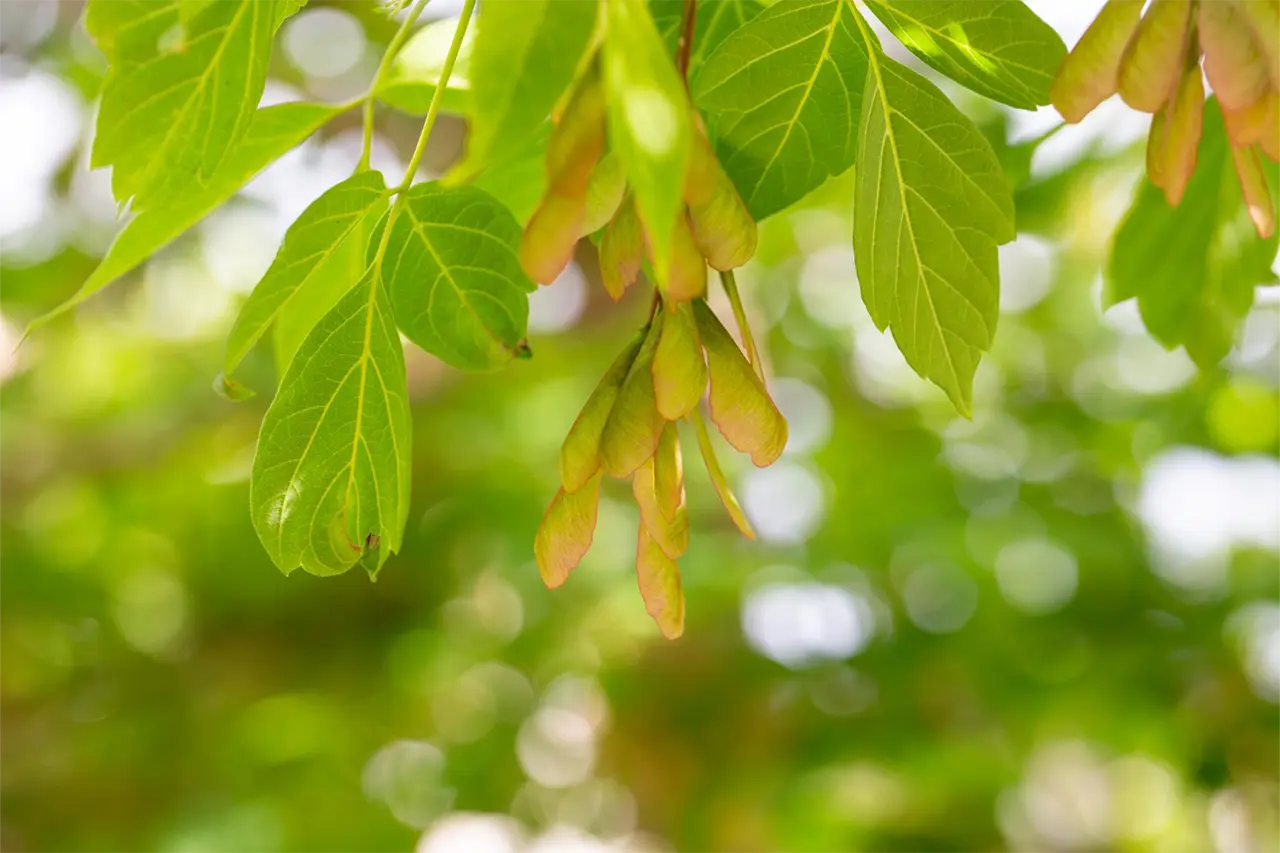
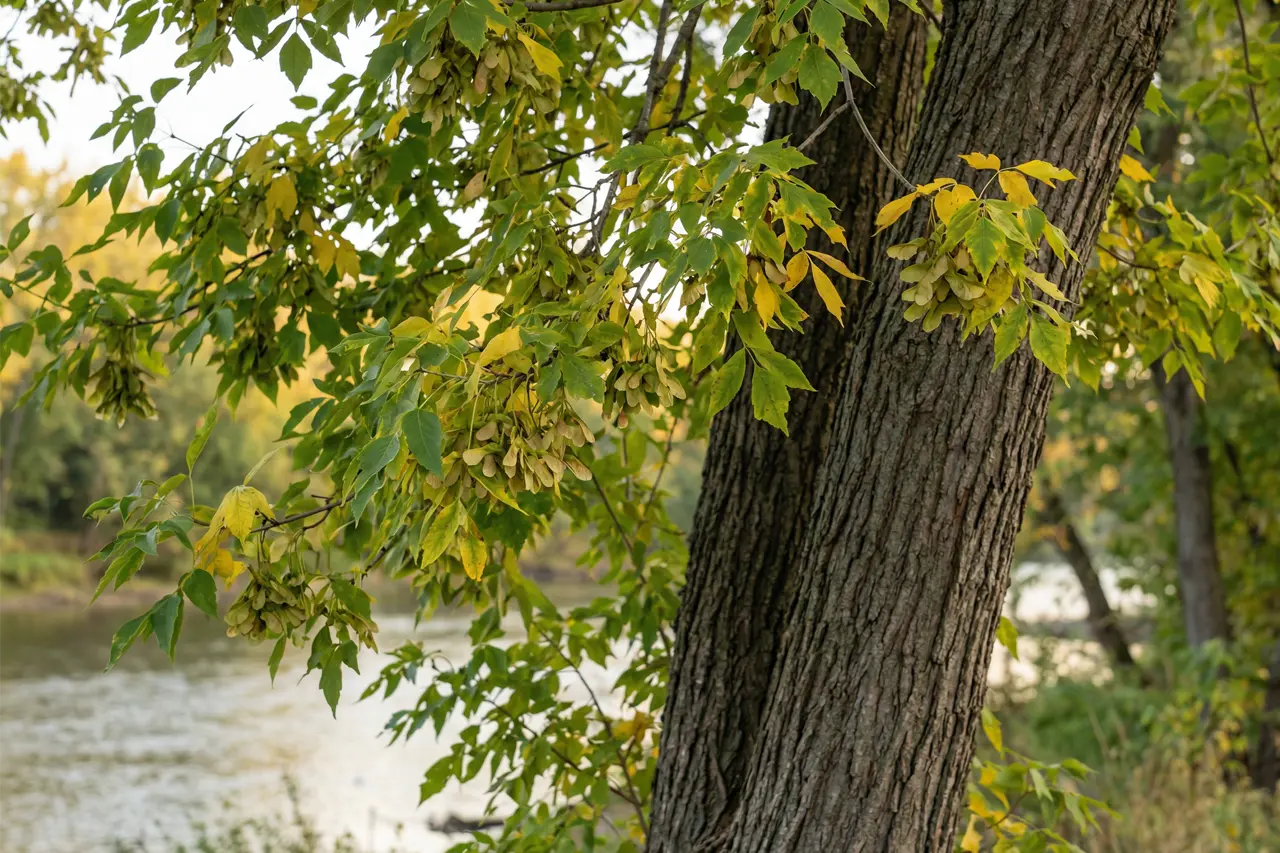
Common name: Box elder (ash‑leaved maple).
Latin name: Acer negundo
Size in UK gardens: Commonly 6–10m+ over time, sometimes larger in ideal conditions; can be kept smaller with thoughtful pruning, especially when young.
Best position: Full sun or light shade; sun gives the strongest variegation and colour, with a little shelter helping leaves stay fresh.
Soil: Most reasonably fertile, well‑drained soils; copes with a range if not waterlogged or repeatedly bone dry.
Main interest: Decorative foliage (variegated, pink‑flushed or golden depending on cultivar) and a light, airy canopy.
Fragrance: Usually not noticeably scented.
Hardiness: Hardy in most UK gardens once established.
Care level: Low to moderate – easy-going, with occasional pruning to shape and remove weak or crowded growth.

The Simpson’s team raises the majority of our trees here at the nursery. For varieties outside our own production, we work with independent local growers we trust - all chosen for UK climate suitability.
Planting time: As container‑grown trees, box elder can be planted in most months when the soil isn’t frozen or waterlogged; spring and autumn are usually easiest.
Watering: Water regularly through the first 1–2 seasons, and in dry spells; deep watering helps establish a strong root system.
Feeding: A spring mulch of compost or well‑rotted organic matter is usually enough; a light balanced feed in spring can help on poorer soils.
Pruning: Prune lightly to shape and to remove weak, crossing or congested branches; early training gives the best long‑term form.
Winter: Hardy once established; young trees benefit from mulch and a sheltered start to reduce wind scorch.
Availability is always changing, so please check with us if you have a particular variety in mind.


A fast-growing, airy maple with divided leaves that give a light, open canopy and a relaxed look. It feels informal and breezy rather than dense, making it useful where you want shade without darkness. Often chosen for quick presence and an easy, natural style.
A bright variegated box elder with green leaves edged creamy-white, creating a light canopy and strong contrast. The effect is fresh and cheerful, especially in spring growth, and the tree keeps a relaxed, informal habit. Great for lifting darker planting and adding instant brightness.
A popular variegated box elder with cream-edged leaves flushed pink on new growth, giving colour from spring onwards. The canopy stays light and open, and the overall effect is soft and decorative rather than heavy. Excellent as a small feature tree for colour and movement.
A golden box elder with bright yellow foliage that brings warmth and high contrast through the growing season. It’s naturally lively-looking, especially against dark evergreens, and keeps an airy, informal outline. A great option when you want strong colour without flowers.