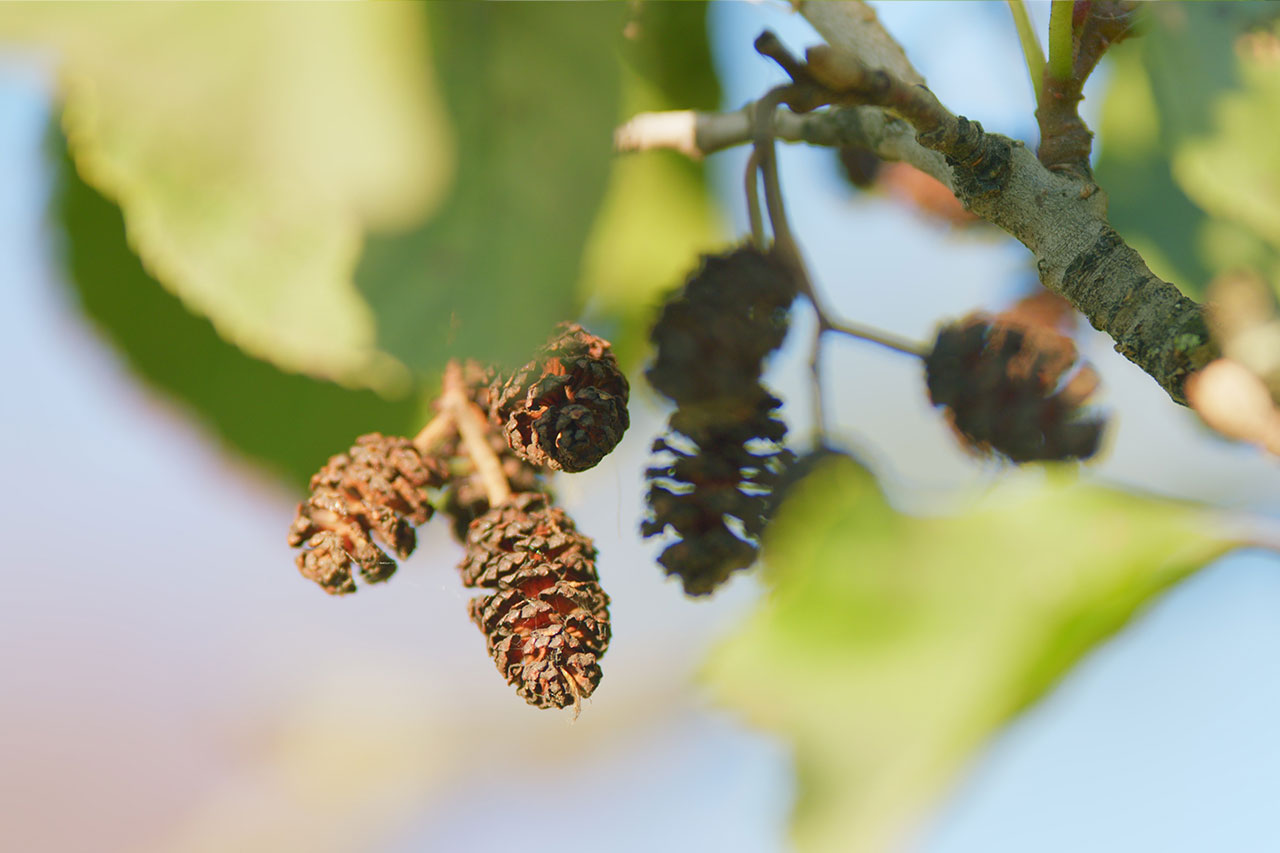

Many gardeners have a patch of ground that always seems too damp or heavy for comfort. Alnus turns that problem into an opportunity. Rather than resenting wet soil, alder trees often revel in it, putting on strong growth where other species would sulk or fail. Planted beside a pond, stream or soggy boundary, they quickly look settled and at home, bringing height, shade and structure to places that otherwise might remain bare and uninspiring.
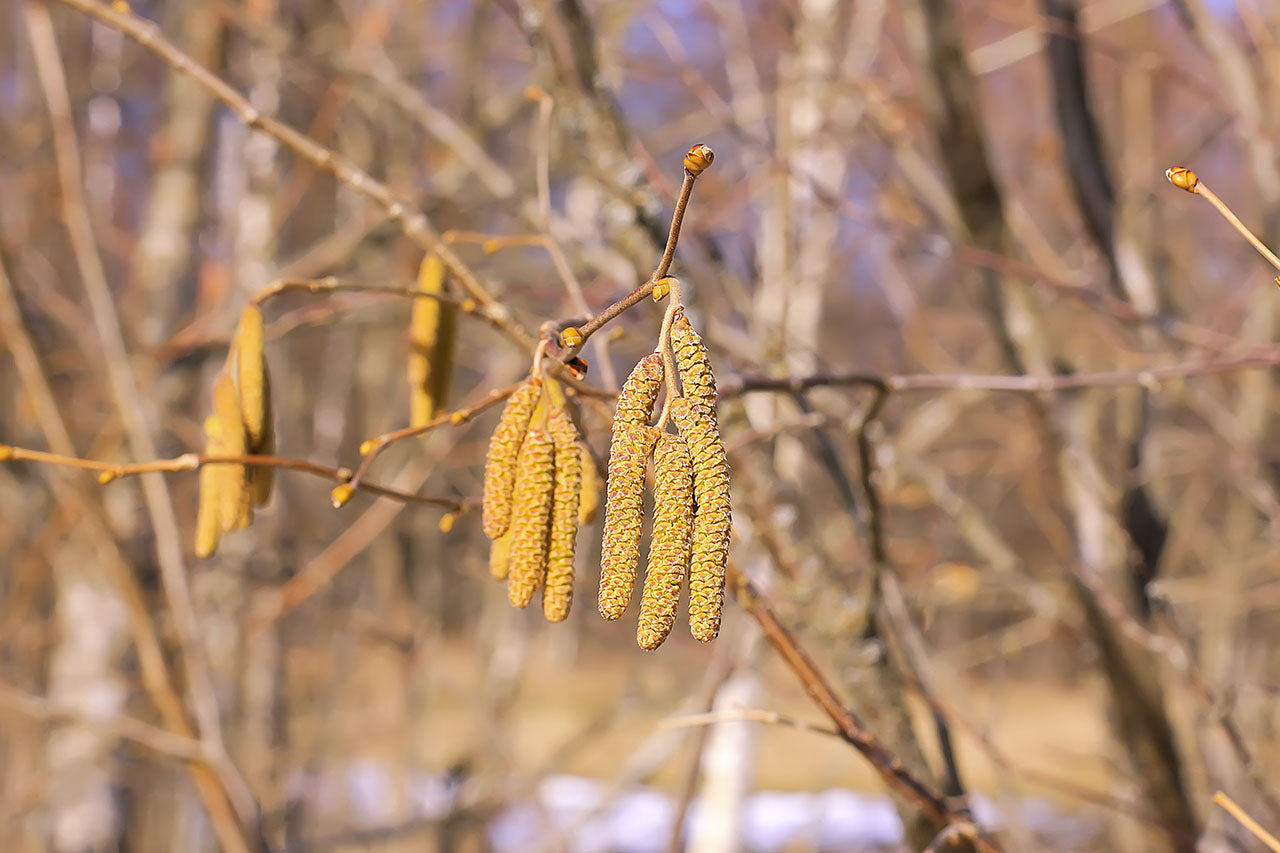
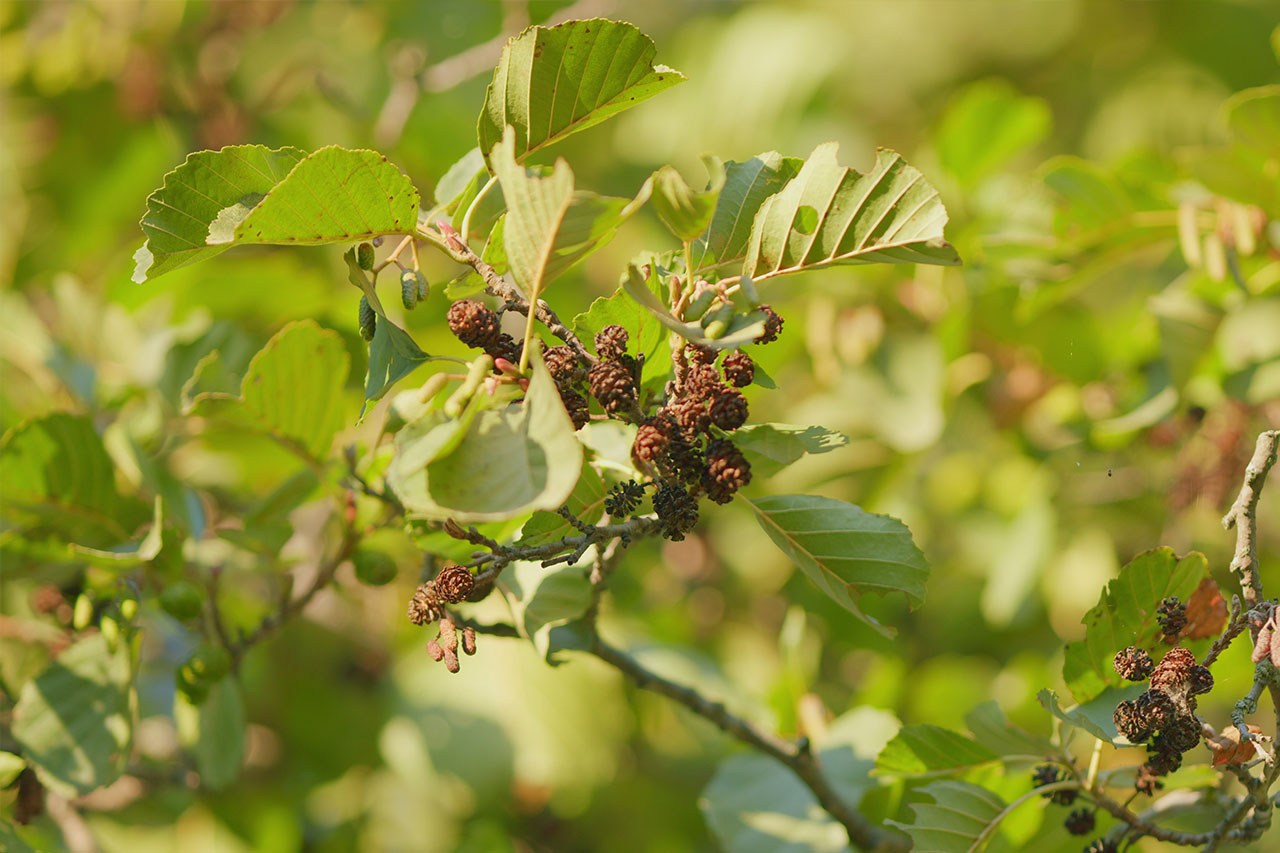
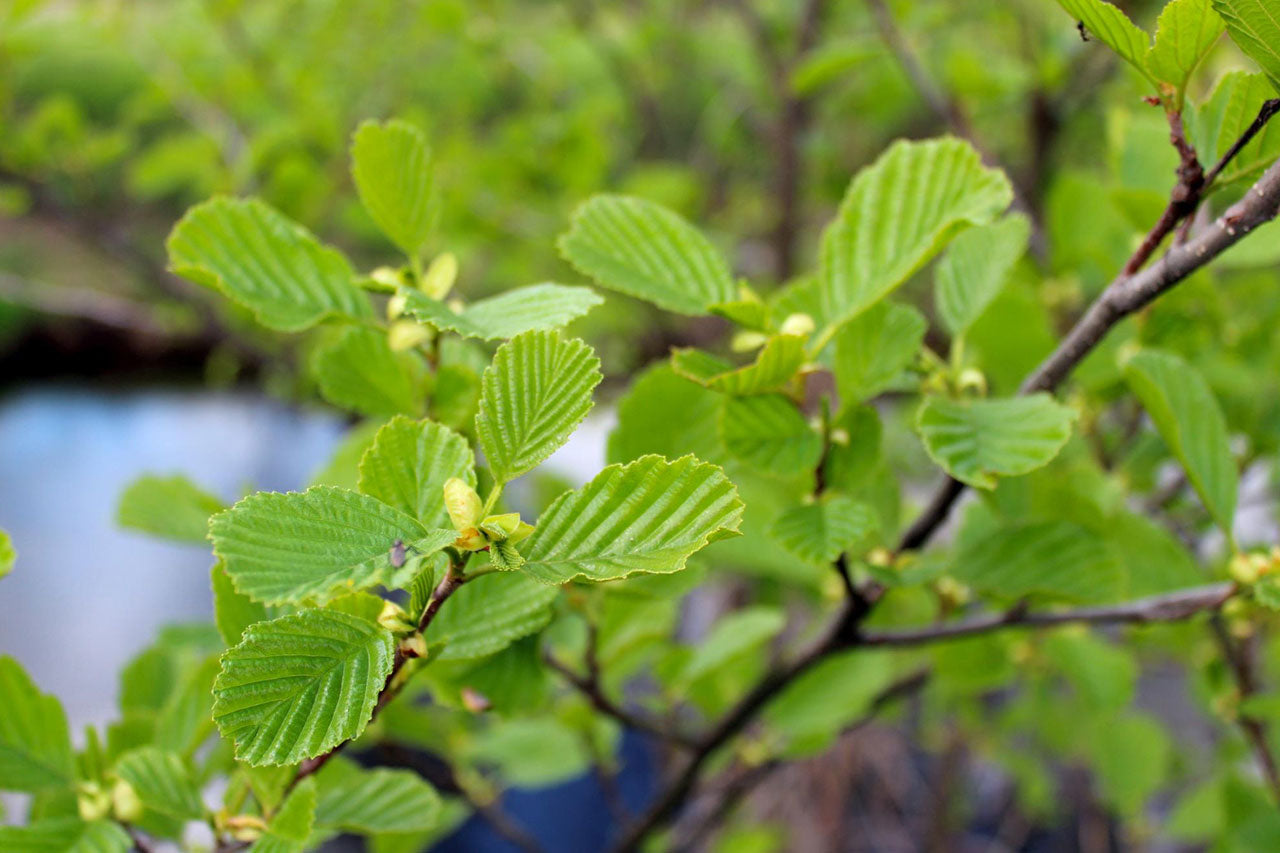
Common name: Alder trees
Latin name: Alnus
Size in UK gardens: Typically 8–15m tall × 4–8m wide over time, depending on species and conditions; best for medium to large gardens, woodland edges and waterside settings.
Best position: Full sun or light dappled shade in an open spot; many alders cope well with wind and exposed positions and are useful on boundaries and in larger, more natural areas.
Soil: Moist to wet, reasonably deep garden soil; thrives on heavy, often waterlogged ground and by ponds or streams, though some species will also manage drier urban soils once established.
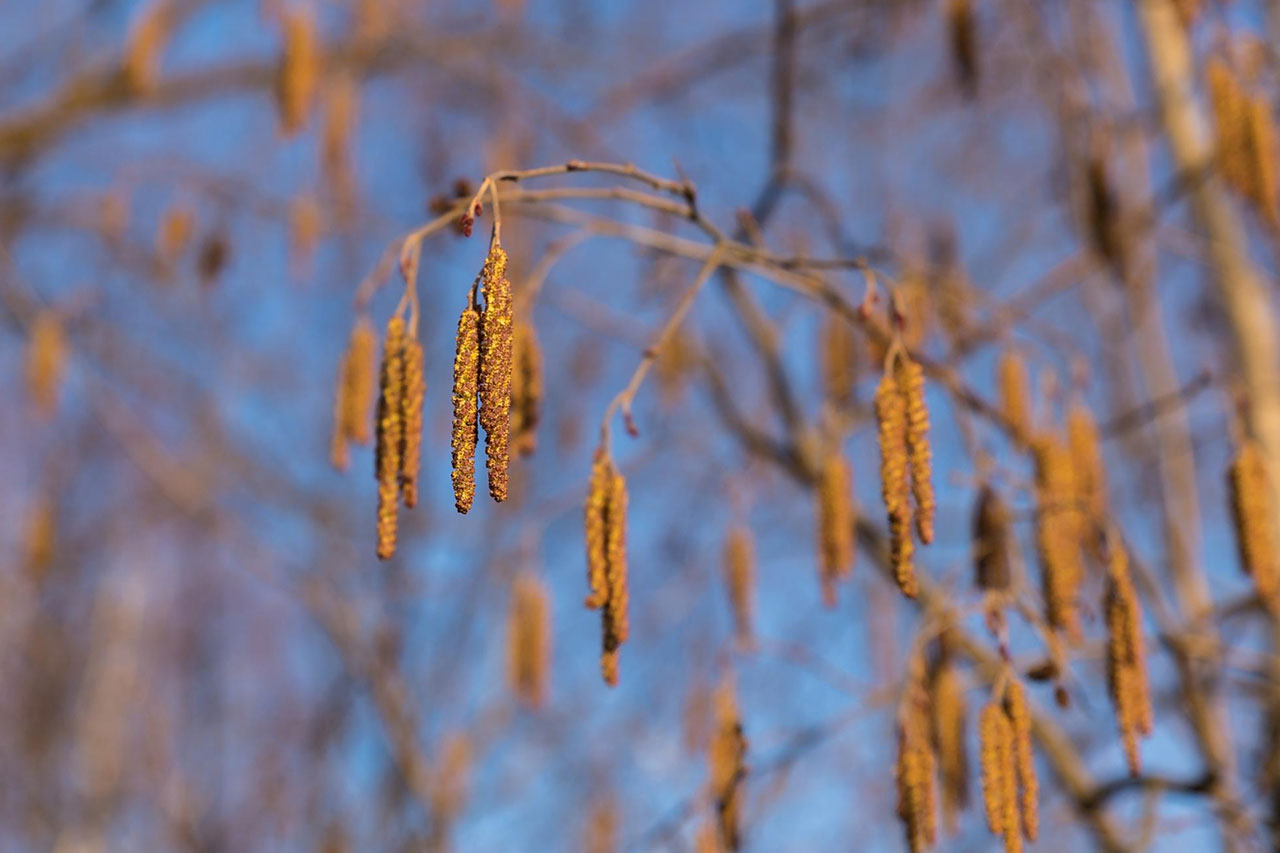
Flowering time: Dangling catkins in late winter to early spring, followed by clusters of small cone‑like fruits that can hang on the branches right through autumn and winter.
Fragrance: Usually not noticeably scented; interest is more visual and structural than fragrant.
Hardiness: Fully hardy across the UK, including cold inland and northern gardens; particularly tolerant of wet winter soils that many other trees dislike.
Care level: Generally easy and forgiving once established, especially on moist or heavy soils; most care is in early watering, giving it space and lightly managing shape if needed.

The Simpson’s team raises the majority of our trees here at the nursery. For varieties outside our own production, we work with independent local growers we trust - all chosen for UK climate suitability.
Planting time: Best planted in autumn or early spring, when the soil is naturally moist and not frozen, giving roots time to establish before the extremes of summer heat or winter cold.
Watering: Keep well watered during the first growing season, especially on drier soils, so roots can get down into the ground; on naturally moist or heavy sites, established trees will usually manage without extra watering.
Feeding: In ordinary garden soil, alder rarely needs special feeding; a spring mulch of garden compost around the base is usually enough to keep the soil in good heart.
Pruning: Minimal in most cases; remove damaged or awkward branches as needed and decide early on whether you want a single‑stemmed tree or a multi‑stemmed, more coppiced look.
Winter: Established trees need no winter protection; young trees in very exposed or extreme sites may benefit from a mulch around the base and a simple windbreak until they have rooted in well.
Availability is always changing, so please check with us if you have a particular variety in mind.


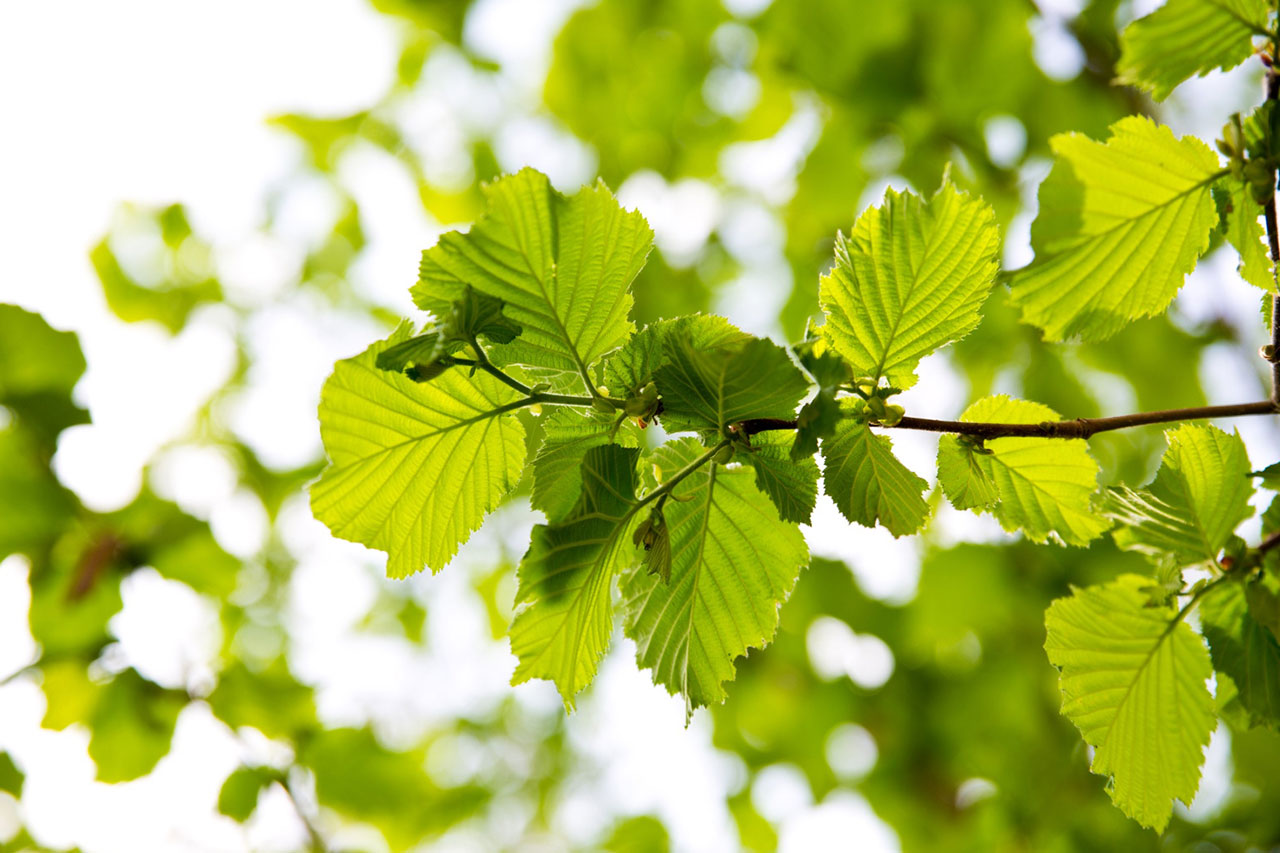
The Italian alder is a smart, shapely tree with glossy, heart-shaped leaves that give it a fresh, polished look through the growing season. It makes a tidy, pyramidal crown when young, maturing into a well-balanced canopy—ideal when you want a tree that looks composed and quietly elegant.
Our native alder has a wonderfully natural character, with rounded, slightly glossy leaves and a relaxed, riverside look even away from water. Its catkins bring early-season interest, and the tree’s overall effect is soft, airy and authentic—perfect for a more naturalistic, woodland style of planting.
A truly distinctive alder with finely cut, almost fern-like foliage that gives it a light, feathery texture unlike the typical broad-leaved form. The crown looks elegant and slightly exotic, bringing a sense of movement and delicacy—an inspired choice when you want something unusual yet still very tree-like.
The grey alder is a lighter, more silvery-looking alder overall, with a neat, upright habit and softer-toned foliage that lends a cool, refined feel. It has a clean, understated presence in the landscape—very good when you want a dependable tree that sits beautifully among mixed planting.

A bright, uplifting form of grey alder, prized for golden-yellow foliage that lights up a planting scheme from spring onwards. The colour is especially effective as a contrast against darker evergreens and burgundy-leaved trees, giving you that “sunlit” effect even on a dull day.