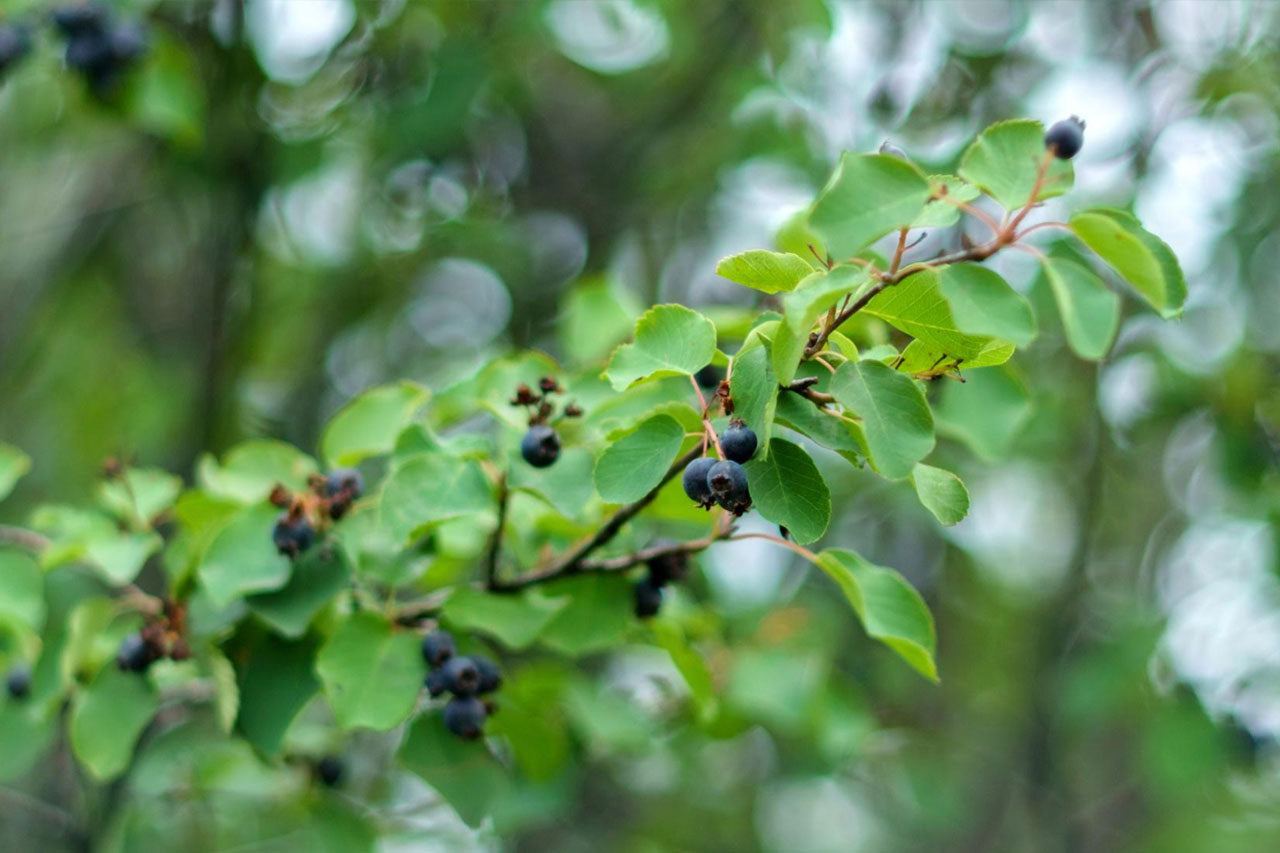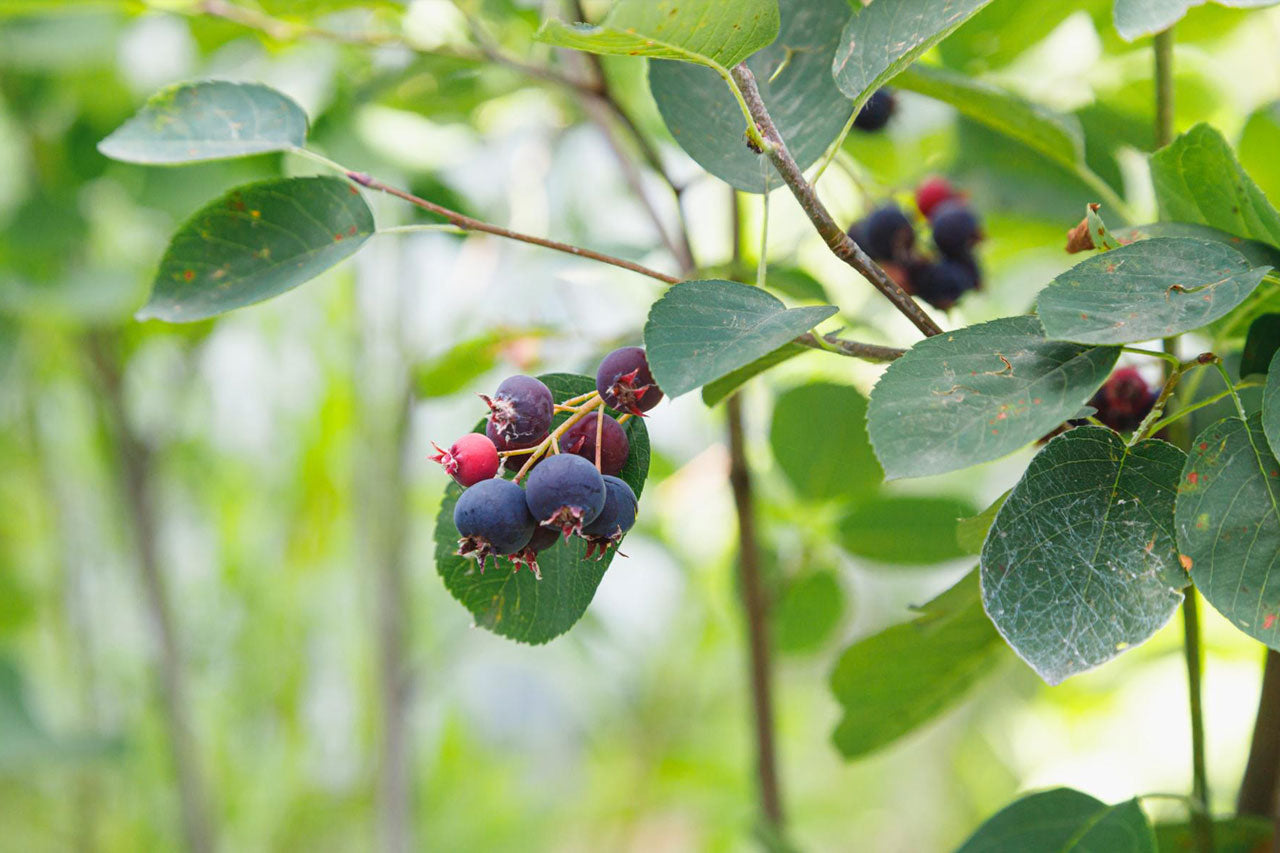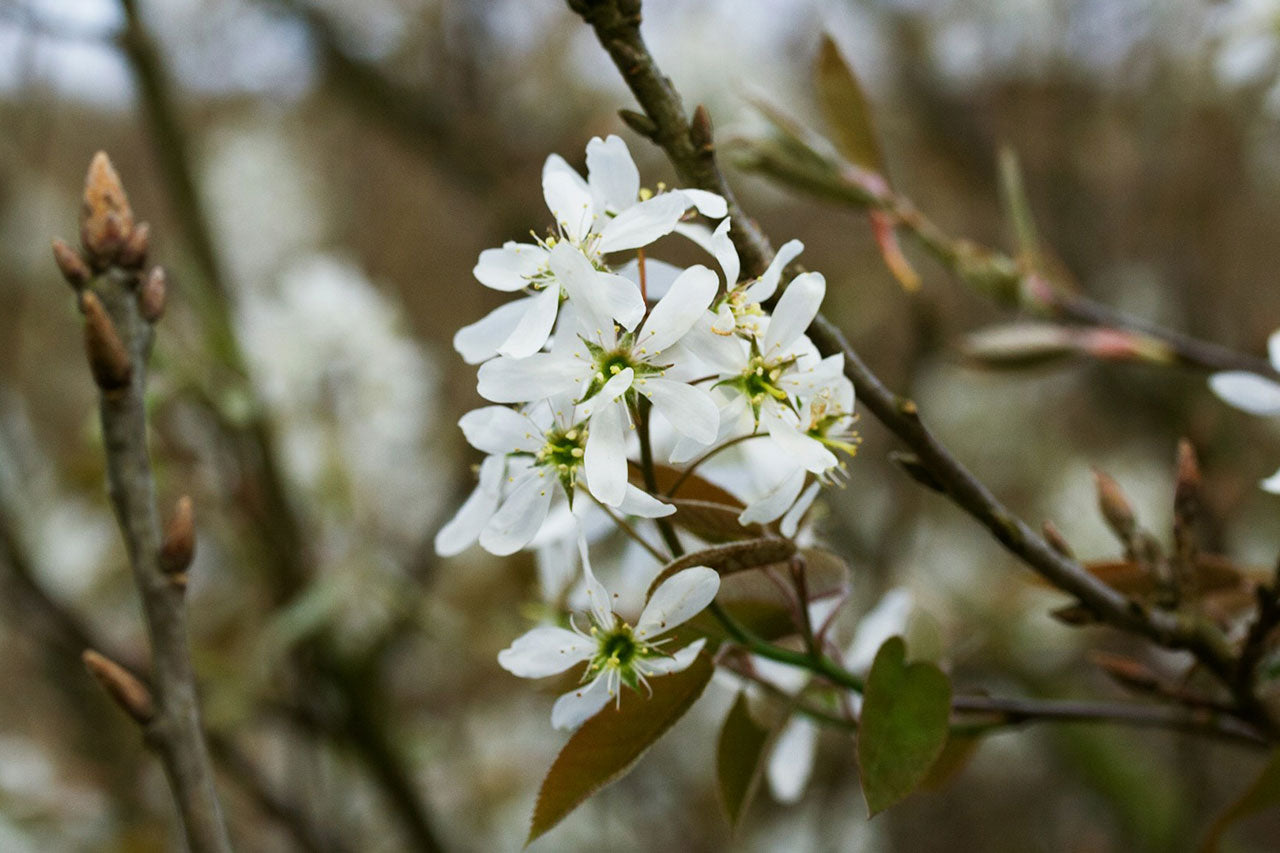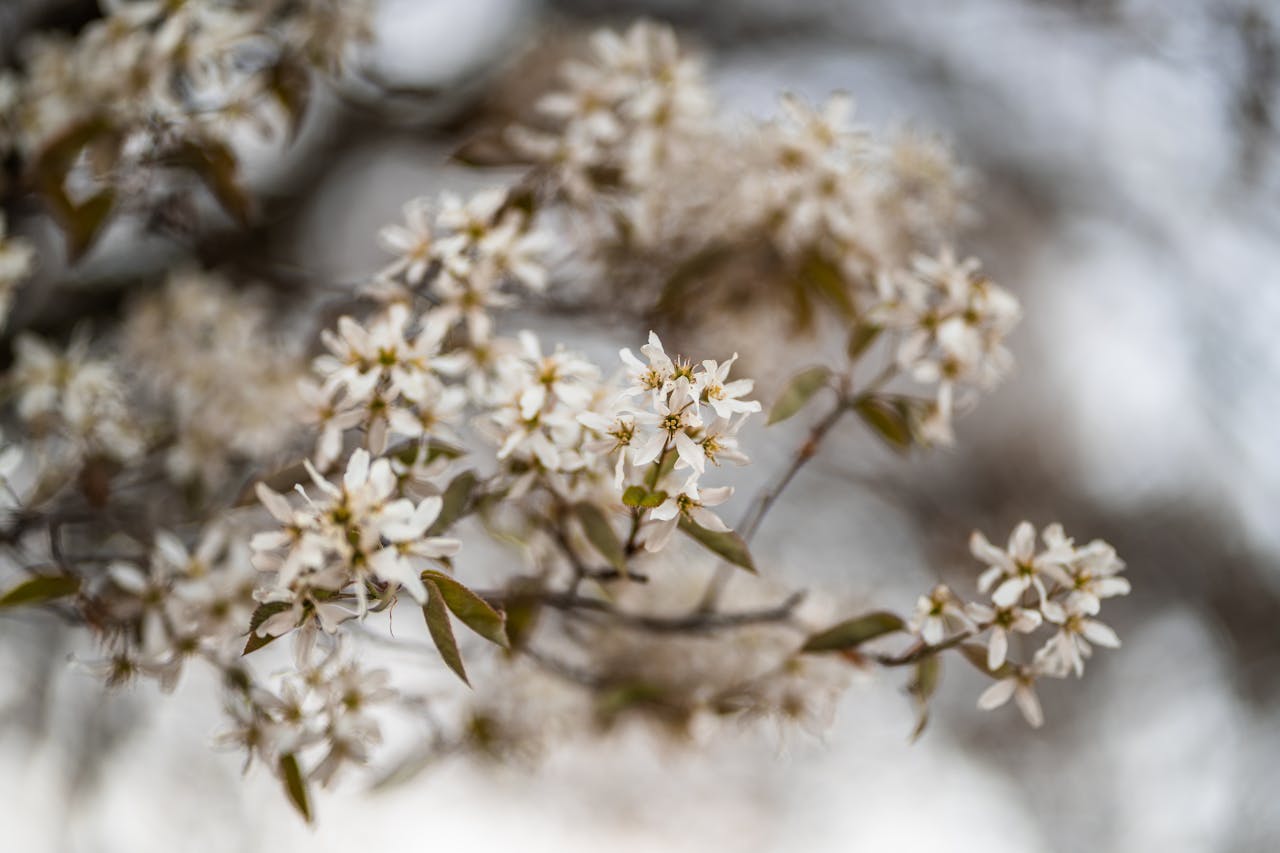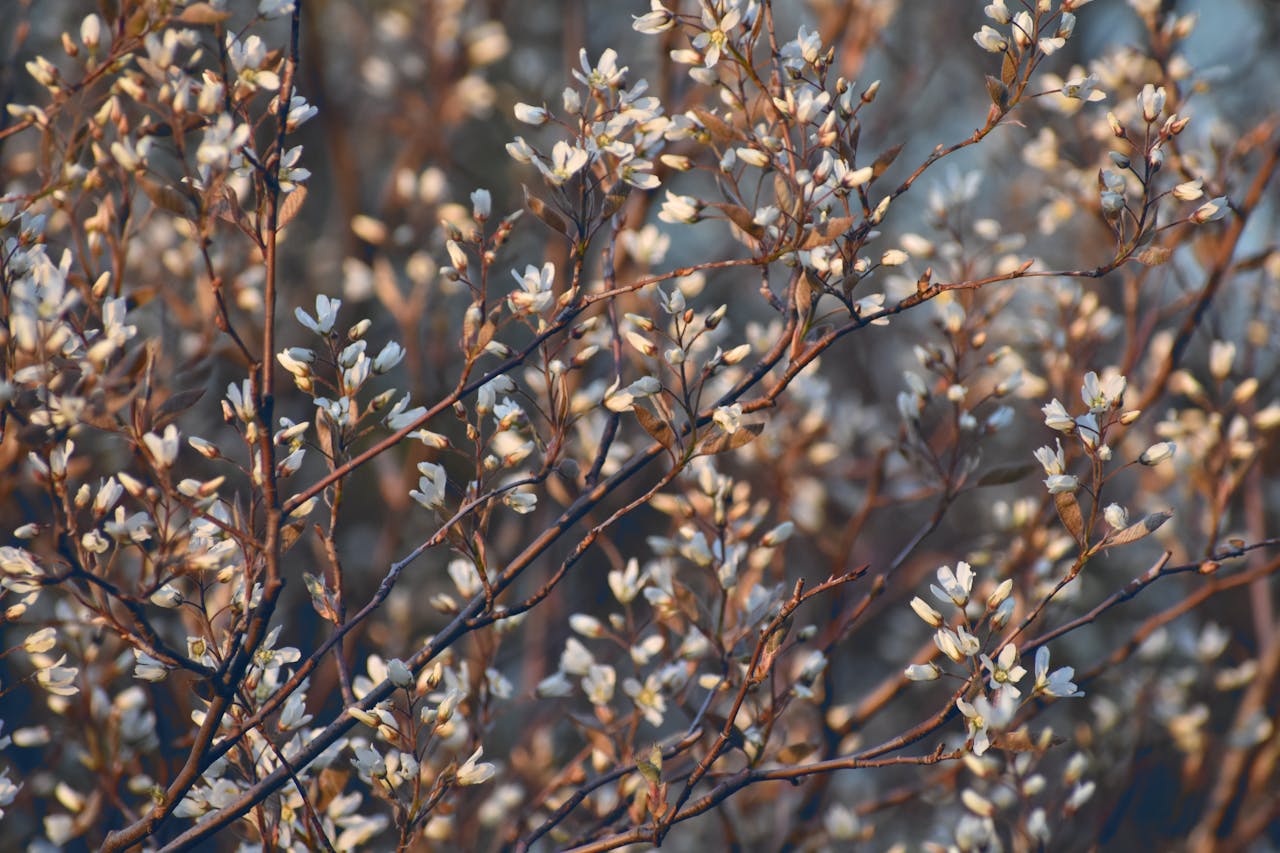

One of the great joys of Amelanchier is the way it suddenly erupts into a cloud of star‑shaped white flowers just as the garden is shaking off winter. On bright days the whole plant seems to shimmer, especially if the blossom is seen against a blue sky or dark background. Because this display comes so early, it feels particularly precious, giving you that first real sense that the season has turned and that the garden is on the move again.


Common name: Juneberry, Serviceberry, or Snowy Mespilus
Latin name: Amelanchier
Size in UK gardens: Typically 3–6m tall × 2.5–4m wide over time; many forms can be kept as a large multi‑stem shrub or small tree, ideal for modest‑sized gardens.
Best position: Full sun or light dappled shade, in a reasonably sheltered spot; best blossom and autumn colour are usually seen in a sunny, open position.
Soil: Moist but free‑draining, humus‑rich garden soil; happiest in neutral to slightly acidic conditions and not keen on very chalky, thin or extremely dry ground.
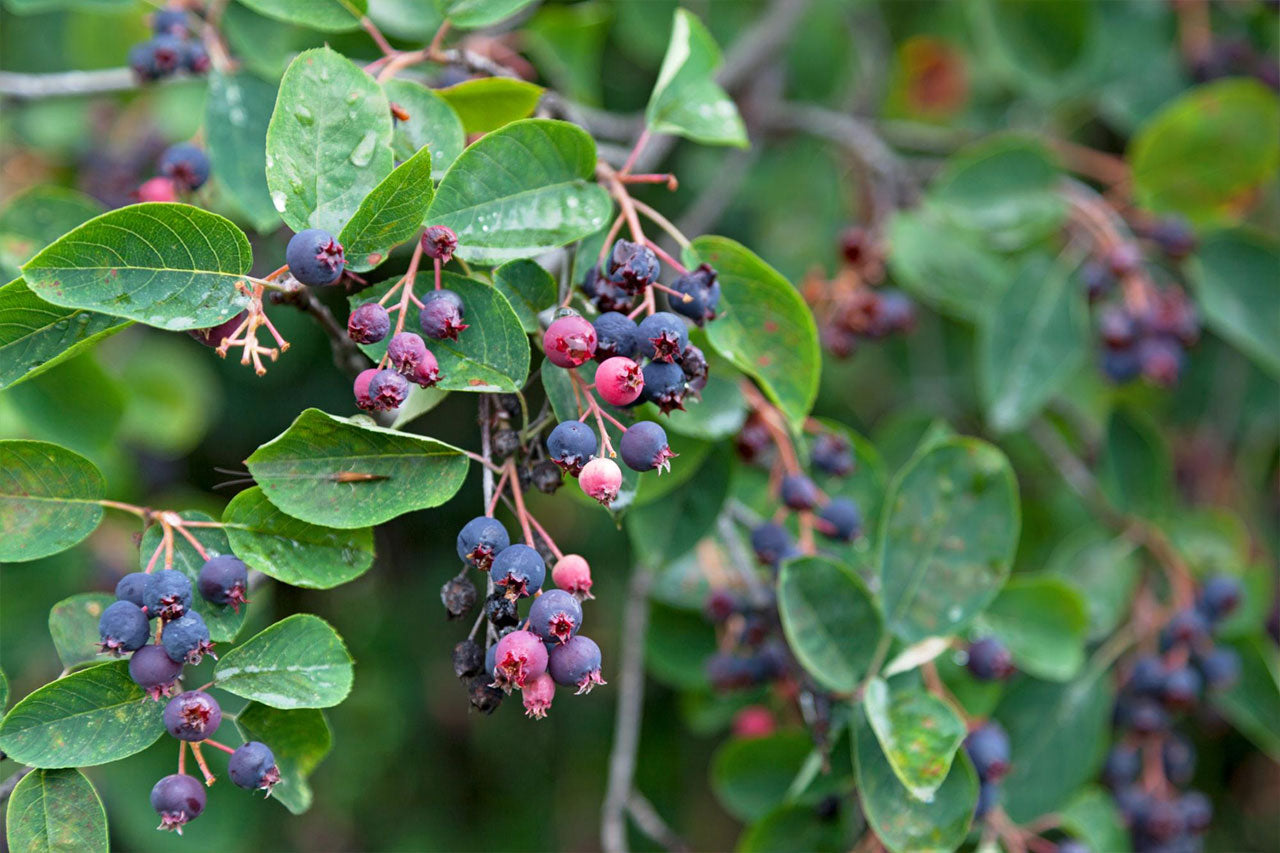
Flowering time: Starry white blossom in early to mid‑spring (often March–April), followed by small berries in early summer and rich orange‑red autumn colour.
Fragrance: Some forms have a light, sweet scent on still days, but Amelanchier is mainly grown for its blossom, berries and foliage rather than strong perfume.
Hardiness: Generally fully hardy across the UK (to well below typical winter lows); spring flowers can be nipped by late frosts in exposed, frost‑pocket sites.
Care level: Easy and reliable – enjoys consistent moisture, needs little pruning and rewards even a small garden with three seasons of interest.

The Simpson’s team raises the majority of our trees here at the nursery. For varieties outside our own production, we work with independent local growers we trust - all chosen for UK climate suitability.
Planting time: Best planted in autumn or early spring, when the soil is naturally moist and not frozen, giving roots time to establish before the extremes of summer heat or winter cold.
Watering: Keep well watered during the first growing season, especially on drier soils, so roots can get down into the ground; on naturally moist or heavy sites, established trees will usually manage without extra watering.
Feeding: In ordinary garden soil, alder rarely needs special feeding; a spring mulch of garden compost around the base is usually enough to keep the soil in good heart.
Pruning: Minimal in most cases; remove damaged or awkward branches as needed and decide early on whether you want a single‑stemmed tree or a multi‑stemmed, more coppiced look.
Winter: Established trees need no winter protection; young trees in very exposed or extreme sites may benefit from a mulch around the base and a simple windbreak until they have rooted in well.
Availability is always changing, so please check with us if you have a particular variety in mind.


A slim, columnar serviceberry designed for tight spaces, offering a vertical accent without losing the charm of spring blossom. White flowers appear in delicate clusters, followed by tidy foliage that turns richly coloured later in the year. Perfect for lining paths, marking entrances, or adding height in smaller gardens.
A striking upright selection with a narrow, architectural silhouette and bright seasonal colour changes that make it feel almost tailored. Spring brings a haze of white blossom, then fresh green foliage, finishing in vivid autumn tones. Ideal where you want a strong vertical feature without bulk.
A lovely choice if you want something a little softer, with pale pink-tinged blossom that feels gentle and romantic in spring. The tree has a graceful habit and fine foliage that brings lightness to borders. It’s a superb specimen for smaller gardens, especially in mixed planting schemes.
A particularly floriferous variety, producing masses of white blossom so dense it can look like the branches have been dusted with fresh snow. The overall effect is bright, celebratory, and wonderfully uplifting in spring. With neat foliage and an elegant outline, it makes a superb small feature tree.


A reliable Japanese maple with rich burgundy foliage that keeps its colour well through summer, then finishes with glowing crimson tones in autumn. Upright and well-shaped, it gives strong contrast in borders without feeling fussy. A great “first Japanese maple” for creating instant presence.
A compact Japanese maple with neat leaves edged in cream, often flushed pink in spring. It brings light and fine detail to small gardens, and is excellent in pots near doors or seating. Give it shelter and soft sun for crisp variegation, steady colour, and a very tidy outline.
A classic weeping laceleaf that forms a graceful mound, draping like a living fountain. Leaves emerge red-purple and deepen through the season, then glow in autumn. Perfect by paths or water, where the cascading shape reads well and feels calm up close. Ideal for small spaces.
An elegant laceleaf maple with fresh green foliage and a naturally domed, cascading habit. It brings movement and fine texture to borders, especially in dappled shade where the leaves look feathery. Autumn colour turns warm gold and orange, softly and reliably. Suits part shade.