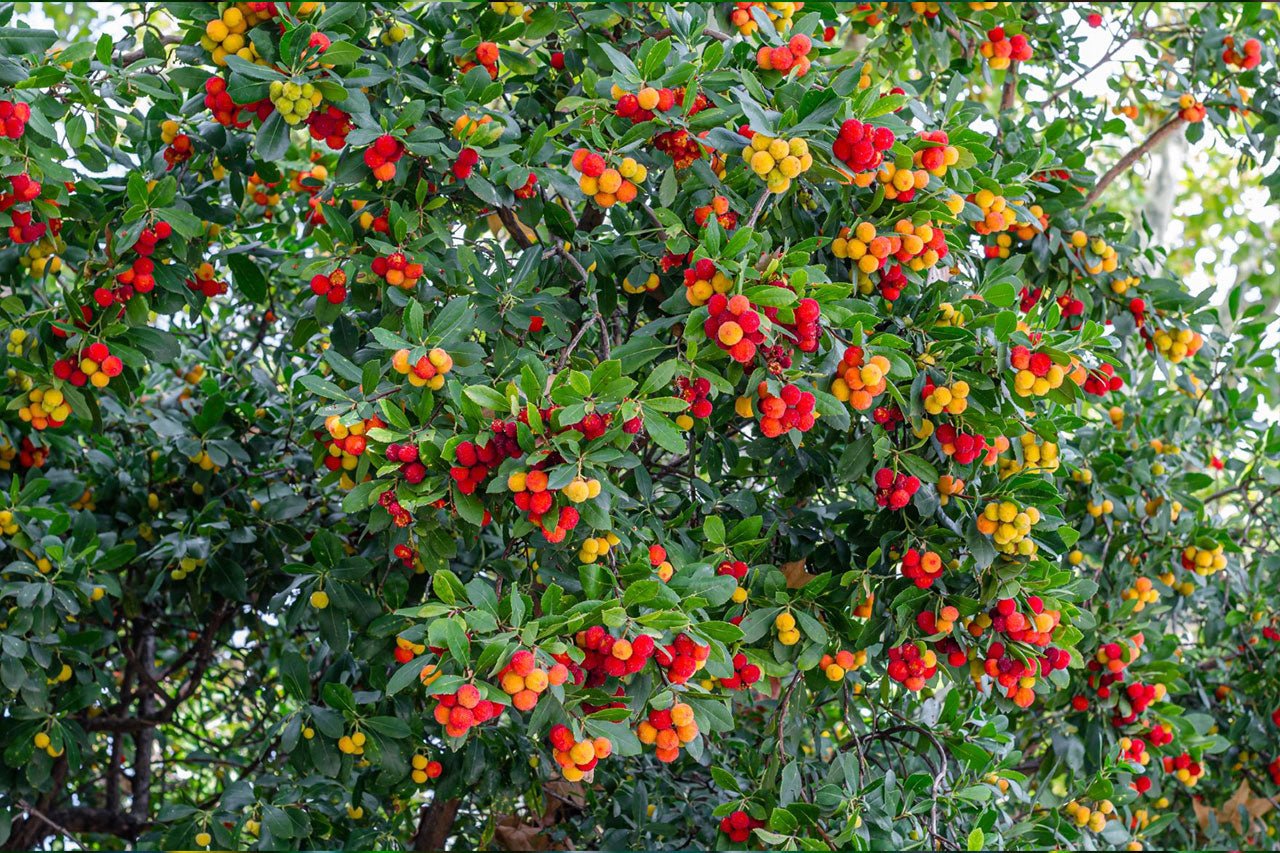

One of Arbutus’ great gifts to the garden is the feeling of permanence and structure it brings. Its leaves stay on the tree all year, so even in the depths of winter there is a solid, green presence in the border or on the lawn. As the tree matures, the bark begins to peel and flake, revealing rich tones beneath and giving a textured, almost painterly look to the trunk and branches. It’s the sort of tree you find yourself looking at in every season, because there is always something quietly interesting going on.


Common name: Strawberry tree
Latin name: Arbutus
Size in UK gardens: Typically 3–6m tall × 3–4m wide over time. Usually forms a small tree or large shrub, but can be kept more compact with light pruning in smaller gardens.
Best position: Full sun or light dappled shade in a warm, sheltered spot.
Soil: Free‑draining, preferably neutral to slightly acidic soil. Will tolerate poorer, stony ground once established, but dislikes heavy, waterlogged clay and very alkaline conditions.
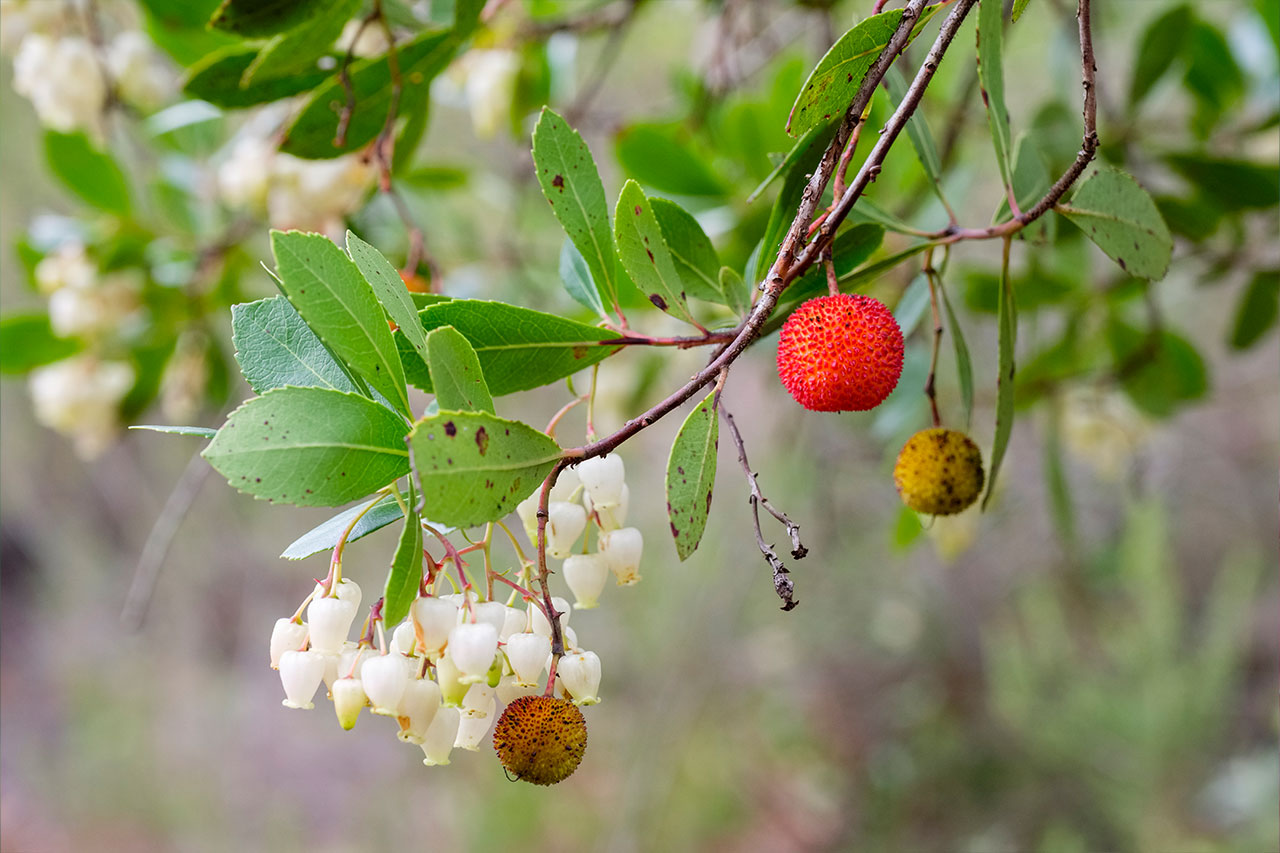
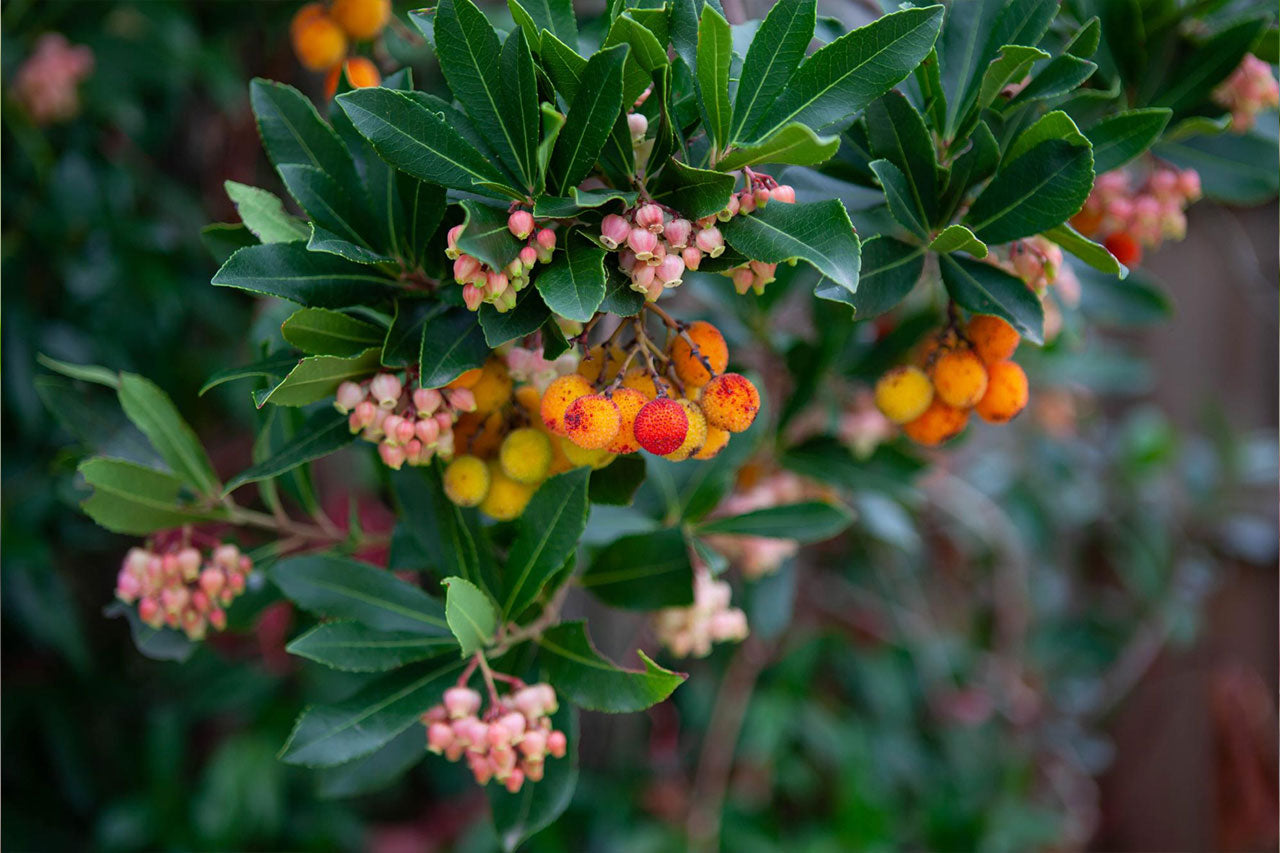
Flowering time: Main interest in autumn and early winter, when clusters of small, urn‑shaped white to creamy‑pink flowers appear, often alongside developing strawberry‑like fruits and peeling bark.
Fragrance: Flowers may have a light, honeyed scent at close quarters, but are usually grown more for their look than for strong fragrance.
Hardiness: Generally hardy in much of the UK (around –10 °C once established), especially in milder or coastal areas; may need extra shelter in very cold, exposed inland gardens.
Care level: Moderately easy – enjoys sun and good drainage, needs little pruning, and mainly appreciates a bit of extra care in its first few years and during severe winters.

The Simpson’s team raises the majority of our trees here at the nursery. For varieties outside our own production, we work with independent local growers we trust - all chosen for UK climate suitability.
Planting time: Best planted in spring or early autumn, when the soil is moist and workable but not frozen or waterlogged, giving roots time to establish before heat or cold extremes.
Watering: Keep well watered through the first growing season, especially in dry spells, so roots can knit into the surrounding soil; once established, water mainly during prolonged summer droughts.
Feeding: A light feed in spring with a balanced, slow‑release fertiliser or a top‑dress of garden compost is usually plenty; avoid heavy feeding, which can encourage soft growth at the expense of overall balance.
Pruning: Generally minimal – Arbutus has a naturally attractive shape and only needs the occasional removal of dead, crossing or awkward branches, ideally done after flowering or in late winter.
Winter: In milder gardens it needs little attention; in colder or exposed sites, a mulch around the base and some shelter from cutting winds will help young plants through their first few winters.
Availability is always changing, so please check with us if you have a particular variety in mind.
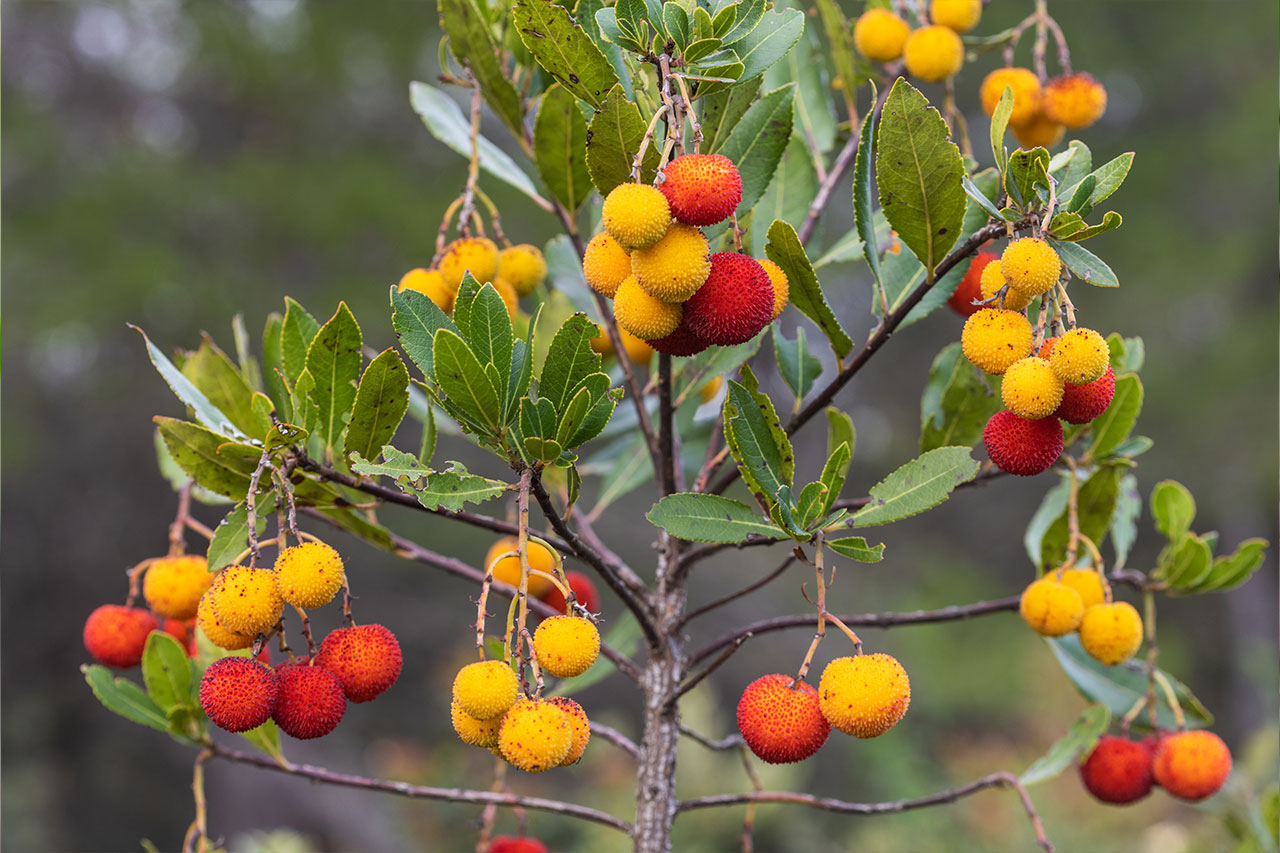
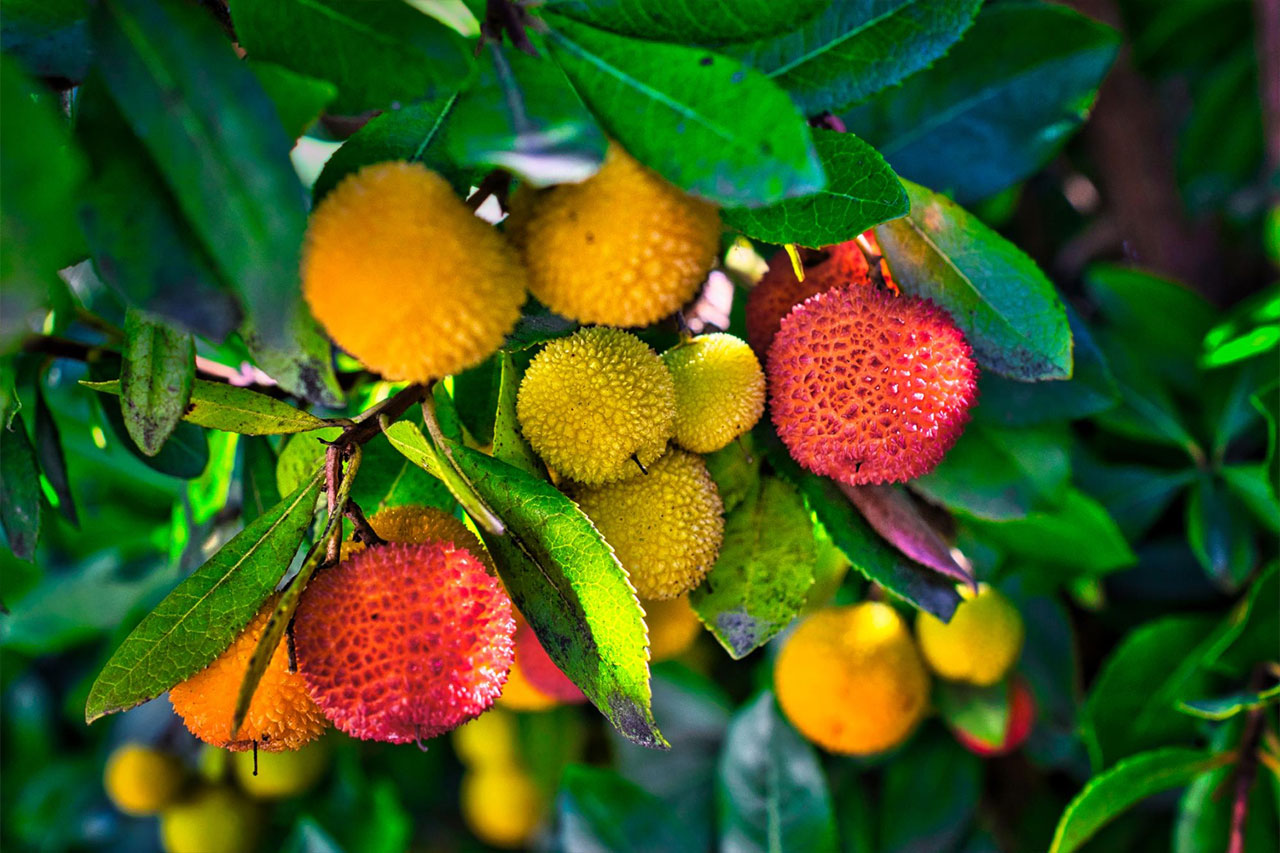
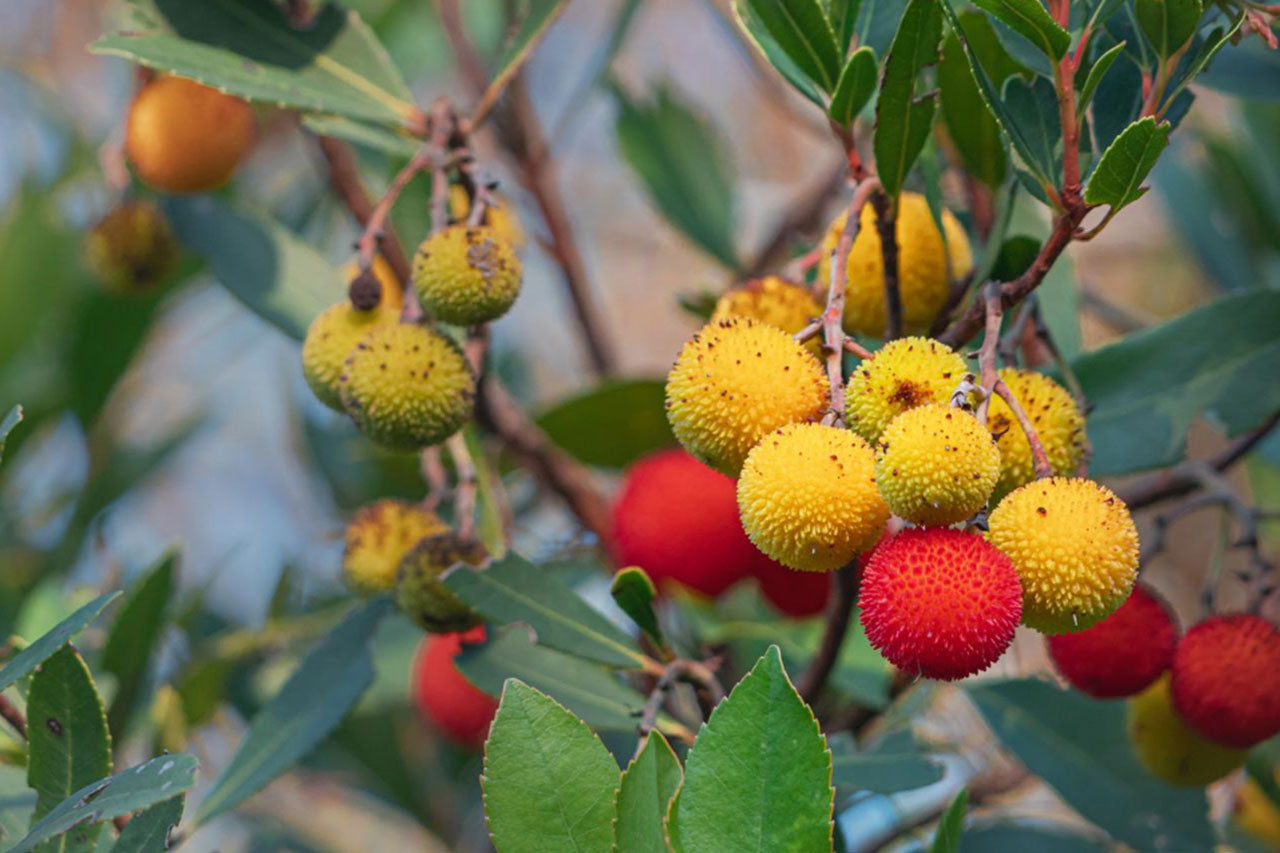
The strawberry tree is a real treasure for year-round interest: glossy evergreen leaves, bell-like flowers, and colourful, strawberry-like fruits often appearing at the same time. It brings a wonderfully Mediterranean feel without being flashy, and it makes a superb specimen—especially near a patio—where you can enjoy its curious mix of flower and fruit up close.
All the charm of the strawberry tree, but in a smaller, tidier form that suits more modest gardens. Glossy evergreen foliage gives structure, while the combination of pale flowers and colourful fruits provides that lovely “something is always happening” effect. Perfect as a feature shrub or small tree where you want year-round character.