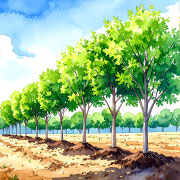

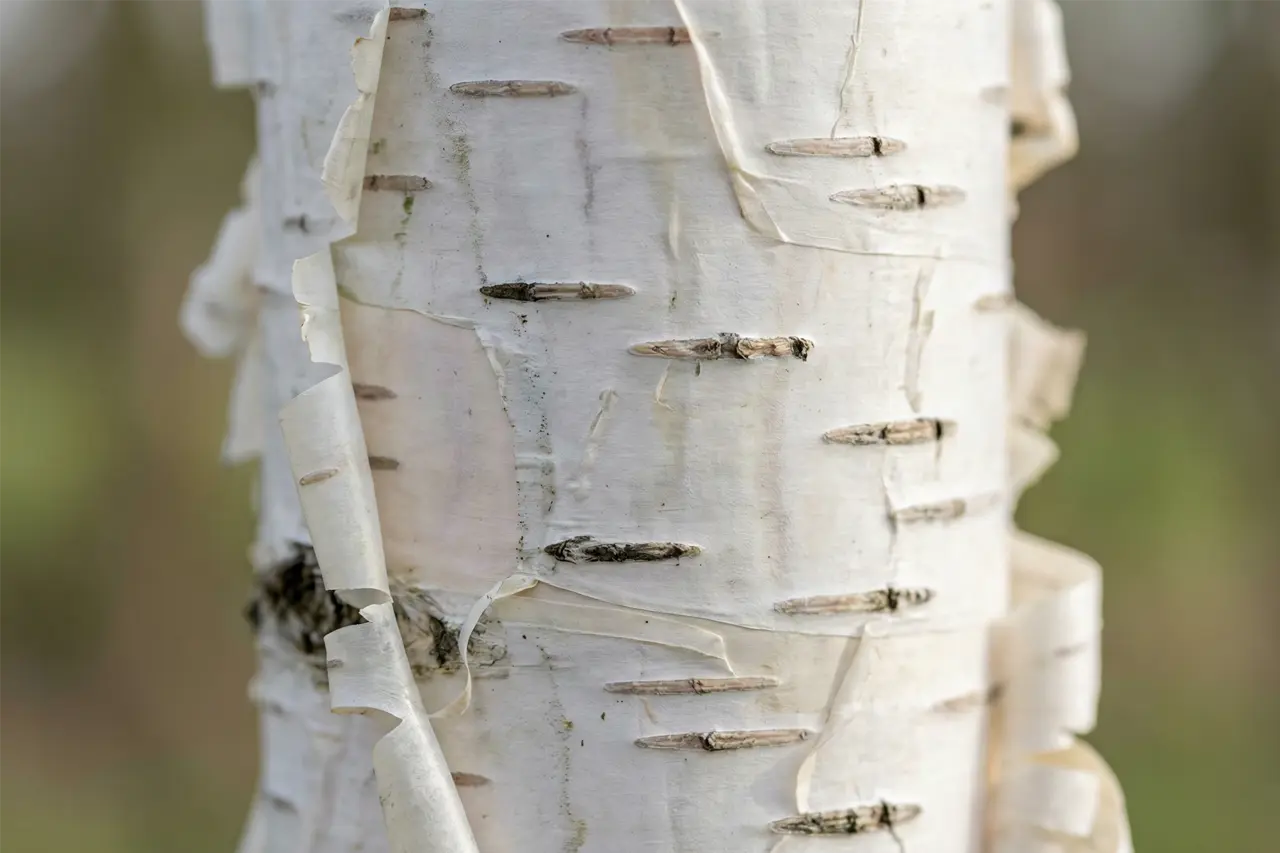
Himalayan birch is grown for its bark, and once you’ve seen it in winter light you’ll understand why. The trunks develop a clean, chalk‑white finish that stands out beautifully against evergreen shrubs, brickwork, and darker fences. Even on a dull day, it lifts the view and makes the garden feel brighter. The bark often peels a little with age, adding texture and character without any effort from you. It’s a true four‑season feature, especially when planted where you’ll pass it often.
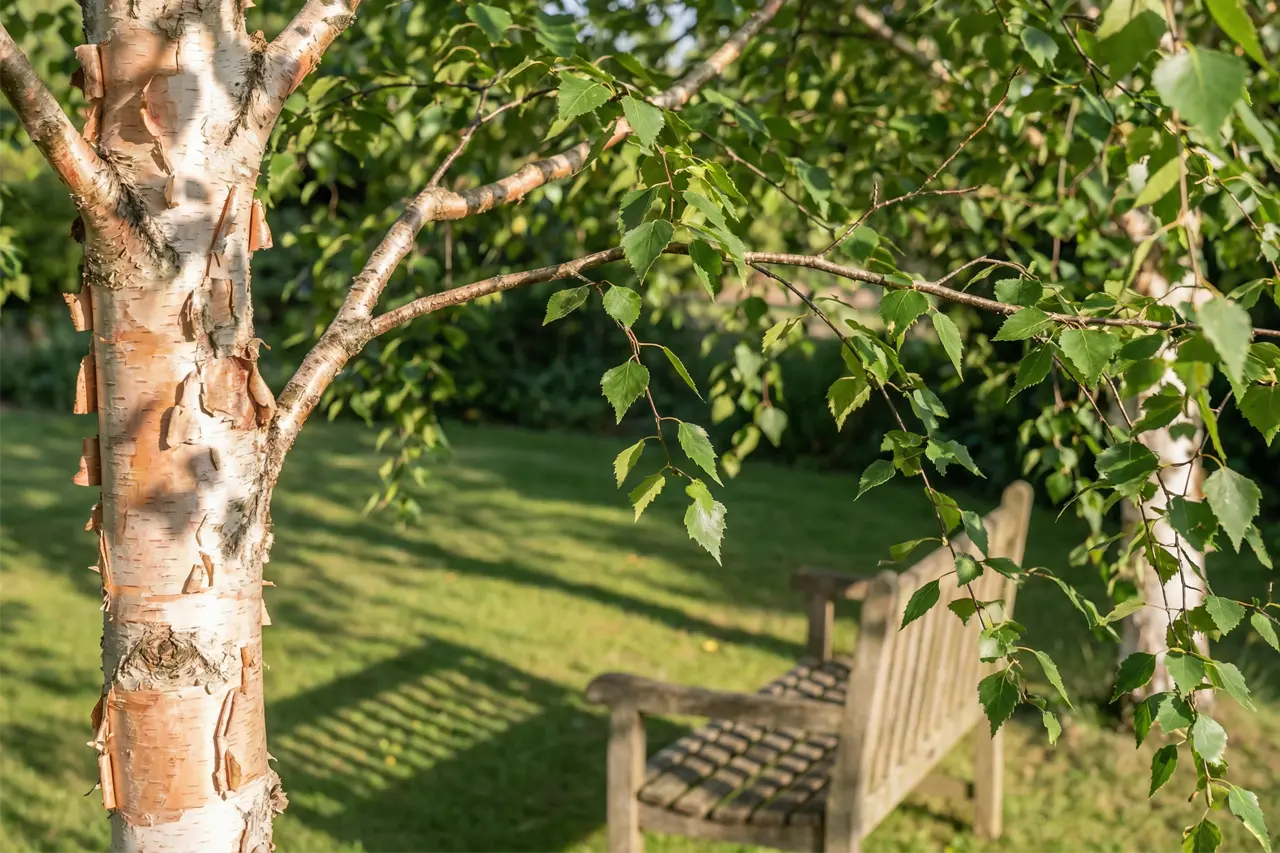
Common name: Himalayan birch.
Latin name: Betula.
Size in UK gardens: Typically around 8–12m over time, with a light canopy; multi‑stem trees often feel a little softer and “garden‑sized” in outline.
Best position: Sun or light shade in an open, airy spot; bark colour and canopy density are best with good light.
Soil: Moist but well‑drained soil is ideal; tolerates many soils, but dislikes prolonged waterlogging and repeated drought.
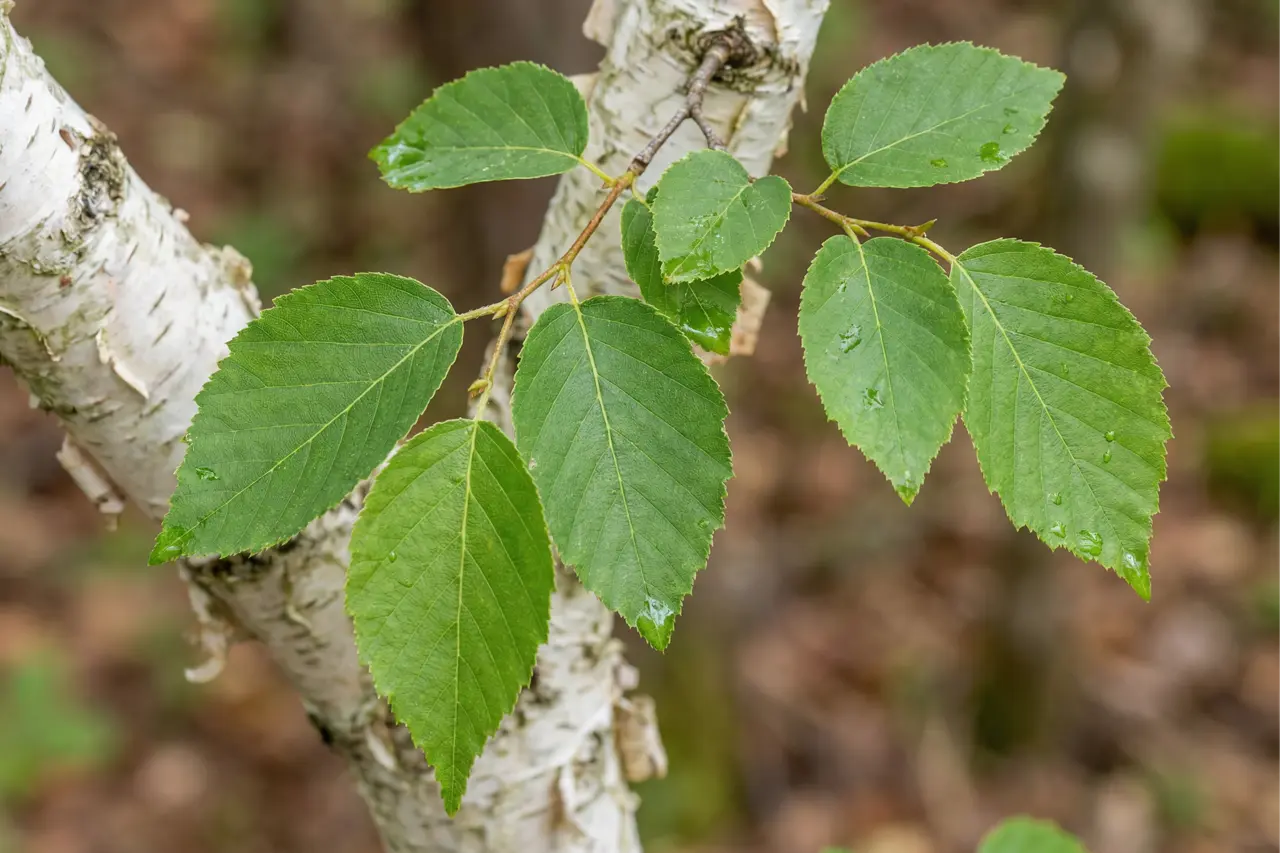
Main interest: Brilliant white bark, delicate foliage movement, and clear yellow autumn colour; catkins in spring.
Fragrance: Usually not noticeably scented.
Hardiness: Very hardy in the UK.
Care level: Low to moderate – easy-going once established, with minimal pruning and steady watering in dry spells.

The Simpson’s team raises the majority of our trees here at the nursery. For varieties outside our own production, we work with independent local growers we trust - all chosen for UK climate suitability.
Planting time: As container‑grown trees, Himalayan birch can be planted in most months when the ground isn’t frozen or waterlogged; spring and autumn are usually easiest.
Watering: Water well in the first 1–2 seasons and give deep soaks in prolonged dry spells; birch looks best with steady moisture.
Feeding: A yearly spring mulch of compost or leaf mould is usually enough; feed lightly in spring only if growth is weak.
Pruning: Minimal – mainly tidy and thin; avoid late winter/early spring pruning as birch can “bleed” sap.
Winter: Very hardy; mulch helps young trees and container plants most, especially through cold, drying winds.
Availability is always changing, so please check with us if you have a particular variety in mind.


A Himalayan birch with bark that blushes pink and cream, giving a softer glow than the pure-white forms. Light, open branching adds a gentle shimmer, and the pale trunk lifts dark planting—beautiful as a feature tree or planted in a small grove for winter brightness.
A Himalayan birch with orange-buff bark that glows in winter light, adding richness to birch planting. The crown stays airy and elegant, so it feels refined rather than heavy—superb as a specimen, or planted in threes for a luminous backdrop.
A distinctive Himalayan birch with peeling bark in deep chocolate tones, glossy in winter. The dark trunk contrasts superbly with evergreens and pale grasses, while the crown stays light and open—an unforgettable specimen all season.
The classic white-stem Himalayan birch, prized for brilliantly pale bark that shines in winter. Light, open branching brings movement and dappled light, creating a crisp woodland feel—perfect as a focal tree, or planted in a small group too.


A bright white-stem birch with a crisp upright habit, showing off its clean trunk. The canopy stays open and airy, so it feels light and elegant—ideal for framing views, lining paths, or planting in threes for winter sparkle too.
Gleaming white stems give this birch a ‘ghostly’ winter glow. The crown is light and refined, with fine twiggy movement, and the pale trunk reads brilliantly against dark hedging—ideal in groups, or as a single lawn feature.
Bright white bark and a poised, lightly arching outline give this birch instant elegance. The canopy stays open and airy, letting light through—ideal as a specimen, repeated in threes, or used to frame a path with a soft woodland feel.
Chosen for a longer clear trunk that lifts the canopy, showing off the white bark beautifully. The crown stays light and open, giving a clean, architectural feel—superb as a statement specimen, or used to frame a lawn and view.


A classic sycamore valued for its strong structure and broad canopy of fresh green leaves. It suits larger gardens and open settings where a substantial, long-lived tree is appropriate. A dependable choice for creating shade and presence over time.
A bold sycamore distinguished by deep purple foliage that holds its colour well through the season. It adds contrast and richness to landscapes where green alone can feel flat. Particularly effective as a statement tree in lawns or spacious borders.
An unusual sycamore with marbled foliage in soft green, cream, and pink tones, changing as the leaves mature. It brings lightness and visual interest without feeling showy or overpowering. Best appreciated where its subtle patterning can be seen up close.
A refined sycamore with finely variegated leaves that create a calm, elegant effect. The colouring is more delicate than bold, giving the tree a composed, balanced appearance. Well suited to gardens where quiet detail matters more than drama.