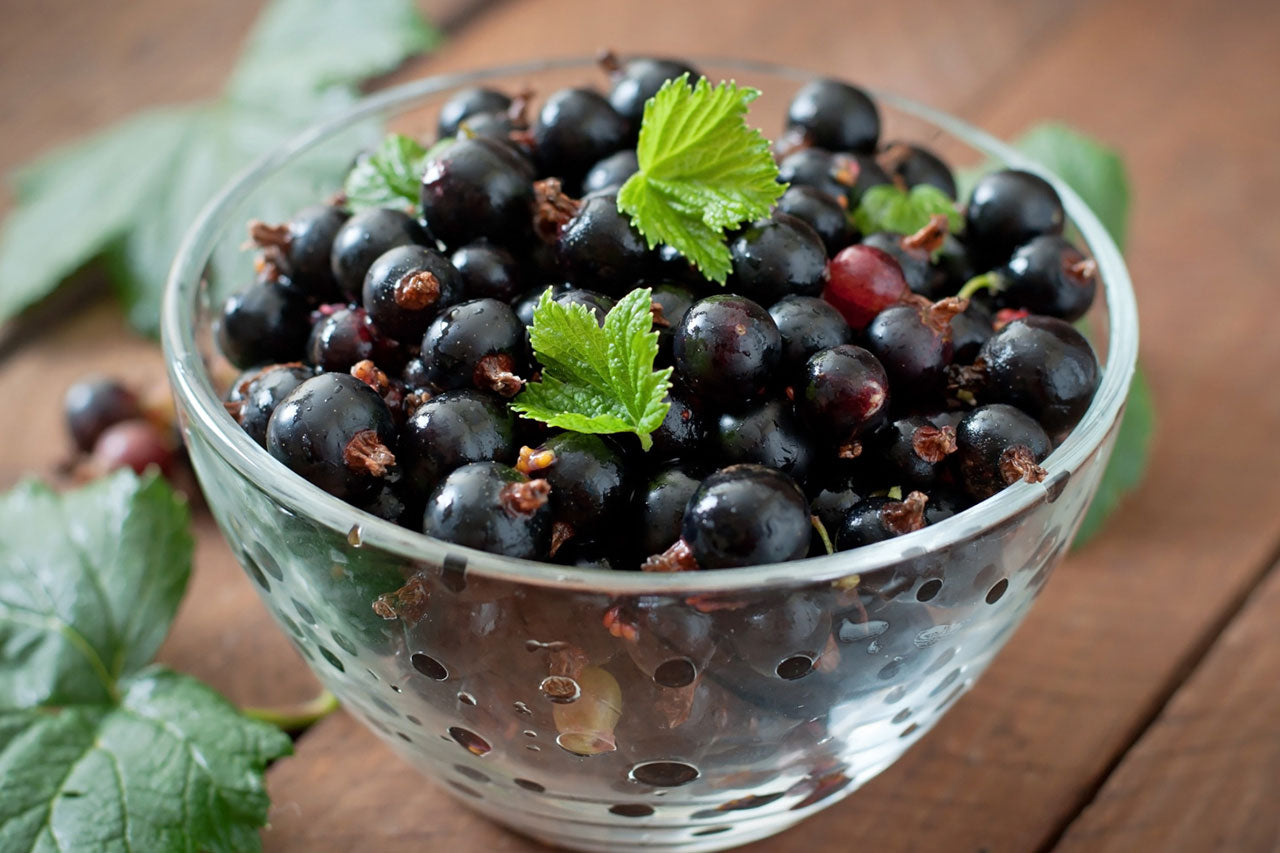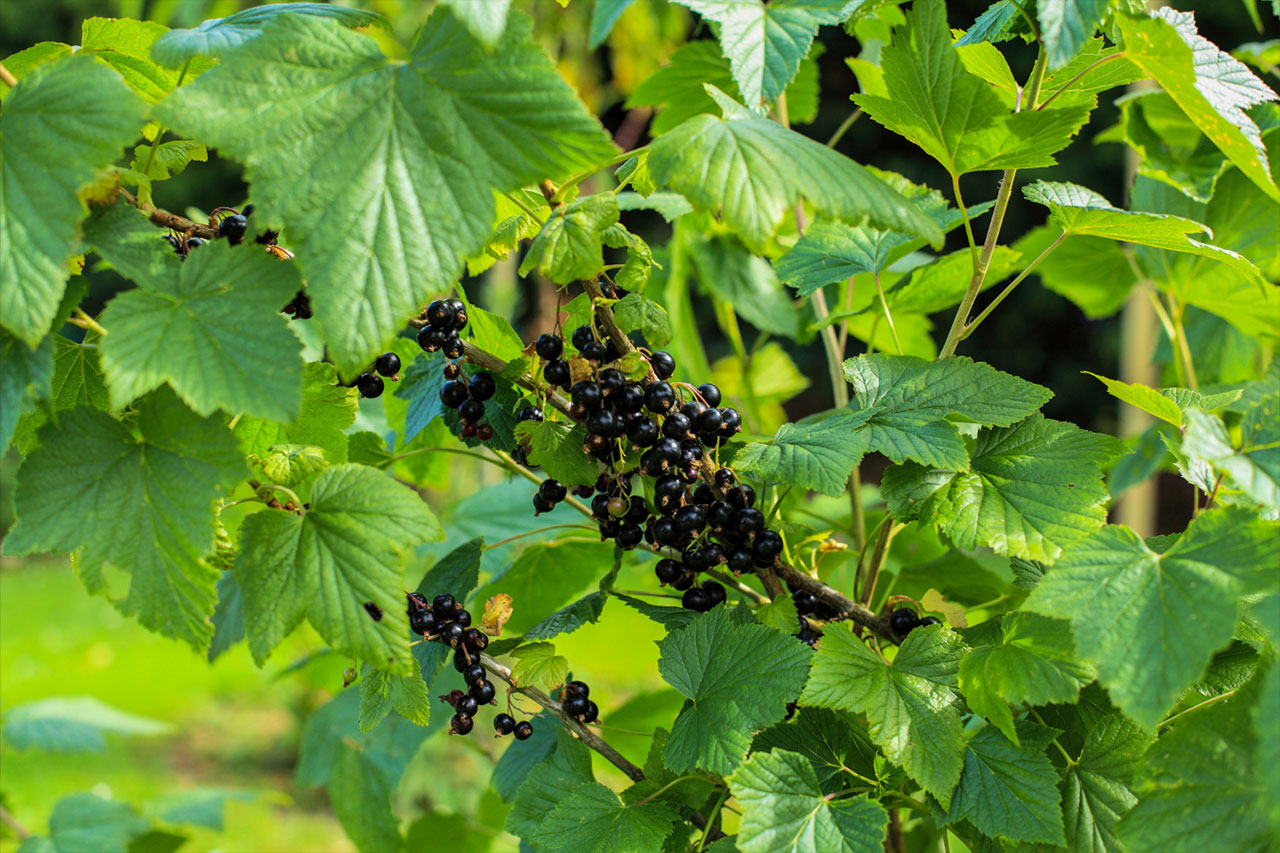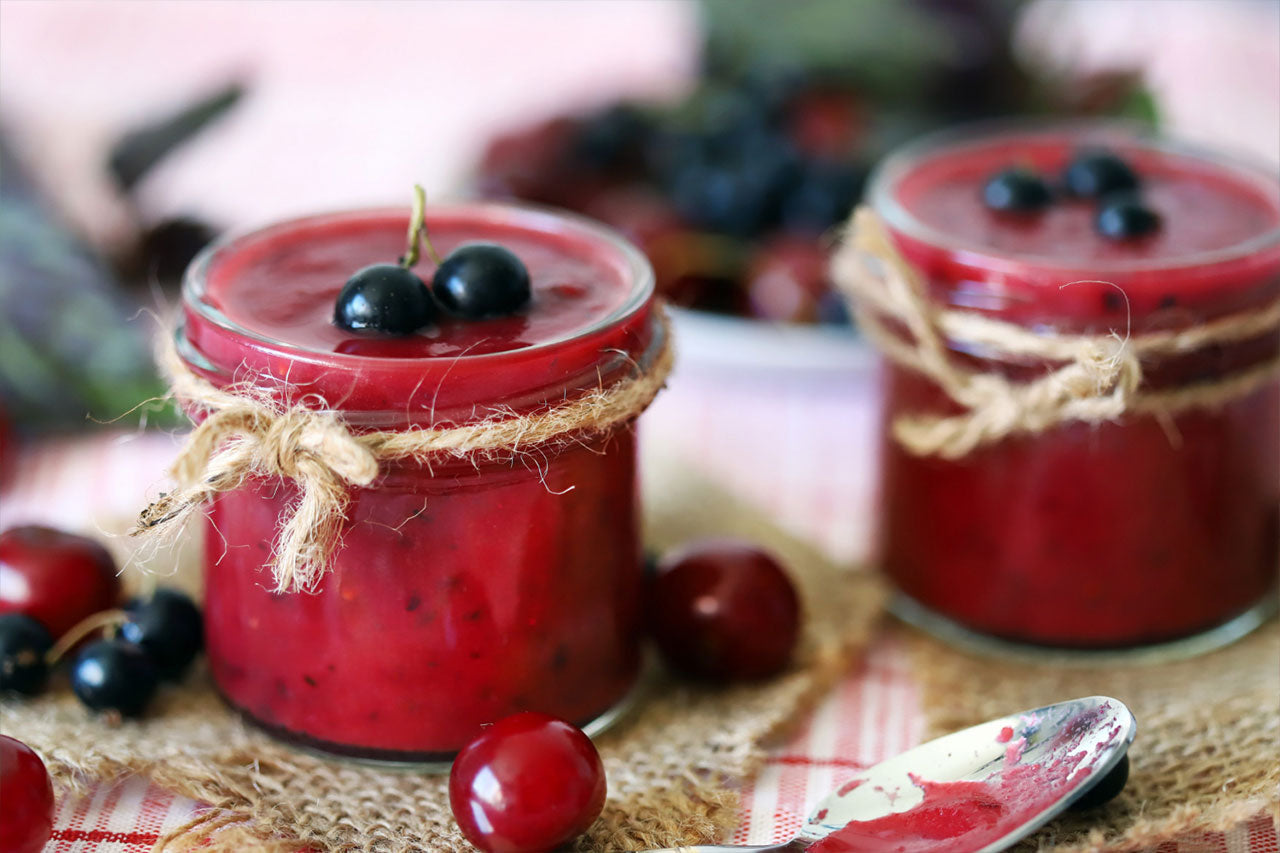

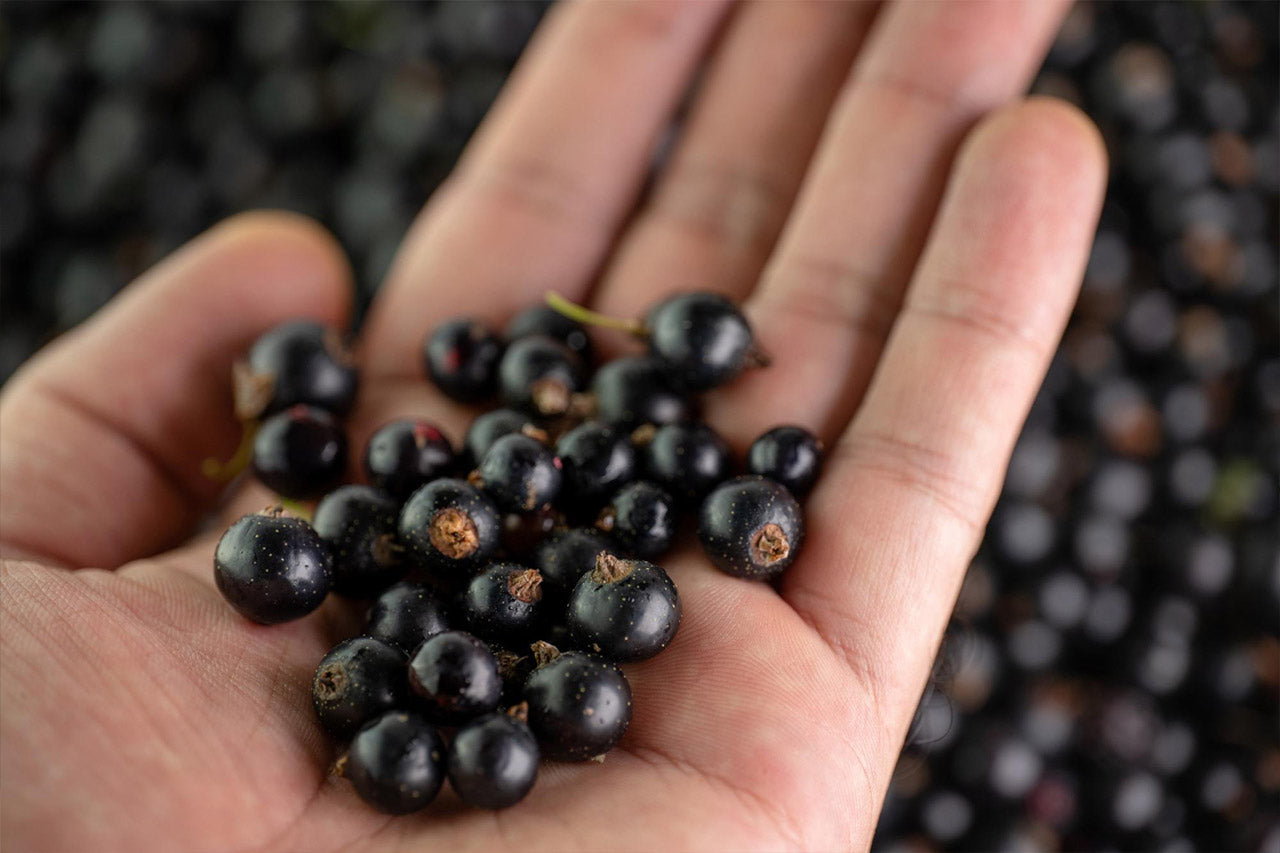
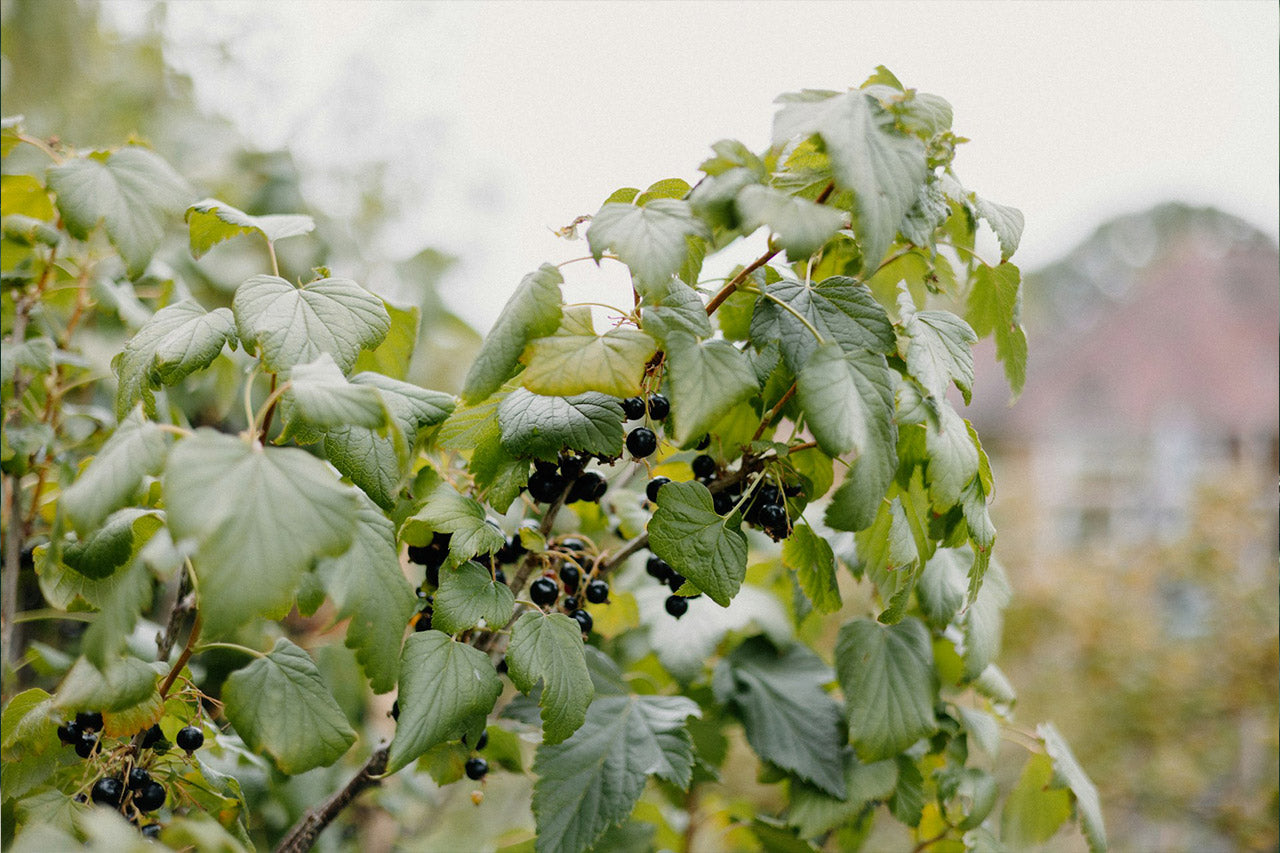
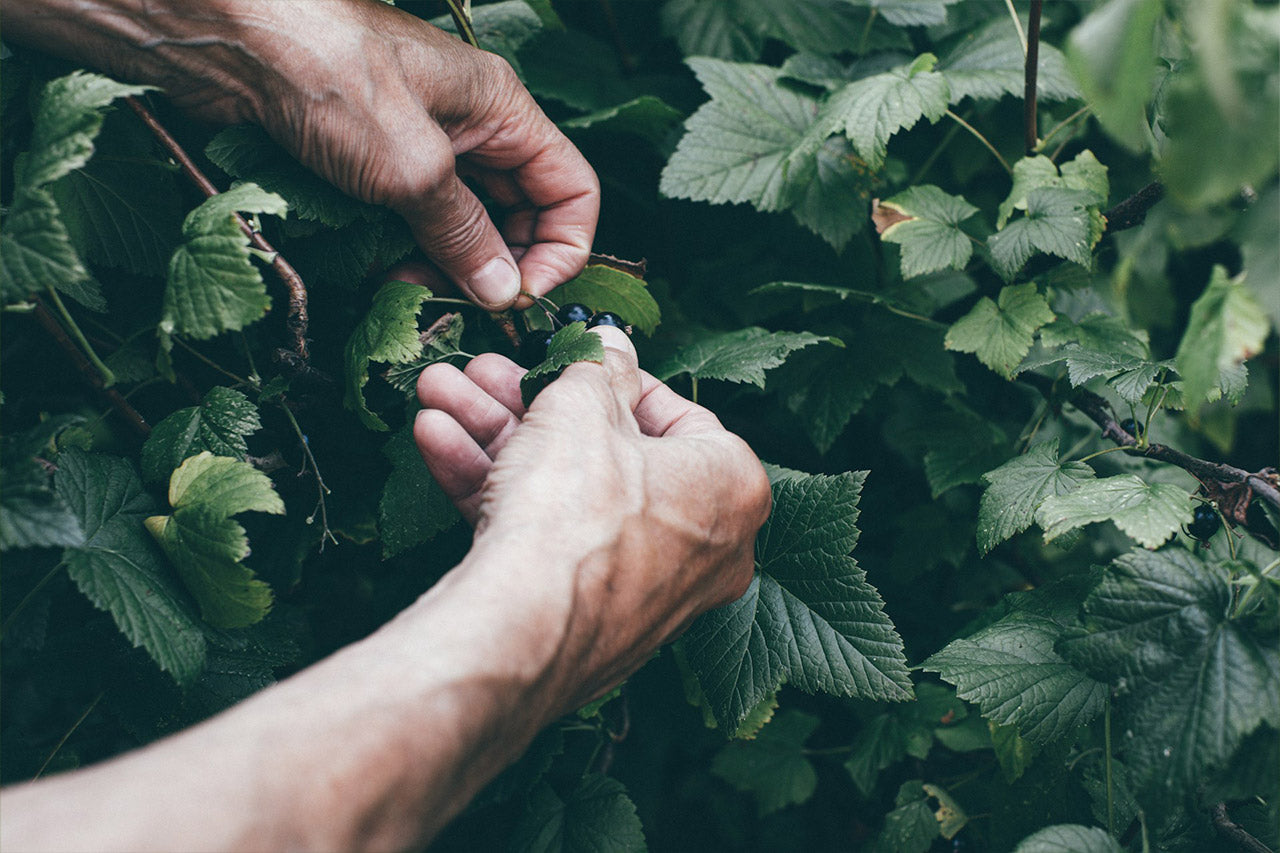
Blackcurrants (Ribes nigrum) are famously rich in vitamin C, and a single established bush can produce an impressive crop of berries each summer. The fruit forms in long, dangling strings, ripening from green through deep purple to almost black, with a sharp, intense flavour that works beautifully in cordials, jams, jellies and puddings. In a typical Cambridgeshire garden, a small run of blackcurrant bushes can easily supply a family with enough fruit for fresh eating, freezing and preserving. Once you’ve tasted homemade blackcurrant jam or cordial, it’s hard to go back to supermarket versions.
Common name: Blackcurrant
Latin name: Ribes nigrum
Size in UK gardens: Typically about 1.2–1.5m tall and wide when mature, though growth varies by variety and pruning.
Best position: A sunny, reasonably sheltered spot; will tolerate light shade, but best yields and sweetest fruit come in full sun.
Soil: Fertile, moisture‑retentive but well‑drained soil; happiest in good loam or improved clay with plenty of organic matter. In pots, use a rich, loam‑based compost.
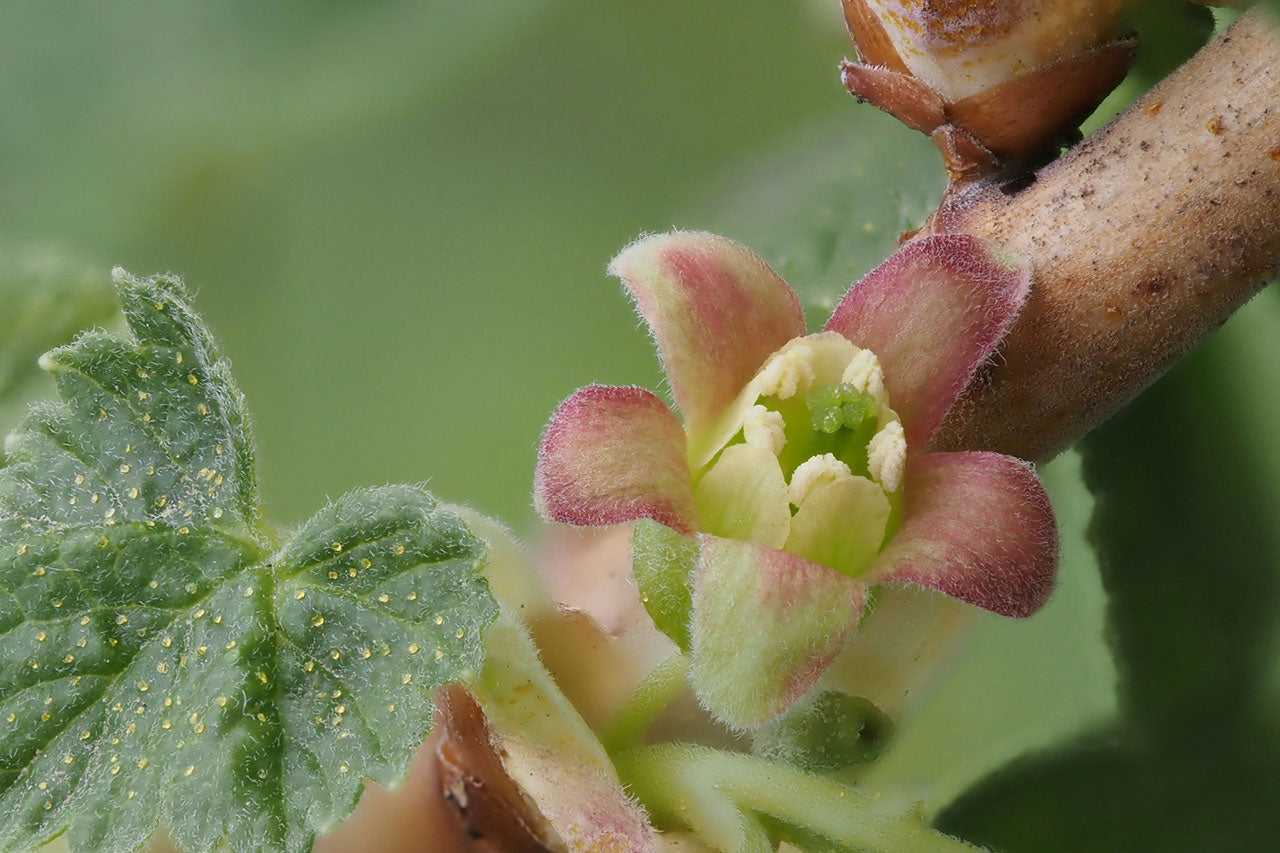
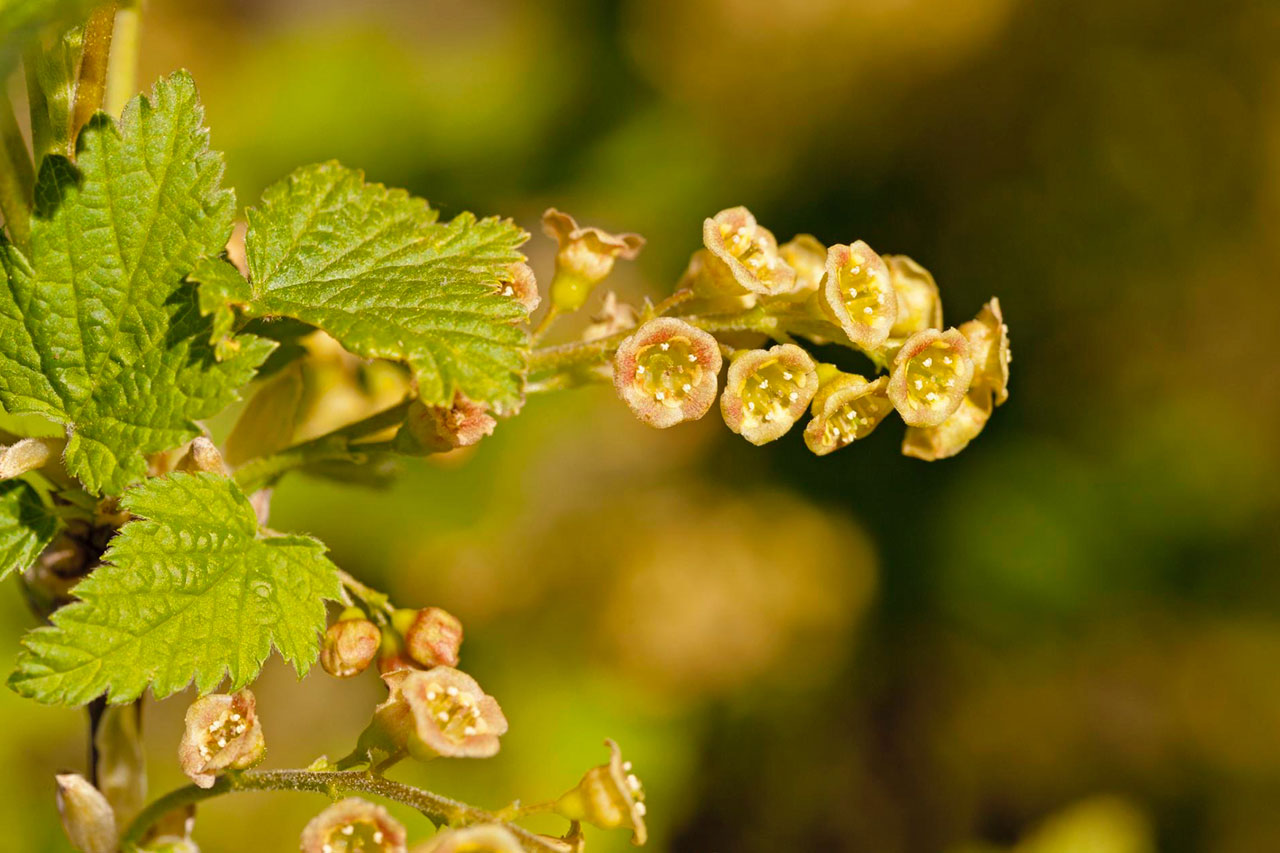
Flowering time: Modest, green‑white flowers in spring; fruit ripens from early to mid‑summer onwards depending on variety and local climate.
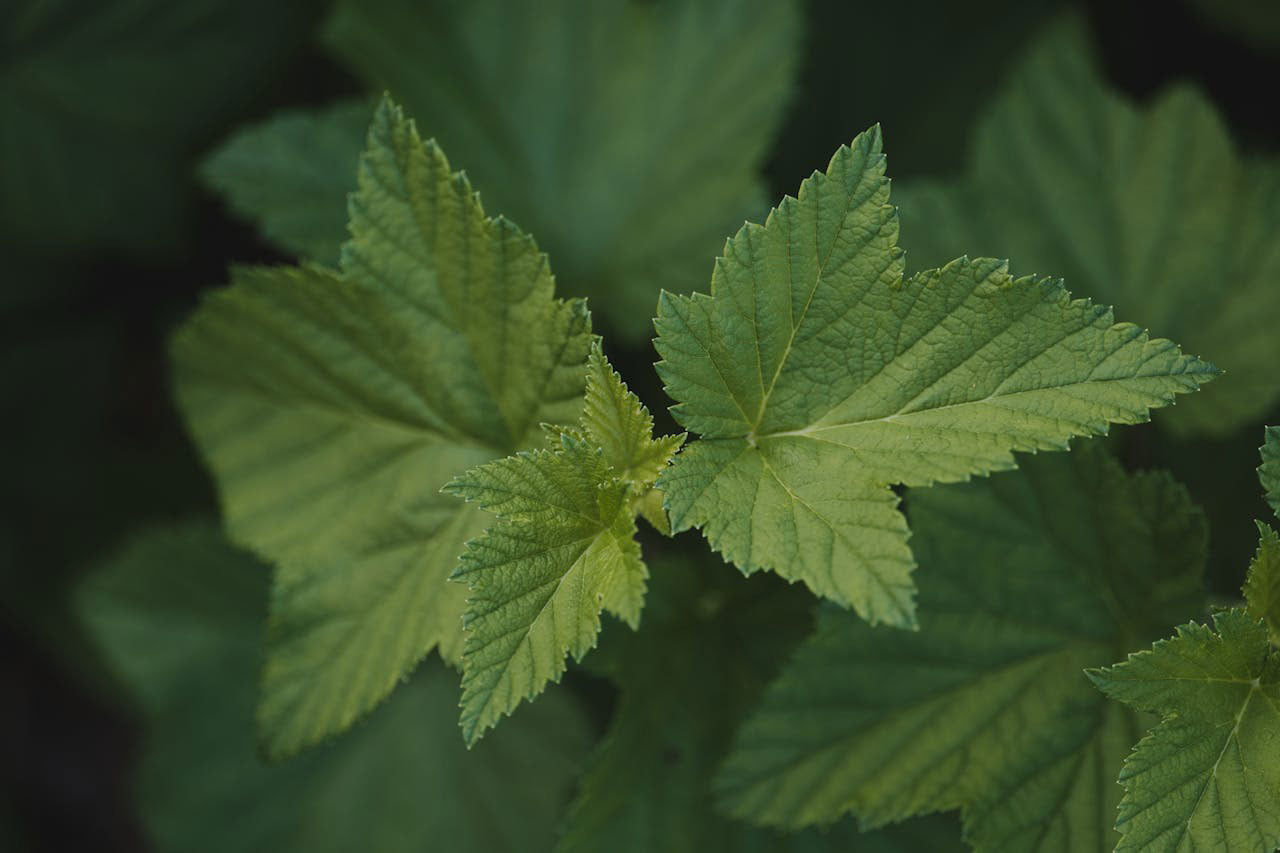
Fragrance: Leaves and berries have a strong, distinctive blackcurrant scent when crushed; flowers are only lightly scented.
Hardiness: Fully hardy across the UK once established.
Care level: Moderate – straightforward once you understand the pruning and keep up with watering and mulching.

The Simpson’s team raises the majority of our trees here at the nursery. For varieties outside our own production, we work with independent local growers we trust - all chosen for UK climate suitability.
Planting time: As container‑grown plants, blackcurrants can be planted in most months when the soil isn’t frozen or waterlogged; however, late autumn and early spring are often easiest for root establishment and for working the ground comfortably.
Watering: Water regularly in the first couple of years, and during dry spells thereafter, particularly from flowering through to fruit swell. Soil should stay evenly moist rather than swinging between very dry and very wet.
Feeding: Each spring, mulch generously around the base with compost or well‑rotted manure, and on poorer soils add a balanced fertiliser to support strong growth and good crops. In containers, use a slow‑release feed and top up with liquid feeds in the growing season.
Pruning: Blackcurrants fruit best on younger wood. Each winter, remove some of the oldest, darkest stems at the base and encourage new shoots from low down, aiming for an open, well‑spaced stool of young canes.
Winter: In the ground, blackcurrants usually need no special winter protection beyond their mulch. Container plants may appreciate being moved to a slightly more sheltered spot in the coldest weather to protect their roots.
Availability is always changing, so please check with us if you have a particular variety in mind.


A compact blackcurrant that’s ideal for smaller gardens, giving generous crops of large, flavour-packed berries. It’s perfect in a fruit cage or along a sunny border edge, and the fruit is excellent for cordials, jams and freezing. A very practical choice when you want good yields without a big plant.
A classic, reliable blackcurrant with heavy crops of richly flavoured fruit—excellent for cooking, juicing and preserving. It’s a solid choice for anyone who wants dependable harvests year after year, and it fits nicely into a traditional fruit garden or allotment-style plot where productivity matters.
A vigorous blackcurrant variety that produces good, generous yields of large berries with a strong, classic flavour. It’s a great choice if you want plenty of fruit for the freezer and the jam pan, and it suits a productive garden where you’re aiming for regular, worthwhile harvests.
A wonderfully compact blackcurrant, perfect for pots, small gardens and tighter fruit patches, yet still capable of producing a very respectable crop. The berries are rich and full-flavoured, making it ideal for cooking and preserving. A great “small space, big reward” variety.


A robust blackcurrant with reliable cropping and good-quality fruit, making it an excellent all-round choice for the home garden. The berries have that proper blackcurrant depth, ideal for jam, juice and freezing, and the plant has a strong, productive habit that suits a fruit cage or open ground.
A traditional blackcurrant variety with a classic, old-fashioned feel—grown for strong flavour and good yields, especially for the kitchen. Ideal if you like heritage fruit varieties and want berries for jams, cordials and baking. A solid choice for a productive garden with a bit of nostalgia.