

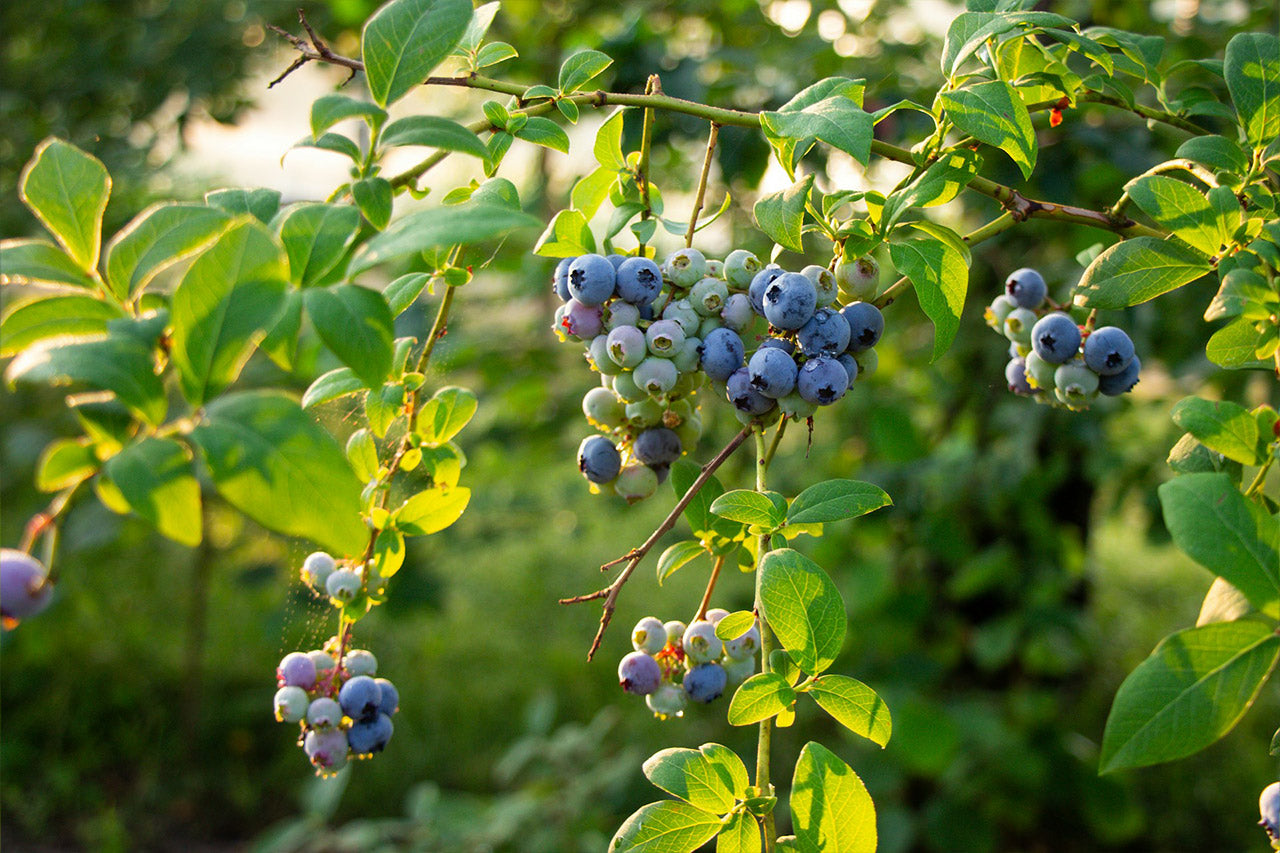
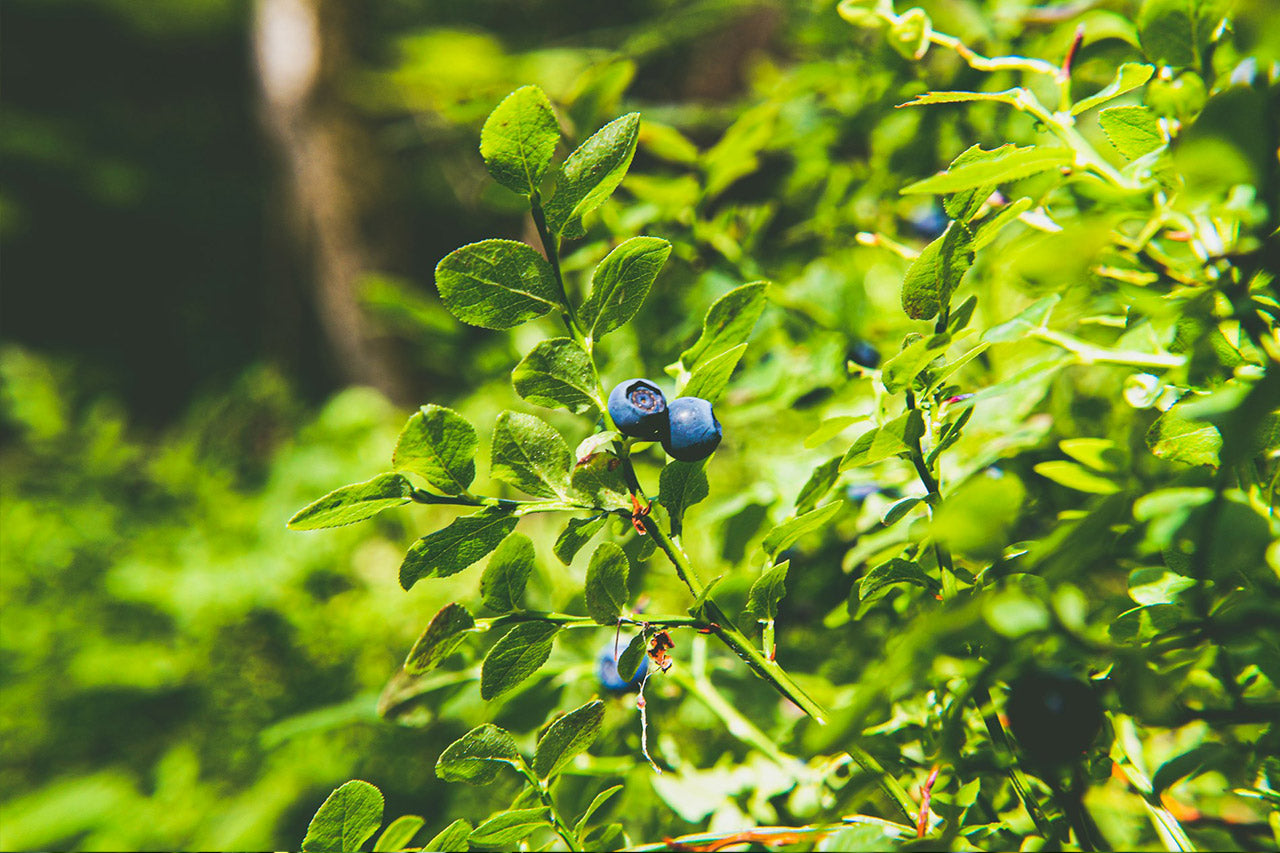
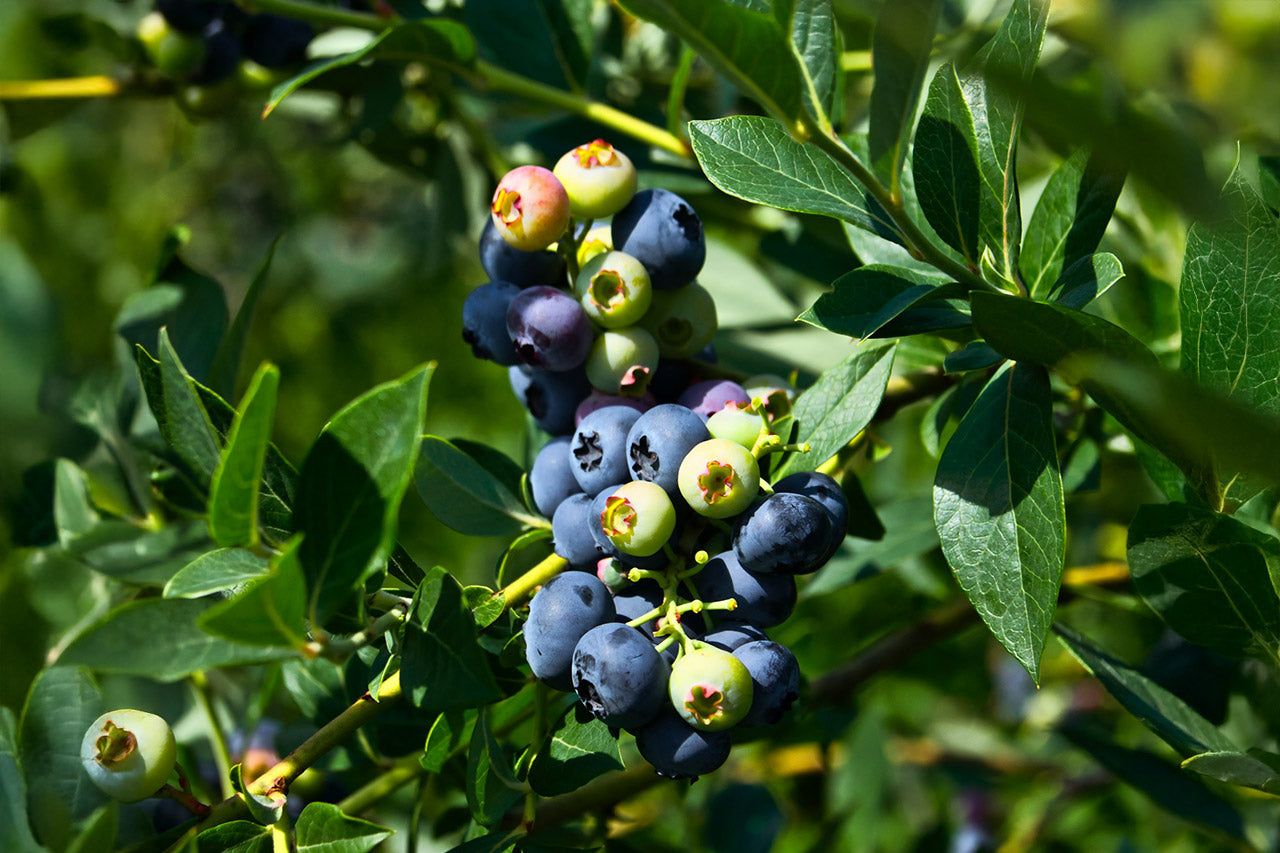
Blueberries (Vaccinium species, especially Vaccinium corymbosum) are one of the easiest soft fruits to slot into a normal garden. Clusters of white or pink, bell‑shaped flowers in spring develop into green berries that slowly ripen to that familiar dusky blue in summer. Flavour ranges from mildly sweet to rich and tangy depending on variety and weather, and the fruit is packed with vitamins and antioxidants. In a typical Cambridgeshire garden you can grow them just as successfully in large pots as in the ground, picking fresh berries for breakfast, baking, freezing and jam straight from your own shrubs.
Common name: Blueberry.
Latin name: Mainly Vaccinium corymbosum and related Vaccinium hybrids.
Size in UK gardens: Typically 1–1.5m tall and wide as a bush; compact patio varieties may stay nearer 60–90cm, while vigorous types can reach 1.8m in good soil.
Best position: A sunny, reasonably sheltered spot – at least half a day of sun – with protection from harsh, drying winds; light shade is tolerated but crops are heavier in full sun.
Soil: Moist but well‑drained, humus‑rich, acidic soil (ideally pH around 4.5–5.5); in many gardens with neutral to alkaline or chalky soil they do best in large containers of ericaceous compost.
Flowering time: Pretty white or pinkish urn‑shaped flowers in spring; fruit ripens from mid‑summer to early autumn depending on variety.
Fragrance: Flowers are lightly scented at close quarters; the main appeal is fruit, foliage and autumn colour rather than strong perfume.
Hardiness: Generally fully hardy across the UK once established; flower buds can be nipped by late frosts, especially in exposed or low‑lying sites.
Care level: Moderate – easy once you provide acidic compost or soil, steady moisture (ideally with rainwater) and a simple pruning routine.

The Simpson’s team raises the majority of our trees here at the nursery. For varieties outside our own production, we work with independent local growers we trust - all chosen for UK climate suitability.
Planting time: As container‑grown plants, blueberries can be planted in most months when the soil isn’t frozen or waterlogged; early spring and autumn are often easiest. If you’re using ericaceous compost in pots or planting pits, it’s handy to do the main work when conditions are cool and moist.
Watering: Blueberries hate drying out. Water regularly, especially in containers and on lighter soils, aiming to keep the root zone evenly moist. Rainwater is preferable, particularly in hard‑water areas like much of East Anglia, as tap water can gradually raise the pH.
Feeding: Use an ericaceous fertiliser in spring according to the packet, and top up with a mulch of composted bark, leaf mould or ericaceous compost around the base. Avoid heavy applications of manure or general fertilisers that aren’t suitable for acid‑loving plants.
Pruning: Little pruning is needed in the first few years beyond removing weak or damaged shoots. Once established, prune in late winter to remove some of the oldest, unproductive wood and encourage strong new shoots, keeping the bush open and well‑lit.
Winter: In the ground, well‑established plants need little beyond their autumn mulch. Container plants may benefit from being moved to a more sheltered corner in harsh weather to protect their roots from repeated freezing and thawing.
Availability is always changing, so please check with us if you have a particular variety in mind.


One of the great classic blueberries—reliable, productive and generous, with firm, sweet berries that are excellent for eating fresh and freezing. It’s ideal in pots or in an acidic bed, and it gives a lovely extra bonus in autumn when the foliage often colours beautifully, making it as ornamental as it is useful.
A hardy, garden-friendly blueberry with good cropping and tasty berries, perfect for extending the harvest and giving you plenty for breakfasts and baking. It suits pots and acidic borders alike, and it also brings seasonal beauty, with fresh spring growth and attractive autumn colour.
A compact, heavy-cropping blueberry that’s particularly good for smaller gardens and container growing. It produces generous clusters of sweet, flavoursome berries and has a sturdy, bushy habit. In autumn, the leaves often turn rich shades, so it earns its keep as a decorative shrub too.
A dependable, early-cropping blueberry with large, good-flavoured berries and a robust, upright habit. Excellent in pots or an acidic bed, it’s a fine choice when you want a strong start to the blueberry season. It also gives lovely seasonal interest, with fresh spring growth and warm autumn colour.