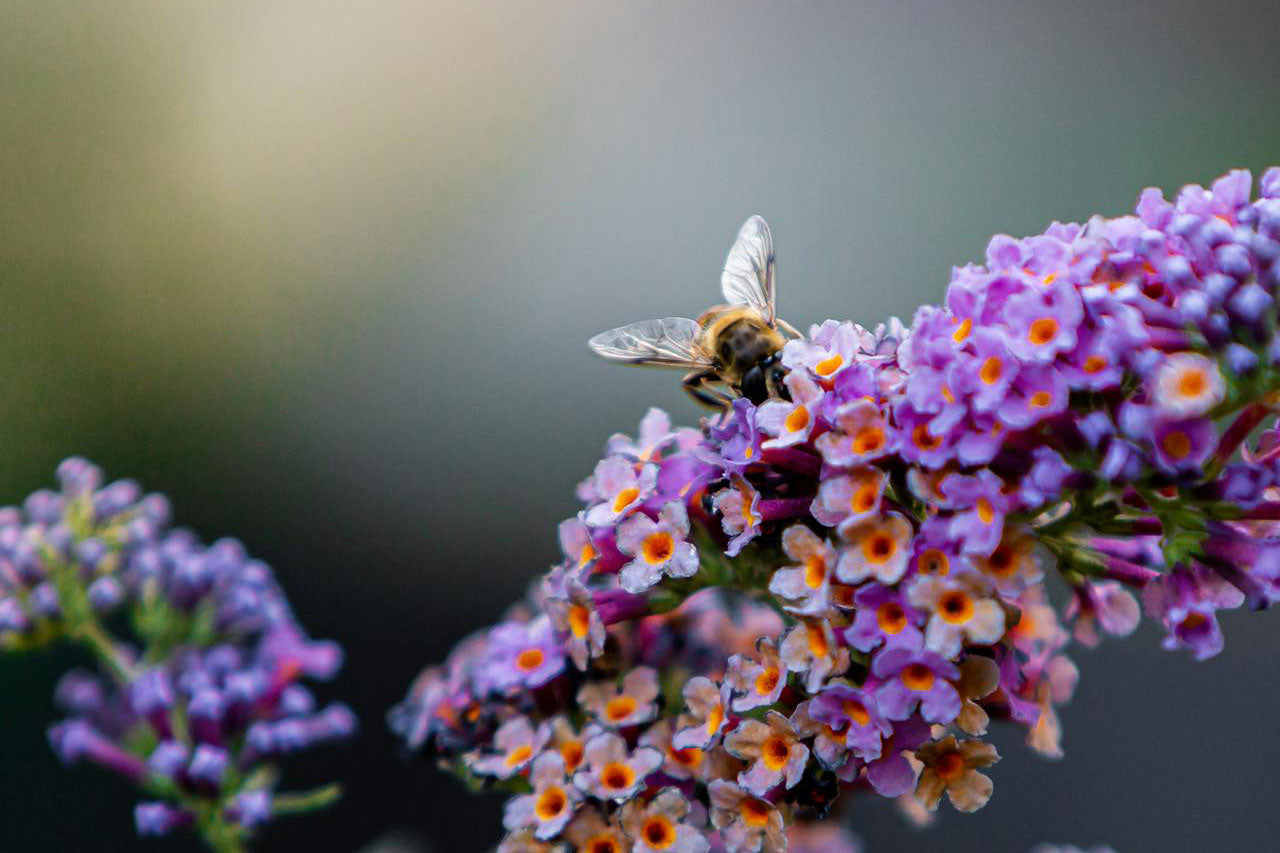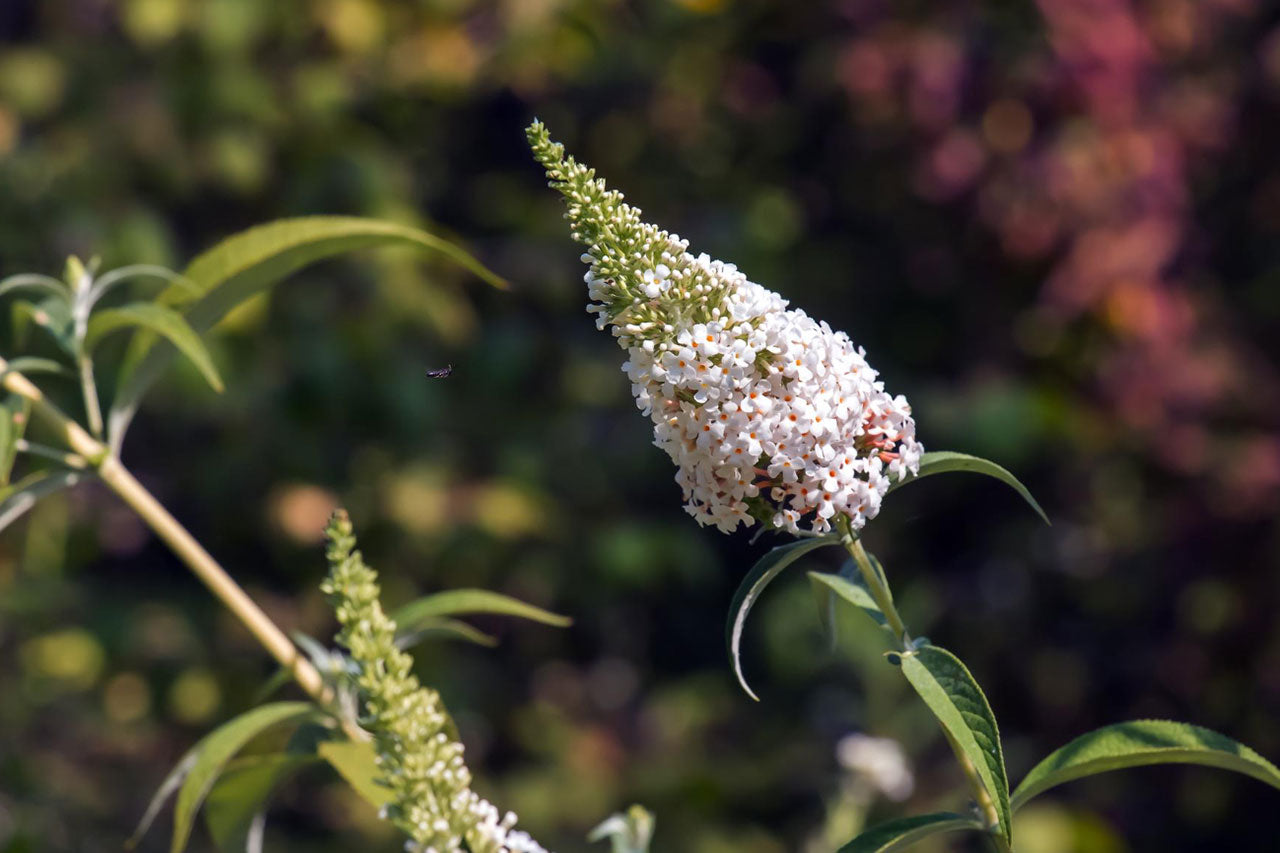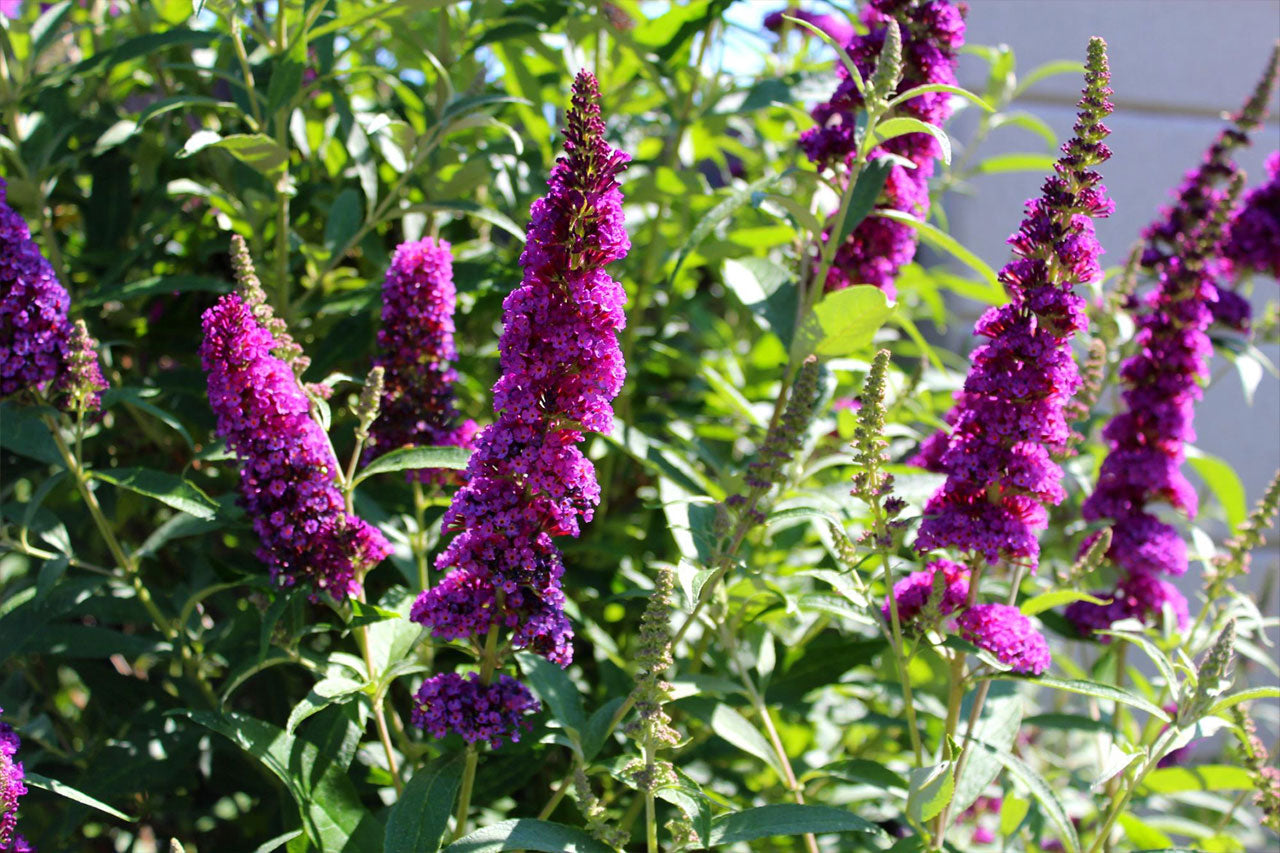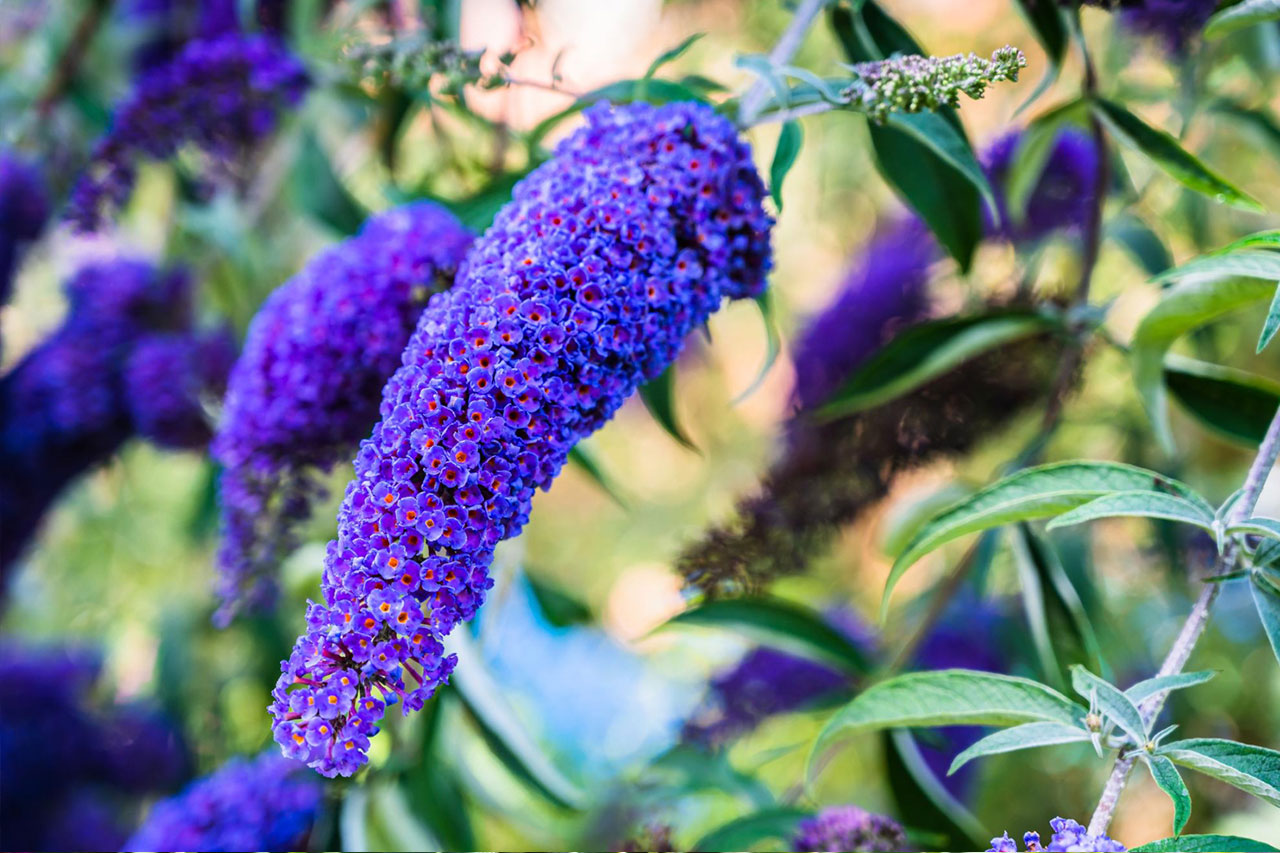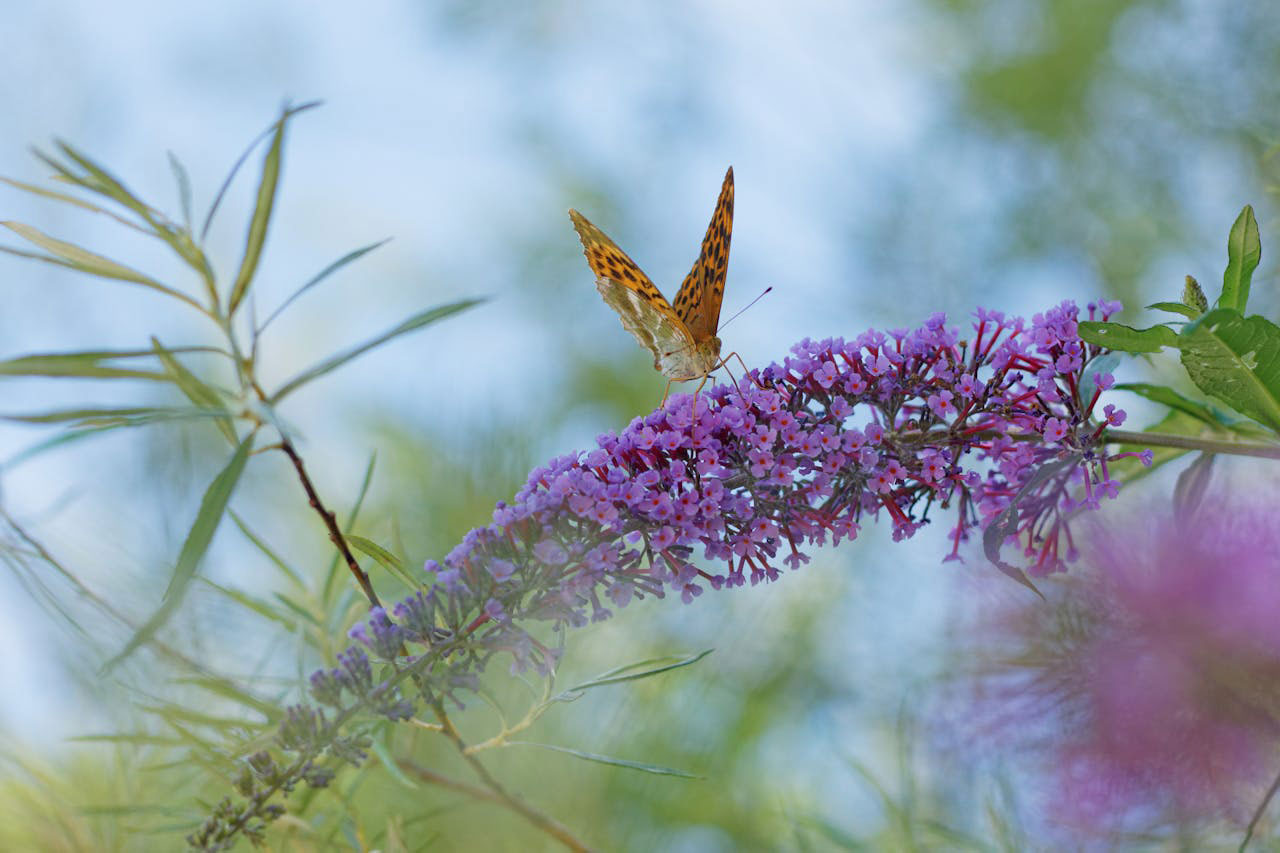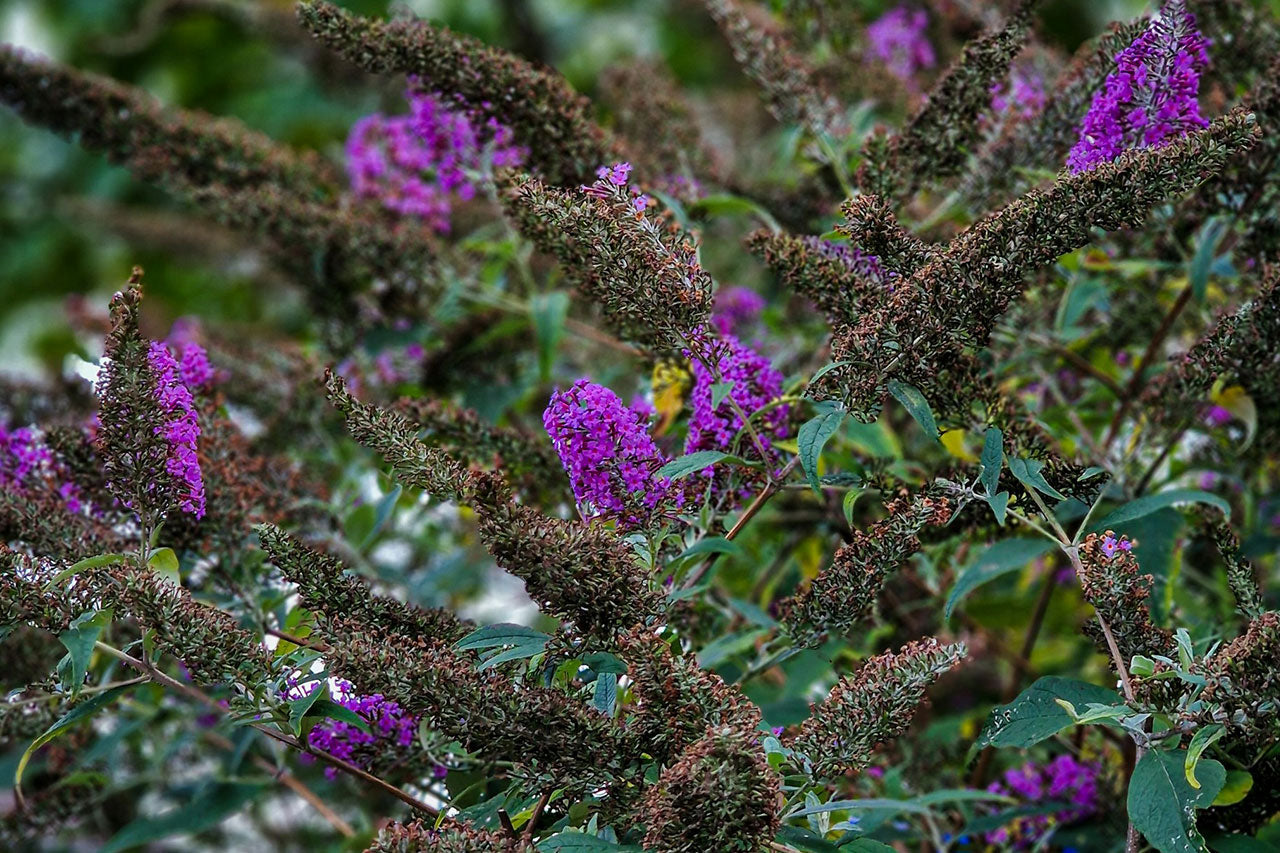

While some shrubs flower for a brief moment and are then done, buddleja keeps going steadily from mid‑summer into early autumn. The tapering clusters of blossom appear in succession, giving you fresh colour for many weeks. With simple dead‑heading of spent spikes, you can often prolong the show even further. This makes buddleja a reliable “doer” in the border, offering strong splashes of purple, pink, white or blue at that time of year when many earlier shrubs are starting to fade.
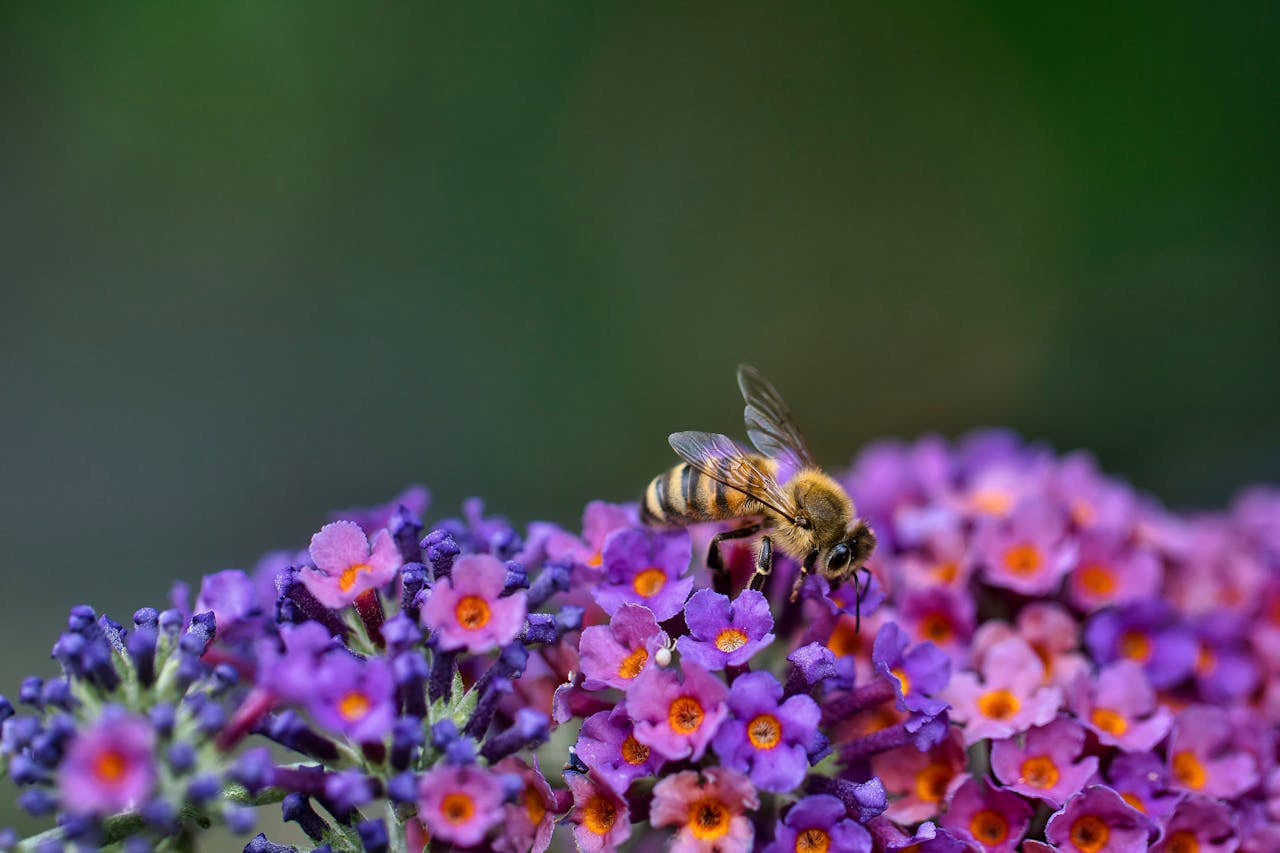
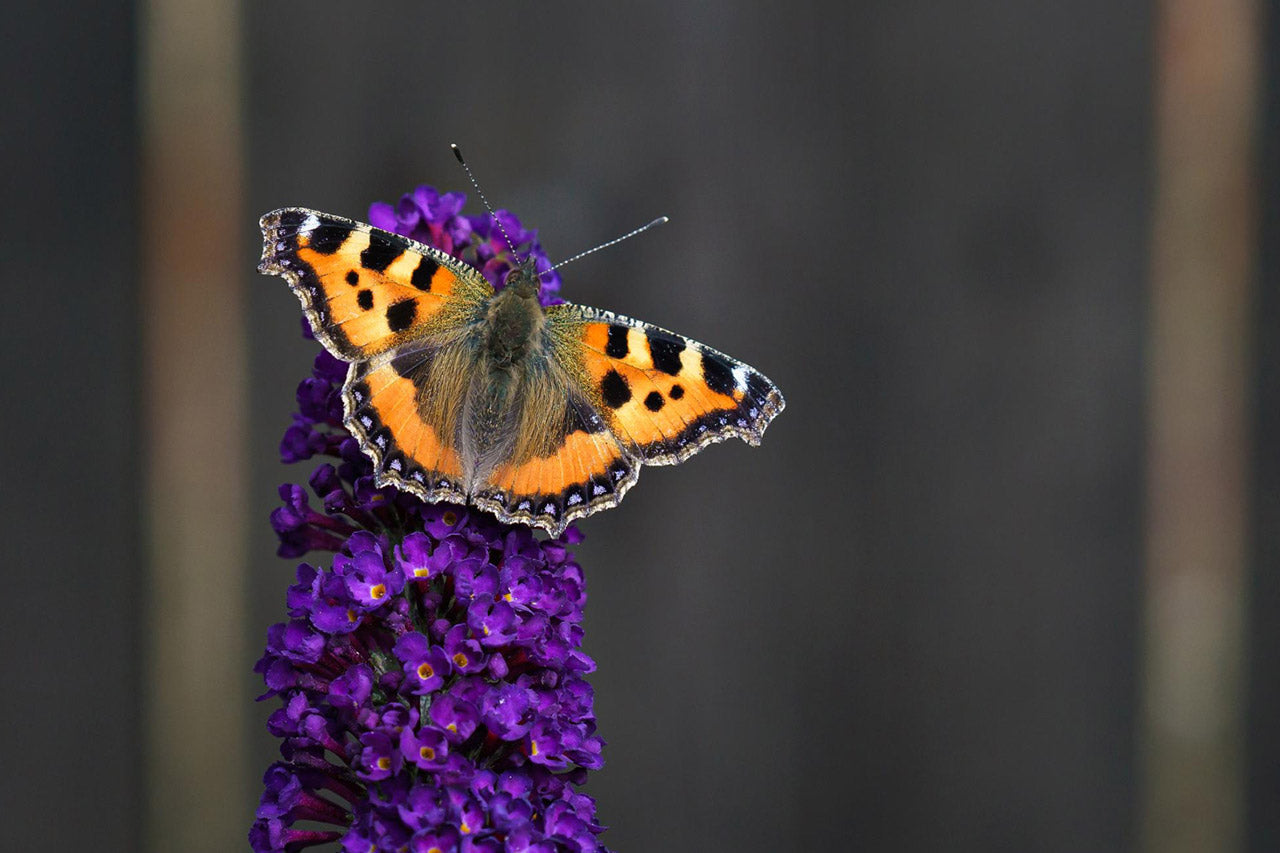
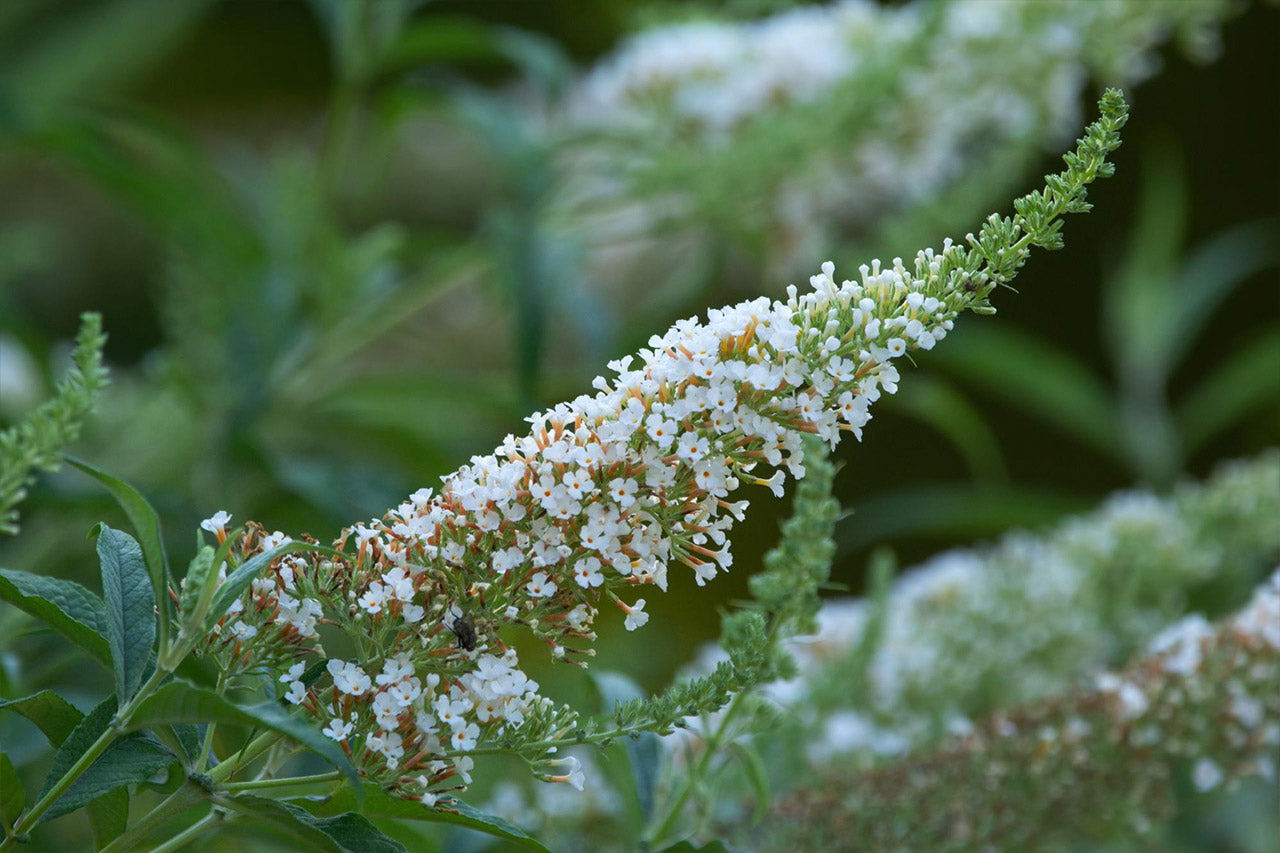
Common name: Butterfly bush
Latin name: Buddleja
Size in UK gardens: Typically 2–3 m tall × 2–3 m wide for standard forms; compact and dwarf varieties stay closer to 1–1.5 m and suit smaller spaces and pots.
Best position: Full sun or very light shade in a warm, open spot – ideal in a sunny border or by a patio where you can enjoy the flowers and butterflies.
Soil: Most ordinary, free‑draining garden soils, including quite poor or stony ground; dislikes sitting in heavy, waterlogged clay.
Flowering time: Long flowering season from mid‑summer into early autumn (usually July–September) with large, tapering clusters of purple, pink, white or blue flowers.
Fragrance: Many varieties have a light, honeyed fragrance, especially on warm still days when the air can seem full of blossom and butterflies.
Hardiness: Generally fully hardy across most of the UK once established; top growth may be nipped in very harsh winters but plants usually reshoot well.
Care level: Easy and forgiving – fast‑growing, happy in sun and poor soil, and responds well to a good prune each year.

The Simpson’s team raises the majority of our trees here at the nursery. For varieties outside our own production, we work with independent local growers we trust - all chosen for UK climate suitability.
Planting time: Container‑grown plants can go in at most times, as long as the ground isn’t frozen or bone dry.
Watering: Keep newly planted shrubs well watered through their first growing season, especially in dry spells. Once established, buddleja is quite drought tolerant and usually only needs attention in prolonged hot, dry weather.
Feeding: In average soil, a light feed in spring with a general fertiliser or a mulch of garden compost is plenty. Over‑feeding is unnecessary and can encourage soft, sappy growth at the expense of strong stems and flowers.
Pruning: Most buddleja shrubs respond well to a hard prune in late winter or very early spring, cutting back the previous year’s growth to a low, sturdy framework. This keeps the plant compact and encourages lots of new flowering shoots.
Winter: Established plants generally need little special care in winter. In colder or exposed gardens, a mulch around the base helps protect roots, and young shrubs appreciate a bit of shelter from the worst of the wind.
Availability is always changing, so please check with us if you have a particular variety in mind.
Long spires of clear blue-purple flowers make this a classic late-summer performer, bringing that familiar, bustling “butterfly bush” energy to the garden. It’s superb as a back-of-border shrub where you want colour and movement, and it’s particularly effective planted where you can enjoy the flowers up close as they draw in pollinators.
Soft pink flower spikes give a gentler, more romantic look than many buddlejas, perfect for cottage-style borders and lighter colour schemes. It brings plenty of summer colour without feeling heavy, and it’s lovely near seating where the blooms create a cheerful, airy presence through the warmer months.
A graceful buddleja with slender, arching lines and rich blue flowers, giving a lighter, more elegant silhouette than some of the chunkier forms. It’s perfect for adding height and summer colour without making the border feel crowded, and it works beautifully when you want a slightly softer, more refined buddleja look.
Bold, rich reddish-purple flower spikes bring real warmth and depth, making this one a fine choice when you want late-summer colour that reads strongly from a distance. It’s excellent in mixed borders where stronger tones are needed, and it pairs beautifully with golden foliage and late grasses for that classic, glowing end-of-season look.
White flower spikes bring a fresh, clean look and a wonderful sense of lightness, especially in evening gardens where pale flowers glow. It’s superb for brightening mixed borders and for softening stronger colour schemes, and it gives that long summer display that keeps the garden lively well into late season.
This variety offers particularly strong blue tones, giving borders a crisp, cool splash that feels refreshing in high summer. It’s excellent as a feature shrub or repeated through a planting scheme, and it looks especially good against silver foliage and ornamental grasses where the whole palette feels calm and contemporary.
Deep, velvety purple flower spikes give this buddleja a wonderfully dramatic look, perfect for adding richness to summer borders. It’s superb when you want strong colour impact, and it looks especially striking against paler companions where the dark blooms feel like a deliberate, elegant statement.
Silvery foliage and soft lavender flowers give this a lighter, more refined feel than many buddlejas, making it easy to blend into modern planting schemes. It’s particularly handsome paired with grasses and other silver-leaved plants, creating a calm, airy look that still delivers plenty of summer flower.
Something a little different: bright, spherical orange flower heads that look like little pom-poms, bringing a cheerful, almost exotic note. It’s a wonderful shrub for adding warmth and character, and it creates a lovely talking point when in bloom, especially in mixed borders where orange is used as a highlight.
Big, generous flower spikes create a bold, showy effect—exactly what you want if you like buddlejas to make a proper statement. It’s ideal as a feature shrub in a border where you want strong summer presence, and it works beautifully as a focal plant that draws the eye and anchors a scheme.
Vivid, raspberry-toned flowers bring a bright, upbeat colour that feels full of summer energy. It’s perfect for adding a lively accent among softer planting, and it pairs beautifully with blues and purples for contrast that looks cheerful and confident rather than overdone.
Creamy-white flower spikes give a softer, warmer look than pure white, bringing a gentle elegance to summer borders. It’s particularly lovely in cottage gardens and relaxed schemes, where the creamy tone blends effortlessly and lifts the planting without feeling stark or formal.
Something a little different: bright, spherical orange flower heads that look like little pom-poms, bringing a cheerful, almost exotic note. It’s a wonderful shrub for adding warmth and character, and it creates a lovely talking point when in bloom, especially in mixed borders where orange is used as a highlight.
Big, generous flower spikes create a bold, showy effect—exactly what you want if you like buddlejas to make a proper statement. It’s ideal as a feature shrub in a border where you want strong summer presence, and it works beautifully as a focal plant that draws the eye and anchors a scheme.
Vivid, raspberry-toned flowers bring a bright, upbeat colour that feels full of summer energy. It’s perfect for adding a lively accent among softer planting, and it pairs beautifully with blues and purples for contrast that looks cheerful and confident rather than overdone.
Creamy-white flower spikes give a softer, warmer look than pure white, bringing a gentle elegance to summer borders. It’s particularly lovely in cottage gardens and relaxed schemes, where the creamy tone blends effortlessly and lifts the planting without feeling stark or formal.
A classic for a reason: silvery-grey foliage and lavender-blue flowers give a refined, airy look that works in almost any border. It’s superb alongside grasses and Mediterranean-style planting, and it brings that long, dependable summer colour with an extra touch of elegance in the leaves.
Strong magenta flower spikes bring a bold, colourful flourish that really reads from a distance, keeping borders lively deep into summer. It’s excellent where you want a confident splash of colour, and it looks particularly good repeated in the border so the colour feels woven through the scheme rather than isolated.
Rich ruby-pink flower spikes bring a bright, confident splash of colour through summer, the sort that lifts a border instantly and keeps it lively when many plants are starting to tire. It’s excellent as a feature shrub where you want a strong colour note, and it looks particularly effective alongside silvers and grasses for a softer, more balanced look.
A smaller butterfly bush that still brings plenty of late-summer cheer, with deeper pink flower spikes that stand out nicely in compact borders. It’s ideal for patio planting and the front of mixed beds where you want buddleja colour without a big shrub, and it’s particularly good for threading strong pink into a smaller scheme.
Lavender-toned flower spikes give a gentler, more relaxed look, perfect for soft colour schemes and cottage-style borders. Its smaller habit makes it a natural choice for containers and compact gardens, and it blends beautifully with pale pinks, whites and silvery foliage for that easy, summery feel.
Long, generous spikes of bright pink bring the classic butterfly bush look—cheerful, abundant, and full of summer energy. It works wonderfully as a back-of-border shrub where you want height and colour, and it’s especially effective planted where you can enjoy the flowers close by as they create that familiar late-summer buzz.
Deep plum-purple flowers give this one a richer, moodier tone than many buddlejas, making it excellent for adding depth to summer borders. It pairs beautifully with pale companions where the colour feels deliberate and elegant, and it’s a lovely choice when you want strong late-season colour that doesn’t look brash.