

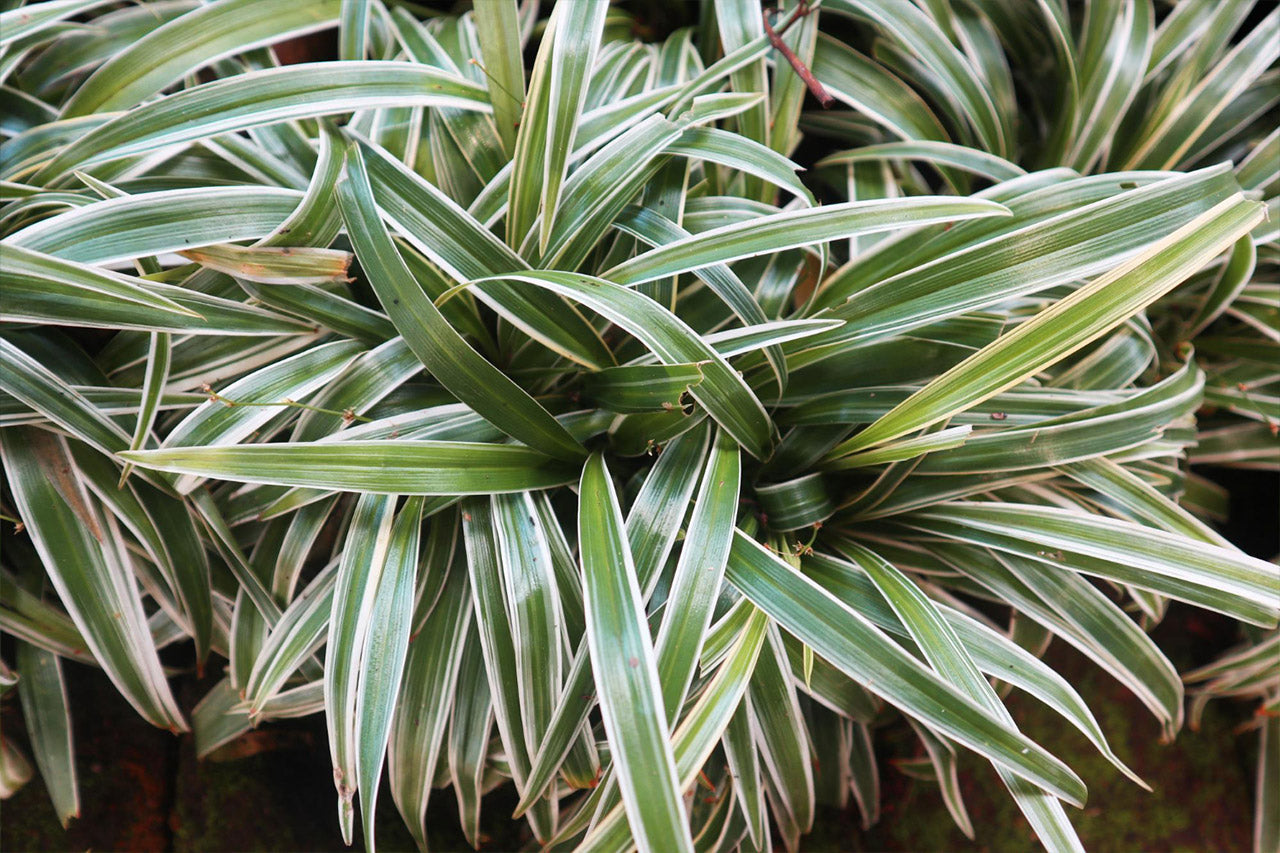
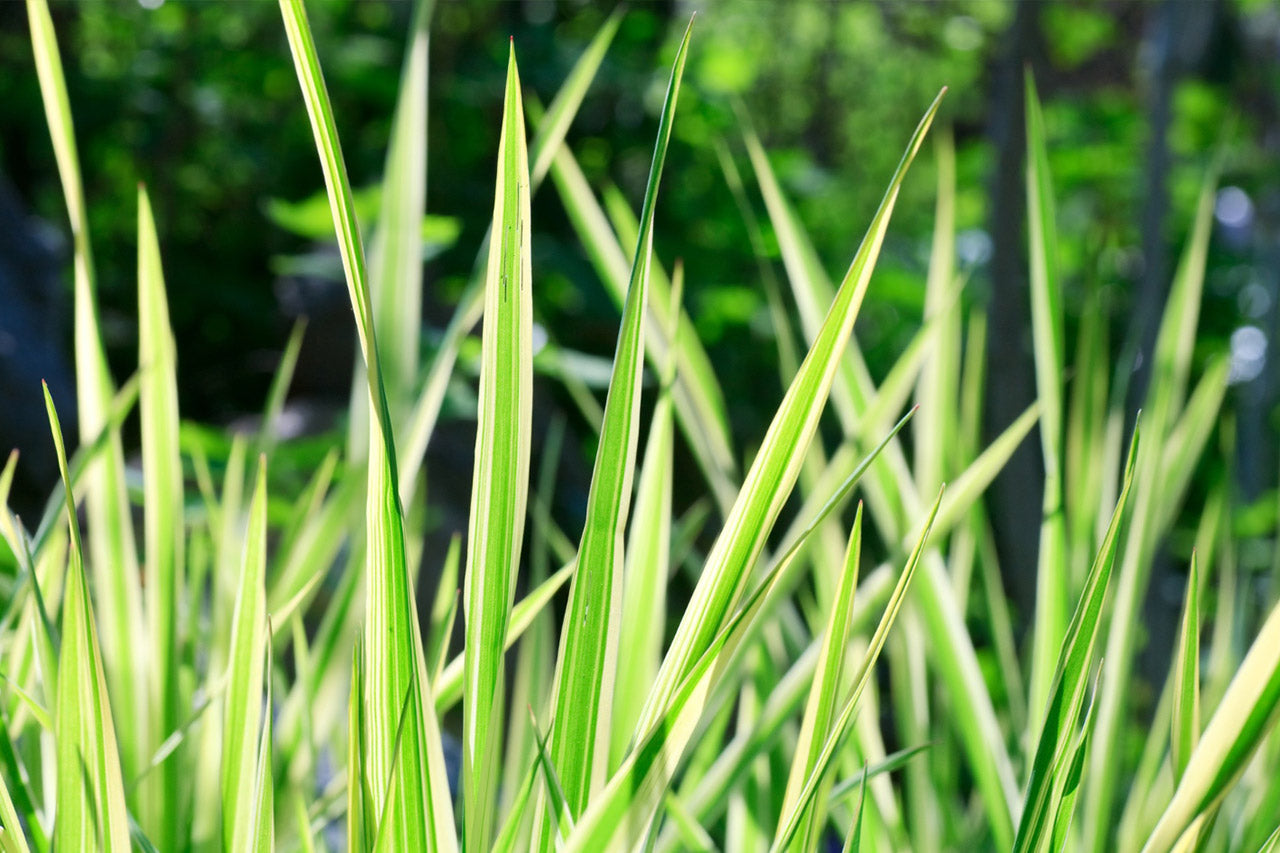
Carex are masters of quiet structure. Many garden forms grow as neat tufts or low fountains of foliage, with leaves that can be fine and hair‑like, broad and strap‑shaped, plain green, warm bronze or boldly variegated in cream, gold or silver. They’re brilliant at breaking up big blobs of planting and tying mixed borders together, weaving between perennials, shrubs and bulbs. In a typical UK garden, especially in East Anglia where winters are often fairly mild, many Carex stay evergreen or semi‑evergreen, so those soft mounds keep the border looking alive when other plants have vanished underground.

Common name: Ornamental sedges.
Latin name: Carex
Size in UK gardens: Typically 20–60cm tall and wide; some forms creep to make low ground cover, while a few taller species can reach around 80–100cm in height.
Best position: Varies with species, but many enjoy sun to light shade with some shelter from the fiercest winds; lovely along paths, edges, in mixed borders and in pots.
Soil: Moisture‑retentive but well‑drained soil with plenty of organic matter; some species like damp conditions, others will tolerate relatively dry ground once established.
Main interest: Foliage – colour, texture, movement and year‑round mounds, with small, understated flower spikes in spring or summer.
Fragrance: Usually not noticeably scented; grown for foliage and form rather than perfume.
Hardiness: Generally hardy in most UK gardens once established; many are evergreen or semi‑evergreen in milder areas such as much of East Anglia.
Care level: Easy – low‑maintenance once settled, needing only occasional watering in pots and a light tidy in late winter or early spring.

The Simpson’s team raises the majority of our trees here at the nursery. For varieties outside our own production, we work with independent local growers we trust - all chosen for UK climate suitability.
Planting time: As container‑grown plants, Carex can be planted in most months when the soil isn’t frozen or waterlogged; spring and early autumn are usually easiest, allowing roots to settle before summer heat or winter cold.
Watering: Water regularly in the first season, especially on lighter soils or in pots, so the rootball and surrounding soil don’t dry right out. Once established in the ground, most Carex cope with ordinary dry spells but appreciate an occasional soak in long, hot periods.
Feeding: In decent garden soil, an annual mulch of compost or well‑rotted organic matter is usually all they need. On very poor or sandy soils, a light, balanced fertiliser in spring can help maintain good colour and density without forcing lush, floppy growth.
Pruning: Rather than traditional pruning, Carex mostly need tidying. In late winter or early spring, comb through clumps with gloved hands or shears to remove dead or tatty leaves and flower stems, taking care not to chop off too much fresh green growth.
Winter: In the ground, most ornamental Carex simply sit through winter, sometimes taking on richer or more muted tones. A mulch around the base helps protect roots and keeps the soil improving year by year; container plants benefit from a slightly more sheltered spot.
Availability is always changing, so please check with us if you have a particular variety in mind.
A bright, golden sedge that brings an instant “lift” to planting, especially in part shade where colour can be hard to come by. It’s perfect for edging paths, softening the front of borders, and lighting up containers with fine, arching foliage that looks fresh for months.
A warm-toned sedge that adds a gentle bronze wash and a relaxed, natural texture—brilliant for weaving through borders and pairing with perennials. It’s especially good in pots and gravel planting, where the foliage colour reads clearly and gives a calm, contemporary finish.
Upright, coppery-brown blades form a tidy, fountain-like clump that brings structure and a slightly architectural feel. It’s superb in modern borders and pots, adding height and texture without heaviness, and it looks particularly striking alongside pale stone, silvers and fresh greens.
A fine-textured, hair-like sedge that moves beautifully in the slightest breeze, bringing a soft bronze shimmer through the season. Perfect for edging, gravel gardens and containers, where it knits planting together and adds that airy, “designed” softness.
All the movement and softness of hair sedge, but in a fresh green that’s easy to mix with everything. It’s ideal for stitching through borders, underplanting shrubs, and filling pots with a natural, grassy look—adding texture and flow without stealing the show.
A crisp, clean variegated sedge with bright white striping that instantly sharpens a planting scheme. Brilliant for pots, path edges and shaded borders, where it adds definition and a modern feel, especially alongside darker foliage and evergreen structure.
A classic for good reason: arching leaves with a warm golden centre that brighten borders all year. Perfect for containers, woodland edges and front-of-border planting, it brings a dependable splash of colour and a neat, well-kept look with very little fuss.
A wonderfully luminous, lime-to-gold sedge that behaves like a little lantern in the border. It’s superb in pots and shady edges, bringing a soft glow that lifts neighbouring plants, and it pairs beautifully with deep greens, purples and simple paving.
A fresh, lime-toned sedge that looks light and modern, with arching foliage that keeps planting feeling relaxed rather than rigid. Excellent in pots and border fronts, especially in part shade, where it brings colour and a clean, contemporary lift.
A fine, curly sedge that forms a soft, tousled mound—like a little fountain of texture. Perfect for containers, edging and gravel planting, where it adds movement and a gentle, airy finish. Lovely with flowering perennials, and brilliant for giving pots a “designer” feel.
A bright, variegated sedge with creamy striping that lifts shade and gives borders a crisp outline. It’s ideal for pots and front edges where you want reliable evergreen texture, and it looks especially smart alongside darker evergreens and broad-leaved plants.
A glossy, elegant variegated sedge with golden tones that bring warmth and brightness, particularly in part shade. Superb for containers, woodland planting and border edging, where the arching leaves soften hard lines and keep things looking fresh year-round.
A real colour treat: fine, arching foliage that can take on warm orange and copper tones, especially in good light. It’s brilliant in pots and modern borders, bringing movement and a sunset glow that looks superb with grasses, silvers and deep greens.
A soft, creamy-variegated sedge that brightens planting schemes with a gentler, more refined look. Perfect for pots, shaded borders and edging, it brings year-round texture and a light-lifting presence, pairing beautifully with darker foliage for crisp, clean contrast.