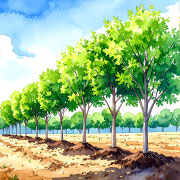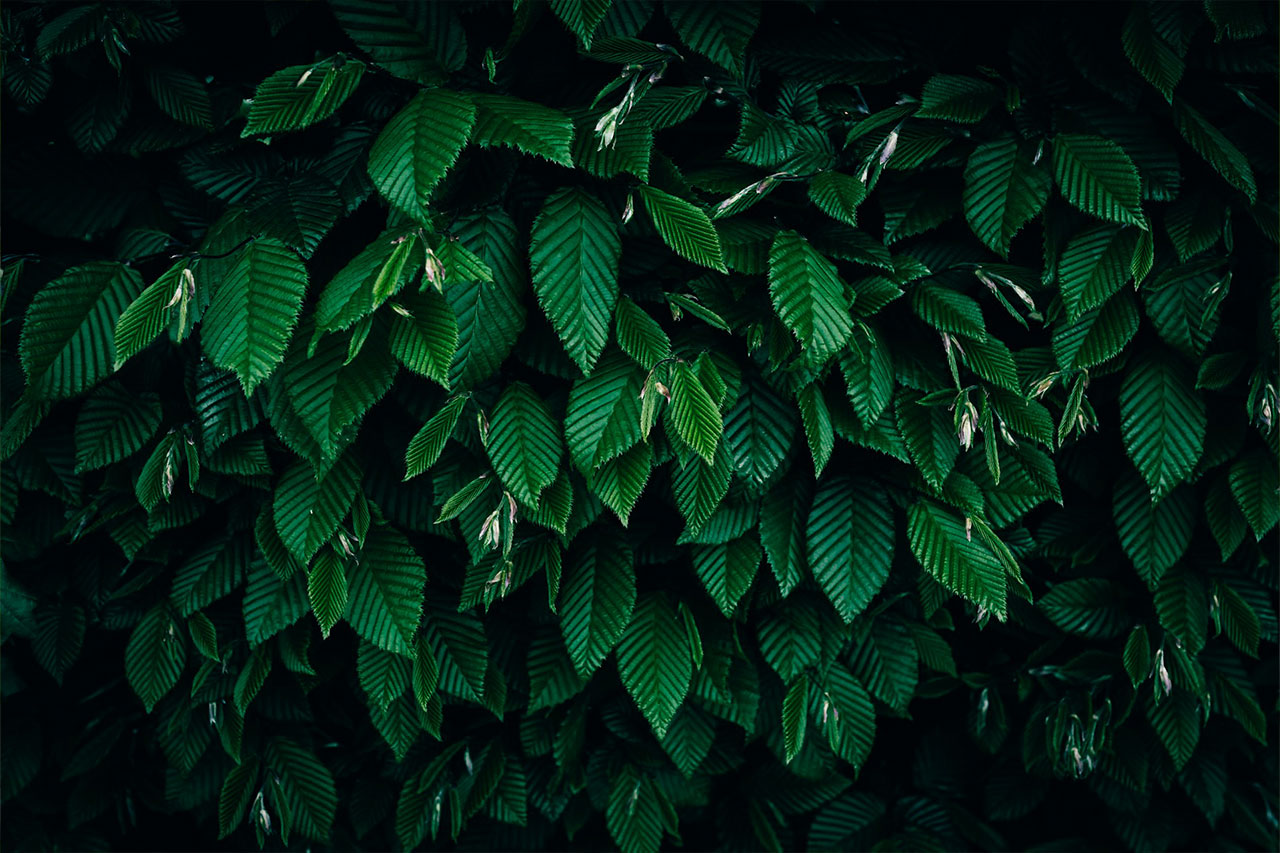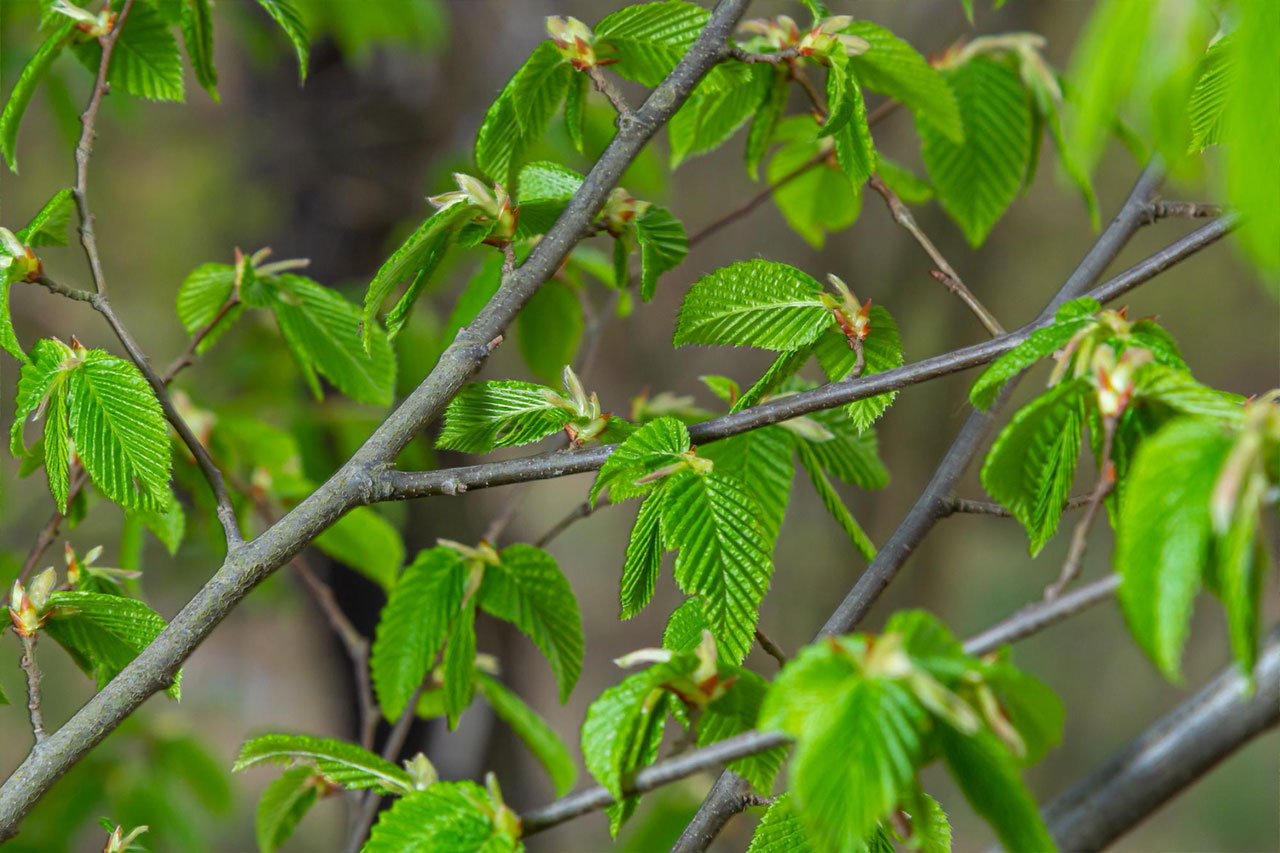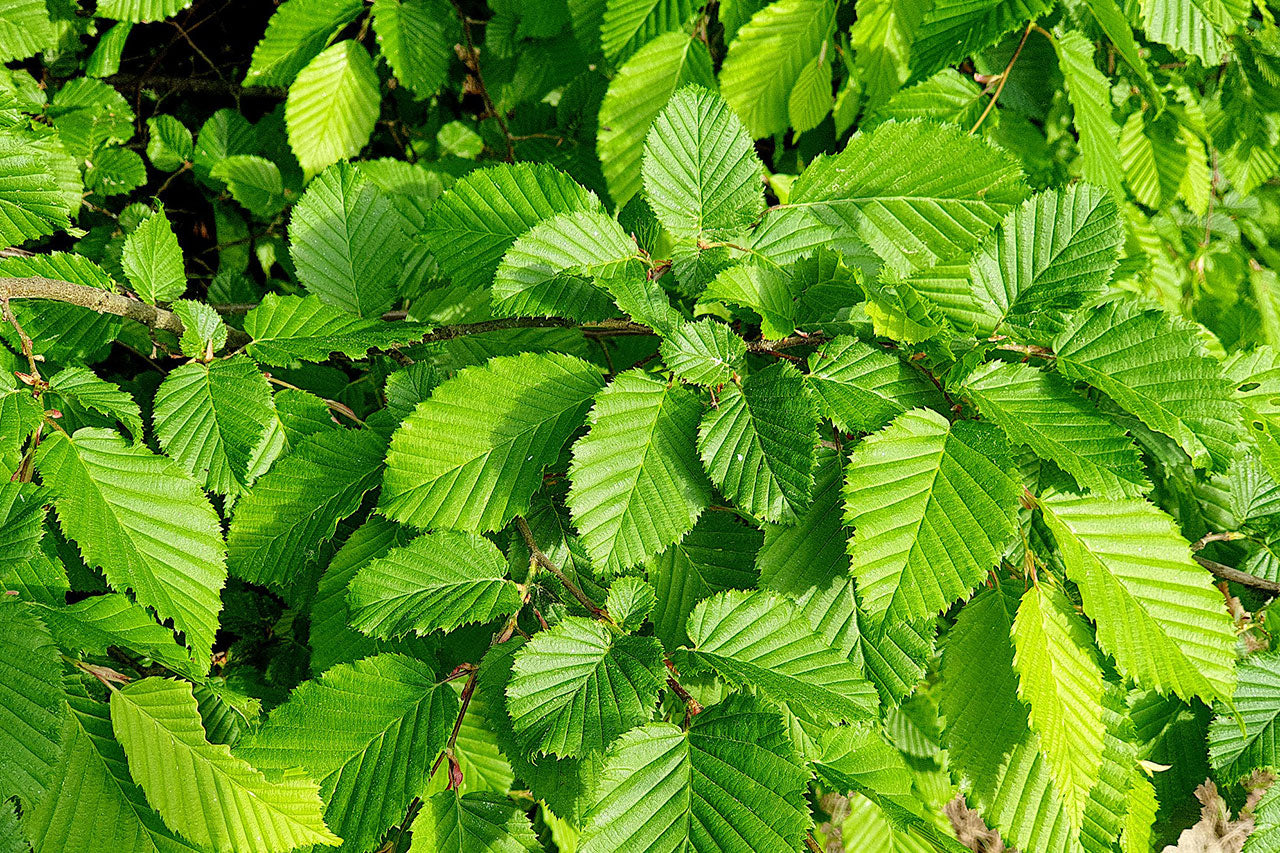

Carpinus is a dream if you’re looking for a smart, practical hedge that doesn’t demand fussy care. It clips cleanly, thickens up nicely with regular trimming, and copes better than many plants with heavier soils. Once established, it’s happy with a simple once‑ or twice‑yearly trim, and will forgive the odd late cut. For front gardens, side boundaries and screening around patios, hornbeam is a quietly hardworking staple.
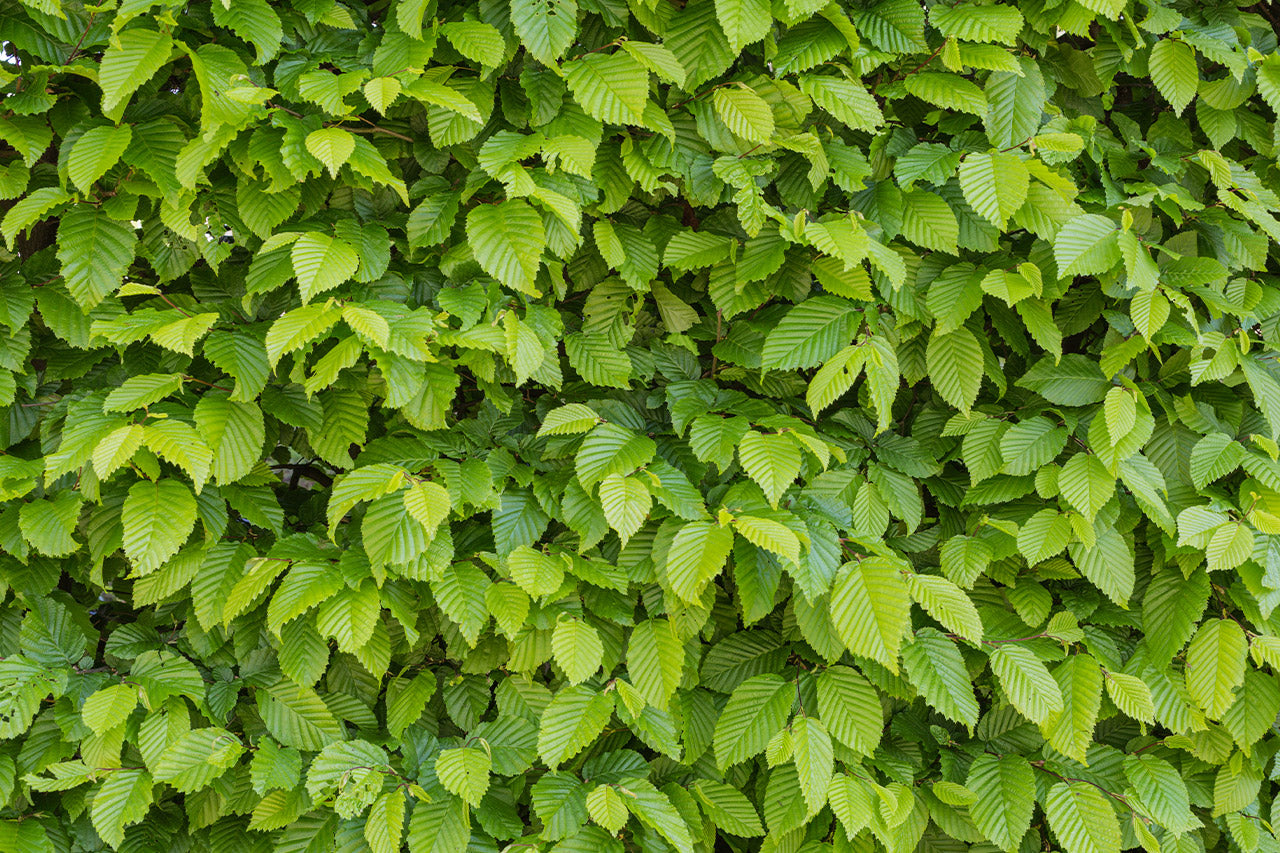
Common name: Hornbeam
Latin name: Carpinus
Size in UK gardens: Often 6–12m tall × 4–8m wide as a free‑growing tree; when clipped as a hedge it’s usually kept between 1.5–4m high, making it very adaptable for most gardens.
Best position: Sun or light shade, in an open border, lawn or as a hedge line.
Soil: Prefers fertile, moisture‑retentive but well‑drained soil; very tolerant of clay and heavier ground once established.
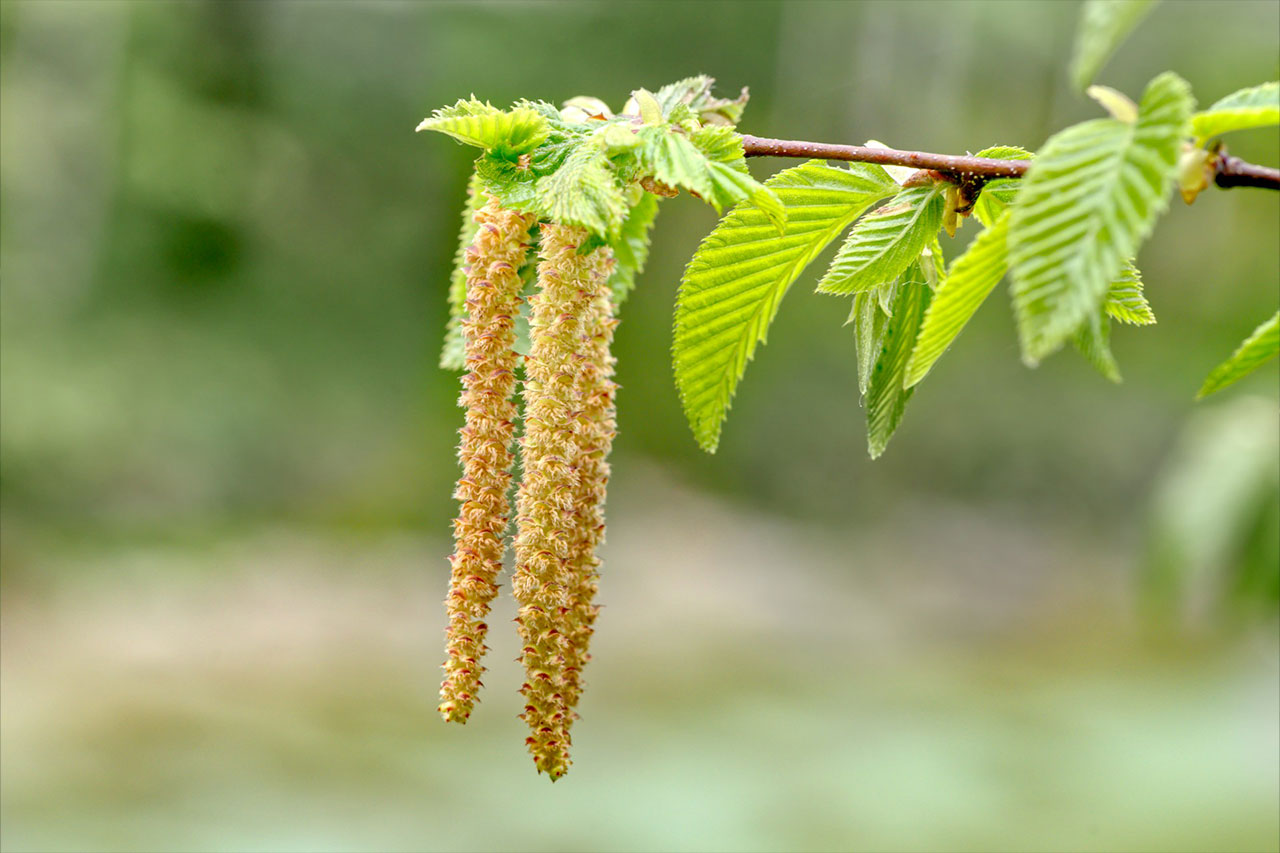
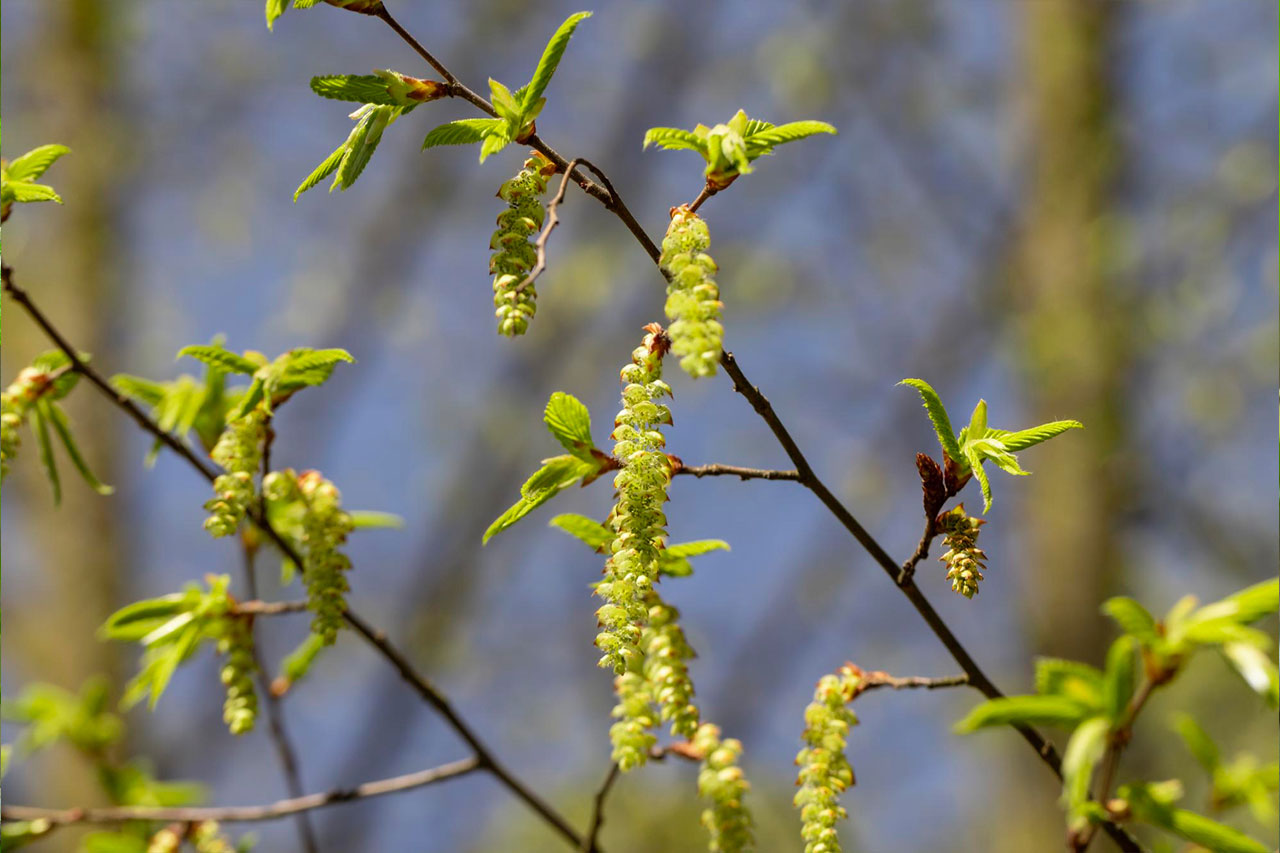
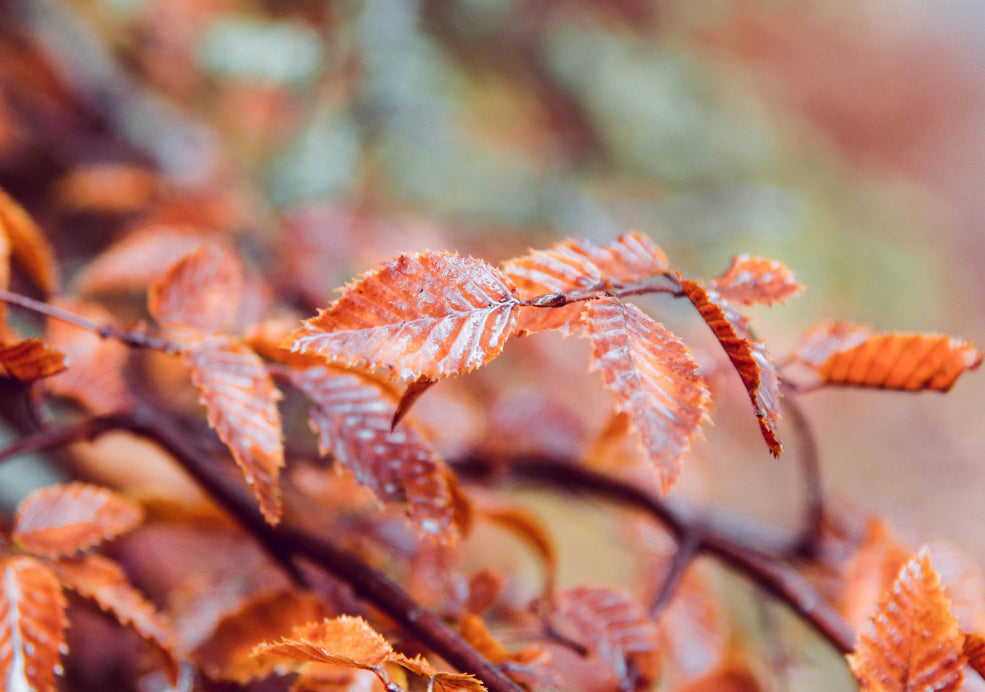
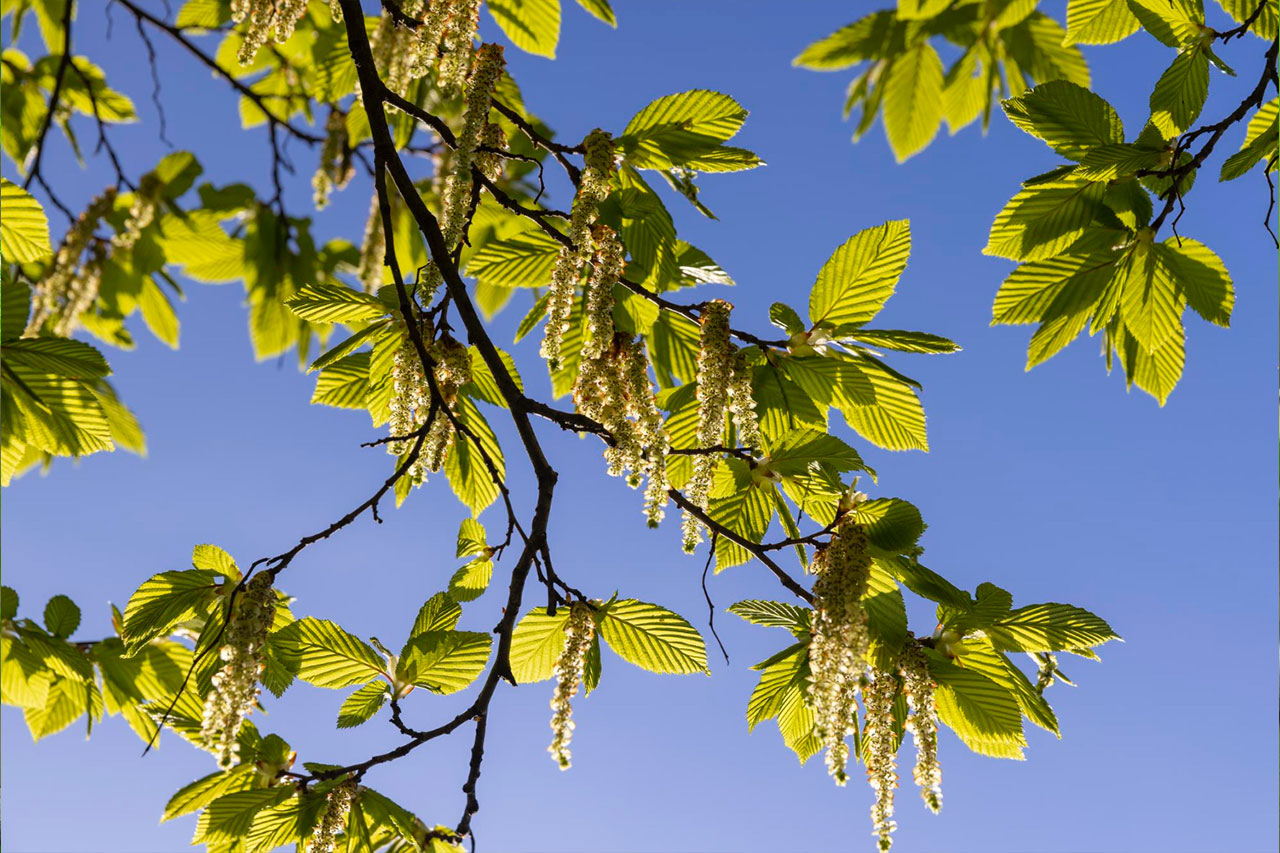
Flowering time: Spring catkins followed by winged seeds; main interest is fresh green foliage in spring and summer, plus warm autumn tints and retained brown leaves on hedges in winter.
Fragrance: Usually not noticeably scented.
Hardiness: Fully hardy in UK gardens and well suited to our local climate.
Care level: Easy and forgiving – copes with a range of soils, responds well to pruning, and is a very reliable choice for hedging and small garden trees.

Rather than travelling halfway across Europe, our mimosa trees are grown on site by the Simpson’s team. They’re toughened to local conditions, properly potted, and ready to get growing the moment you plant them.
Planting time: Because your hornbeam is container‑grown, it can be planted at most times of year when the soil is workable and not frozen or waterlogged. Spring and early autumn are particularly kind, as the soil is naturally moist and not too hot or cold.
Watering: Water regularly through the first growing season, especially in dry spells, so roots can reach out into the surrounding soil. Once established in the ground, hornbeam usually only needs extra water in very prolonged dry periods.
Feeding: In most normal garden soils, Carpinus needs little more than a mulch of garden compost or well‑rotted manure in spring. On very poor ground, a light general fertiliser in early spring can help new growth along, but heavy feeding is rarely required.
Pruning: As a hedge, trim once or twice a year, often in late summer and again lightly if needed. As a tree, pruning is minimal – usually just the removal of dead, crossing or awkward branches in late winter or early spring.
Winter: Hornbeam is fully hardy and requires no special winter protection in our area. Young trees and hedges simply appreciate a mulch around the base to help keep roots comfortable and to show where not to mow or strim.


Hornbeam is a classic framework tree with a neat outline and dense, pleated leaves that look smart and composed. It brings structure and a very ‘English’ feel, working brilliantly as an avenue tree or green backdrop that makes planting sing, year after year.
A smart, narrow hornbeam with a tidy, well-mannered habit that suits smaller spaces. The pleated foliage looks crisp and formal without stiffness. Use it to add height and structure, or repeat it in a line for a green ‘wall’ effect & rhythm.
An upright, columnar hornbeam that adds height without stealing width. Dense, neatly pleated leaves give a tailored look, making it ideal for boundaries and avenues. A strong vertical element that brings order and rhythm to planting schemes.
‘Frans Fontaine’ is a beautifully narrow hornbeam, holding a crisp column shape for years. Dense, sharply pleated foliage gives an architectural look. Use it to frame entrances, line drives or add repeated vertical punctuation through borders.


A compact, upright hornbeam with a neat silhouette and naturally dense crown. The foliage is finely pleated and always looks smart, giving a well-groomed feel. A good choice for adding structure to mixed planting, or creating small-scale avenues.
A striking hornbeam selected for warm reddish tones in new growth and a richer seasonal finish than the usual green forms. It keeps a tidy, upright habit and dense pleated leaves, making it a superb structure tree with extra colour drama.