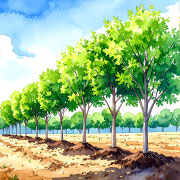

Katsura trees are naturally elegant, forming either a single‑stemmed tree with a rounded crown or a multi‑stemmed shape with a soft, upright outline. In UK gardens they’re usually grown as small to medium trees, often around 4–8m after many years, depending on soil and cultivar, though very old specimens can be larger. The branching is fine and layered, so even when the tree is bare in winter it has lovely structure. In many East Anglian gardens, where space is precious, a Cercidiphyllum makes an excellent focal point: substantial enough to anchor the design, but filtered and light enough to let sun and rain reach planting underneath.
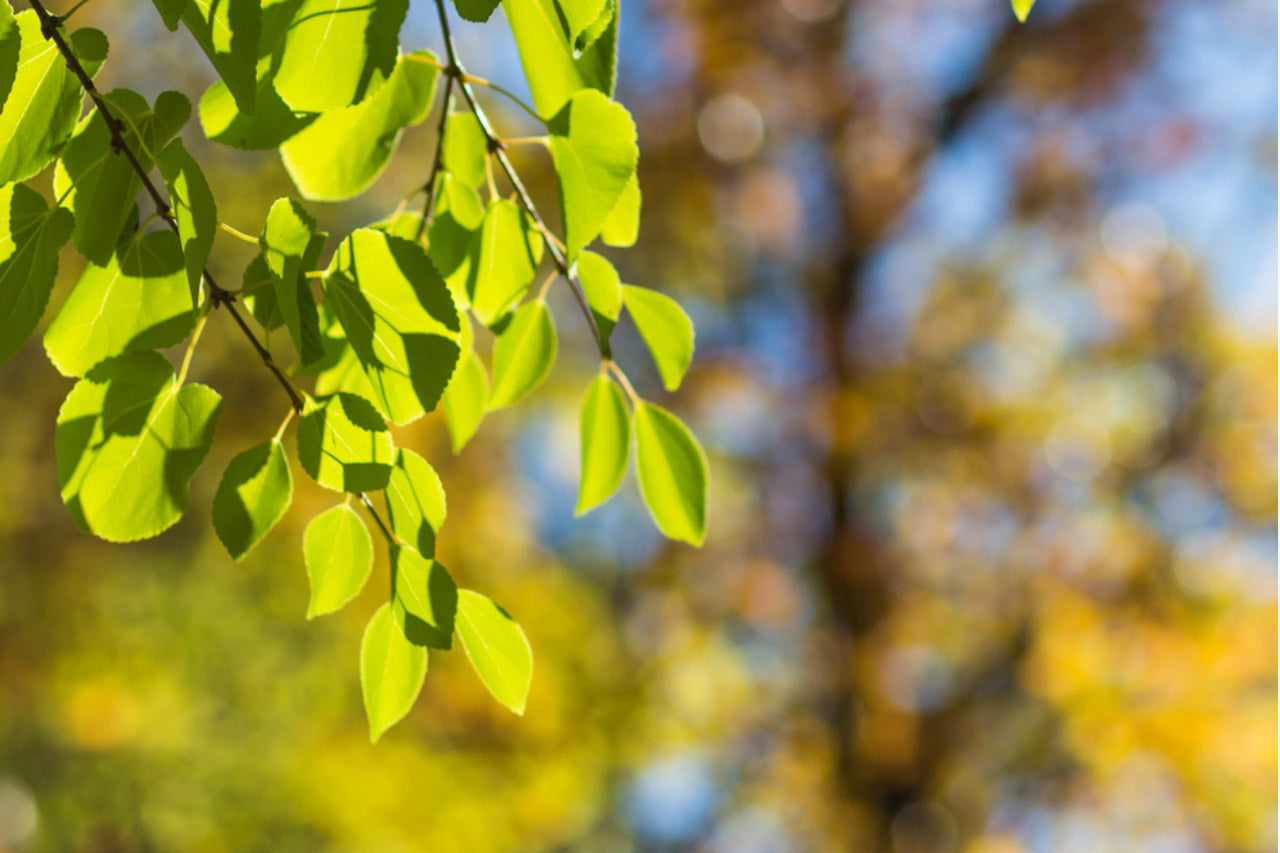
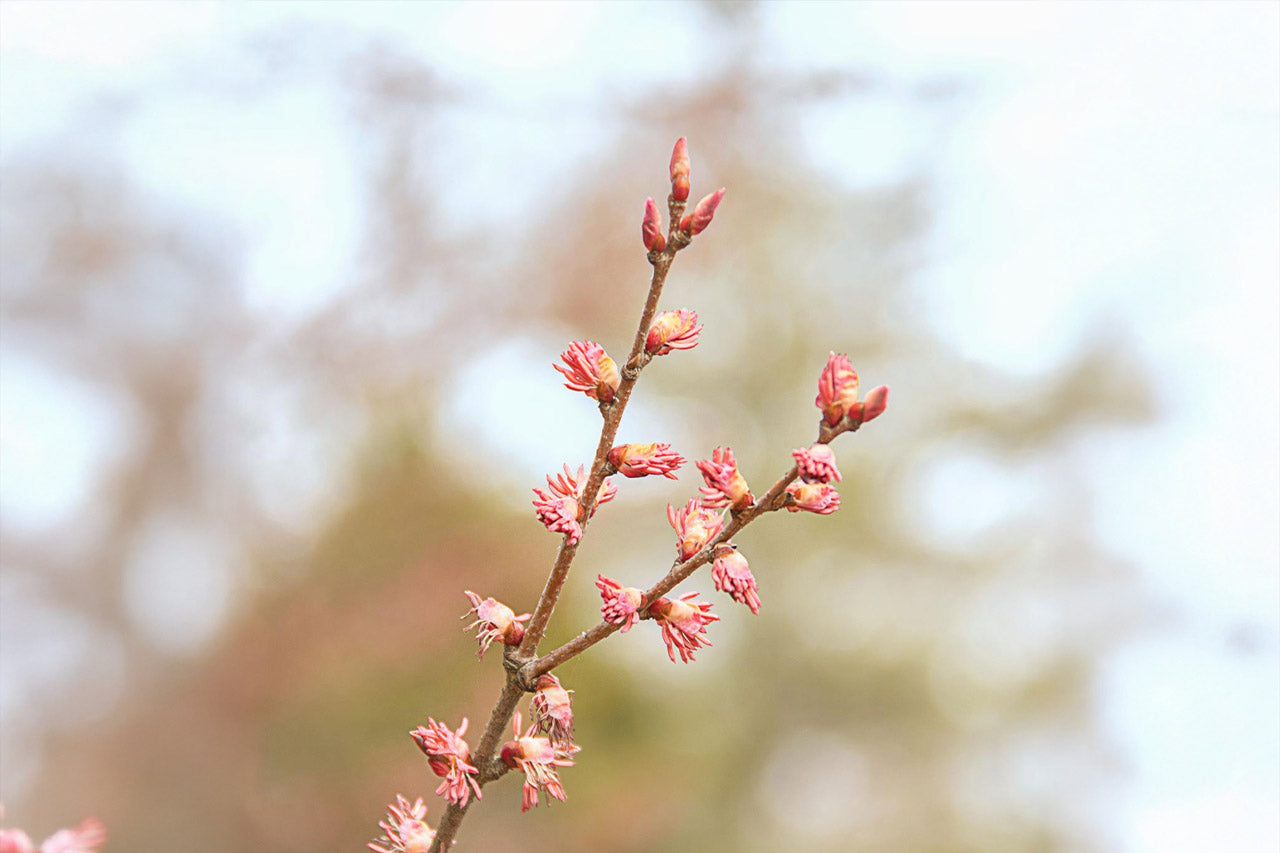
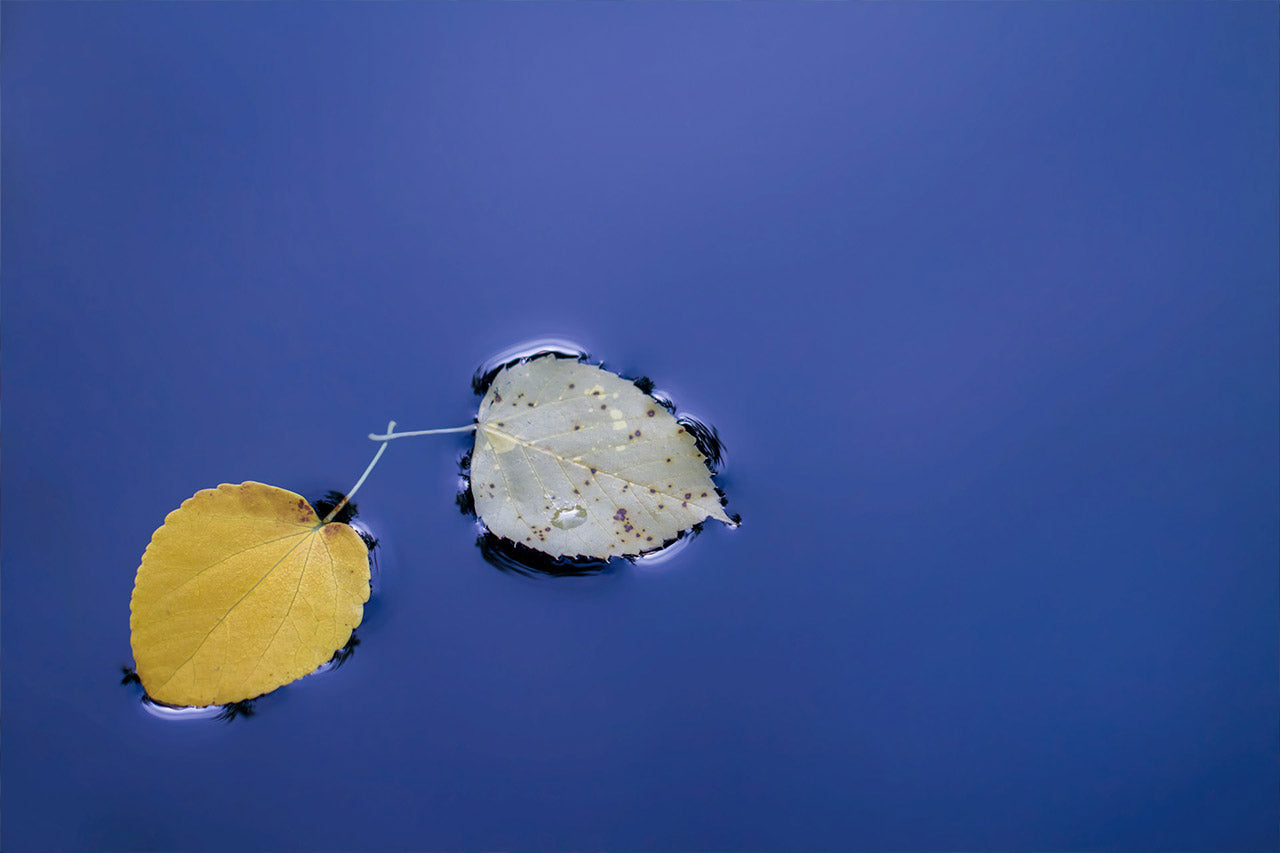
Common name: Katsura tree.
Latin name: Cercidiphyllum
Size in UK gardens: Often 4–8m tall and wide over time, depending on soil, climate and form; very old or ideal‑site trees can be larger, while some named cultivars stay more compact.
Best position: A sheltered spot in sun or light shade, with protection from strong, drying winds and hot afternoon scorch, especially in drier parts of East Anglia.
Soil: Deep, moisture‑retentive but well‑drained, humus‑rich soil, ideally neutral to slightly acidic; dislikes very dry, thin or strongly chalky ground.
Main interest: Fine heart‑shaped foliage, attractive branching, superb autumn colour and a gentle burnt‑sugar scent from fallen leaves in autumn.
Fragrance: Foliage itself is not strongly scented on the tree, but fallen autumn leaves can smell pleasantly of warm sugar or toffee on still days.
Hardiness: Generally fully hardy across most of the UK once established, as long as roots do not dry out; young leaves can be caught by late frosts or strong winds.
Care level: Moderate – straightforward if you can provide moist, humus‑rich soil, a bit of shelter and steady moisture, with minimal pruning.

The Simpson’s team raises the majority of our trees here at the nursery. For varieties outside our own production, we work with independent local growers we trust - all chosen for UK climate suitability.
Planting time: As container‑grown trees, Cercidiphyllum can be planted in most months when the soil isn’t frozen or waterlogged; autumn and early spring are usually easiest, giving roots time to settle before summer heat or winter cold.
Watering: Water regularly while establishing, especially in dry springs and summers or on lighter soils, so the rootball and surrounding ground stay evenly moist. Even once established, katsura trees dislike drought; during prolonged dry spells they benefit from occasional deep watering.
Feeding: In good, humus‑rich soil, a yearly mulch of compost or well‑rotted manure is usually enough. On poorer ground, a light application of a balanced fertiliser in early spring can help, but avoid heavy feeding that pushes very soft, sappy growth.
Pruning: Cercidiphyllum needs very little pruning beyond formative shaping and removal of dead, damaged or crossing branches. Major reshaping of larger trees is best left to professionals, but in most gardens a light hand once the framework is set is all that’s needed.
Winter: In the ground, established trees normally need no special winter protection beyond their mulch and a check that stakes and ties are sound. Container‑grown specimens may need a more sheltered spot to protect roots from repeated freezing and drying winds.
Availability is always changing, so please check with us if you have a particular variety in mind.


Katsura is a refined, elegant tree with a neat outline and soft, rounded leaves that create a calm, layered canopy. In autumn it becomes something special, turning to warm honeyed tones with a gentle, sweet scent on the air. A superb specimen for adding poetry to the garden.
A weeping katsura with long, flowing branches that drape gracefully, creating a curtain of foliage and a romantic silhouette. The leaves give a soft, shimmering texture through summer, then turn rich autumn shades. A beautiful feature tree that feels like living sculpture.
A more robust, bolder-leaved katsura with a strong presence and a handsome, rounded outline. The foliage has a generous, almost luxuriant look, and the autumn display is warm and glowing. Ideal when you want katsura’s charm, but on a slightly grander scale.
‘Rotfuchs’ (Red Fox) earns its name with fiery, fox-red autumn colour that lights up the garden. The tree has a neat, upright habit and tidy foliage through summer, then finishes the season with a vivid warm finale. A superb small specimen with a real autumn punch.