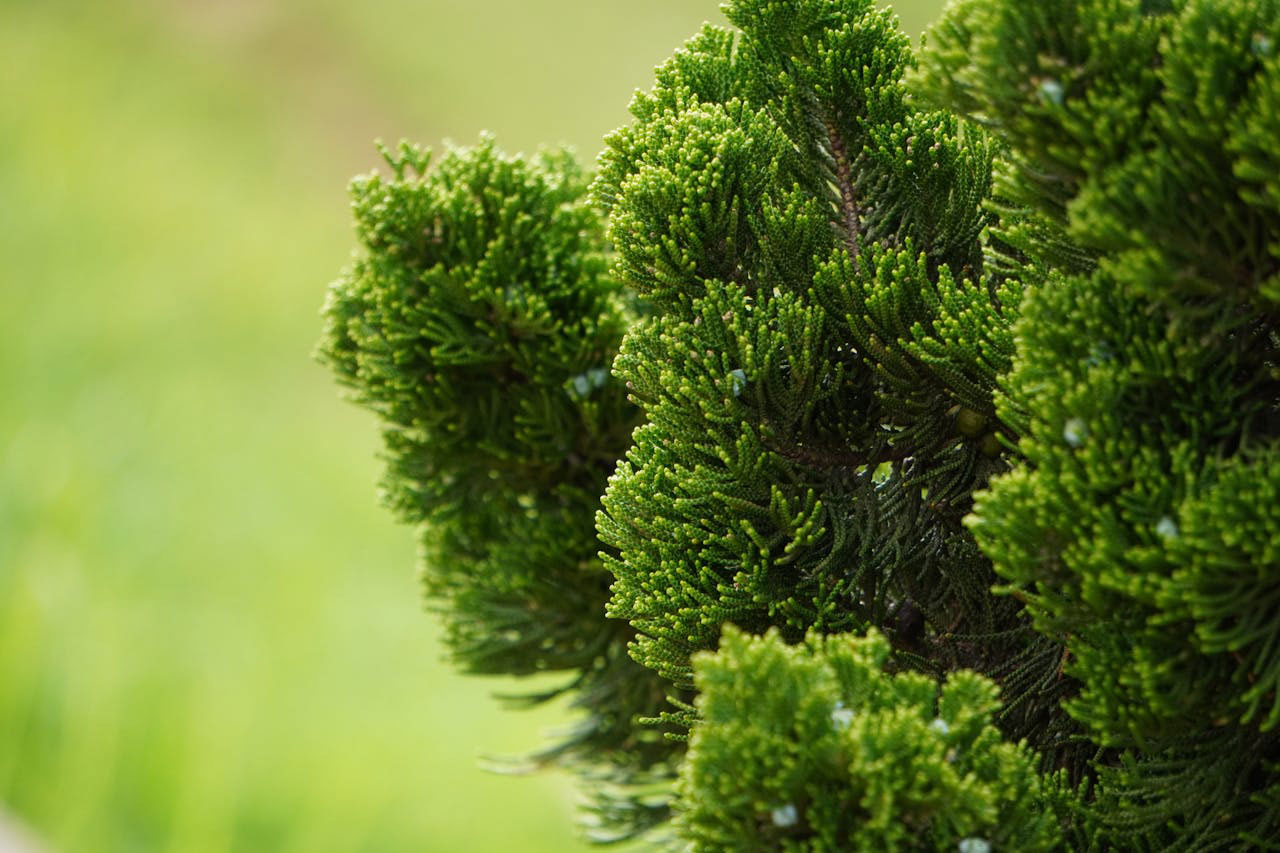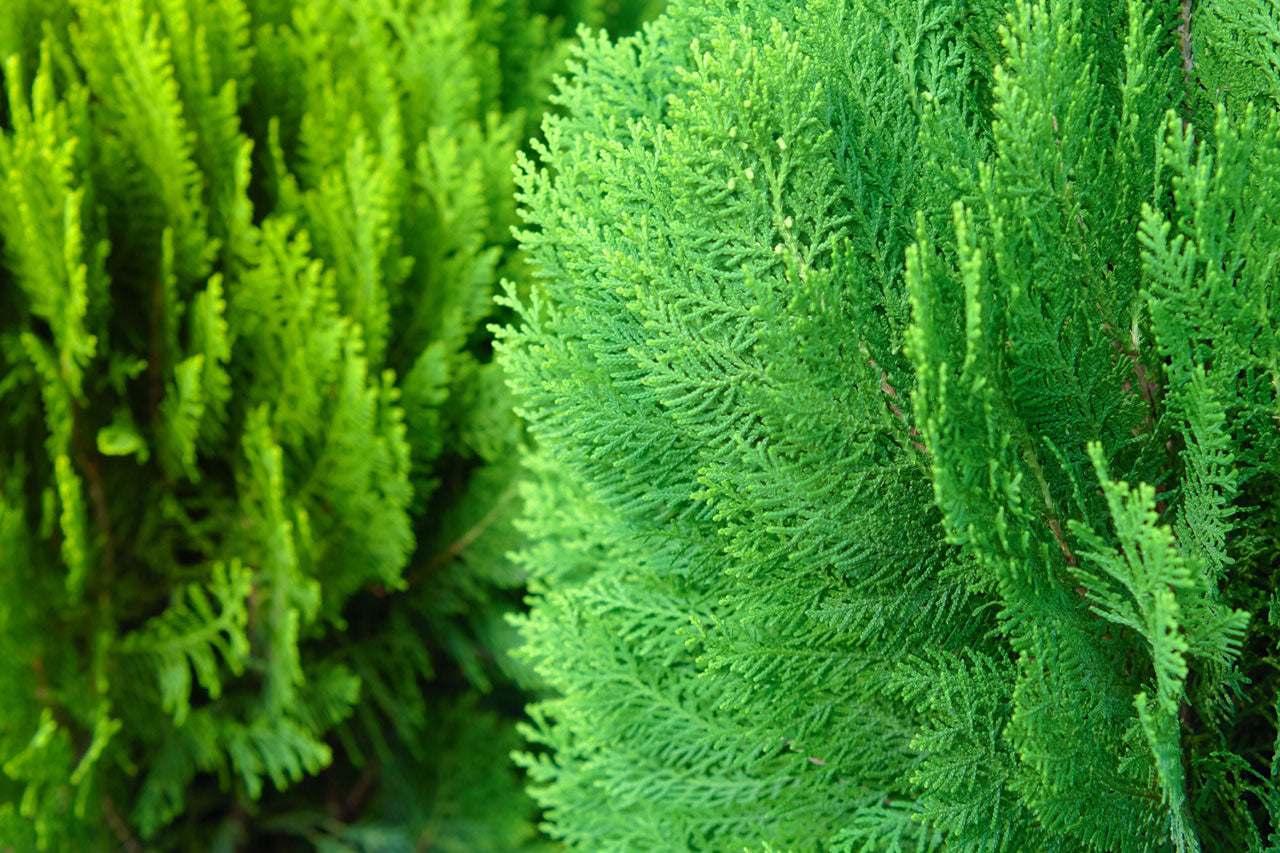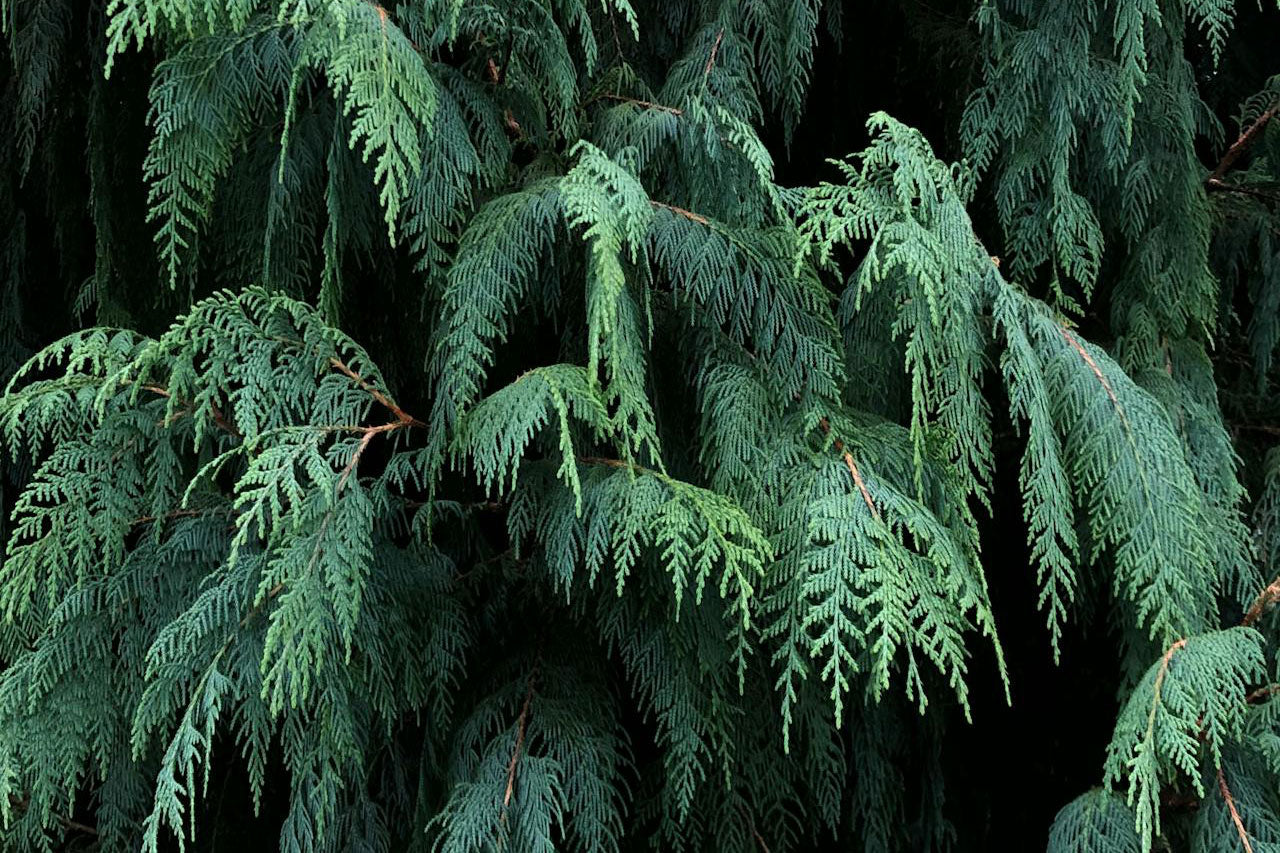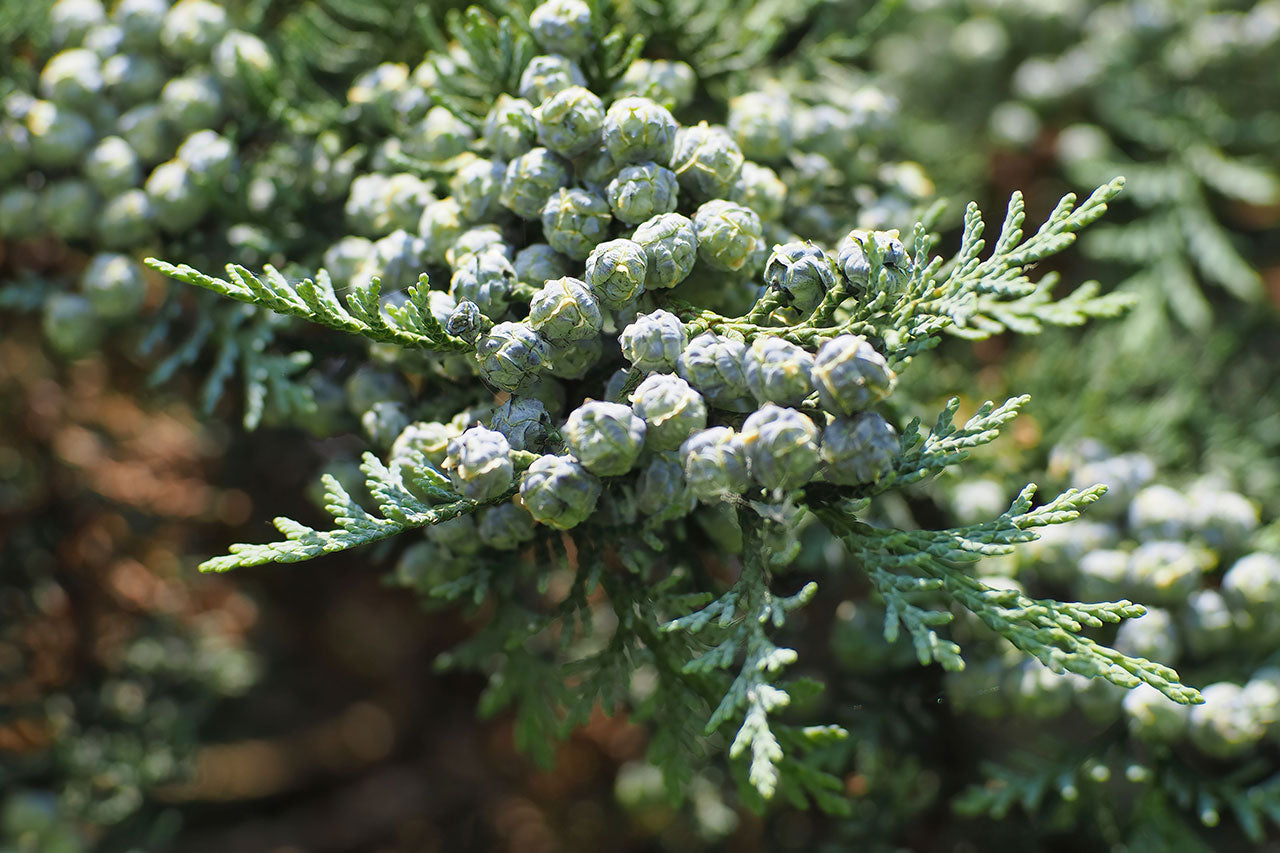

Chamaecyparis – often called false cypress – comes in an impressive range of compact, garden‑friendly forms. Many cultivars stay within 1–3m for a good long time, which makes them realistic for typical UK gardens rather than just great estates. You can choose tidy cones, rounded domes, soft sprays or flat, fan‑shaped foliage, depending on the variety. Pop one into a mixed bed, a gravel garden, or a simple lawn island and you’ve instantly got year‑round structure without committing to a huge tree. In a modest Cambridgeshire plot, that kind of scale is genuinely practical.


Common name: False Cypress
Latin name: Chamaecyparis
Size in UK gardens: Varies by cultivar; many compact forms reach 1–3m tall and 0.8–2m wide in time, while larger selections and species trees can become much taller. Always check the label.
Best position: A sunny or lightly shaded, reasonably sheltered spot, with enough room for the chosen variety to show its natural shape without being squeezed against paths or buildings.
Soil: Moist but well‑drained, reasonably fertile soil; happiest in slightly acidic to neutral conditions and less keen on very shallow, chalky or bone‑dry ground.
Flowering time: Not grown for flowers; main interest is evergreen foliage, varied form and, on older plants, small cones that form and ripen over several seasons.
Hardiness: Generally fully hardy across much of the UK once established, provided drainage is good and roots aren’t sitting in winter water.
Care level: Easy to moderate – low‑maintenance once settled, with sensible watering in the early years, a little mulch, and only light pruning if needed.

The Simpson’s team raises the majority of our trees here at the nursery. For varieties outside our own production, we work with independent local growers we trust - all chosen for UK climate suitability.
Planting time: Container‑grown Chamaecyparis can be planted in most months when the soil isn’t frozen or waterlogged, with autumn and early spring usually easiest. This gives roots time to establish before summer heat or the depths of winter.
Watering: Water regularly in the first couple of years, particularly in dry Cambridgeshire summers and in very free‑draining soils, so the rootball and surrounding soil don’t dry out completely. Once established, many cultivars cope well with normal rainfall, needing extra water only in extended drought.
Feeding: In decent garden soil, feeding can be modest – a spring mulch of compost or well‑rotted manure around the base is usually enough. On very poor or sandy soils, a light application of balanced, slow‑release fertiliser in early spring can support healthy growth and colour.
Pruning: Chamaecyparis generally needs very little pruning. Limit yourself to removing dead, damaged or awkward branches, and if you need to reduce size, do it gradually and avoid cutting back hard into bare old wood. Choose the right cultivar rather than relying on heavy pruning.
Winter: Established plants need minimal winter attention beyond a mulch over the root area and the occasional check after strong winds. Minor browning on the windward side is usually cosmetic and replaced by fresh growth in spring.
Availability is always changing, so please check with us if you have a particular variety in mind.
A wonderfully tidy Lawson cypress with a clean, upright shape and little creamy flecks that sparkle through the foliage like a fine dusting of paint. It’s brilliant when you want evergreen structure that doesn’t feel heavy—use it to punctuate mixed borders, frame a path, or give a front garden that crisp, “well-put-together” backbone all year.
A slender, refined cypress with a cool, bluish-green tone that brings a calm, coastal feel to planting schemes. It reads beautifully as a vertical accent—light on its feet rather than dense—so it’s ideal for repeating along a boundary for rhythm, or pairing either side of steps to create a smart, architectural welcome without taking up much space.
A jewel-like Hinoki with fan-shaped sprays splashed in gold, giving it a softly variegated look that feels almost hand-painted. It’s made for close viewing, where the foliage detail really shines—tuck it into a gravel garden, place it near a seating area, or use it as a focal point in a container display for year-round texture and glow.
A cool-toned Lawson cypress with a gentle blue-green wash that instantly steadies a planting palette and makes neighbouring colours look more intentional. It’s excellent for adding quiet structure through the middle of a border, or for repeating in a line to create a calm, modern rhythm, especially alongside grasses, silver foliage, and darker evergreens.
One of the loveliest for texture: soft, feathery foliage in silvery steel-blue that looks almost plush, especially in winter light. It’s a superb contrast plant—pair it with gold conifers for a designer look, pop it into a statement pot by the door, or use it as a cool-toned anchor in gravel planting where colour and texture do the heavy lifting.
A golden Lawson that acts like a shaft of sunlight in the border, bringing warmth and brightness when the garden is mostly greens and browns. It’s perfect as a single highlight to lift a darker scheme, or used in pairs to frame an entrance, and it looks particularly striking against yew, holly, dark fences, or brick.
A classic upright column that gives instant structure, like an evergreen exclamation mark—tall, slim, and confidently architectural. It’s ideal for formal lines, marking gateways, or adding height where you don’t want width, and it’s brilliant in repeated planting where you want a strong sense of order and rhythm through the whole garden.
All the elegance of ‘Columnaris’, but warmed with golden tones that catch low light beautifully and stop the planting ever feeling flat. Use it where you’d like vertical structure with a brighter mood—flanking steps, repeating along a drive, or standing as a clean accent among darker shrubs—bringing both shape and colour in one composed plant.
A cheerful, decorative Lawson with creamy variegation that adds a lighter, friendlier look than plain green forms. It’s ideal for brightening a front garden border, softening the edge of a path, or lifting mixed evergreen planting, and it pairs particularly well with purple foliage and deep greens for that “designed” contrast.
A wonderfully quirky dwarf cypress with ruffled, twisted sprays that look like green coral, making it as much about texture as colour. It’s perfect for pots, rockeries and gravel gardens where you want year-round interest at close range, and it also works beautifully as a small focal point that stops a planting scheme feeling too stiff or predictable.