
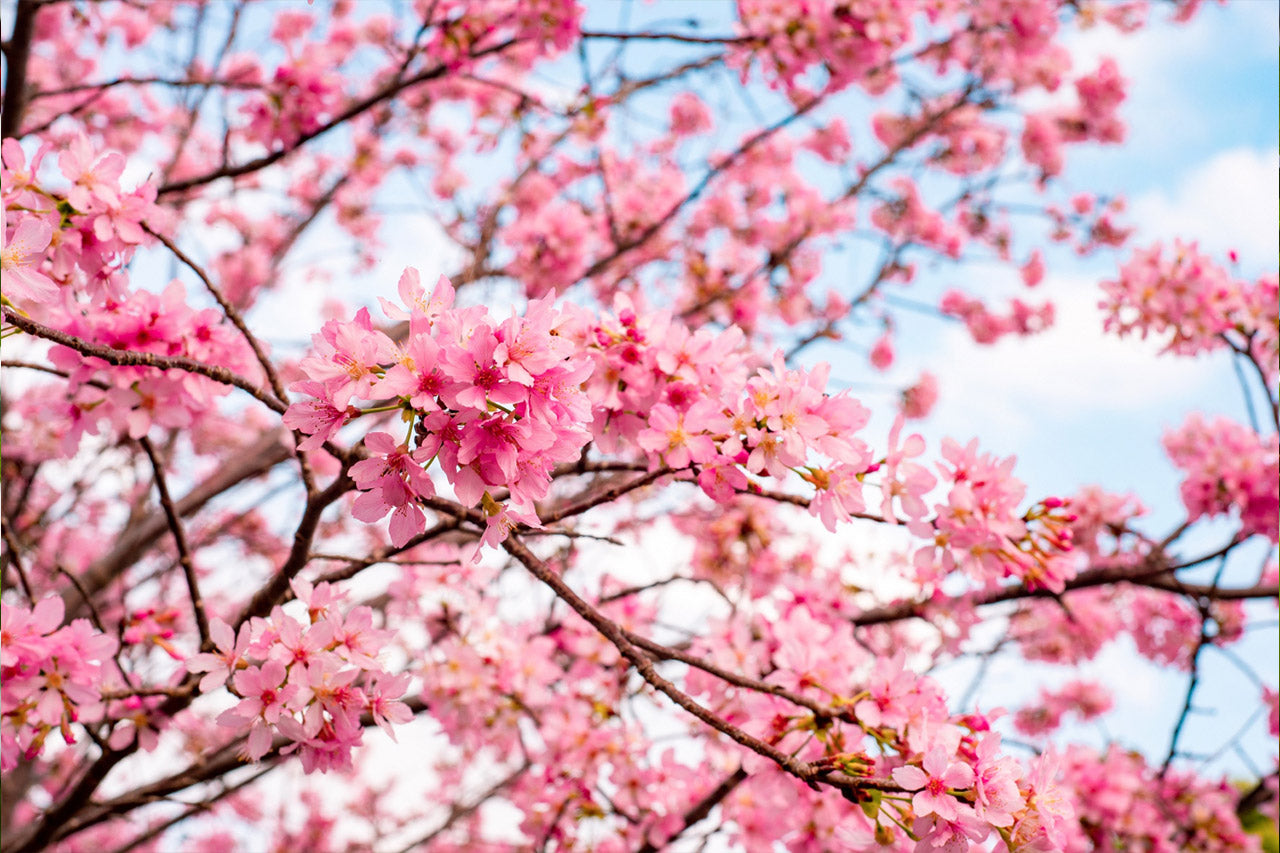
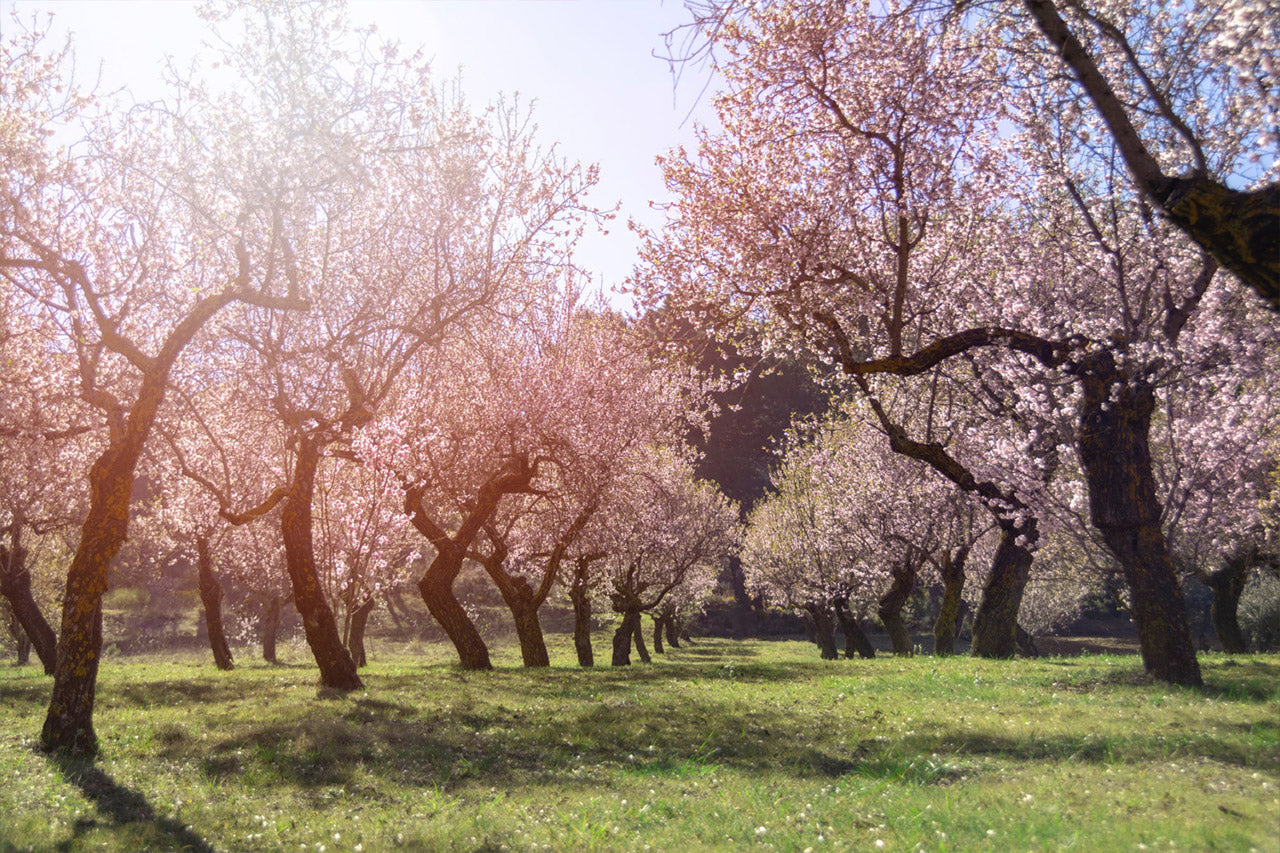
Cherry blossom is one of those sights that genuinely shifts the mood of a garden. For a week or two, the tree becomes the star — branches covered in soft flowers that glow in early sunlight and look magical against spring skies. Even in a fairly new garden, a cherry makes the space feel established, almost as if it’s always been there. And because it’s such a clear seasonal moment, you notice it more: that first warm day, the first bees, the first time you sit outside with a coat unzipped. It’s pure spring, bottled in a tree.
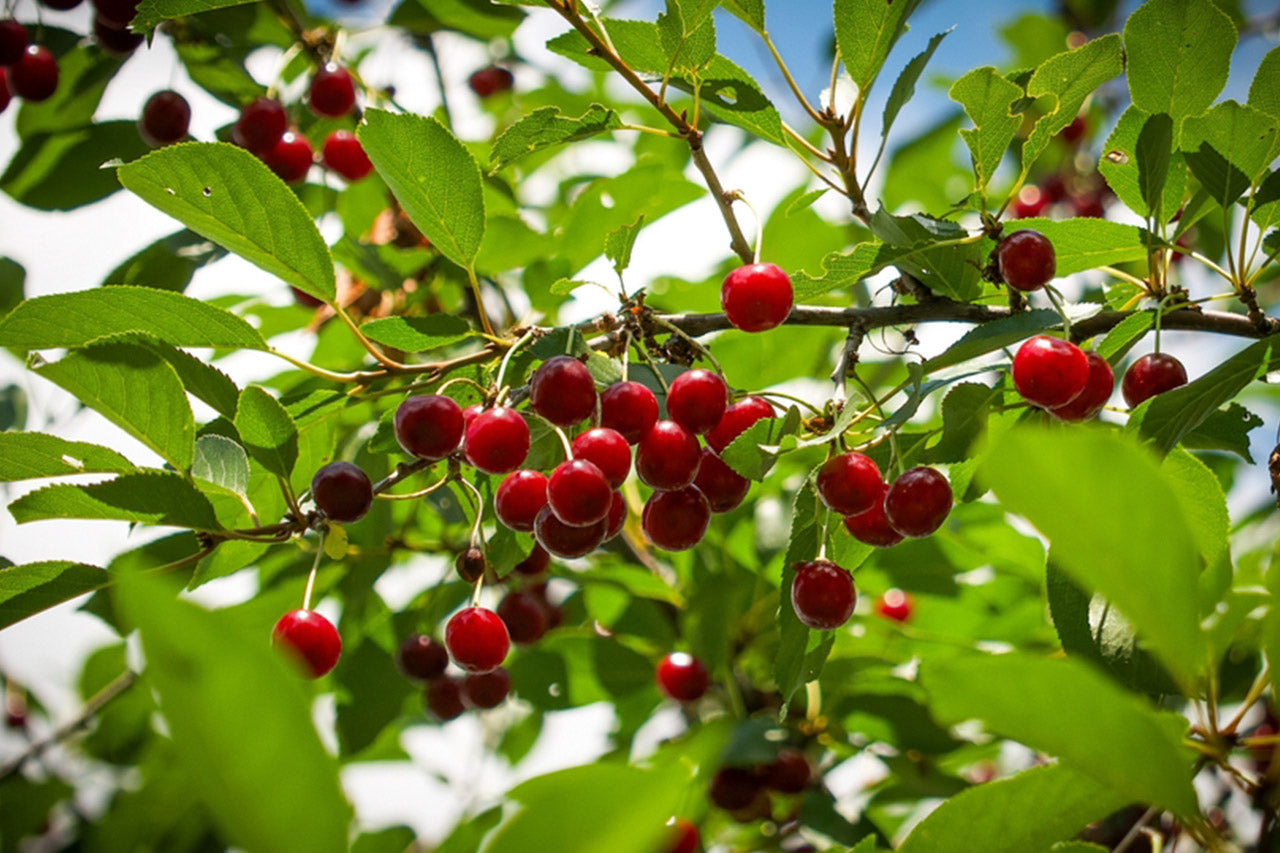
Common name: Cherry tree.
Latin name: Prunus avium and Prunus cerasus.
Size in UK gardens: Typically 3–8m depending on variety; many can be kept smaller with pruning, and some are naturally compact.
Best position: Full sun or light shade in a sheltered spot with reasonable airflow.
Soil: Fertile, well-drained soil; avoids waterlogging and extreme drought.
Flowering time: Spring (often March–May, depending on variety).
Fragrance: Usually lightly scented or not noticeably scented, depending on variety.
Hardiness: Generally hardy in most UK gardens once established.
Care level: Low to moderate – easy with good siting; occasional pruning and basic aftercare keep it thriving.

The Simpson’s team raises the majority of our trees here at the nursery. For varieties outside our own production, we work with independent local growers we trust - all chosen for UK climate suitability.
Planting time: As container-grown plants, cherries can be planted in most months when the ground isn’t frozen or waterlogged; spring and early autumn are usually easiest.
Watering: Water well in the first 1–2 seasons, and during dry spells in summer; newly planted trees need steady moisture to establish.
Feeding: A spring mulch of compost or well-rotted manure is usually enough; a light balanced feed can help on poorer soils.
Pruning: Light pruning as needed; best done in summer for Prunus to reduce disease risk.
Winter: Generally hardy; good drainage and shelter from harsh winds keep it looking its best.
Availability is always changing, so please check with us if you have a particular variety in mind.


A cheerful cherry tree with a light, bright character—pretty spring blossom followed by fruit that feels like a little pocket of sunshine. The flavour is sweet and juicy with a gentle, mellow richness, less sharply tangy than darker cherries. Ideal if you want a cherry that feels friendly, decorative, and delicious straight from the tree.
A charming cherry with a bright, friendly character—pretty blossom, neat growth, and fruit that feels made for snacking. The flavour is sweet and juicy with a gentle tang, often clean and straightforward rather than dark and heavy. A lovely choice if you want a cheerful, easy dessert cherry.
A traditional early cherry with a light, classic orchard charm—pretty blossom followed by glossy fruit that feels like the start of summer. The flavour is sweet with a refreshing tang, juicy and bright rather than deep and winey. Great if you want that early-season cherry reward.
A confident dessert cherry with a bold, generous feel—rich blossom, strong cropping, and fruit that tastes like real summer. The flavour is sweet, juicy, and full-bodied, often darker and richer than lighter early cherries. Ideal if you want a substantial, satisfying cherry for eating fresh.


A cheerful dessert cherry with a friendly, garden-orchard feel—pretty blossom, neat growth, and a generous summer reward. The flavour is sweet and juicy with a light, refreshing tang, clean and easy to enjoy straight from the tree. A lovely choice for classic, straightforward eating cherries.
A classic sour cherry with a very distinctive, traditional character—dark fruit, generous cropping, and an old-world orchard mood. The flavour is sharp, rich, and intensely cherry, perfect for cooking, baking, and preserving, where it becomes wonderfully rounded and deeply flavoured. Ideal if you want the quintessential cherry for pies and compotes.
A well-loved dessert cherry with a steady, garden-friendly nature—pretty blossom, good cropping, and a classic orchard look. The flavour is sweet and juicy with a gentle tang, clean and straightforward, making it an easy favourite for eating fresh. Great if you want a reliable cherry that feels traditional and rewarding.
A bright, summery dessert cherry with a cheerful, productive feel—one that really delivers that “proper cherry season” reward. The flavour is sweet, juicy, and pleasantly rich, with enough freshness to keep it lively. Ideal if you want a classic eating cherry with a warm, sunny character.


A bold, generous dessert cherry with a confident orchard presence—handsome in blossom and very satisfying once fruit arrives. The flavour is sweet and rich, juicy and full-bodied, often darker and more intense than lighter cherries. A great choice if you like cherries with real depth.
A dessert cherry with a warm, approachable personality—reliable, productive, and very much about easy summer snacking. The flavour is sweet and juicy with a gentle, fresh tang, giving a clean, friendly bite. Ideal if you want cherries that feel straightforward, sweet, and rewarding.
A neat, garden-friendly dessert cherry with a calm, well-mannered presence—pretty blossom and a lovely, classic orchard outline. The flavour is sweet and juicy with a light tang, more delicate than the darkest cherries but very pleasant and easy. A good choice if you want a balanced, traditional eating cherry.
A gentle, traditional dessert cherry with a lighter, softer character—pretty spring blossom followed by pale fruit that looks almost luminous on the tree. The flavour is sweet and juicy with a mild, delicate tang, generally less dark and intense than black cherries, but very easy to enjoy. A lovely choice if you want something a bit different, and a little more delicate in flavour.