
Few plants change the feel of a garden as quickly as Cordyline. Even a single young plant in the right spot can give an instant sense of height, structure and style. The upright stem and fountain of leaves draw the eye and help anchor nearby planting, lending a touch of seaside promenade or courtyard chic to an ordinary space. As the plant matures, that effect only increases, making it a brilliant choice where you want a focal point without endless maintenance.
Common name: Cabbage Tree
Latin name: Cordyline
Size in UK gardens: In the ground, usually around 2–4m tall × 1.5–3m wide over time, sometimes taller in very favourable spots.
Best position: A sunny or lightly shaded, reasonably sheltered spot – often near a house, patio or in a warm border where it’s protected from the very coldest winds.
Soil: Most well‑drained garden soils, from light sand to decent loam. Cordyline dislikes sitting in heavy, waterlogged clay, especially in winter.
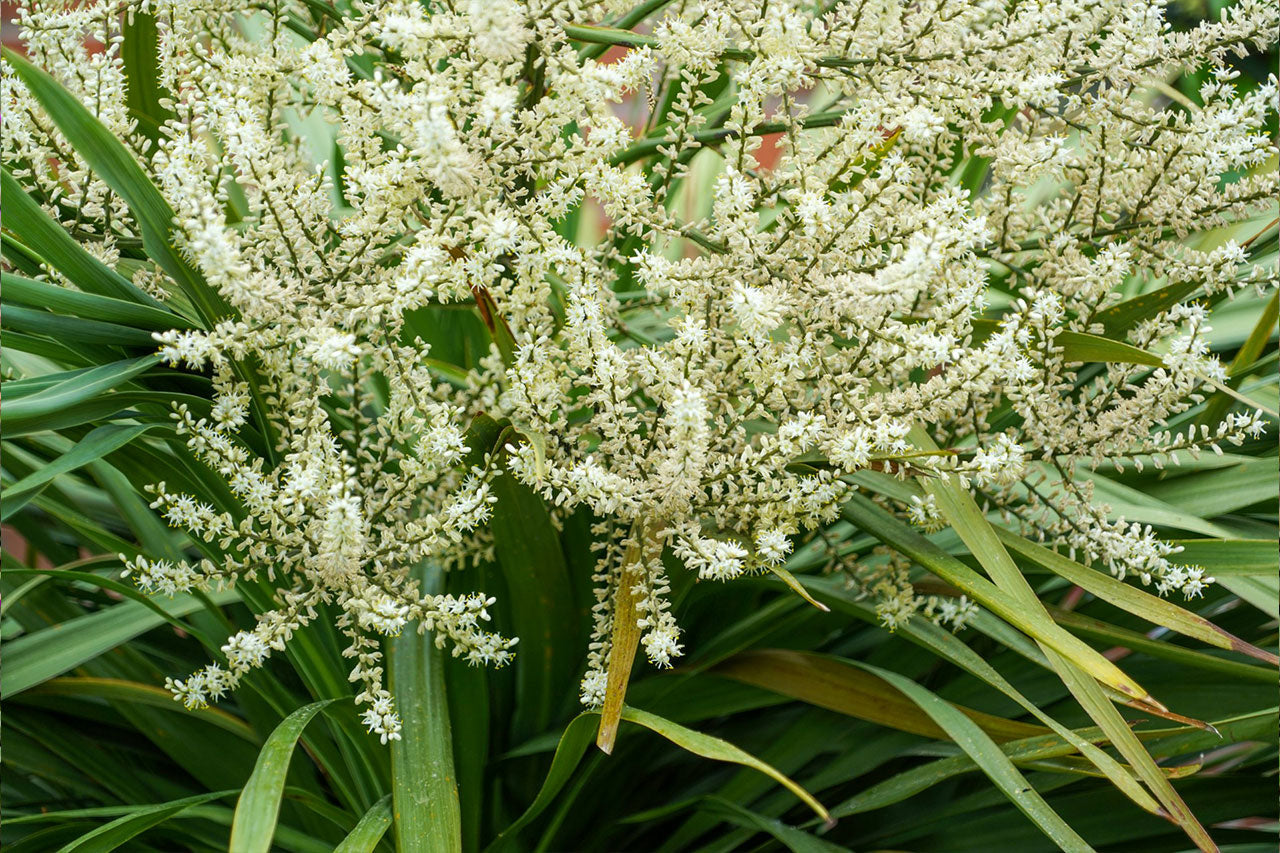
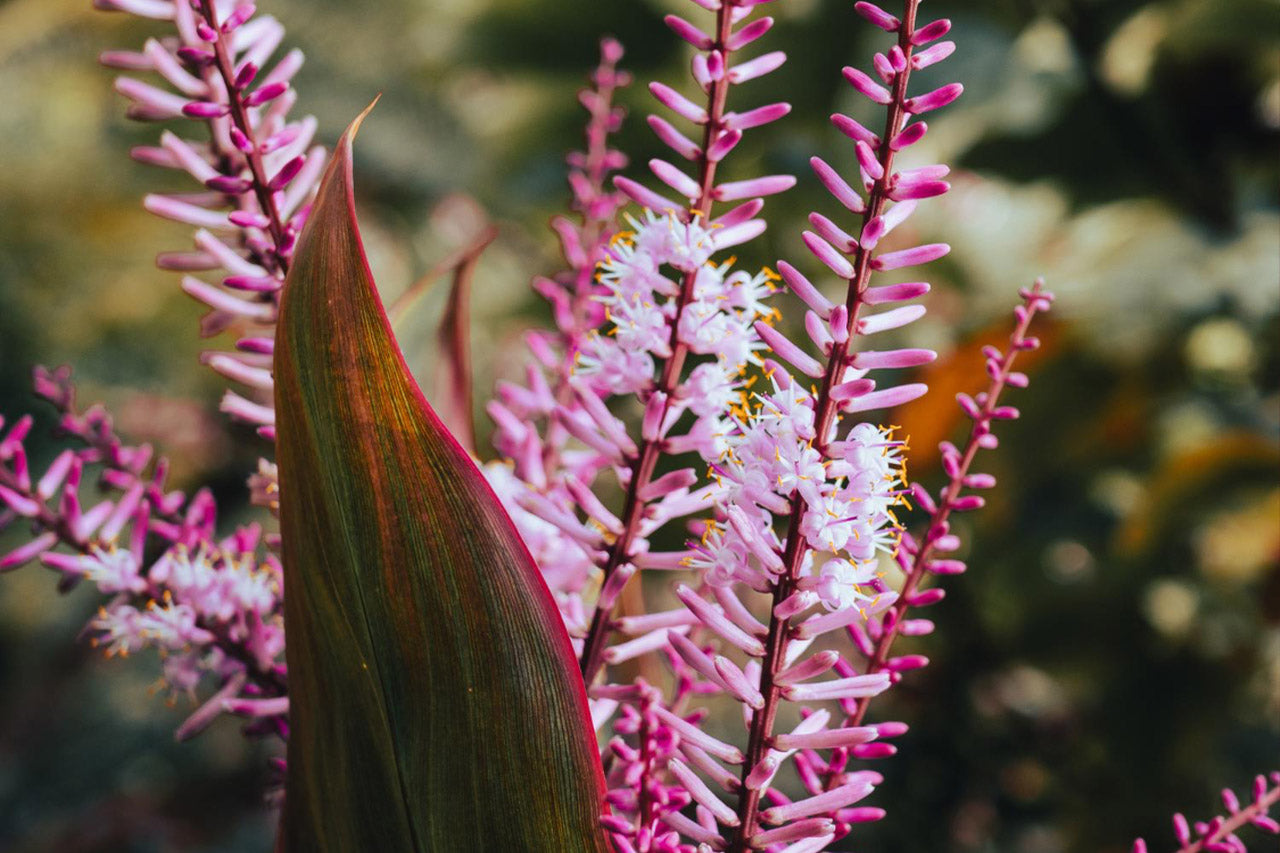
Flowering time: Older plants often produce large, creamy‑white flower panicles in late spring or early summer, followed by small berries. Younger plants are mainly grown for their bold foliage and shape.
Fragrance: The flower spikes on mature plants can be sweetly scented on warm evenings, but foliage is usually not noticeably scented.
Hardiness: Generally hardy, especially with good drainage and a bit of shelter. In harsher winters, some leaf or crown damage is possible, but many plants reshoot from the stem or base.
Care level: Straightforward once established – little pruning, modest watering, and just a bit of winter care in more exposed gardens or containers.

The Simpson’s team raises the majority of our trees here at the nursery. For varieties outside our own production, we work with independent local growers we trust - all chosen for UK climate suitability.
Planting time: As container‑grown plants, cordylines can be planted in most months when the ground is not frozen or waterlogged. Spring and early autumn are often easiest, giving new roots time to settle in before summer heat or winter cold.
Watering: Water regularly through the first growing season so the rootball does not dry out completely. Once established in the ground, Cordyline usually copes well with normal dry spells, needing extra water only in prolonged hot, dry weather.
Feeding: A light application of balanced, slow‑release fertiliser or a mulch of garden compost in spring is usually enough. It does not need heavy or frequent feeding to perform well.
Pruning: Routine pruning is mostly about removing old, brown or damaged leaves and spent flower spikes. There’s no need for regular shaping in most gardens.
Winter: In a typical Cambridgeshire winter, established plants often come through with only minor leaf marking. In colder snaps, a little fleece around the crown of younger plants can be reassuring, especially in more exposed positions.
Availability is always changing, so please check with us if you have a particular variety in mind.
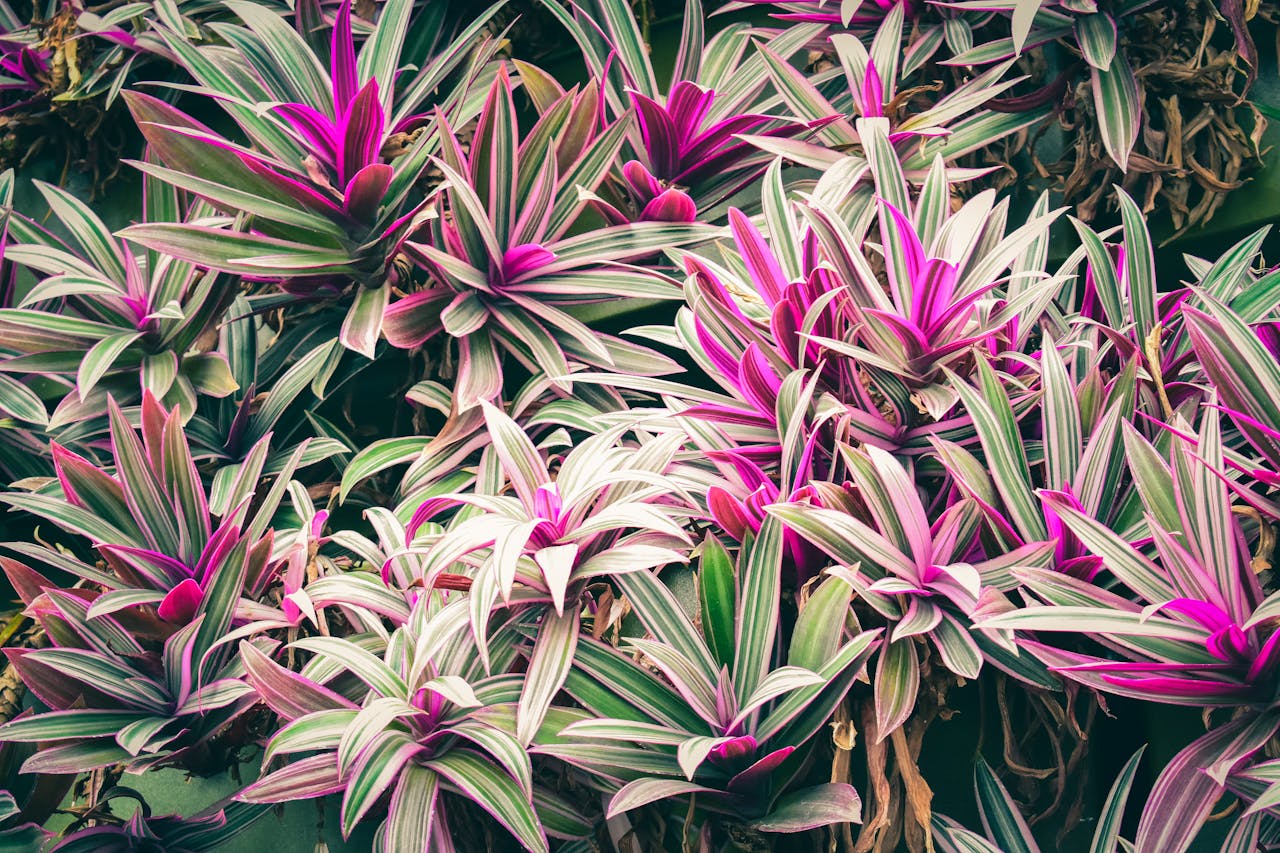
Strappy, arching leaves with bold colouring give this cordyline a wonderfully theatrical, seaside feel, like a burst of carnival energy in plant form. It’s perfect for containers and courtyard planting where strong shape matters, and it brings that exotic, architectural presence that instantly lifts a patio or gravel garden.
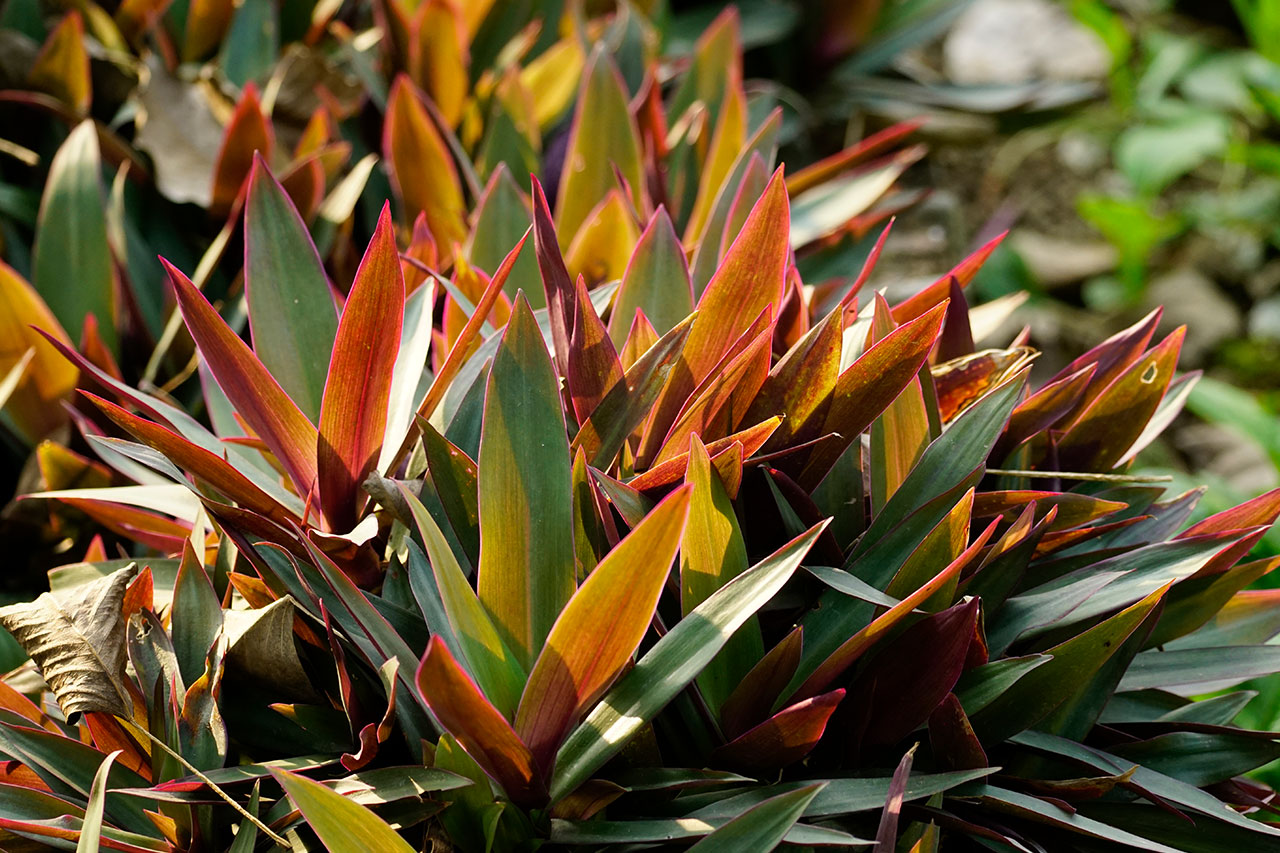
Deep burgundy foliage creates a strong, dramatic statement, giving borders and pots a rich, modern edge. It’s ideal when you want an architectural plant that holds its colour and form for months, and it looks especially striking paired with pale stone, silver foliage and grasses for contrast.
Bright lime-green leaves bring a fresh, lively look, like sunlight in a pot, and they make surrounding plants look instantly more vibrant. It’s perfect for adding a bold splash of colour to patios and modern borders, and it works beautifully with darker foliage plants where the contrast feels crisp and deliberate.
A lively, striped look gives this cordyline real movement and personality, making it a natural choice for containers and contemporary planting. It brings strong shape, colour and that slightly exotic “holiday garden” feel, especially when used as a focal point near seating or steps.
Sharp, lime-toned foliage gives an energetic, modern feel, perfect for brightening planting schemes that lean heavily on greens and greys. It’s excellent in pots, where the colour reads strongly, and it pairs beautifully with burgundy and purple foliage for a bold, designer contrast.
Warm, spicy tones and bold striping give this cordyline a real sense of fun and movement, making it a superb feature for patios and courtyard gardens. It brings that unmistakable architectural silhouette, and it works brilliantly where you want strong colour and form without relying on flowers.
The classic cabbage tree silhouette—tall, architectural and instantly evocative of coastal gardens and seaside promenades. It’s perfect for giving a garden a strong focal point and a sense of height, and it works wonderfully in modern schemes where clean lines and bold form are as important as flower.
A dark-leaved form that brings a richer, moodier tone to the classic cordyline outline, making it feel more contemporary and dramatic. It’s ideal as a feature plant in a border or large pot, especially where you want that strong, upright shape with deeper colour that lasts through the seasons.
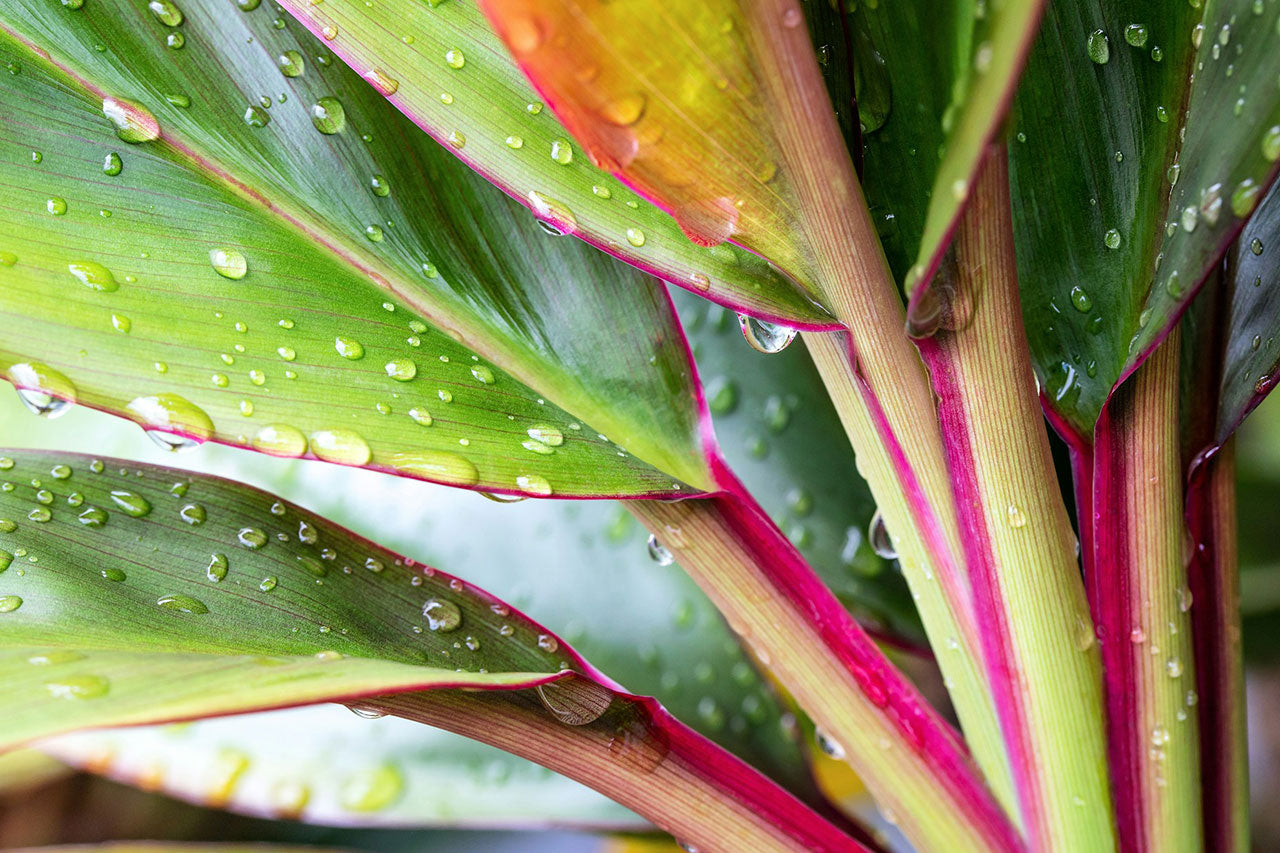
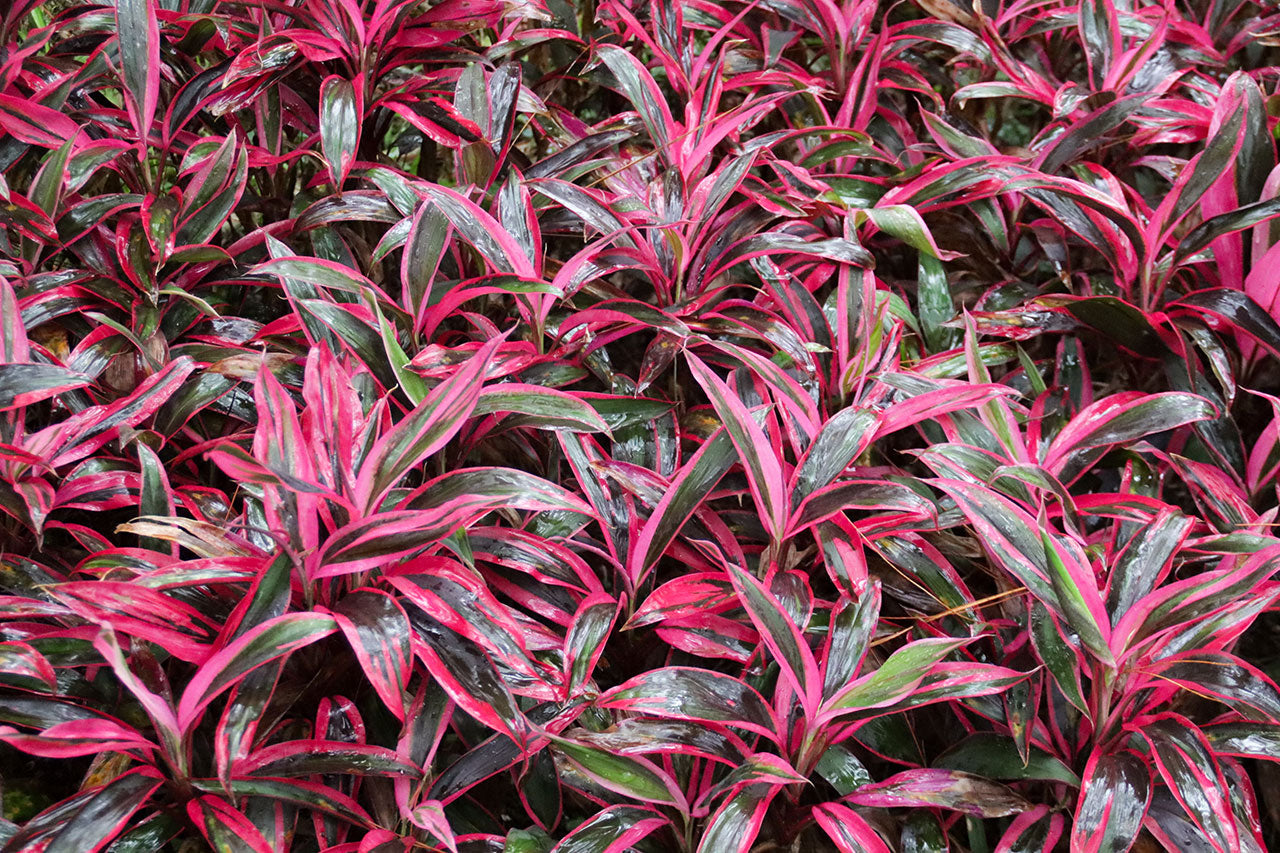
One of the best-loved for a reason: deep red, spiky foliage gives instant structure and a bold, architectural look that suits almost any modern planting scheme. It’s superb in pots, gravel gardens and borders, where it provides year-round presence and makes surrounding greens look fresher.
Strong, colourful foliage and a bold, upright habit give this cordyline real presence, perfect for adding height and drama to borders. It’s particularly effective as a focal plant near patios and entrances, where the sculptural silhouette reads clearly and gives the garden a more exotic, designed feel.
Golden and green tones bring brightness and warmth to the classic cordyline form, creating a sunny, uplifting feature even when nothing is flowering. It’s perfect for containers and modern borders, and it looks especially handsome against darker fencing or evergreens where the variegation really stands out.
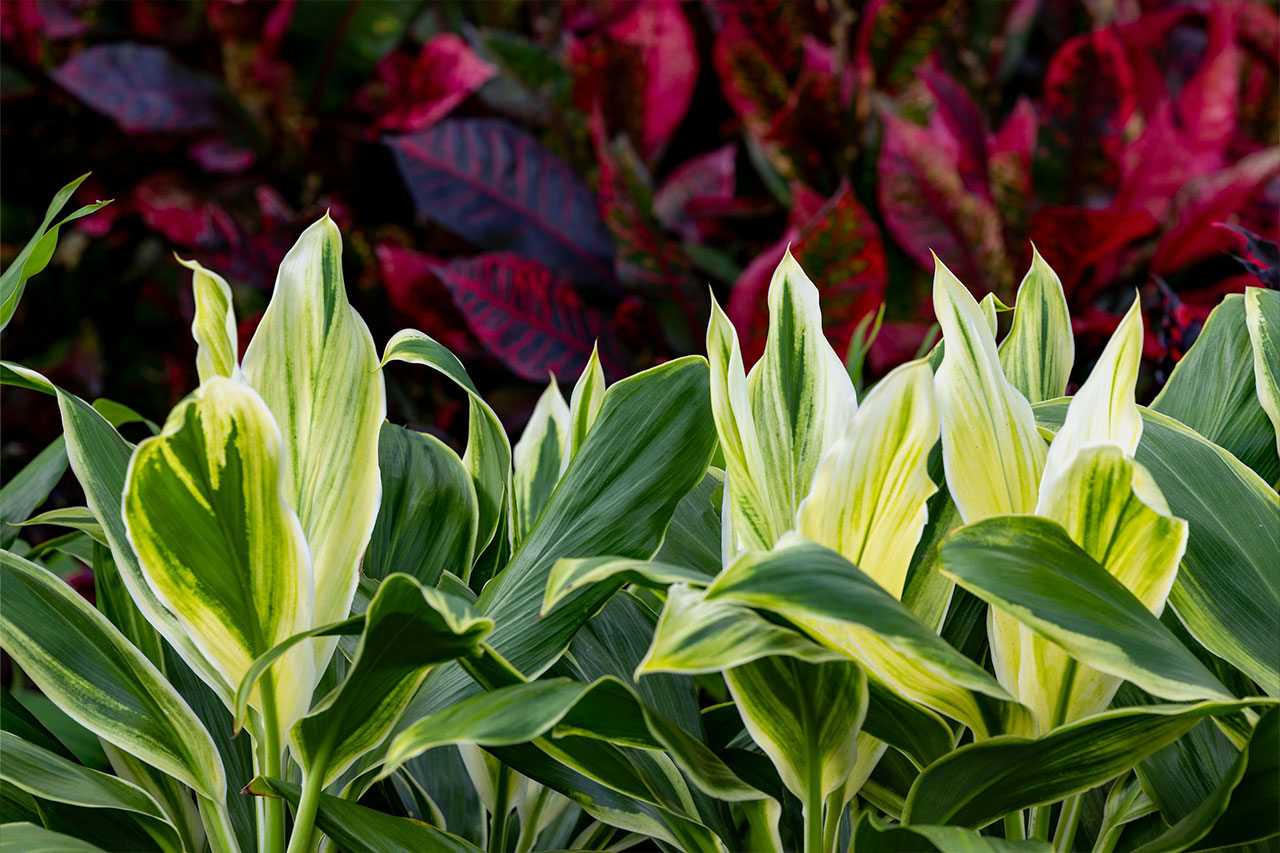
Bold, striped foliage brings a real seaside sparkle, with creamy-yellow and green tones that read bright and uplifting even on dull days. It makes a splendid feature in a large pot or a sunny border, giving that instantly architectural, holiday-garden silhouette and helping nearby plants look sharper by contrast.