
One of the great joys of many dogwoods is the way their bare stems come into their own in winter. Once the leaves have fallen, bright reds, oranges or golds glow in low light, especially against a simple backdrop of lawn, gravel or snow. A small group of Cornus can transform a dull corner into something special, giving you a reason to look out of the window even on grey days. They prove that the garden can be colourful long after summer has gone.

Common name: Dogwood
Latin name: Cornus
Size in UK gardens: Depending on variety, usually 1.5–3m tall × 1.5–3m wide for coloured‑stem shrubs, and around 3–6m tall for small flowering trees over time.
Best position: A sunny or lightly shaded spot in a border, shrub bed or lawn, with room for stems or branches to show off their colour and shape.
Soil: Moist but free‑draining garden soil is ideal. Many dogwoods enjoy soil that doesn’t dry out too much, though they still dislike being permanently waterlogged.
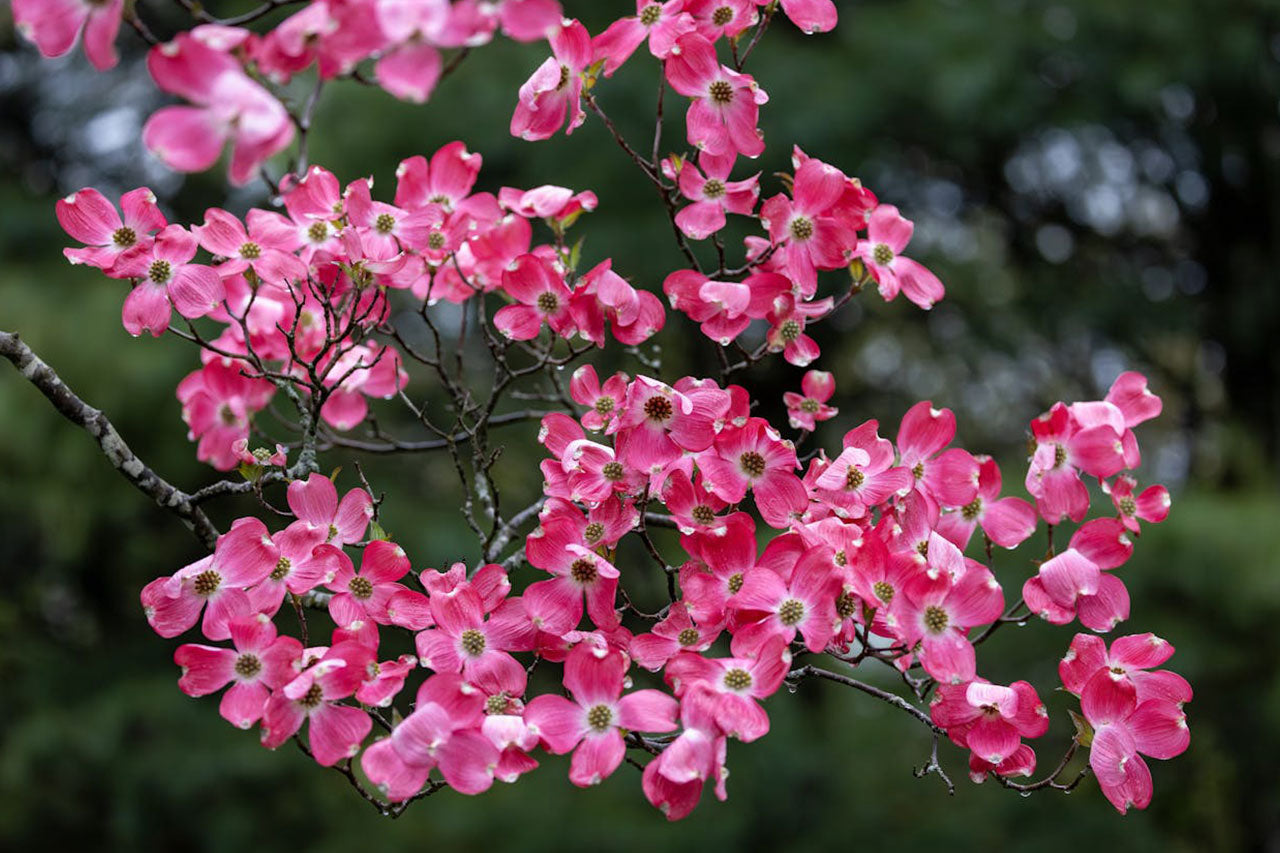
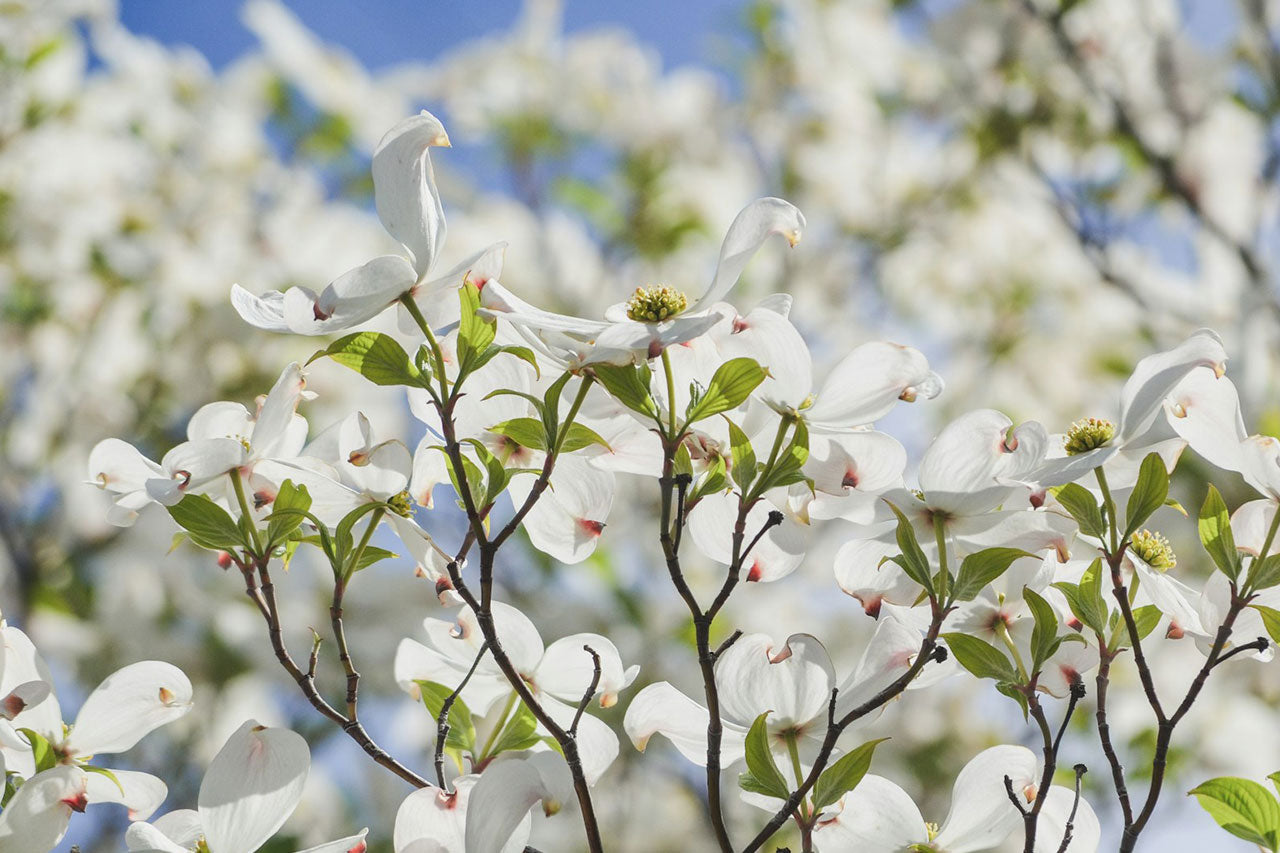
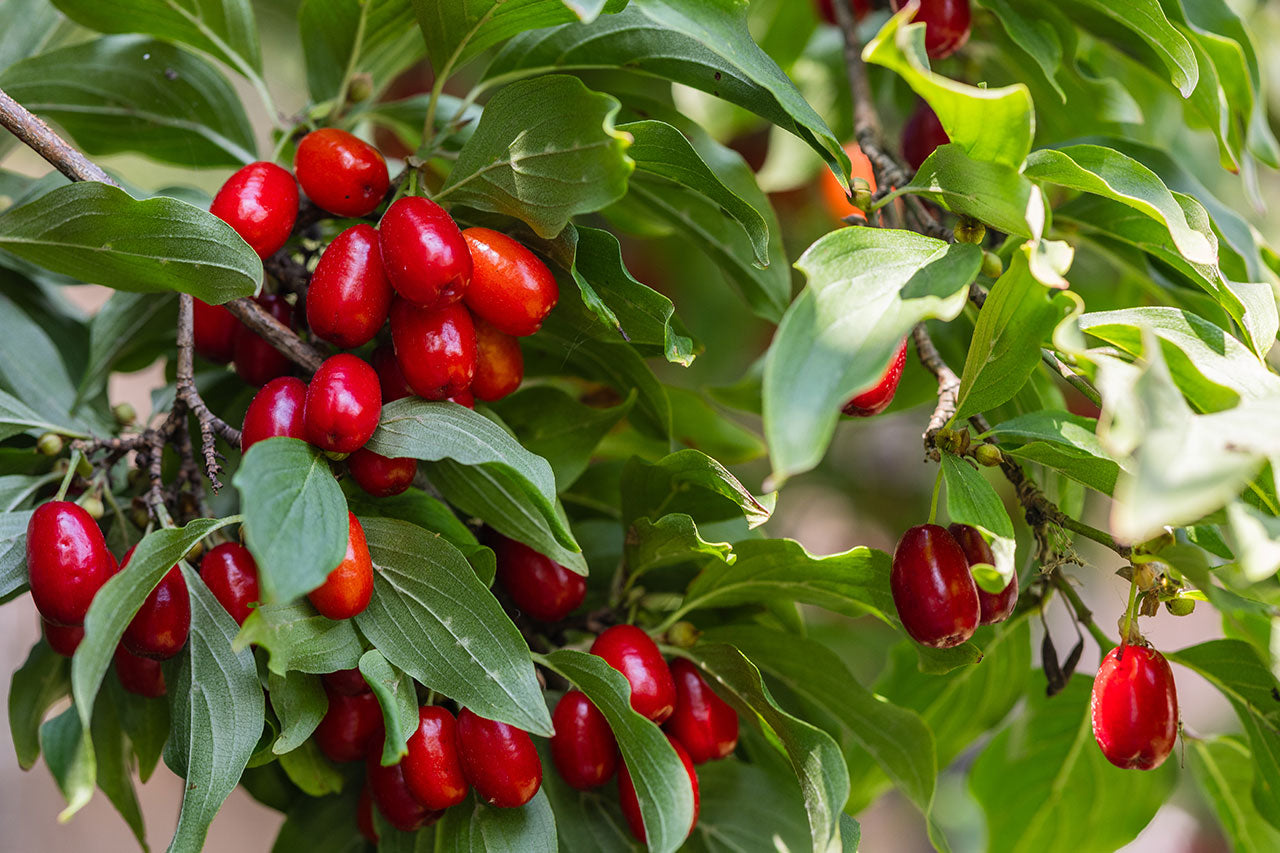
Flowering time: Spring blossom on many forms, followed by berries; coloured‑stem types give their main show in winter, when bare stems glow in low light.
Fragrance: Some flowering dogwoods have a light, pleasant scent, but most are grown more for flowers, stems and autumn colour than strong perfume.
Hardiness: Generally very hardy in UK conditions, coping well with typical winter cold.
Care level: Easy and forgiving once established – a good choice for gardeners who want strong seasonal interest without complicated care.

The Simpson’s team raises the majority of our trees here at the nursery. For varieties outside our own production, we work with independent local growers we trust - all chosen for UK climate suitability.
Planting time: Cornus can be planted in most months when the soil is workable and not waterlogged, with spring and autumn usually the gentlest times for roots to establish.
Watering: Water regularly through the first growing season, especially in dry spells, so the roots can spread into the surrounding soil. Once established, many dogwoods only need extra water in prolonged drought.
Feeding: An annual mulch of garden compost or well‑rotted manure in spring is usually enough to keep plants happy; in average garden soil they rarely need heavy feeding.
Pruning: Pruning depends on the type – coloured‑stem shrubs benefit from regular cutting back, while flowering tree forms need only light shaping. A little attention at the right time keeps them looking their best.
Winter: Most Cornus take normal Cambridgeshire winters in their stride. Deciduous leaves fall naturally and stems may show off their best colours in the colder months, with no special protection needed once plants are established.
Availability is always changing, so please check with us if you have a particular variety in mind.
When winter arrives, this dogwood earns its keep, with stems that glow in warm orange tones like a little ember-lit bonfire in the border. It’s superb for adding colour to the bare season, especially when planted in groups so the stems create a proper blaze, and it looks wonderful behind pale grasses and winter seedheads.
A compact dogwood with a neat, rounded habit, ideal for smaller gardens where you want that dogwood usefulness without a large shrub. It’s perfect for front-of-border structure, for low, informal edging, and for creating a tidy framework that still looks natural and relaxed through the seasons.
A handsome dogwood with a fresh, clean look, valued for bringing structure and seasonal interest to borders. It’s particularly effective when planted in drifts, where it forms a calm shrub layer through summer and then contributes to that lovely winter framework that dogwoods do so well.
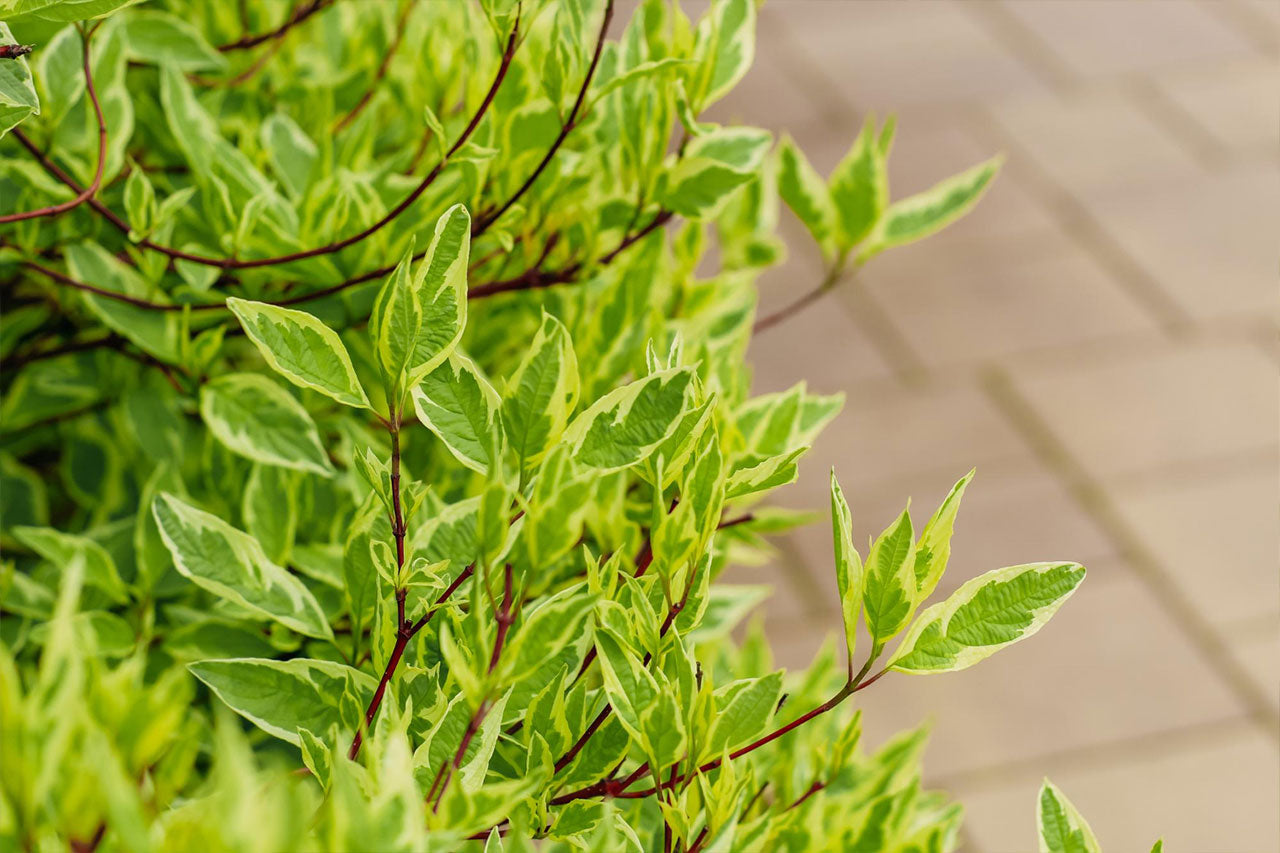
Variegated foliage brings brightness through the growing season—green leaves generously brushed with gold—making it a wonderful border lightener. It’s excellent for contrast against darker evergreens, and it gives you that double benefit dogwoods are so good at: lively summer foliage and useful winter presence.
Deep, dark stems give this dogwood a wonderfully dramatic winter silhouette, almost ink-black against pale frosts and low light. It’s superb for adding contrast and depth in winter planting, especially when paired with lighter-stemmed dogwoods or golden grasses so the dark colour really stands out.
A dogwood with a softer, more natural character, giving borders a calm, leafy look through the season. It’s particularly valued for its gentle, wildlife-friendly feel, and it works beautifully in informal planting schemes where you want shrubs to look as though they belong there, rather than sitting in stiff blocks.
Golden foliage brings a warm, bright lift, acting like a little patch of sunlight in the border and making neighbouring greens look richer. It’s a superb choice when you want foliage colour that carries the scheme through summer, with the added bonus of that winter framework dogwoods bring when the leaves have fallen.
Strong red stems are the headline, bringing that classic winter dogwood colour that looks so good against evergreens and pale winter skies. It’s ideal for creating a bold winter feature in borders, and it’s at its best planted in groups where the red reads as a confident block of colour.
A dogwood with a refined, ornamental feel, bringing a slightly more elegant presence than the purely utilitarian winter-stem types. It’s ideal as a feature shrub in mixed borders where you want seasonal interest and a handsome outline, adding structure without ever feeling coarse.
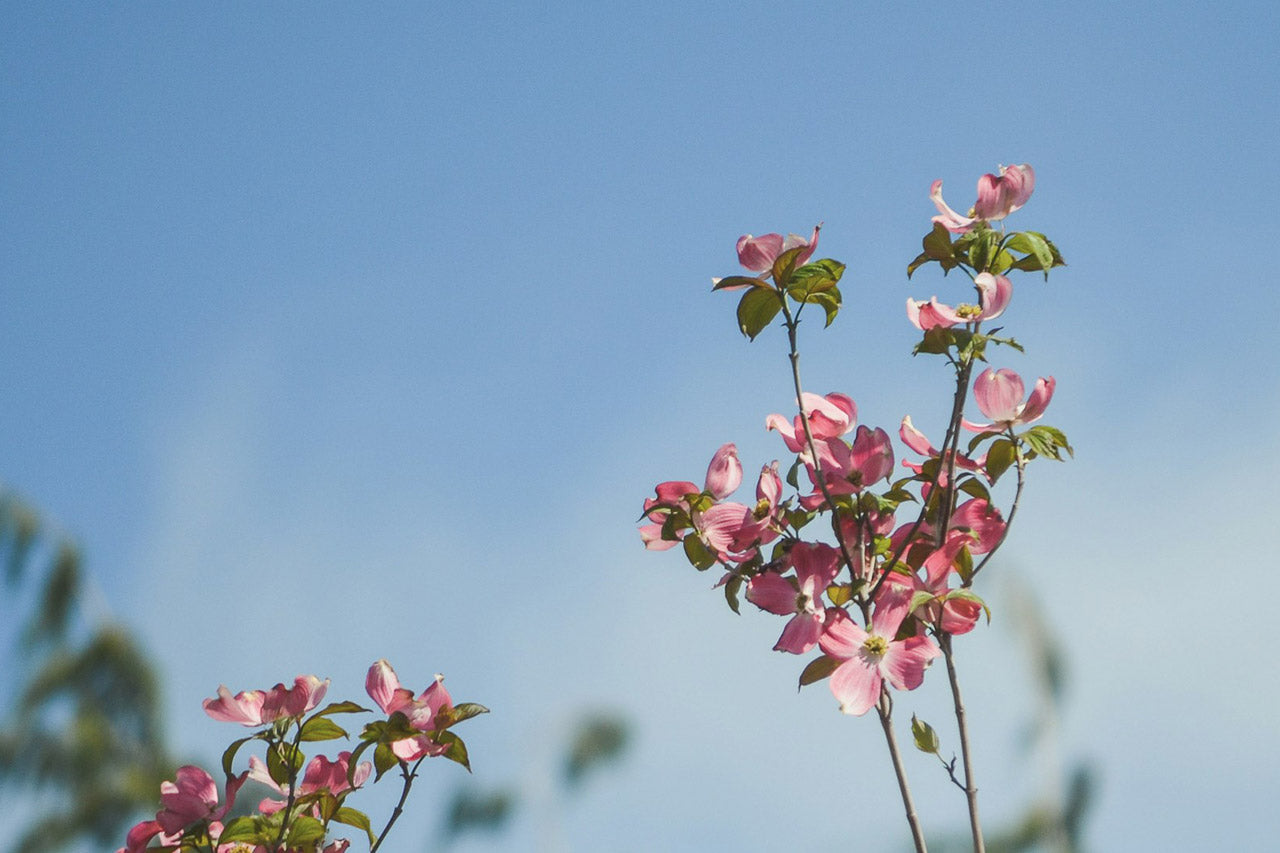
The famous “wedding cake” tree, with layered, horizontal branching that looks beautifully architectural, and variegated foliage that gives a light, airy shimmer. It makes a magnificent specimen tree where you want structure, elegance and a real sense of presence, creating a focal point that looks composed from spring to autumn.
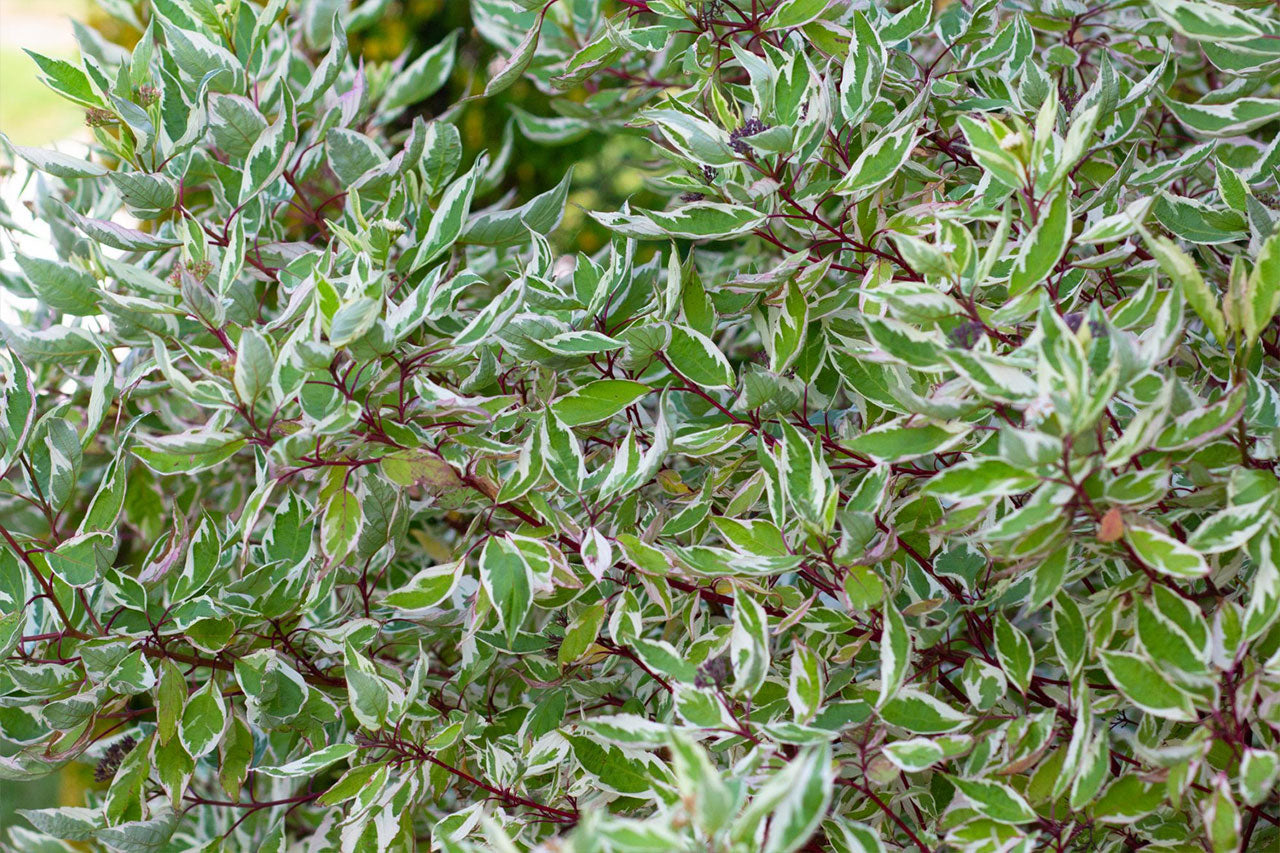
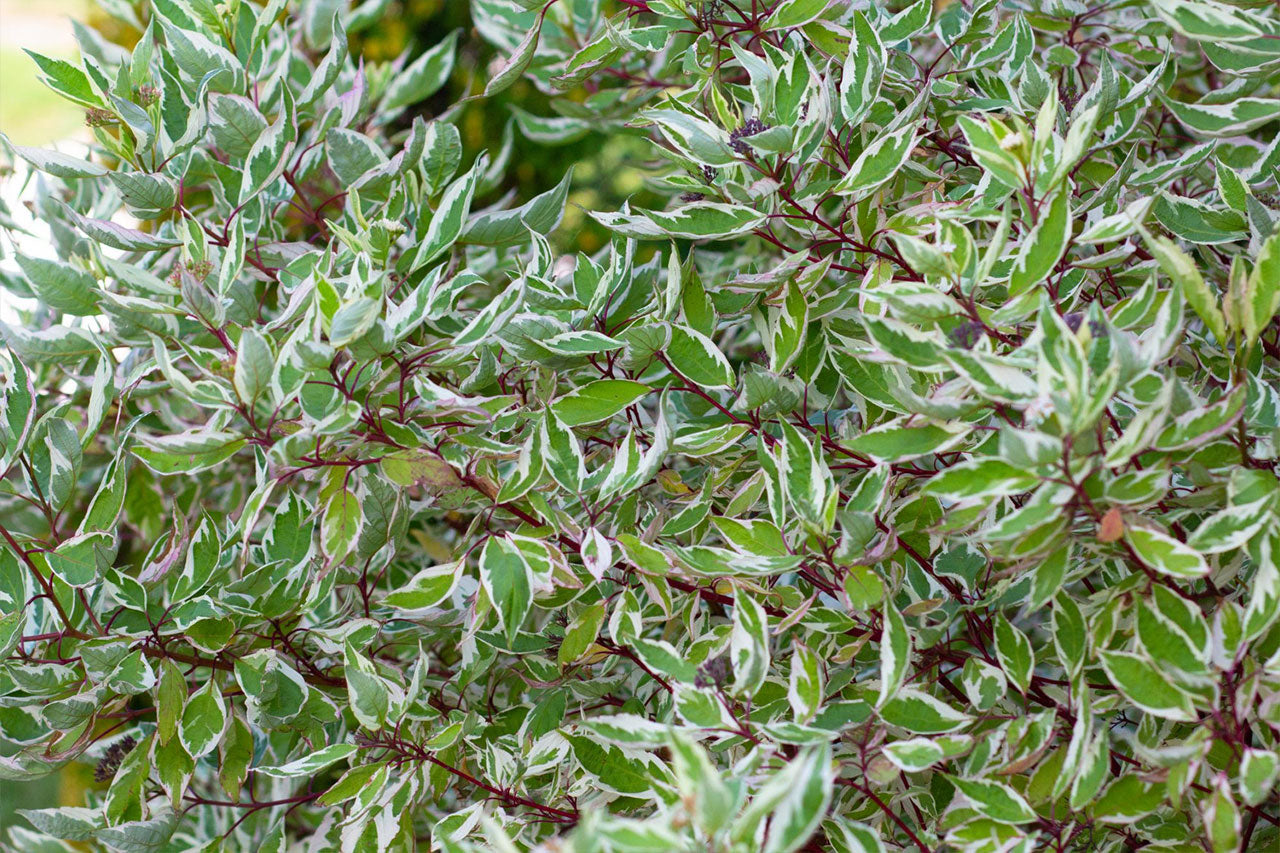
One of the best-known variegated dogwoods, with grey-green leaves edged in creamy white that brighten borders all season. It’s perfect for lifting darker planting, for adding texture and contrast, and then it offers that valuable winter framework that makes dogwoods such reliable garden performers.
Golden-yellow stems bring a real winter lift, looking especially striking in low light when the garden needs colour most. It’s superb planted in a group to create a glowing thicket effect, and it pairs beautifully with red-stemmed dogwoods for a rich winter palette.
A compact, garden-friendly dogwood with a neat habit that suits smaller borders and tighter spaces. It’s ideal for adding structure without bulk, works well in mixed planting, and gives you that dependable dogwood character—handsome through the growing season and useful as part of the winter framework.
Winter colour doesn’t come much better than this: stems glow in a blend of yellow, orange and red, like a small bonfire lighting up the border in the dullest months. It’s wonderful planted in a group so the colours mingle and intensify, and it looks particularly handsome behind pale grasses and winter seedheads, where the warm stems really sing.
A classic red-stemmed dogwood that brings that unmistakable winter lift—bright stems against low light, frost and evergreen backdrops. It’s a superb shrub for creating a strong winter feature in borders, especially when planted in drifts so the red reads as a confident block of colour rather than a few scattered twigs.
Cream-edged foliage brightens borders through the growing season, then winter brings the bonus of colourful stems once the leaves are off. It’s a lovely choice when you want a dogwood that earns its keep for more than one season, giving summer lightness and winter structure in one dependable shrub.
Golden-variegated leaves make this dogwood a real border brightener, adding warmth and contrast long before winter arrives. It’s especially effective against deeper greens, and it brings that familiar dogwood usefulness too—strong stems and good structure that keep the garden looking purposeful through the seasons.