

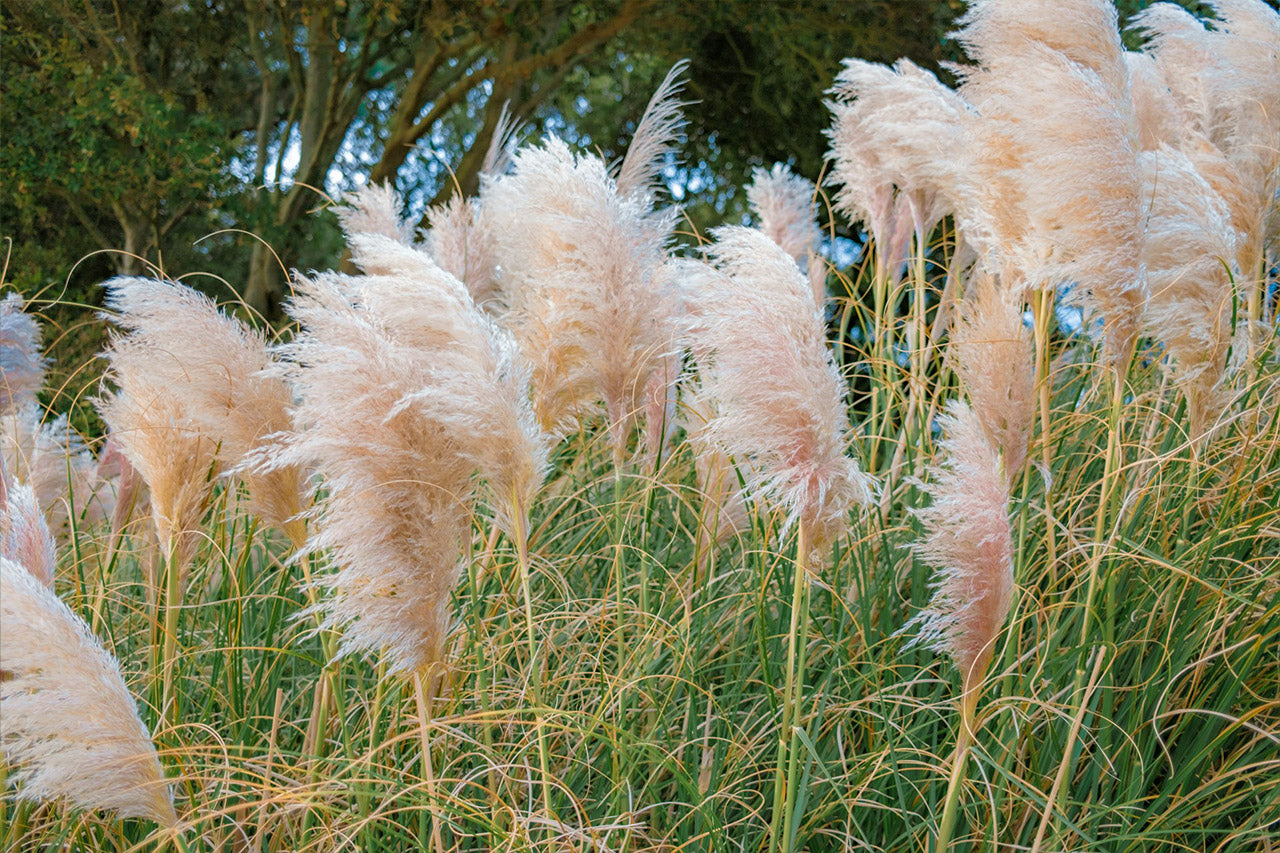
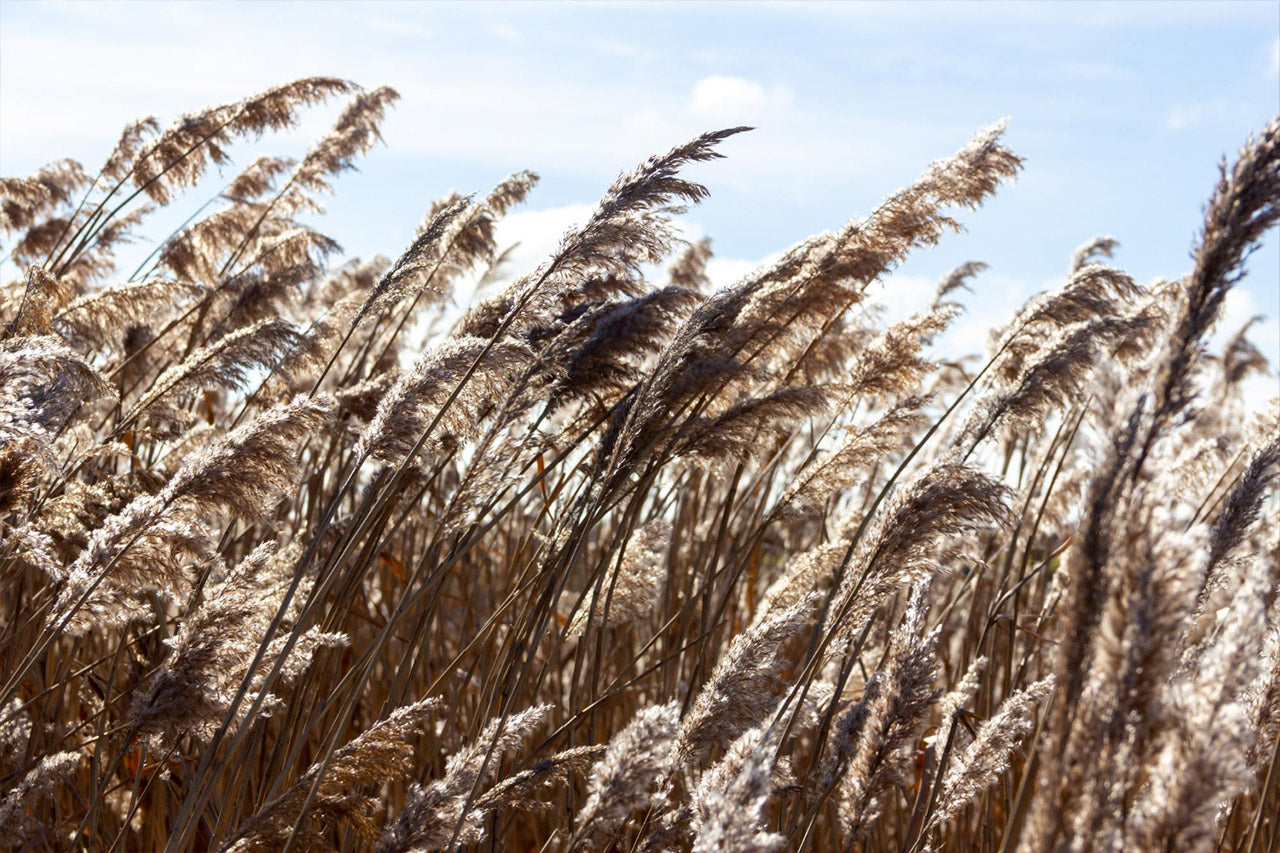
Pampas grass is best known for its tall, feathery plumes that rise high above the foliage from late summer into autumn. These silky flower heads catch every scrap of light, looking almost silver in low sun and wonderfully atmospheric on misty mornings. Left on the plant through winter, they continue to give height and movement, especially in frost. In a typical UK garden, just one or two well‑grown clumps are enough to create a strong focal point and a sense of drama without needing complex planting around them.
Common name: Pampas grass
Latin name: Cortaderia
Size in UK gardens: Larger forms typically 2–3m tall including plumes and 1.5–2m wide; dwarf or compact varieties may stay nearer 1.2–2m tall and a little narrower.
Best position: A sunny, open spot with plenty of space around it and free‑draining soil; ideal for larger borders, lawns, banks and driveways.
Soil: Well‑drained, moderately fertile soil; happy on many lighter or sandy soils and fine on improved clay if it doesn’t sit waterlogged in winter.
Main interest: Striking plumes in late summer and autumn, plus bold fountain‑like mounds of foliage that give structure for much of the year.
Fragrance: Plumes are not generally grown for scent; appeal is mainly visual and textural.
Hardiness: Generally hardy in most UK gardens once established, especially in sunny, free‑draining positions; crown may be damaged by prolonged winter wet and severe cold combined.
Care level: Moderate – quite easy if you can offer sun, space and drainage, with some care needed when cutting back the sharp foliage.

The Simpson’s team raises the majority of our trees here at the nursery. For varieties outside our own production, we work with independent local growers we trust - all chosen for UK climate suitability.
Planting time: As container‑grown plants, Cortaderia can be planted in most months when the soil isn’t frozen or waterlogged; spring and early autumn are usually easiest, giving roots time to establish before summer heat or winter cold.
Watering: Water regularly in the first season so the rootball and surrounding soil don’t dry out completely, especially in light, free‑draining soils. Once established, pampas grass is fairly drought‑tolerant but will form stronger clumps and better plumes if it’s not left bone dry for long periods.
Feeding: In reasonably fertile soil, an annual mulch of compost or well‑rotted manure around (not over) the crown is usually enough. On very poor, sandy ground, a light application of a balanced fertiliser in spring can help support good growth without making the plant too lush.
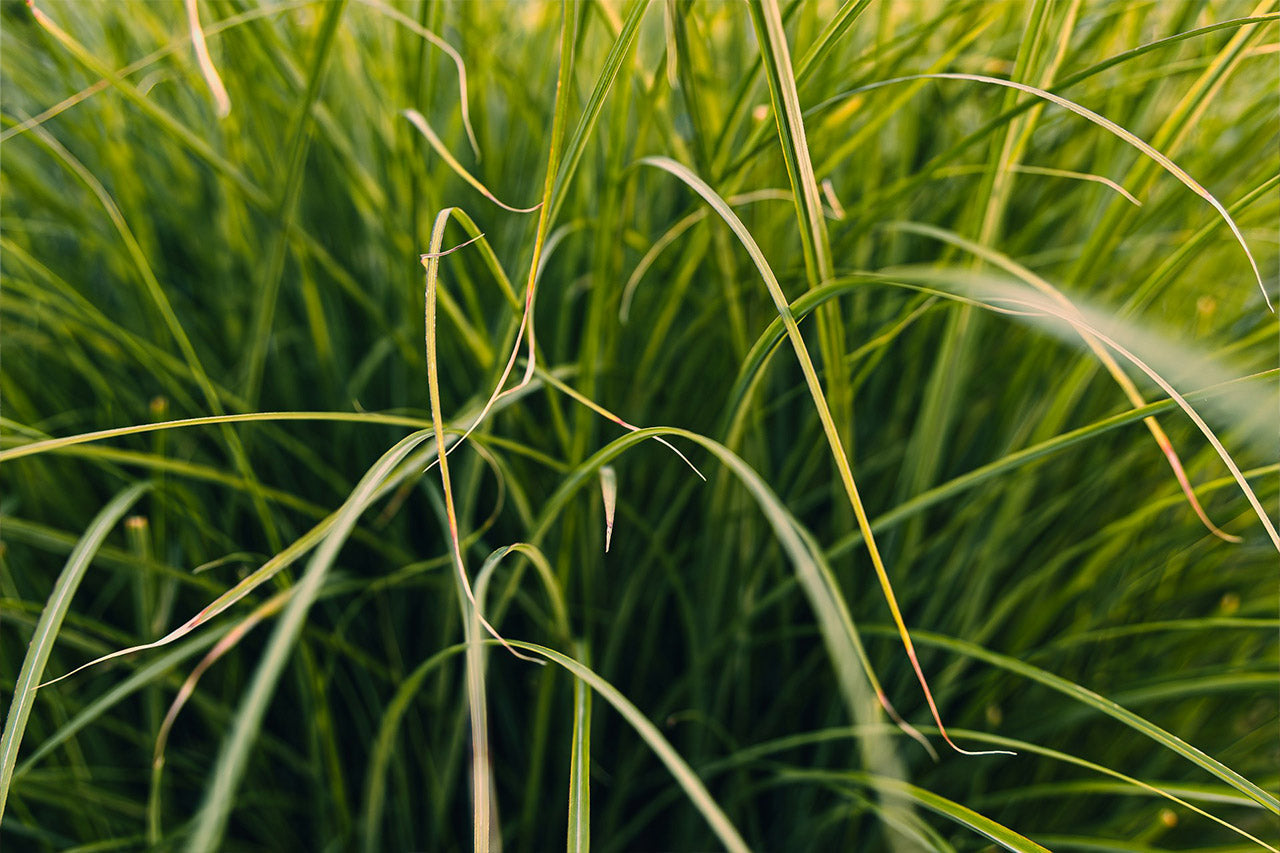
Pruning: Most of the “pruning” is really tidying – cutting out old plumes and dead or tatty foliage in late winter or early spring. Take care, as leaves are sharp; wear sturdy gloves and long sleeves, and avoid cutting too far into healthy new growth.
Winter: In most UK gardens, established plants simply sit through winter with their old plumes and foliage gradually weathering. A mulch over the root area helps, and avoiding heavy winter wet around the crown is more important than elaborate wrapping.
Availability is always changing, so please check with us if you have a particular variety in mind.
A more compact pampas grass that gives you all the drama—bold arching leaves and silky plumes—without quite the same scale as the giant forms. Perfect as a feature in larger borders and gravel planting, where it brings strong structure and movement, and those plumes look glorious catching low autumn sun.
A striking pampas with soft pink-tinged plumes that add a gentler, more romantic note to all that big, architectural foliage. Ideal as a statement plant where it can be admired from a distance, it brings late-season drama and looks especially beautiful in autumn light, standing tall above surrounding planting.
The classic pampas grass—bold, arching evergreen foliage topped with large, feathery plumes that make a real spectacle from late summer into autumn. It’s best used as a strong focal point or for creating a screening effect in bigger gardens, bringing movement, texture and that wonderful “late-season theatre” when the plumes catch the light.