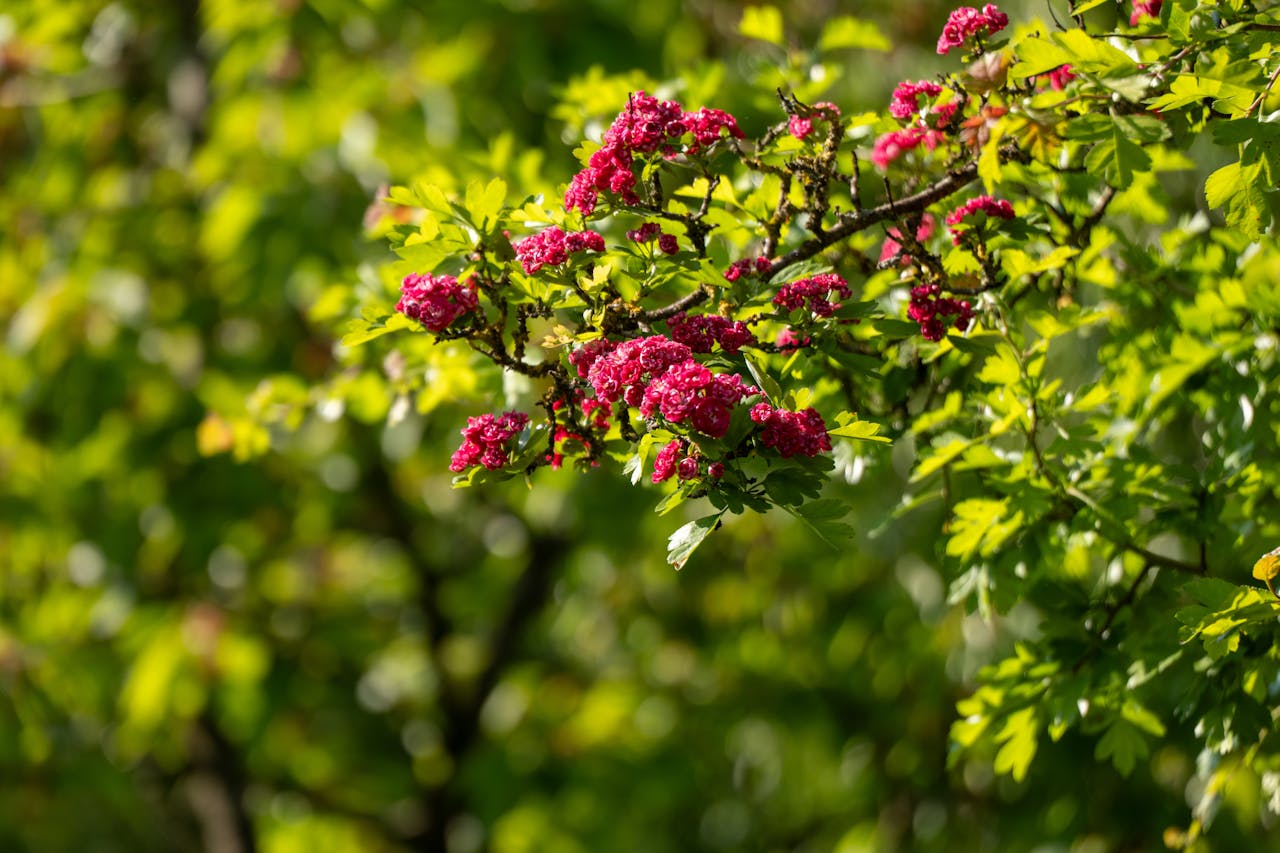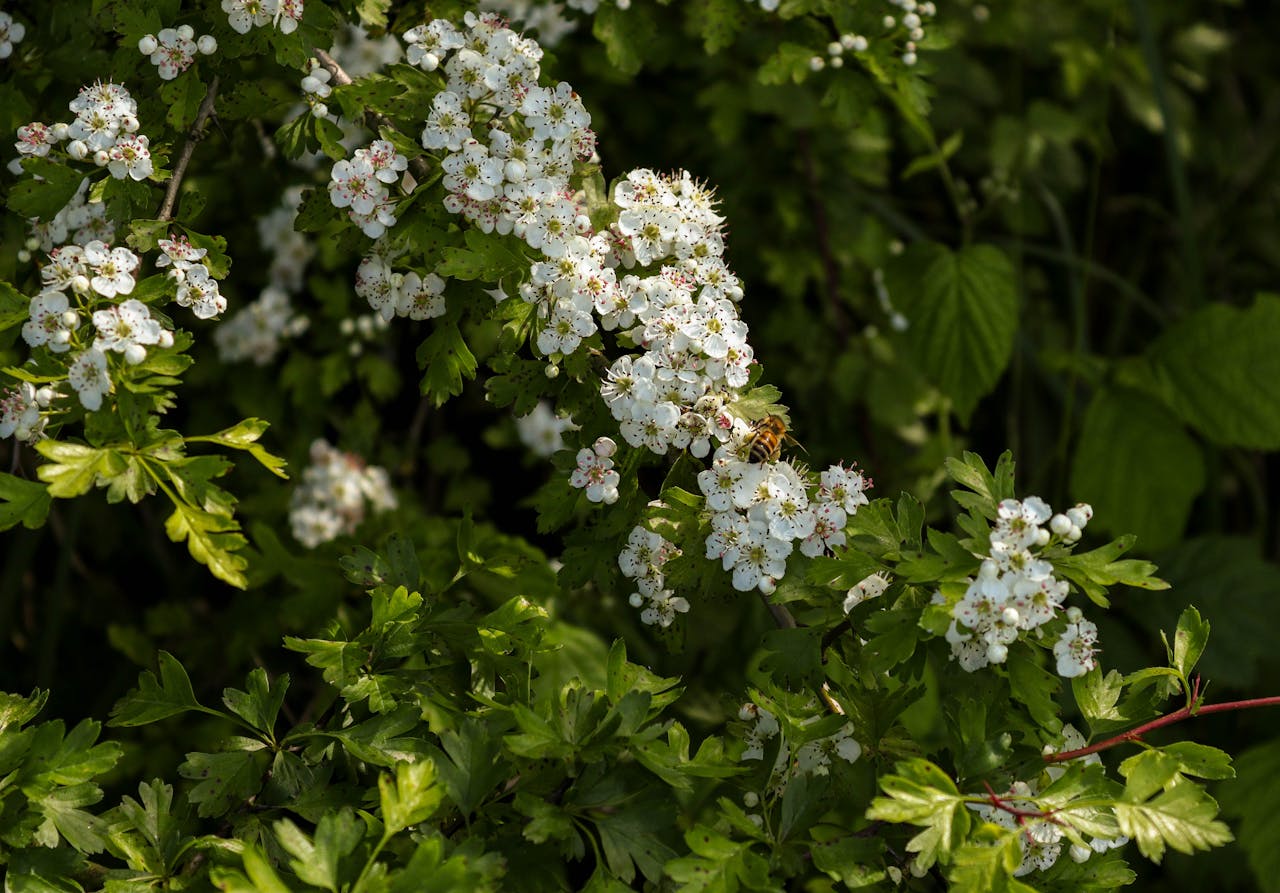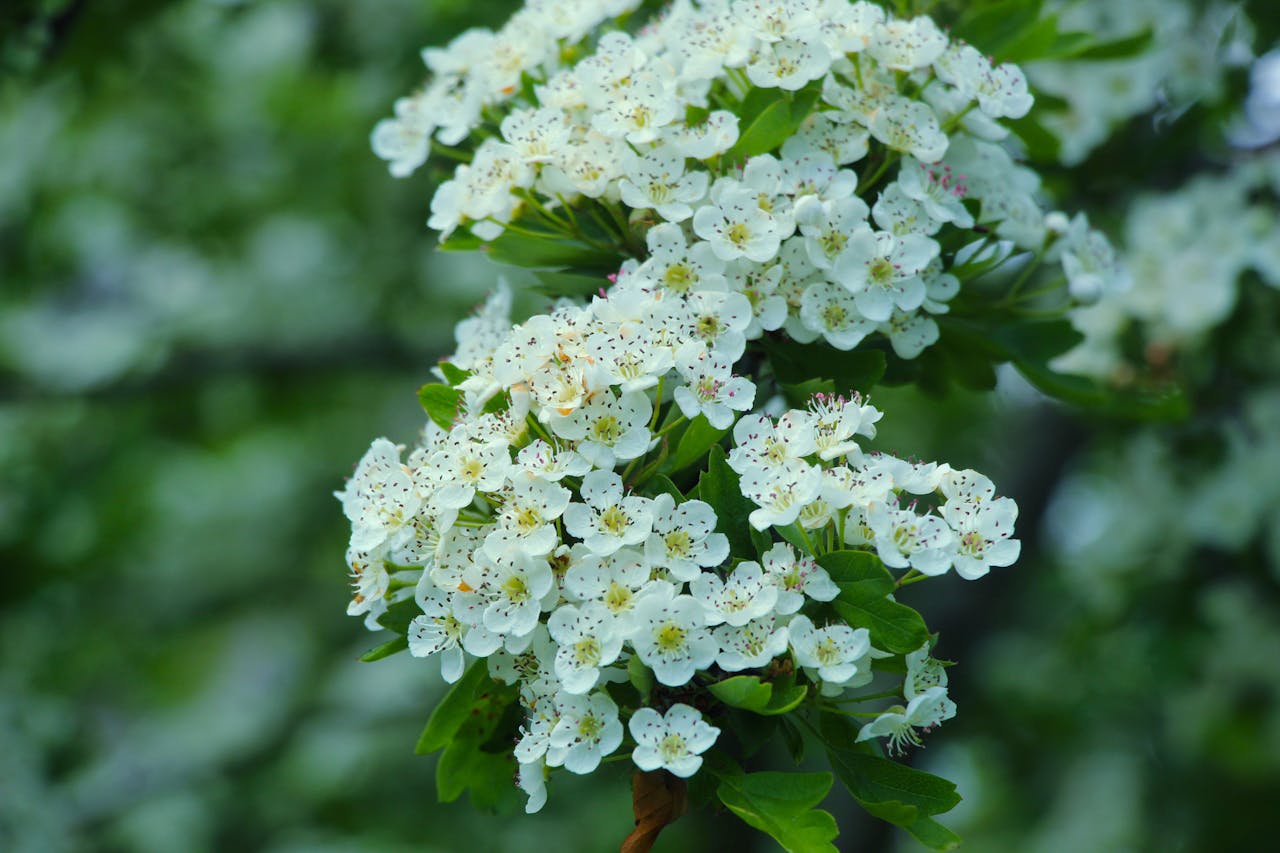

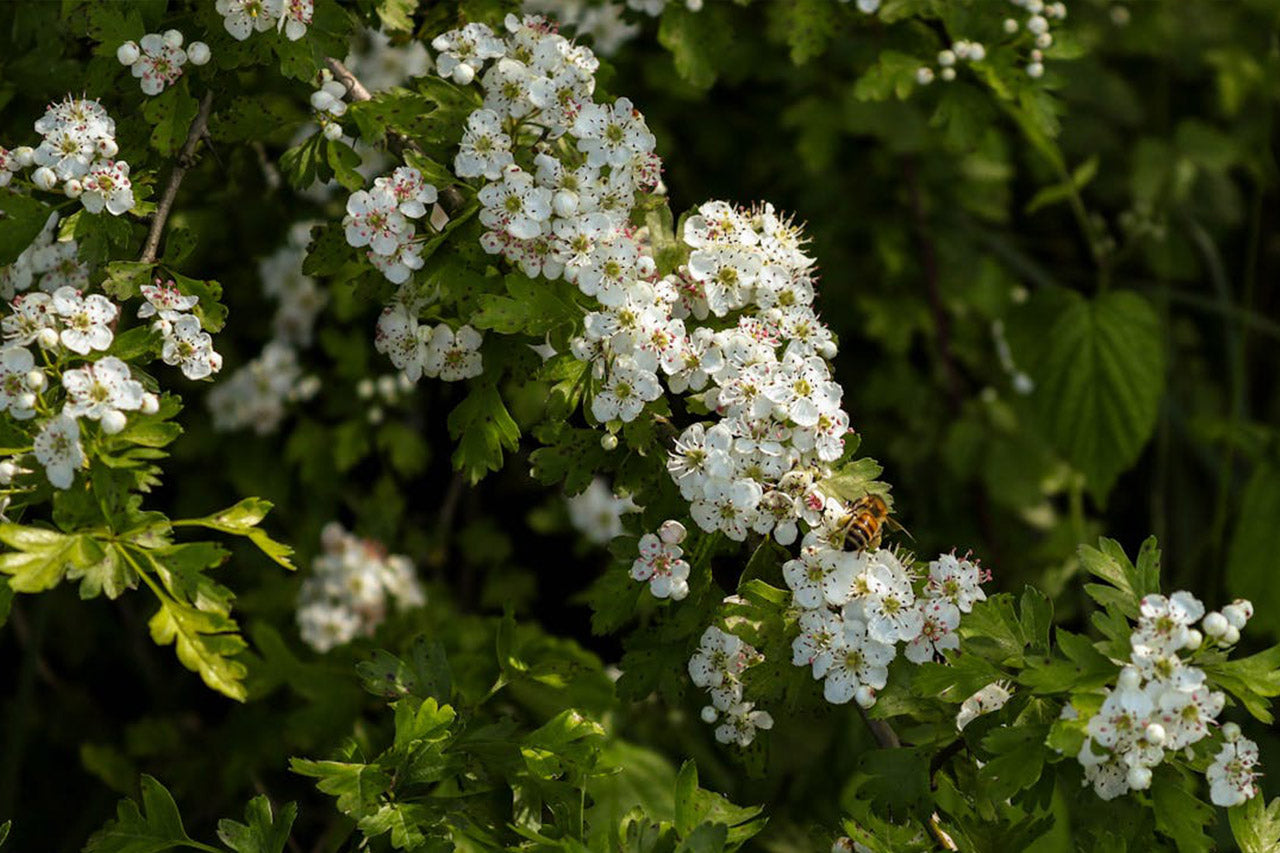
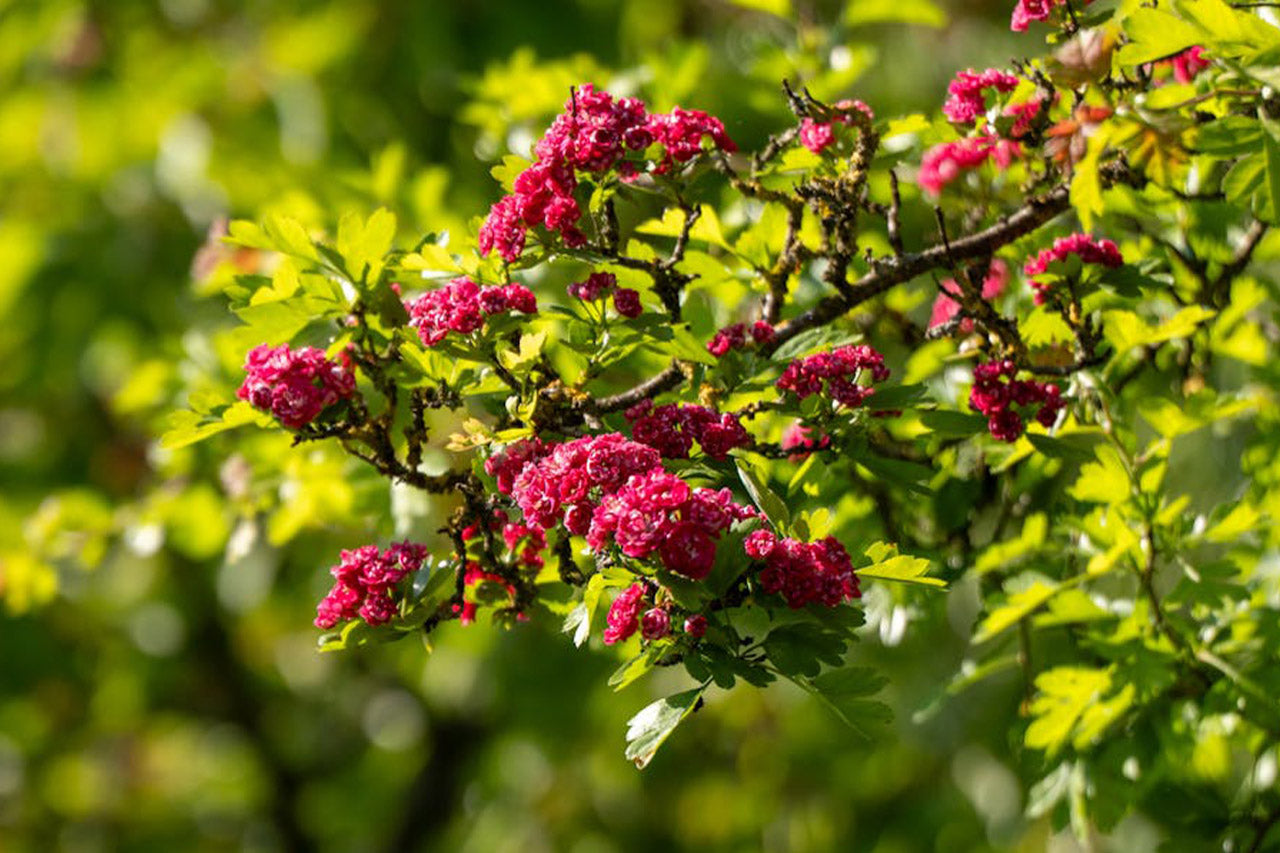
One of the great joys of hawthorn is that classic spring moment when the branches are suddenly frothy with blossom. Whether your tree carries white, pink or deeper red flowers, it seems to transform in just a few days, signalling that the garden year has truly got going. In a normal East Anglian spring, the display lasts long enough to enjoy from the house as well as up close, and because the flowers are small but numerous, they make a real impression even in modest‑sized gardens.
Common name: Hawthorn
Latin name: Crataegus
Size in UK gardens: Generally 4–7m tall and 3–5m wide in time, depending on variety and pruning.
Best position: A sunny or lightly shaded spot in open ground – ideal for lawns, mixed borders or as a feature tree in front or back gardens.
Soil: Most well‑drained garden soils, from light to fairly heavy, as long as not permanently waterlogged.
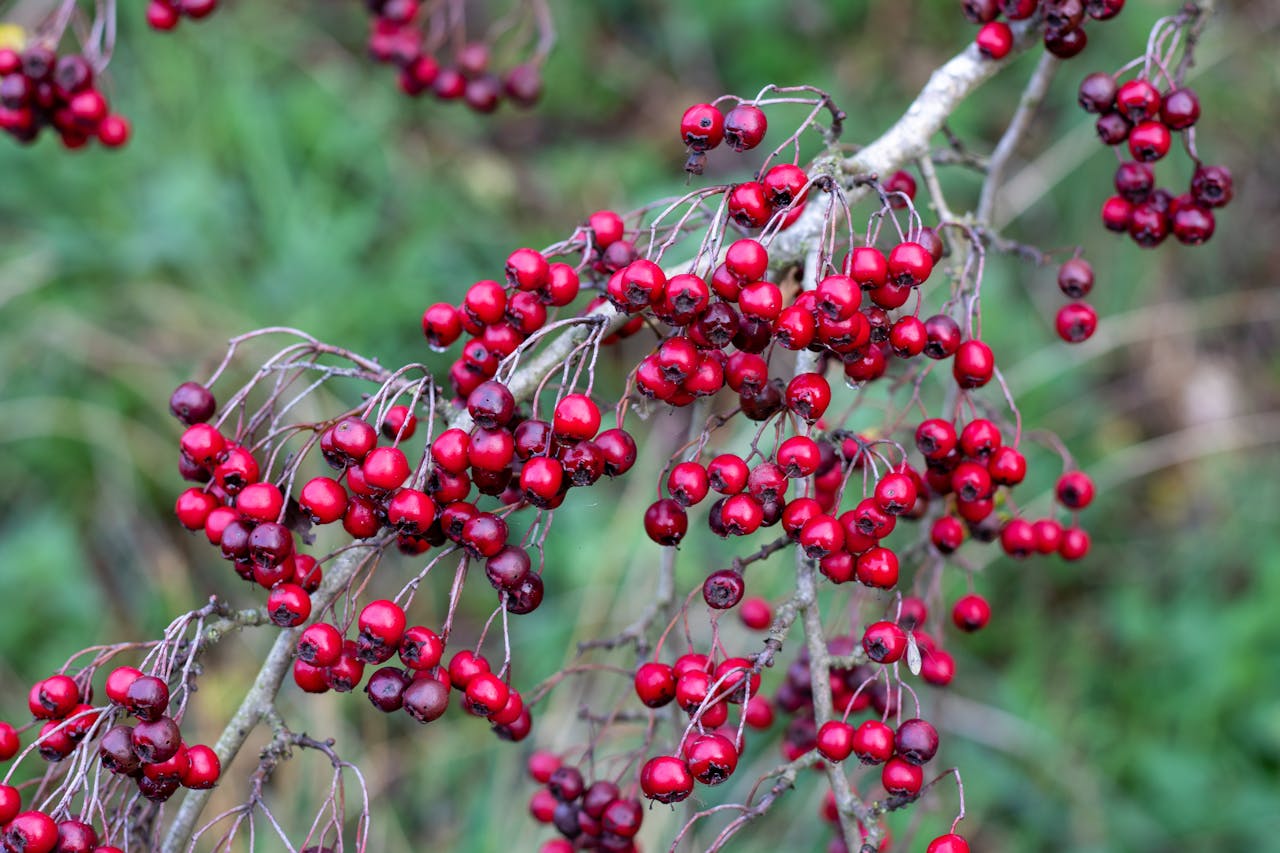
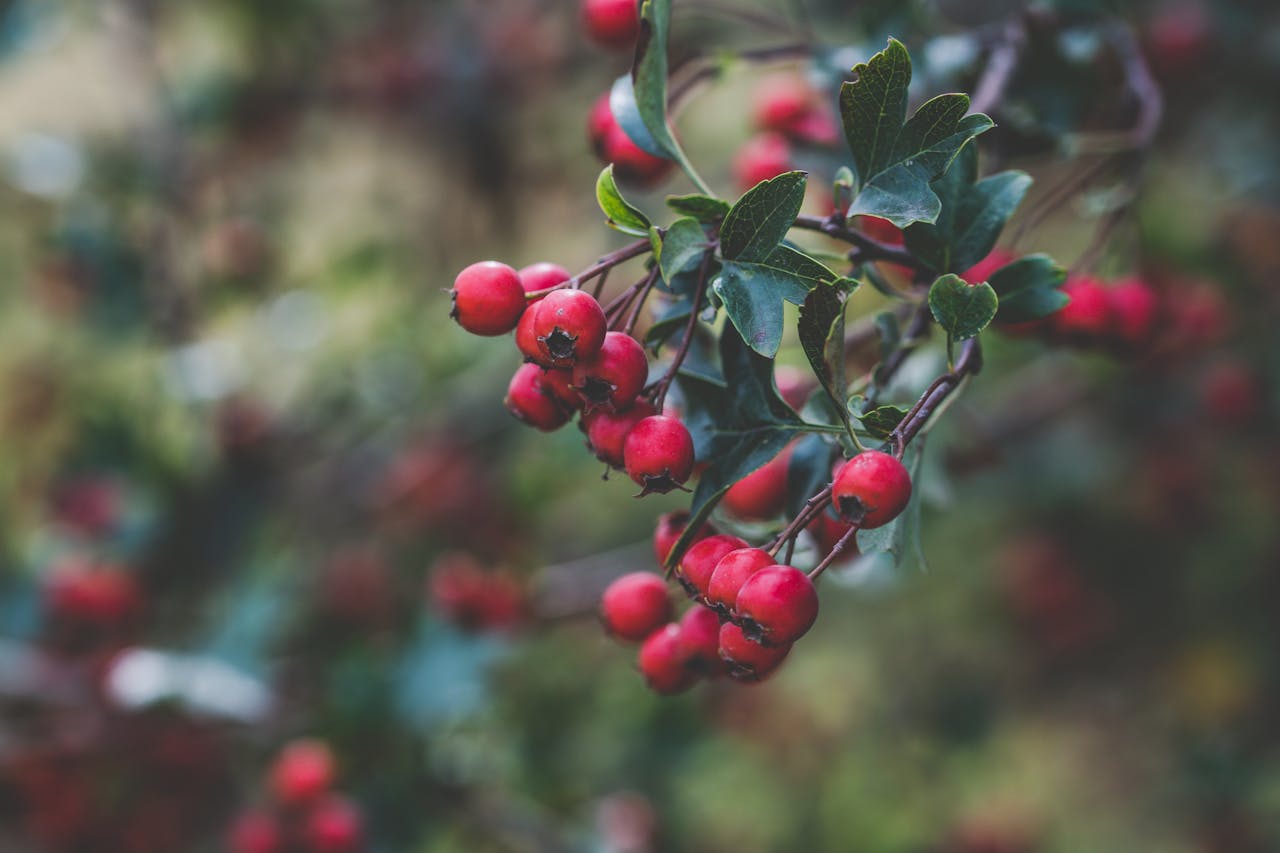
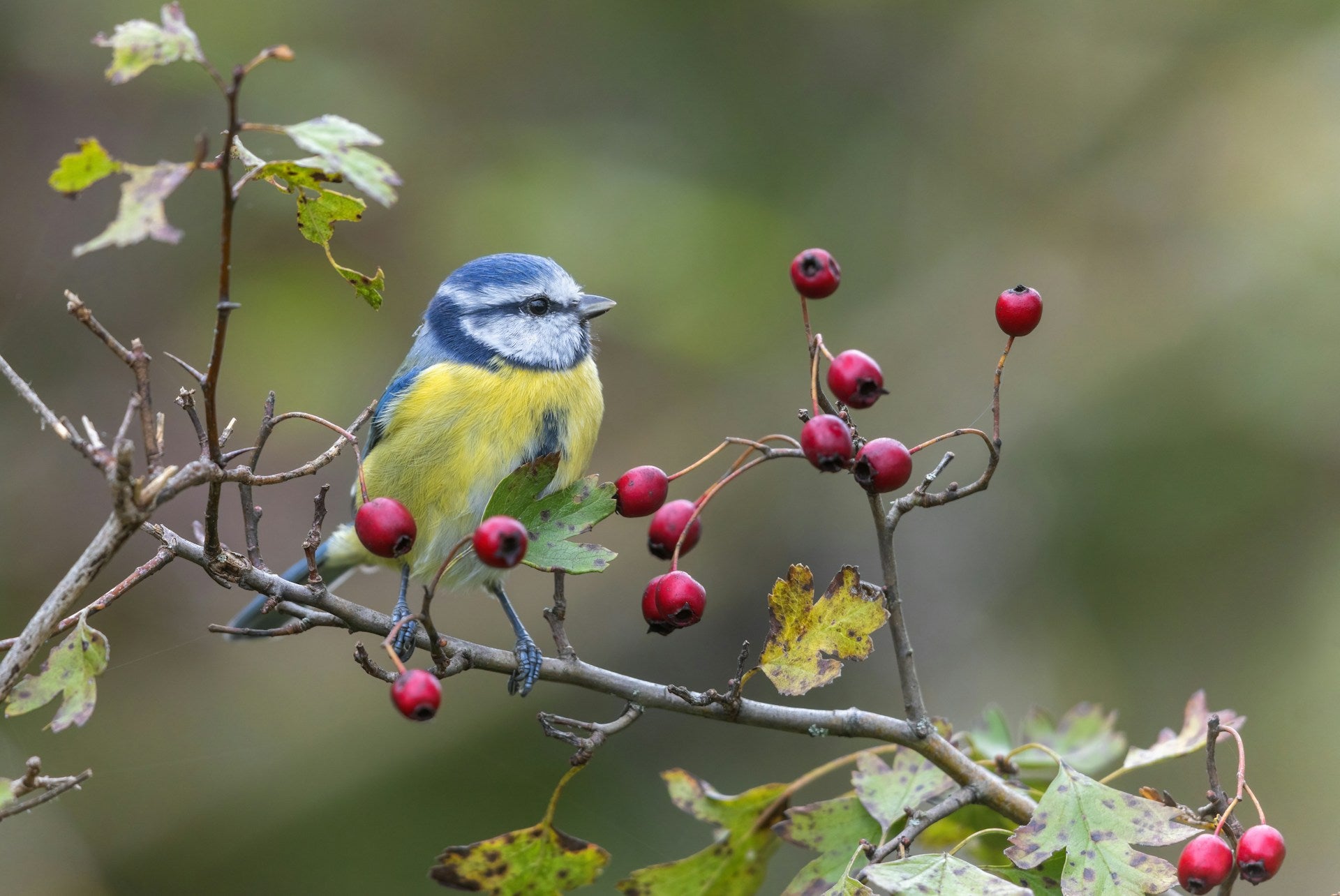
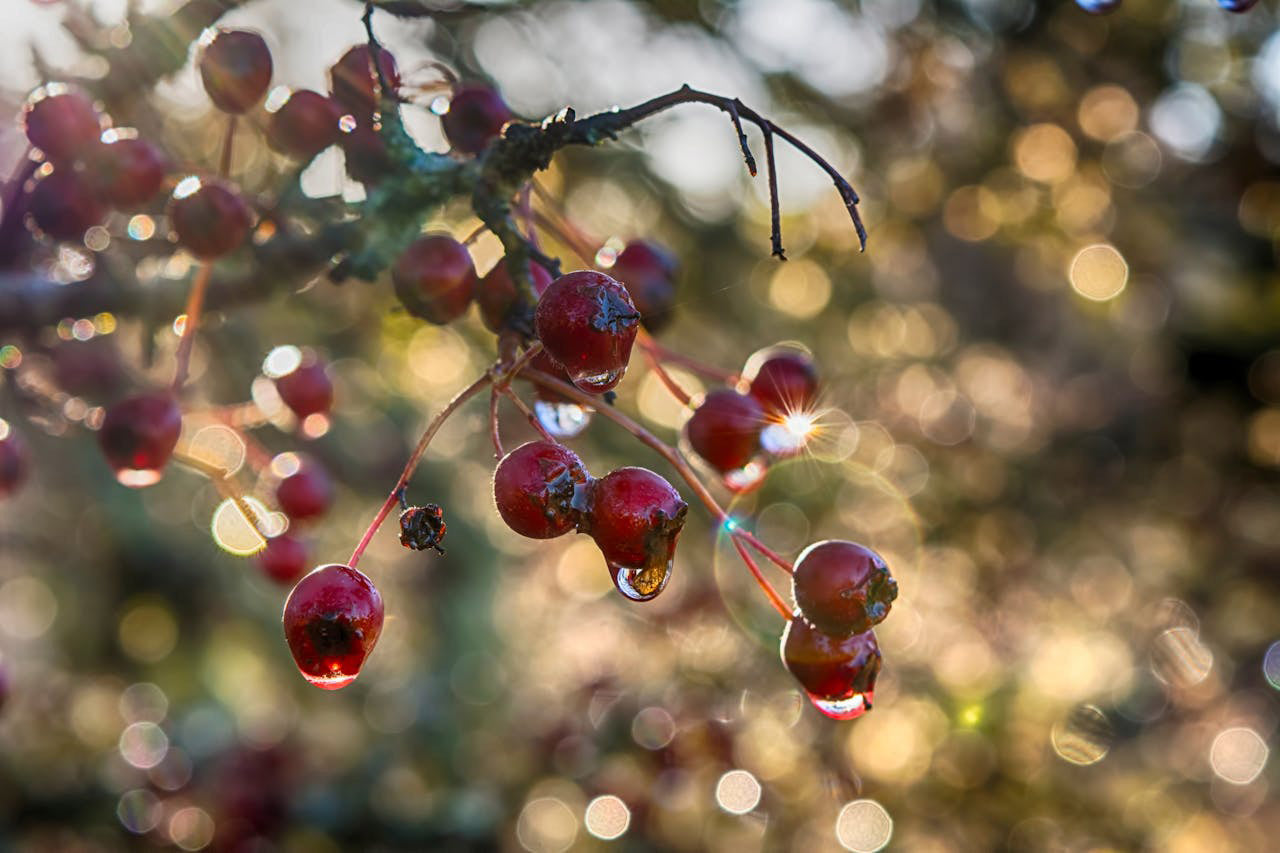
Flowering time: Usually late spring (May–early June) with frothy clusters of white, pink or red blossom; followed by autumn berries and leaf colour.
Fragrance: Some varieties have lightly scented flowers; others are more neutral. Any scent is usually soft rather than overpowering.
Hardiness: Fully hardy across the UK. Very comfortable with typical Cambridgeshire and East Anglia winters once established.
Care level: Low‑maintenance once planted – happy in ordinary soil, forgiving of pruning, and generally tough and reliable.

The Simpson’s team raises the majority of our trees here at the nursery. For varieties outside our own production, we work with independent local growers we trust - all chosen for UK climate suitability.
Planting time: As container‑grown plants, hawthorns can be planted in most months when the soil isn’t frozen or waterlogged, with spring and early autumn usually the easiest times for new roots to establish.
Watering: Water regularly through the first growing season so the rootball doesn’t dry out, then only during prolonged dry spells once it’s established.
Feeding: In average garden soil, a light mulch of garden compost or well‑rotted manure in spring is usually enough; there’s no need for heavy feeding.
Pruning: Needs only light pruning to remove dead, crossing or awkward branches and to shape if required. Many trees can be left to develop their natural form.
Winter: Fully hardy and usually needs no protection once settled. Young trees benefit from a mulch around the base to steady soil moisture and temperature.
Availability is always changing, so please check with us if you have a particular variety in mind.


A handsome hawthorn with a rounded crown and a generous annual show. Spring brings frothy white blossom, then autumn follows with clusters of bright red haws that hang on and look superb against turning leaves. A splendid small tree for traditional gardens and seasonal colour.
A superb hawthorn for spring colour, carrying clouds of white blossom neatly centred with a flush of crimson-pink. The effect is bright and cheerful, and the tree’s tidy habit makes it easy to place as a small lawn specimen or along boundaries for classic charm. A May showpiece.
A decorative variegated hawthorn, its leaves marbled in cream so the canopy looks bright and lifted. Spring still brings the blossom display, but the foliage carries the interest for months afterwards. A lovely small specimen for adding light, pattern, and classic character.
A famous hawthorn that earns its place with spectacular, double crimson flowers in late spring—like small roses held in clusters along the branches. It forms a rounded small tree with real presence, and when it’s in bloom it stops you in your tracks. Superb as a statement tree.


A traditional hawthorn with double white flowers that open like tiny rosettes in late spring. The blossom sits in clusters and gives a soft, bridal look, while the tree holds an elegant outline. A lovely choice for cottage-style gardens where you want classic spring display.
A hawthorn with double, soft pink flowers that open in late spring like tiny pom-pom roses. The colour is gentle and romantic, and the tree makes a neat, rounded specimen with a traditional feel. Perfect where you want spring blossom with a softer, more elegant twist each year.
A handsome hawthorn with glossy dark green leaves that give it a smarter, more substantial look. Spring brings white blossom, then autumn follows with clusters of orange-red berries that colour the branches for weeks. A fine small tree for structure and seasonal interest too.
The classic English hawthorn, with frothy white blossom in late spring and bright red haws in autumn. Its twiggy, naturally shaped crown gives a traditional look, making it ideal for informal planting and native-style gardens, with that authentic hedgerow character all year.


A distinctive hawthorn with a Mediterranean feel, often showing silvery foliage and a bold, textured outline. Spring blossom is followed by larger, colourful fruits that add character in autumn. A superb small tree when you want something different from the usual hawthorn.
A Chinese hawthorn valued for showy spring blossom and handsome, larger fruits that give an orchard-like feel. ‘Big Golden Star’ is noted for generous crops with a golden flush, adding colour and novelty in autumn. A superb small tree for collectors and statement planting.
A plum-leaved hawthorn with glossy foliage that looks smart through summer, then colours richly in autumn. Spring brings white blossom, followed by red berries that decorate the branches for weeks. A brilliant small tree for structure and seasonal colour, with real presence.
A delightful hawthorn that changes colour as it flowers: buds open pink, fade to white, then blush again, so the tree looks dusted in two tones at once. The double blooms are showy and long-lasting, and the habit stays neat. A wonderful small specimen for spring impact in May.