
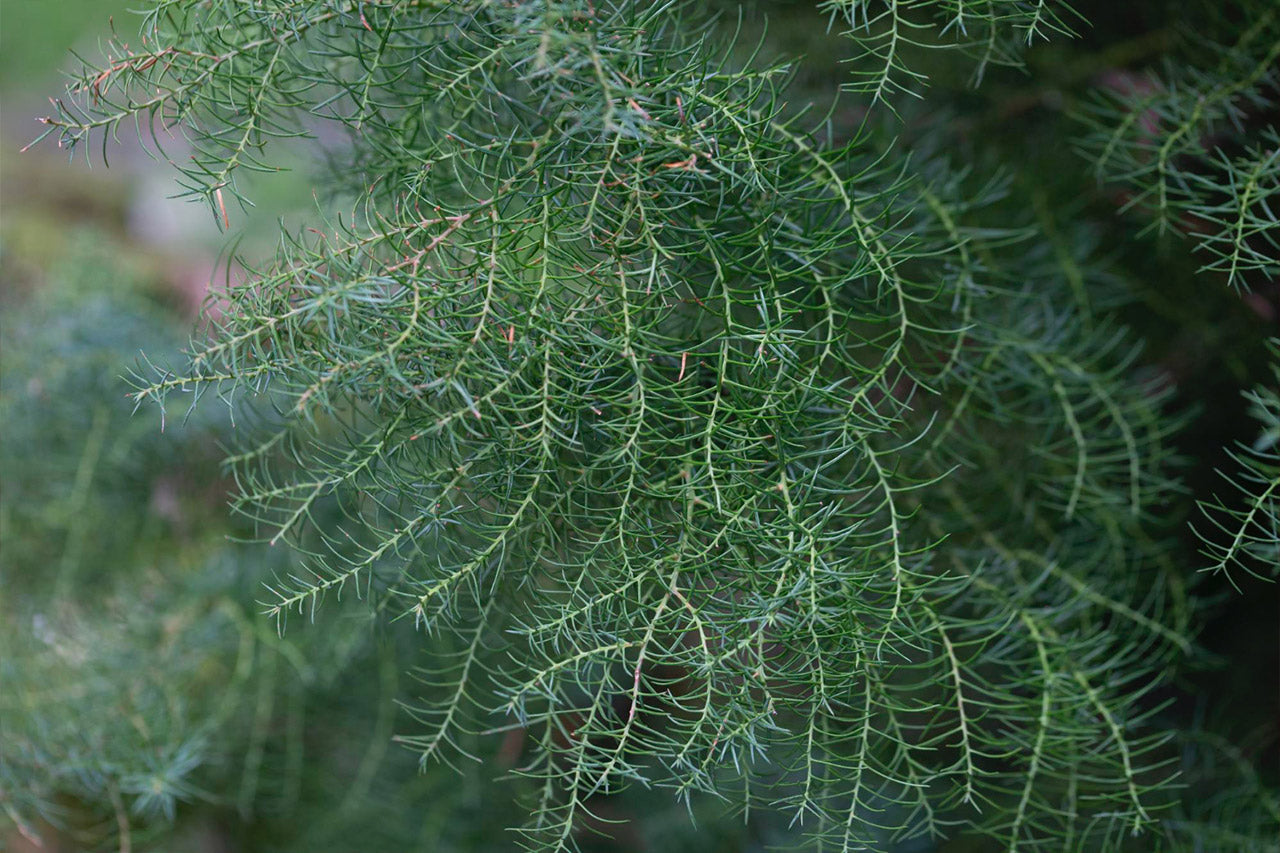
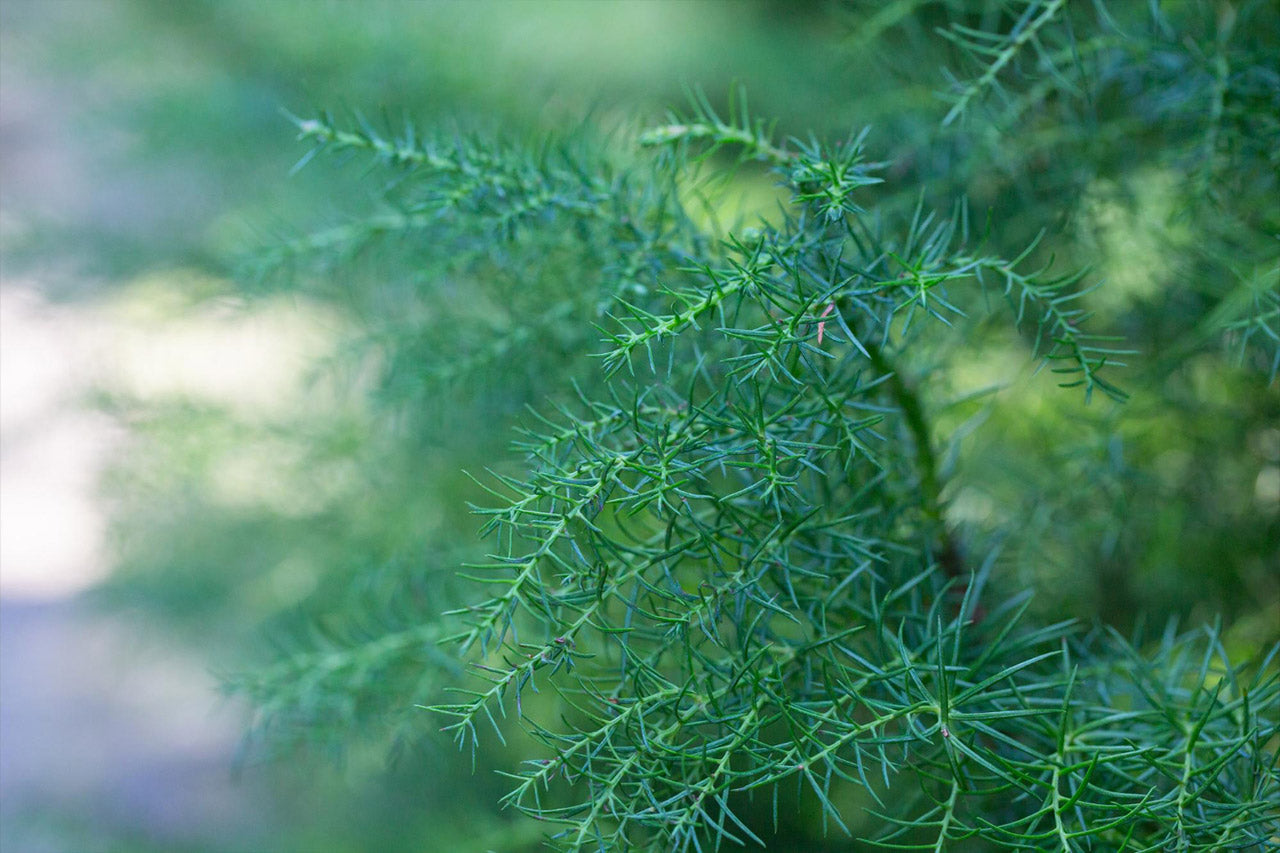
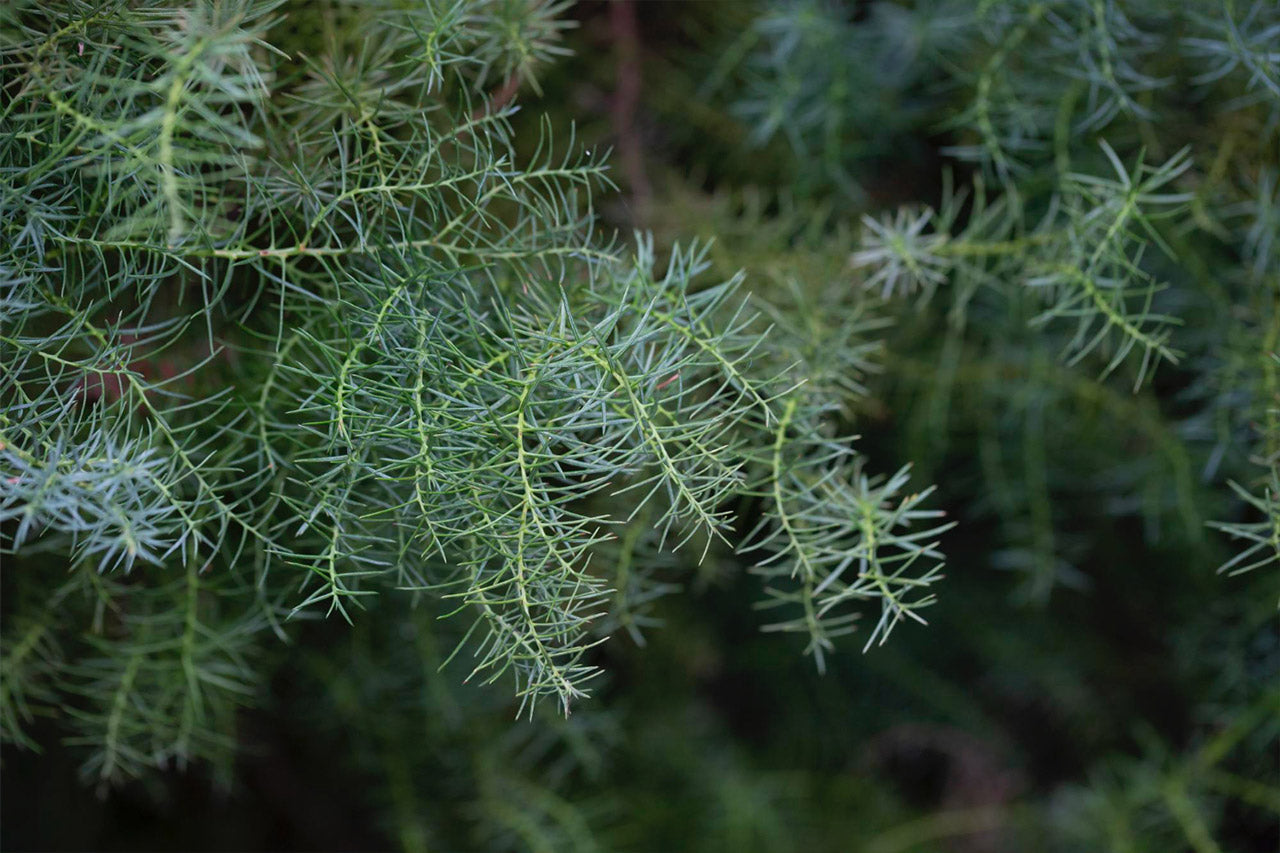
Cryptomeria (Japanese cedar) is an evergreen conifer, but its foliage often looks more like a soft fern than a stiff, spiky spruce. The tiny scale‑like needles are held on sprays of fine, slightly twisting stems, creating a fluffy, cloud‑like effect when seen from a little distance. Depending on the cultivar, the colour may be fresh green, blue‑green or even golden, and in winter some forms take on warm bronze tones. This means a single tree or shrub can provide changing foliage interest throughout the year, not just a block of unchanging green, which is particularly welcome in smaller UK gardens.
Common name: Japanese cedar
Latin name: Cryptomeria
Size in UK gardens: Dwarf forms may reach 1–2m over many years; medium selections often 3–6m tall and 2–4m wide; vigorous cultivars can eventually grow larger in good conditions.
Best position: A sunny or lightly shaded, reasonably sheltered spot where the tree has space to develop its natural shape without being crowded.
Soil: Moist but well‑drained, reasonably fertile soil, ideally neutral to slightly acidic; dislikes very dry, shallow or strongly chalky ground.
Main interest: Evergreen, ferny foliage; soft, layered branching; winter colour in some cultivars and year‑round structure.
Fragrance: Foliage and bark have a fresh, resinous scent when crushed or brushed against, though the tree is not grown primarily for perfume.
Hardiness: Generally hardy in most UK gardens once established; young plants and golden forms may need a bit of shelter from cold, drying winds and hard frost.
Care level: Easy‑to‑moderate – largely low‑maintenance if planted in the right place, with light pruning only if needed to keep it within bounds.

The Simpson’s team raises the majority of our trees here at the nursery. For varieties outside our own production, we work with independent local growers we trust - all chosen for UK climate suitability.
Planting time: As container‑grown trees, Cryptomeria can be planted in most months when the ground isn’t frozen or waterlogged; autumn and early spring are usually easiest, giving roots time to establish before summer heat or severe winter cold.
Watering: Water regularly in the first couple of years so the rootball and surrounding soil don’t dry out, especially on lighter soils or in windy, sunny spots. Once established in the ground, Japanese cedar is reasonably tolerant of short dry spells, but it prefers a steady supply of moisture.
Feeding: In decent garden soil, an annual mulch of compost or well‑rotted organic matter is usually enough. On poor or very sandy soils, a light application of a balanced fertiliser in spring can support steady growth, but avoid heavy feeding that forces very soft, sappy shoots.
Pruning: Cryptomeria generally needs little pruning beyond removing dead, damaged or badly placed branches. Any shaping should be light and carried out when the tree is young; mature trees look best if their natural outline is respected.
Winter: Established plants typically need no special winter protection beyond their mulch. Container‑grown or very young specimens appreciate a sheltered spot out of the worst winds, and occasional checks to ensure the rootball is neither bone dry nor sitting in saturated compost.
Availability is always changing, so please check with us if you have a particular variety in mind.
An endearing, mounded Japanese cedar with soft, feathery needles and a gently ruffled outline, like a green cushion. Brilliant in rock and gravel gardens, edging paths, or in a handsome pot, where its fine texture brings year-round calm and a hint of Japan, even in winter.
A compact Japanese cedar with dense, tufted foliage that forms a tidy, sculpted dome. It’s ideal for small borders, containers, and courtyard planting where you want evergreen structure without bulk, and its plush texture makes a lovely foil for grasses, stone, and brick too.
A wonderfully soft, ferny Japanese cedar that looks almost cloud-like, with foliage that can take on rich bronzy tones in the colder months. Use it as a relaxed specimen in a mixed border, or as a statement in a gravel garden where texture is everything, year after year, too.
A golden version of that ferny ‘Elegans’ look, bringing a warm, sunlit glow and a soft, billowy texture. Perfect as a highlight among darker evergreens, or to lift a front garden scheme, where it reads as gentle colour rather than a harsh block of gold, all year in any scheme.
A neat, globe-form Japanese cedar with dense, plush foliage and a naturally rounded shape that always looks deliberate. Superb for repeating in a border for rhythm, dotting through gravel planting, or using in pots to give year-round structure near the house and patio, all year.
A little evergreen ‘pearl’ with tight, bright green growth and a compact, cushiony habit. It’s perfect for edging a path, tucking into a small bed, or starring in a pot display, adding crisp texture and a fresh, polished look through every season, all year long near the door.
A compact, upright Japanese cedar with a sturdy, tidy outline—small enough for modern gardens yet still with that classic conifer presence. Use it to punctuate borders, frame steps, or anchor a gravel scheme, giving dependable structure without dominating the view in any season.
An eye-catching Japanese cedar with creamy-yellow young growth that lights up the plant like a soft torch, then settles into richer green. Lovely as a specimen in a mixed conifer bed, or in a large pot by an entrance, where the colour brings instant cheer and contrast, all year.
A wonderfully quirky Japanese cedar whose needles twist along the shoots, giving a lively, spiralled texture you can’t help but notice. Ideal as a conversation-piece in a gravel garden or pot, and brilliant near paths where its detail can be admired up close, best in winter.
A compact, refined Japanese cedar with layered, feathery growth that feels calm and composed. It sits beautifully in Japanese-style planting, gravel gardens, and smart containers, offering evergreen structure that looks ‘placed’ rather than wild, and softens hard lines in situ.
A bright, golden Japanese cedar with a rich, glowing colour that lifts a planting scheme from autumn through spring. Use it as a warm highlight among greens and blues, or as a feature in a pot near the house, where its colour reads like captured sunlight and keeps winter lively.
A lively, compact Japanese cedar with tufted growth and bright tips that give it a sparkling, almost mischievous look. Perfect for small gardens, gravel beds, and pots, where it adds texture and movement, and keeps the scene looking fresh all year round, even without flowers.