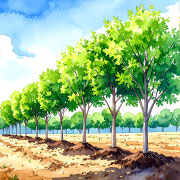

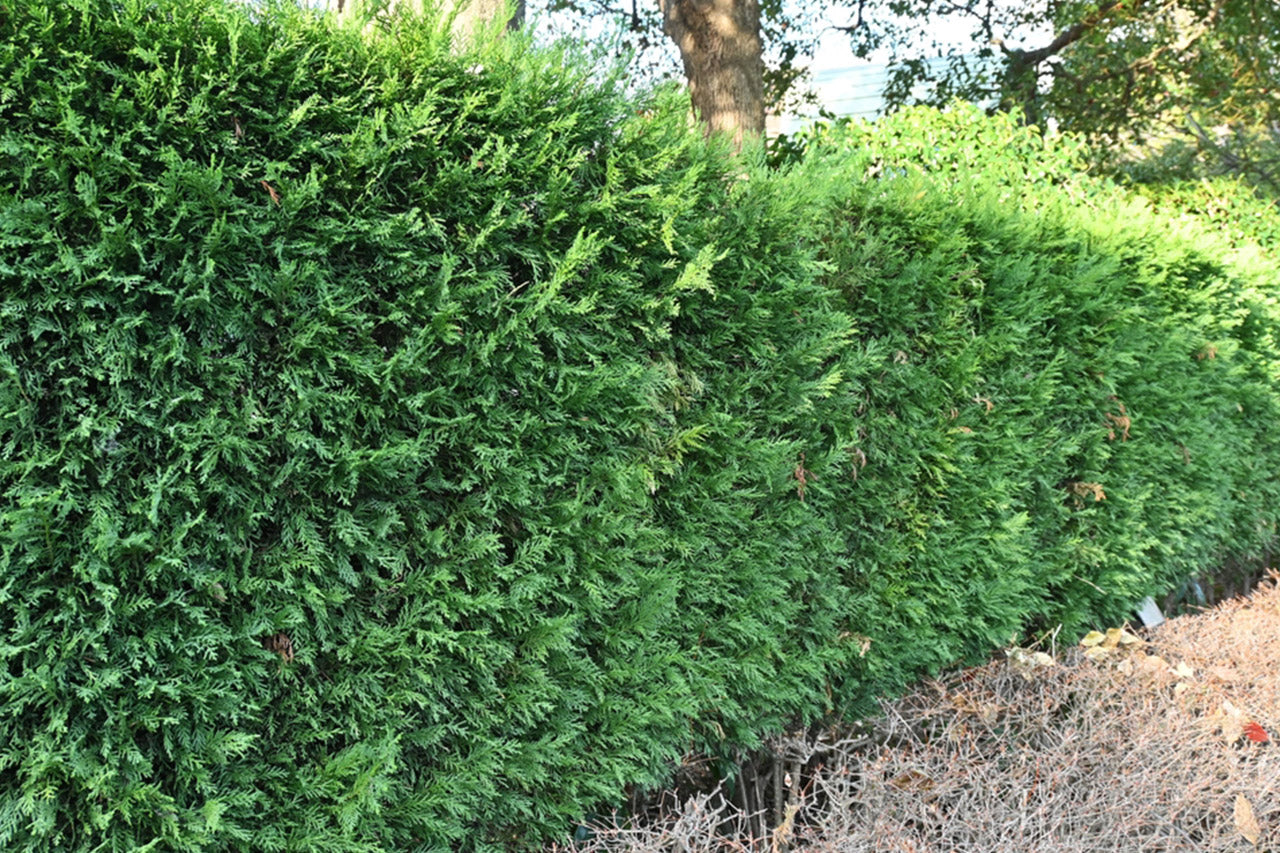
Cupressocyparis is famous for its speed. In a suitable spot it can put on 60cm or more a year while young, which makes it one of the quickest ways to create a solid evergreen screen. For gardeners overlooked by new builds, roads or nearby houses, that vigour can be a real blessing. The key is to see that speed as an asset you direct, not something to ignore: with regular, light trimming, a Leylandii hedge or screen stays dense, smart and very effective without ever reaching the “monster” stage that people sometimes worry about.
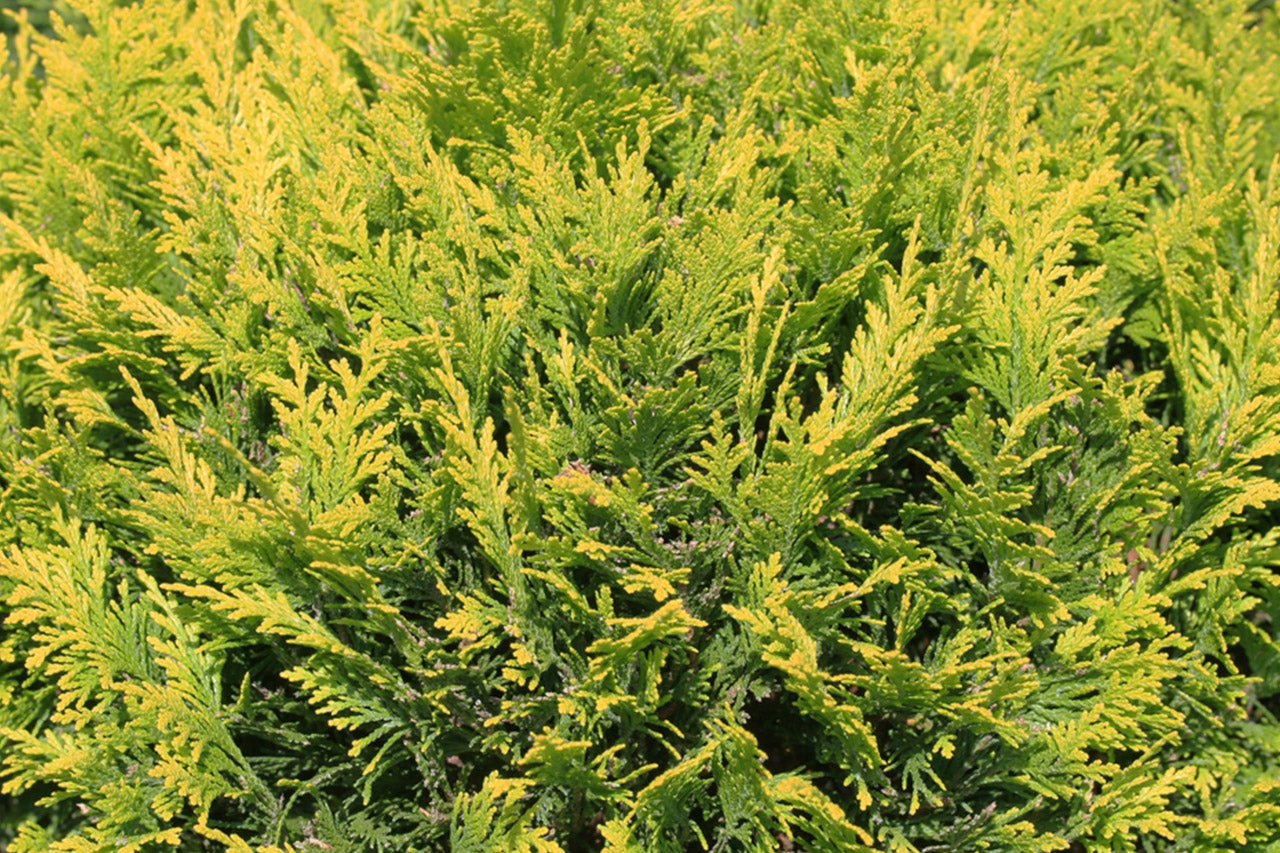
Common name: Leylandii or Leyland cypress
Latin name: Cupressocyparis
Size in UK gardens: Unclipped trees can eventually reach well over 10m; regularly trimmed hedges are usually maintained anywhere from 1.8–4m tall and 60–150cm thick, depending on space and purpose.
Best position: A sunny or lightly shaded site with room for width, where a tall evergreen screen or hedge is genuinely needed.
Soil: Most reasonably fertile, well‑drained soils; tolerant of clay, loam and sandy ground as long as it doesn’t sit waterlogged for long periods.
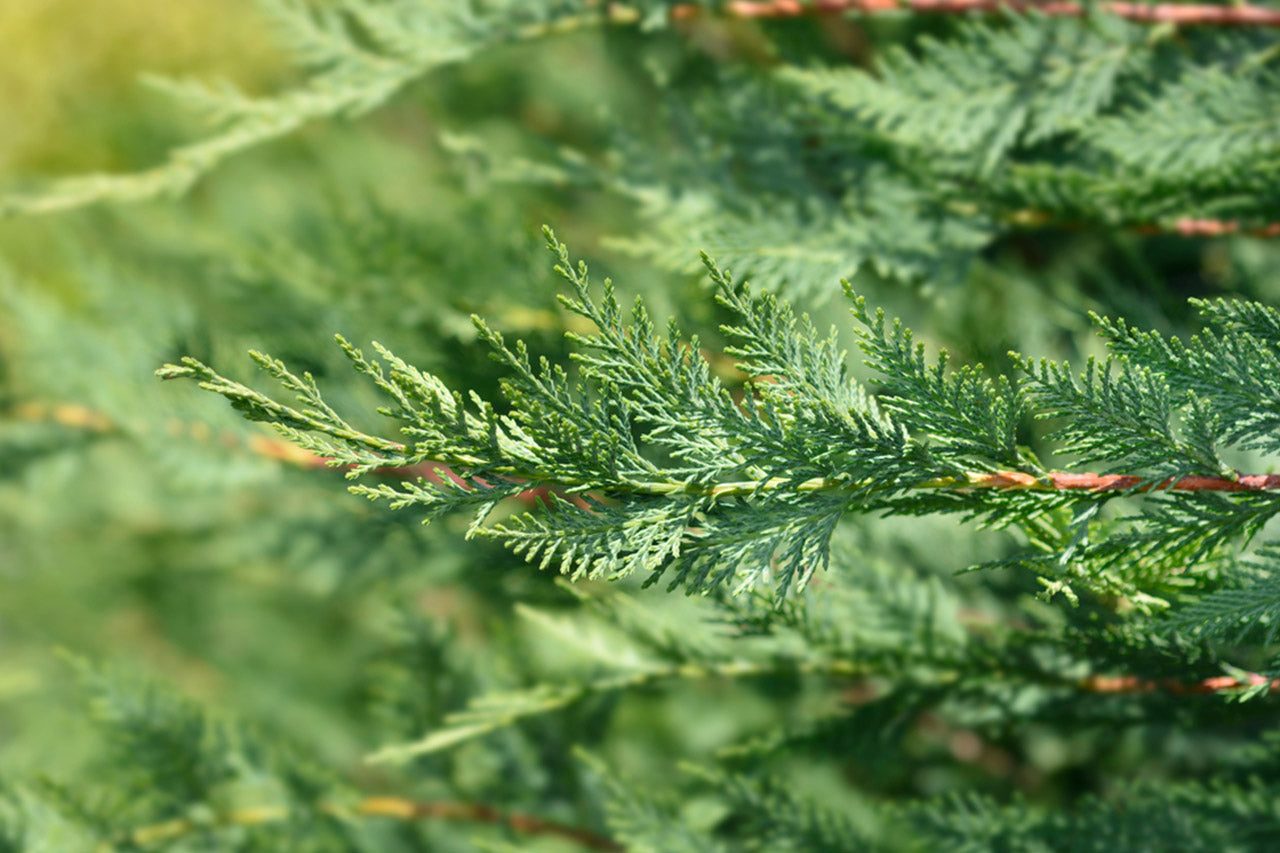
Main interest: Dense, year‑round evergreen foliage on flat sprays, forming strong hedges, screens and windbreaks.
Fragrance: Foliage has a fresh, resinous scent when clipped or brushed against; not grown primarily for fragrance.
Hardiness: Fully hardy in most UK gardens; established plants tolerate frost, wind and coastal exposure well if roots are not waterlogged.
Care level: Moderate – easy to grow, but does need planned, regular trimming if used as a hedge to keep it neat and within bounds.

The Simpson’s team raises the majority of our trees here at the nursery. For varieties outside our own production, we work with independent local growers we trust - all chosen for UK climate suitability.
Planting time: As container‑grown plants, Cupressocyparis can be planted in most months when the ground isn’t frozen or waterlogged, with autumn and early spring generally best for establishing hedges and screens.
Watering: Water well in the first couple of years, especially during dry springs and summers, so the hedge line doesn’t dry out. Once established, roots can find their own moisture on most soils, but very long droughts, especially on light soils, may still benefit from occasional deep watering.
Feeding: In reasonable soil, a yearly mulch of compost or well‑rotted manure along the hedge base is usually enough. On very poor or sandy soils, a light application of balanced fertiliser in spring can help maintain good growth and colour.
Pruning: Regular light trimming is the key to success. For hedges, trim once or twice a year, taking back that season’s growth to your chosen line and never cutting into old, bare wood. Individual trees generally need only the removal of dead or awkward branches.
Winter: Established hedges need little winter attention beyond making sure they haven’t gone into the cold season drought‑stressed. A mulch helps protect roots and soil life; in very windy areas, check for any loosened plants and firm them back in.
Availability is always changing, so please check with us if you have a particular variety in mind.