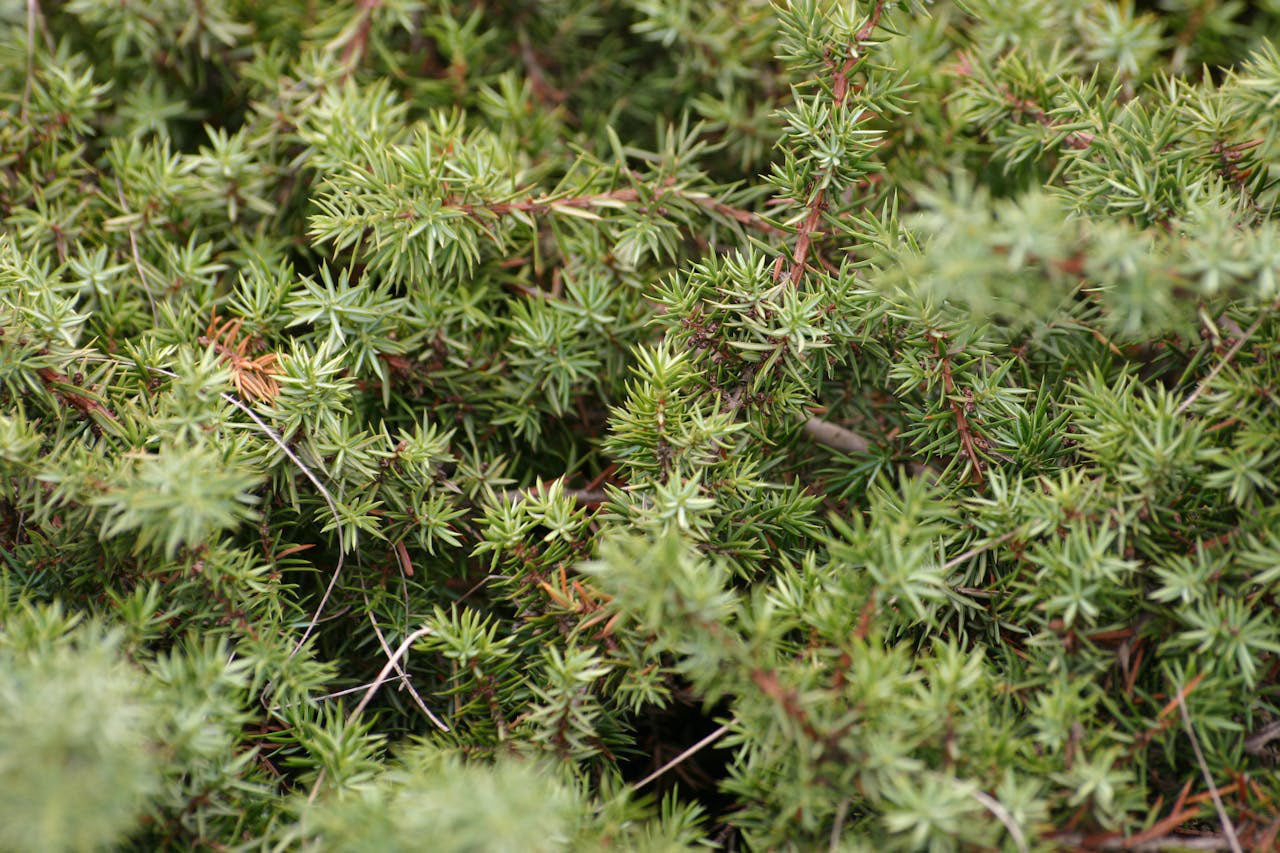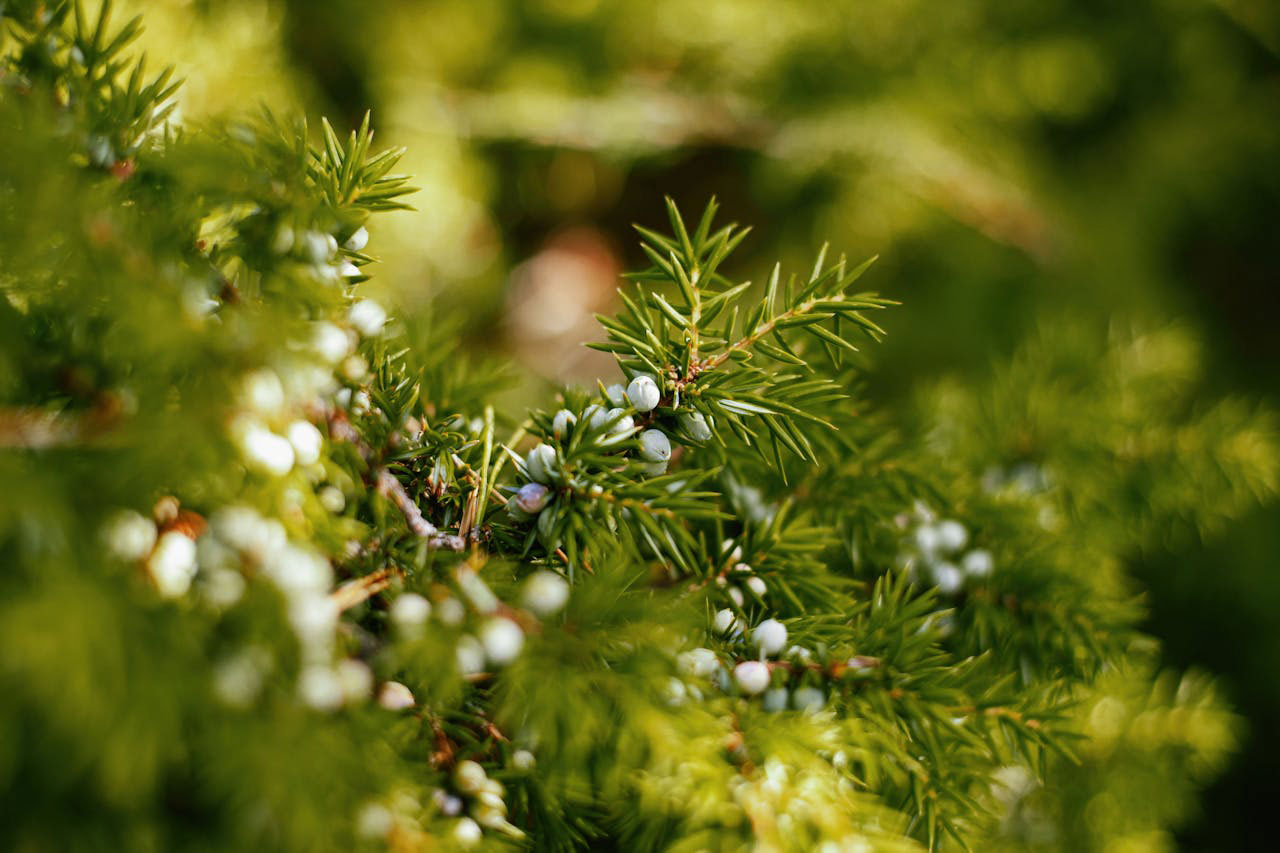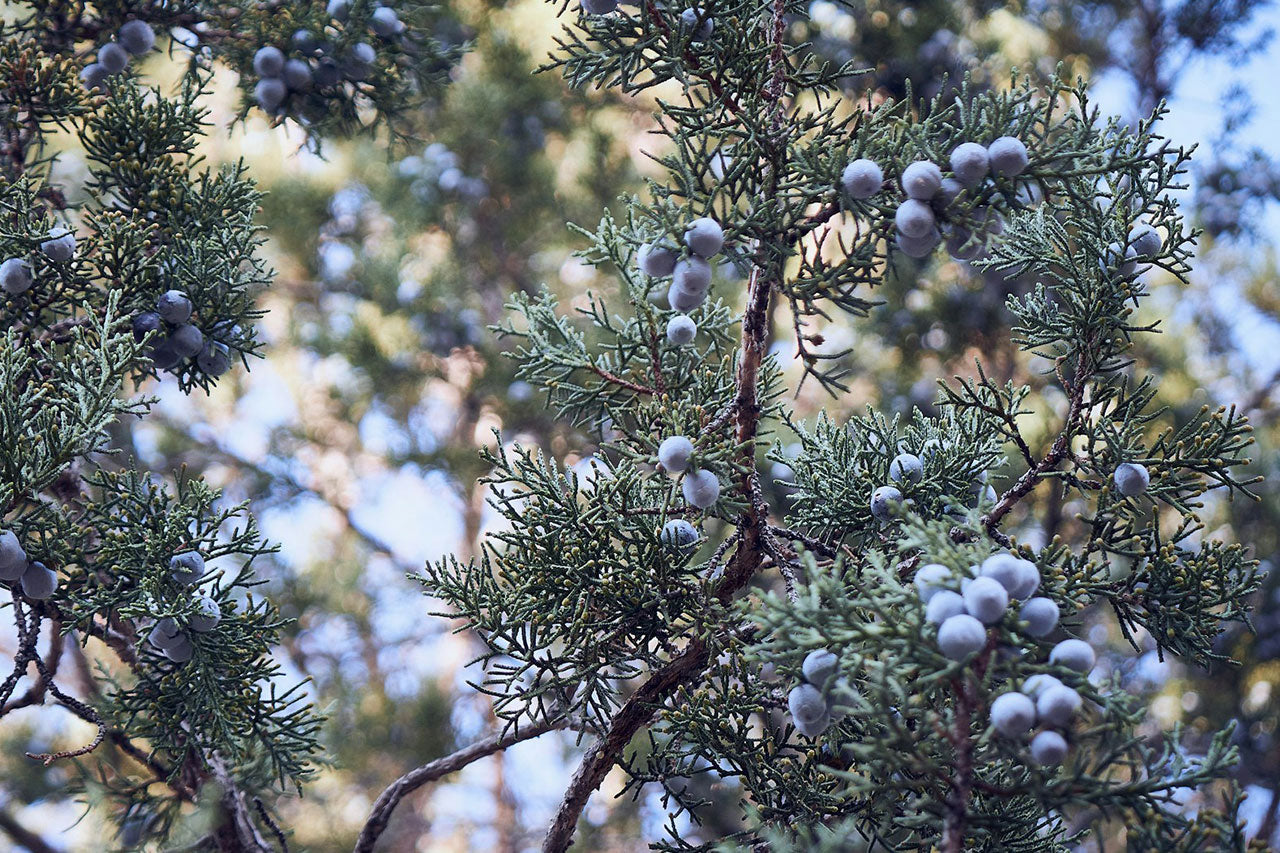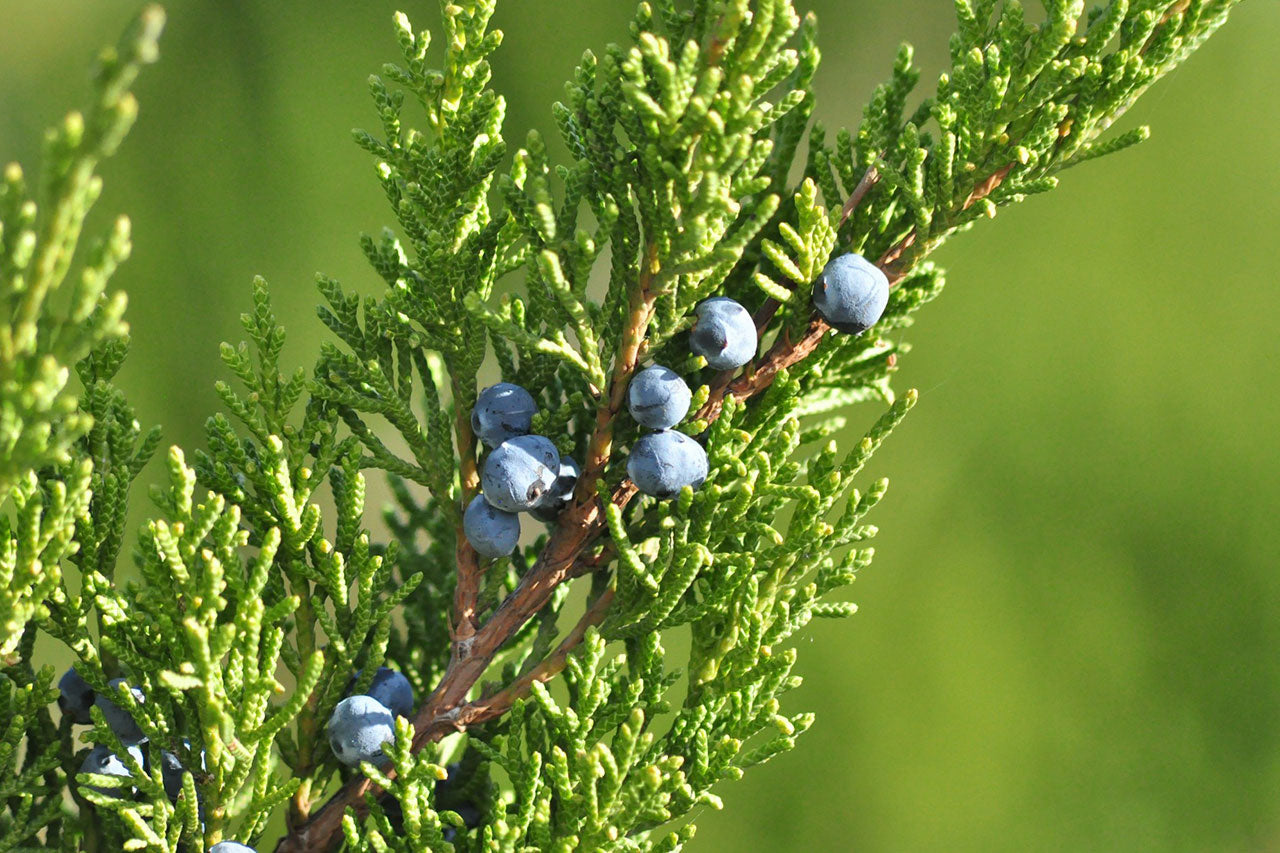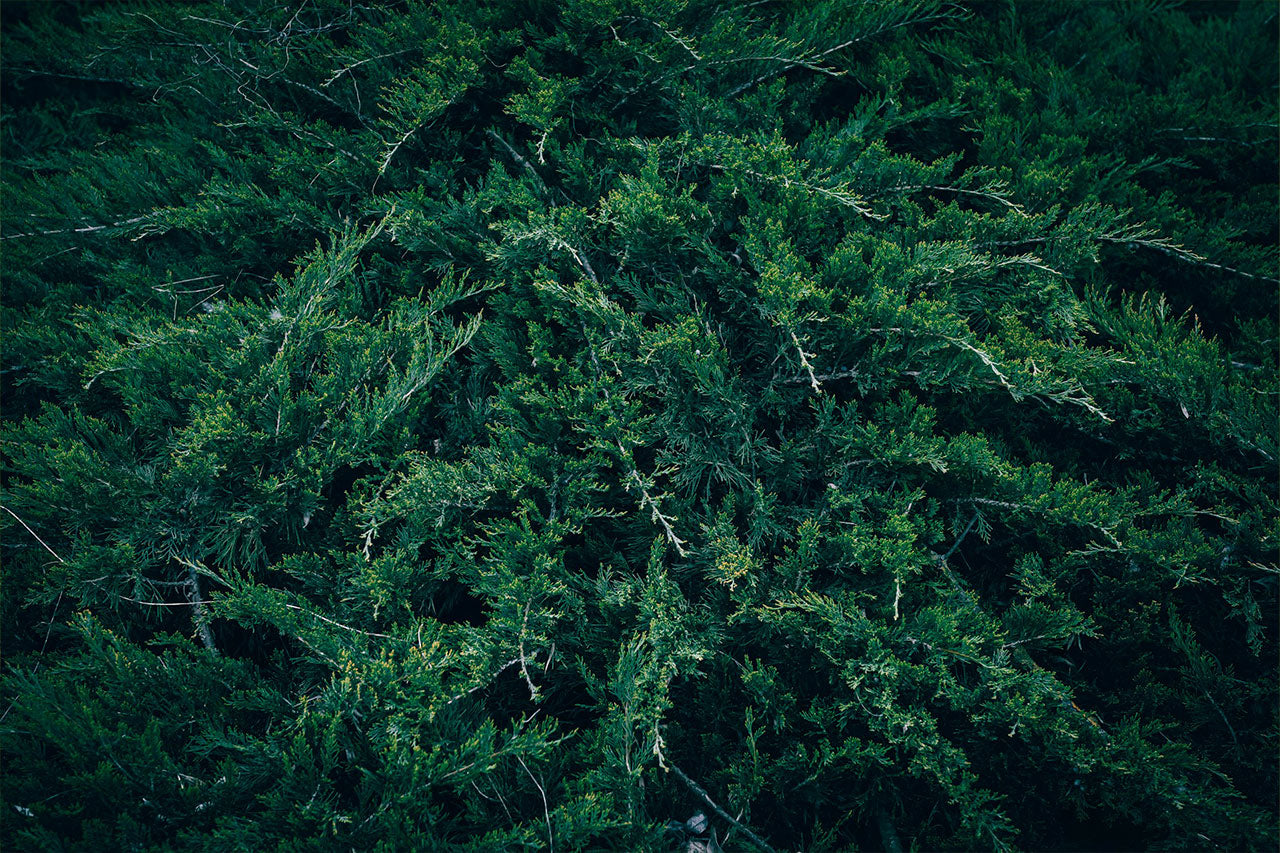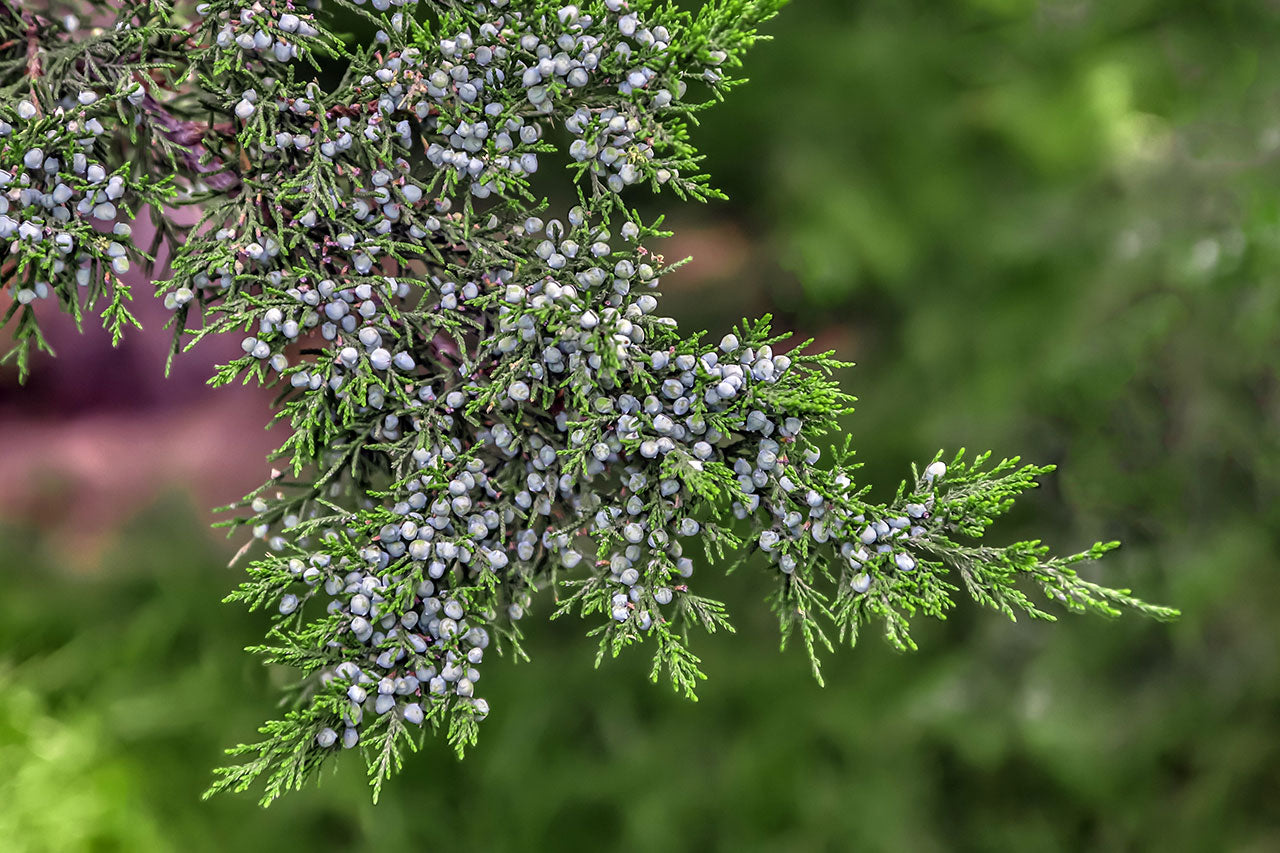

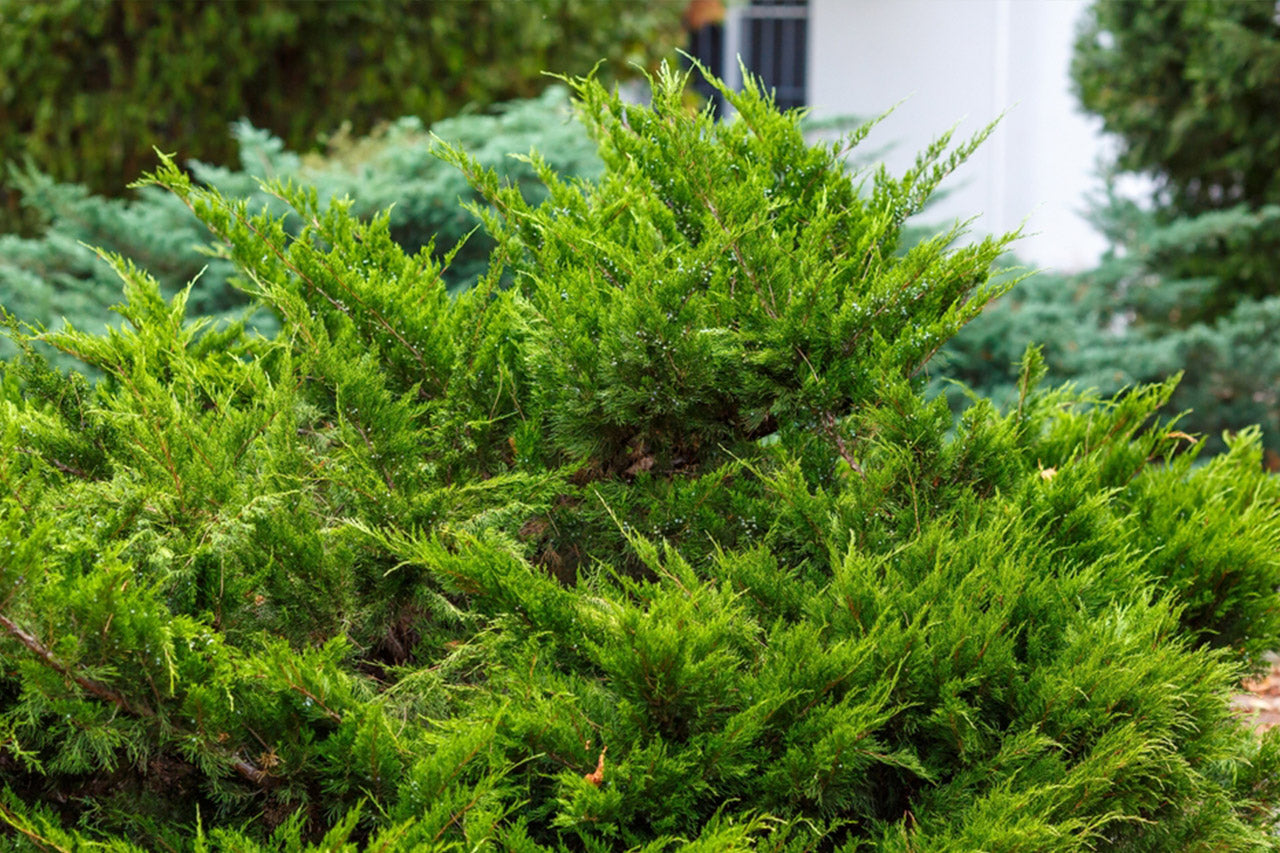
Junipers (Juniperus) come in an extraordinary range of shapes and sizes, which makes them incredibly useful in real‑world gardens. There are low, ground‑hugging forms that creep over rocks and walls, compact mounds that sit neatly at the front of borders, and upright, columnar sorts that give you vertical accents without turning into giant trees. All of them share that reliable, evergreen nature, so once you’ve popped a juniper into a bed or gravel garden, you’ve added structure that’s there in January just as much as in July. In an ordinary Cambridgeshire plot, that’s exactly the sort of reliability most of us appreciate.
Common name: Juniper
Latin name: Juniperus
Size in UK gardens: Very variable; ground‑cover forms may stay around 30–60cm high and 1–2m across, while upright types can reach 2–4m or more over time. Always check the specific cultivar.
Best position: A sunny, fairly open spot; most junipers thrive in full sun and good air movement, though some tolerate light, open shade.
Soil: Well‑drained soil is essential; happiest in moderately fertile, sandy or loamy ground and often very good on poor, stony or sloping sites. Strongly dislikes heavy, waterlogged conditions.
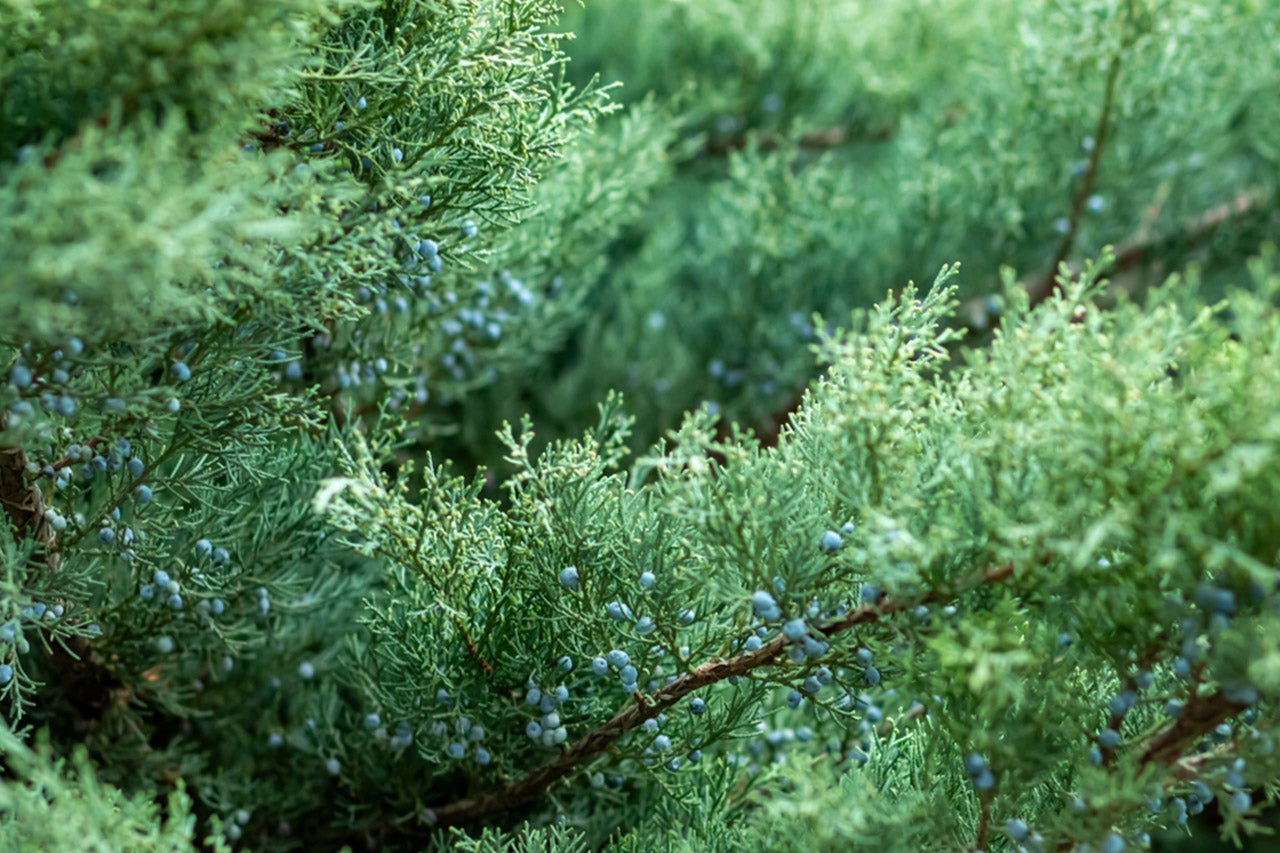
Flowering time: Not grown for flowers; main interest is evergreen foliage and, on female plants, ornamental “berries” (cone‑like fruits) that develop over summer and autumn.
Hardiness: Generally fully hardy across the UK once established, including breezier East Anglian gardens, as long as drainage is good.
Care level: Easy – low‑maintenance once established, with simple watering in the early years, minimal feeding, and only light pruning if needed.

The Simpson’s team raises the majority of our trees here at the nursery. For varieties outside our own production, we work with independent local growers we trust - all chosen for UK climate suitability.
Planting time: Container‑grown junipers can be planted in most months when the soil isn’t frozen or waterlogged, with autumn and early spring usually easiest. The key is to avoid very wet or very hot extremes while roots are getting started.
Watering: Water regularly in the first year or two so the rootball and surrounding soil don’t dry out completely, especially in the kind of dry, breezy weather East Anglia often sees. Once established in the ground, junipers are quite drought‑tolerant and usually only need extra water in prolonged, exceptional dry spells.
Feeding: On reasonably fertile soil, junipers need very little feeding. A light mulch of compost or well‑rotted manure in spring is often enough. On very poor, sandy ground or in containers, a modest, balanced, slow‑release fertiliser in early spring will keep growth steady and foliage fresh.
Pruning: Minimal pruning is needed – usually just the occasional tidy to remove dead, damaged or wayward shoots. Junipers do not like being cut back into old, bare wood, so it’s better to choose a variety that fits the space than to rely on heavy clipping.
Winter: Established plants generally need no special winter care beyond good drainage. In particularly exposed sites, a mulch around the root area is helpful for soil health; container plants may appreciate a move to a more sheltered spot in severe cold.
Availability is always changing, so please check with us if you have a particular variety in mind.
A rugged, dependable juniper with cool blue-green needles and a slightly wild, mountain character. Great for adding evergreen backbone to borders, mixing with grasses, or forming a low, textured screen, and it gives a lovely colour contrast against gold conifers and stone.
A sculptural, cloud-like juniper with twisting forms and creamy variegation that looks hand-trained. Superb as a focal point in a Japanese-style corner, gravel garden, or large pot, where bold shape and pale flashes bring instant designer character and winter structure as well.
A bright, golden juniper with a lively, textured habit that brings warmth and sparkle to planting. Use it to lighten darker borders, as a low feature in gravel gardens, or spilling from a large pot, where the colour reads cheerful rather than brash and pairs well with silvers.
A tidy, upright juniper with a narrow, conical form that gives instant structure and a formal note. Perfect for framing gates, adding height among softer shrubs, or repeating for rhythm along a path, where the cool green foliage keeps the scheme looking composed and evergreen.
A handsome, low, spreading juniper in cool grey-blue, like a soft mist over the ground. It’s superb for edging borders, spilling over walls, and knitting gravel gardens together, giving year-round structure and a calming ‘coastal’ feel beside stone and silvery perennials too.
A warm, golden juniper that sits low and wide, bringing a steady glow even in midwinter. Use it as a sunny foil to blues and dark evergreens, to soften the front of borders, or to cascade gently over banks and walls with easy, evergreen colour and lasting warmth in any scheme.
A classic golden Pfitzer juniper with a broad, arching shape that reads generous and welcoming. It’s brilliant for anchoring mixed shrub borders, giving year-round backbone, and lighting up darker corners, especially when paired with purple foliage, yew, and pale paving quietly.
A cheerful, fountain-shaped juniper in fresh green, forming bold, arching sprays that look great from a distance. Ideal for soft screening at the front of borders, adding movement to gravel gardens, and balancing upright plants with a relaxed, evergreen sweep in larger beds.
A bright, golden juniper with a lively, mounded habit that keeps borders looking ‘switched on’ all year. Perfect for repeating through a planting scheme for rhythm, edging paths with warm colour, or contrasting beautifully with blue conifers, grey stone, and dark hedging nicely.