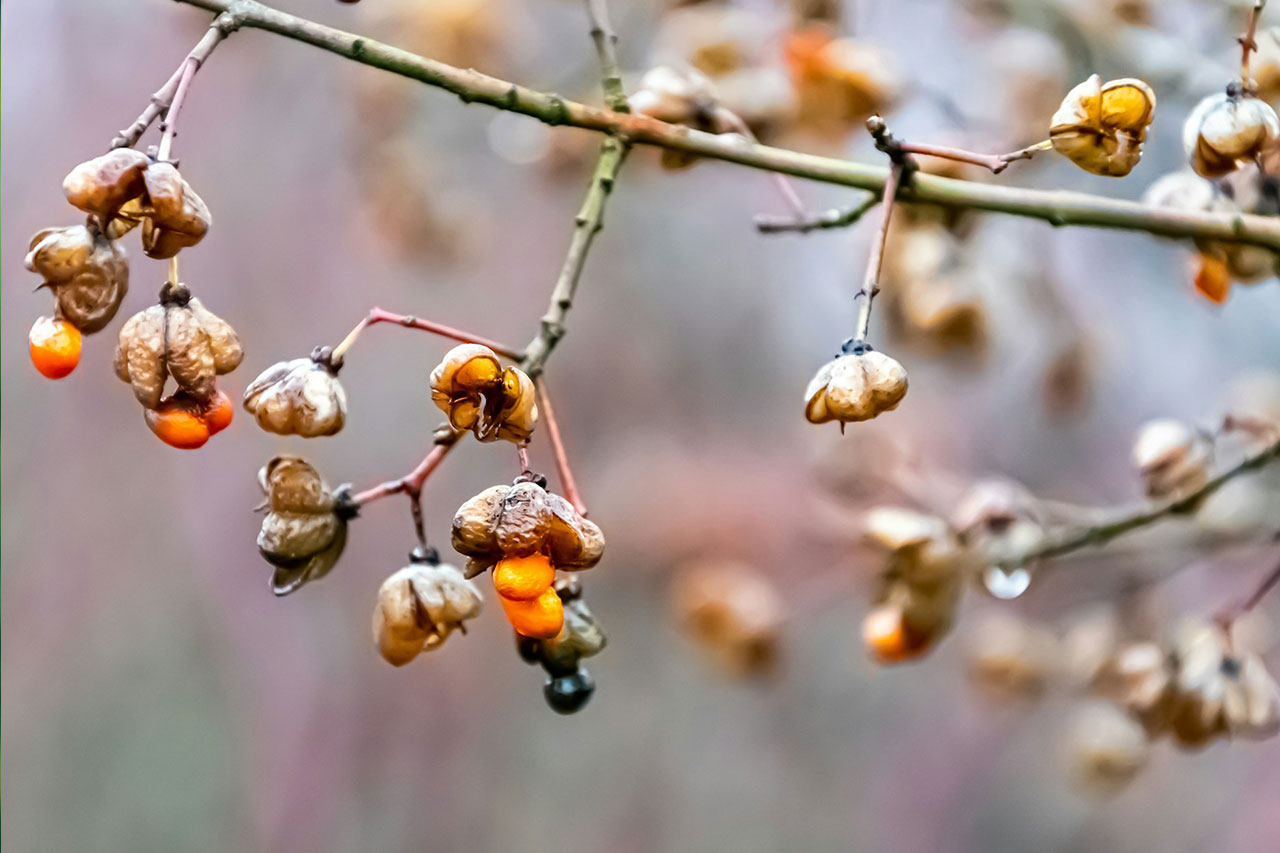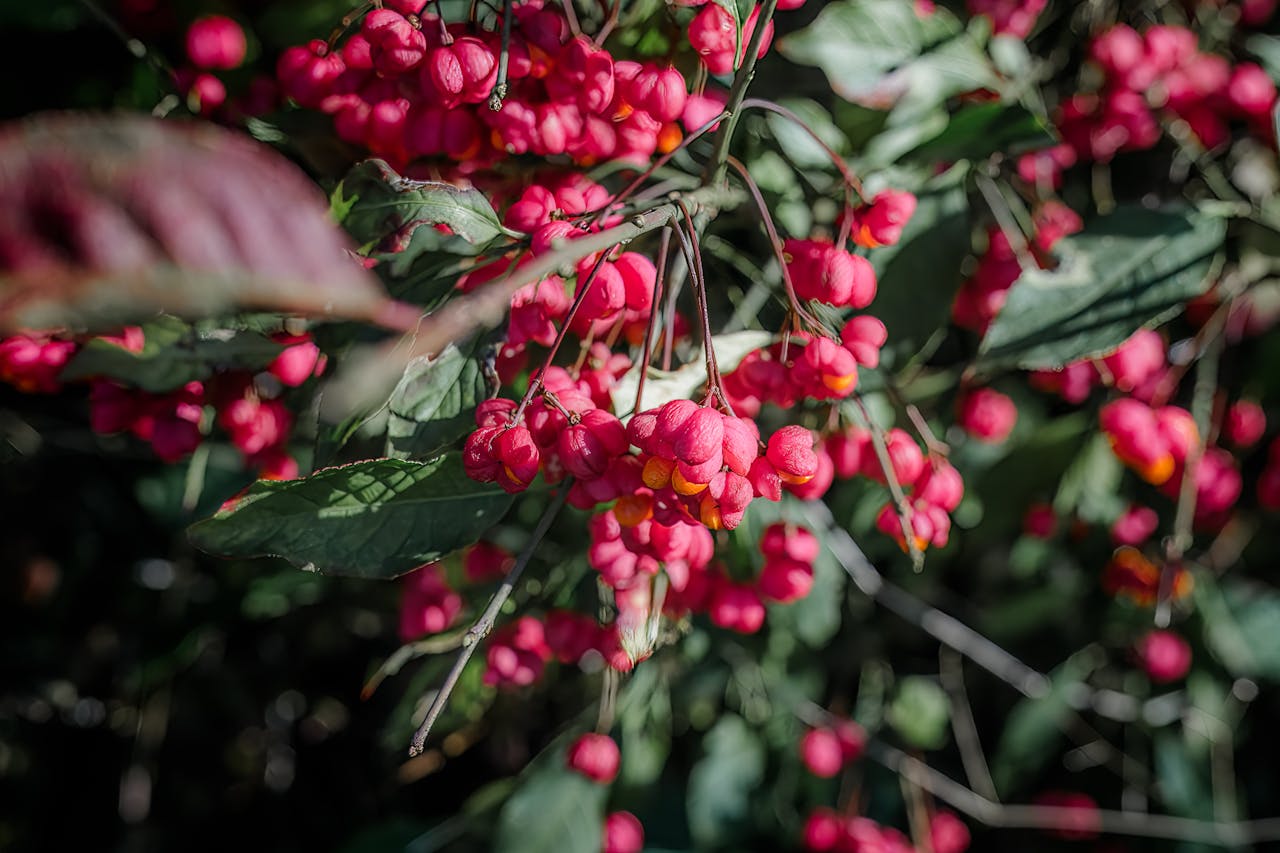

Euonymus brings a reassuring, evergreen presence to the garden, quietly earning its keep long after summer flowers have faded. Its small leaves stay neatly in place through wind, rain and frost, so borders never feel completely empty. Variegated forms add splashes of pale colour that lift even a grey January afternoon. This makes euonymus a lovely choice for front gardens and patios, where you want things to look cared‑for every time you step outside the door.
Common name: Euonymus.
Latin name: Euonymus.
Size in UK gardens: Usually 40–100cm tall and similar or slightly wider in spread; can climb a little higher on walls or supports over time.
Best position: Versatile; happy in sun or partial shade, making it ideal for front gardens, borders and containers.
Soil: Most well‑drained garden soils, from light sand to heavier clay, as long as they are not waterlogged.
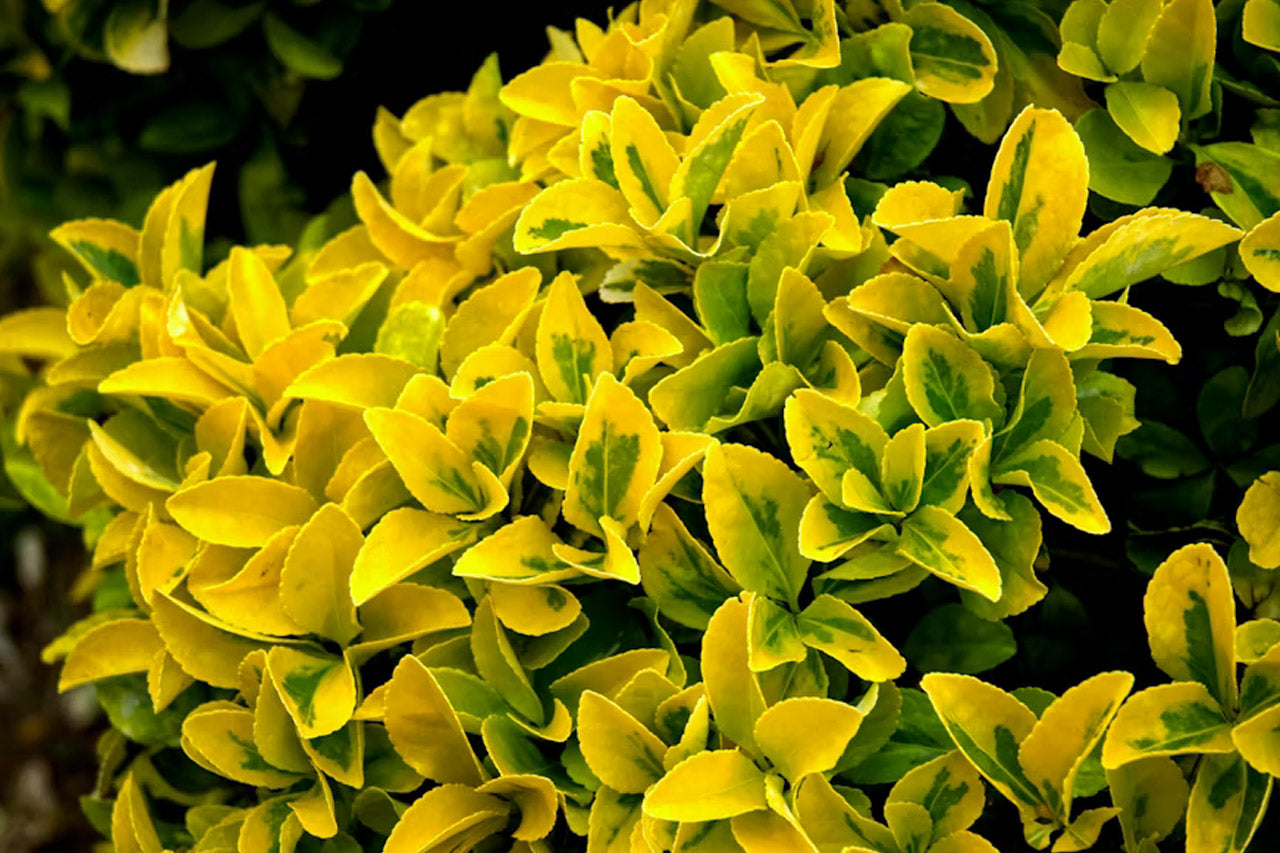
Main interest: Neat, evergreen foliage – often attractively variegated – giving year‑round colour and structure at low level.
Fragrance: Usually not noticeably scented, though the foliage has a fresh “green” scent when trimmed.
Hardiness: Fully hardy in most UK gardens and generally unfazed by normal winter cold.
Care level: Low; once established it needs little more than an occasional trim and a light mulch to keep it looking smart.

Rather than travelling halfway across Europe, our mimosa trees are grown on site by the Simpson’s team. They’re toughened to local conditions, properly potted, and ready to get growing the moment you plant them.
Planting time: As a container‑grown shrub, euonymus can be planted in most months when the ground isn’t frozen or waterlogged, with spring and autumn usually the most comfortable seasons for both plant and gardener.
Watering: Water regularly through the first growing season, especially in dry spells, so the roots can establish well. After that, it usually only needs extra watering in prolonged dry weather, particularly on very light soils.
Feeding: A light mulch of garden compost or a general‑purpose fertiliser in spring helps keep growth steady and foliage fresh. On poor soils, a yearly top‑up of organic matter is especially helpful.
Pruning: Trim lightly once or twice a year to maintain the shape you want, clipping back new growth with shears or secateurs. More occasional, slightly harder pruning can be done if you need to reduce size.
Winter: Euonymus normally comes through winter in the UK without any special protection. In very exposed sites, a little wind scorch may appear on the most open faces, but this is easily tidied up with a spring trim.
Availability is always changing, so please check with us if you have a particular variety in mind.
A neat, evergreen euonymus that earns its place with tidy habit and year-round usefulness. It’s the sort of shrub you can rely on for structure—excellent for low hedging, shaping, or as a calm backdrop that lets other plants shine. A very handy garden “support act” that quietly makes everything look more composed.
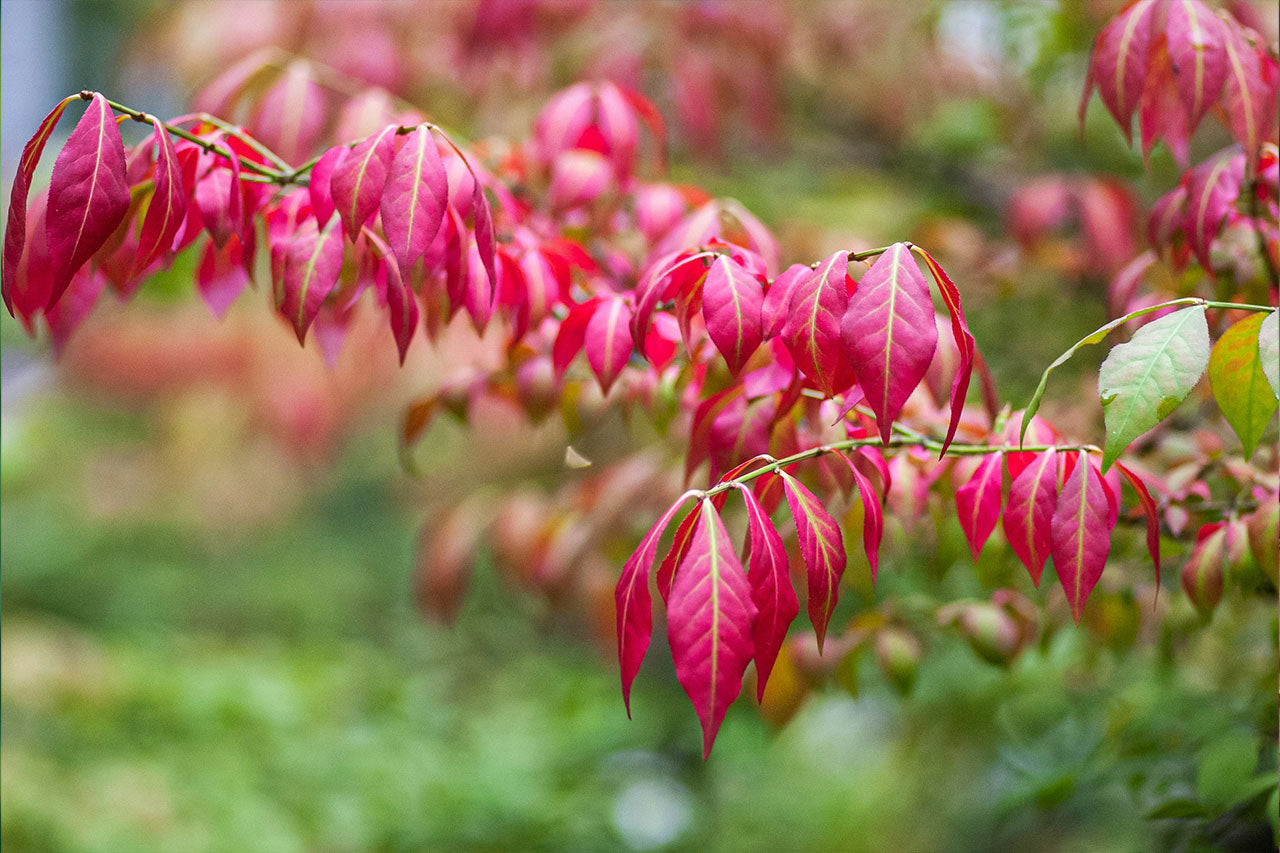
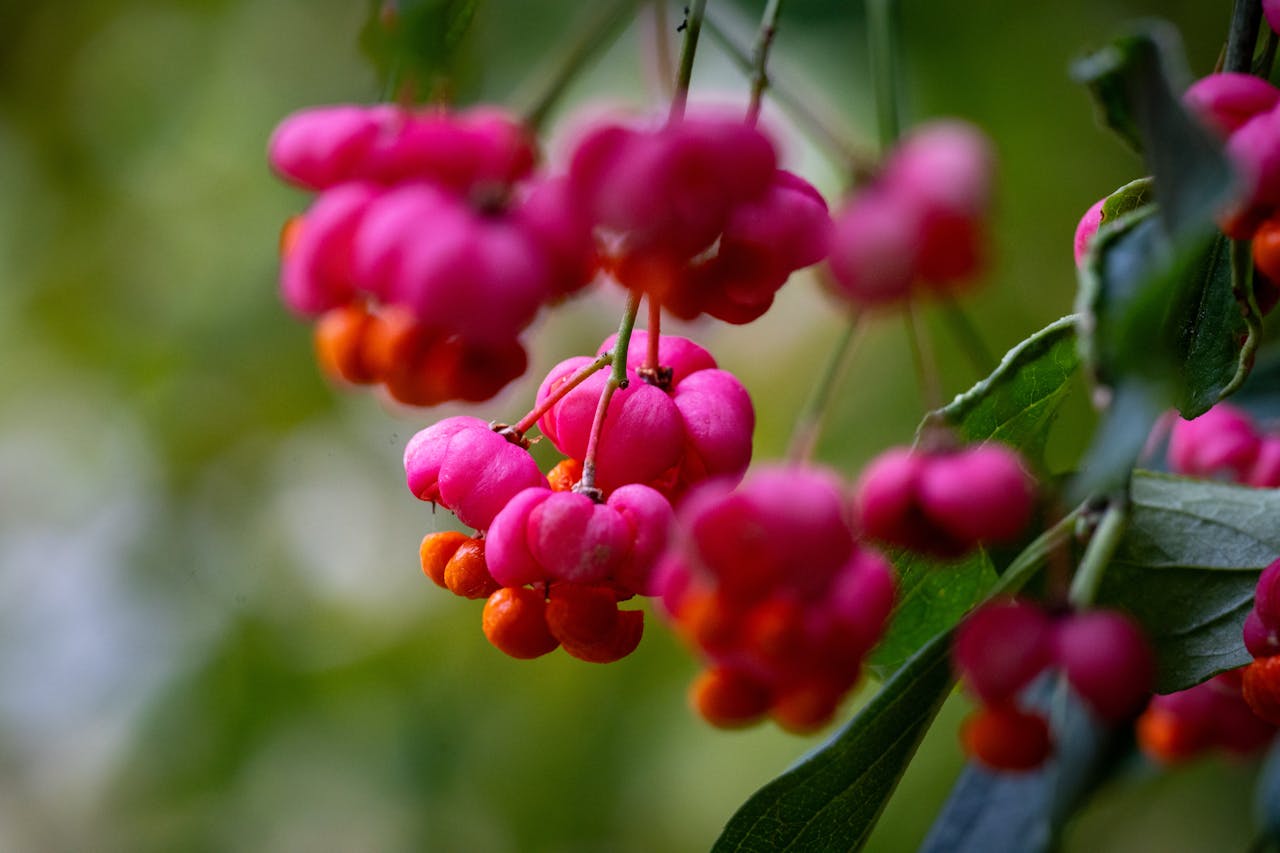
A shrub with real theatre in autumn: the leaves turn glorious shades of red and crimson, and the corky “wings” on the stems add winter interest once the foliage drops. It’s perfect as a specimen in a border or lawn, where it can have its moment without competition. One of those plants that proves autumn can be every bit as exciting as spring.
All the autumn fireworks of the winged spindle, but in a smaller, tidier package—ideal for more modest gardens. It forms a neat mound of foliage through the season, then turns a spectacular crimson in autumn. Plant it where low sun can catch it, and you’ll wonder how you ever did without it.
A bright little evergreen with golden centres to the leaves, as though each one has been dabbed with sunlight. It’s fantastic for lifting the front of borders, edging paths, and brightening pots, especially in winter when that golden colour really sings. Tough, adaptable, and always cheerful.
A dependable evergreen ground-covering euonymus with golden variegation that brightens the garden’s lower layers. Superb for edging beds, underplanting shrubs, and spilling over walls, where it softens hard lines and adds year-round colour. One of the best for giving a garden that cared-for look with very little effort.
One of the great evergreen workhorses: glossy green leaves neatly edged in gold, bringing colour and structure in every season. It’s brilliant as ground cover, a low hedge, or even trained as a small climber against a fence. In winter, it’s invaluable—making borders look bright when many plants are asleep.
A crisp, smart evergreen with green leaves edged in white, giving a clean, fresh look that lifts darker planting. Excellent as ground cover, edging, or a small shrub, and it’s particularly good for brightening shade. A very useful plant for adding contrast and definition without any fuss.
A delightful, compact euonymus with splashed variegation that looks almost hand-painted. Perfect for the front of borders, containers, and small spaces where you want a bit of sparkle all year. It’s one of those plants that quietly draws the eye and makes a planting scheme feel lighter.
A smart, upright euonymus with a narrow, columnar habit—ideal when you want height without width. The variegated foliage adds brightness and definition, making it excellent for flanking doorways, punctuating borders, or creating a slim evergreen screen. Very effective in pairs for a formal, composed look.
A clean, narrow evergreen column in rich green—like a little piece of living architecture. Perfect for adding vertical accents, repeating through a border for rhythm, or creating a slim, tidy screen in tighter spaces. It’s a wonderfully practical plant that brings instant order to a planting scheme.
A neat, evergreen euonymus with a well-mannered habit that suits clipping and shaping beautifully. Ideal for low hedging, structure in pots, or as a calm, glossy-leaved shrub in mixed borders. It’s the kind of plant that always looks smart, even when you haven’t had time to fuss over the garden.
A bright, golden-variegated euonymus with glossy foliage that brings warmth and cheer to planting all year. Excellent for brightening a boundary, creating a low hedge, or using as a feature shrub near paths where you can enjoy the colour up close.
A finer-leaved euonymus with delicate white variegation, giving a lighter, more refined look than the chunkier forms. Lovely for small hedges, tidy structure in borders, or as a clipped accent in pots. It brings a subtle sparkle that looks especially good against darker evergreens.
A small-leaved, golden-variegated euonymus that offers year-round brightness with a neat, compact feel. Superb for low hedging, edging, and shaping into tidy forms, especially in smaller gardens where every plant needs to earn its space. A gentle, sunny evergreen that keeps the garden looking awake through winter.
A neat, small-leaved evergreen that looks smart in every season, with a finer texture than the chunkier euonymus forms. It’s ideal for low hedging, tidy structure in borders, or clipping into little shapes where you want things to feel calm and well-kept. A quietly elegant plant that makes the garden look “finished”.
A bright, dependable euonymus that earns its keep by bringing year-round colour and a tidy habit. It’s excellent as ground cover, along the front of borders, or spilling gently over edges where it softens hard lines. The sort of plant that makes everything around it look just that bit more deliberate.
A smart, glossy-leaved evergreen with a slightly more formal air—perfect when you want structure that looks composed rather than wild. Ideal for low hedges, clipped mounds, or as a handsome shrub in mixed borders. Very useful near paths and patios where that clean foliage can be appreciated up close.
A crisp variegated euonymus with pale, silvery tones that brighten borders like a little splash of light. It’s brilliant for lifting shade, edging beds, and adding contrast among darker evergreens. In winter, when flowers are scarce, it’s a real morale-booster.
A cheerful little evergreen with golden “sunspot” centres that look as though each leaf has caught a bit of sunshine. Perfect for brightening the front of borders, pots, and tricky corners where you want colour without relying on flowers. Tough, obliging, and always upbeat.