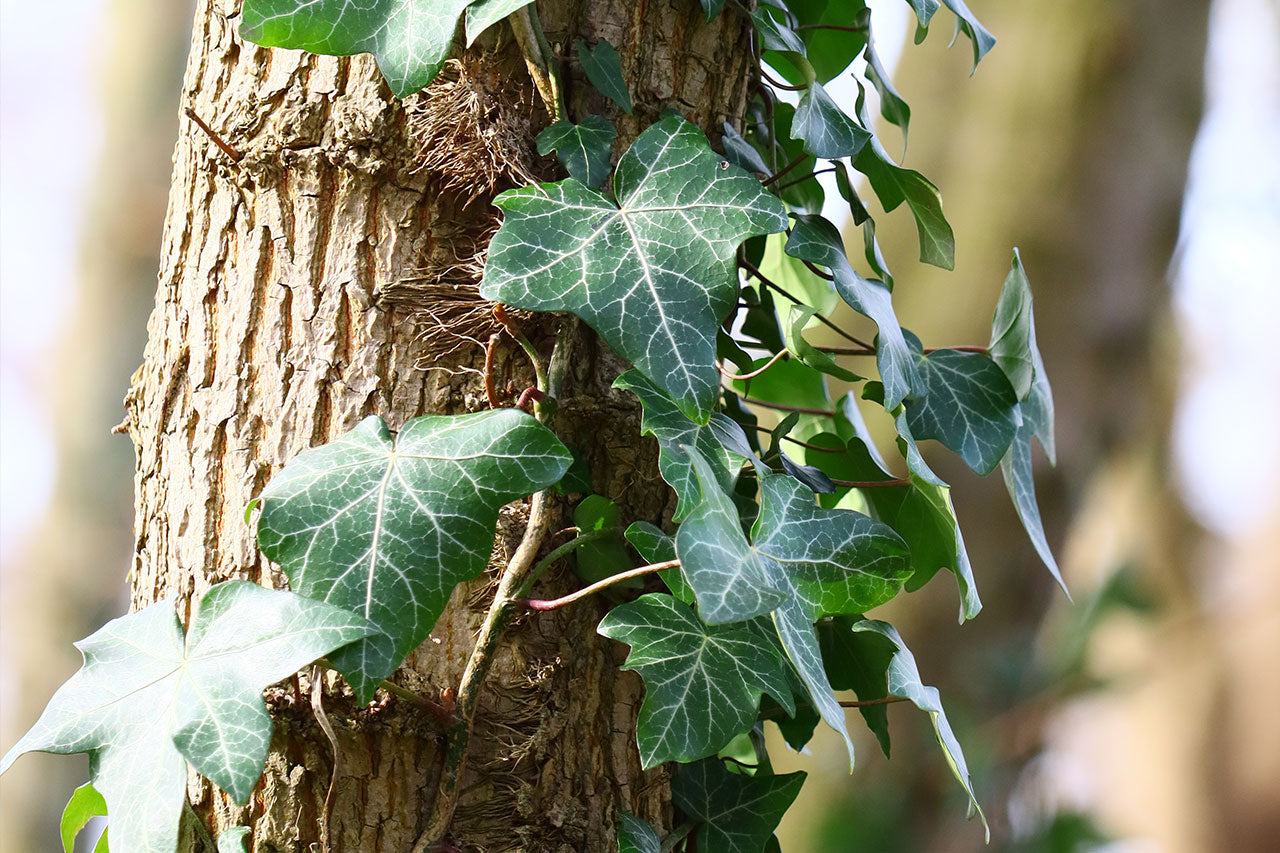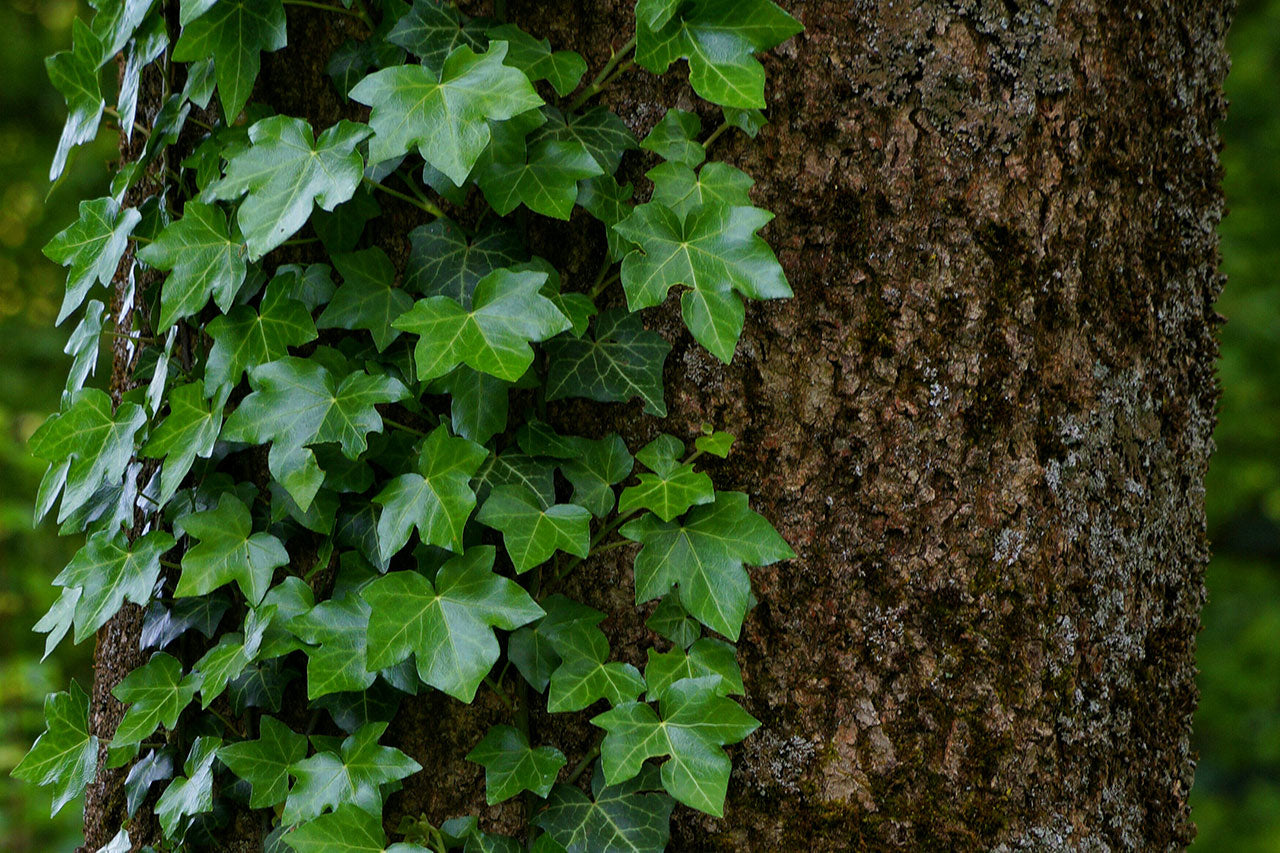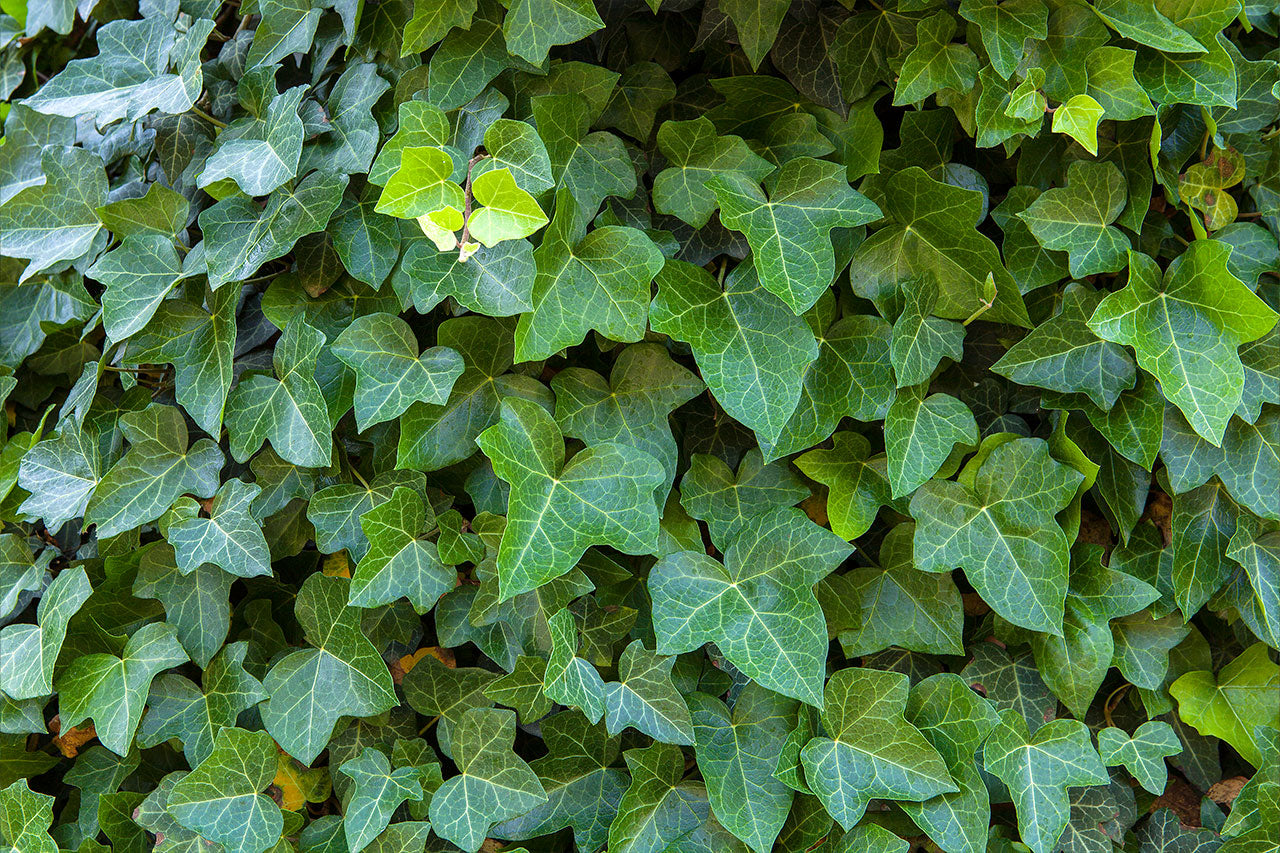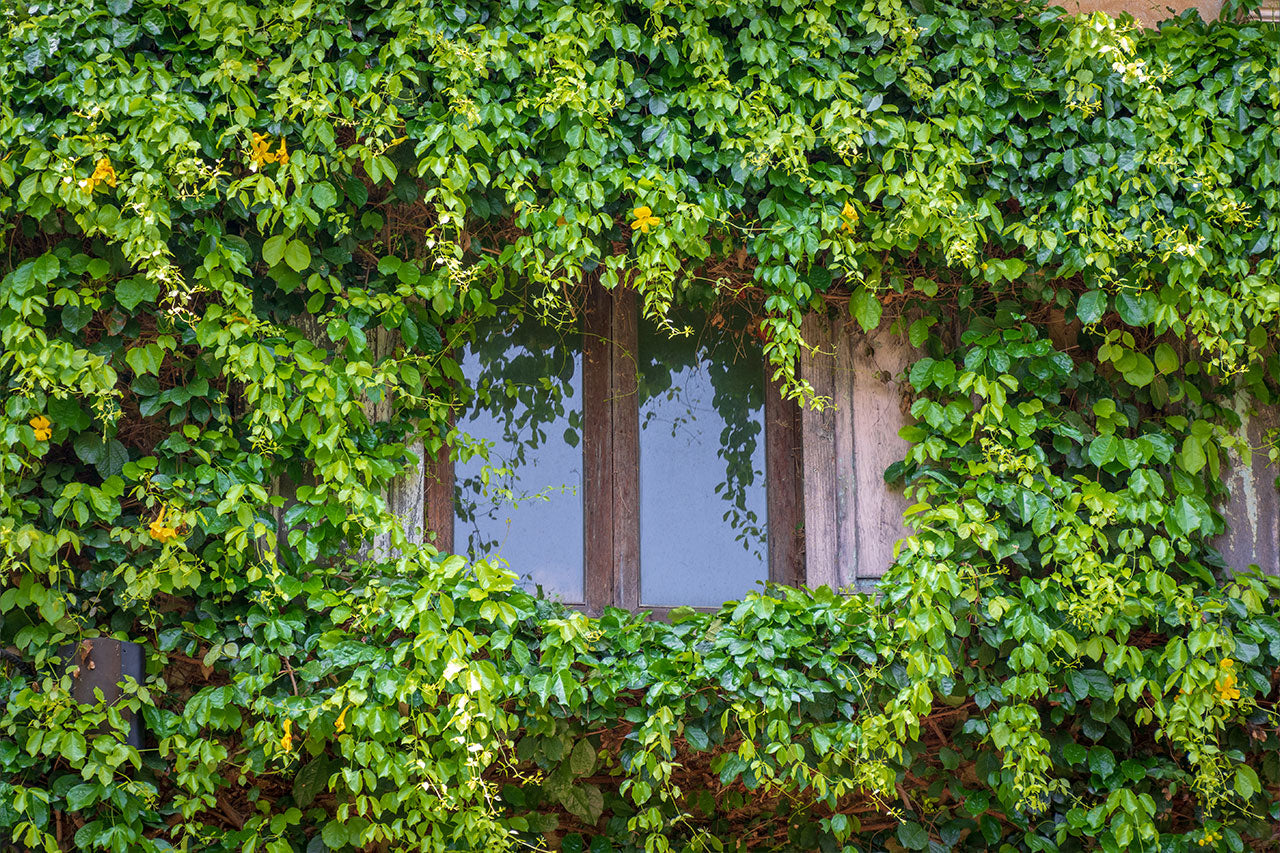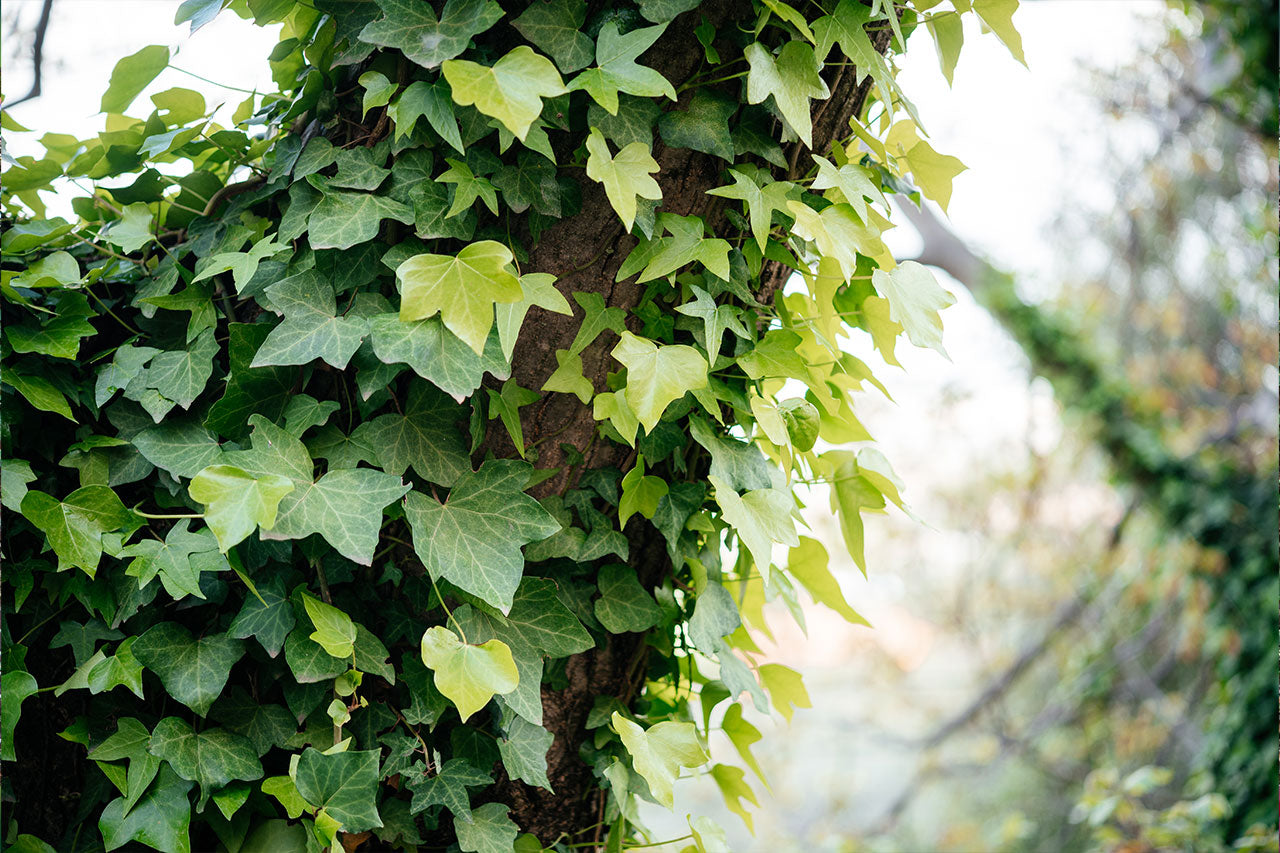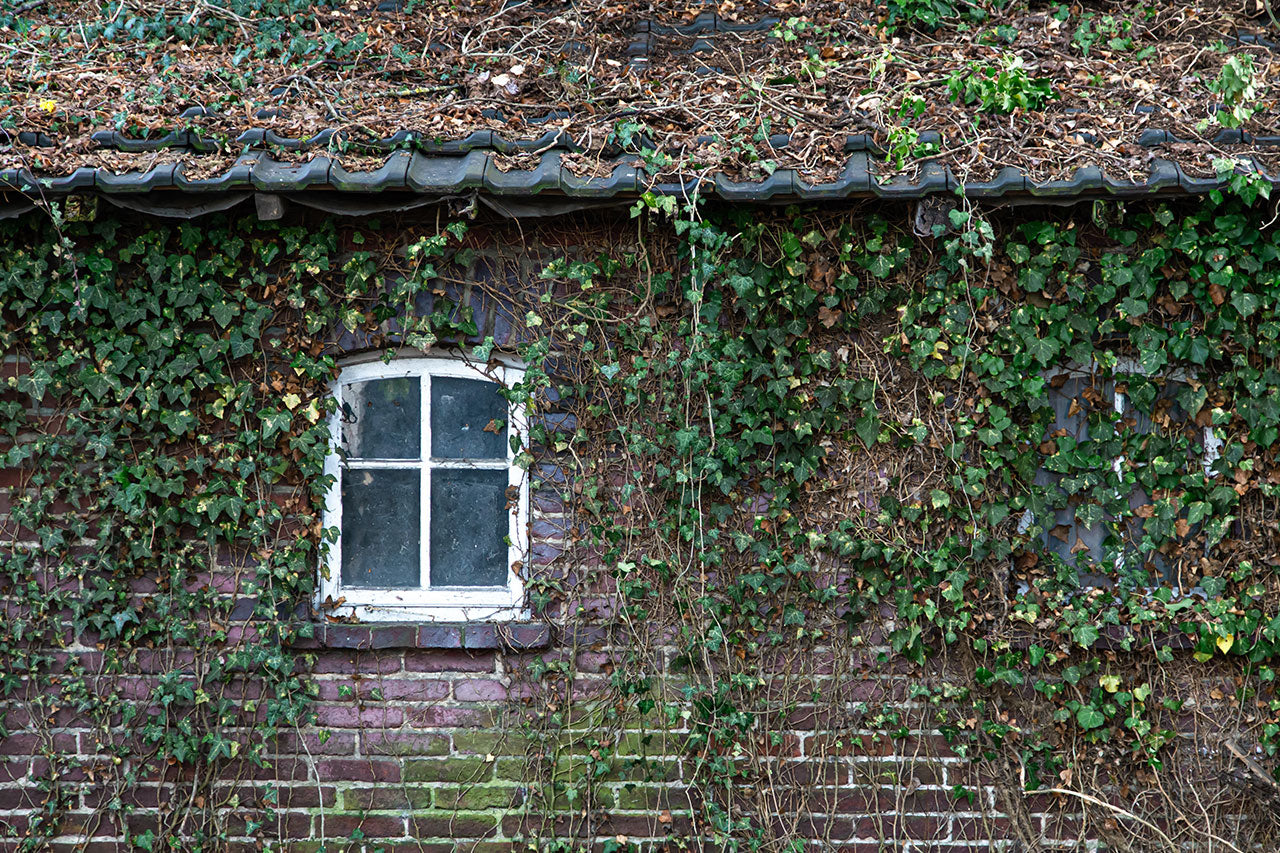

One of Fatshedera’s greatest charms is its ability to bring bold, handsome foliage into places where many shrubs struggle. Those big, ivy‑like leaves give instant substance to shady or awkward corners, making them feel planted and intentional rather than forgotten. Variegated forms seem to catch and reflect what light there is, brightening doorways, side returns and north‑facing walls. Because the leaves stay on all year, the effect doesn’t fade when other plants die back, which is particularly cheering in the shorter days.
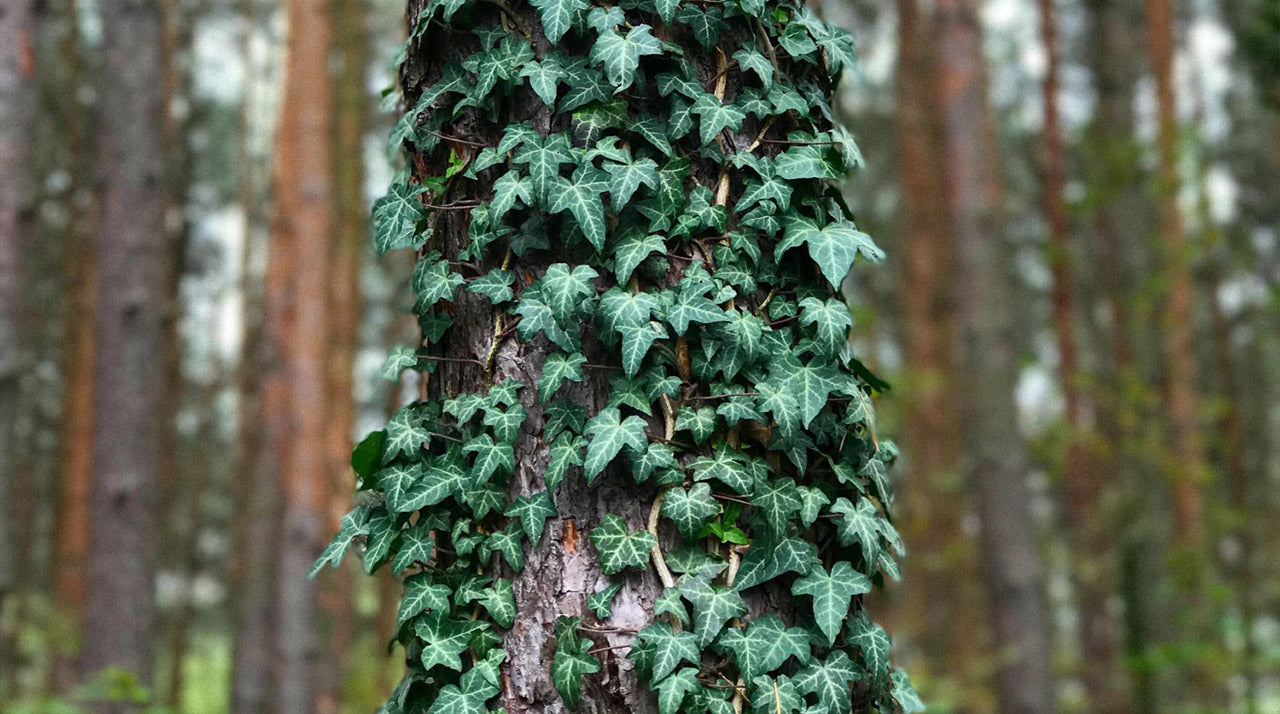
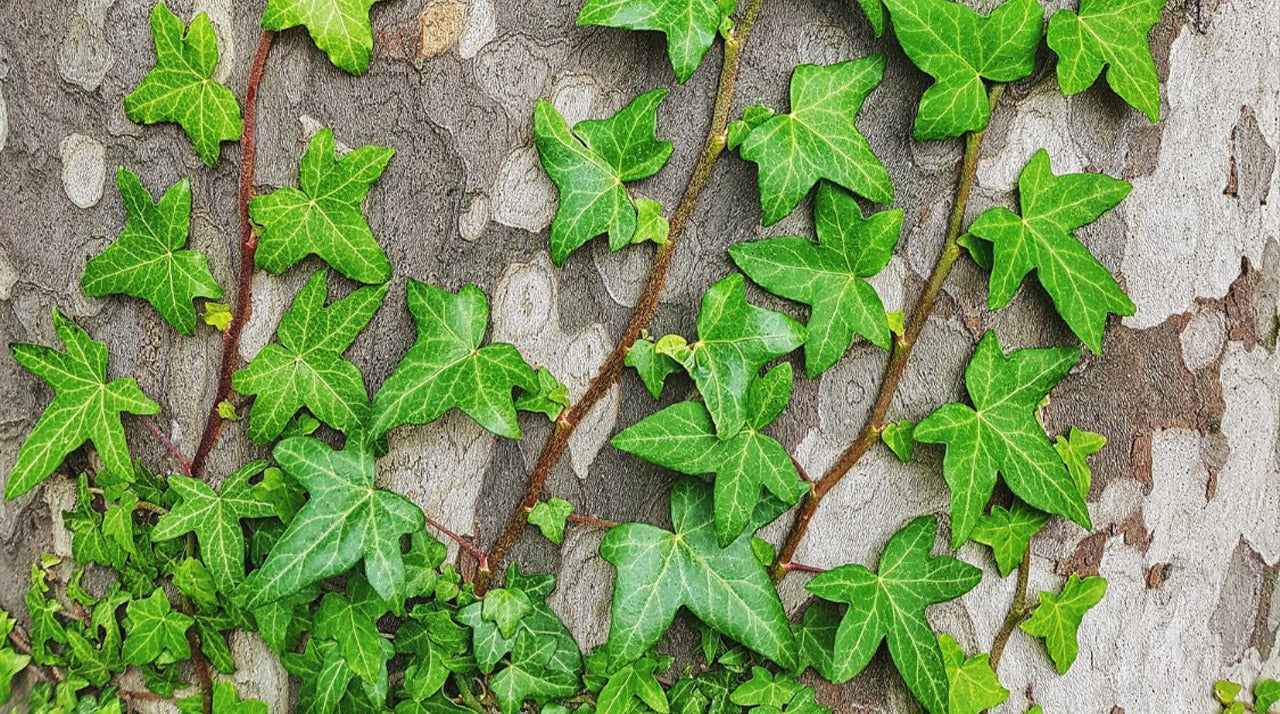
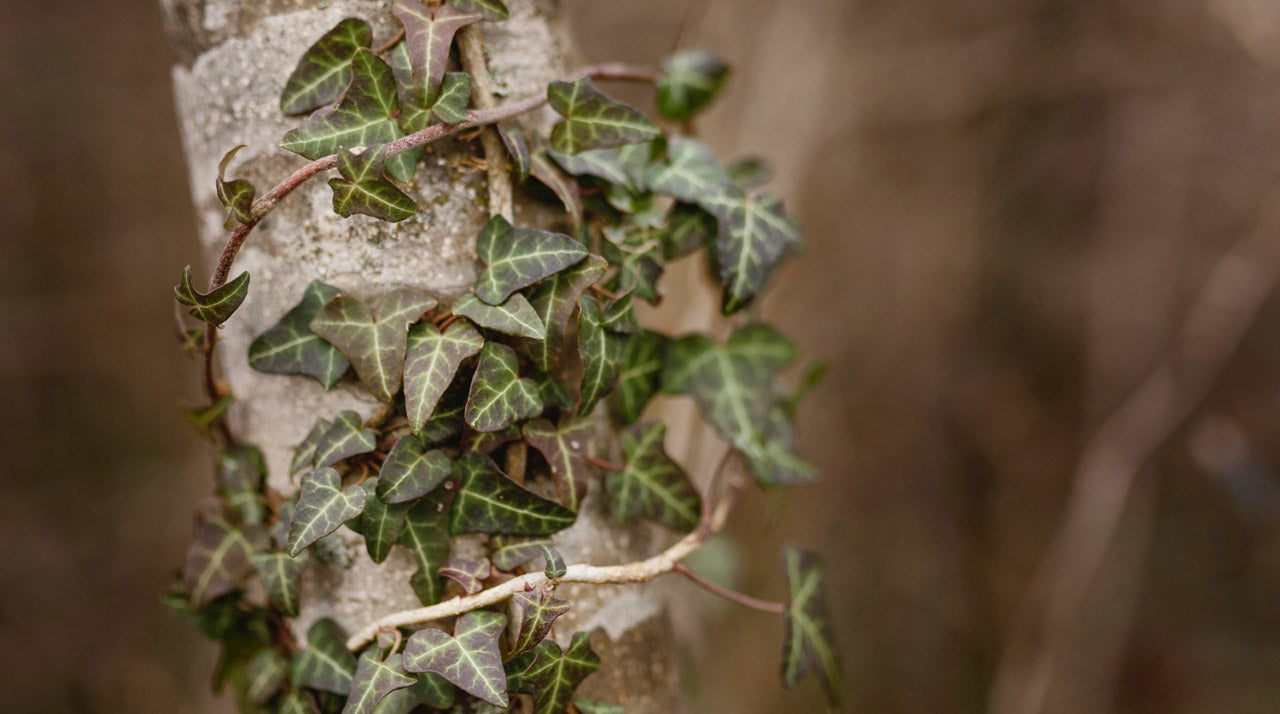
Common name: Tree Ivy
Latin name: Fatshedera
Size in UK gardens: Typically 1.5–2m tall and 1–1.5m wide as a free‑standing shrub; with support it can be trained to around 3m or a little more.
Best position: A sheltered spot in light or dappled shade, ideally by a wall, fence or trellis where its stems can be tied in.
Soil: Moist but well‑drained, reasonably fertile soil with added organic matter; dislikes waterlogged ground.
Main interest: Bold, glossy evergreen foliage – often attractively variegated – giving a lush, almost tropical feel all year, with small late‑season flowers as a bonus.
Fragrance: Leaves are usually not noticeably scented; flowers may have a light, unobtrusive scent close up.
Hardiness: Generally hardy in milder parts of the UK and sheltered gardens elsewhere; young and variegated plants appreciate protection from cold, drying winds.
Care level: Moderate; straightforward once established, needing some support, occasional tying‑in and light pruning to keep a tidy framework.

The Simpson’s team raises the majority of our trees here at the nursery. For varieties outside our own production, we work with independent local growers we trust - all chosen for UK climate suitability.
Planting time: As a container‑grown plant, Fatshedera can be planted in most months when the ground isn’t frozen or waterlogged, with spring and autumn generally the easiest times for it to establish.
Watering: Water regularly through the first year or two, especially in dry spells, so roots can spread into the surrounding soil. Once settled in the ground, it usually only needs extra watering during prolonged dry weather.
Feeding: A mulch of garden compost or well‑rotted manure in spring is usually enough. On very poor soils, a light application of balanced fertiliser at the same time can help maintain fresh, leafy growth.
Pruning: Prune after the main flush of growth, shortening or removing any leggy or misplaced stems and tying in those you want to keep as framework. It generally responds well to light annual shaping rather than heavy, infrequent cuts.
Winter: In sheltered gardens, Fatshedera normally stays evergreen through winter, though some leaves may mark in hard frosts. A mulch around the base and protection from the harshest winds will help it come through cold spells cleanly.
Availability is always changing, so please check with us if you have a particular variety in mind.