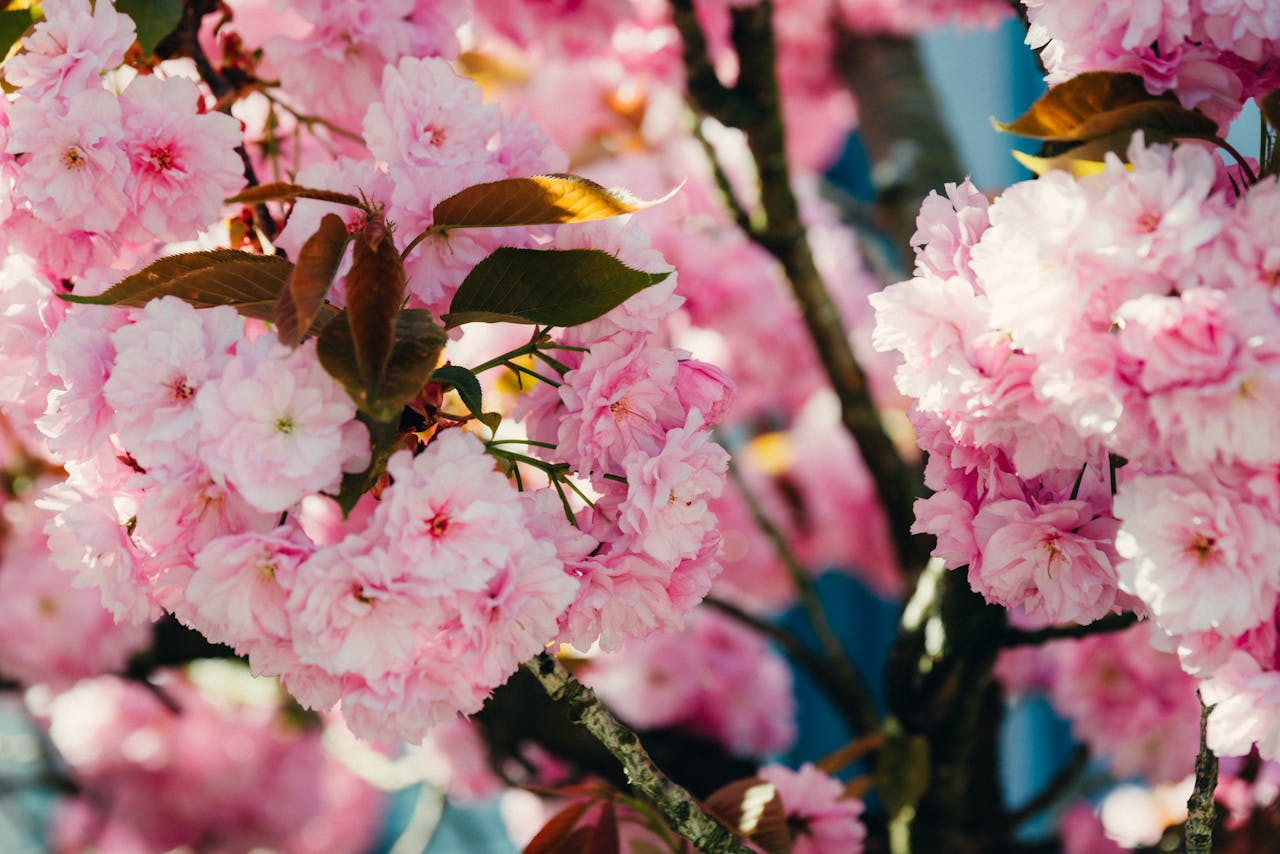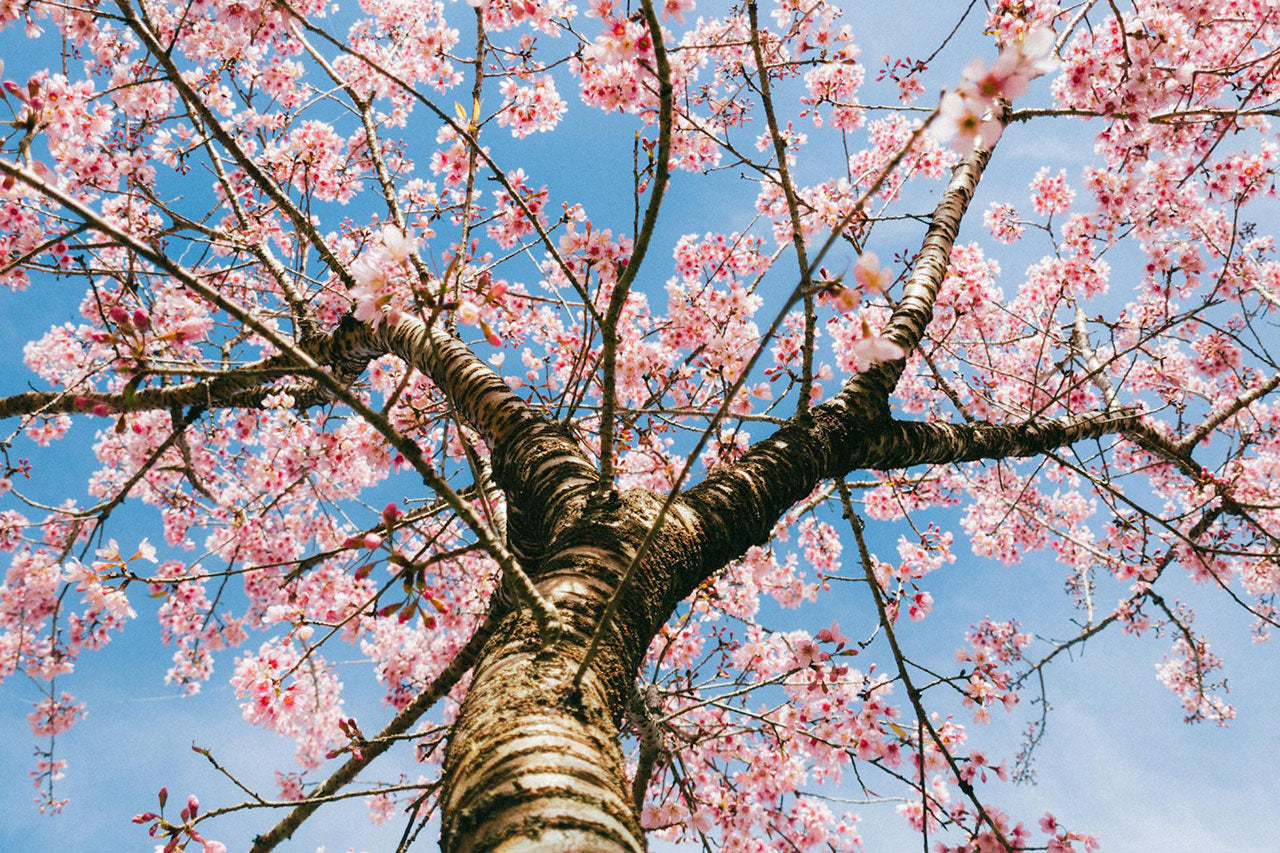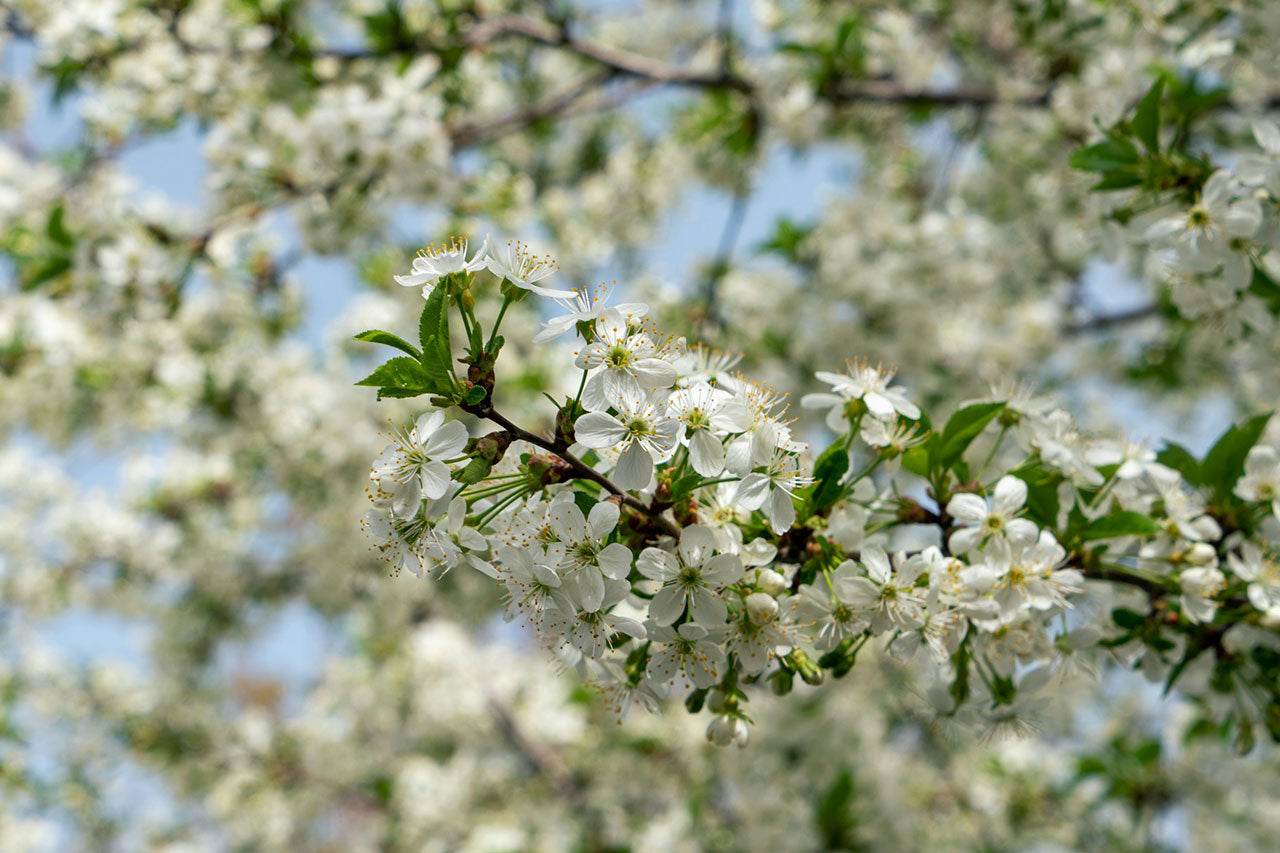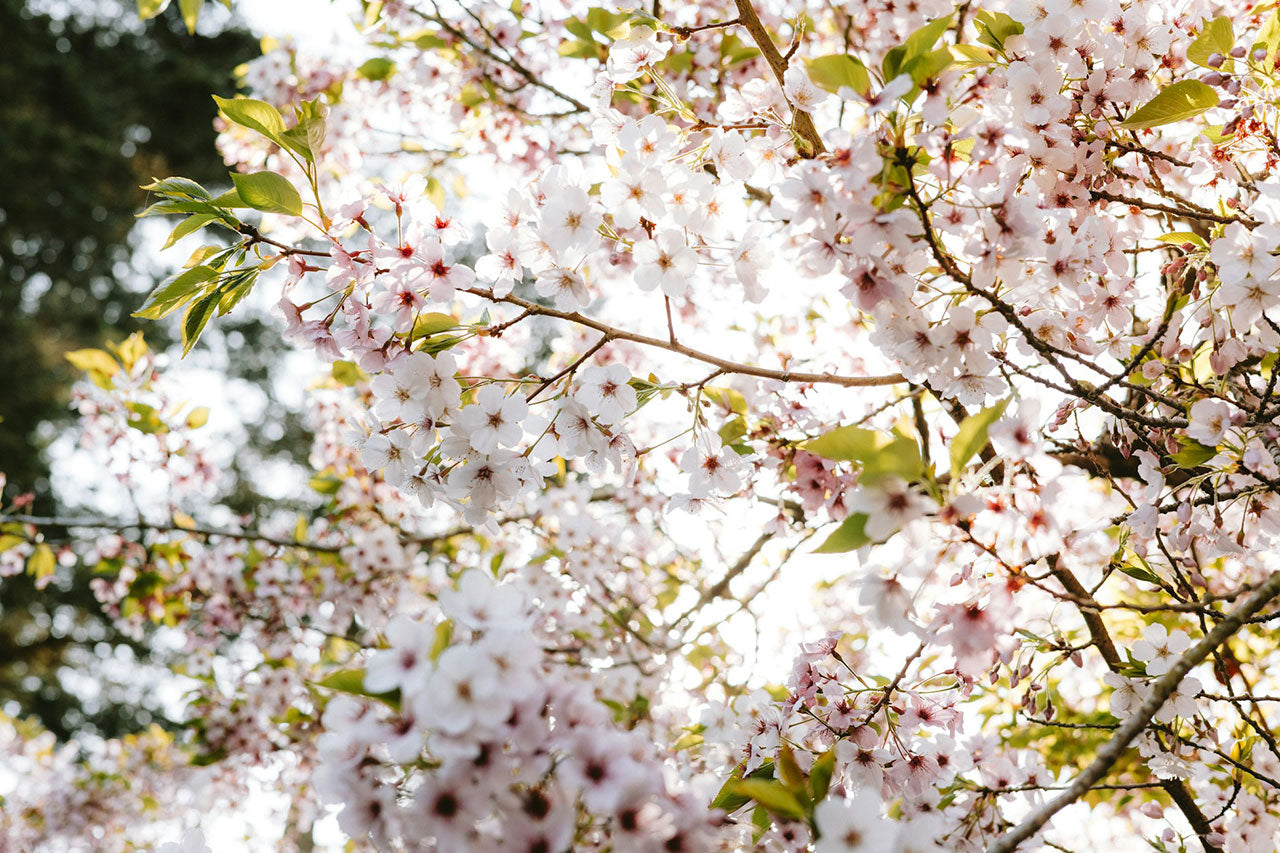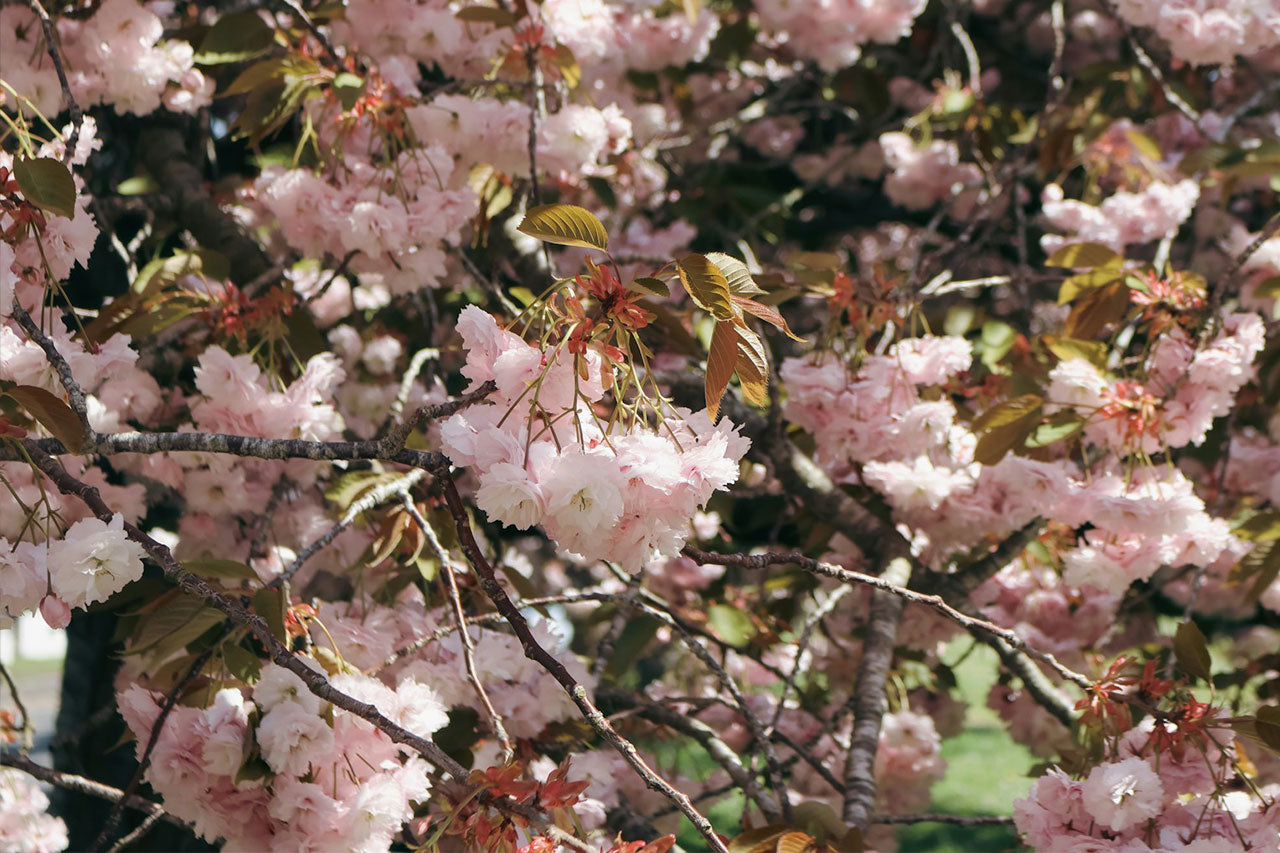

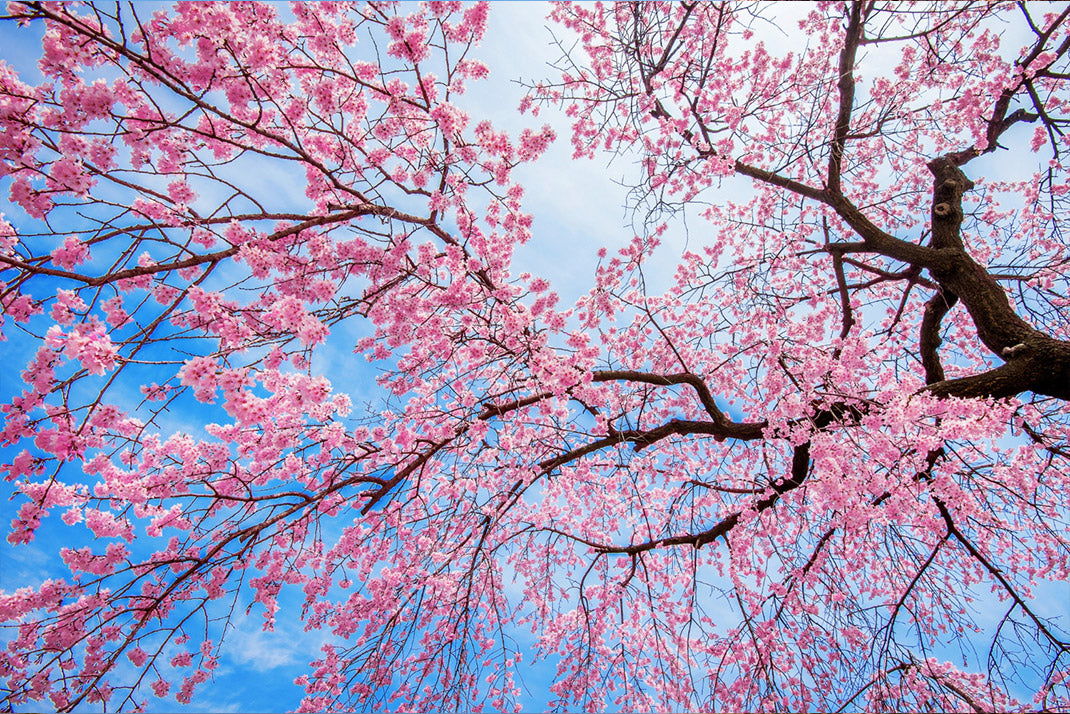
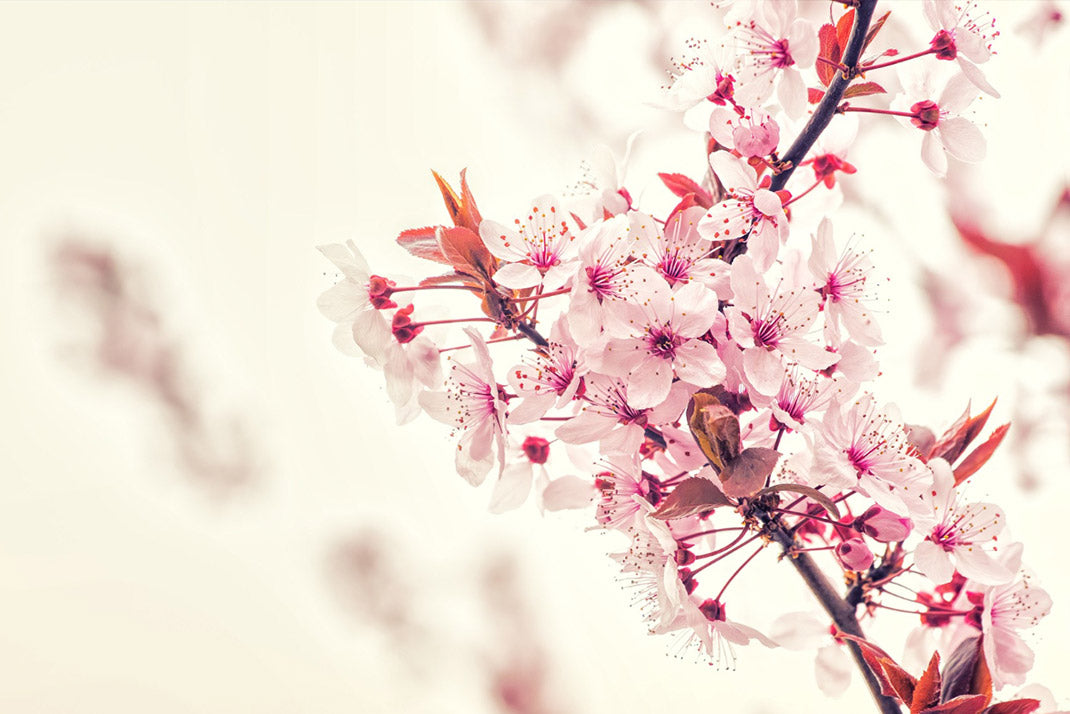
For many gardeners, a flowering cherry is the very picture of spring. One week the branches are bare; the next, they’re smothered in white or pink, with petals drifting down like confetti on the lawn. The display might last only a couple of weeks at its absolute peak, but it leaves a lasting impression every year. In a typical UK garden – whether in a village lane or a street in Ely – that brief, exuberant blossom makes the whole place feel brighter and more hopeful after winter.
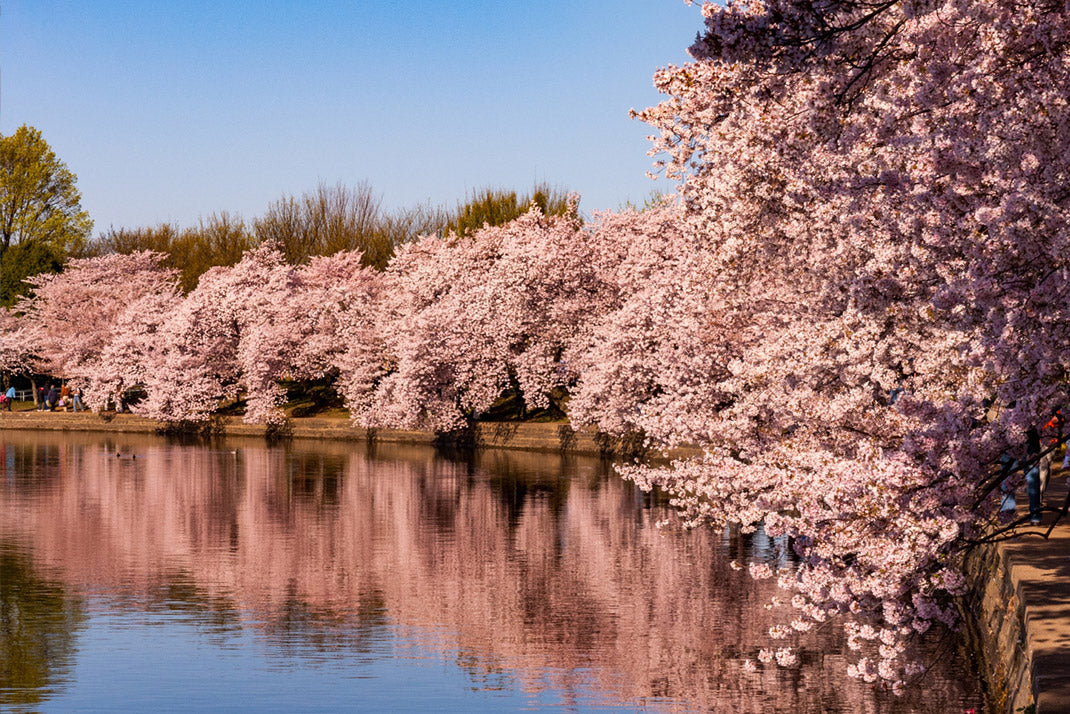
Common name: Flowering cherry
Latin name: Prunus – Ornamental Flowering Cherries.
Size in UK gardens: Most garden cherries make small to medium trees around 3–8m tall and 3–6m across in 10–20 years, with compact forms for small gardens staying nearer 3–4m.
Best position: Full sun in an open but reasonably sheltered spot, so the tree gets at least 6 hours of light and the blossom isn’t stripped by strong spring winds.
Soil: Fertile, moist but well‑drained soil is ideal; flowering cherries tolerate a wide range of soil types, including loam, clay, sand and even chalk, provided it doesn’t stay waterlogged.
Flowering time: Most varieties flower in early to mid‑spring (March–April), some a little earlier or later; winter‑flowering selections like P. × subhirtella ‘Autumnalis’ can bloom from late autumn through to early spring.
Fragrance: Many flowering cherries have little or no noticeable scent; a few cultivars offer a light almond or honey fragrance, but they’re chiefly chosen for blossom and form.
Hardiness: Generally fully hardy across the UK (around RHS H6–H7); winter‑flowering cherries are noted as reliably hardy throughout the country.
Care level: Moderate – straightforward if planted in good soil with sun and shelter, but pruning needs a light, well‑timed touch to avoid disease problems.

The Simpson’s team raises the majority of our trees here at the nursery. For varieties outside our own production, we work with independent local growers we trust - all chosen for UK climate suitability.
Planting time: As container‑grown trees, flowering cherries can be planted in most months when the soil is workable and not frozen or waterlogged, with spring and early autumn usually giving the easiest establishment.
Watering: Water regularly through the first couple of growing seasons, especially in dry spells, so moisture penetrates deeply around the rootball. Once established in decent soil, most cherries cope with normal summer dryness but appreciate occasional deep watering during prolonged drought.
Feeding: On reasonable garden soil, an annual spring mulch of compost or well‑rotted manure over the root area is usually enough. On very poor or sandy ground, a light application of a balanced fertiliser in early spring can help younger trees put on strong growth.
Pruning: Keep pruning modest and well‑timed. Remove dead, diseased or crossing branches and make small shape adjustments in early to mid‑summer, when the risk of silver leaf and canker infection is lower; avoid heavy winter pruning.
Winter: Established trees are fully hardy and need no special protection. Young trees on light soils benefit from a winter mulch to protect roots, and it’s wise to stake new trees securely to prevent wind rock while they establish.
Availability is always changing, so please check with us if you have a particular variety in mind.


A weeping Yoshino cherry with a romantic, cascading silhouette that looks sculptural all year. In spring it’s clothed in pale blossom that hangs in soft drifts beneath the branches. A lovely lawn feature, especially where the canopy can be admired from every angle.
A refined cherry with a neat outline and clusters of spring blossom that sit beautifully against the branching. The overall effect is elegant and calm, rather than showy. A great option when you want a flowering cherry that looks “just right” in both traditional and modern gardens.
The famous classic, producing a glorious show of rich pink, double flowers that crowd the branches in spring. When it’s in bloom it’s unmistakable—bold, generous, and celebratory. The habit is strong and upright, giving real presence as a feature tree.
A weeping cherry with lavish, chrysanthemum-like double pink flowers that dangle from cascading branches. In full bloom it becomes a living curtain of blossom, wonderfully theatrical. A superb statement for a lawn or focal spot, where the draped form can be enjoyed as garden sculpture.


A terrific early cherry with vivid cerise-pink blossom that brings instant energy to the spring garden. The colour is bright and cheerful, and the habit stays neat and garden-friendly. A brilliant choice for front gardens and courtyards where early colour needs to make a clear impact.
The tassel cherry offers a more delicate, intriguing kind of spring display, with an airy habit and flowers that feel lighter and less obvious than the usual cherry “cloud.” It has a refined, slightly unusual character that suits collectors. A lovely tree for adding lightness and interest without shouting.
A tree chosen as much for bark as for blossom, with gleaming coppery-gold stems that can look almost lacquered in the right light. Even in winter it holds the eye, bringing warmth and richness to the framework of the garden. A real character tree, especially where low sun can catch the trunk.
A much-loved early cherry, often smothered in deep pink flowers that open like little cups along the branches. The habit is upright and shapely, giving a tidy silhouette that suits smaller gardens. It’s the tree you plant when you want spring to arrive with a confident splash of colour.


A more individual ‘Okame’, combining that early-season blossom sparkle with extra ornamental interest that makes the tree feel a touch more distinctive. The spring display is still bright and uplifting, bringing colour when it’s most welcome. A good choice if you like a familiar favourite with a little added personality.
Bird cherry brings woodland freshness, producing long sprays of white flowers that feel airy and natural rather than pom‑pom showy. The effect is light and slightly wild, perfect for informal gardens. A lovely way to add spring brightness with an authentic hedgerow charm.
A handsome bird cherry with particularly showy, elongated white flower clusters that hang in elegant tassels. The spring display feels generous yet still natural, with a lovely sense of movement. A fine choice when you want the bird cherry look, but with a more pronounced “flowering moment.”
A refined cherry with soft pink blossom that feels romantic and understated. The flowers sit neatly along the branches, creating a gentle wash of colour in spring. Easy to place, easy to enjoy—perfect where you want blossom with poise and a calm, settled presence afterwards.


A classic weeping cherry with rosy-pink blossom that clothes cascading branches in spring. The draped form makes an instant focal point, like a living umbrella over lawn or border. In bloom it’s captivating—soft, flowing, and unmistakably ornamental.
Named for its rounded, parasol-like crown, which becomes wonderfully decorative when covered in pink spring blossom. The silhouette is clear and pleasing, making it an easy focal point in smaller gardens. Lovely near paths and seating, where the canopy creates a gentle, inviting “garden room” feel.
A richly flowering cherry with large, double blooms in a clear, confident pink. The display feels full and luxurious, without looking coarse. Choose it when you want a spring show that’s memorable and glamorous—blossom that looks properly dressed up.