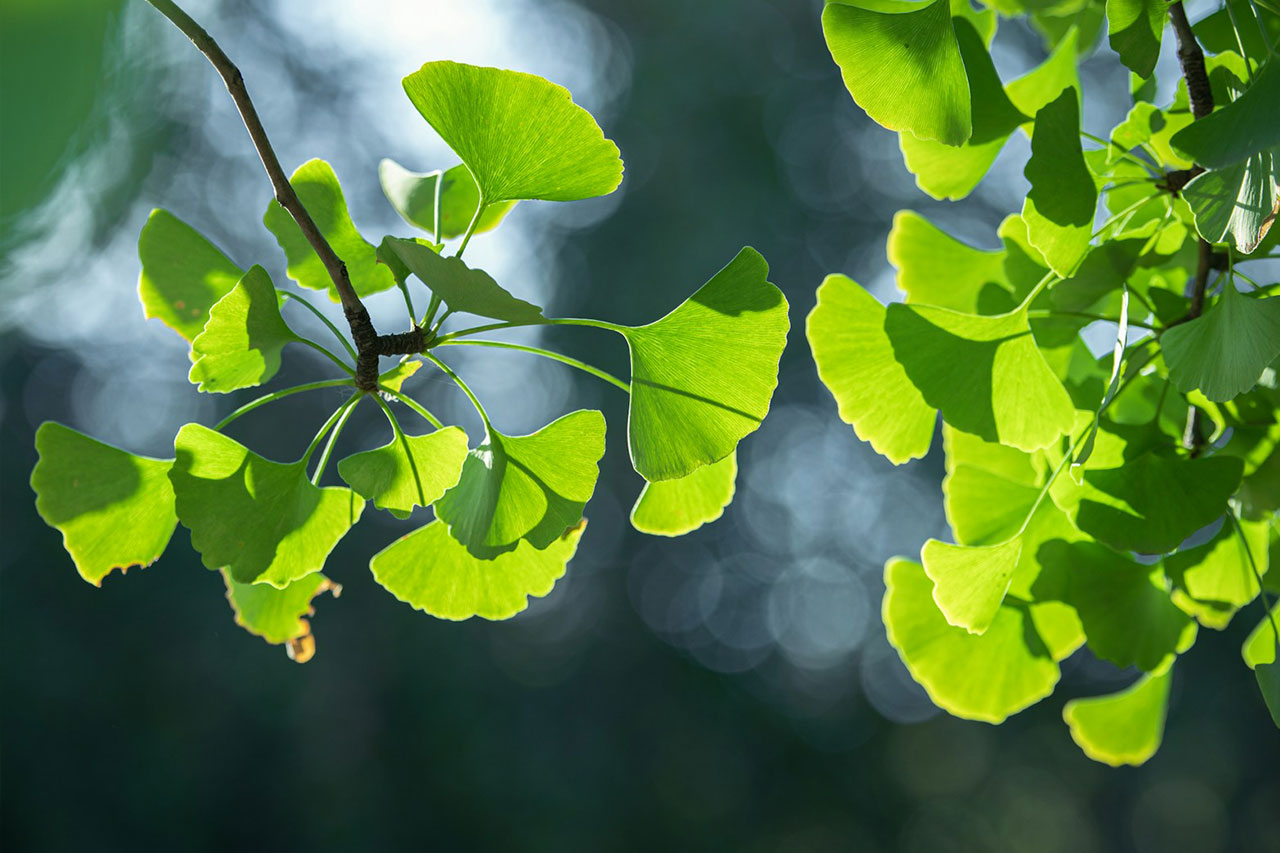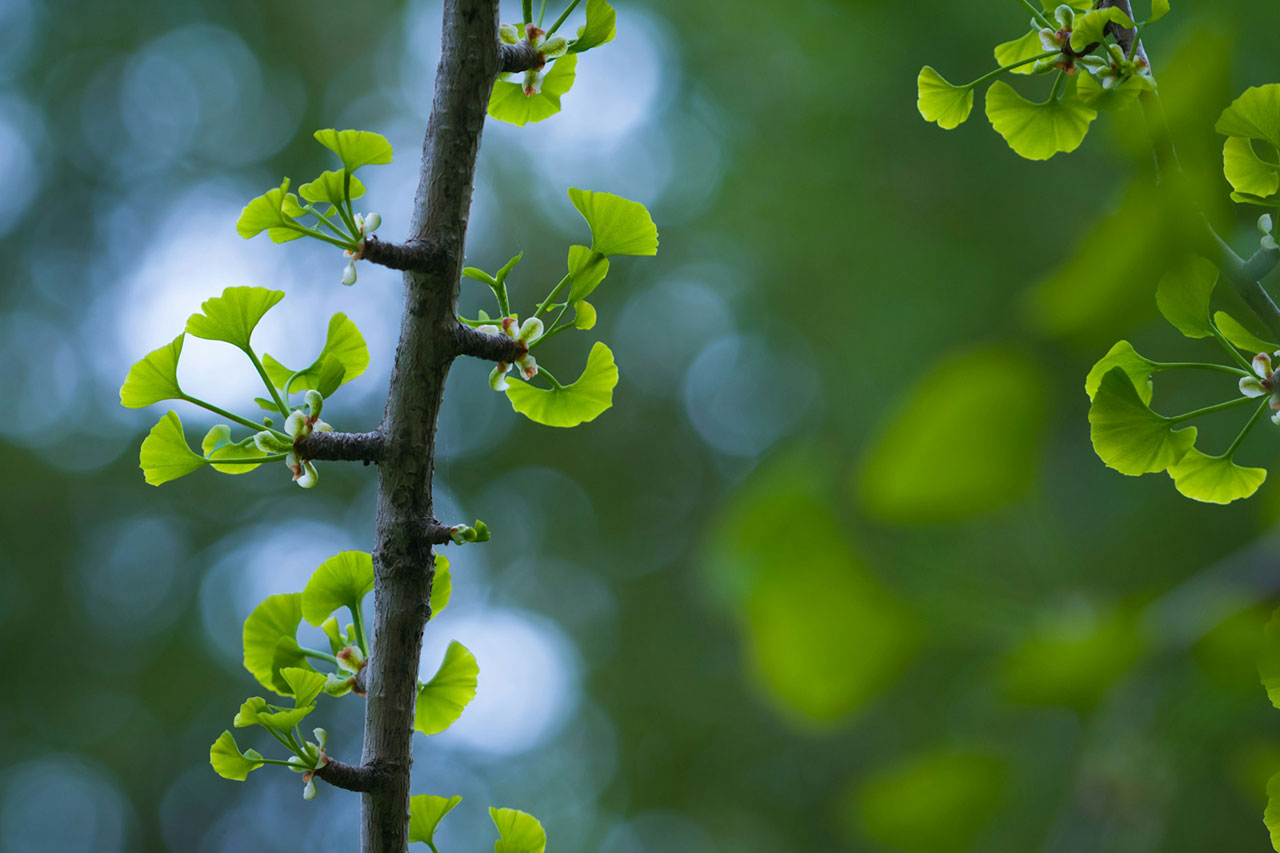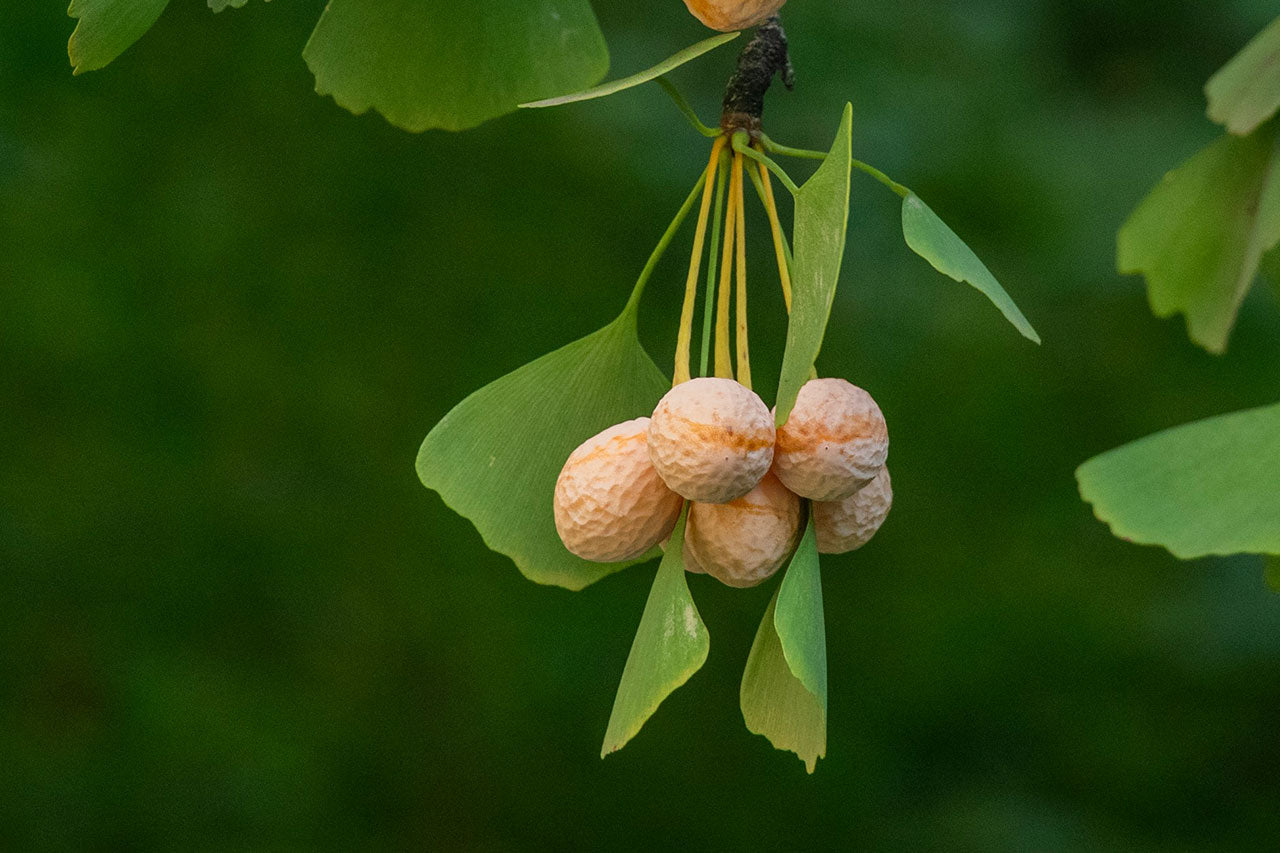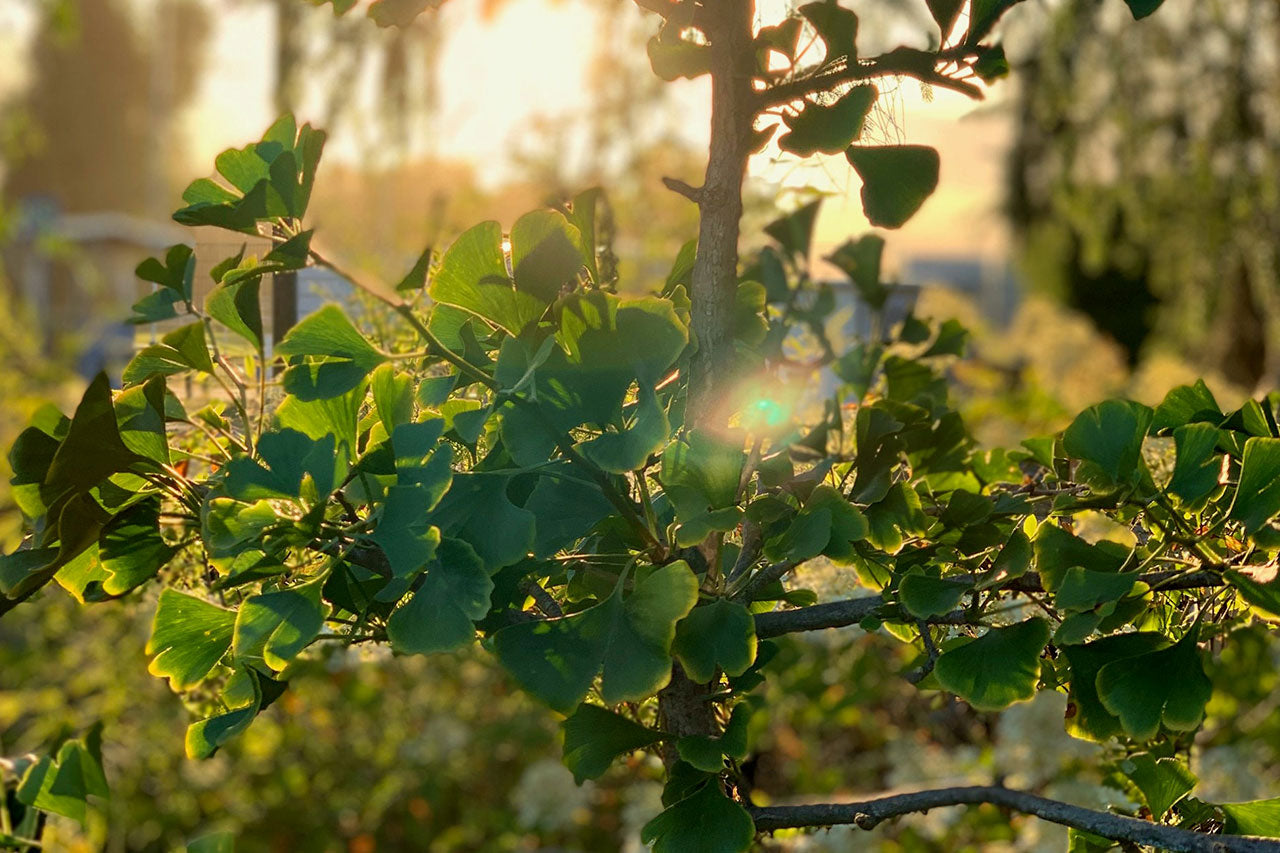

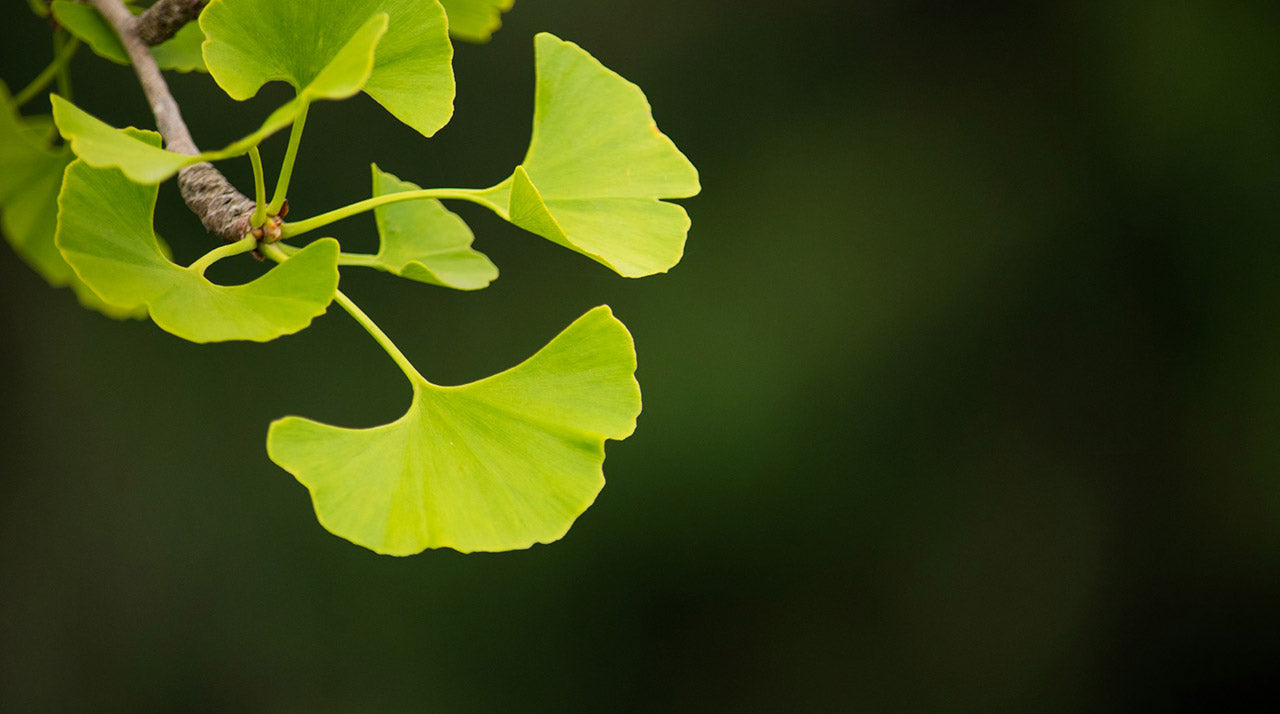
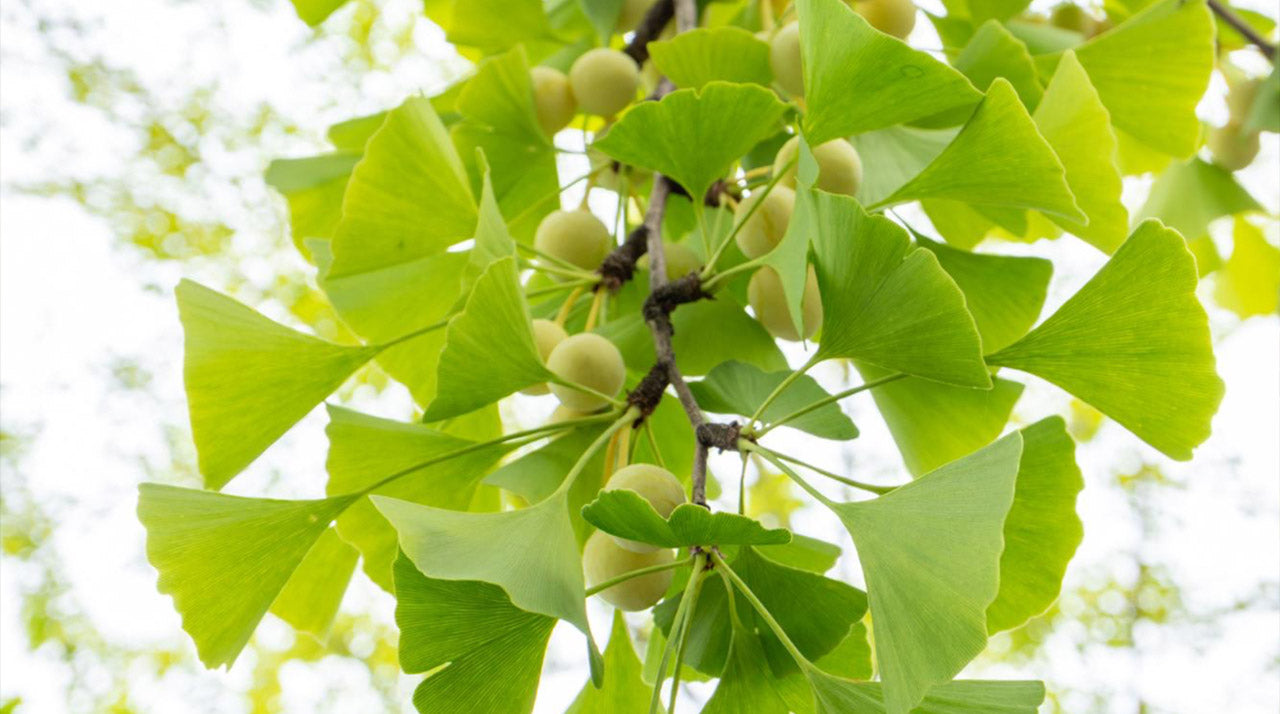
From spring onwards, Ginkgo carries its history in its leaves. Each one is shaped like a little fan, with fine veins fanning out from the stem in a way quite unlike most other garden trees. In early season the fresh green leaves look almost delicate, fluttering in the breeze; by high summer they form a serene, layered canopy that filters light beautifully. Up close, the pattern of veins and the subtle texture of each fan invite a closer look, making this a tree you really want near a path or seating area.
Common name: Maidenhair Tree.
Latin name: Ginkgo.
Size in UK gardens: Often 6–10m tall and 3–5m wide over many years; some forms stay more slender, and size can be managed with thoughtful pruning.
Best position: A sunny, reasonably open spot with enough room for its graceful crown to develop without crowding buildings or other trees.
Soil: Most well‑drained garden soils, ideally deep and reasonably fertile; happiest where winter waterlogging is avoided.
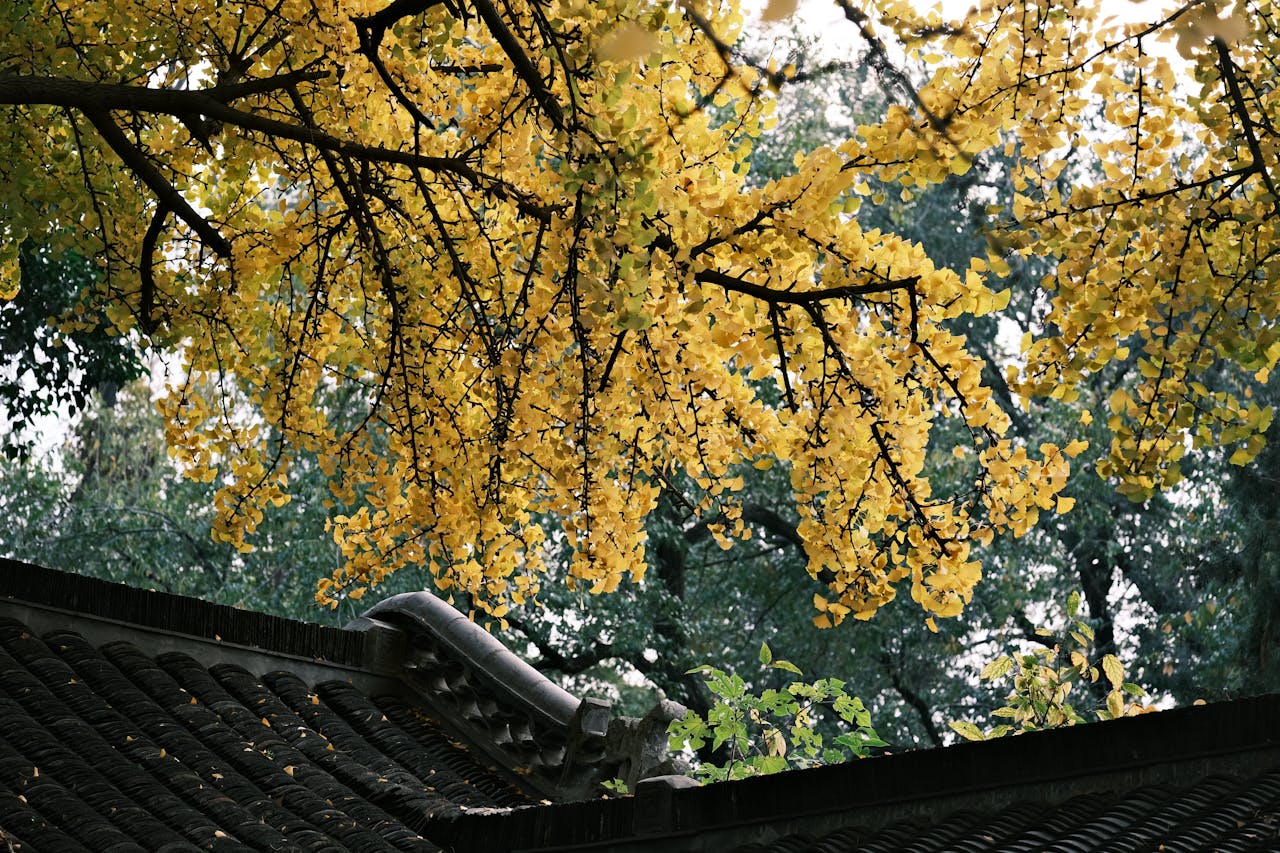
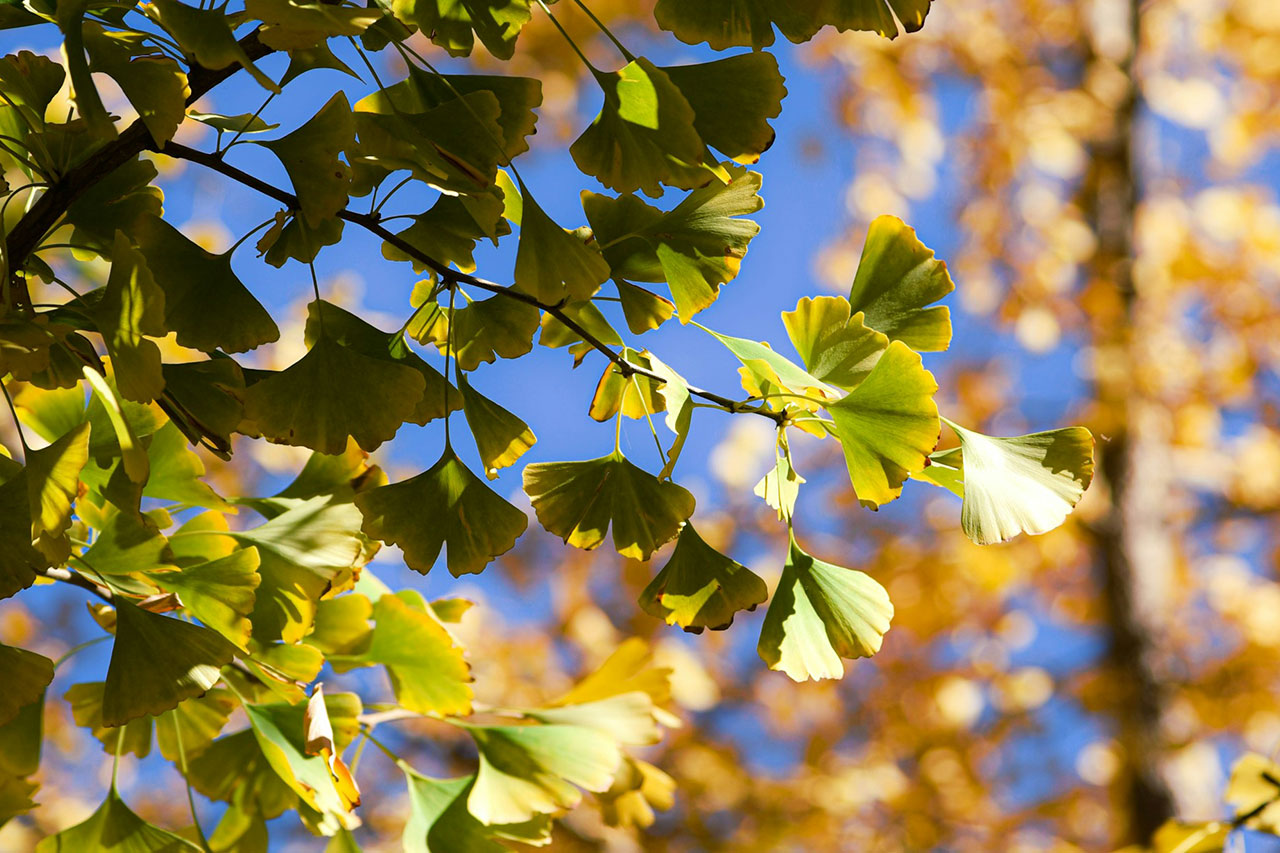
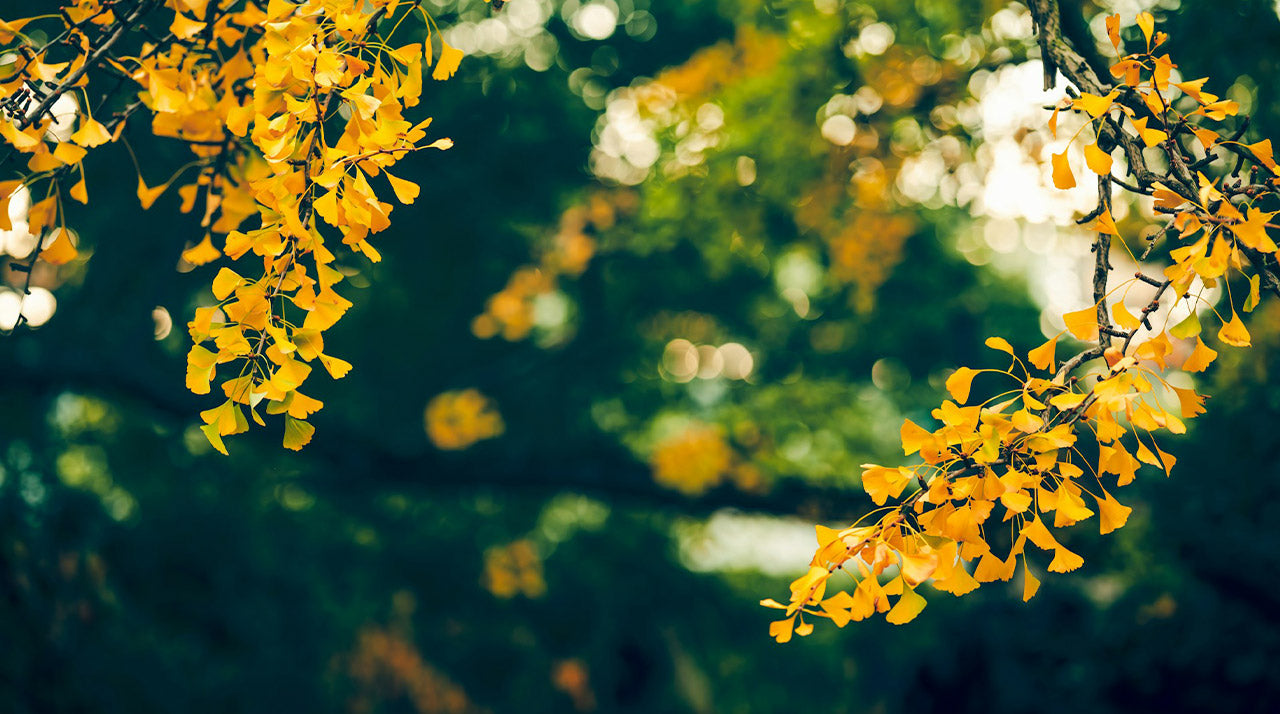
Main interest: Distinctive fan‑shaped leaves that turn a glorious clear yellow in autumn, plus an elegant winter outline and ancient heritage.
Fragrance: Leaves and flowers are usually not noticeably scented; fallen fruits on female trees can smell unpleasant if allowed to ripen on the ground.
Hardiness: Fully hardy throughout the UK, including inland areas such as Cambridgeshire and East Anglia, once established.
Care level: Moderate; very tough and tolerant once settled, but needs a well‑chosen position and occasional light pruning as it matures.

The Simpson’s team raises the majority of our trees here at the nursery. For varieties outside our own production, we work with independent local growers we trust - all chosen for UK climate suitability.
Planting time: As a container‑grown tree, Ginkgo can be planted in most months when the soil isn’t frozen or waterlogged, with spring and autumn usually the most comfortable times for new roots to settle.
Watering: Water regularly in the first few years, especially in dry spells, so the root system can establish deeply. Mature trees in the ground usually only need extra water in prolonged drought.
Feeding: In decent garden soil it rarely needs heavy feeding; a mulch of garden compost or well‑rotted manure in spring is generally enough to keep it growing steadily.
Pruning: Needs very little pruning once a good framework is formed; just remove dead, damaged or poorly placed branches, ideally in late summer or winter. Avoid frequent heavy cutting which can spoil its natural shape.
Winter: Fully hardy and leafless in winter, Ginkgo normally requires no special protection in the ground. A mulch over the root area is helpful for young trees in colder or exposed sites.
Availability is always changing, so please check with us if you have a particular variety in mind.


A truly distinctive tree, with fan-shaped leaves arranged like little green butterflies along the branches. The outline is poised and architectural, and in autumn the foliage turns a clear, glowing butter-yellow—often all at once—creating one of the most unforgettable seasonal displays in the garden.
A reliable selection grown for its strong form and that famous ginkgo autumn colour: a pure, luminous yellow that seems to light up from within. The fan-shaped leaves add crisp texture through summer, and the tree makes a superb statement specimen with a clean, composed presence.
A narrow, upright ginkgo with a strong vertical habit—perfect when you want ginkgo character but have limited space. The fan-shaped foliage gives neat texture through summer, then turns brilliant gold in autumn. A superb architectural accent for modern gardens, avenues, and tighter planting spots.