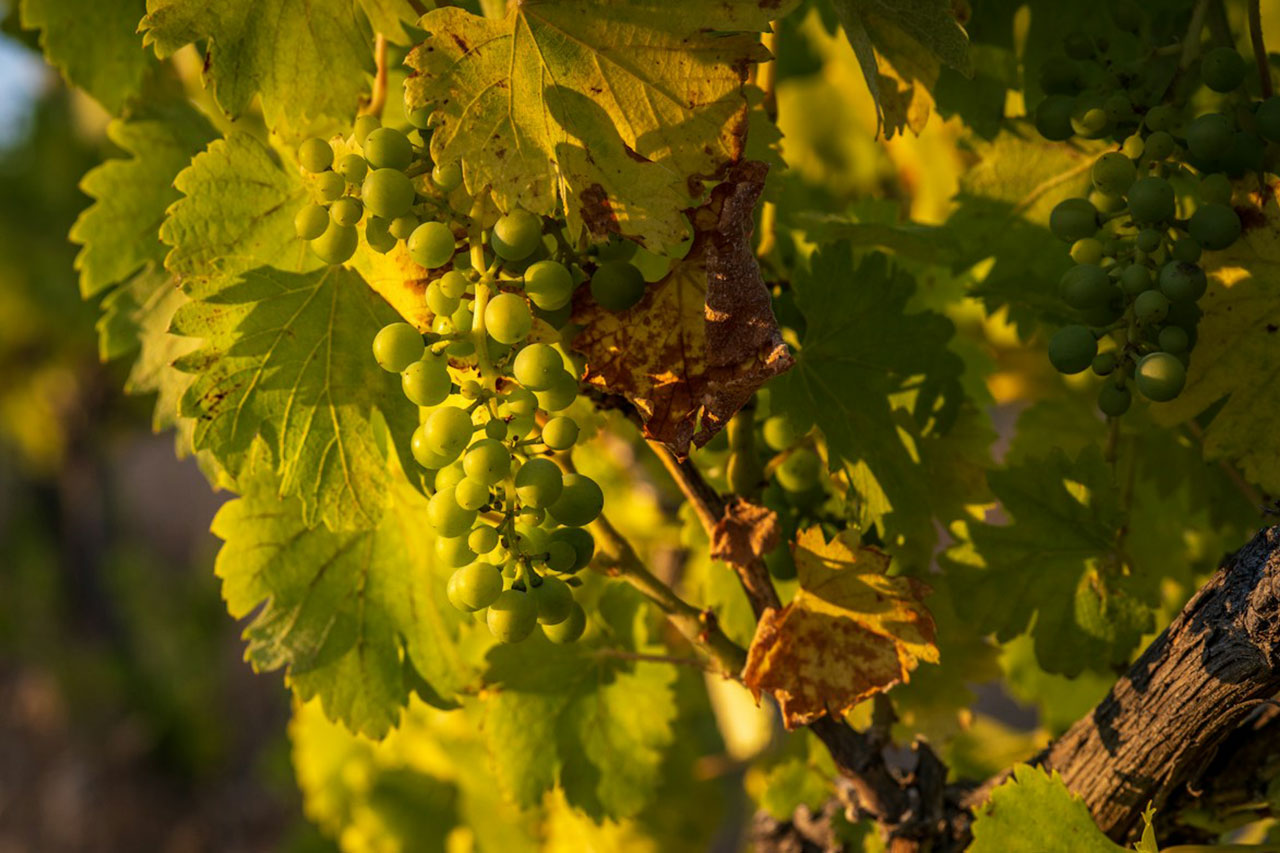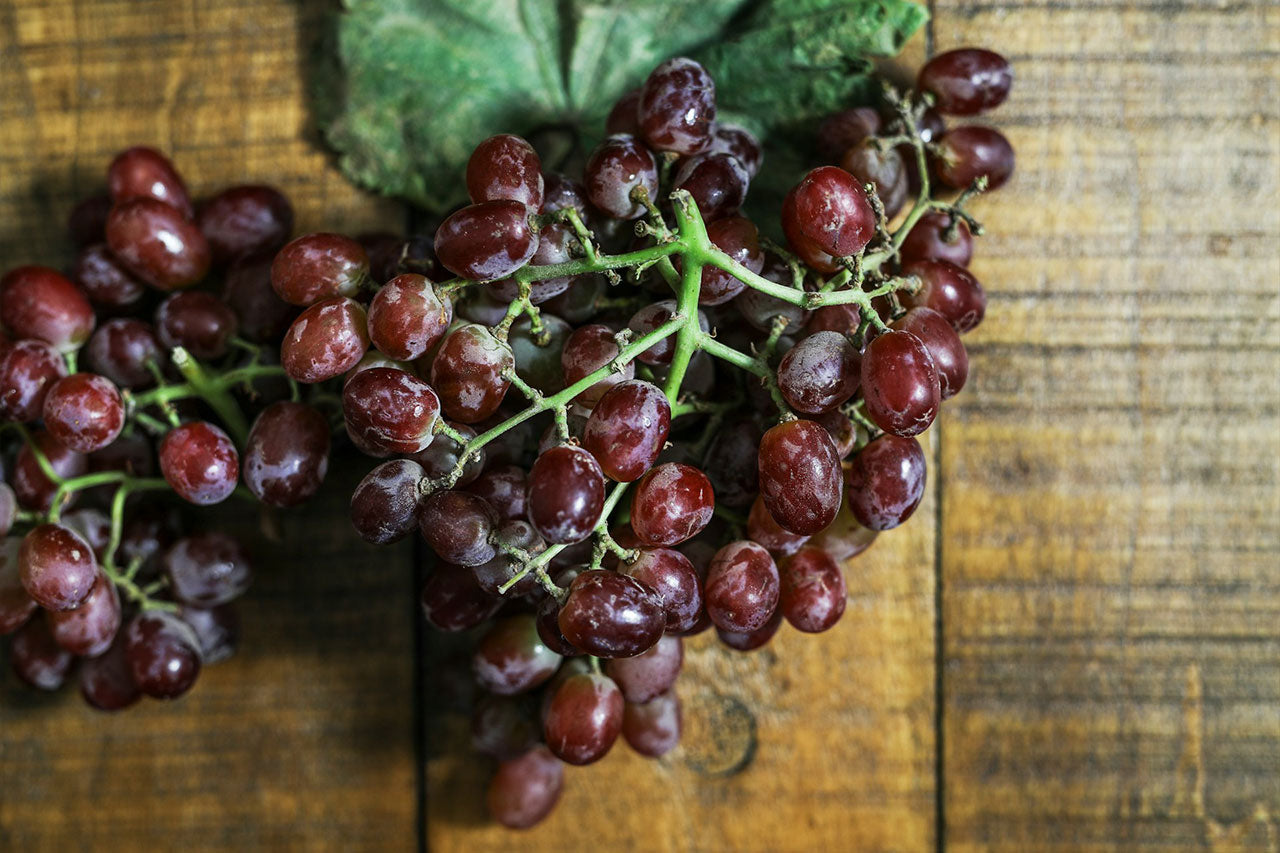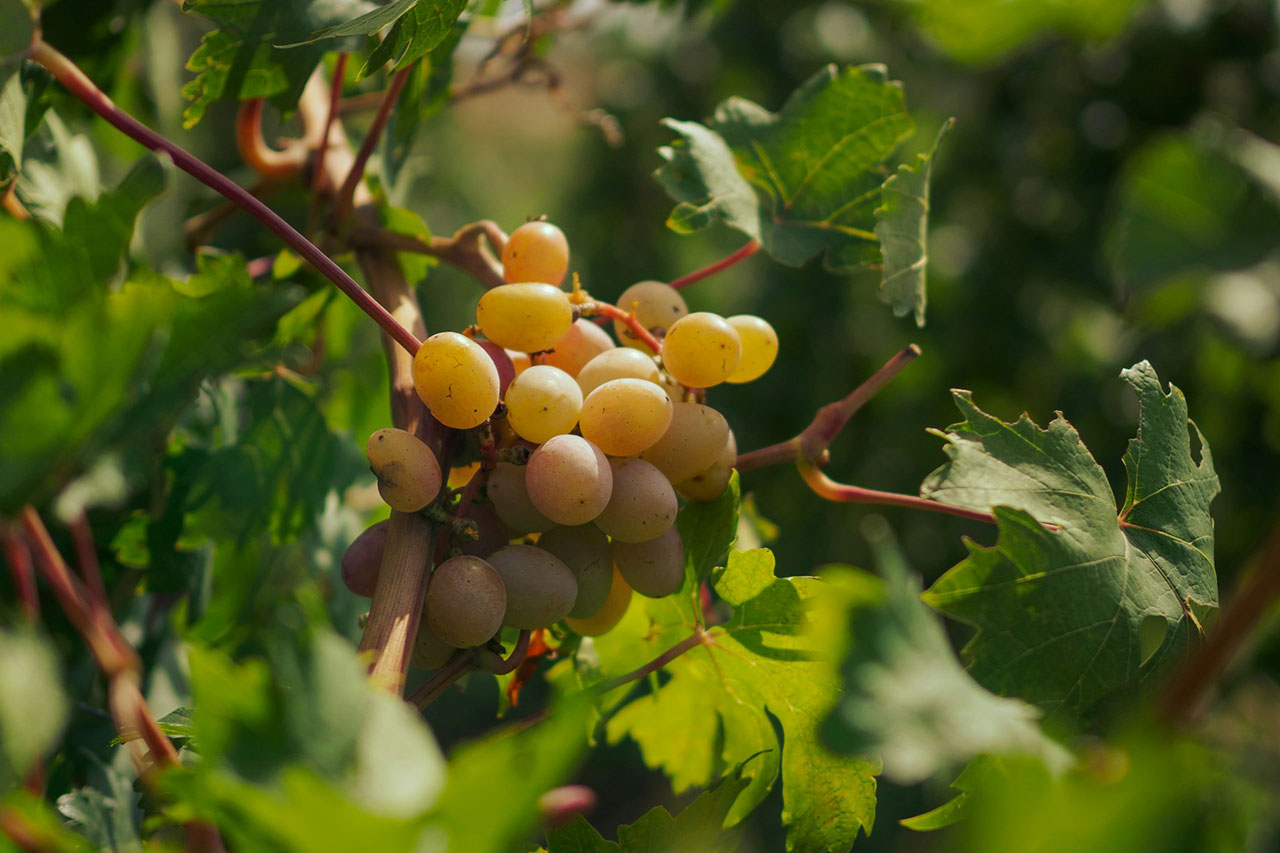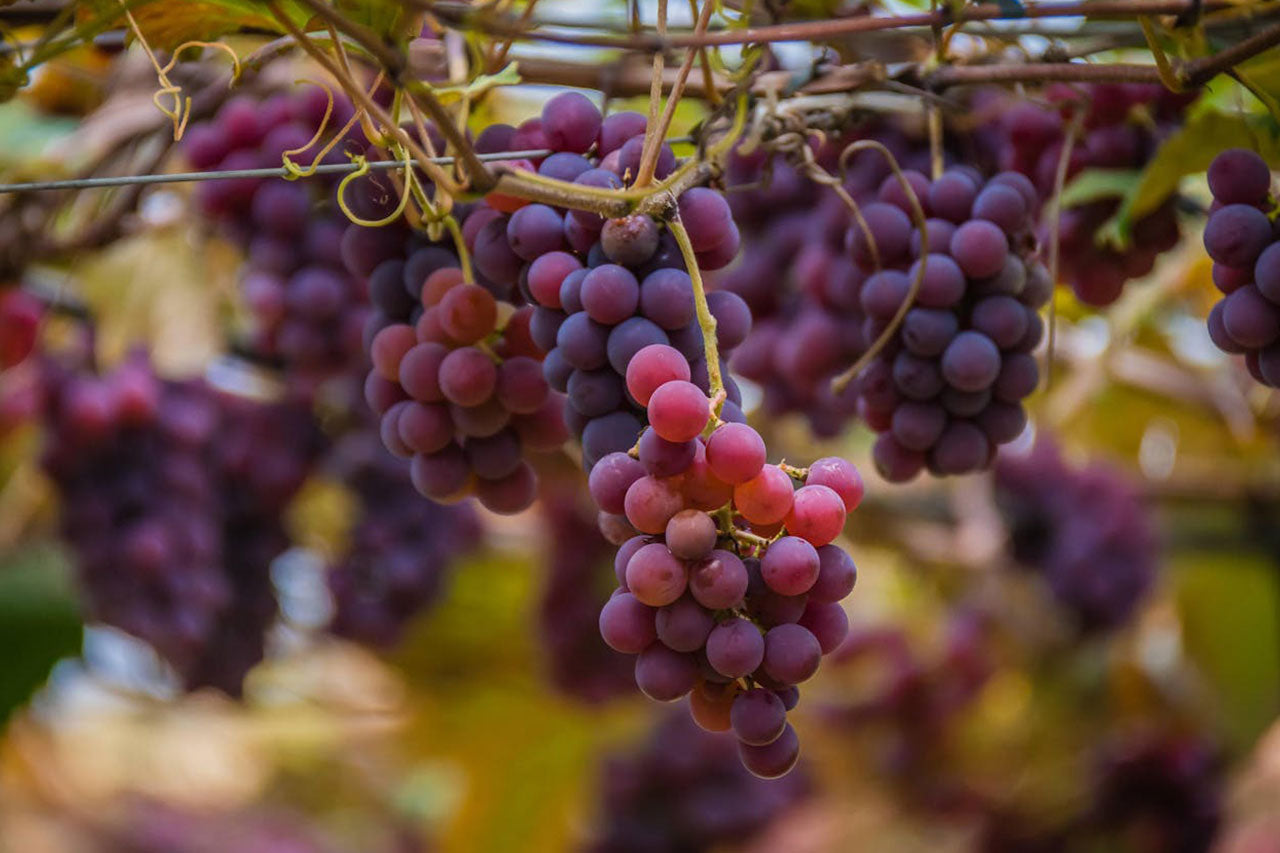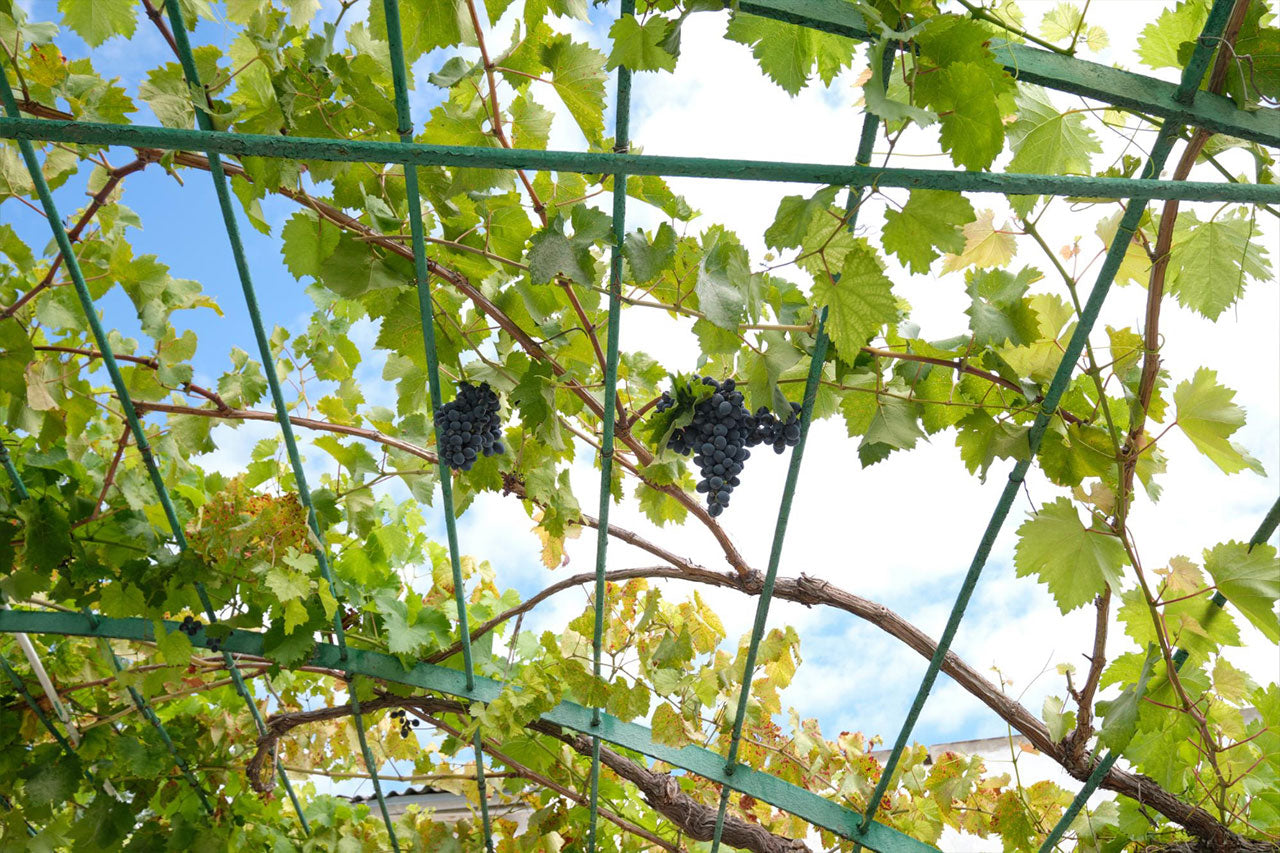

Grape vines (Vitis vinifera and selected hybrids) aren’t just for vineyards or glasshouses – with the right variety and a good, sunny spot, they can crop very nicely in ordinary UK gardens. Small, green‑flowered clusters in late spring swell into proper bunches of grapes that ripen from late summer into early autumn, their flavour shaped by the warmth of the season. Some varieties are best for eating fresh; others suit jam, juice or even a bit of home winemaking. In a typical Cambridgeshire garden, a vine trained against a warm wall can give you a surprisingly generous harvest once it settles in.
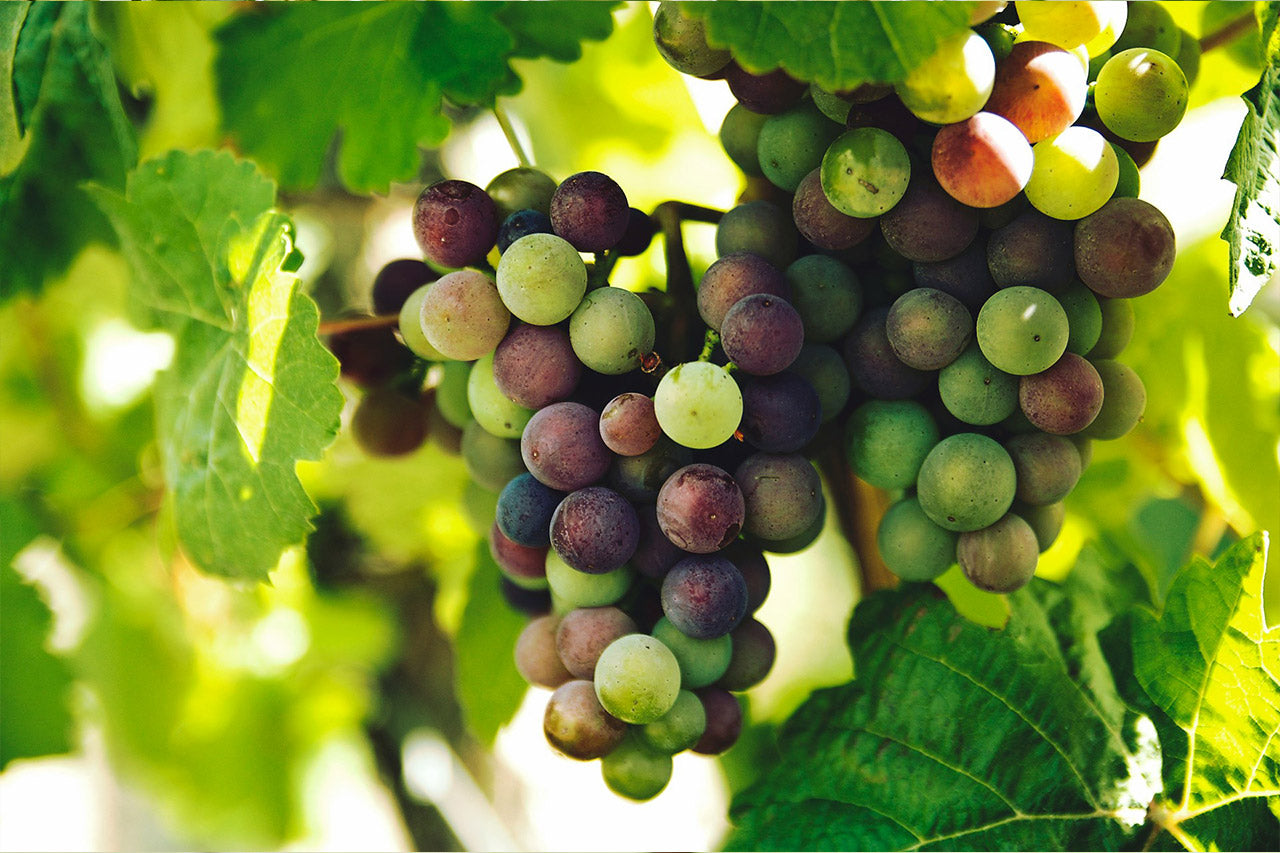

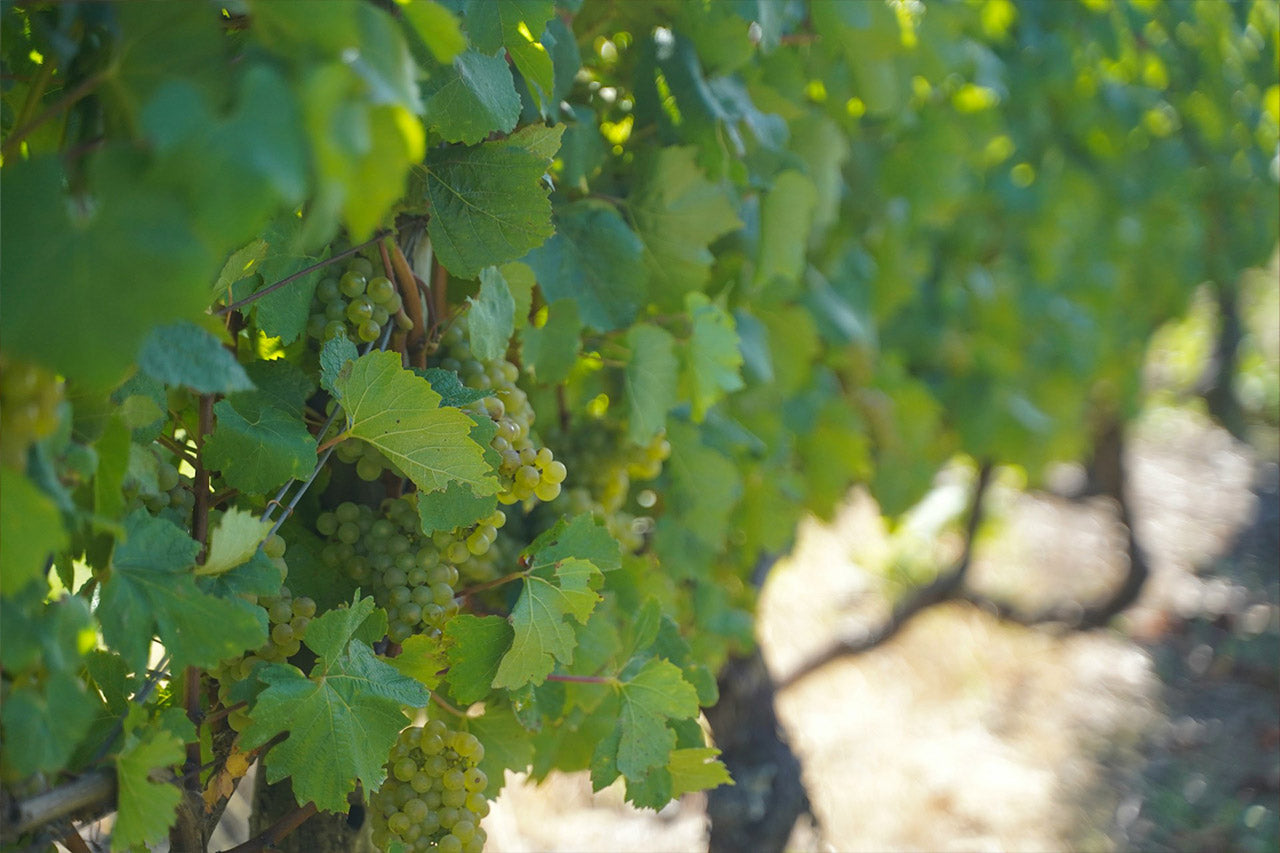
Common name: Grape Vine
Latin name: Vitis vinifera
Size in UK gardens: Typically 2–4m high and 3–6m wide when trained on a wall, fence or pergola; size is easily controlled by pruning and choice of support.
Best position: A warm, sunny, sheltered spot – ideally a south‑ or south‑west‑facing wall, fence or pergola – where the vine can bask in the sun and its roots stay reasonably cool.
Soil: Free‑draining, moderately fertile soil; happy on many garden soils if they don’t sit waterlogged. Often performs well on lighter, stony or gravelly ground once established.
Flowering time: Small, greenish, lightly scented flower clusters in late spring; fruit ripens from late summer into early autumn depending on variety and season.
Fragrance: Flowers have a light, honeyed scent at close range; foliage is not strongly aromatic, but crushed leaves have a distinct “vineyard” aroma.
Hardiness: Many garden varieties are hardy in much of the UK once established, especially in sheltered, sunny spots; young vines and early shoots dislike late frosts.
Care level: Moderate – easy if you can offer sun, shelter and a support, with regular pruning and some attention to watering while fruit swells.

The Simpson’s team raises the majority of our trees here at the nursery. For varieties outside our own production, we work with independent local growers we trust - all chosen for UK climate suitability.
Planting time: As container‑grown plants, grape vines can be planted in most months when the soil isn’t frozen or waterlogged; late autumn and early spring are usually easiest. Bare‑root or field‑grown vines are best planted while dormant, from late autumn to early spring.
Watering: Water regularly for the first year or two so the rootball and surrounding soil don’t dry out, especially in dry, breezy East Anglian weather. Once established in the ground, vines are fairly drought‑tolerant but will crop better with extra water as fruit is swelling in prolonged dry spells.
Feeding: Grapes don’t need very rich soil; over‑feeding with high‑nitrogen fertilisers gives masses of leaf and little fruit. In borders, a spring mulch of compost and a modest balanced feed normally suffice; in pots or very poor soils, a little extra high‑potash feed in late spring supports flowering and fruiting.
Pruning: Vines do need regular pruning – usually a main structural prune in winter plus some summer thinning of shoots and bunches. Once you’ve chosen a training system, stick to it each year so pruning becomes a simple, repeatable pattern.
Winter: Established vines need little winter protection beyond a mulch over the root area in most UK gardens. The main winter job is pruning at the right time; leave any heavy cuts until after leaf‑fall but before sap rises strongly, to reduce the risk of “bleeding”.
Availability is always changing, so please check with us if you have a particular variety in mind.


A magnificent climber grown for sheer drama: huge, bold leaves that make a dense summer screen, then turn blazing scarlet and crimson in autumn. Perfect for quickly clothing a pergola, large fence, or an ugly outbuilding, giving that “instant grown-up garden” feeling in one season.
A gorgeous ornamental grape with leaves that flush and deepen to burgundy-purple, finishing with fiery autumn colour. It’s brilliant for covering a wall or fence where you want foliage to do the work, and the small dark grapes add an extra touch of late-season charm.
A classic white grape for dessert or wine-making, producing generous bunches of yellow-green fruit in early autumn. Lovely trained along a sunny wall or pergola, bringing that vineyard feel to the garden and a rewarding crop when summers are kind.
A time-honoured, richly flavoured grape with big, dark bunches and that wonderfully traditional greenhouse-or-sunny-wall look. It’s ideal when you want a proper old-fashioned vine to clothe a warm position, giving both shade and a generous harvest.


A brilliant all-rounder: reliable, cold-tolerant and well regarded for sweet, juicy black grapes, useful for eating and wine-making. It’s a superb choice for gardeners who want a good crop without too much drama, and it still looks handsome as a leafy summer screen.
A vigorous vine with large bunches of edible blue-black grapes and excellent autumn colour, giving you both fruit and a real seasonal finale. Ideal for covering a fence or pergola where you want shade in summer and a warm, glowing finish as the year turns.
A richly flavoured, golden-yellow dessert grape that brings a wonderfully sunny harvest look late in the season. Perfect against a warm wall or in a big patio pot where you can enjoy the foliage and the fruit together—one of those vines that feels both useful and decorative.
A seedless dessert grape with sweet, pale yellow-green bunches and a lovely muscat note—ideal for eating straight from the vine. A great choice for a sheltered, sunny spot where you want generous crops without pips, and a graceful vine for walls and pergolas.

A very hardy white grape that can crop well outdoors in a sheltered, sunny position, making it a favourite for cooler climates. The pale green grapes are sweet and useful for dessert or wine-making, and the vine gives lovely leafy cover through summer.