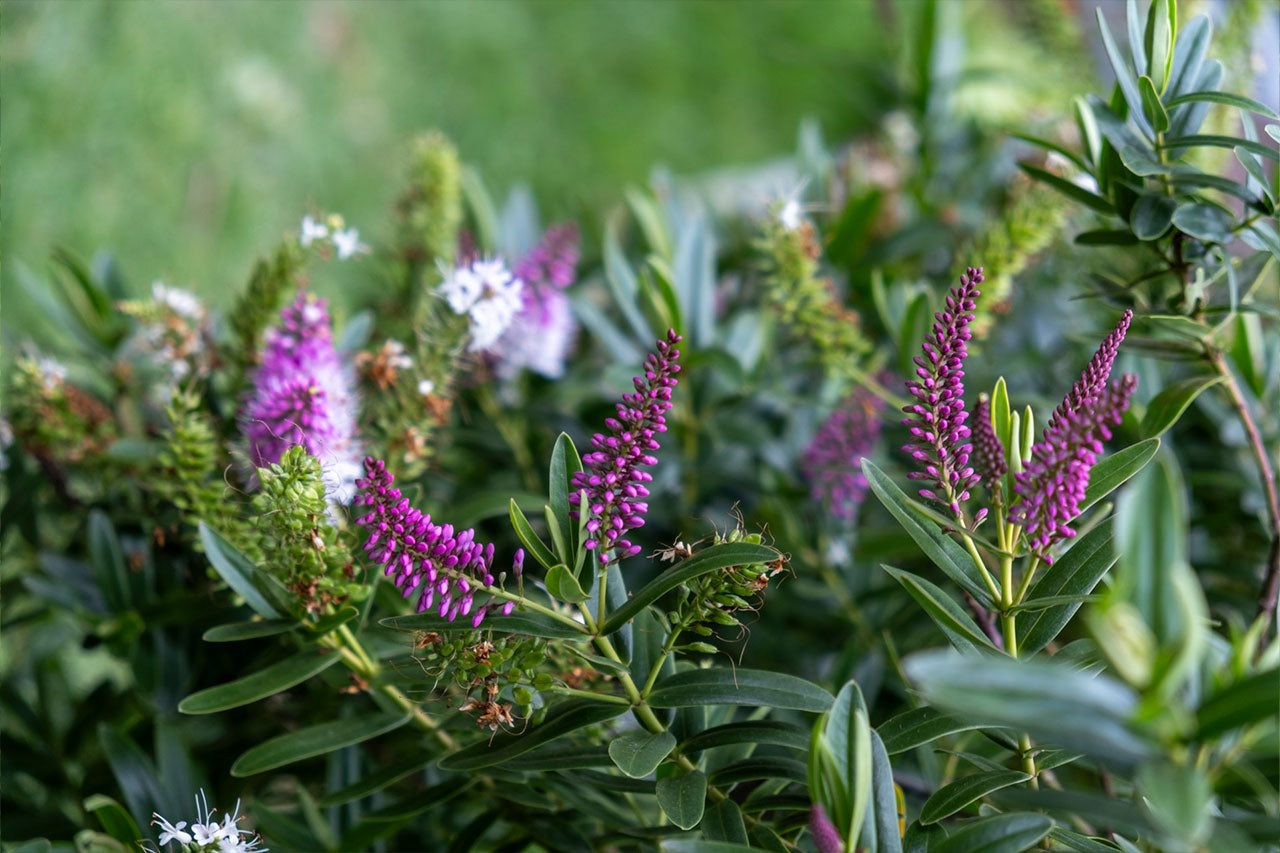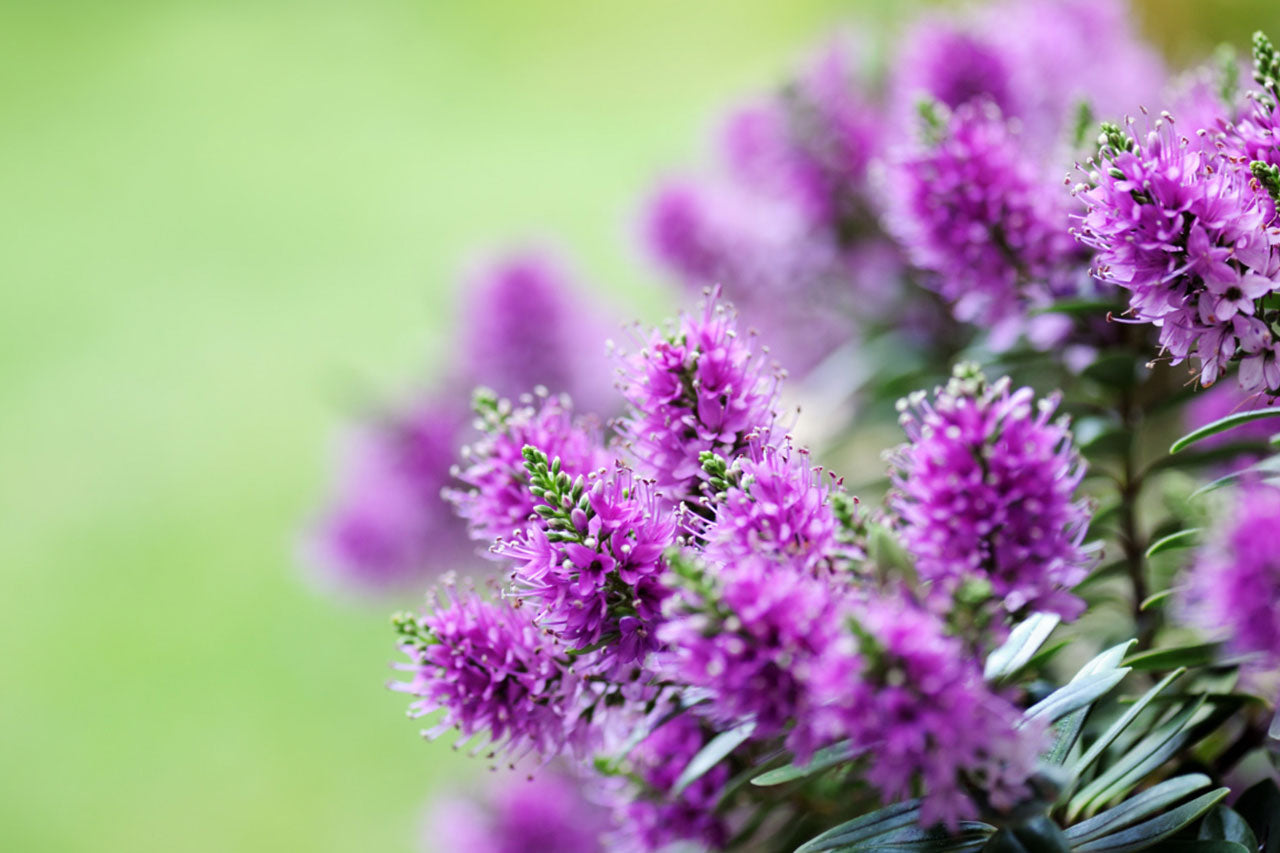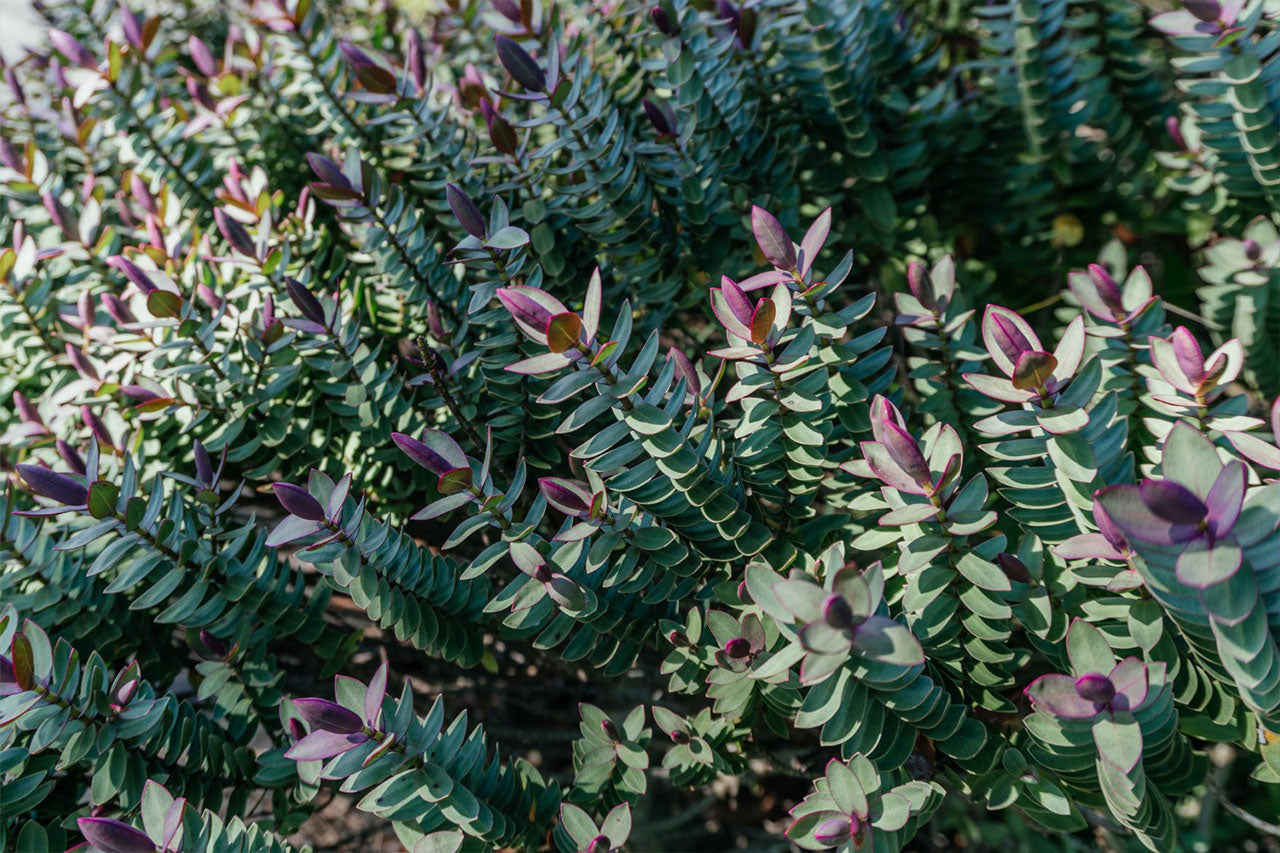

Hebes offer that highly prized combination of being evergreen and yet rarely overwhelming. Their leaves stay on the plant through winter, giving structure and a touch of neatness when many perennials are asleep, but most varieties stay within a sensible 60cm–1.5m range. This makes them ideal for front gardens, small borders and drives where you don’t want big shrubs taking over. Variegated and coloured foliage types are particularly good at brightening dull corners and providing contrast with plainer greens.
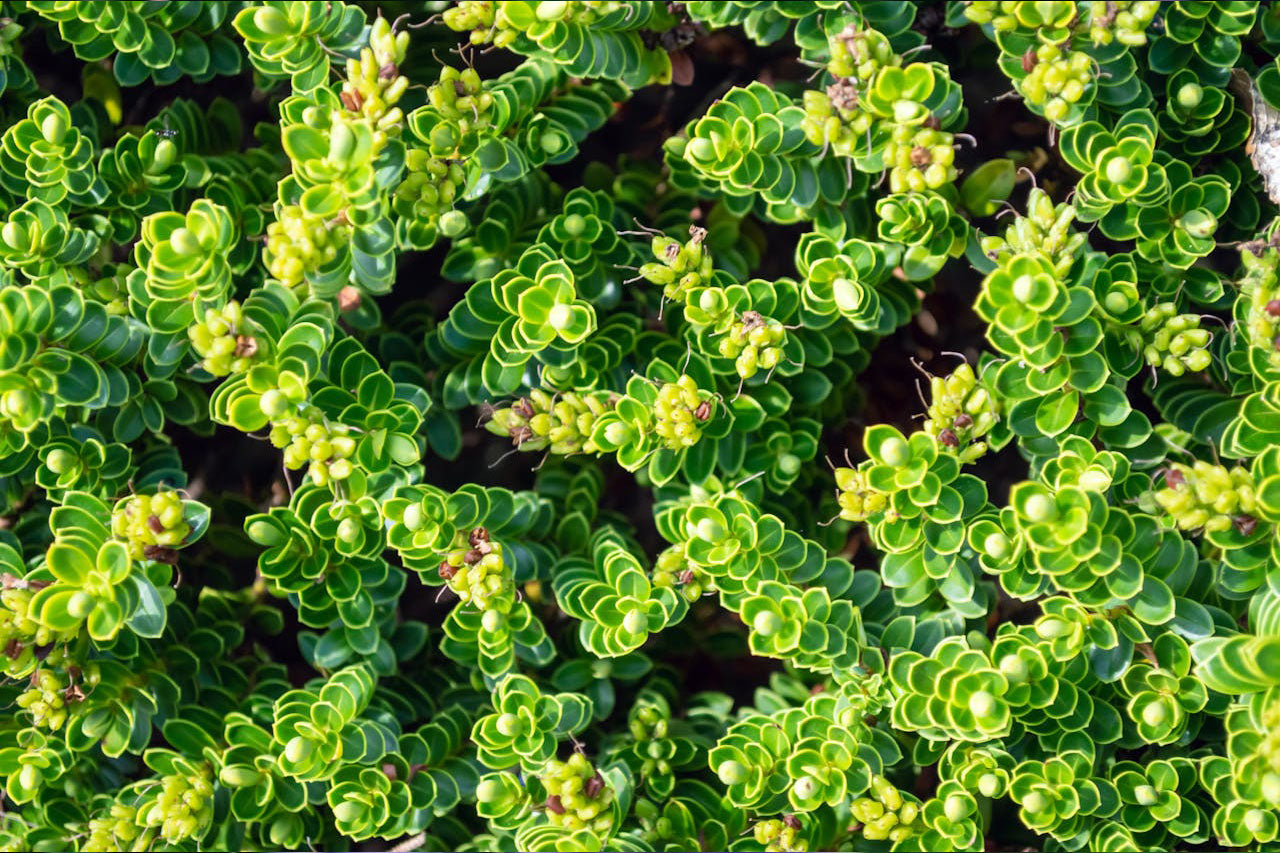
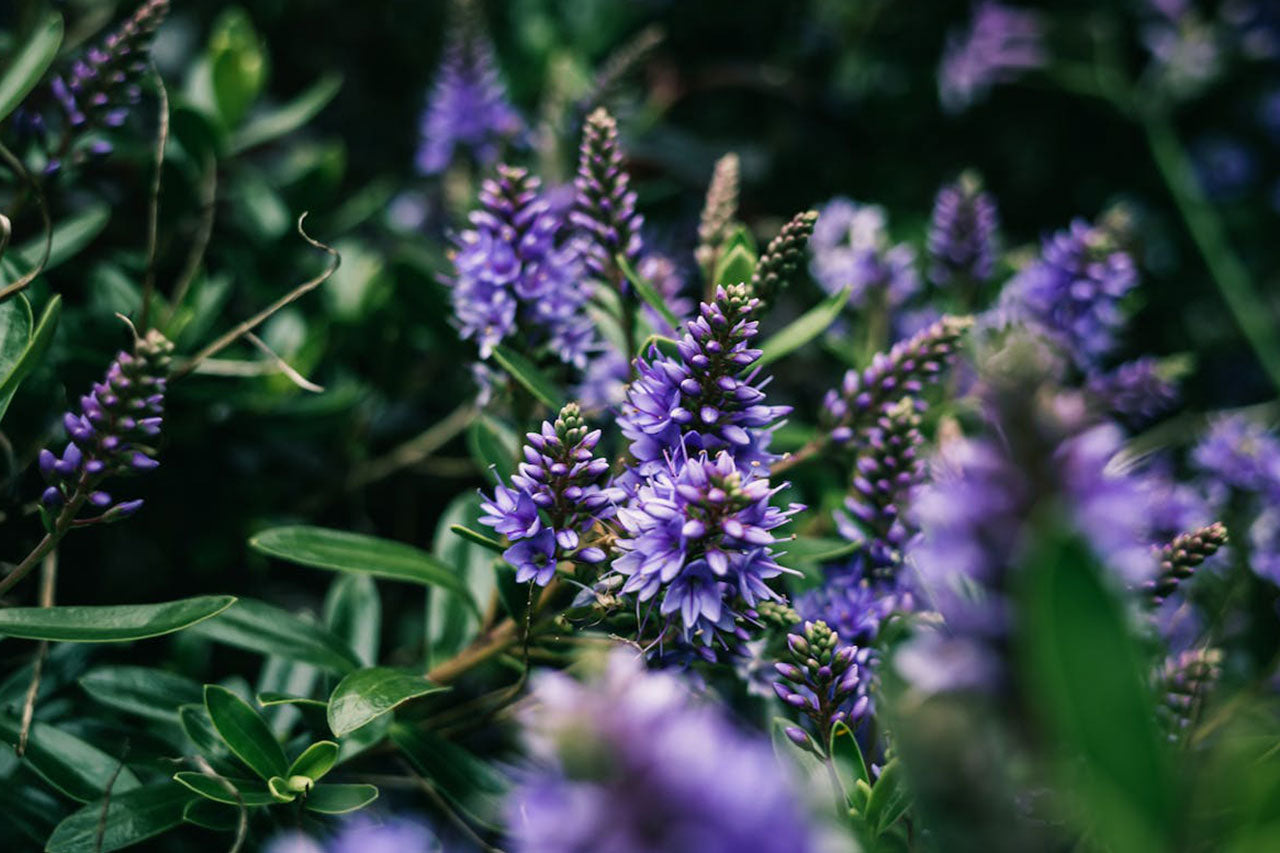
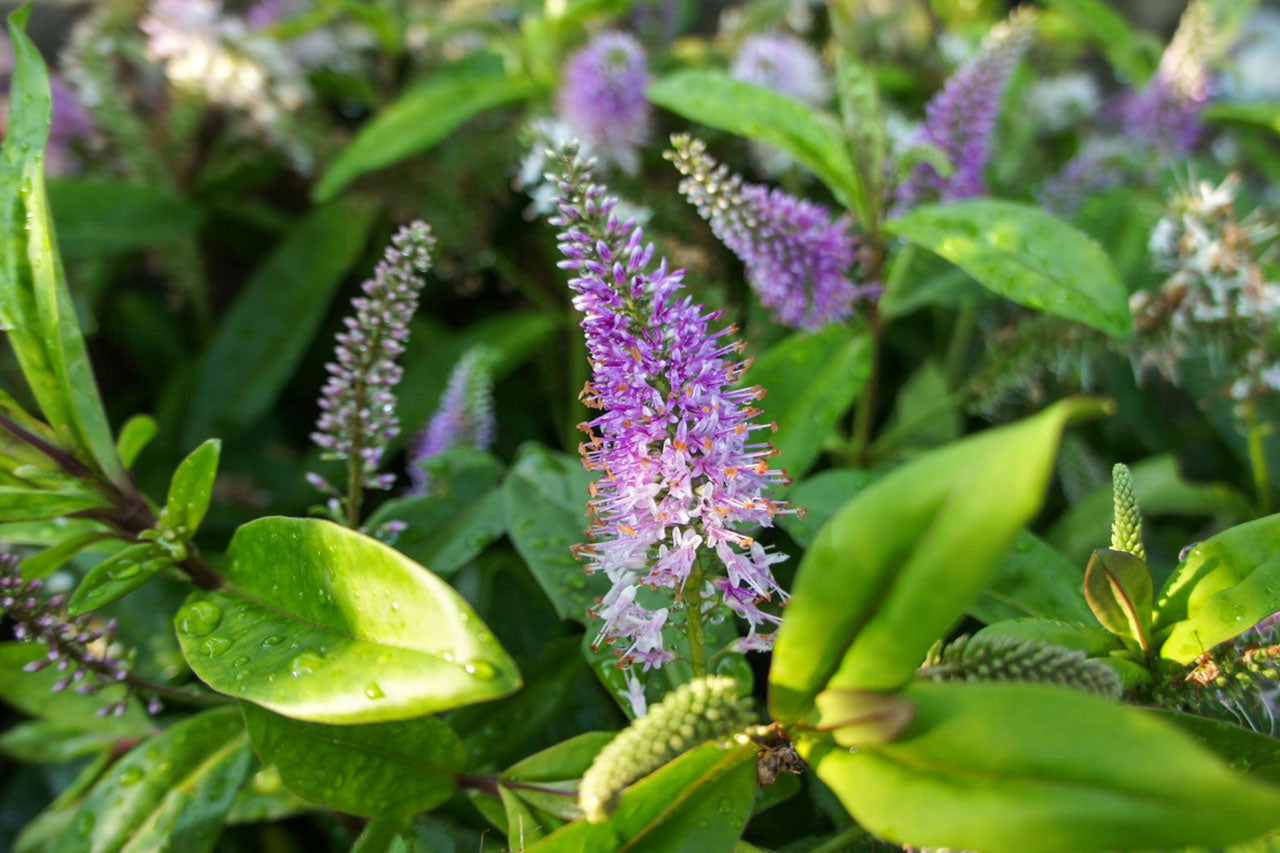
Common name: Shrubby Veronica
Latin name: Hebe and garden cultivars
Size in UK gardens: Most varieties reach around 60cm–1.5m tall and wide in time, with dwarf forms smaller and taller types a little larger.
Best position: A sunny or lightly shaded, reasonably sheltered spot, ideally out of the very coldest winds so foliage and flowers stay neat.
Soil: Moist but free‑draining garden soil, preferably reasonably fertile; dislikes heavy, waterlogged clay or very dry, stony ground with no added organic matter.
Flowering time: Usually summer into early autumn, with many varieties giving a long season of neat flower spikes above evergreen foliage.
Fragrance: Flowers are usually only lightly scented close up; Hebe is grown mainly for colour, shape and all‑year foliage.
Hardiness: Generally hardy in much of the UK, including many Cambridgeshire and East Anglian gardens, though some forms may suffer in severe or very exposed winters.
Care level: Low to moderate; easy once established, needing regular watering in dry spells and light pruning to keep it compact and flowering well.

The Simpson’s team raises the majority of our trees here at the nursery. For varieties outside our own production, we work with independent local growers we trust - all chosen for UK climate suitability.
Planting time: As container‑grown shrubs, Hebes can be planted in most months when the soil isn’t frozen or waterlogged, with spring and autumn usually the easiest times for them to establish.
Watering: Water regularly in the first growing season, especially in dry weather and on sandy soils. Once established in the ground, they usually only need extra watering during prolonged dry spells.
Feeding: A light mulch of garden compost in spring helps keep the soil in good condition. On poorer soils or in pots, a modest application of balanced fertiliser in spring will support strong, flowering growth.
Pruning: Lightly trim after the main flush of flowers to remove spent spikes and keep plants bushy. Older, leggy specimens can be gently thinned, but avoid cutting hard into very old wood if possible.
Winter: Most Hebes are hardy enough for normal winters in sheltered spots, though some foliage may scorch in severe cold. A mulch around the base and a little extra shelter for container plants can help them through harder winters.
Availability is always changing, so please check with us if you have a particular variety in mind.
A poised, garden-friendly hebe with a tidy evergreen outline that gives borders reliable structure all year. It’s ideal for pots and front-of-border planting, where the neat habit keeps everything looking well kept, and the flowers add a gentle seasonal flourish without ever feeling over the top.
A hebe with real richness—colour and presence that feels a touch more special than the everyday greens. It’s excellent in pots where you can appreciate it up close, and in sunny borders where it brings evergreen structure with a more decorative, “designed” finish through the seasons.
A smart, well-mannered hebe that’s easy to place and always looks presentable. Perfect for edging, small borders and containers, it provides dependable evergreen shape, with flowers adding a steady seasonal lift. It’s particularly effective repeated through a scheme to create cohesion and rhythm.
Compact and cheerful, with that classic hebe neatness that keeps borders looking tidy even in the quieter months. It’s ideal for pots and front borders, where it provides a low evergreen framework and a pleasing flowering display in season. A very easy plant to live with.
A naturally refined, small-leaved hebe with a fine texture that suits modern planting beautifully. It’s excellent for low structure and edging, especially in sunny, free-draining borders and gravel gardens. The compact habit keeps things neat, and it works best in small groups for a softer effect.
A neat, evergreen hebe with a slightly more elegant air—tidy, composed, and very useful in borders and containers. It’s perfect near the front of a bed where you want year-round structure without bulk, and it pairs beautifully with grasses and silvery foliage for a clean, contemporary look.
A dependable, well-behaved hebe that brings calm evergreen shape and a steady flowering display without ever looking scruffy. It’s ideal for front borders and pot planting, where it acts as a “stitching” shrub to knit different plants together and keep the scheme looking cared for.
As the name suggests, this has a more refined, well-dressed look—compact, poised and reliably tidy. It’s superb in containers and smaller borders, where the evergreen structure keeps a polished feel year-round, and the flowers add a gentle seasonal highlight rather than a big, brash show.
A lively, decorative hebe with a bit of star quality—showy enough to notice, but still keeping that neat, evergreen discipline. It’s perfect in pots by steps or patios, and near the front of borders where it adds colour and structure in one, without ever becoming unruly.
A classic, garden-ready hebe with a tidy habit that makes it endlessly useful. Ideal for pots and small borders, it provides dependable evergreen structure and a pleasing flowering season. It’s particularly good repeated along a path or bed edge, where it creates a calm, cohesive line.
Richer foliage tones give this one a deeper, more sophisticated feel—excellent when you want contrast among brighter greens. It’s perfect for contemporary borders and pots, where the darker notes look deliberate and polished. Used alongside silvers and grasses, it has a very designer quality.
Compact, tidy and quietly reliable, forming a neat evergreen mound that looks good in every month. It’s ideal for edging, gravel planting and containers, where structure matters as much as flowers. A great choice for repeating through a border to create rhythm without fuss.
A cheerful pink-flowering hebe that brings a soft glow through summer, while keeping the neat evergreen habit that makes hebes so useful. Perfect at the front of borders and in pots where the colour can be enjoyed up close, and especially effective planted in small groups.
A wonderfully named hebe with a richer, more contemporary feel—cool, dark notes in the foliage that add depth and contrast. It’s superb in pots and gravel gardens, pairing beautifully with pale stones, silvers and grasses. Neat and evergreen, it keeps the scheme looking smart year-round.
A true garden stalwart—reliable, evergreen and generous in flower, with a tidy habit that suits borders and containers alike. It’s excellent for providing low structure through winter, then lifting the scheme with a good display in season. A very reassuring plant that simply does its job well.
A bright, golden-leaved hebe that brings year-round colour through the foliage, acting like a little lantern in the border. It’s perfect for pots and front planting, and it looks especially striking beside darker evergreens where the golden tones feel crisp, intentional and wonderfully uplifting.
Soft blush-pink flowers give this hebe a gentle, romantic feel, while the evergreen habit keeps it useful all year. It’s perfect in pots and near the front of borders where you can enjoy the colour up close, and it pairs beautifully with silvers and pale greens for a fresh, refined look.