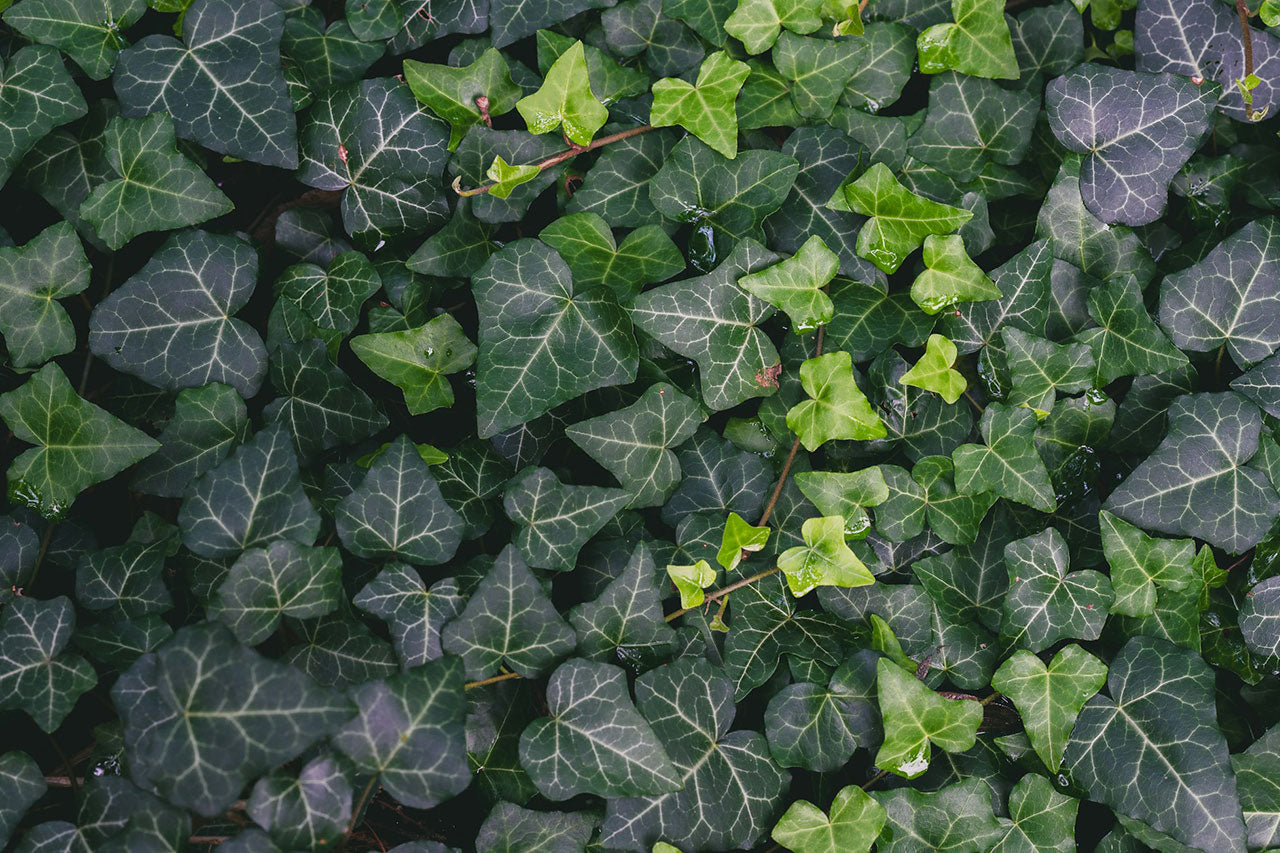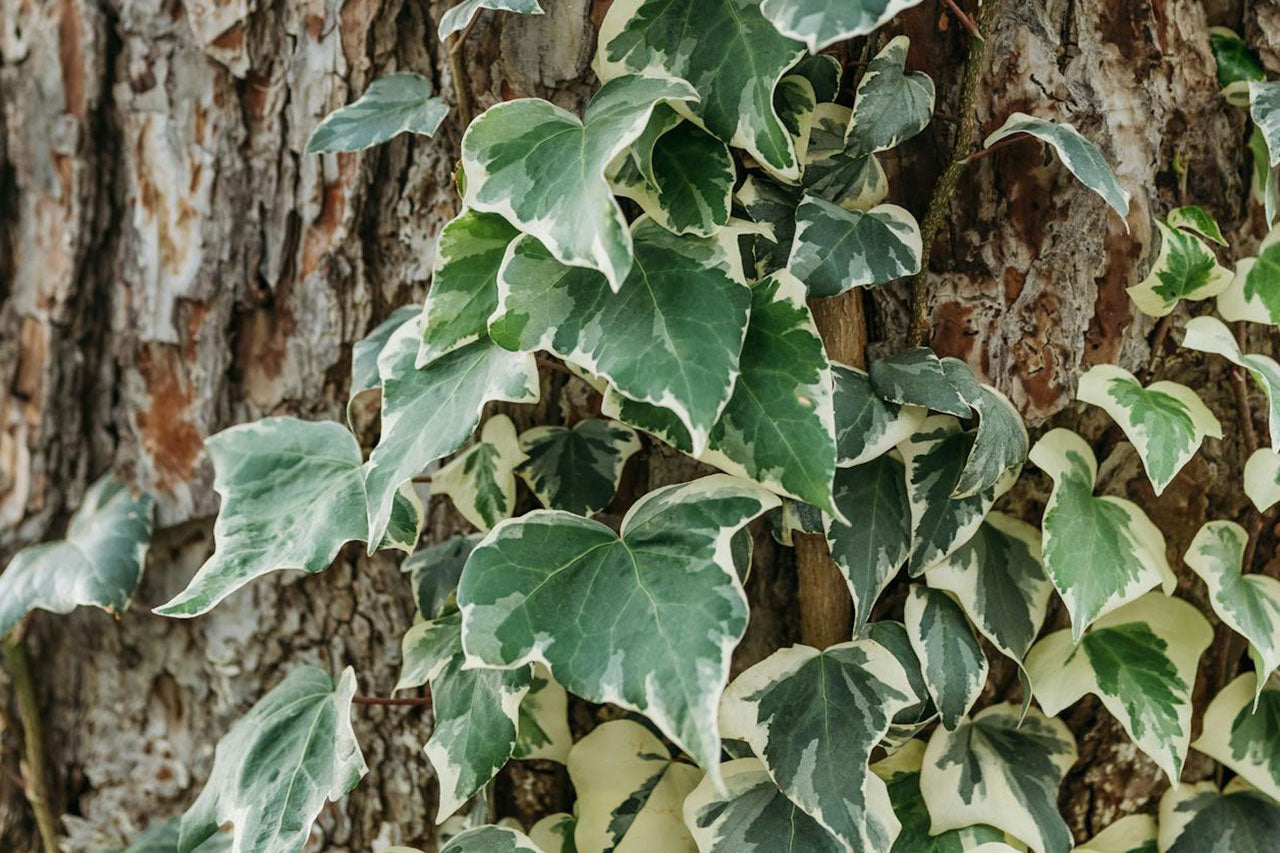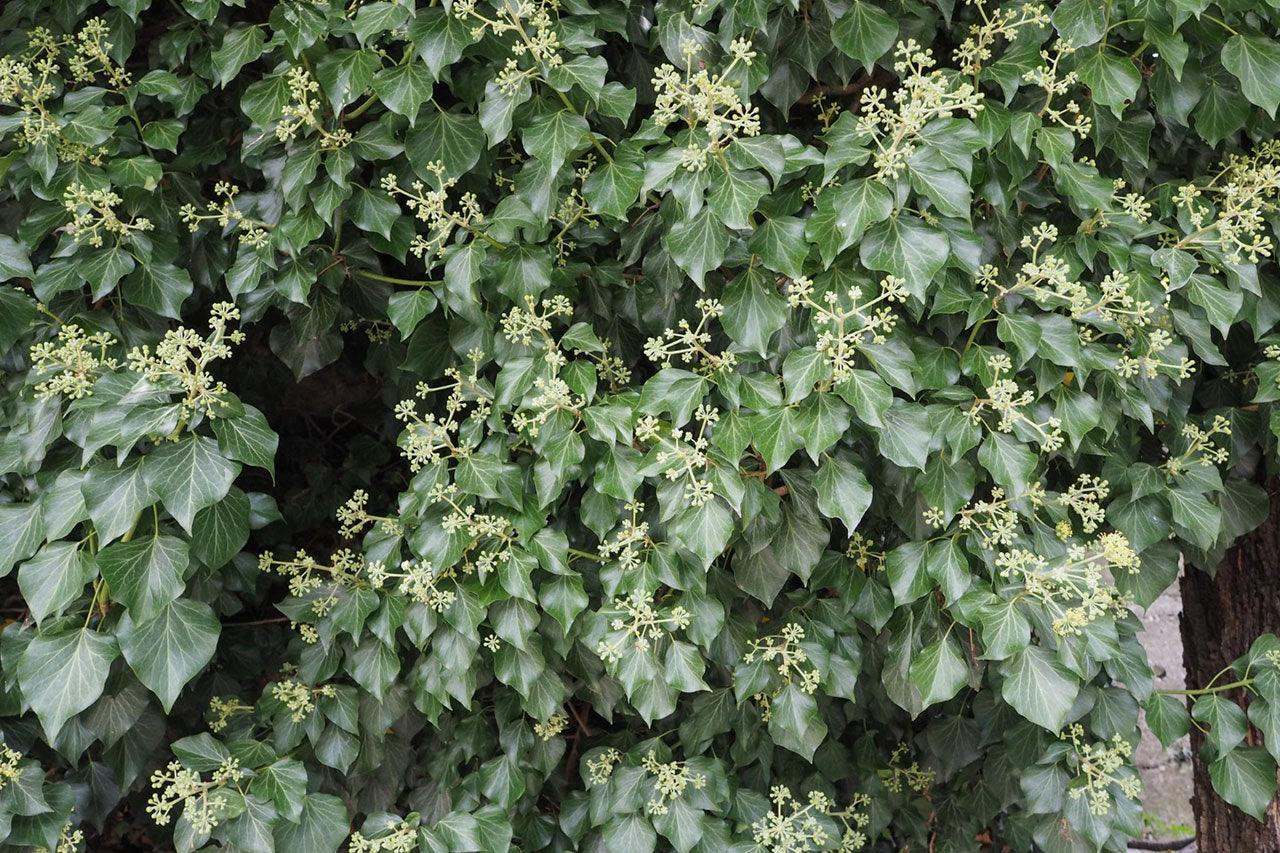

Ivy’s biggest gift to a UK garden is its sheer reliability. Shade‑tolerant, evergreen and long‑lived, it brings year‑round cover to places where many other plants struggle, from north‑facing fences to awkward side passages. The glossy or patterned leaves hold their colour through winter winds, binding together beds, walls and boundaries so the garden never feels completely bare. In a Cambridgeshire or Suffolk plot that can look very flat in winter light, a well‑placed sheet or swag of ivy makes an enormous difference to the overall structure.

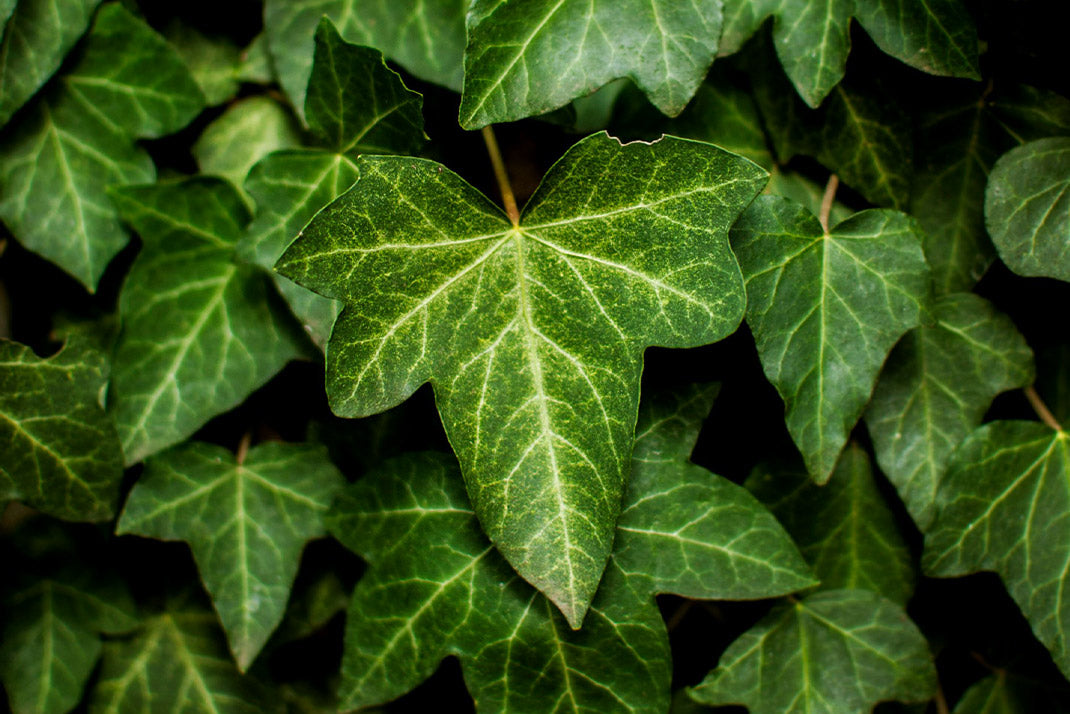
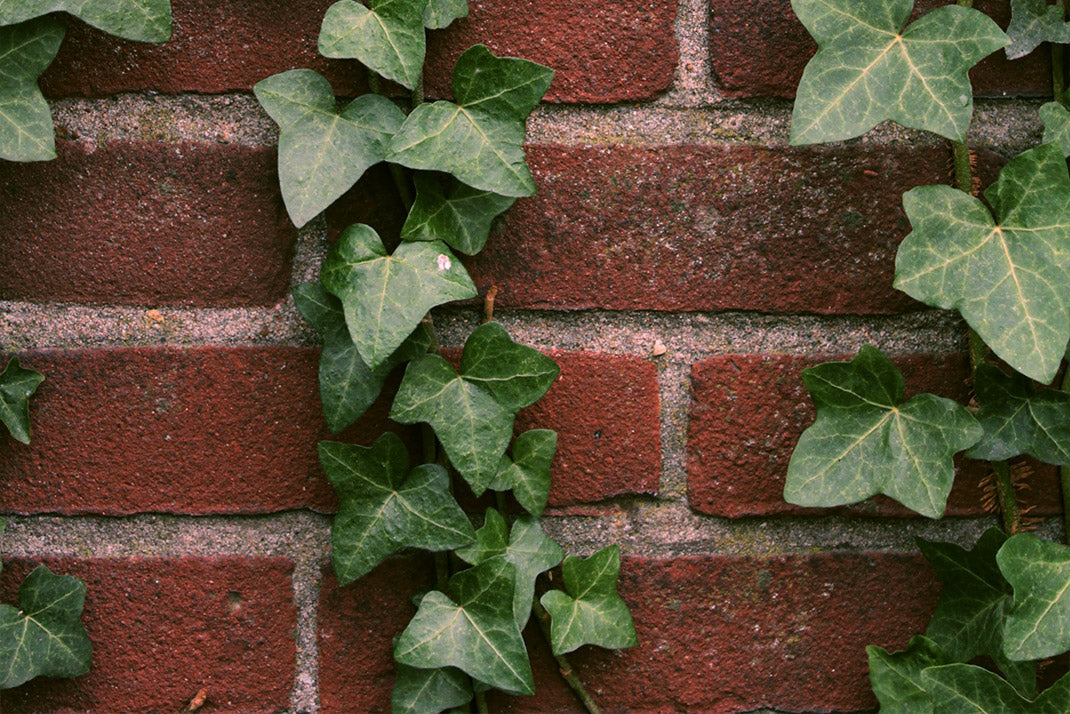
Common name: Ivy, often called English ivy or Persian ivy.
Latin name: Hedera
Size in UK gardens: Typically 3–10m high or more as a climber if left unchecked, or forming dense groundcover 20–50cm high and spreading widely along the soil surface.
Best position: Happy in full sun to full shade; ideal on walls, fences, trees and banks where its roots are cool and moist and its foliage can climb into the light.
Soil: Moderately fertile, moist but well‑drained soil; common ivy favours neutral to alkaline ground, while Persian ivy suits more acidic soils. In pots, a loam‑based compost with a little grit works well.
Flowering time: On mature, sun‑exposed growth, small greenish‑yellow flower heads appear in late summer to autumn, usually September to November, followed by berries in winter.
Hardiness: Fully hardy and evergreen across all UK regions, tolerating frost and winter wet once established.
Care level: Easy – once settled, ivy needs very little beyond occasional pruning to keep it where you want it, making it ideal for low‑maintenance schemes.

The Simpson’s team raises the majority of our trees here at the nursery. For varieties outside our own production, we work with independent local growers we trust - all chosen for UK climate suitability.
Planting time: As container‑grown plants, ivies can be planted almost any time the ground isn’t frozen or waterlogged, though spring and early autumn are usually easiest for root establishment and watering.
Watering: Water well in the first season, especially in dry East Anglian summers or in very free‑draining soils, so the rootball doesn’t dry out. Once established in the ground, ivy usually needs little watering except in prolonged drought or on extreme walls.
Feeding: In average soil ivy rarely needs special feeding; a mulch of garden compost or a light sprinkle of general fertiliser in spring is usually ample, particularly on poor or chalky ground or in containers.
Pruning: Trim back ivy once or twice a year to keep it where you want it, usually in late spring and again in late summer if needed. On walls and fences, clip it away from gutters, windows and rooflines, and thin congested areas occasionally to keep growth healthy.
Winter: No special winter care is needed in the UK – ivy is fully hardy and evergreen. The main winter job is simply to keep an eye on any growth creeping into gutters or under tiles and to tidy it once conditions are safe to work in.
Availability is always changing, so please check with us if you have a particular variety in mind.


A bold, dependable ivy with broad leaves edged in cream, giving instant evergreen cover and a brighter finish. Superb for clothing fences and walls, making a lush backdrop for roses, and trailing from planters to soften hard lines with year-round texture.
A refined, small-leaved ivy with silvery-grey variegation that looks smart and light on the eye. Ideal for neat wall cover, weaving through railings, or spilling from pots, adding cool shimmer, year-round structure, and a crisp, ‘designed’ finish. Ideal for softening hard edges.
A magnificent, large-leaved variegated ivy that makes a statement—green splashed with creamy white, bold and architectural. Brilliant for fast, dramatic wall cover, creating privacy screens, and giving borders a strong evergreen backdrop with real presence.
A bright, well-behaved ivy with neat leaves edged in gold, perfect for lifting vertical spaces without looking heavy. Lovely for walls, trellis panels, and containers, where it gives tidy evergreen structure and a warm, cheerful glow through the whole year.

A classic English ivy with a golden heart to each leaf—bold, cheerful, and wonderfully reliable for evergreen cover. Use it to green walls and fences, underplant shrubs as a living carpet, or trail from pots for a rich, year-round frame.