

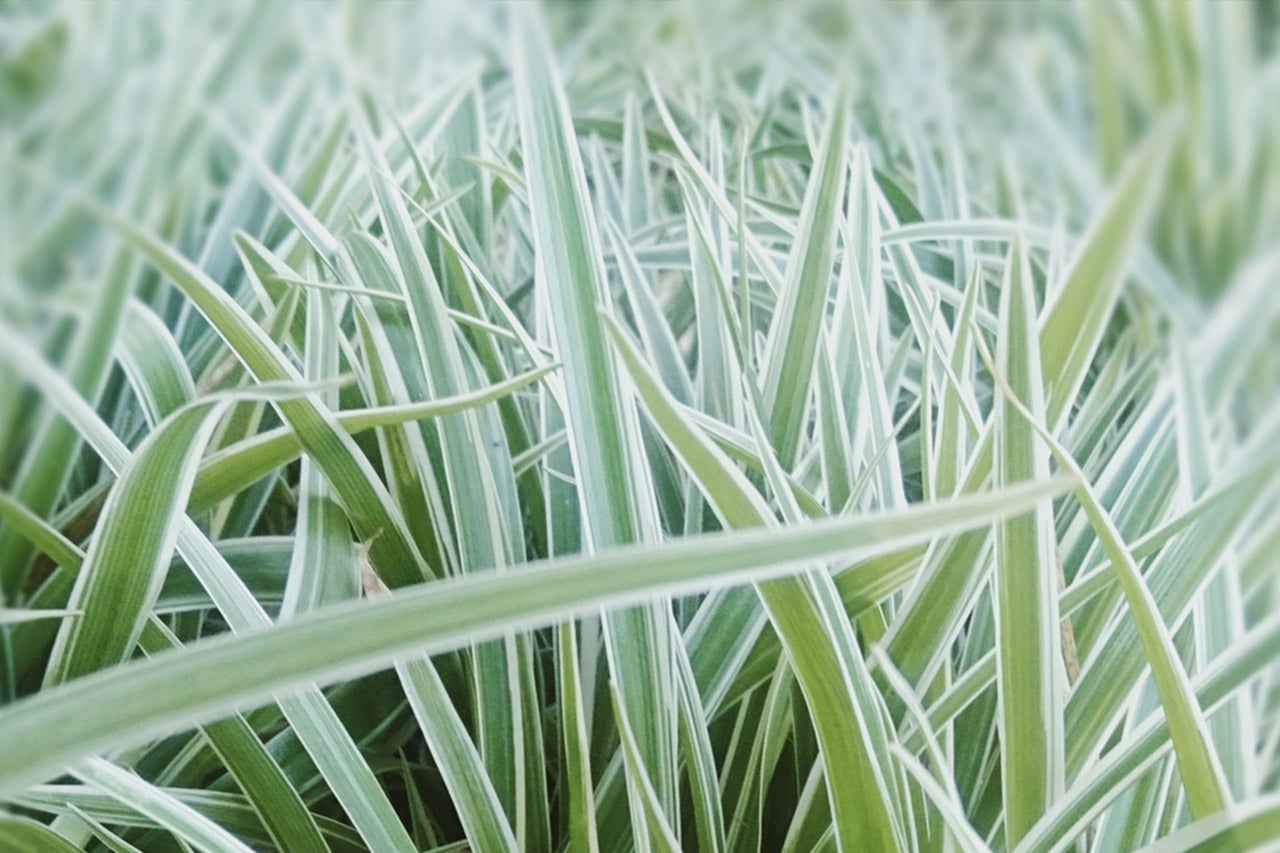
Holcus are all about texture. They form low mounds and merging carpets of very soft foliage, the leaves cream and green with occasional pink tones in colder weather. The blades are pleasant to touch – almost velvety – and the variegation brings light into the darker parts of a bed. In a small front garden or courtyard, just a few clumps tucked under shrubs or beside a path can create that “woodland floor” look without needing deep shade or heavy leaf‑litter. The overall effect is relaxed, informal and quietly pretty.
Common name: Creeping soft grass, velvet grass or creeping velvet grass.
Latin name: Holcus
Size in UK gardens: Typically around 15–30cm tall in foliage, with mats gradually extending 30–60cm or more across if happy and not checked.
Best position: Sun or partial shade in a reasonably open spot; ideal under light canopy, at border edges, or in lightly shaded gravel and raised beds, avoiding full sun on very poor, dry soil.
Soil: Poor to moderately fertile, moist but well‑drained soil, often happiest on neutral to slightly acidic ground; dislikes very chalky, base‑rich soils and prolonged waterlogging.
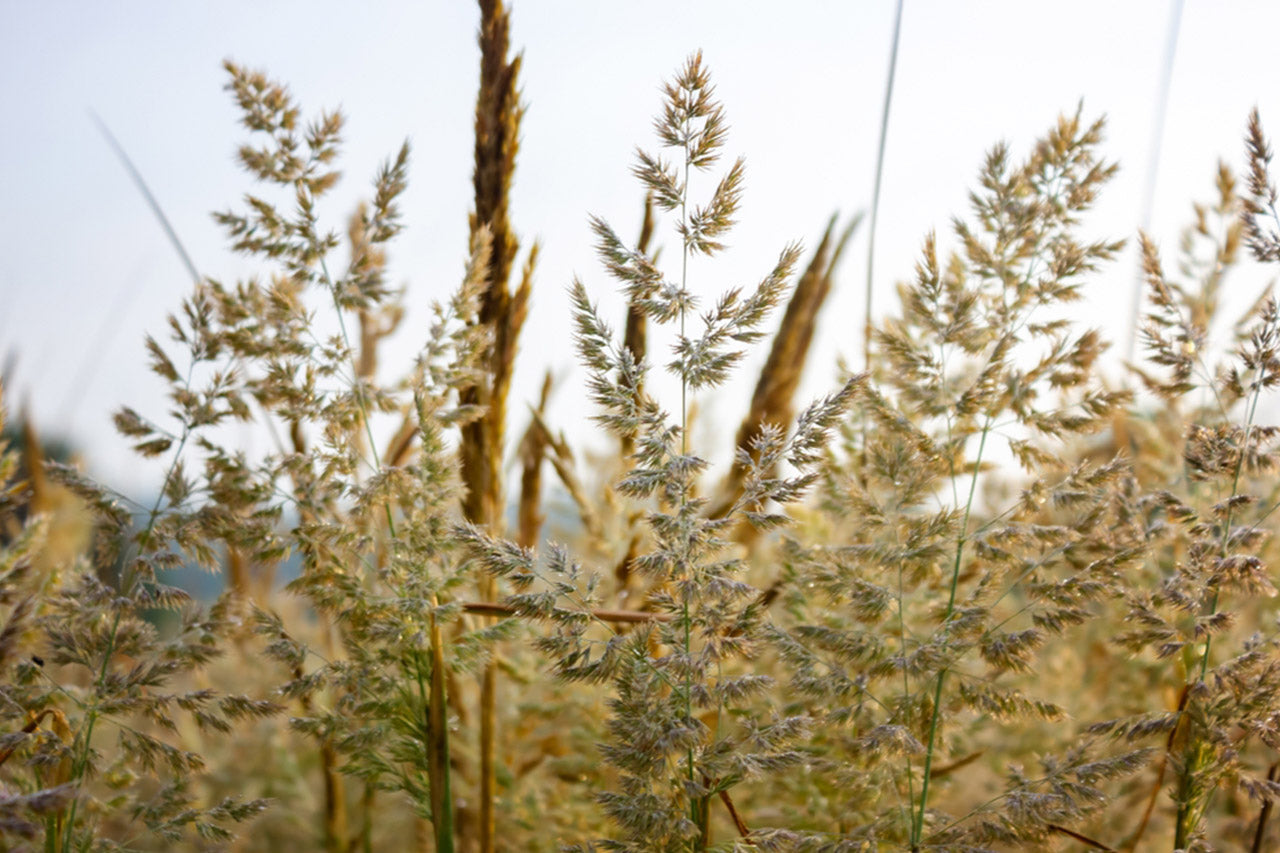
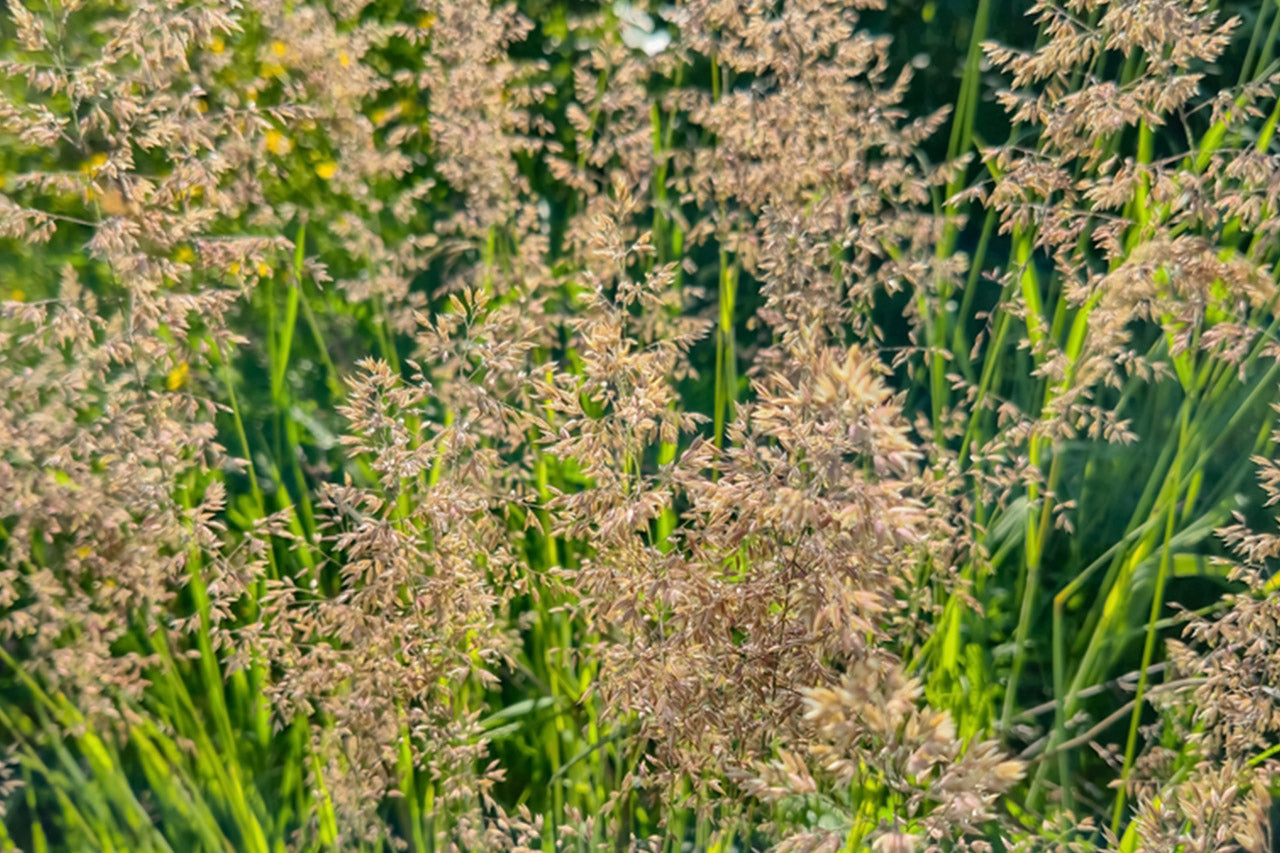
Main interest: Soft, variegated or grey‑green foliage forming low mounds and carpets; dainty summer flowers are a bonus rather than the main show.
Fragrance: Not noticeably scented; grown chiefly for foliage, texture and groundcover.
Hardiness: Hardy throughout the UK (RHS H6), coping well with normal winters if drainage is reasonable.
Care level: Easy to moderate – straightforward if you match it with the right soil and light, though it may need occasional thinning, edging or division.

The Simpson’s team raises the majority of our trees here at the nursery. For varieties outside our own production, we work with independent local growers we trust - all chosen for UK climate suitability.
Planting time: As container‑grown plants, Holcus can be planted in most months when the soil isn’t frozen or waterlogged; spring and early autumn are usually easiest, giving roots time to settle before summer heat or winter cold.
Watering: Water regularly in the first season so the rootball and surrounding soil don’t dry out completely, especially in lighter soils or raised beds. Once established in the ground, creeping soft grass usually copes well with normal dry spells, but may need a little help in very long, hot periods.
Feeding: This grass prefers leaner conditions and doesn’t need heavy feeding. In most gardens, a light mulch of compost or leaf mould in spring is enough to keep it going; avoid rich, high‑nitrogen feeds that can encourage coarse, floppy growth.
Pruning: Tidy clumps in late winter or early spring by combing or lightly shearing away dead and tatty foliage. On tired mats, you can cut back more firmly and allow fresh growth through, or lift and replant younger, healthier pieces.
Winter: In the ground, established Holcus generally needs no special winter protection beyond its mulch and sensible siting on well‑drained soil. Plants in pots are a little more exposed and may appreciate a sheltered spot to avoid waterlogged compost and repeated freezing.