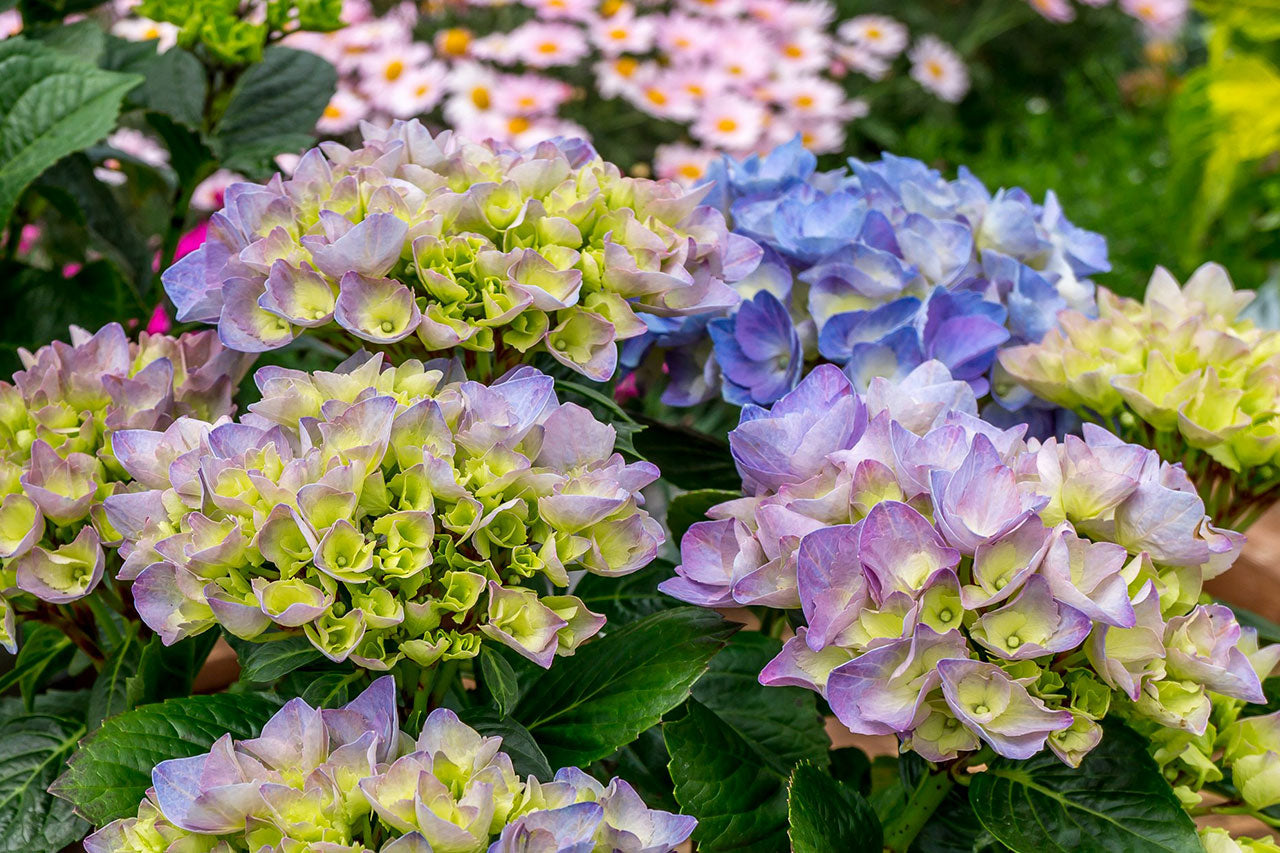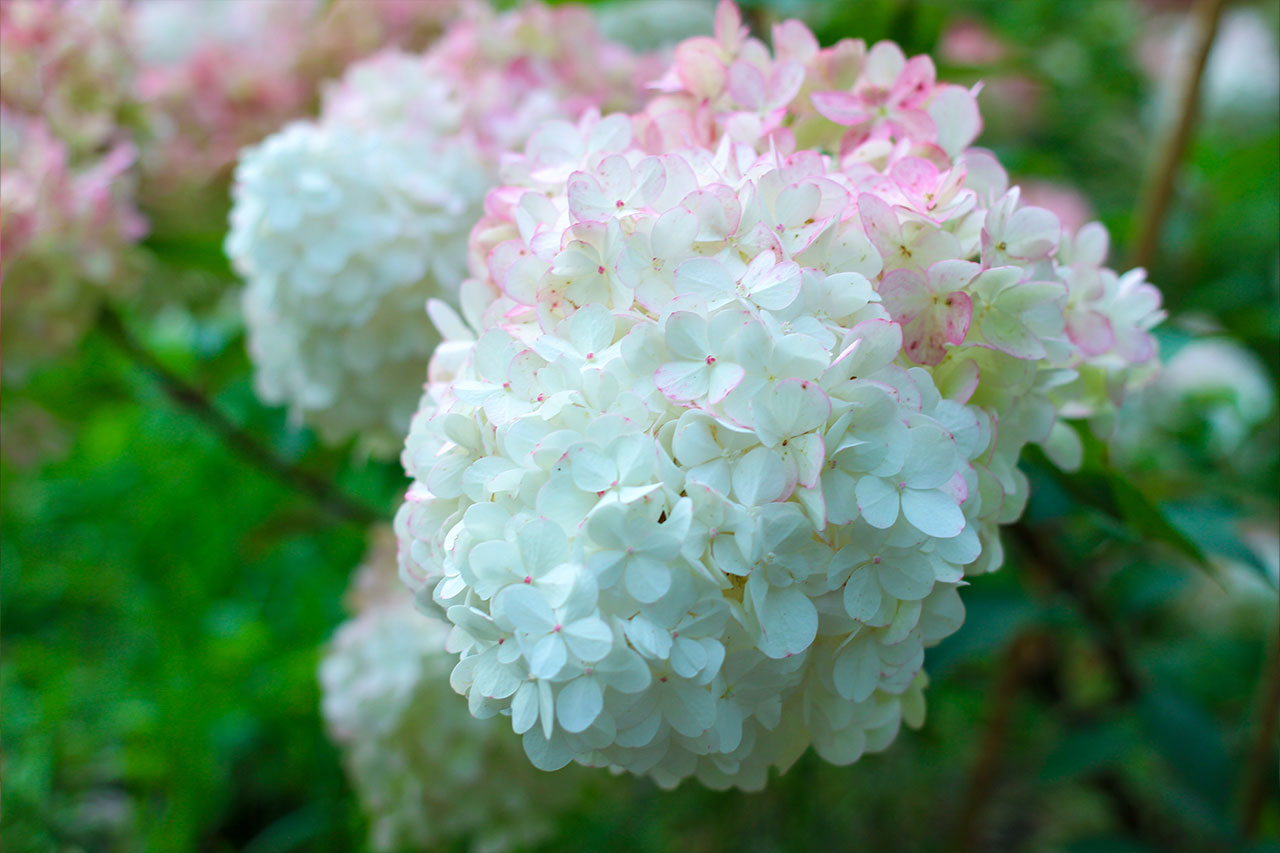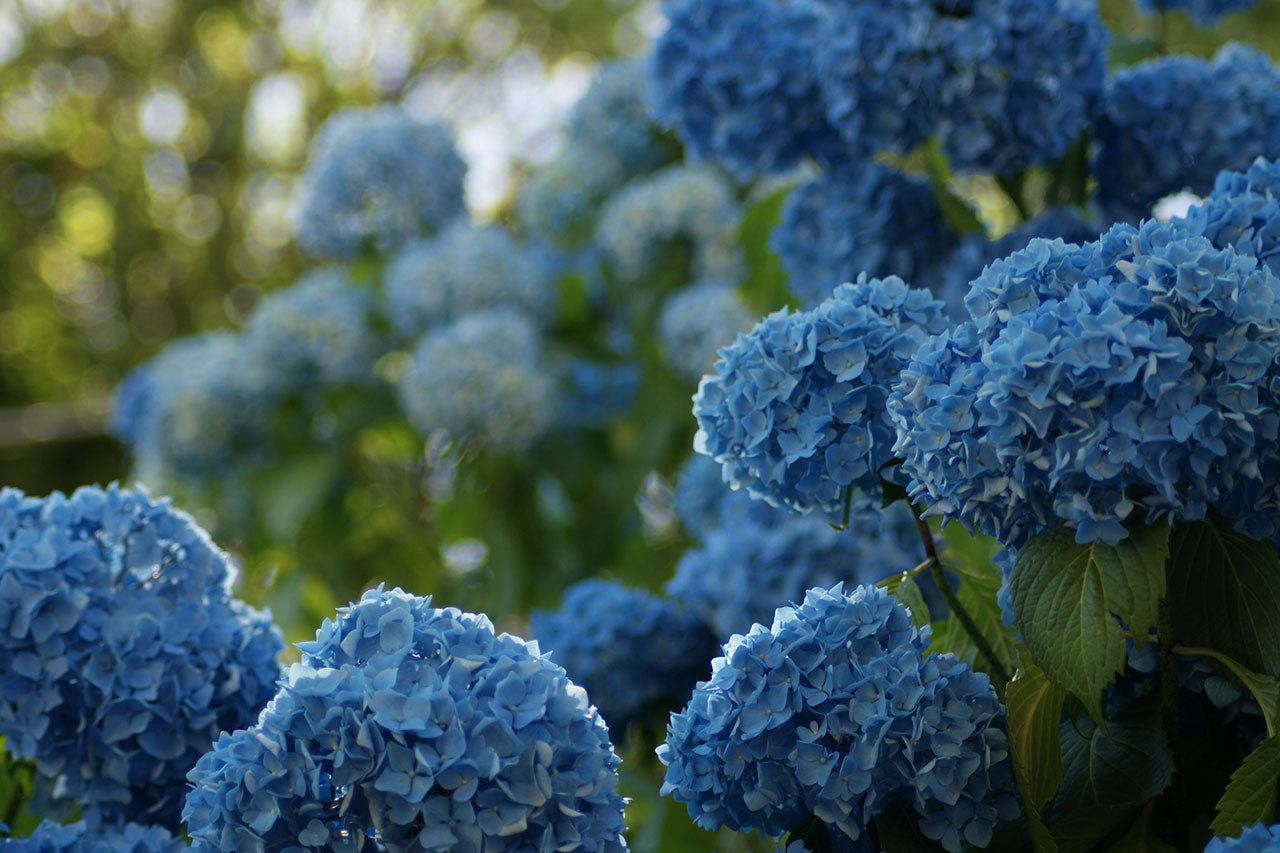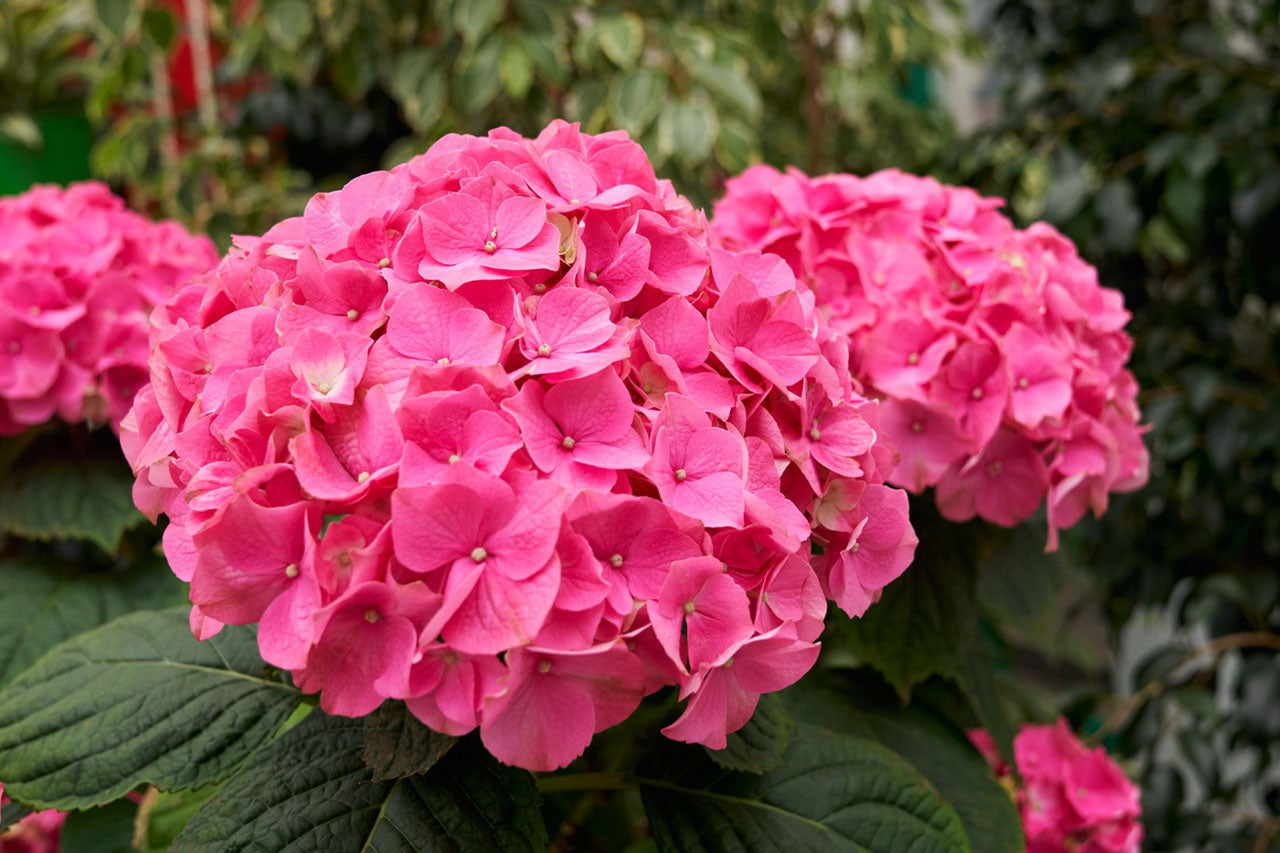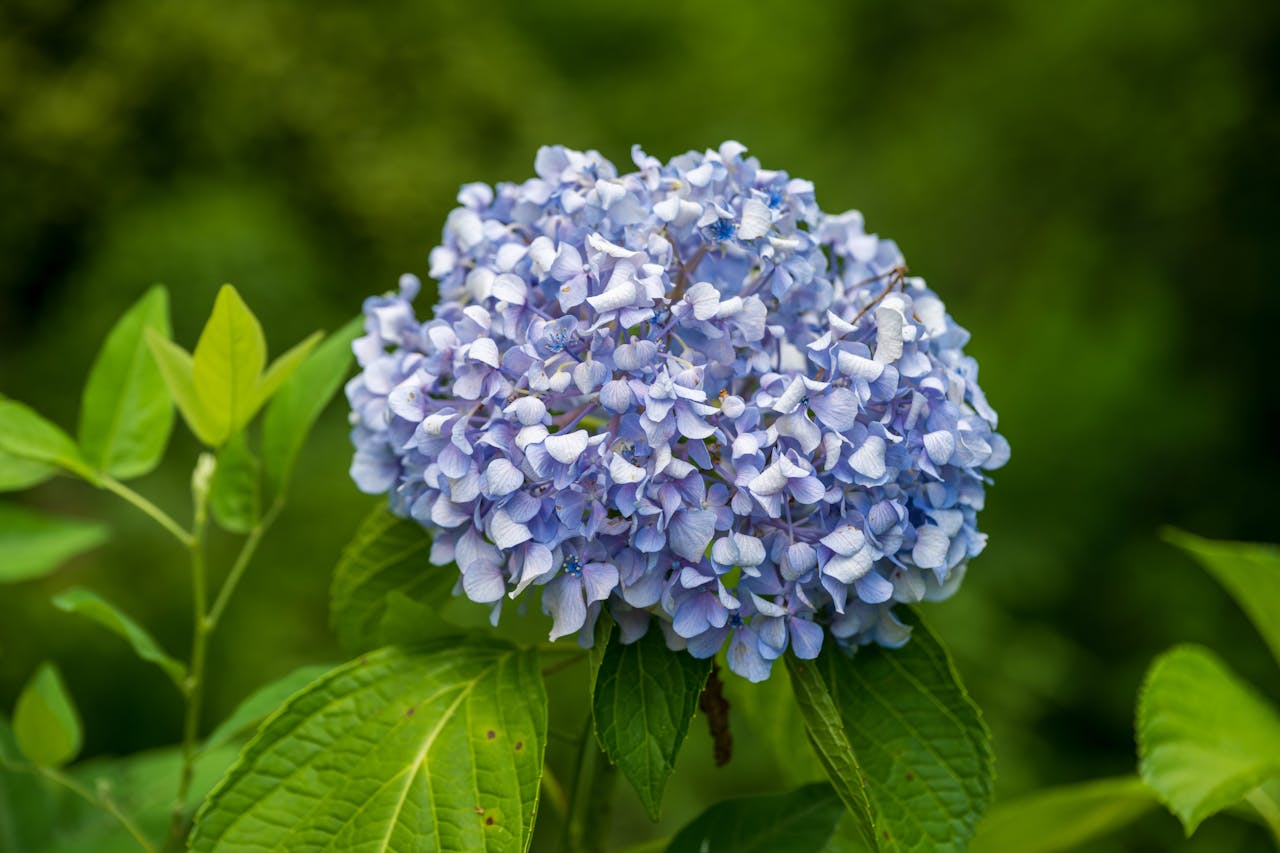

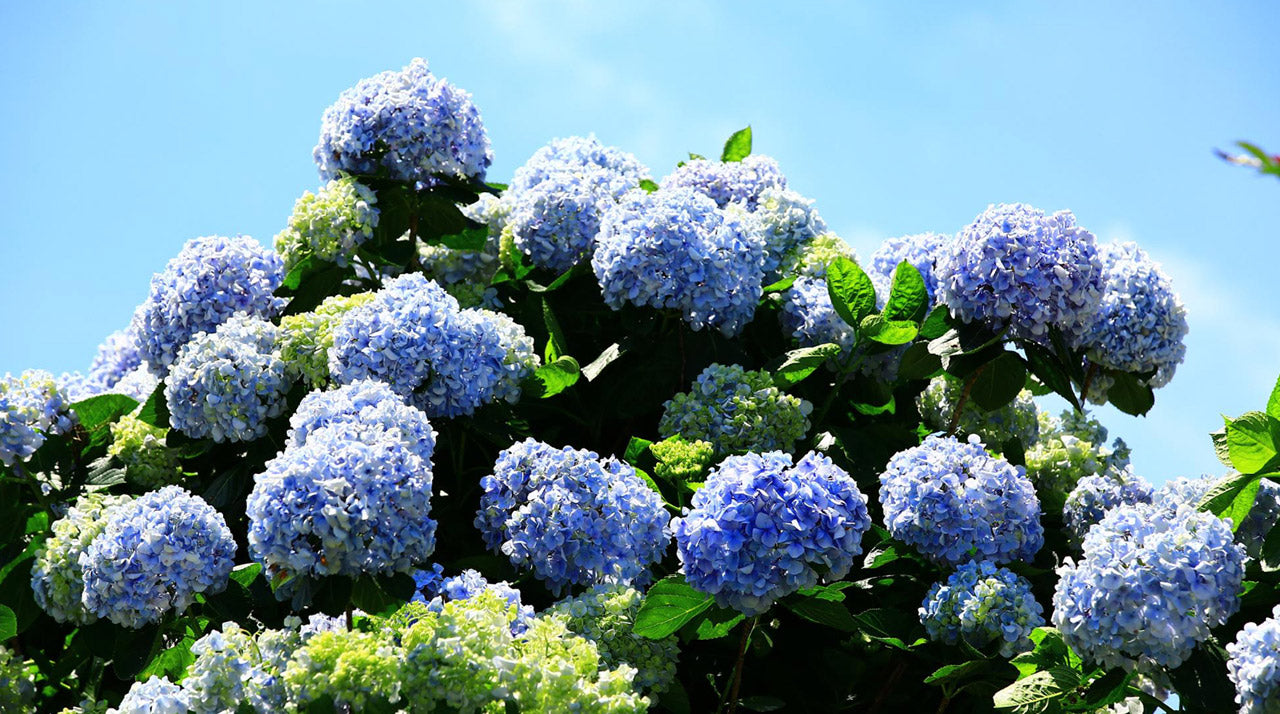
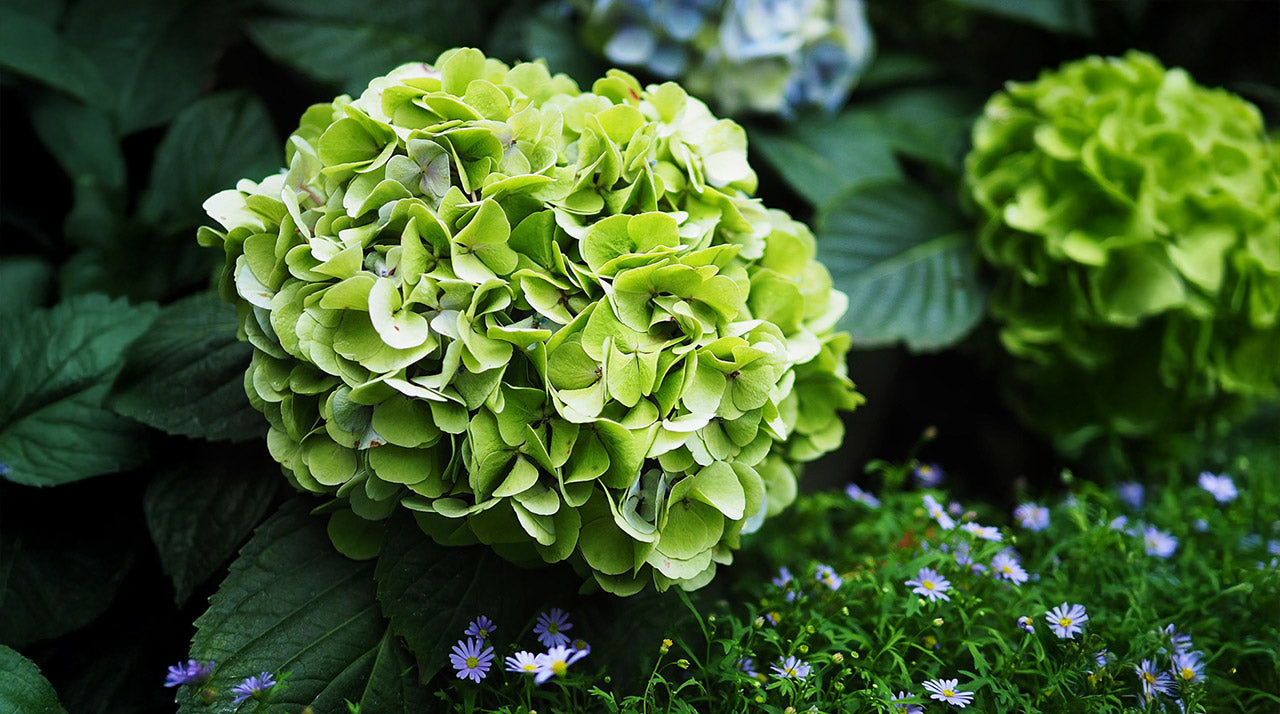
Hydrangeas are famous for their generous blooms, and with good reason. When those big heads open in early to mid‑summer, they instantly give a garden a feeling of abundance, even if the rest of the planting is quite simple. Whether you favour the rounded domes of mopheads or the elegant cones of panicles, the flowerheads shift gently in the breeze and slowly change tone as they age. It’s the sort of display that looks just as good from the kitchen window as it does when you’re sitting out on the patio with a cup of tea.
Common name: Hydrangea
Latin name: Hydrangea
Size in UK gardens: Most shrubby hydrangeas grow to around 1–2.5m tall and wide in time, depending on species and variety, with compact forms staying closer to 1m and larger types forming good‑sized shrubs.
Best position: Partial shade suits most, with morning sun and afternoon shade ideal; panicle and smooth hydrangeas will also cope with more sun if the soil stays reliably moist.
Soil: Moist but well‑drained, reasonably fertile soil with plenty of organic matter; they dislike drought and thin, stony ground but also resent sitting in cold, airless waterlogging.
Flowering time: Big rounded or conical flowerheads from early to mid‑summer through to early autumn, often holding their shape as attractive, fading heads into winter.
Fragrance: Most garden hydrangeas are not strongly scented; they’re grown chiefly for their generous flowerheads and leafy presence.
Hardiness: Generally hardy throughout the UK once established; flower buds on some big‑leaf types can be nipped by late frosts, but the shrubs themselves are usually tough, especially paniculata and arborescens forms.
Care level: Moderate; they’re forgiving if the soil stays moist and pruning is done sensibly, with just a little extra attention needed in pots or in very cold, exposed spots.

The Simpson’s team raises the majority of our trees here at the nursery. For varieties outside our own production, we work with independent local growers we trust - all chosen for UK climate suitability.
Planting time: As container‑grown shrubs, hydrangeas can be planted in most months when the soil isn’t frozen or waterlogged, with spring and early autumn usually giving the smoothest establishment.
Watering: Keep the soil consistently moist while plants are establishing, especially in light soils or during hot, breezy spells. Even once established, they do not enjoy bone‑dry conditions, so be prepared to water in prolonged drought.
Feeding: A mulch of garden compost or well‑rotted manure in spring is usually enough on decent soils. On poorer ground, a light application of a balanced fertiliser in spring – and possibly again in early summer – helps support good flowering without making growth too lush.
Pruning: Pruning depends on the type, but most shrubby hydrangeas are pruned in late winter or early spring. Typically, you remove old flowerheads and dead wood and, if needed, thin out some of the oldest stems to encourage fresh growth. Always check the variety label for whether it flowers on old or new wood.
Winter: Established plants in the ground usually need no special protection beyond a mulch in colder gardens. Leaving the old flowerheads in place over winter helps shield tender buds; potted plants are more vulnerable and benefit from a sheltered position when frost is forecast.
Availability is always changing, so please check with us if you have a particular variety in mind.

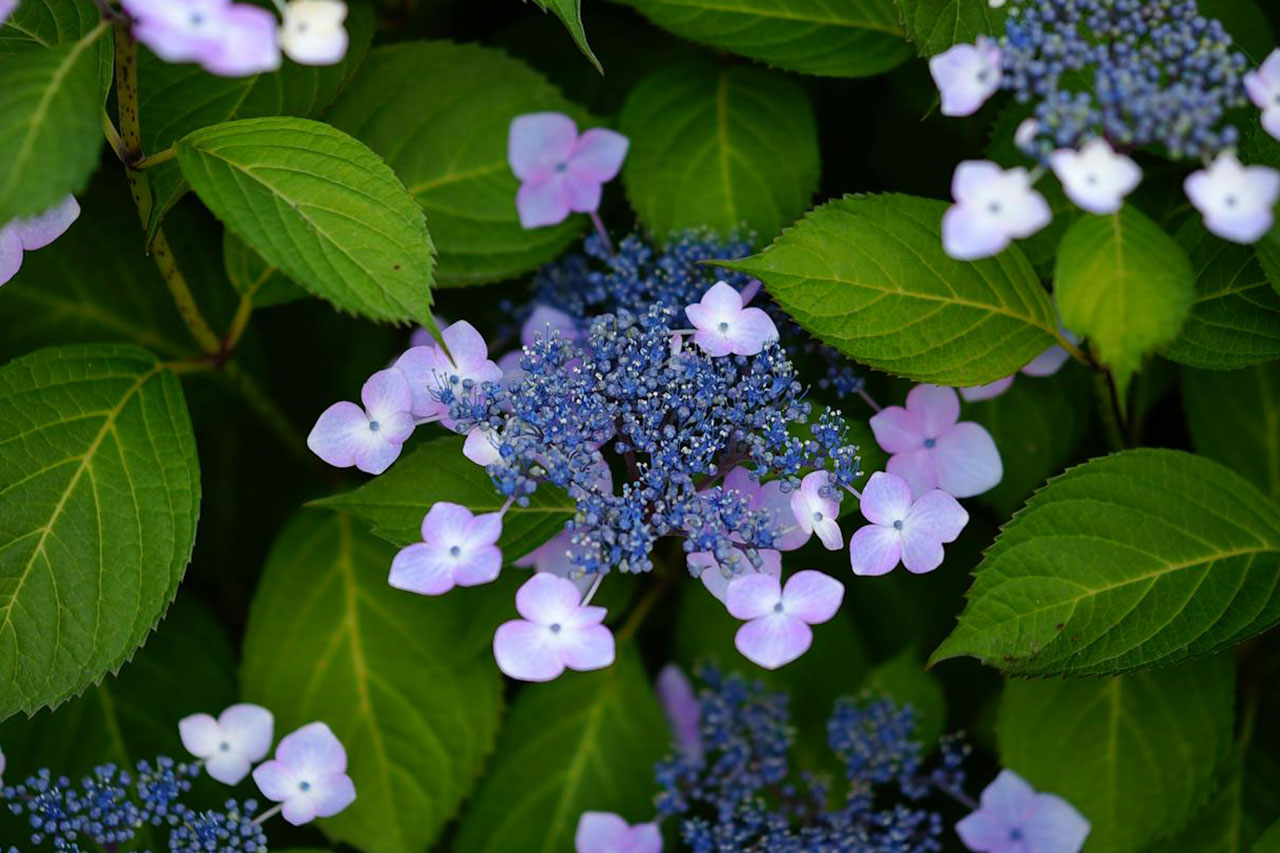
A spectacular climbing hydrangea for turning bare walls into something romantic—large heart-shaped leaves, peeling bark, and wide, lacecap blooms that feel fresh and airy. Perfect for big boundaries, adding softness, height, and a gentle summer flourish. A treat at close range.
A classic for big, billowing white flower heads that float above the foliage through summer, then dry to soft parchment tones. It’s perfect for brightening part shade and mixed borders, and it’s wonderful for cutting. Give it moisture and room, and it reliably puts on a generous show.
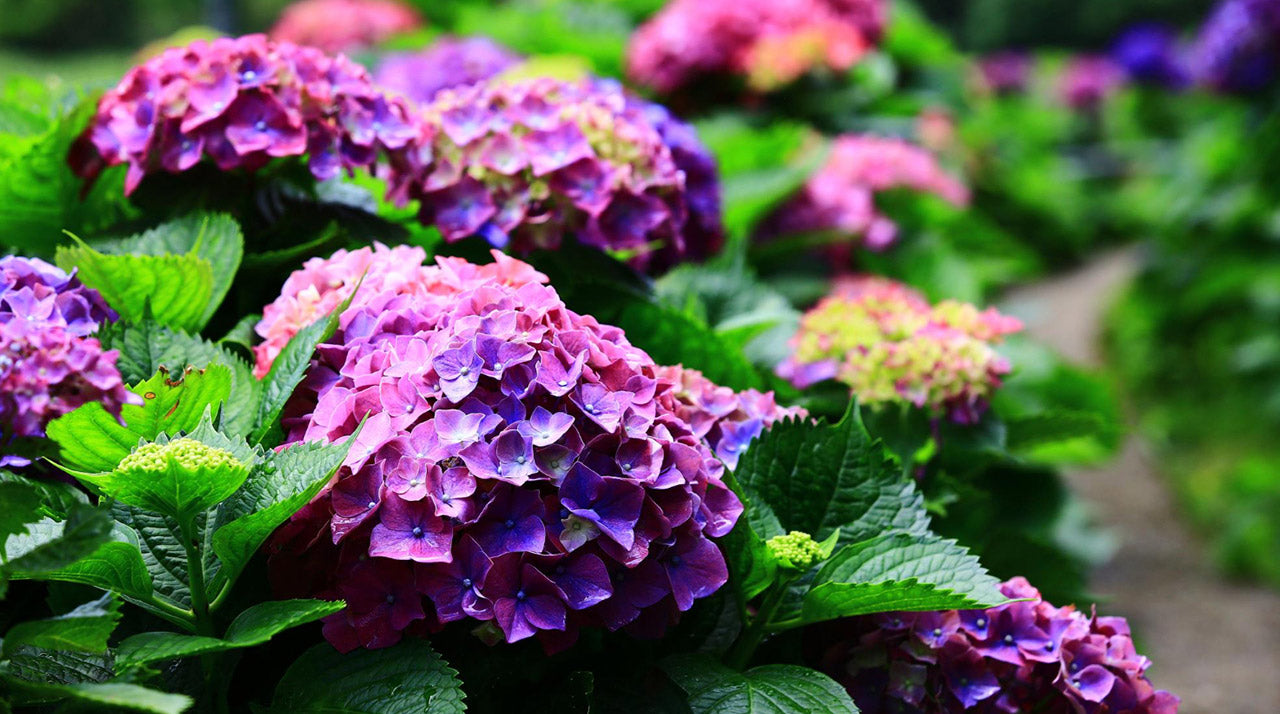
Dark stems and rich foliage give this mophead hydrangea a wonderfully dramatic look, making the flowers feel even more intense. It’s superb in a sheltered border or a large pot in part shade, where the contrast reads beautifully. A real statement plant with a slightly theatrical elegance.
Creamy cones open with a warm, candlelit glow, bringing light and lift to borders from mid to late summer. It suits sun or light shade, holds its flowers well, and the ageing tones are particularly handsome as autumn approaches. A fine choice as a specimen or in repeated planting.
Bold, large flower cones on strong stems give this paniculata real presence—ideal when you want late-summer impact without flopping. It’s excellent in sunny borders, mixed shrub planting, or as a focal point, and the blooms dry well for long-lasting interest. Confident, sturdy and very rewarding.
Big, dense white panicles make a wonderfully clean, bright display, often holding their shape beautifully through late summer. As the flowers age, they can take on the faintest blush, adding extra softness. It’s a superb shrub for borders or grouped planting where you want a glowing, reliable show.
A real treat for colour change: creamy cones that deepen to rich strawberry-pink as the season progresses. It brings warmth and drama to late-summer borders, and the strong stems keep the blooms upright and handsome. Excellent as a statement shrub, and lovely for cutting too.
The classic “peegee” hydrangea, smothered in generous white panicles that bring a wonderfully traditional, old-fashioned abundance. Tough and forgiving, it suits borders and lawns alike, and it responds well to pruning. A dependable choice when you want a big summer show with very little fuss.
More airy and elegant than many, with lighter panicles that feel refined rather than heavy. It’s ideal for mixed borders and informal screening, giving late-summer flower with a more natural, graceful look. A lovely choice if you want the hydrangea effect without anything too dense or chunky.
One of the great modern classics, with lime-green cones that glow even on dull days, then soften towards cream and blush as they age. It’s reliable, easy, and superb in sun or light shade. Plant as a specimen, a loose hedge, or in drifts for bold late-summer structure.
A compact version of ‘Limelight’ with the same glowing flower colour, perfect for smaller gardens and pots. It keeps a neat shape, flowers freely, and brings late-summer lift without taking over. Ideal at the front of borders where you want the paniculata look on a tidier scale.
Huge, full flower heads create a sumptuous late-summer display, starting creamy white and often ageing with soft pink tones. The strong stems help keep everything upright, and the blooms dry beautifully for extended interest. A wonderful choice when you want maximum impact and a generous, classic feel.
A wonderfully dependable paniculata with white flower cones that gradually flush pink as the season moves on, giving borders a soft, romantic finish. It’s hardy and easy, suits sun or light shade, and looks especially good planted in small groups where the colour shift feels generous and cohesive.
Compact, tidy and very garden-friendly, with creamy white blooms that hold their shape well and often take on a faint blush as they age. It’s ideal for smaller borders and pots, providing late-summer structure without looking heavy. A great choice when you want elegance in a manageable size.
A more refined paniculata with elegant, elongated flower heads that feel crisp and modern, opening white and ageing softly through the season. Strong stems help it stay upright in rain, making it excellent for borders and cutting. It brings a clean, fresh look from summer well into autumn.
A compact variety with creamy cones that quickly blush strawberry-pink, giving a lovely dessert-like colour shift from midsummer into autumn. Perfect for smaller gardens and pots, it keeps a neat outline and brings late-season warmth even on grey days. Wonderful in groups for a soft, summery rhythm.
A classic paniculata, smothered in large, airy white cones that age softly and keep going well into autumn. Hardy and forgiving, it suits sun or light shade and makes a fine specimen or informal hedge. The blooms dry beautifully too, so you get extra weeks of interest without any fuss.
Creamy-white panicles open in midsummer then deepen to a delicious raspberry-pink as the weeks pass, giving borders a warm, glowing finish. Strong stems hold the flowers upright, making it excellent as a statement shrub or in mixed planting. Reliable, hardy and superb for late colour and cutting.
One of the richest for colour, with white cones that quickly turn rose and deepen towards red as autumn approaches. It brings real warmth to late borders and looks superb with grasses and other autumn tones. Tough and reliable in sun or light shade, with blooms that dry beautifully for long interest.