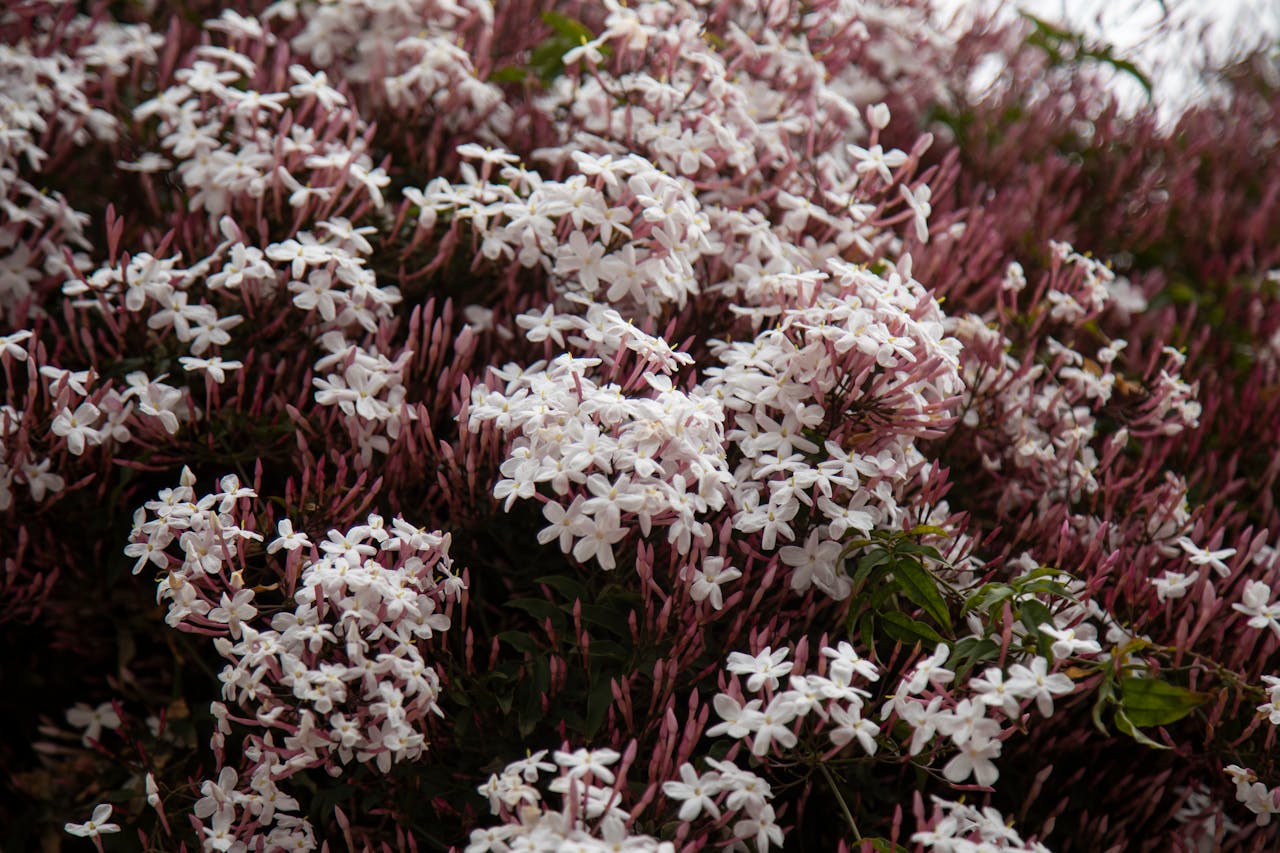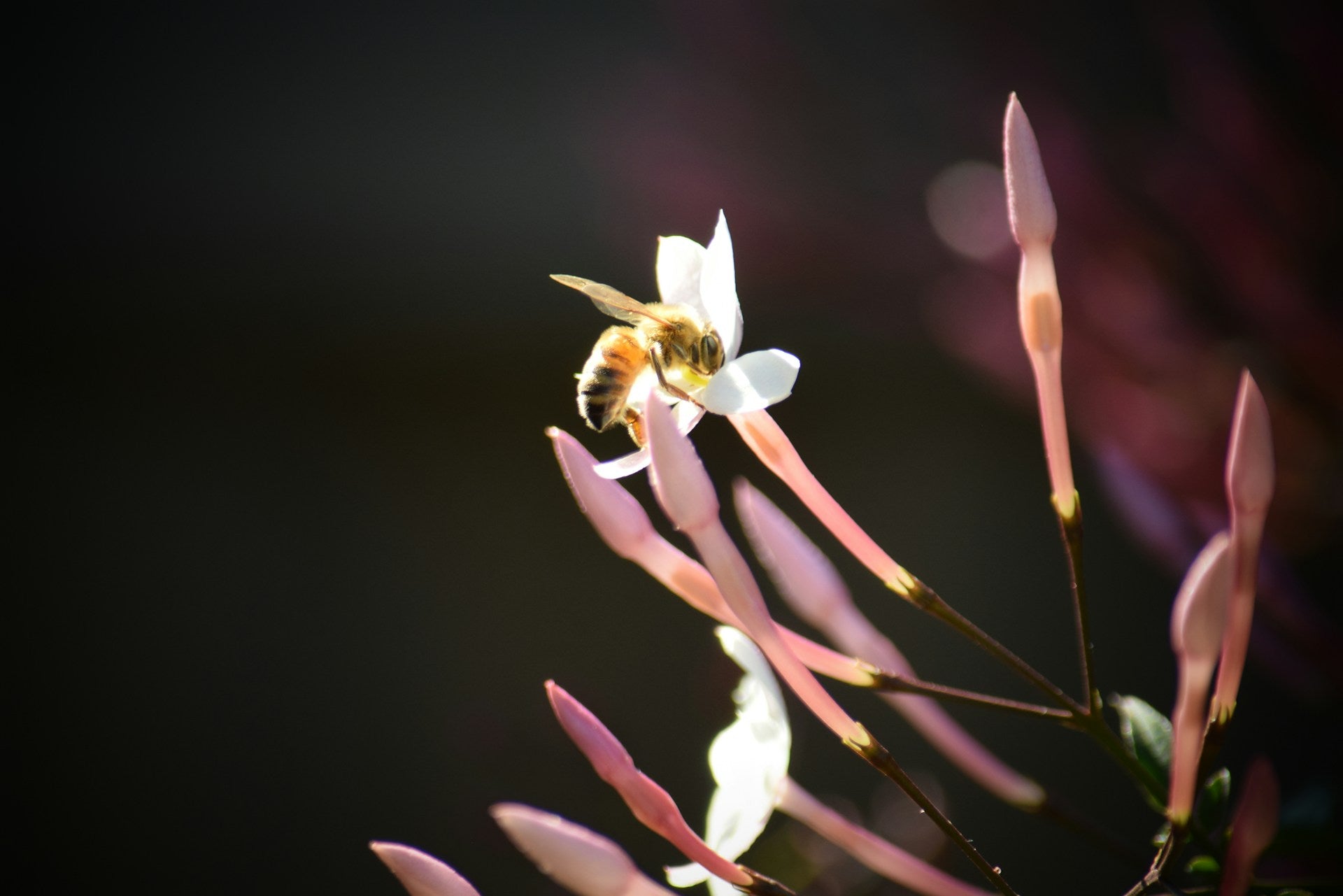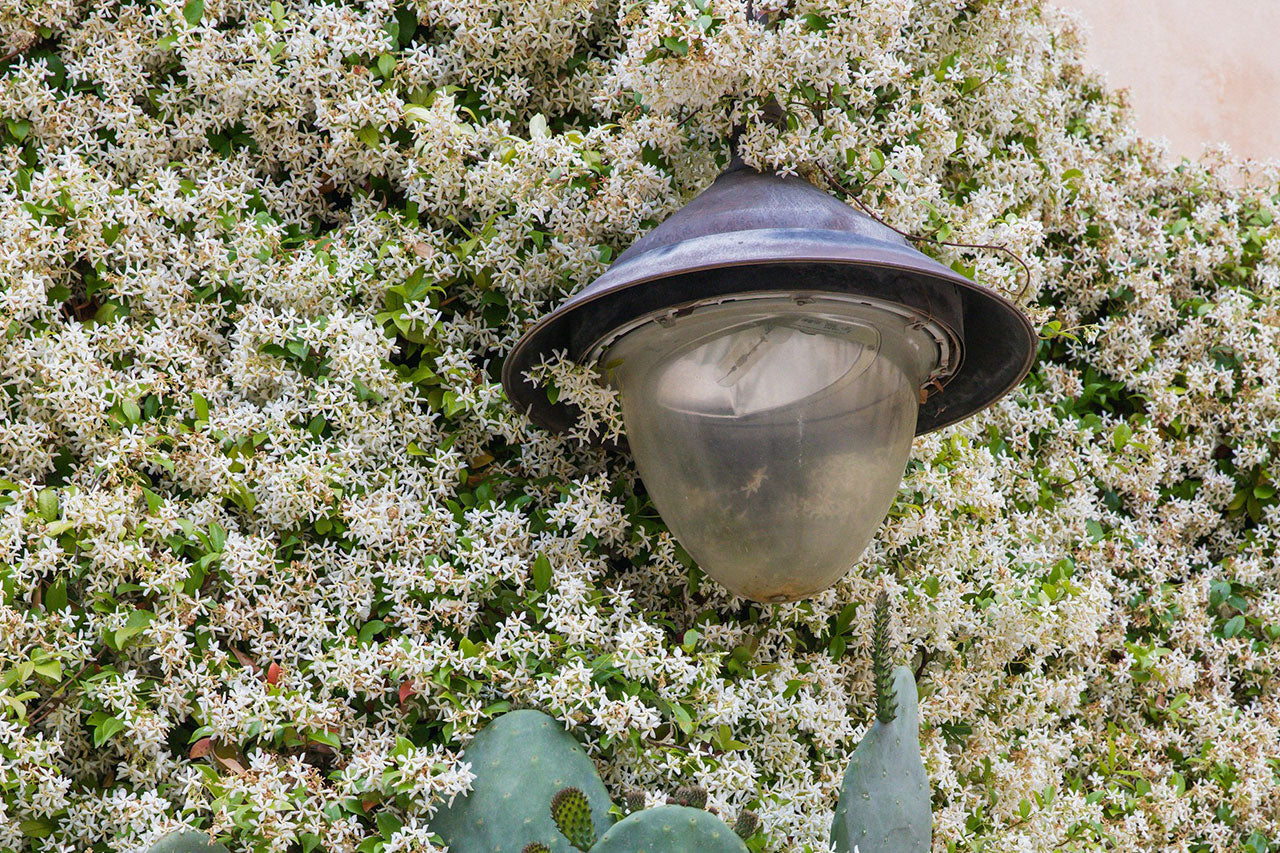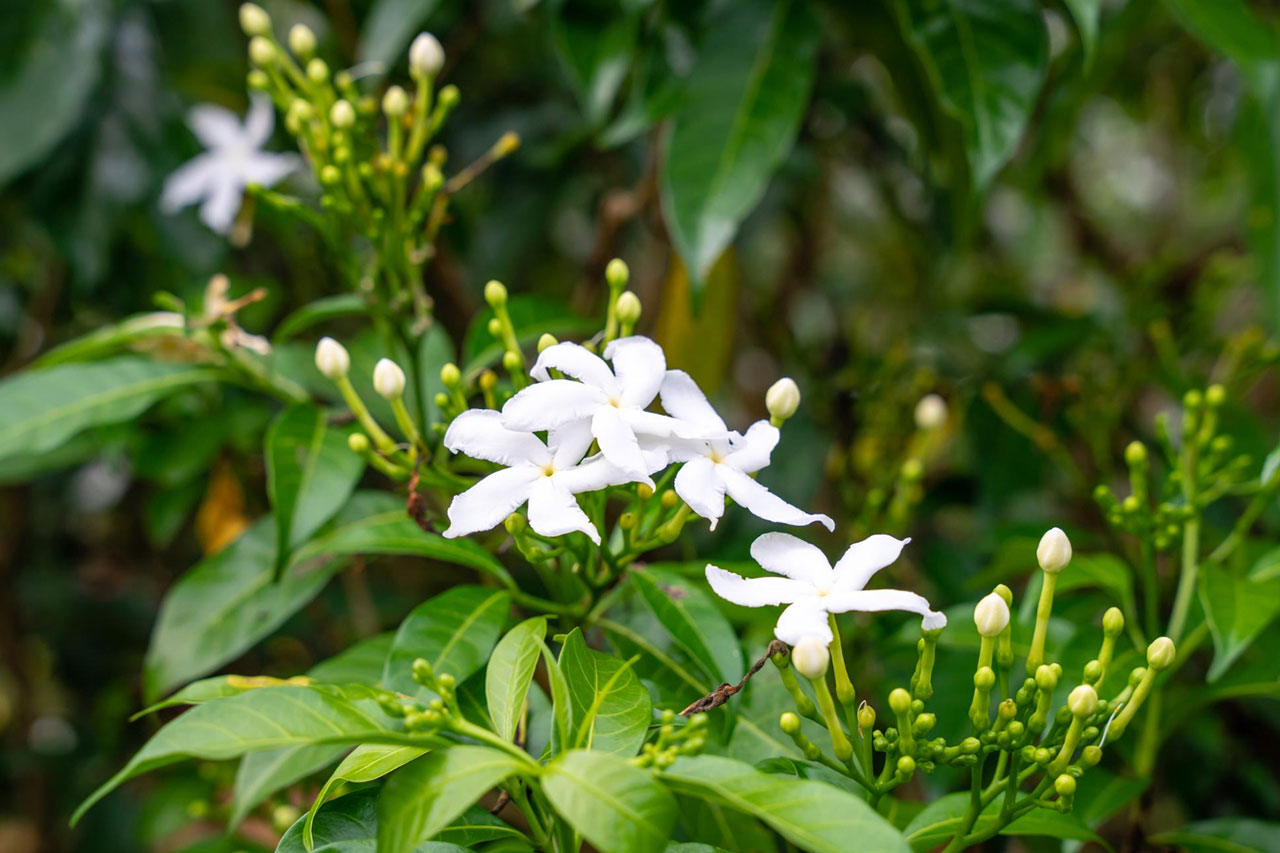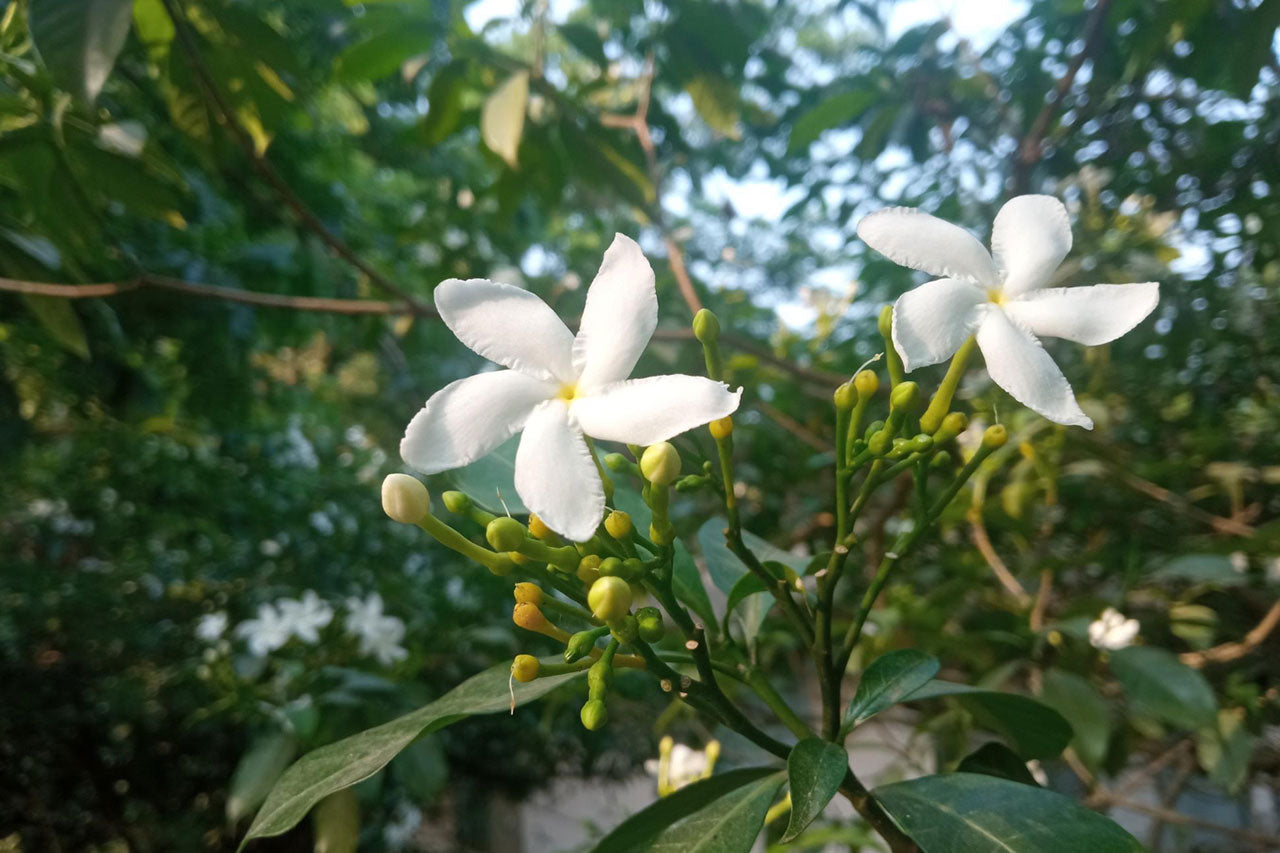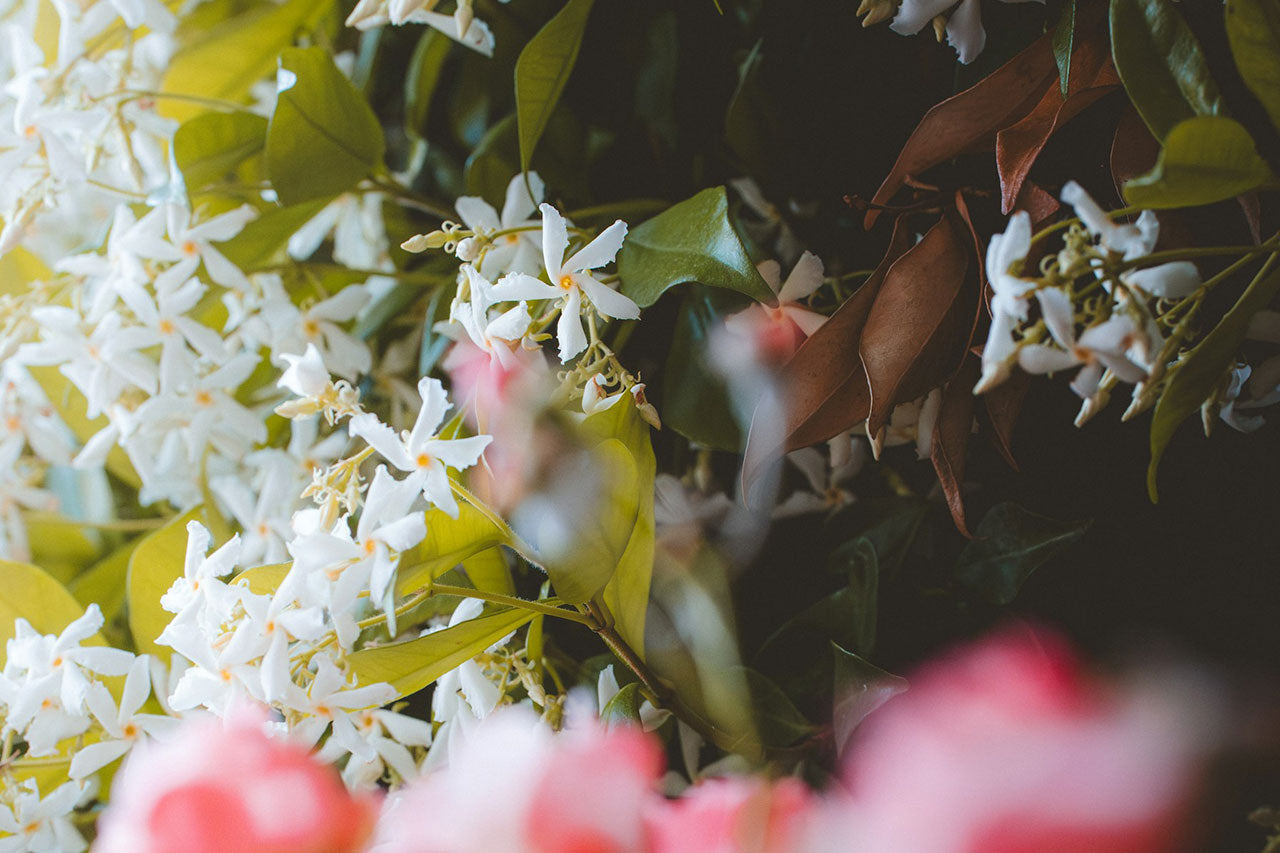

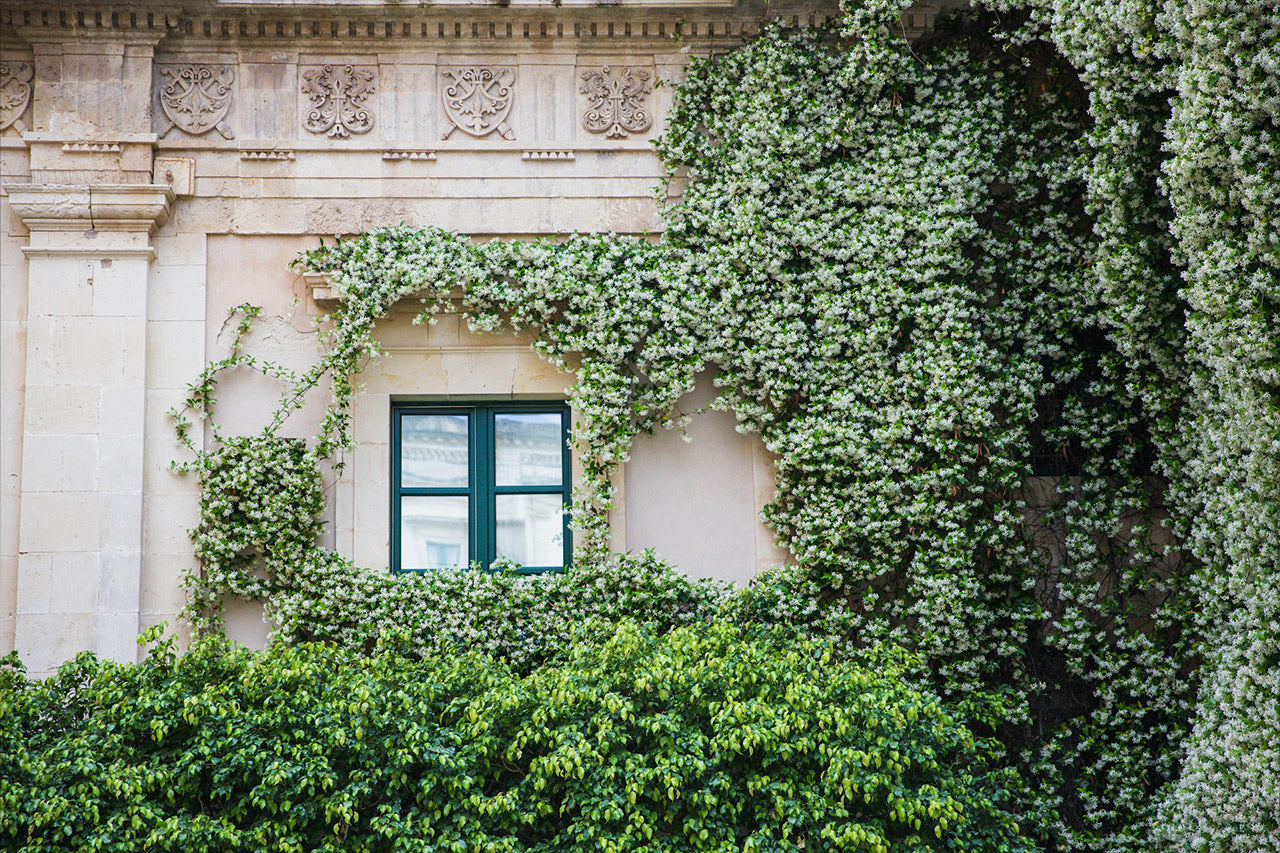
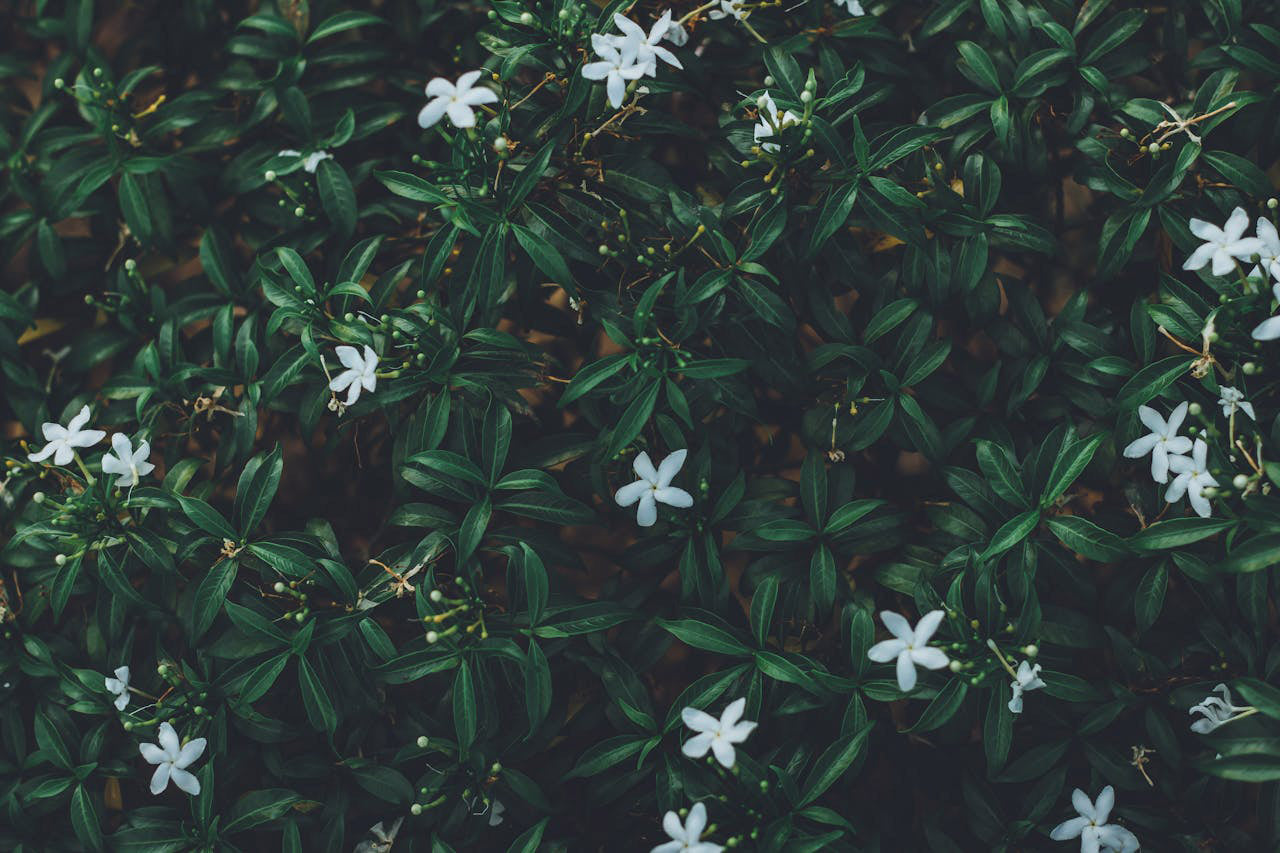
When most people think of jasmine, they think of scent – and with good reason. Common jasmine (Jasminum officinale) produces clusters of starry white flowers from early summer through to early autumn, each one carrying a sweet, heady fragrance that drifts across the garden on still evenings. Plant it near a seating area, path or doorway and you really will notice the difference every time you step outside. In a typical UK summer, especially with a warm wall behind it, fresh buds just keep coming, so you enjoy that perfume for weeks rather than days.
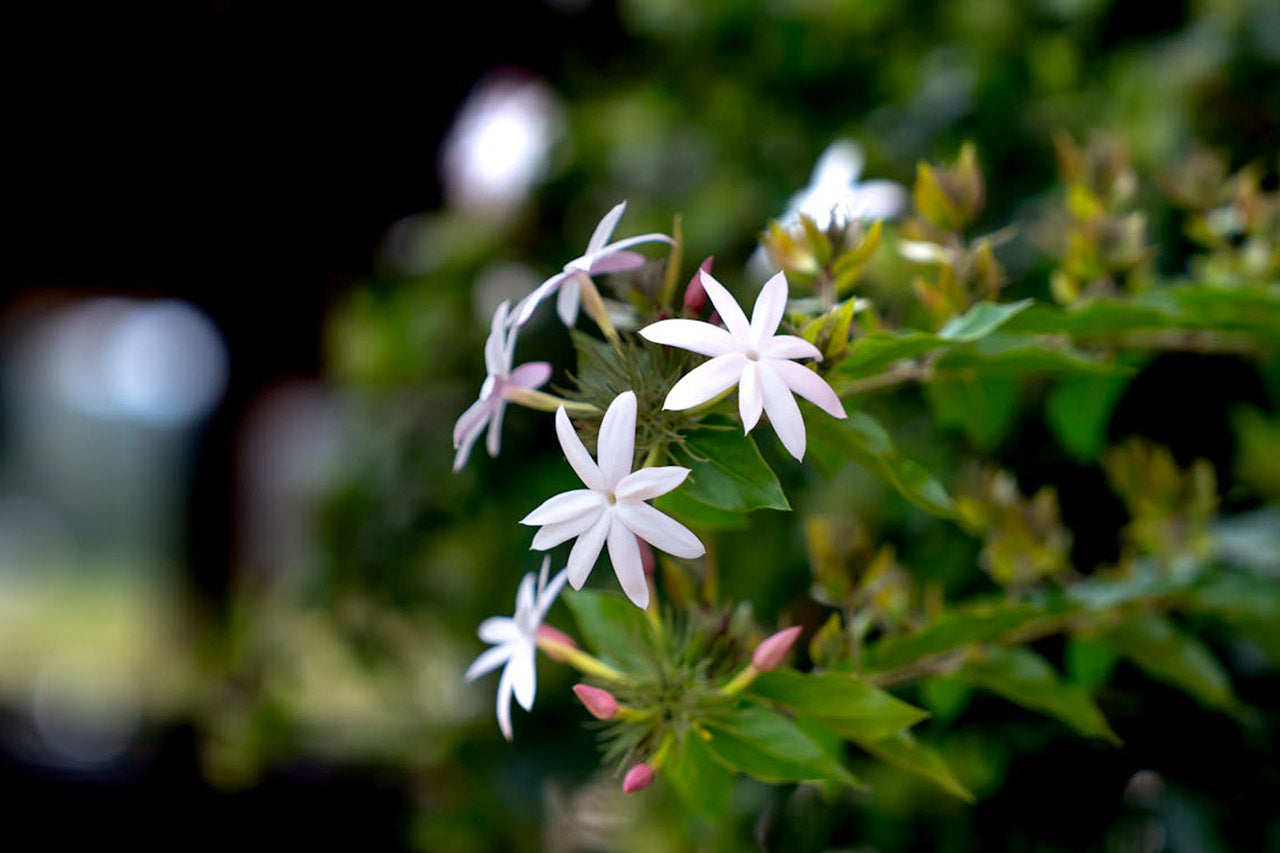
Common name: Jasmine
Latin name: Jasminum
Size in UK gardens: Typically 6–8m tall and around 3–4m wide on a sturdy support, though it can be kept smaller with pruning and training.
Best position: A sunny, sheltered spot – ideally a south‑ or west‑facing wall, fence or pergola – where stems and flower buds are protected from cold winds.
Soil: Moderately fertile, moist but well‑drained soil; happy on most garden soils if they don’t sit waterlogged. In pots, a good loam‑based compost works best.
Flowering time: Usually June to September for common jasmine, sometimes into early autumn in a warm year; winter jasmine and other species extend the season at different times.
Hardiness: Generally hardy in most UK gardens once established, especially in sheltered positions; may need a warm wall in colder or more exposed locations.
Care level: Moderate – easy to grow if you can offer sun, shelter and a support, with some regular tying‑in and pruning to keep it tidy and flowering well.

The Simpson’s team raises the majority of our trees here at the nursery. For varieties outside our own production, we work with independent local growers we trust - all chosen for UK climate suitability.
Planting time: As container‑grown plants, jasmines can be planted in most months when the soil isn’t frozen or waterlogged; spring and early autumn are usually easiest, giving roots time to settle before summer heat or winter cold.
Watering: Water regularly in the first year so the rootball and surrounding soil don’t dry out, especially in sunny, sheltered positions or against house walls where rain may not reach well. Once established in the ground, jasmine is fairly drought‑tolerant but will flower better with occasional deep watering in long dry spells.
Feeding: In decent soil, jasmine only needs modest feeding – a spring mulch of compost or well‑rotted manure usually suffices. On poorer ground or in containers, a balanced fertiliser in spring and a regular high‑potash liquid feed in summer will encourage more flowers.
Pruning: Prune after flowering, shortening flowered shoots to fit the space and thinning out any congested or wayward stems. On older plants, occasional harder cuts back to strong buds help keep the framework young and productive.
Winter: In most UK gardens jasmine needs little winter attention beyond a mulch around the base and the odd tidy to keep it off gutters and windows; young plants in exposed spots may appreciate a bit of fleece in particularly harsh weather until established.
Availability is always changing, so please check with us if you have a particular variety in mind.


A variegated jasmine that earns its keep long before it flowers, with cream-edged foliage that brightens a wall like sunlight caught in leaves. When it does bloom, the scent is classic summer-evening jasmine, making it ideal to frame doors, arches and seating areas where you want both a light screen and a bit of romance.
A jasmine with a surprising twist: deeper rose-red flowers that feel richer and more jewel-like than the usual white froth. Trained up a trellis or over an arch, it brings a gentle, cottage-garden elegance with a slightly exotic edge, and it’s perfect when you want jasmine character with a more unusual colour note.
Soft, creamy blooms give this jasmine a warmer, more buttery look than pure white, which can feel particularly lovely against brick or pale render. It’s a natural choice for pergolas and porch frames where you want a gentler, more romantic palette, creating a light, airy canopy of flower without looking stark.
If you like your climbers to look decorative even when they’re not in bloom, this one delivers, with golden and green foliage that reads bright and cheerful from a distance. It makes a lovely living screen for trellis panels, arches and pots, then adds that familiar jasmine romance when the flowers appear.


Primrose jasmine is all about early cheer, with loose, arching growth and soft yellow flowers that bring a splash of sunshine when you most appreciate it. It’s superb draped over a low wall, threaded through shrubs, or used to soften steps and banks, giving the garden a relaxed, informal sweep of colour.
The classic, much-loved jasmine: twining stems, starry white flowers and that unmistakable perfume that turns a patio into an evening garden. It’s a brilliant choice for arches, pergolas and screens near seating, where you can enjoy the scent and the gentle, frothy look of blossom climbing through the greenery.
A particularly pretty jasmine with pink-tinged buds opening to pale, starry flowers, giving a softer, more romantic look than straight white. It’s ideal for a trellis or arch near a path or sitting spot, where the gentle colour shift adds interest and the plant forms a light, airy curtain rather than a heavy mass.