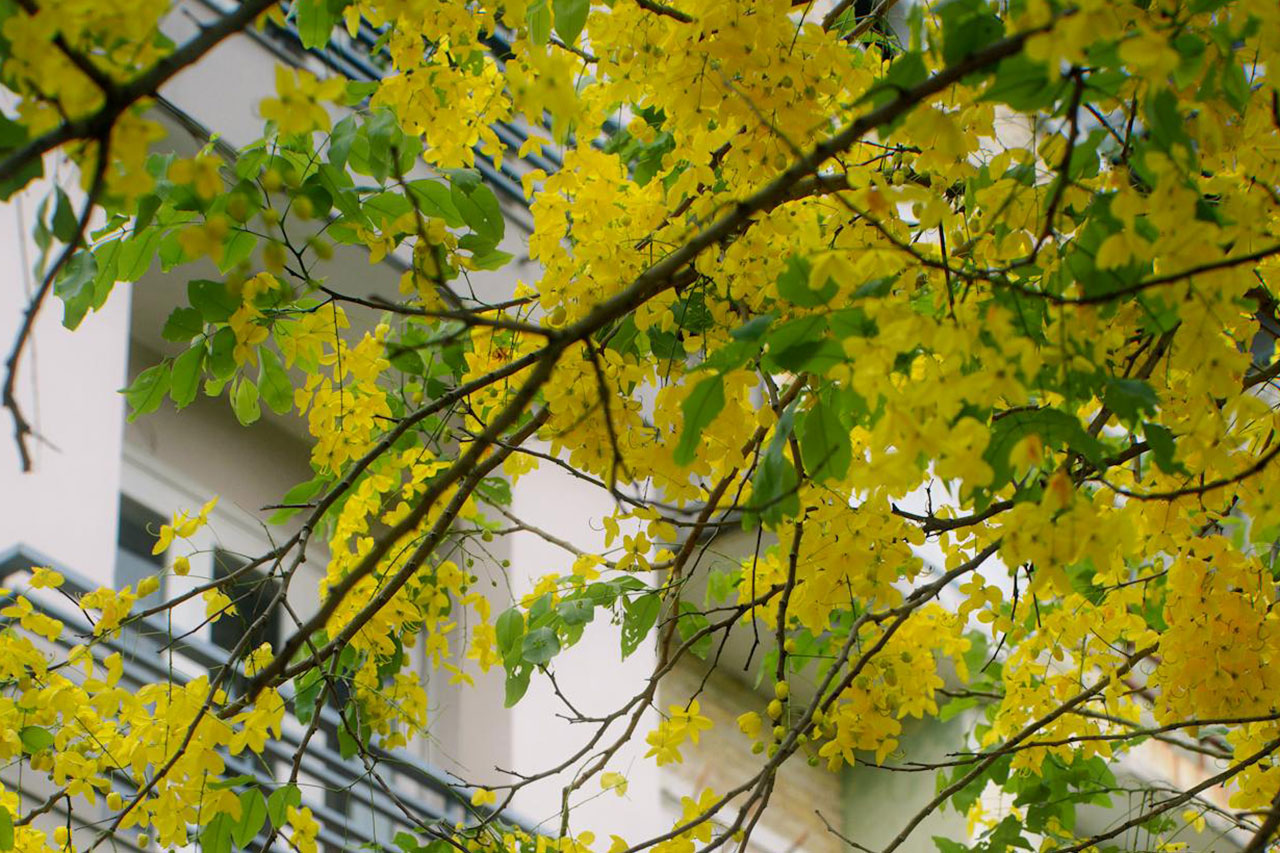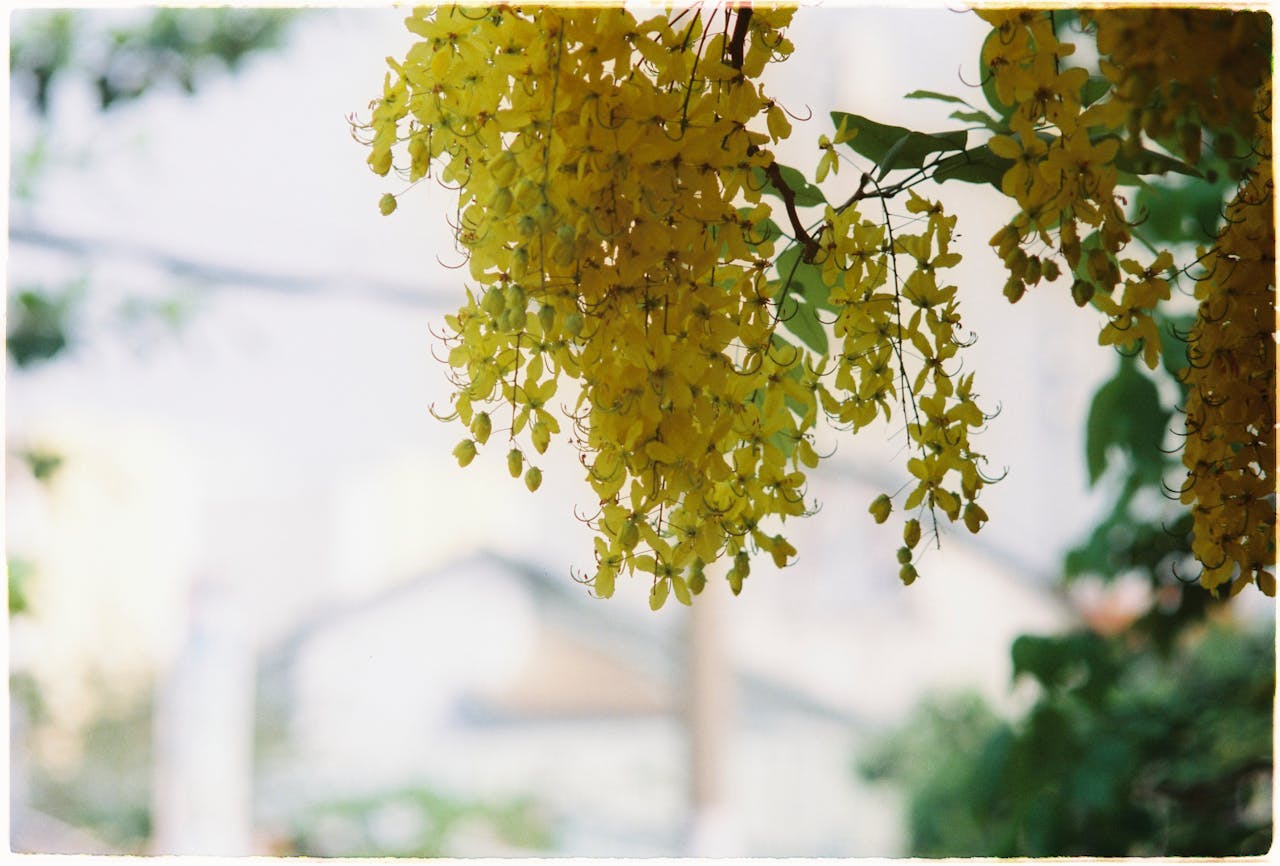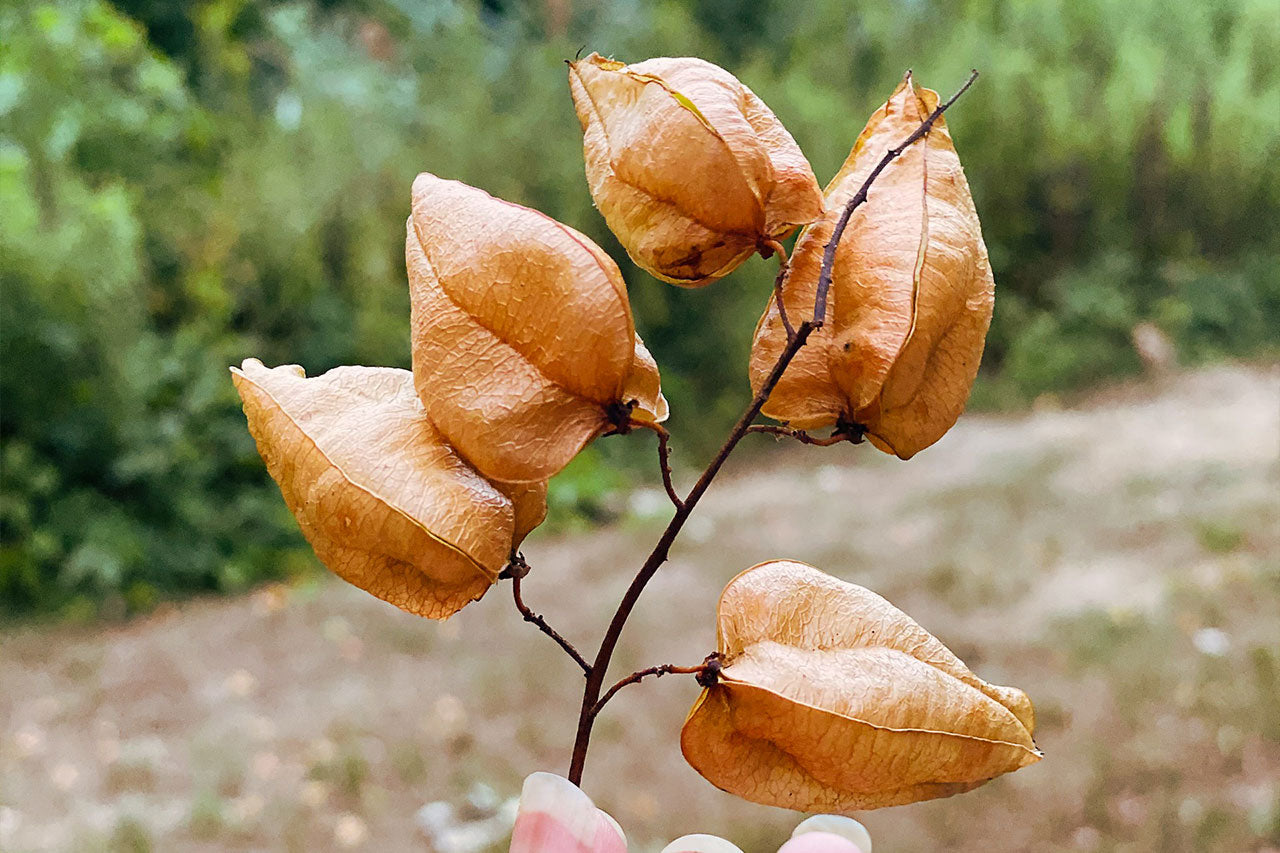

Golden rain tree comes into its own in high summer, when many spring‑flowering trees have long since gone green. Tall panicles of soft yellow flowers rise above the foliage, catching the light and making the whole crown look as though it’s been dusted with sunshine. As the petals fall, they can carpet the ground beneath in a gentle “golden rain”, which is where the common name comes from. It’s a lovely way to bring height and colour into the garden just when borders are at their fullest.
Common name: Golden Rain Tree
Latin name: Koelreuteria
Size in UK gardens: Usually grown as a small to medium tree, often around 5–8m tall and wide in time; in good conditions can reach 8–12m with a broad, rounded crown, so best for medium to larger gardens or as a specimen.
Best position: Full sun is ideal – at least six hours of direct light a day – for the best flowering, seed pods and autumn colour; will tolerate a little light shade but may flower less freely.
Soil: Well‑drained or moist but well‑drained soil, preferably a good loam; will adapt to sand or clay and tolerates some drought once established, but not waterlogged ground.
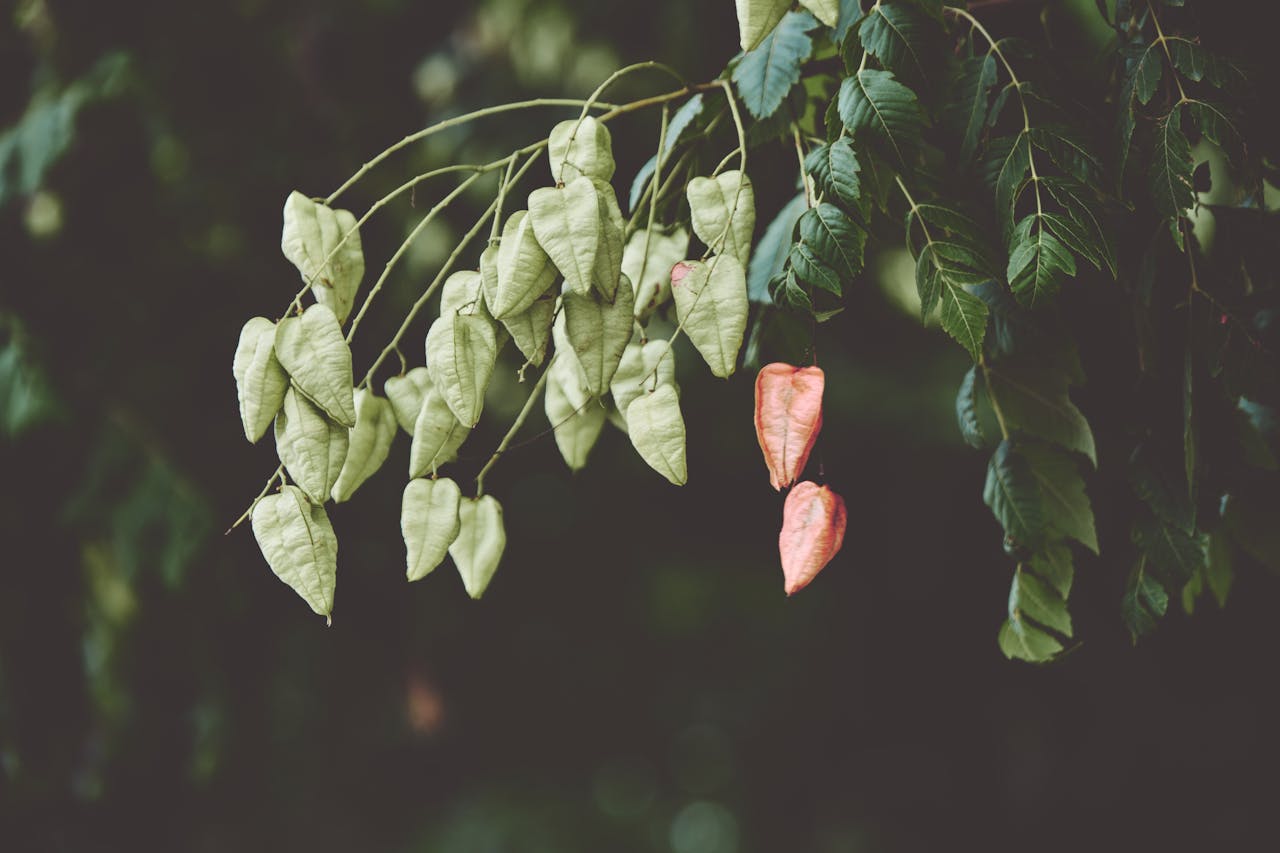
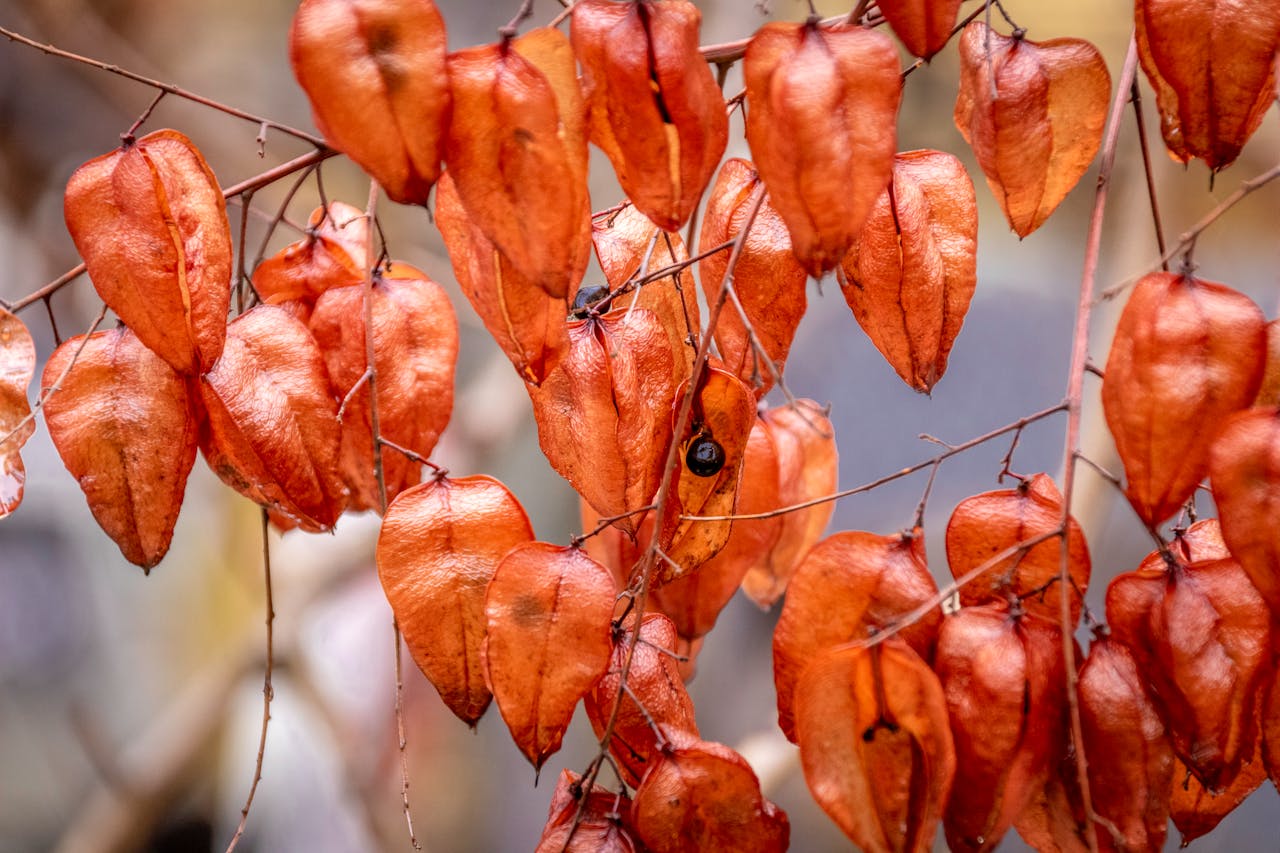
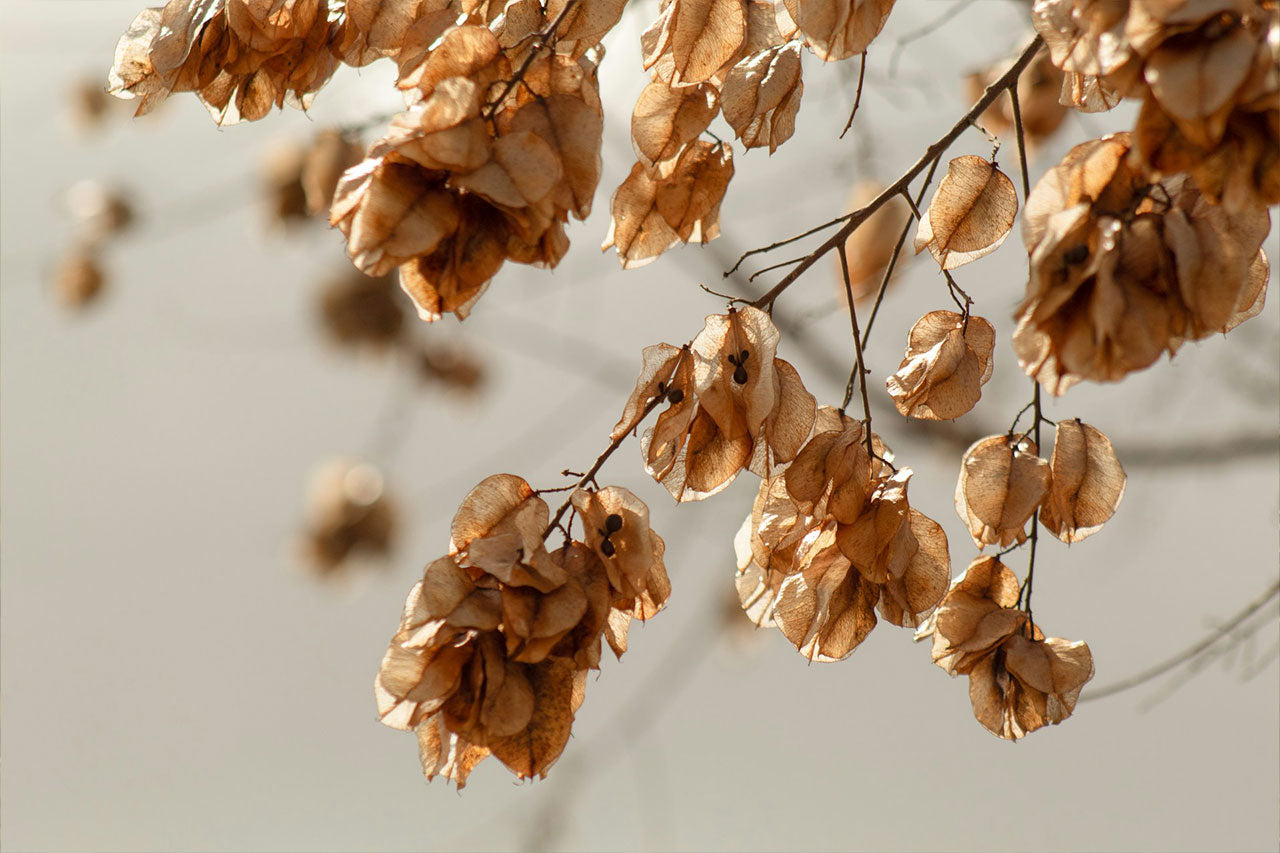
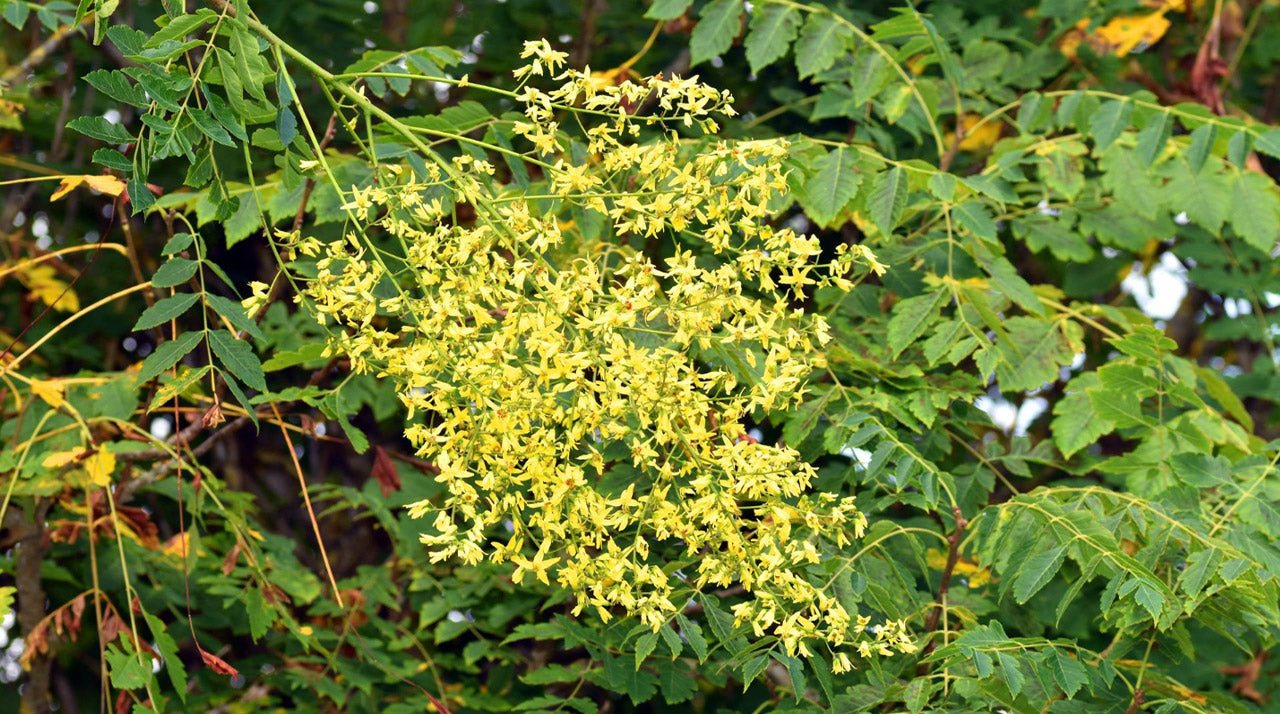
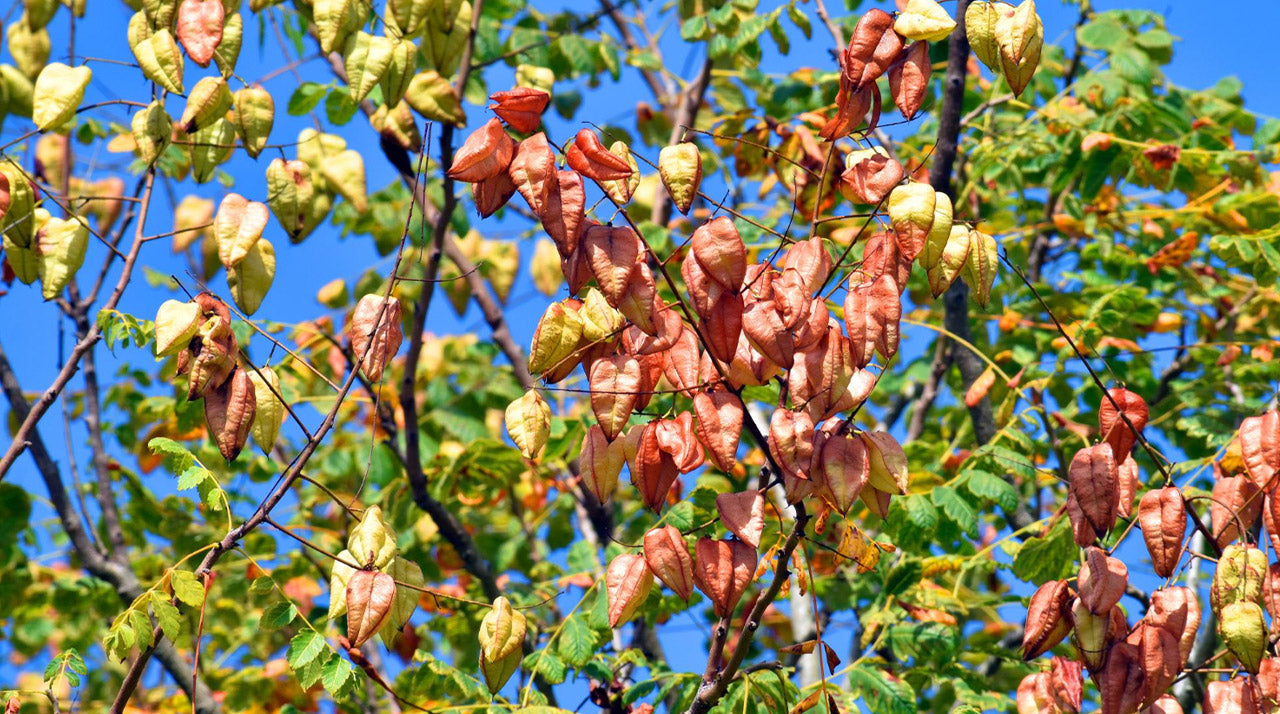
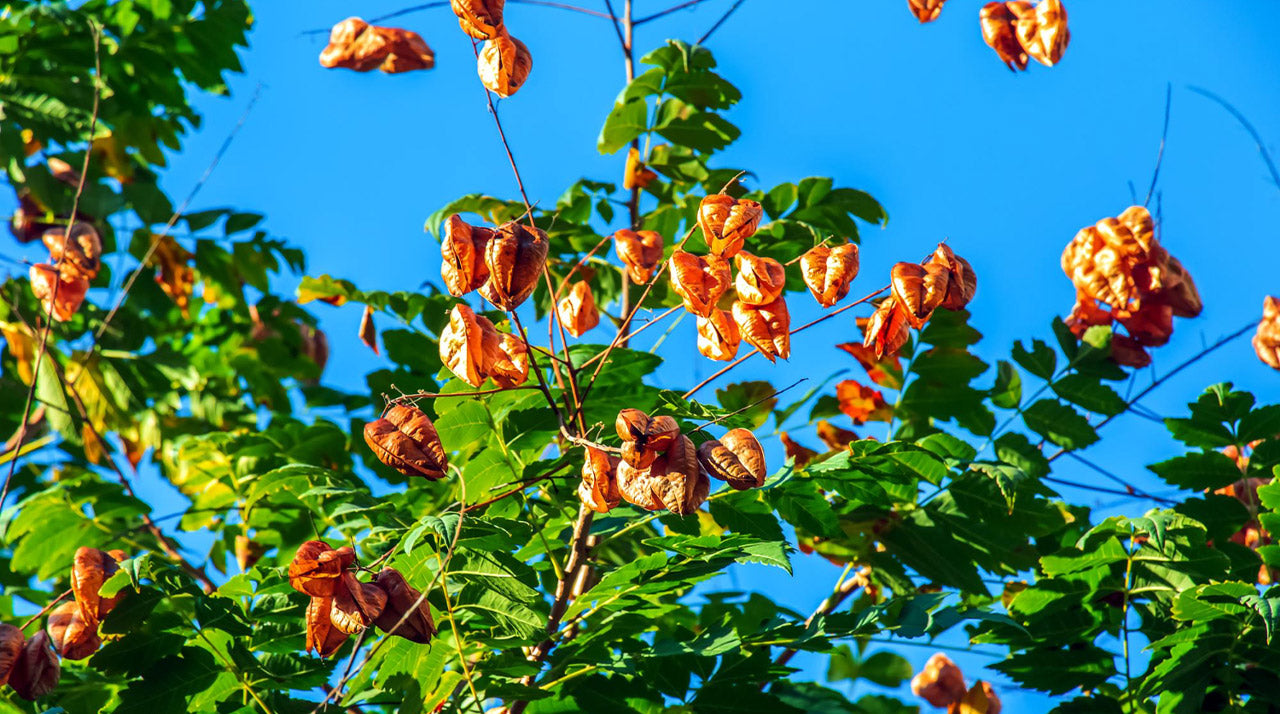
Flowering time: Large, airy panicles of small yellow flowers in mid to late summer, followed by papery, lantern‑like seed pods and warm yellow to orange autumn foliage.
Fragrance: Flowers may have a light, sweet scent close up, but Koelreuteria is grown mainly for its colour, structure and unusual seed pods rather than perfume.
Hardiness: Generally fully hardy across most of the UK (roughly equivalent to RHS H5), coping well with typical winter cold in places like Cambridgeshire and the wider East Anglia area.
Care level: Moderate; not fussy about soil once established, but needs a sunny spot, decent drainage and a little formative pruning while young to develop a good framework.

The Simpson’s team raises the majority of our trees here at the nursery. For varieties outside our own production, we work with independent local growers we trust - all chosen for UK climate suitability.
Planting time: As a container‑grown tree, Koelreuteria can be planted in most months when the soil isn’t frozen or waterlogged, with spring and autumn usually the easiest times for it to settle in and start making new roots.
Watering: Water regularly during the first couple of growing seasons, especially in dry spells and on lighter soils. Once established, golden rain tree is fairly drought‑tolerant and generally only needs additional watering in prolonged hot, dry periods.
Feeding: In decent garden soil, an annual mulch of garden compost or well‑rotted manure in spring is usually enough. On poorer or very sandy soils, a modest application of a balanced fertiliser in spring can support healthy growth and flowering.
Pruning: Needs only light pruning once established – mainly removing dead, damaged or crossing branches and keeping the framework well balanced. Formative pruning in the first few years helps create a strong, open crown.
Winter: Fully hardy in the ground in most UK gardens and usually requires no special winter protection. Young or container‑grown trees benefit from a sheltered site and a mulch over the root zone in colder or more exposed positions.
Availability is always changing, so please check with us if you have a particular variety in mind.


A wonderfully ornamental small tree with airy summer panicles of yellow flowers that create a soft “golden rain” effect. The foliage is neat and refined, giving light shade, and later the papery lantern-like seed pods add extra detail. A superb specimen for seasonal interest and a slightly exotic feel.
A selected form of golden rain tree with a particularly smart, well-balanced habit. In summer it carries those distinctive yellow flower plumes, followed by decorative lantern-like pods that hang on and catch the light. A great choice when you want a neat specimen with plenty of charm.