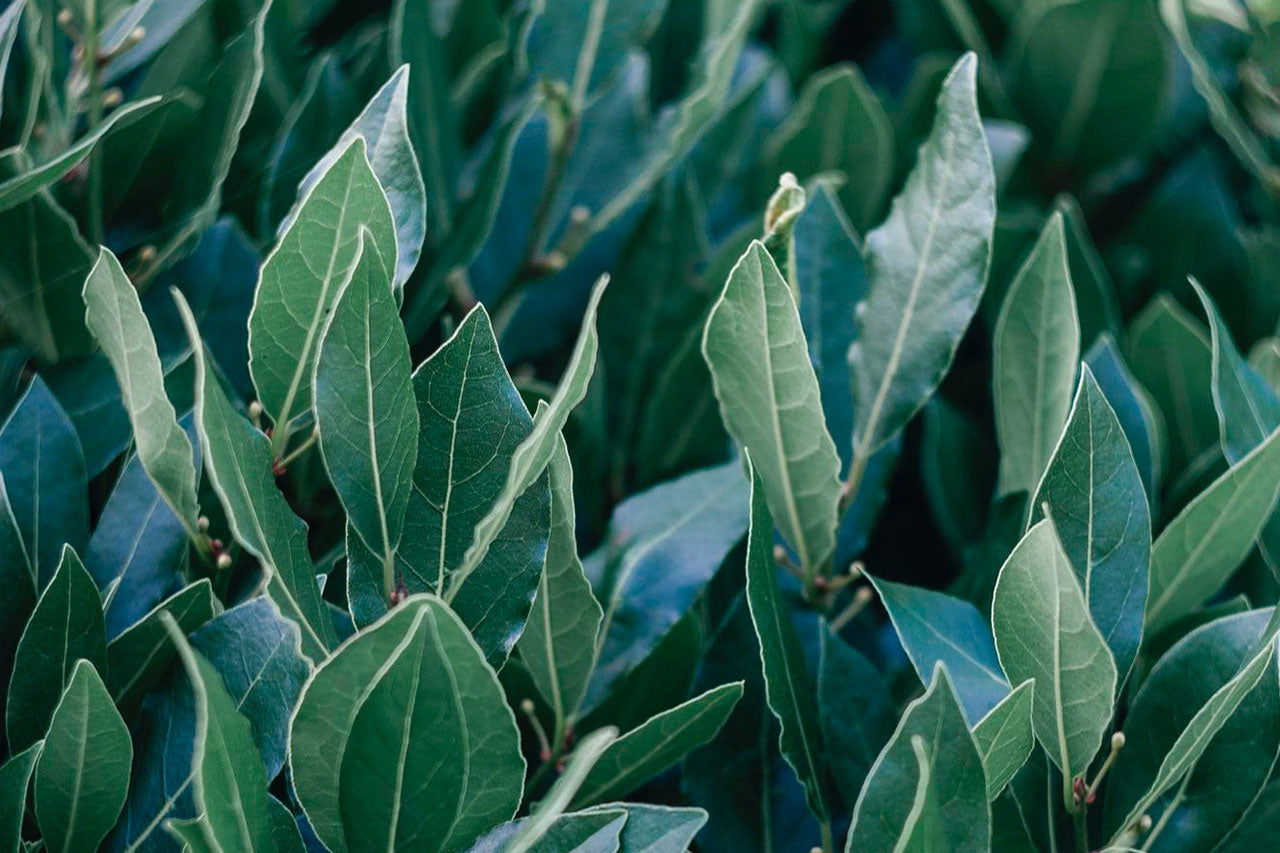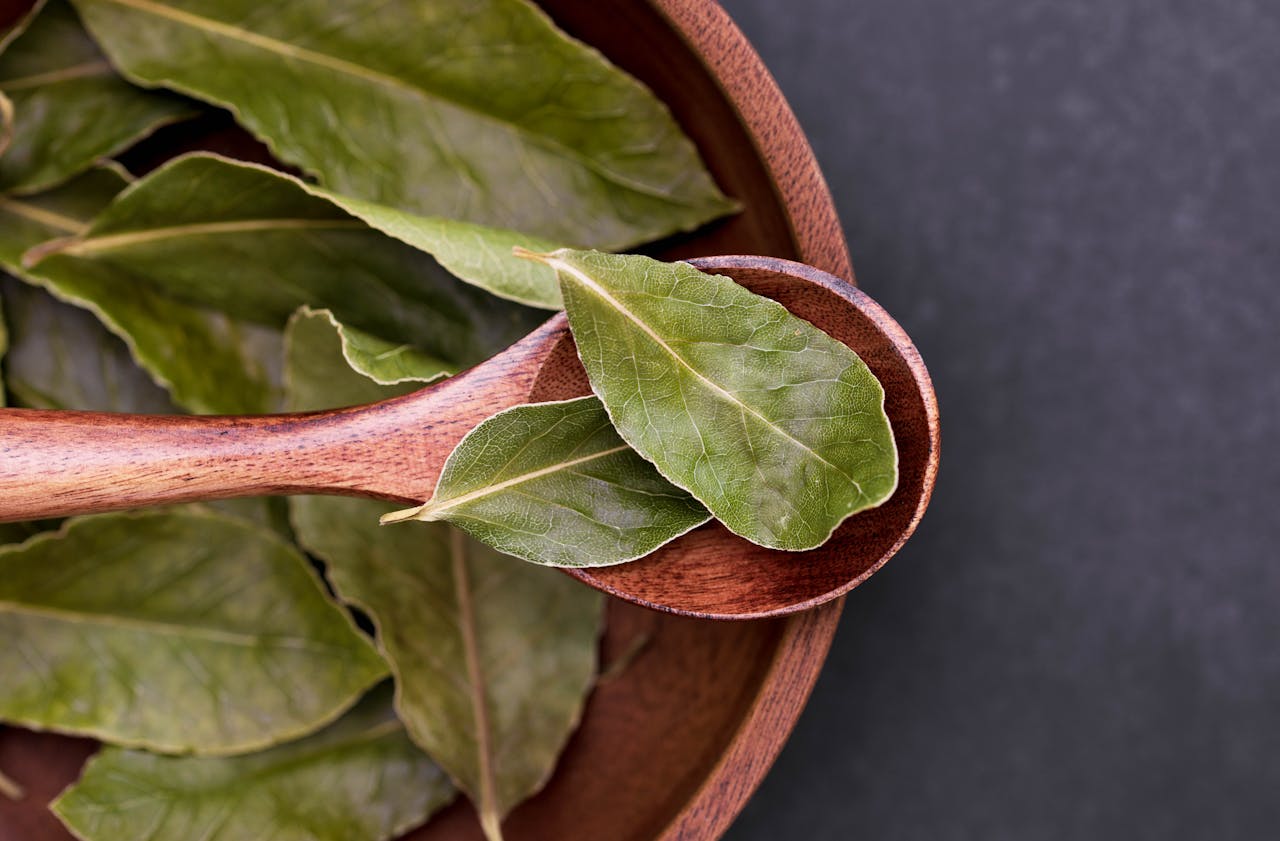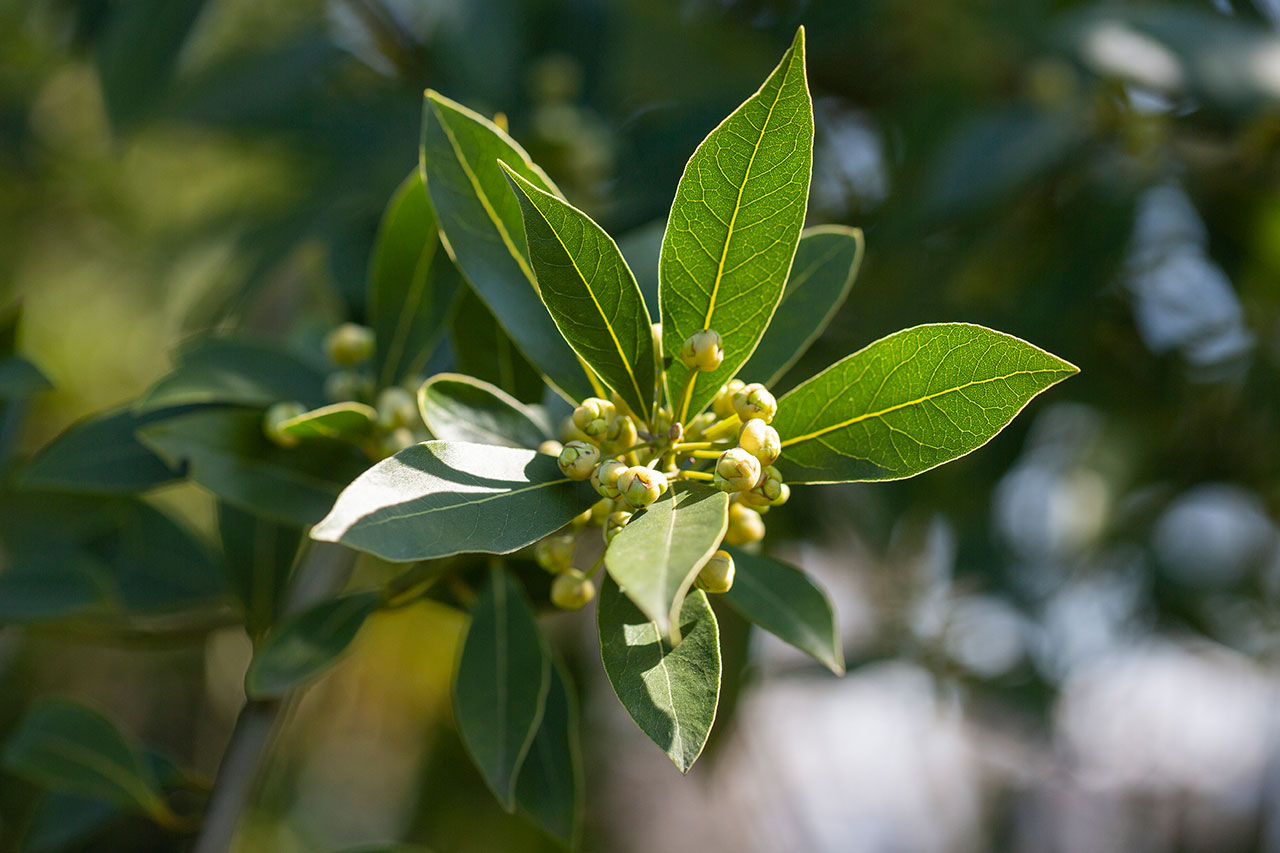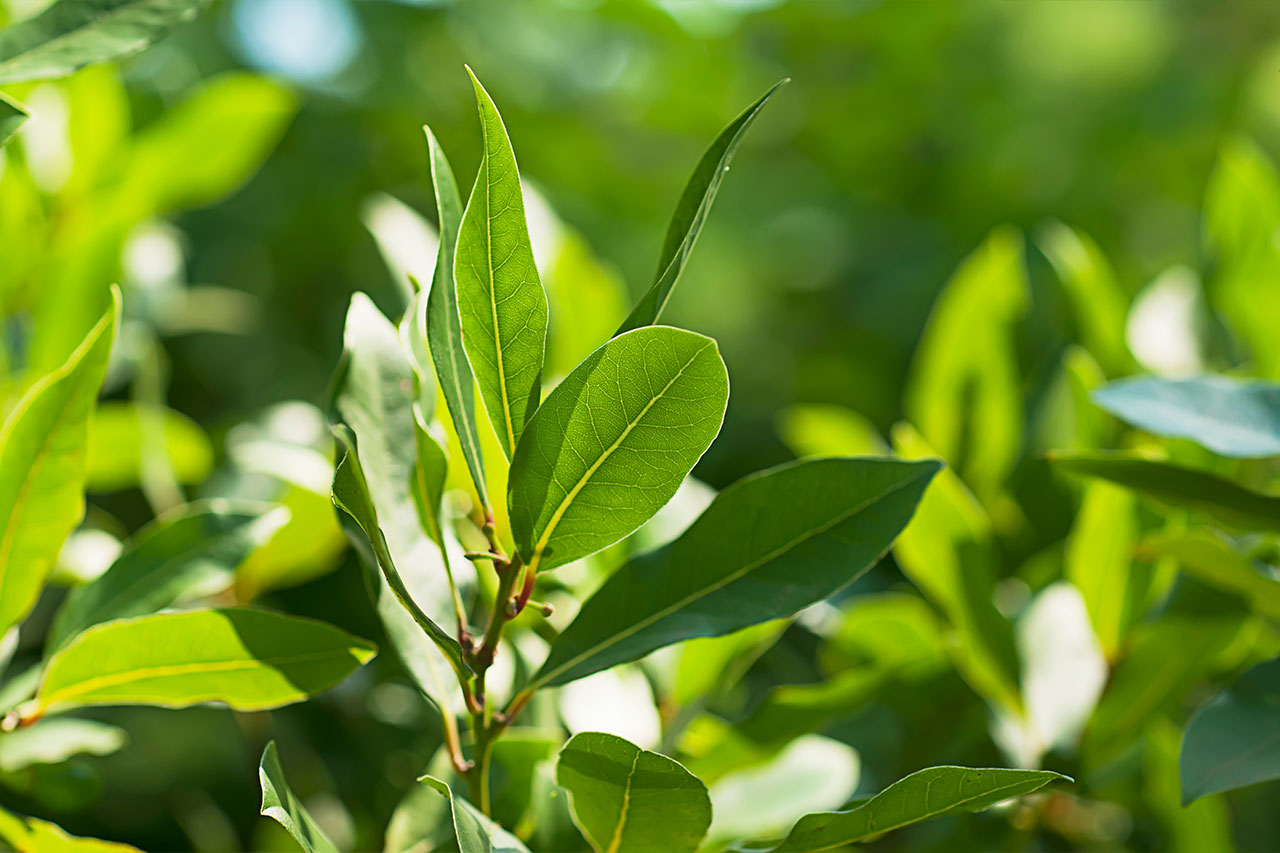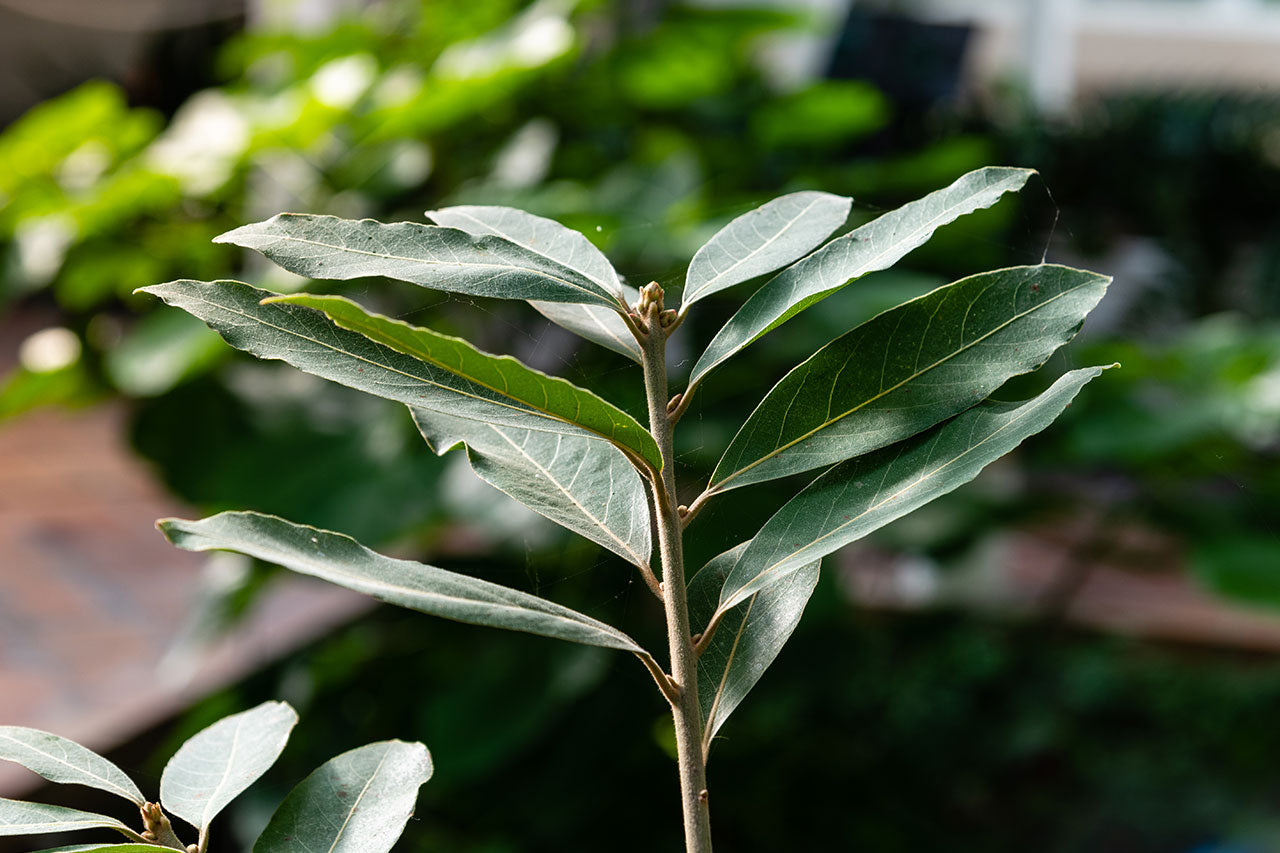

The thing most people first notice about bay is the scent. Crush a leaf between your fingers and you get that deep, warm, kitchen aroma that’s so familiar from soups and stews. In the garden, those same leaves stay on the plant all year, giving you a reliable block of glossy green for structure as well as cooking. It means your herb patch never looks completely bare, and even in the depths of winter you can step outside, rake your fingers through the foliage and be reminded of warmer days and good food.
Common name: Bay tree (Sweet bay, Bay laurel)
Latin name: Laurus
Size in UK gardens: Usually 1–3m tall and wide when kept clipped as a shrub, hedge or standard; if left to grow in the ground it can eventually reach 6–8m as a small tree.
Best position: Full sun or light partial shade in a sheltered spot, ideally near a south‑ or west‑facing wall to protect it from cold, drying winds.
Soil: Fertile, moisture‑retentive but well‑drained soil; in pots, a loam‑based compost with added grit is ideal so the roots never sit in water.
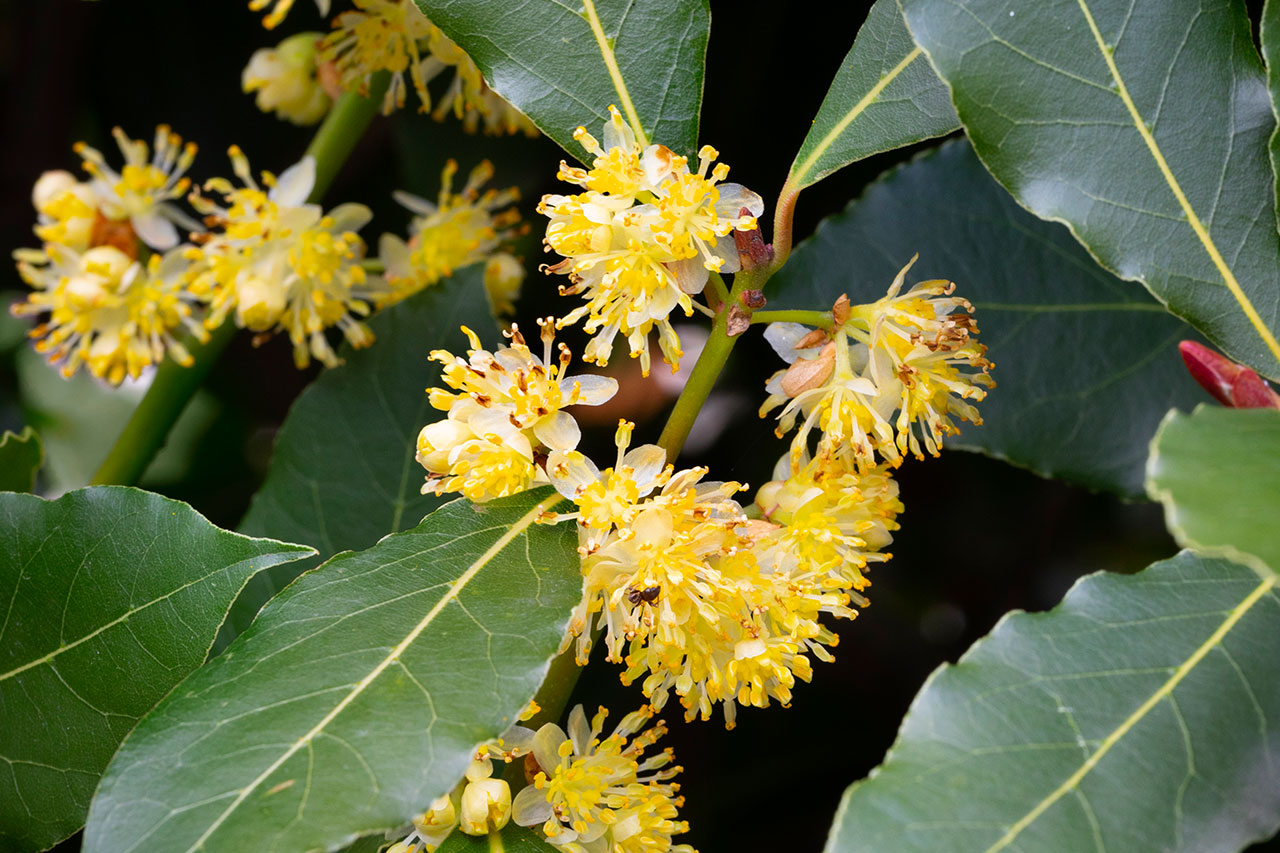
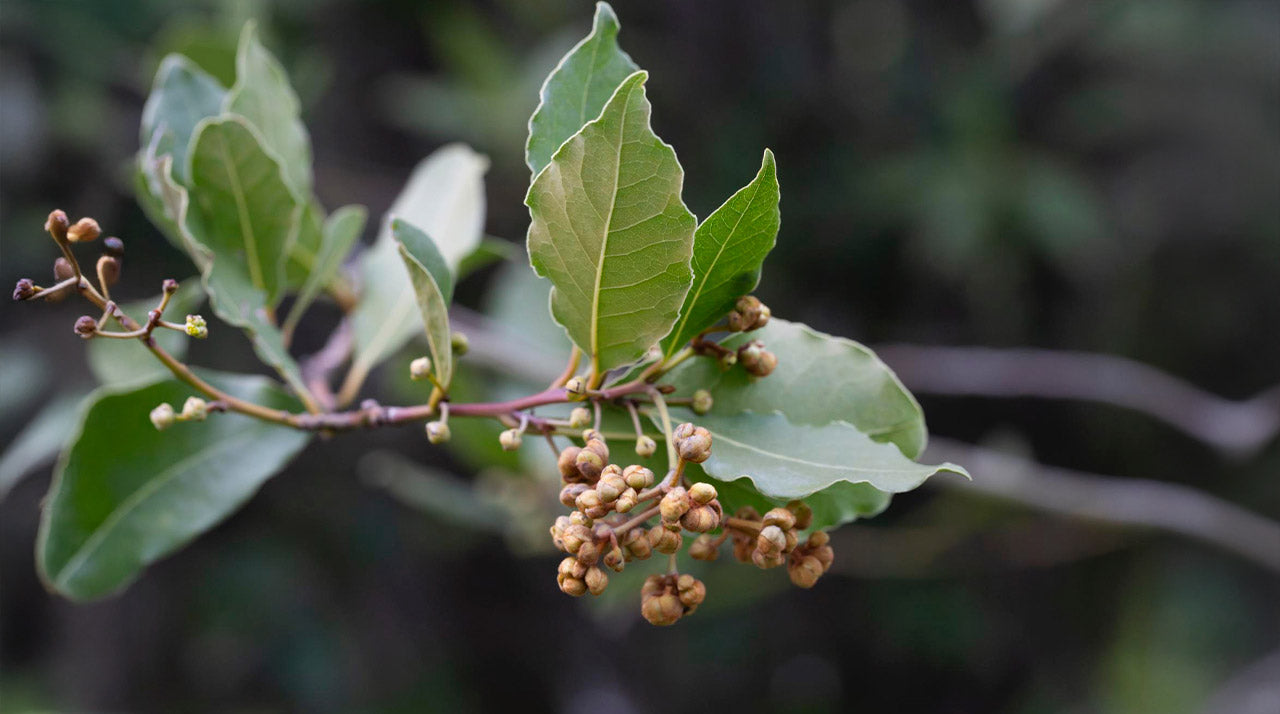
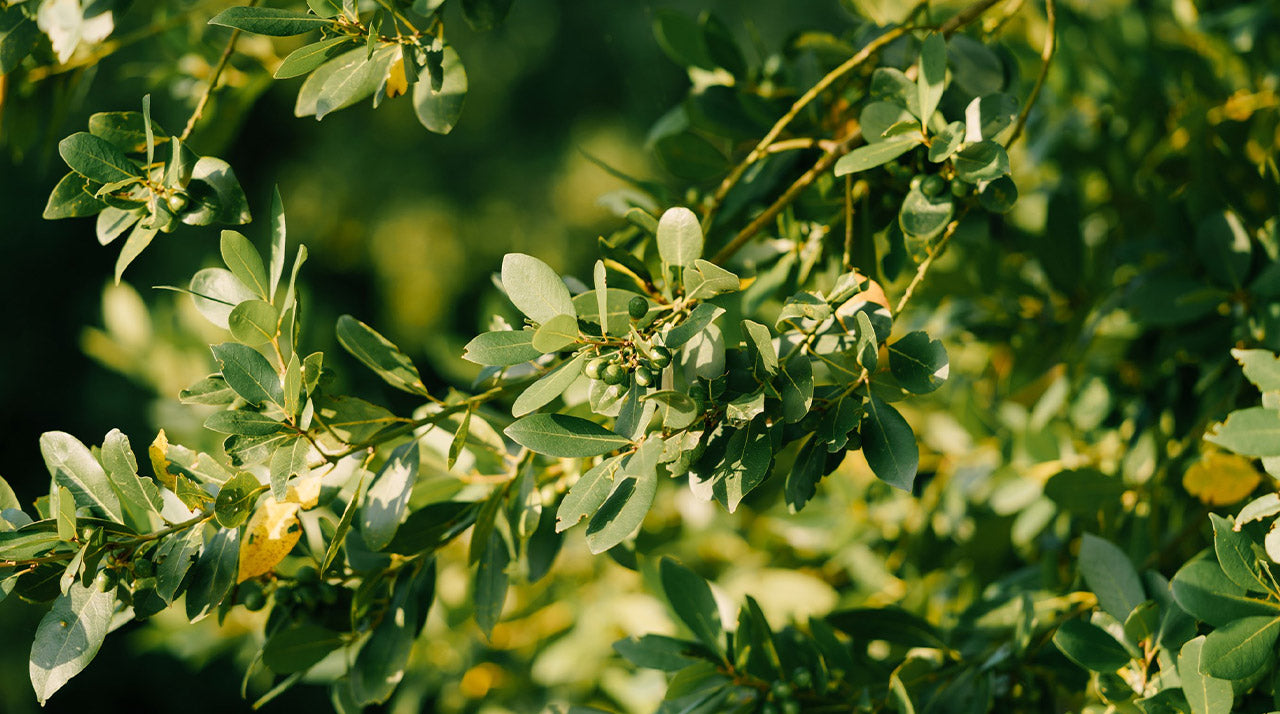
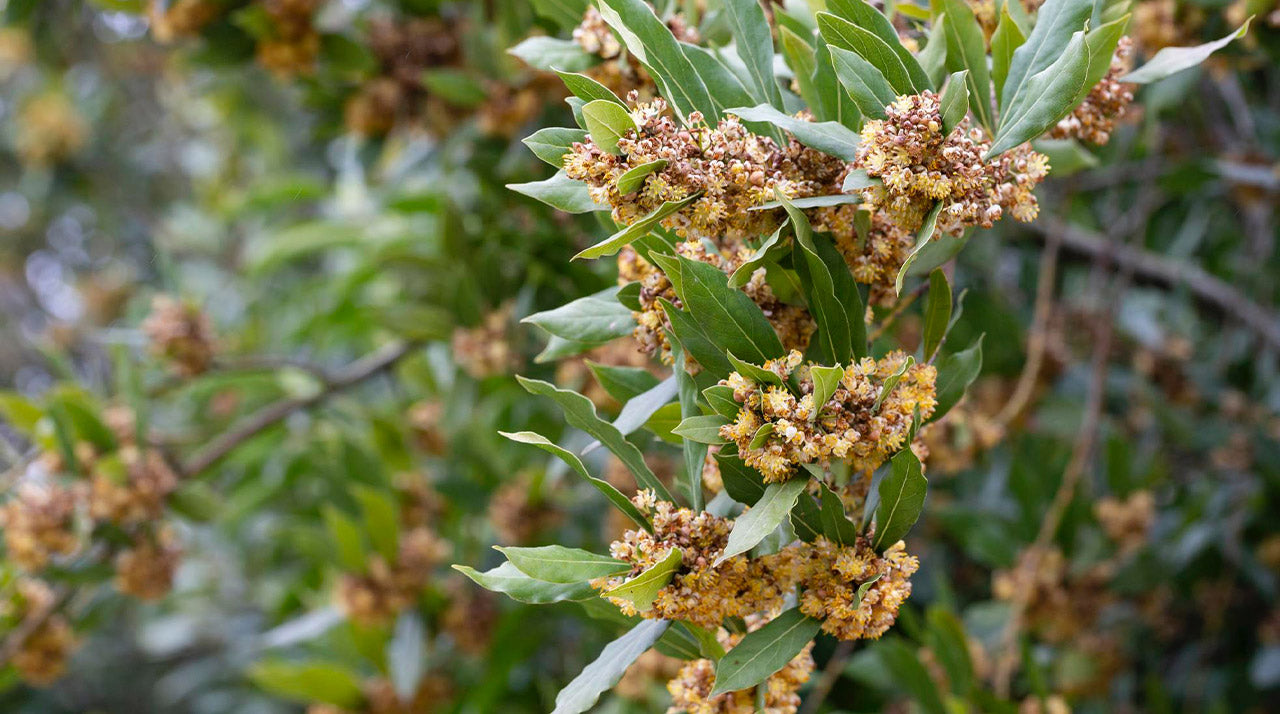
Main interest: Aromatic evergreen foliage for year‑round structure and the kitchen, with small spring flowers and, on female plants, dark berries later in the season.
Fragrance: Leaves are strongly aromatic when crushed or cooked with; flowers are small and only lightly scented.
Hardiness: Generally hardy in much of the UK, especially in the ground and in sheltered gardens, but young and container‑grown plants can suffer damage below about –5°C in exposed sites.
Care level: Moderate; easy‑going once established, but appreciates good drainage, some shelter, regular watering in pots and light pruning to keep its shape.

The Simpson’s team raises the majority of our trees here at the nursery. For varieties outside our own production, we work with independent local growers we trust - all chosen for UK climate suitability.
Planting time: As a container‑grown shrub, bay can be planted in most months when the soil isn’t frozen or waterlogged, with spring and early autumn usually giving the easiest conditions for new roots to establish.
Watering: Water regularly through the first growing season, especially in dry spells, so the rootball never dries solid. Established plants in the ground often cope on rainfall alone, but container bays need checking more frequently in warm or windy weather.
Feeding: A light mulch of garden compost in spring usually keeps soil‑grown plants happy. Potted bays benefit from a slow‑release fertiliser or a light balanced feed in spring, but avoid over‑feeding, which can push soft growth and weaken the flavour of the leaves.
Pruning: Clip lightly in late spring or summer to maintain cones, balls, hedges or standards. Older, tired plants can be cut back harder in early spring to regenerate, but may take a season or two to recover fully.
Winter: In the ground, sheltered bays usually need little more than a mulch and perhaps some fleece in very cold snaps; container plants should be moved to a protected spot and, in harsh winters, wrapped around the pot and crown for extra safety.
Availability is always changing, so please check with us if you have a particular variety in mind.

The bay tree brings instant Mediterranean poise, with glossy, evergreen leaves that look polished all year and release that unmistakable aromatic scent when brushed. Naturally neat and handsome, it makes a superb statement in the garden—equally at home as a dignified feature, an entrance plant, or a pair of evergreen sentinels.