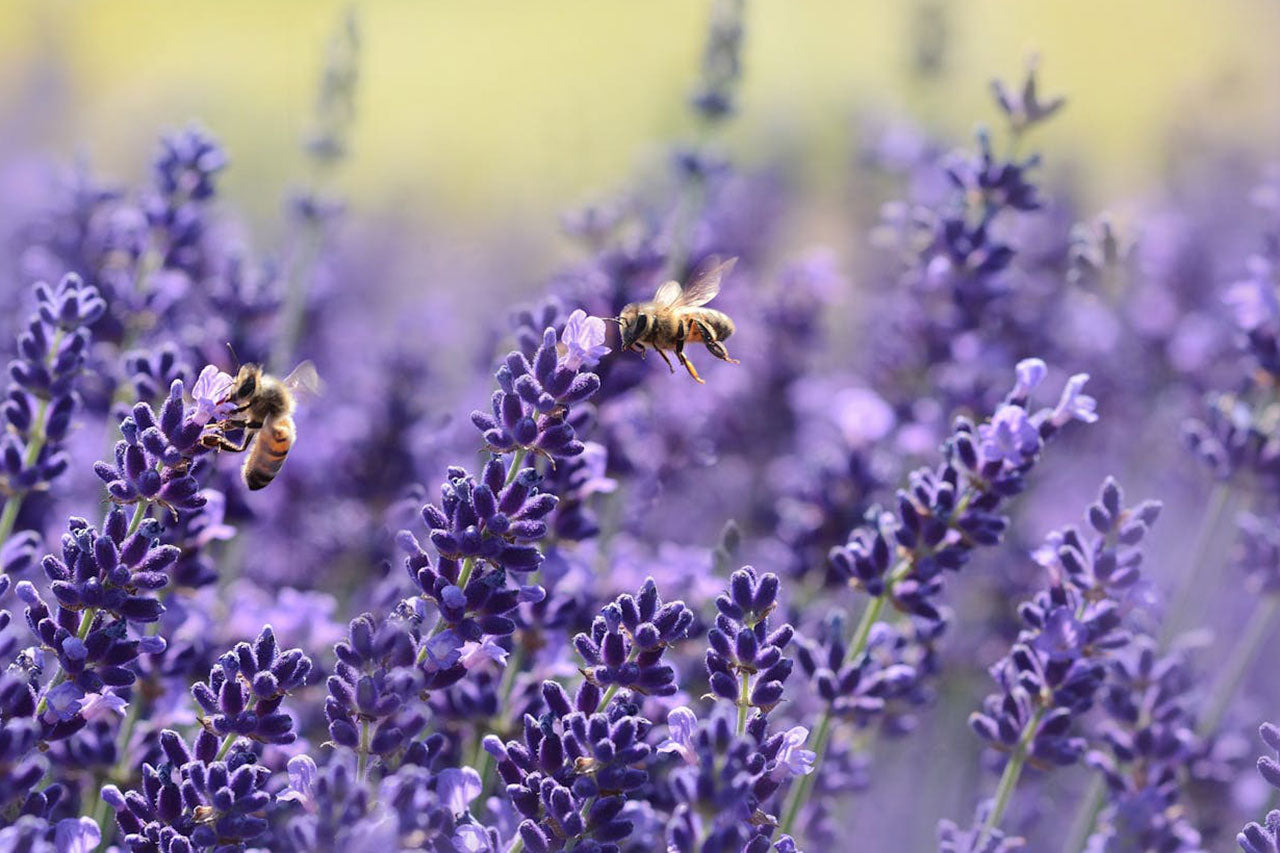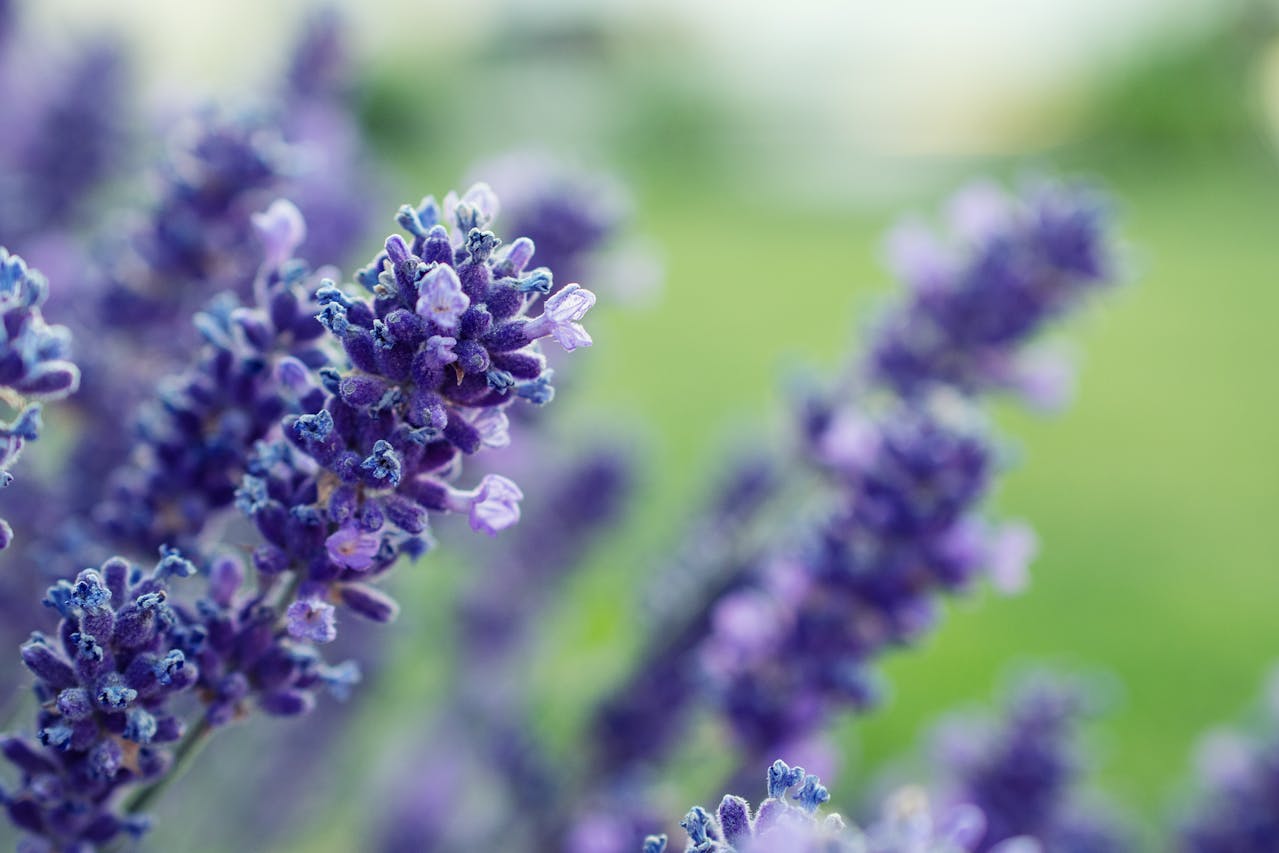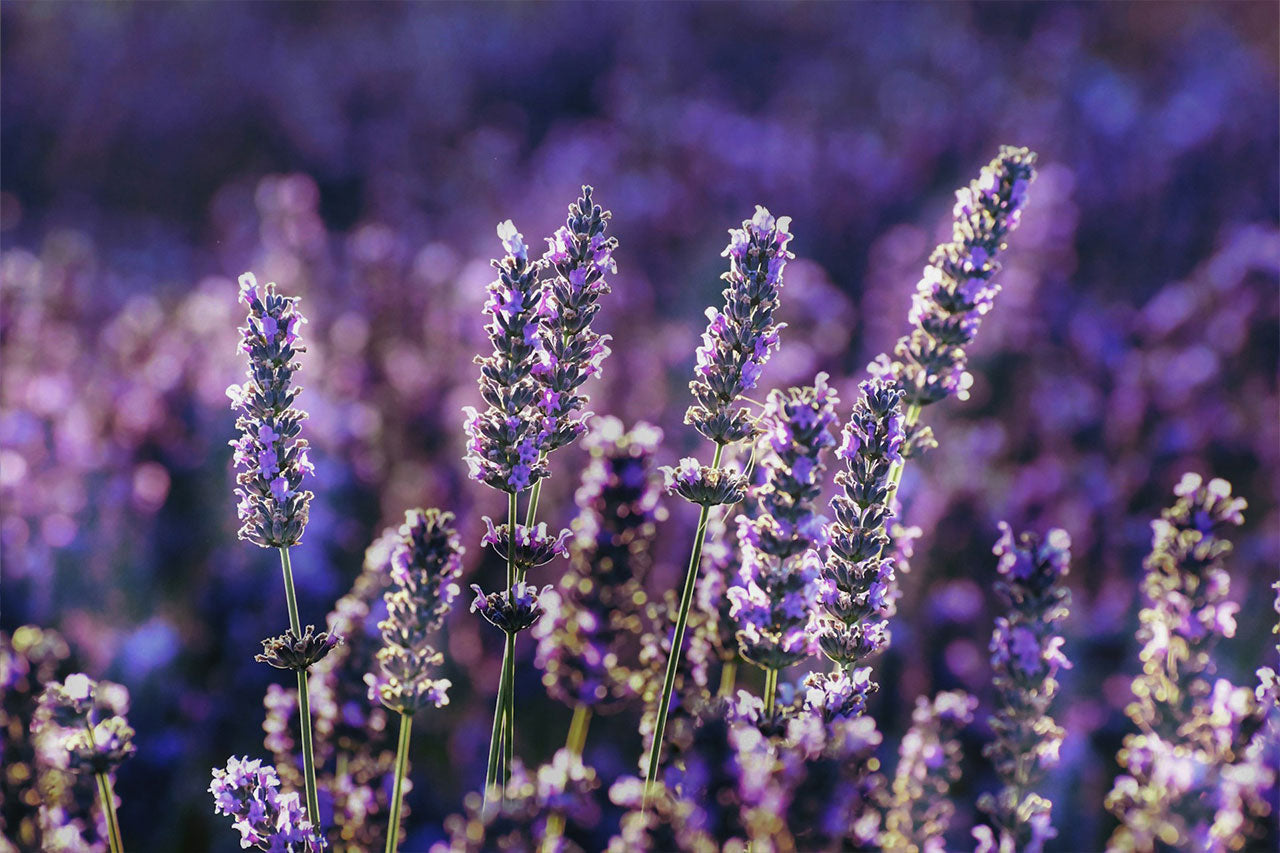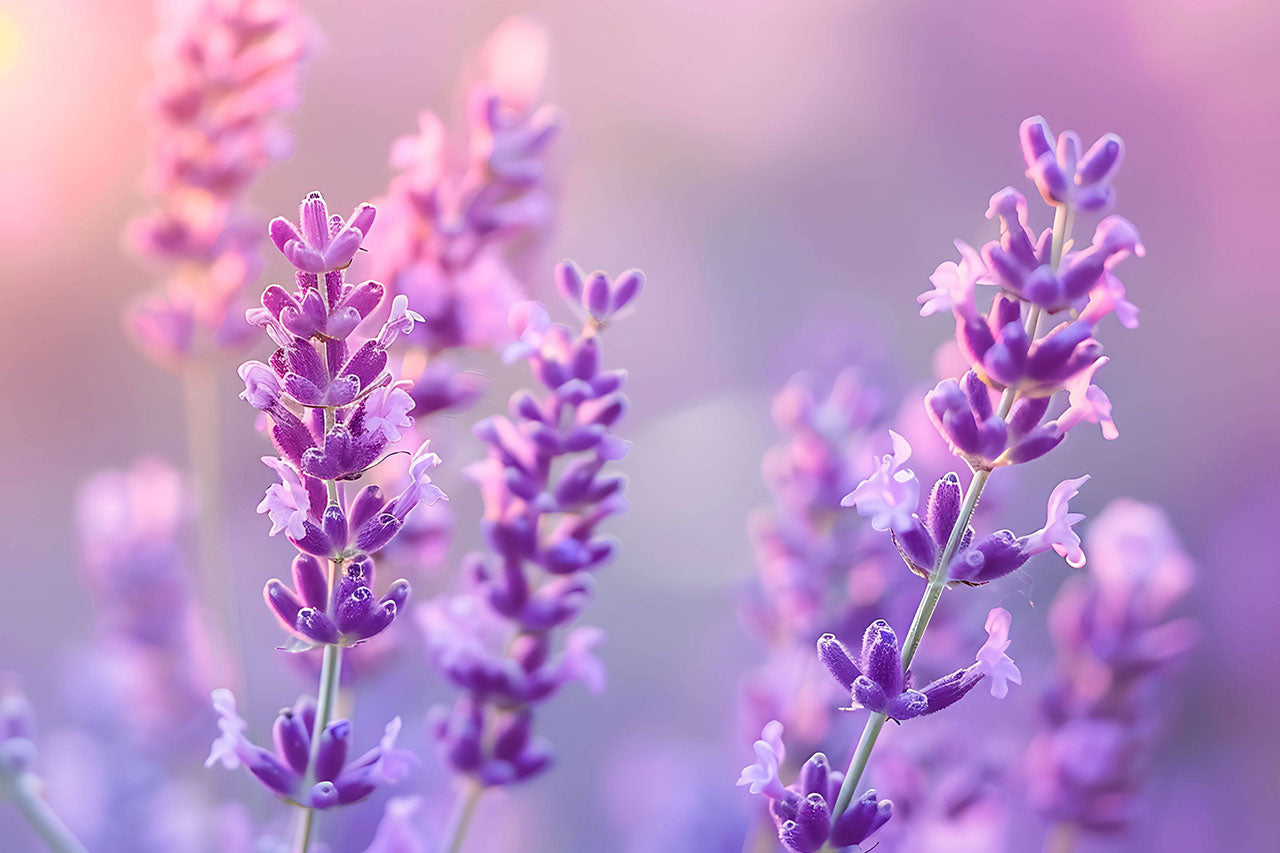

Where some shrubs fuss about soil and watering, lavender is quite content in the sort of sunny, free‑draining spots that many British gardens have in abundance – especially in drier counties like Cambridgeshire. Once established, it copes well with short dry spells, and in leaner soils it often flowers better and lives longer than in rich, soggy beds. Give it sharp drainage, an open position and a yearly trim, and it will repay you with years of easy, low‑maintenance beauty.
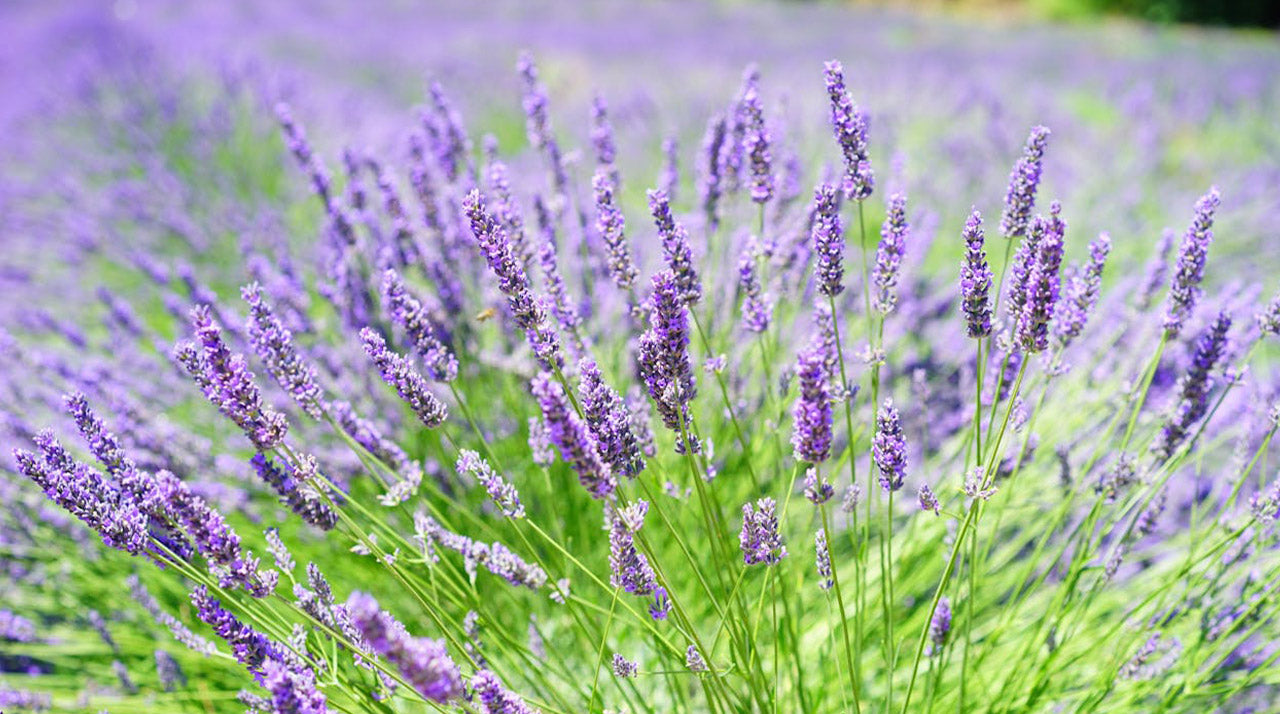
Common name: Lavender
Latin name: Lavandula
Size in UK gardens: Most hardy garden lavenders reach around 40–70cm tall and wide; some larger hybrids can grow to about 1m if left untrimmed.
Best position: Full sun in an open, airy spot – think bright, warm positions where the soil dries out between showers.
Soil: Free‑draining, preferably light or sandy soil; thrives on poorer ground as long as it doesn’t sit wet, and dislikes heavy, waterlogged clay.
Flowering time: Long spikes of blossom from early to mid‑summer, often with a second lighter flush later on if deadheaded promptly.
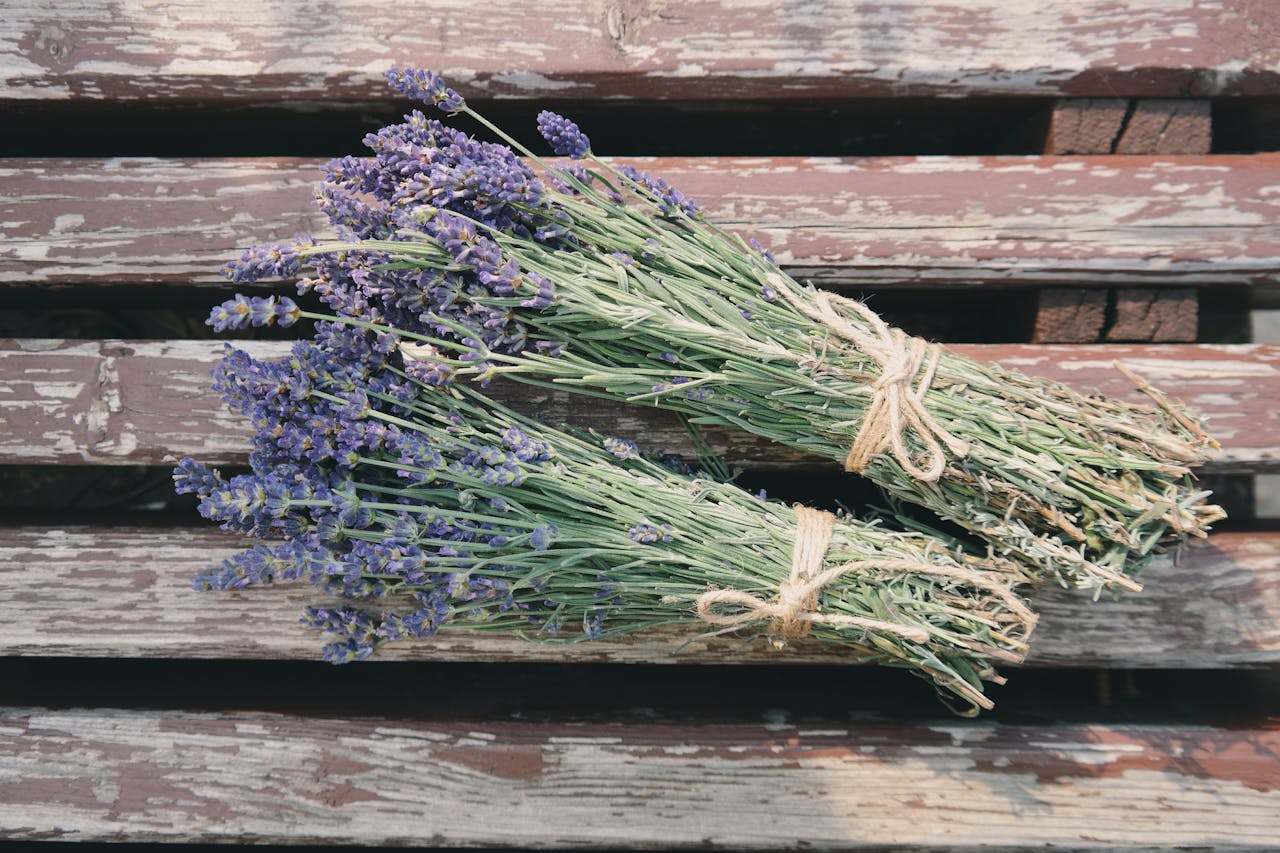
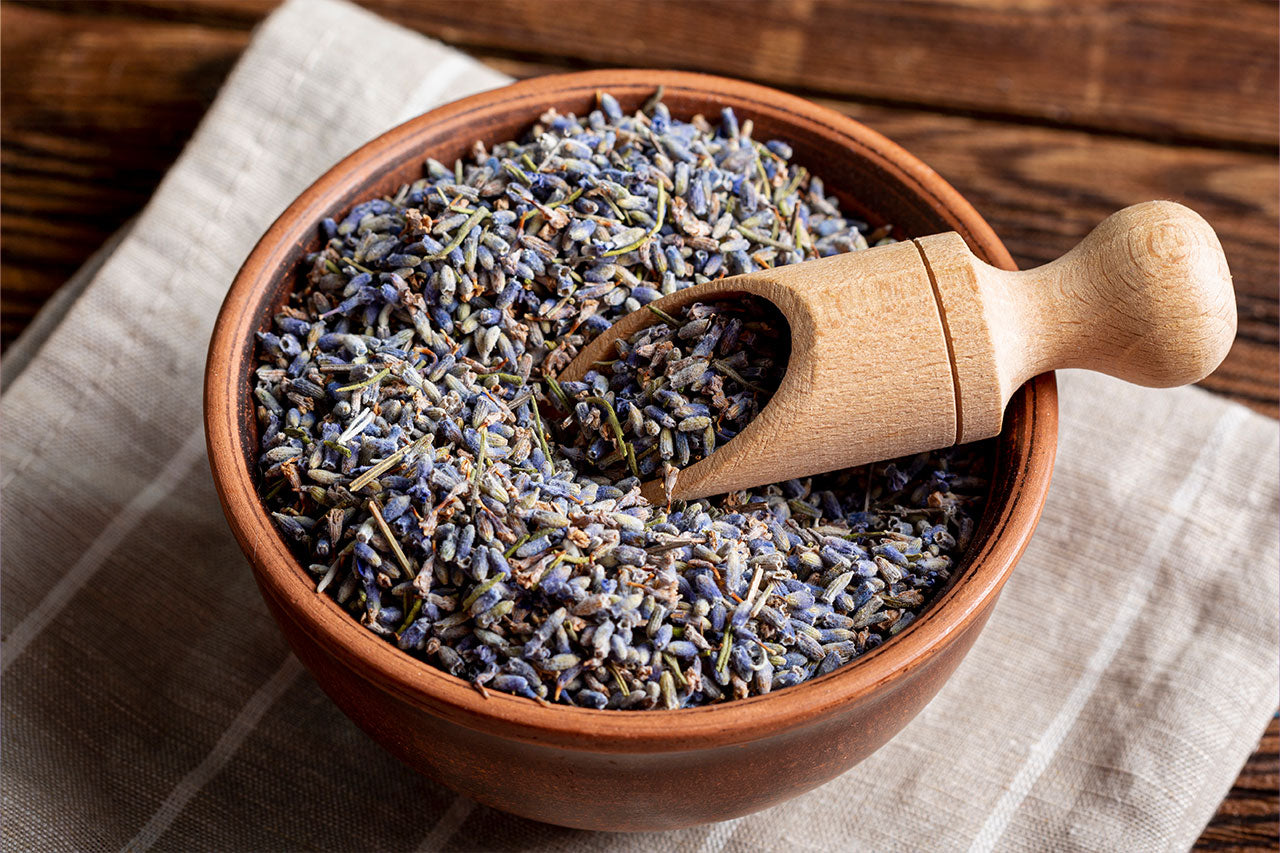
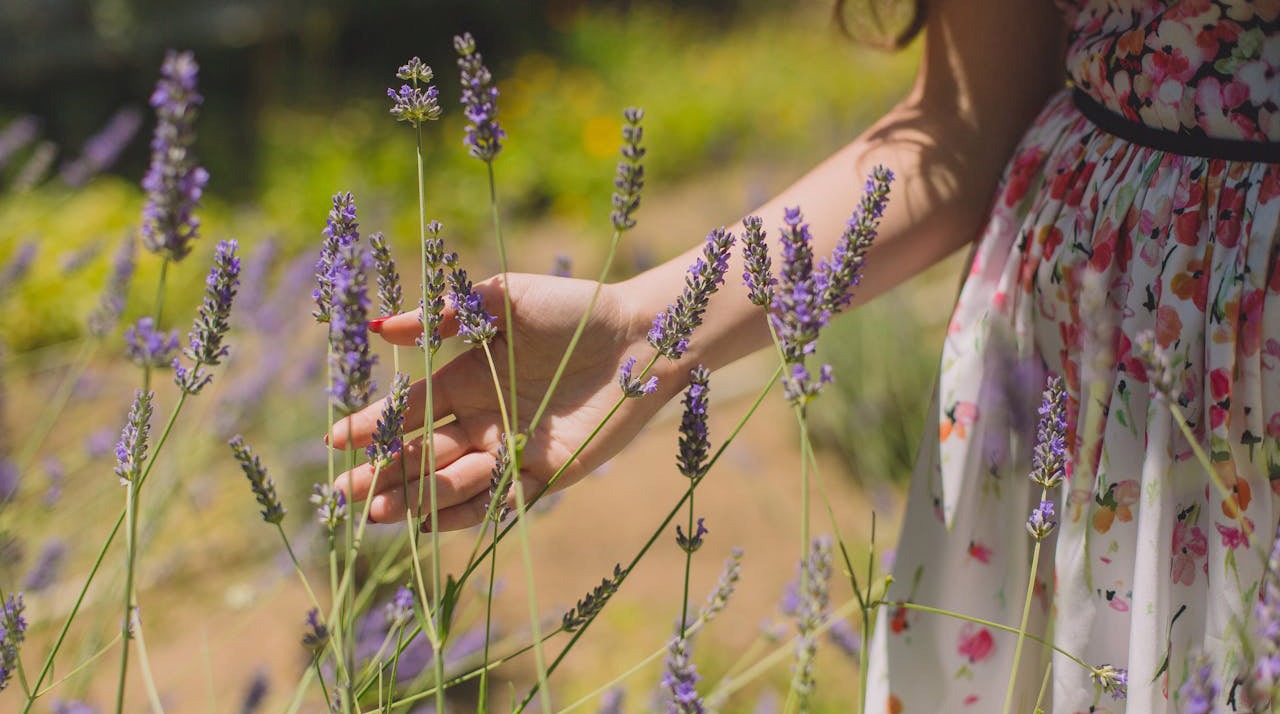
Fragrance: Strongly scented foliage and flower spikes, lovely for brushing past, cutting for the house, and drying.
Hardiness: Hardy English and hybrid lavenders cope well with most UK winters in well‑drained soil; more tender French types need extra shelter, especially in colder or wetter areas.
Care level: Low, provided you give it sun, sharp drainage and a yearly trim; more likely to sulk from kindness (too much water and rich soil) than from neglect.

The Simpson’s team raises the majority of our trees here at the nursery. For varieties outside our own production, we work with independent local growers we trust - all chosen for UK climate suitability.
Planting time: As container‑grown plants, lavenders can be planted in most months when the soil is workable and not waterlogged, with late spring and early autumn usually ideal so roots can settle before extreme heat or cold.
Watering: Water regularly in the first growing season to help roots establish, but always let the soil drain and the top dry slightly between waterings. Once established in the ground on suitable soil, lavender generally only needs extra water in prolonged drought.
Feeding: Lavender is not greedy; in the ground it usually needs no more than a light mulch of gravel or a very modest dressing of general fertiliser in spring. In pots, a small amount of slow‑release feed in spring is plenty – too much fertiliser encourages soft, leafy growth rather than flowers.
Pruning: Trim lightly every year, cutting back the spent flower spikes and a little of the soft green growth in late summer, but never into old, bare wood. An additional tidy in early spring can help keep plants dome‑shaped and bushy.
Winter: Hardy lavenders in well‑drained soil usually need no special winter protection beyond avoiding waterlogging. Plants in pots and more tender French types benefit from a sheltered spot, good drainage and, in harsher areas, moving close to a wall or under very light cover.
Availability is always changing, so please check with us if you have a particular variety in mind.
A wonderfully fresh, white-flowering lavender that feels crisp and calming, especially along a sunny path or edging a border. It brings that classic lavender scent without the usual purple, and it looks superb with silvers, grasses and pale stone for a clean, Mediterranean feel.
A charming twist on the classic, with flowers that carry soft pink-and-white tones for a lighter, more playful look. It’s perfect for pots and front borders where you’ll enjoy the detail up close, and it still gives you that unmistakable lavender fragrance on warm days.
A particularly handsome lavender with a cool, silvery look that feels bright and modern in planting schemes. Ideal for edging and low hedging, or for pots where it brings neat structure and scent. It’s especially effective in repetition, stitching a border together with a clean, shimmering line.
A bold, characterful “French” style lavender with chunky flowerheads topped with jaunty bracts, giving real personality in pots and sunny borders. It brings a lively, slightly exotic note and is brilliant for patios. Give it sun, shelter and sharp drainage and it will reward you generously.
Compact and beautifully garden-friendly, with strong scent and richly coloured flower spikes that make it feel like proper lavender at its best. Perfect for edging, pots and small hedges, where it stays neat and dependable. A great choice when you want impact, fragrance and tidy structure together.
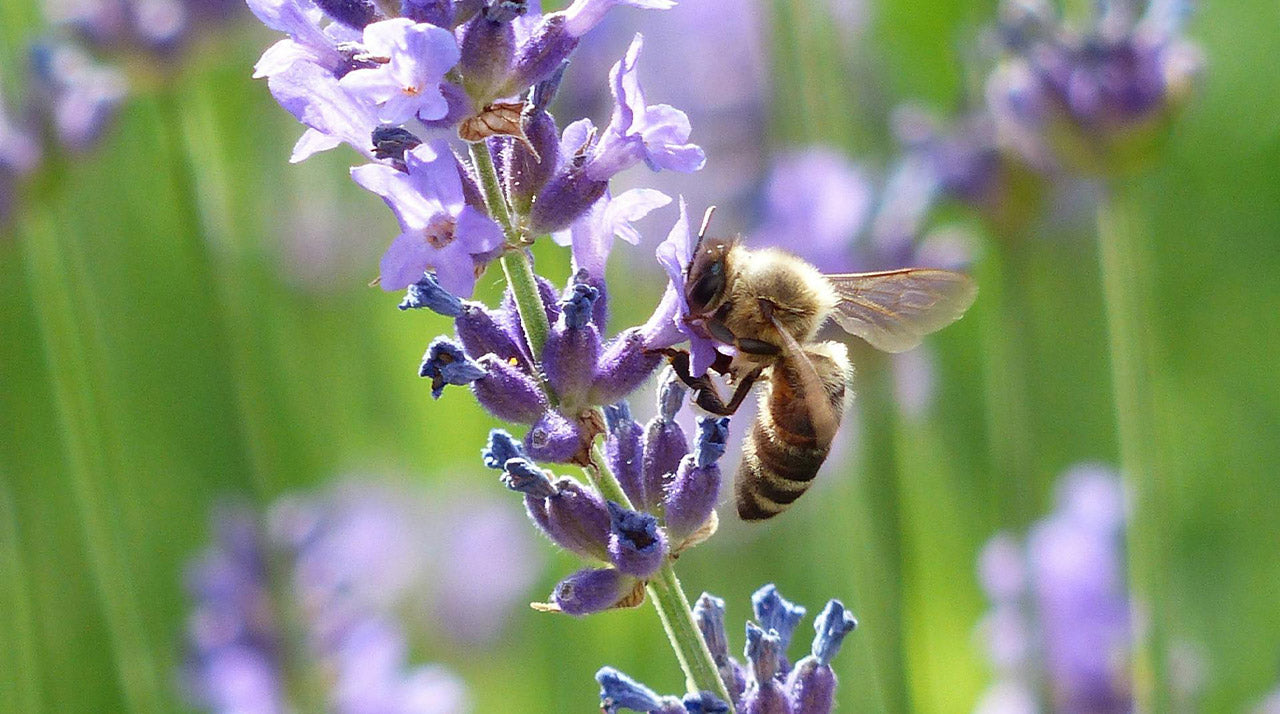
A true classic, loved for its neat habit and richly coloured flower spikes, making it ideal for low hedges and crisp edging along paths. The scent is superb, bees adore it, and it always looks “right” in a sunny border. A dependable choice for that timeless cottage-garden feel.
A compact, reliable lavender that’s easy to place almost anywhere—pots, borders, edging—bringing fragrance and a long season of flower. It has a softer, friendlier feel than some, and it keeps a neat shape with a simple trim. Perfect when you want lavender without fuss.
A wonderfully showy French lavender, with dramatic flowerheads topped by bold bracts that look superb in pots and sunny, sheltered borders. It brings a glamorous, Mediterranean note and flowers with real flair. Best where it’s warm and well drained, so it keeps its good looks through the seasons.
A softer, pink-flowering lavender that brings a gentle, romantic lift while still giving that classic fragrance. Lovely alongside whites and pale blues for a calm scheme, and excellent in pots by steps where you’ll brush past and catch the scent. It’s a pretty variation that still feels unmistakably “lavender”.
Foliage is the feature here—variegated leaves that brighten planting even when the flowers aren’t the main event. It’s perfect for edging and pots, bringing a crisp, silvery contrast that looks especially good against darker greens. A lovely choice when you want structure and sparkle all year.
A striking, decorative lavender with a rich, jewel-toned look that suits pots and sunny borders beautifully. It brings fragrance, strong colour, and a more “designer” feel than standard forms, making it ideal near patios and paths. Give it sun and sharp drainage and it will stay neat and rewarding.