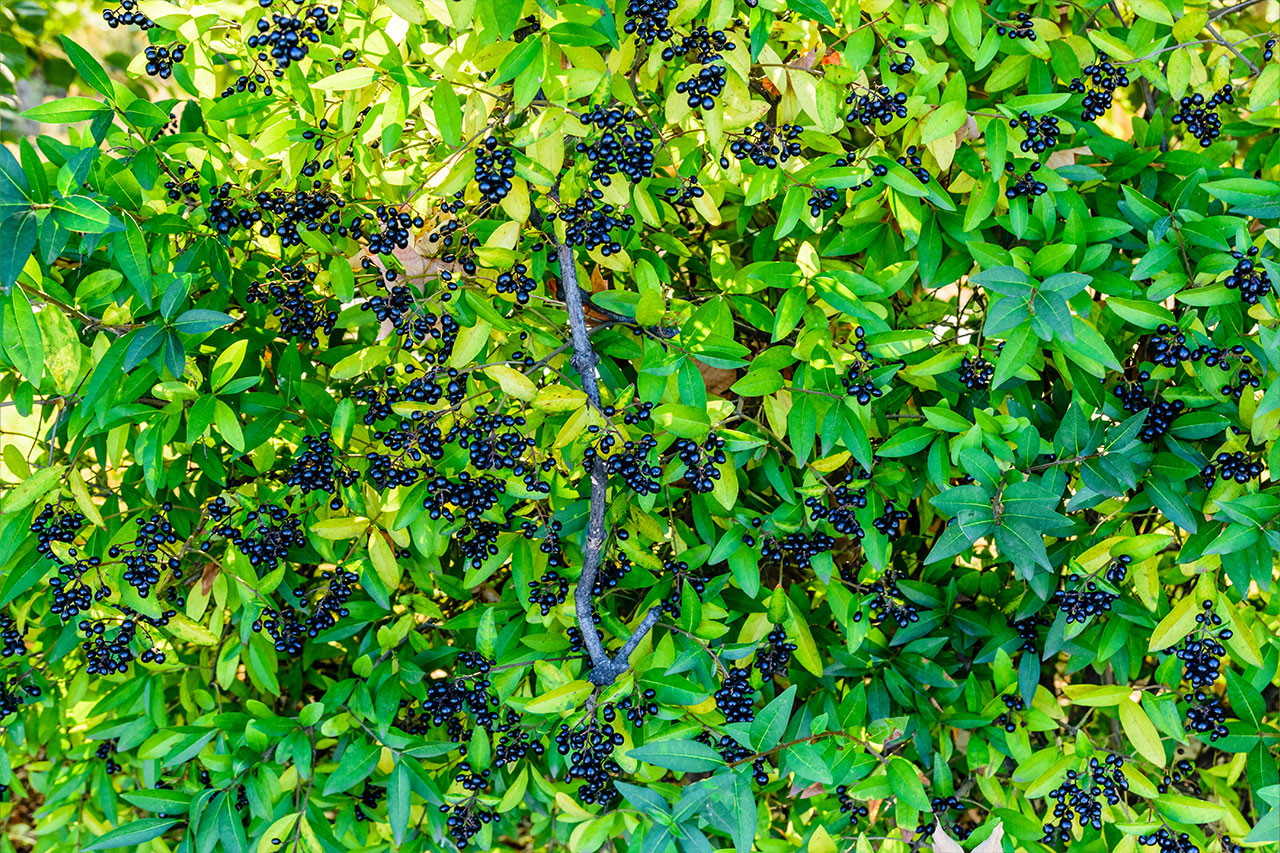

Many of us garden in places that are less than perfect – windy plots, dry banks, new‑build soils or front gardens right on the road. Privet takes all of this in its stride. It copes with a wide range of soils, tolerates pollution and salt, shrugs off moderate drought once established and is rarely troubled by pests or diseases. For a plant that does such a quietly important job, it is reassuringly undemanding. In a very practical way, it lets you get on with enjoying the rest of the garden, knowing the green framework is in safe hands.
Common name: Privet
Latin name: Ligustrum
Size in UK gardens: Commonly grown as a hedge between about 1–3m tall; if left untrimmed, plants can reach 3–4m or more as a large shrub or small tree.
Best position: Sun or light shade; privet will still make a decent hedge in quite a bit of shade, but is densest and berries best where it has at least a few hours of sun.
Soil: Most ordinary, well‑drained garden soils, from clay‑loam to lighter, chalky ground; copes well with urban conditions and new‑build plots as long as it’s not waterlogged.
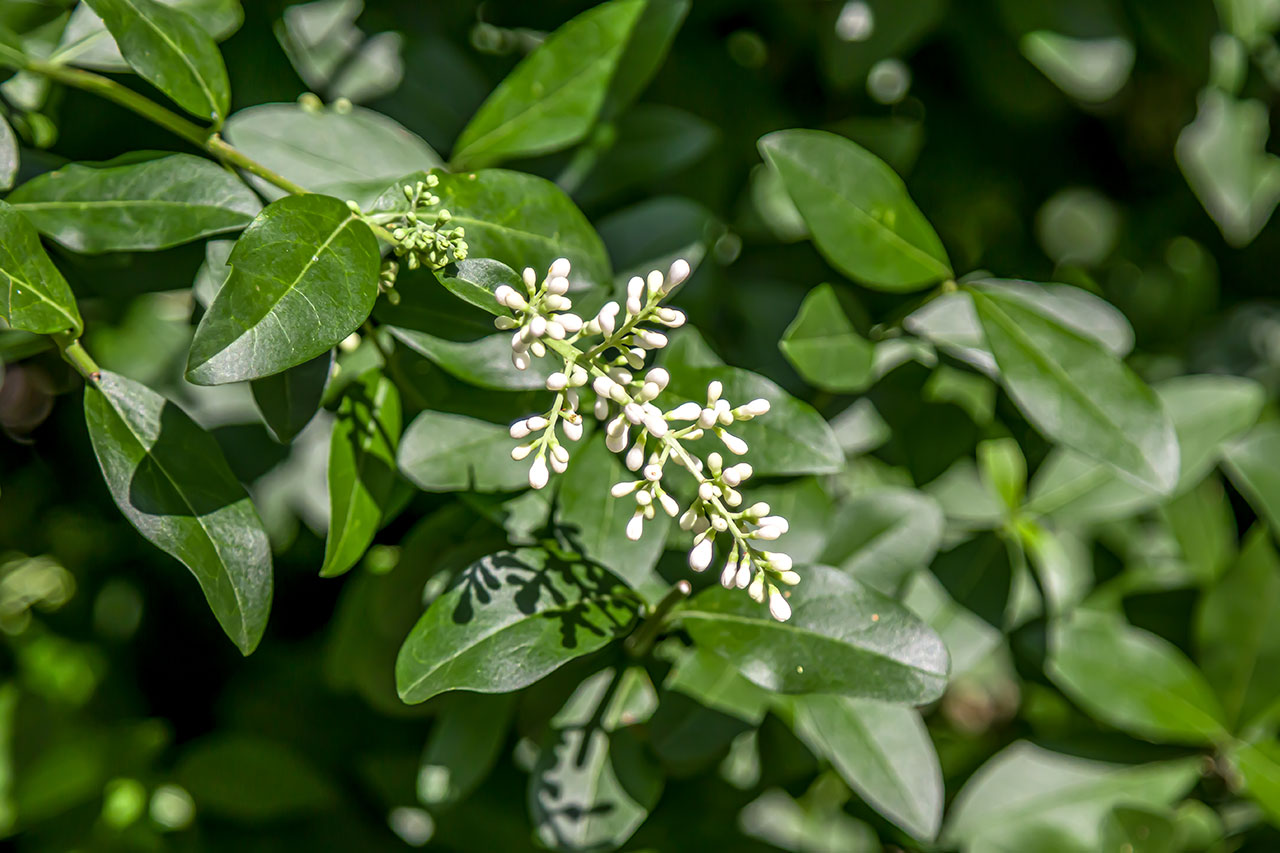
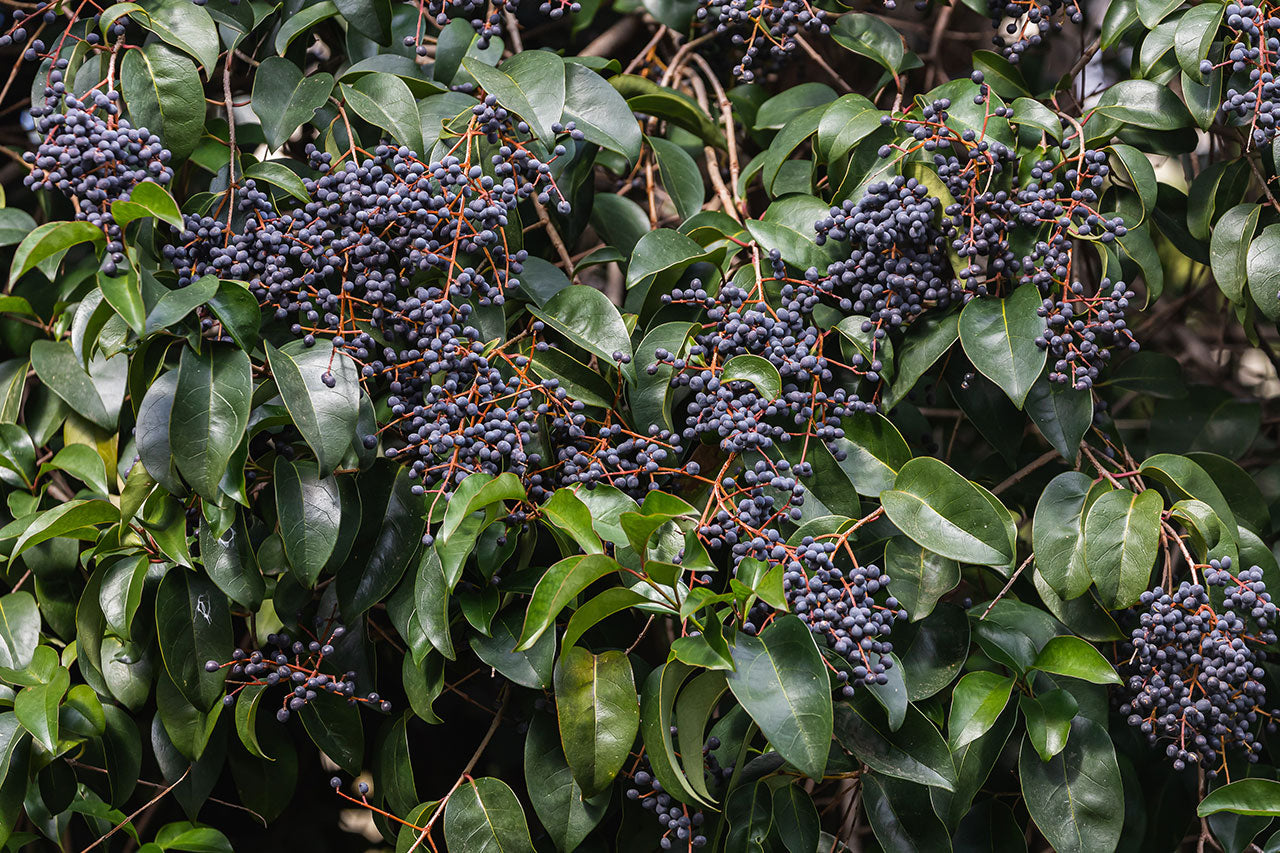
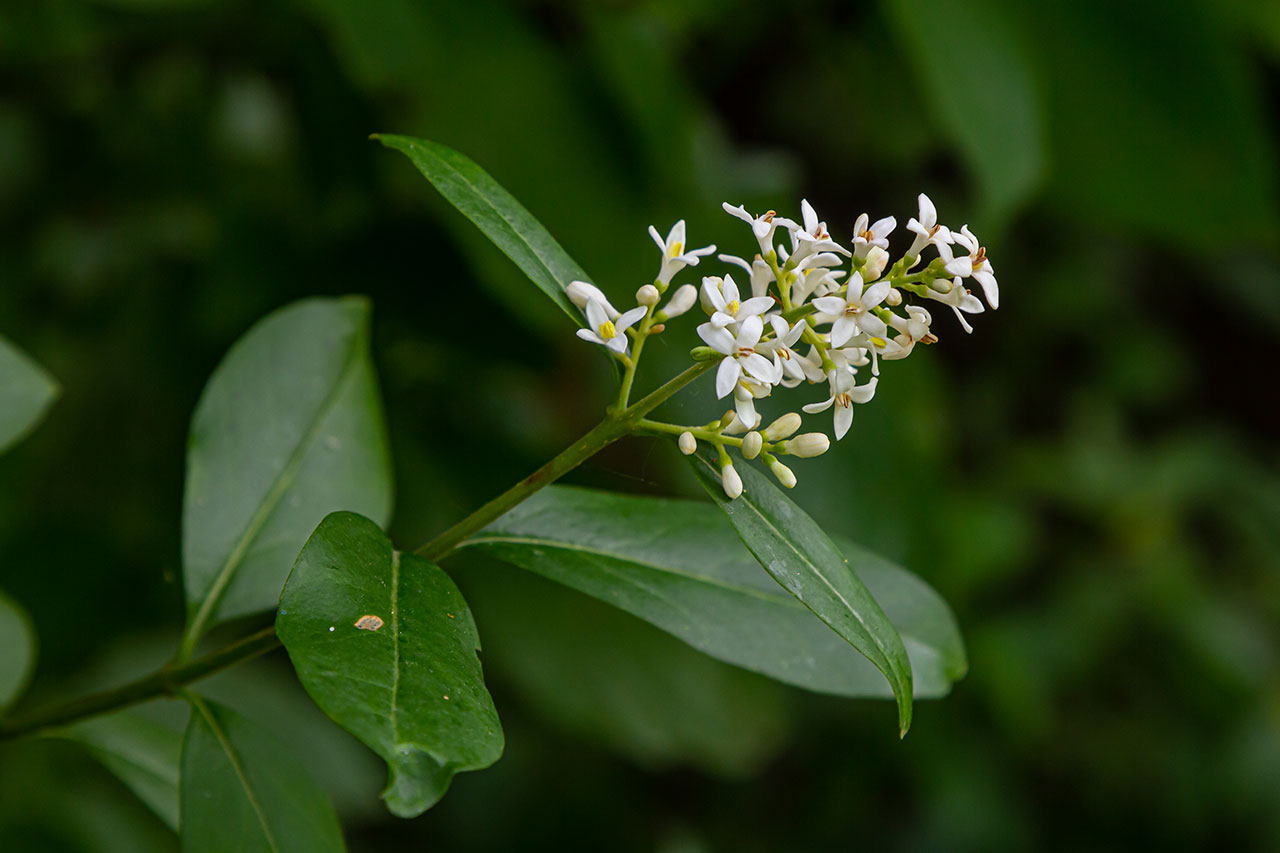
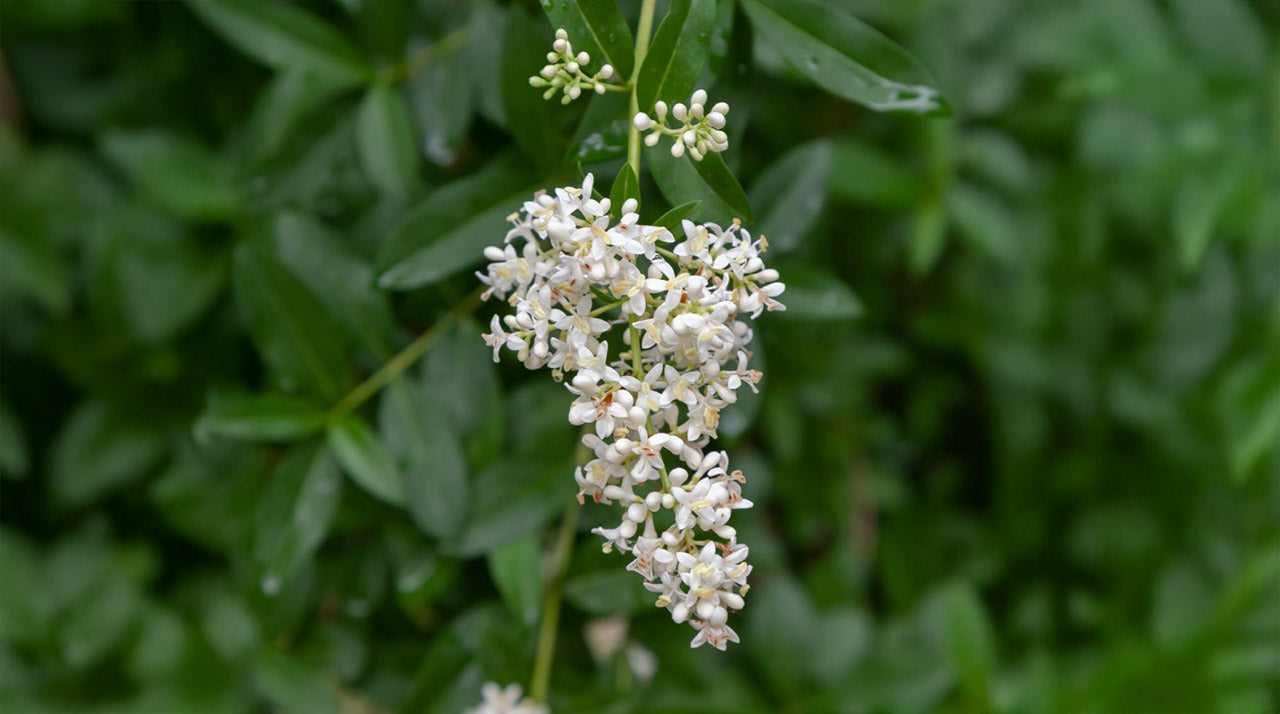
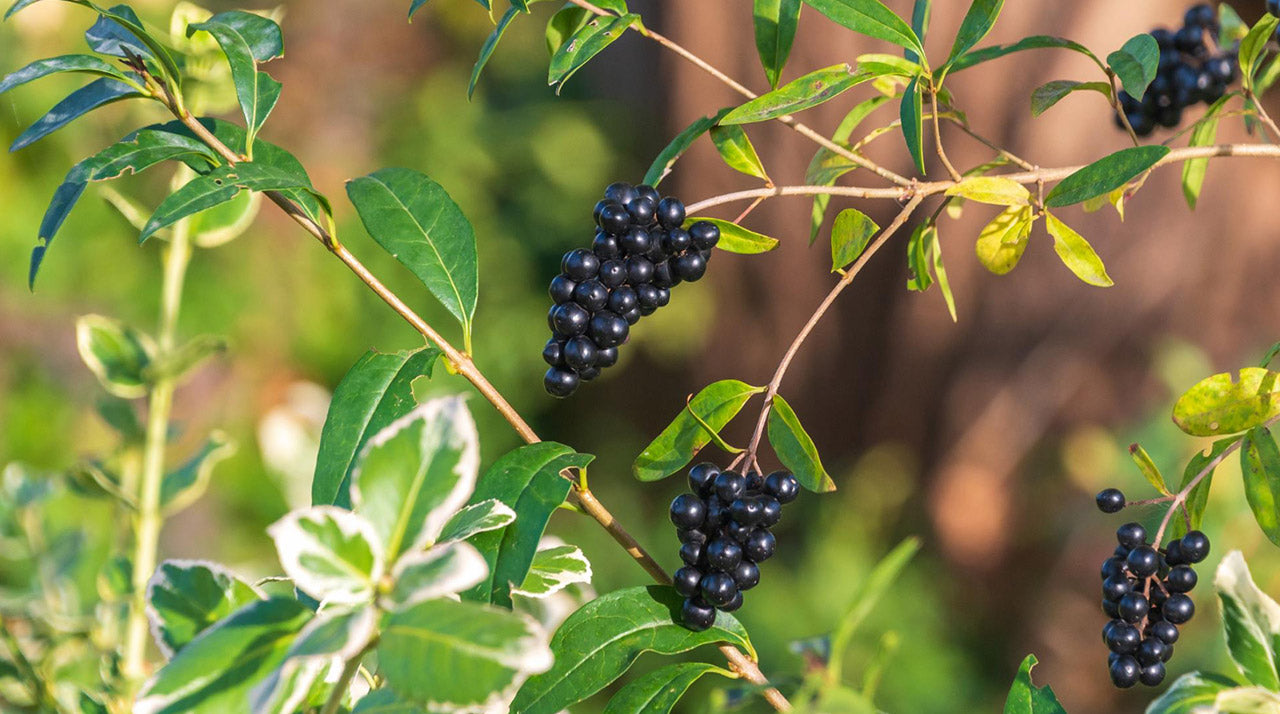
Main interest: A tough, leafy, (usually) semi‑evergreen hedge or shrub giving year‑round structure, with small white flowers in early summer and black berries in autumn.
Fragrance: Flowers are lightly scented but not grown for perfume; the main appeal is the steady green foliage and neat clipped outline.
Hardiness: Fully hardy throughout the UK; semi‑evergreen in colder or more exposed spots, where it may lose more leaves in a hard winter and then leaf up again in spring.
Care level: Low; fast to establish, very tolerant of clipping and conditions, and mainly just needs watering while young and regular trims to keep it in check.

The Simpson’s team raises the majority of our trees here at the nursery. For varieties outside our own production, we work with independent local growers we trust - all chosen for UK climate suitability.
Planting time: As container‑grown plants, privet can be planted in most months when the soil isn’t frozen or waterlogged, with spring and early autumn usually the easiest times for new hedges to establish.
Watering: Water regularly through the first couple of seasons, especially in dry spells, so the soil stays evenly moist around the roots. Once established in the ground, privet is quite drought‑tolerant and usually only needs extra water during very prolonged dry periods.
Feeding: In ordinary garden soil, a light mulch of garden compost in spring is usually enough. On poor or very sandy soils, a modest application of balanced fertiliser in spring can help support strong leafy growth, especially in hard‑working hedges.
Pruning: Clip hedges and shaped shrubs once or twice a year, depending on how formal you like them – usually a main trim in late spring or early summer, and a second light tidy later on if needed. Privet tolerates more frequent clipping if you want a very crisp look.
Winter: Fully hardy in the ground and needing no special winter protection. Semi‑evergreen forms may thin out in very cold spells but refill quickly in spring; container plants benefit from a sheltered spot and good drainage in severe weather.
Availability is always changing, so please check with us if you have a particular variety in mind.
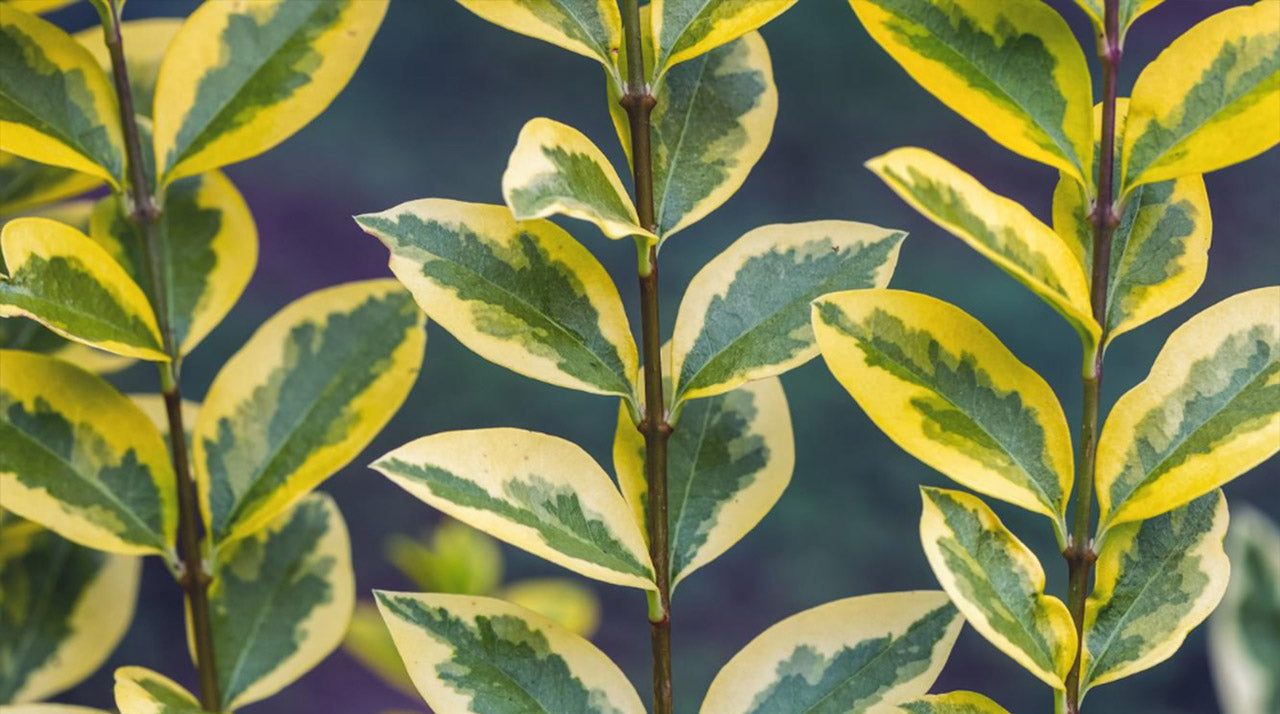
A tough, quick-growing privet with green leaves neatly edged in silver, making a brighter hedge than plain green forms. It clips beautifully into a dense screen, giving reliable privacy and structure year-round. Particularly useful where you want a crisp boundary that still feels light and fresh.
A cheerful, golden-leaved privet that brings warmth and brightness while still doing the classic privet job of forming a dense, clip-friendly hedge. Ideal for quick screening and strong structure, it’s especially effective in smaller gardens where a lighter hedge stops boundaries feeling heavy or dark.
The traditional privet hedge plant: fast, reliable and wonderfully obliging, creating a dense wall of green that’s easy to keep neat with a couple of trims a year. It’s excellent for privacy, wind reduction and clear garden boundaries, and it suits most soils, making it a true practical workhorse.