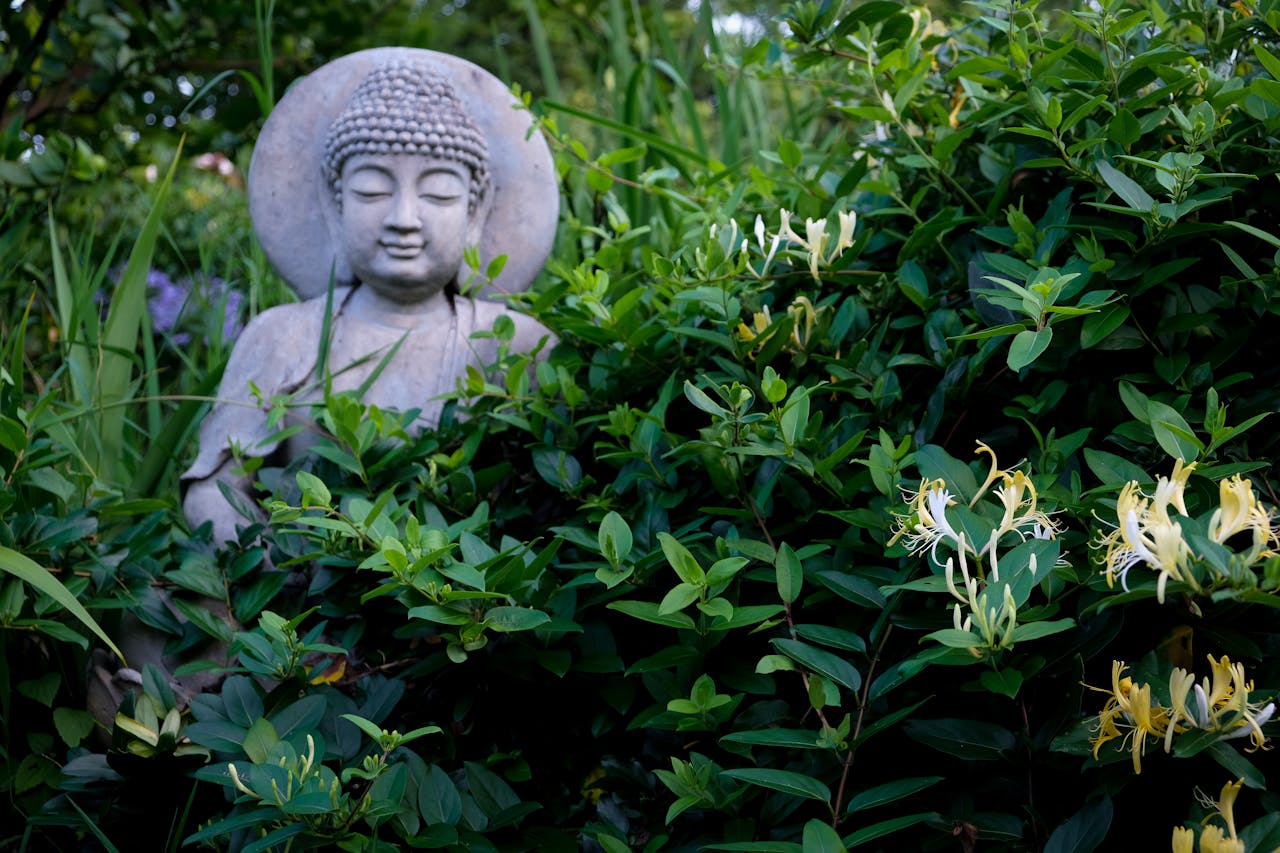

One of the real pleasures of honeysuckle is that it keeps something back for the evening. On a warm, still night the flowers begin to release their perfume, and suddenly a quiet corner of the garden feels transformed. The fragrance is sweet but not cloying, especially on our native‑style climbers, and it seems to sit in the air rather than shout. Place a plant near a frequently opened window, a front path or a favourite bench and those little moments – coming home after work, letting the dog out, watering pots – become tiny scented rituals.
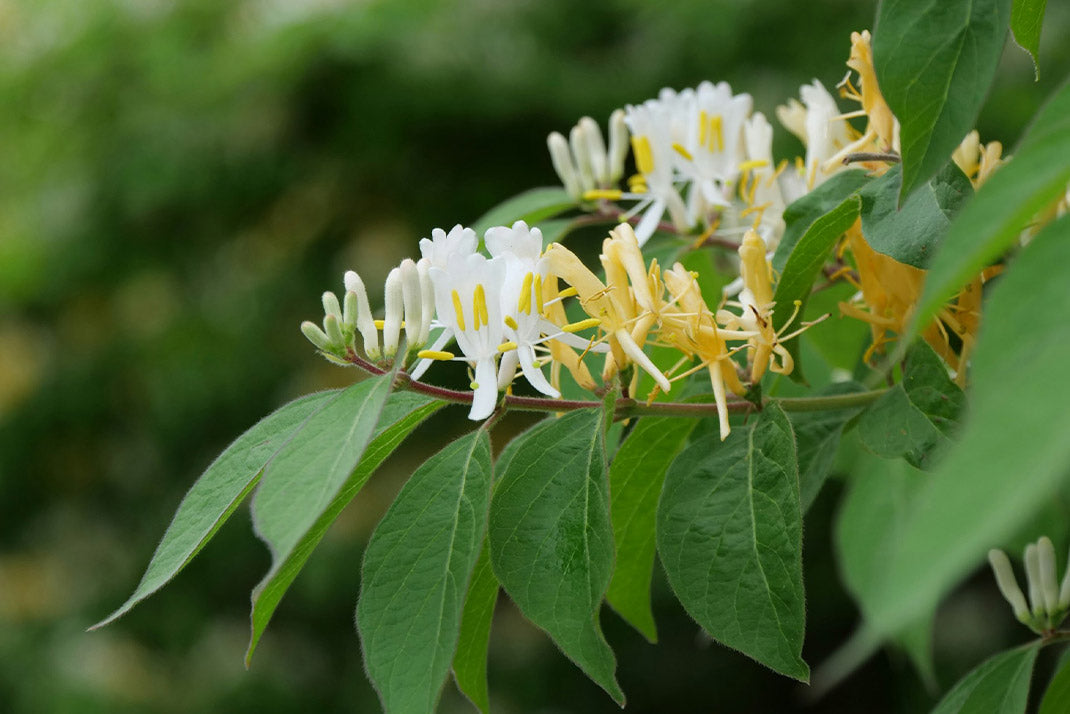
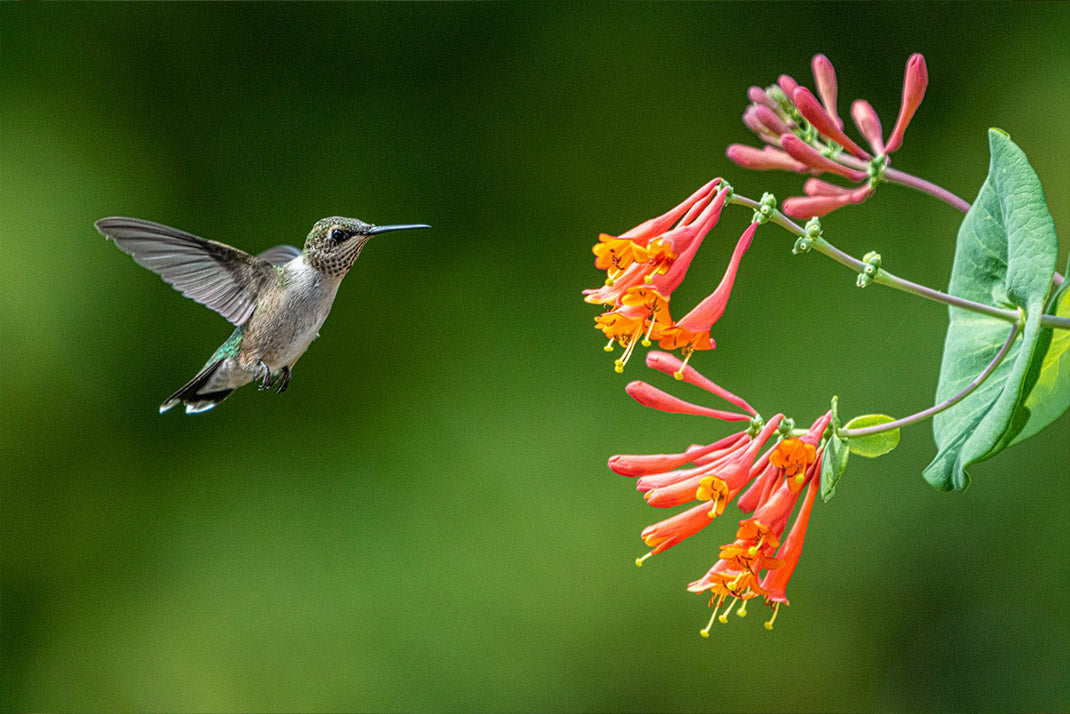
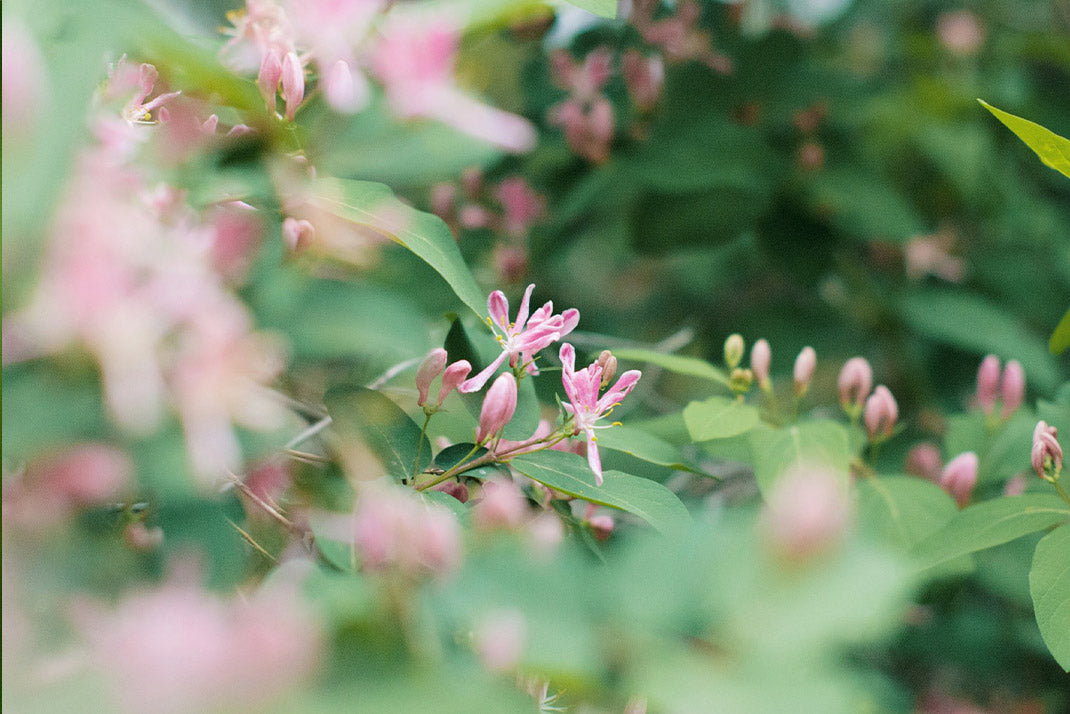
Common name: Honeysuckle (including climbing and shrubby forms).
Latin name: Lonicera
Size in UK gardens: Climbing honeysuckles usually grow 4–7m if allowed to twine up a support, while shrubby and hedging forms range from about 1–3m and are easily kept smaller by pruning.
Best position: Moist but free‑draining soil in sun or, ideally, light shade – many climbers are happiest with their roots in cool shade and their top growth reaching into the sun on a wall, fence or pergola.
Soil: Honeysuckles thrive in most reasonably fertile, moist yet well‑drained garden soils; shrubby forms like L. nitida are particularly tolerant and will cope with a wide range, including urban conditions, so long as the ground isn’t permanently waterlogged.
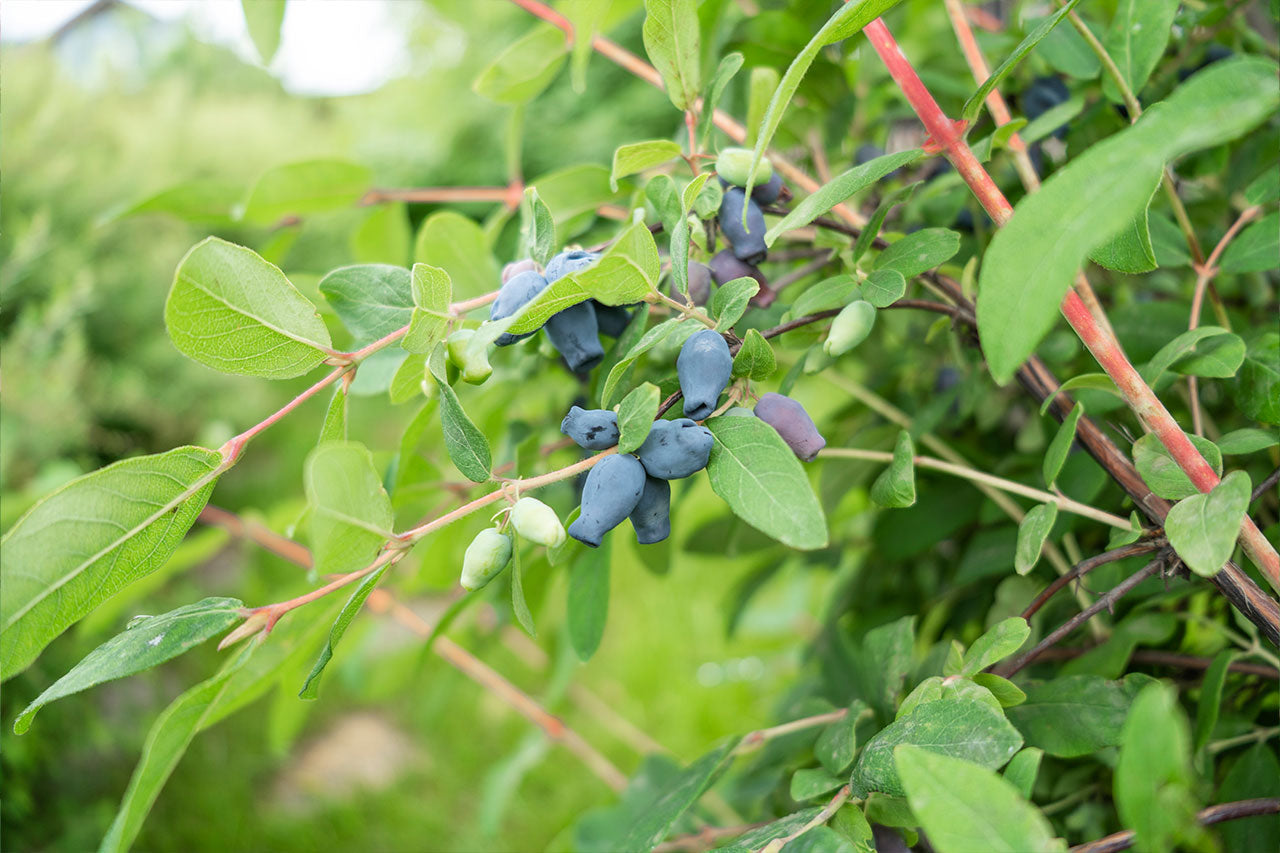
Flowering time: Depending on variety, flowers typically appear from late spring through summer and often into early autumn, followed by clusters of berries that ripen later in the season.
Fragrance: Many climbing honeysuckles are famously scented, especially on warm evenings, though a few modern varieties and some shrubby forms are only lightly perfumed – check your plant label if strong scent is important.
Hardiness: Generally fully hardy across the UK; the main threats are drought and poor soil rather than cold, with both climbing and shrubby honeysuckles tolerating normal East Anglian winters well once established.
Care level: Easy to moderate – honeysuckles are forgiving plants if given the right light, decent soil and a little regular pruning, with climbing forms needing support and shrubby forms appreciating an occasional trim.

The Simpson’s team raises the majority of our trees here at the nursery. For varieties outside our own production, we work with independent local growers we trust - all chosen for UK climate suitability.
Planting time: As container‑grown plants, honeysuckles can be planted in most months when the soil is workable and not frozen or waterlogged, with spring and autumn usually giving the smoothest establishment.
Watering: Water regularly through the first growing season or two, especially in lighter, sandy soils or drier parts of East Anglia, so the root zone stays evenly moist. Established plants are fairly tolerant but will flower better and resist mildew if they don’t swing between drought and flood.
Feeding: A light mulch of garden compost or well‑rotted manure in spring is usually all that’s needed in decent soil. In very poor ground or for plants in containers, a modest spring feed with a general‑purpose fertiliser will help support plenty of flowers and healthy foliage.
Pruning: Climbing honeysuckles like a yearly tidy – usually after flowering or in late winter, depending on the variety – to keep them within bounds and flowering well. Shrubby and hedging types can be lightly trimmed once or twice a year to maintain shape, with occasional harder pruning if they get leggy.
Winter: Fully hardy outdoors; most honeysuckles need no winter protection once established. Container plants appreciate a sheltered spot and good drainage so their roots aren’t sitting in cold, saturated compost.
Availability is always changing, so please check with us if you have a particular variety in mind.


Variegated foliage is the real treat here, with leaves neatly netted and splashed in gold so the climber looks bright even when it’s simply green and growing. It’s a lovely choice for bringing light to a fence or trellis, and it has that relaxed honeysuckle charm—softening structures and giving a gentle, cottage-garden feel as it weaves through.
Early Dutch honeysuckle brings that classic, nostalgic honeysuckle look—twining growth, soft flowers, and a real sense of summer beginning. It’s perfect for training over an arch or along a trellis where you’ll pass close by, so the flowers become part of the garden’s daily experience, not just something seen from a distance.
Bold, richly coloured flowers give this honeysuckle a wonderfully warm, lively presence, and it’s one of those climbers that always feels cheerful when in bloom. It’s perfect for dressing pergolas, fences and arches, adding a cottage-garden romance and making an excellent companion to climbing roses where the colours can mingle.
Creamy-yellow flowers bring a softer, more elegant look, rather than anything too bright or brash, and the overall effect feels wonderfully traditional. It’s ideal for weaving through a trellis or a rose, where the flowers appear like little lanterns among the foliage, adding a gentle glow and that unmistakable honeysuckle charm.


A classic Japanese honeysuckle with a graceful, twining habit and a long-flowering feel that makes it wonderfully generous in the garden. It’s perfect for quickly softening fences and pergolas, creating a leafy screen that feels relaxed and natural, and it’s especially lovely near paths and seating where the plant’s presence can be enjoyed up close.
Evergreen or near-evergreen foliage gives this honeysuckle real value as a year-round climber, providing a steady green backdrop as well as a summer show of flowers. It’s excellent for covering fences and trellis with a more permanent, “always dressed” look, and it brings a slightly richer, deeper tone than many lighter-leaved honeysuckles.
Fresh, green foliage gives a neat, wholesome look, and the plant has that easy twining habit that quickly turns a bare support into something softer and more garden-like. It’s a lovely choice when you want honeysuckle character with a clean, leafy presence, making a gentle screen and a useful partner for other climbers.
The foliage is wonderfully fresh-looking, giving a crisp, slightly modern twist to the honeysuckle idea, and it makes a lovely bright climber even before flowering. It’s ideal for trellis and fences where you want a lighter, cleaner look, softening structures with a fresh green-and-cream feel and bringing that relaxed honeysuckle mood.


Late Dutch honeysuckle is a classic for extending the season, bringing flowers later on when many climbers are easing off. It’s perfect for arches and pergolas near seating, where late blooms keep the garden feeling alive, and the rich tones sit beautifully with late-summer borders and grasses.
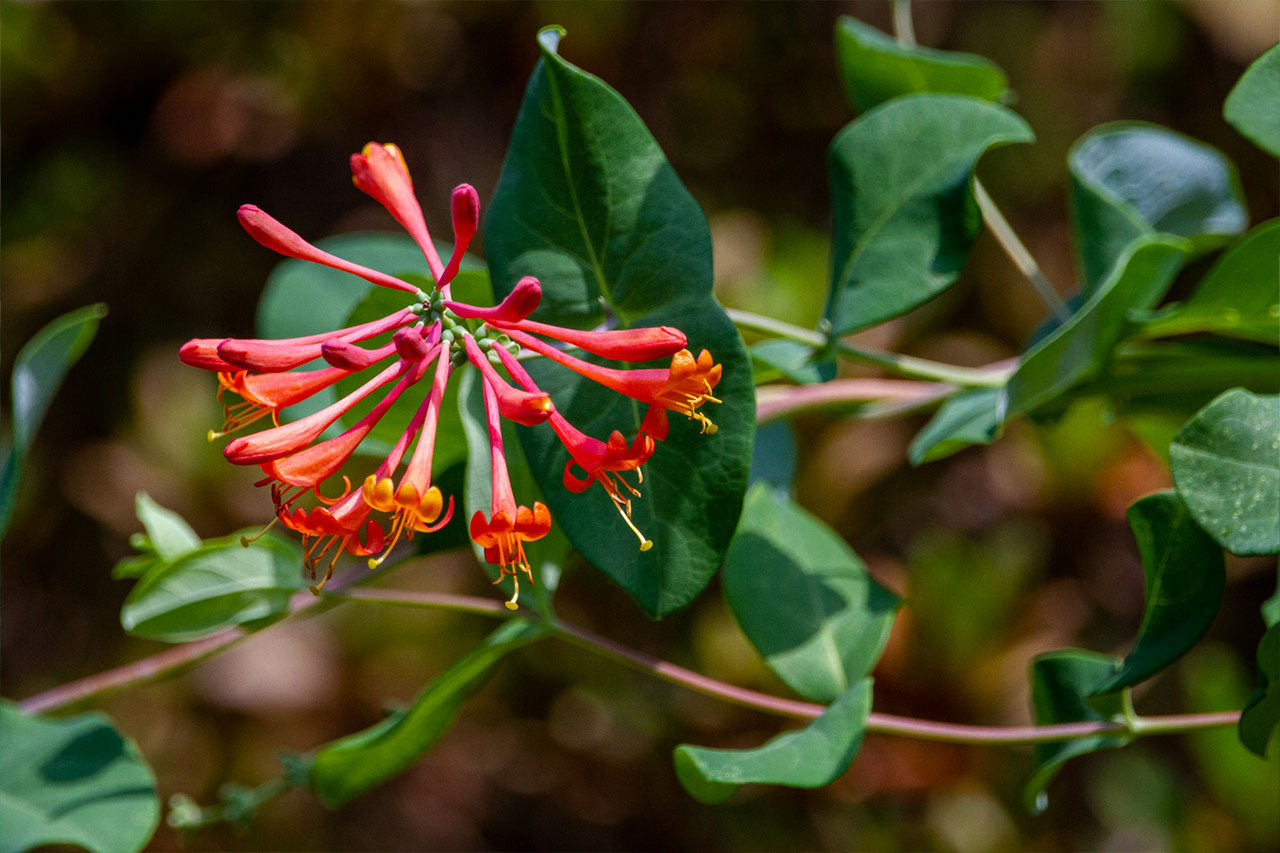
This is a real show-stopper honeysuckle, with bold, warm-toned flowers that look wonderfully exotic, almost like little flames among the foliage. It’s perfect for making a feature of a pergola, arch or fence, bringing strong colour and that romantic climber feel, and it looks particularly striking when given space to make a generous sweep.
A cheerful honeysuckle grown as much for its foliage as its flowers, with leaves neatly netted in gold that brighten a wall or trellis all season. It’s excellent for adding light in sun or part shade, and a light trim after flowering keeps it tidy and well covered.
A wonderfully bright honeysuckle with golden foliage that lifts borders and boundaries like a splash of sunlight. Use it as a small climber, a groundcover, or to spill over walls, and clip lightly to keep it dense. It’s tough, adaptable, and invaluable for year-round colour.
Late Dutch honeysuckle is a classic for extending the season, bringing flowers later on when many climbers are easing off. It’s perfect for arches and pergolas near seating, where late blooms keep the garden feeling alive, and the rich tones sit beautifully with late-summer borders and grasses.
This is a real show-stopper honeysuckle, with bold, warm-toned flowers that look wonderfully exotic, almost like little flames among the foliage. It’s perfect for making a feature of a pergola, arch or fence, bringing strong colour and that romantic climber feel, and it looks particularly striking when given space to make a generous sweep.