
Mahonias have that really useful combination of being evergreen, fairly unfussy and happy in partial shade. They’re ideal where you need something permanent and leafy but the conditions aren’t perfect – perhaps under a light tree canopy, along a shaded fence or in that awkward side return by the house. Once established, they don’t demand much more than a yearly mulch and the odd tidy. In return, they hold the shape of the border, soften boundaries and quietly bridge the gap between the bright peaks of other seasons.
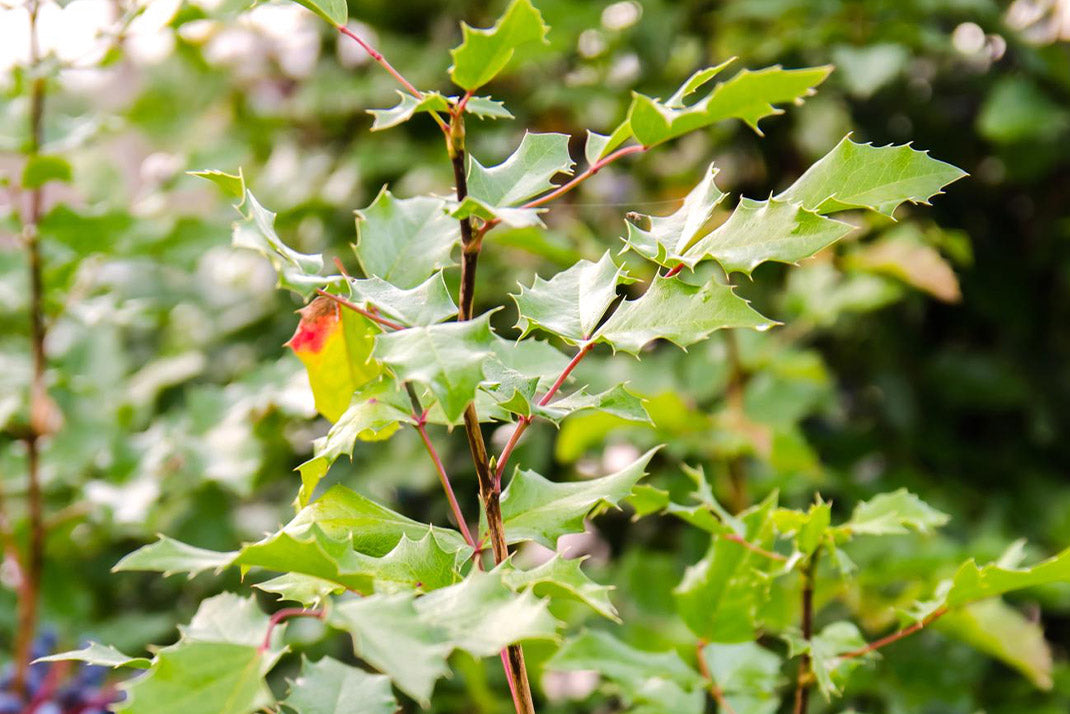
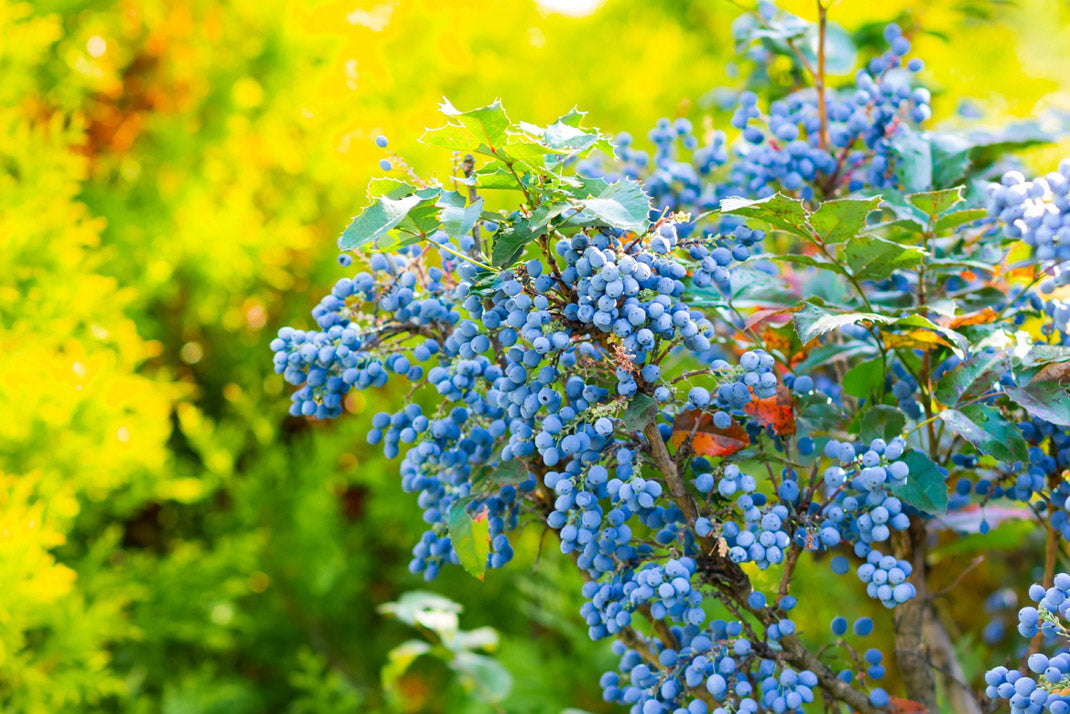
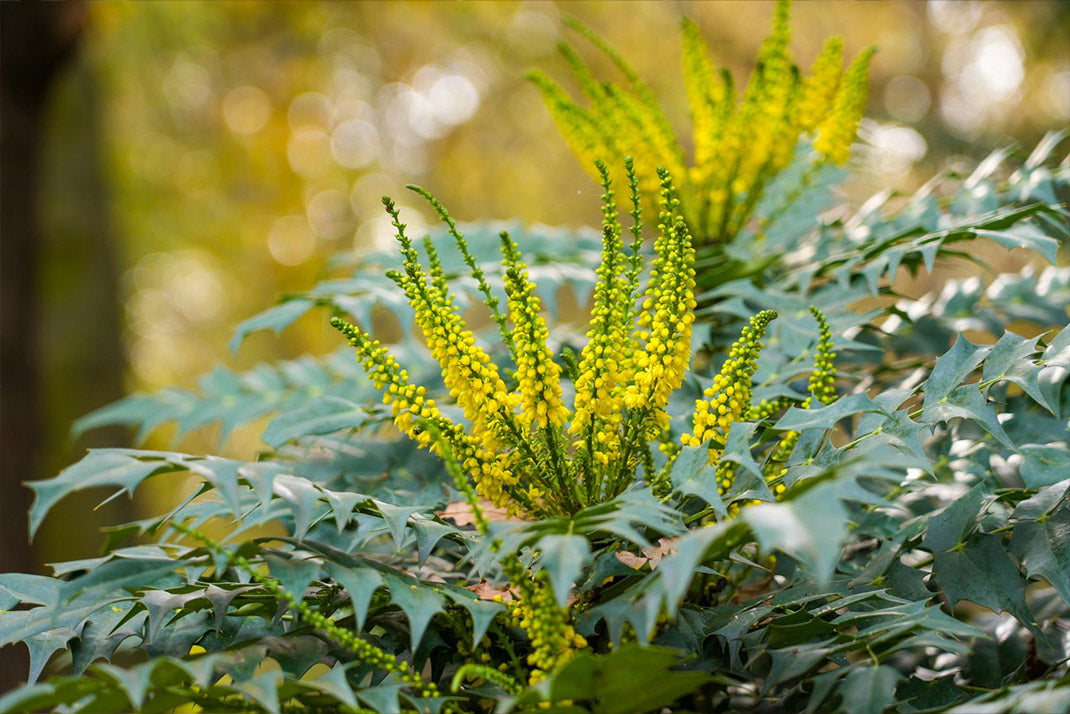
Common name: Oregon Grape
Latin name: Mahonia
Size in UK gardens: Varies with species: compact forms can be 60–90cm tall, while popular garden hybrids like M. × media often reach 2–3m high and wide; taller species may get larger in time but are easily kept at shrub size with light pruning.
Best position: Sun or partial shade, ideally with some shade in the hottest part of the day; many mahonias are perfectly happy in those trickier, shadier corners where other shrubs sulk.
Soil: Most reasonably fertile, moist but well‑drained garden soils – from clay‑loams to improved sand – are fine; mahonias are quite tolerant as long as the ground isn’t permanently waterlogged.
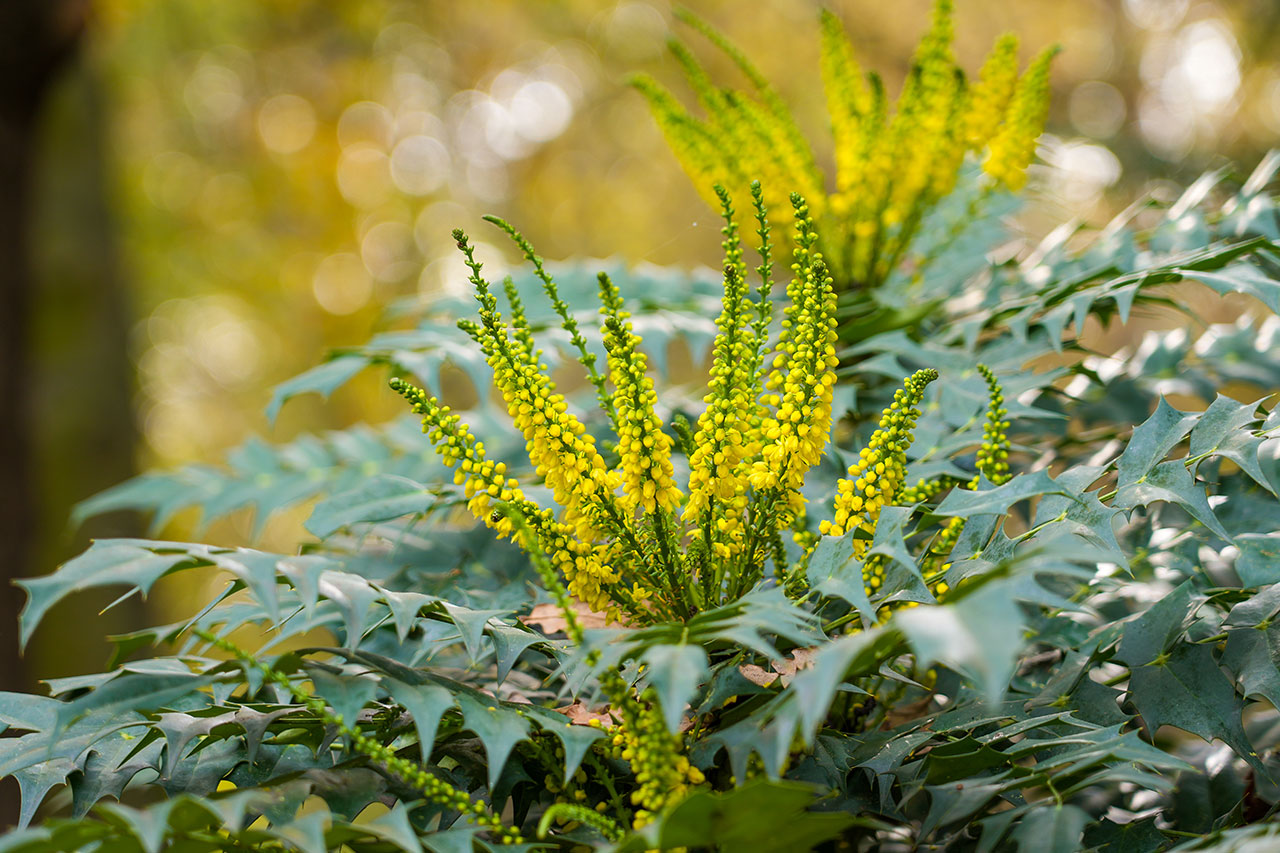
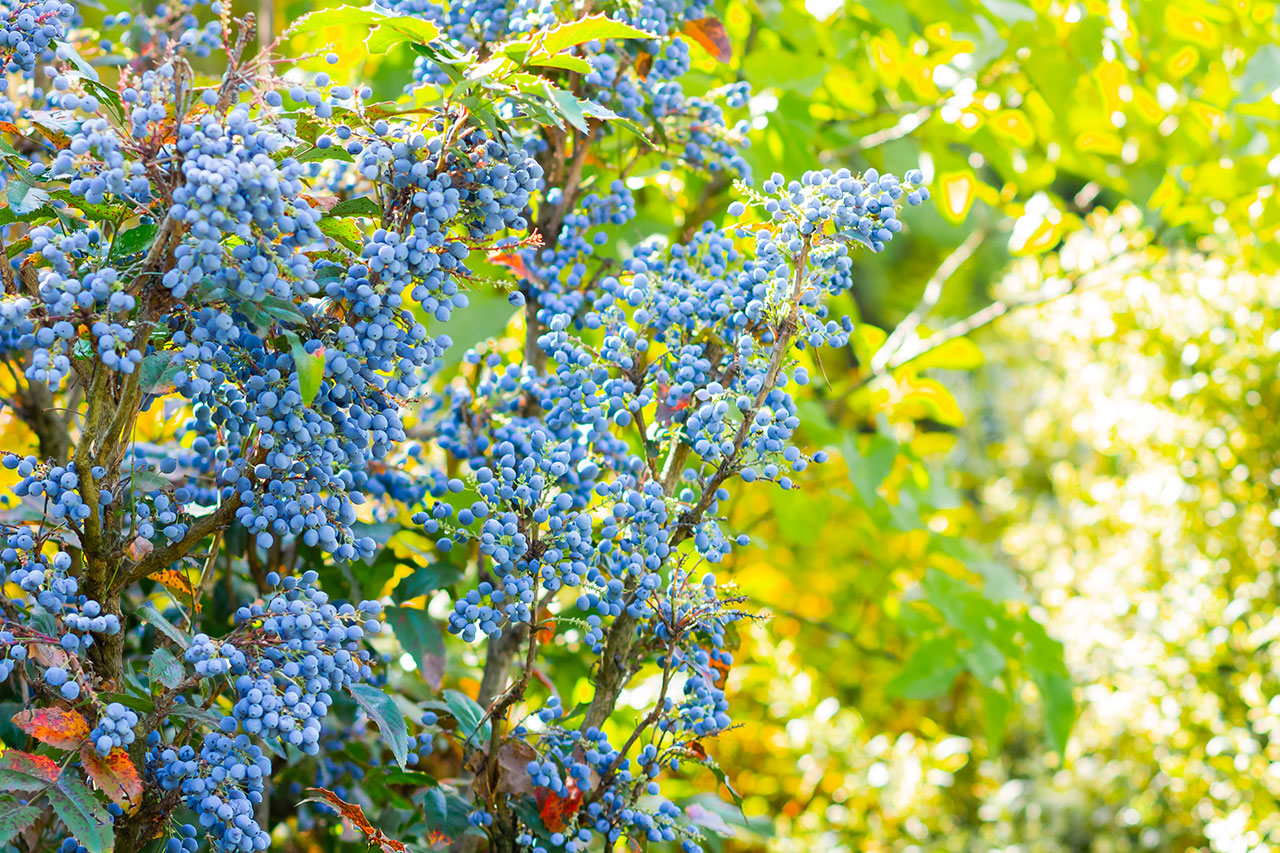
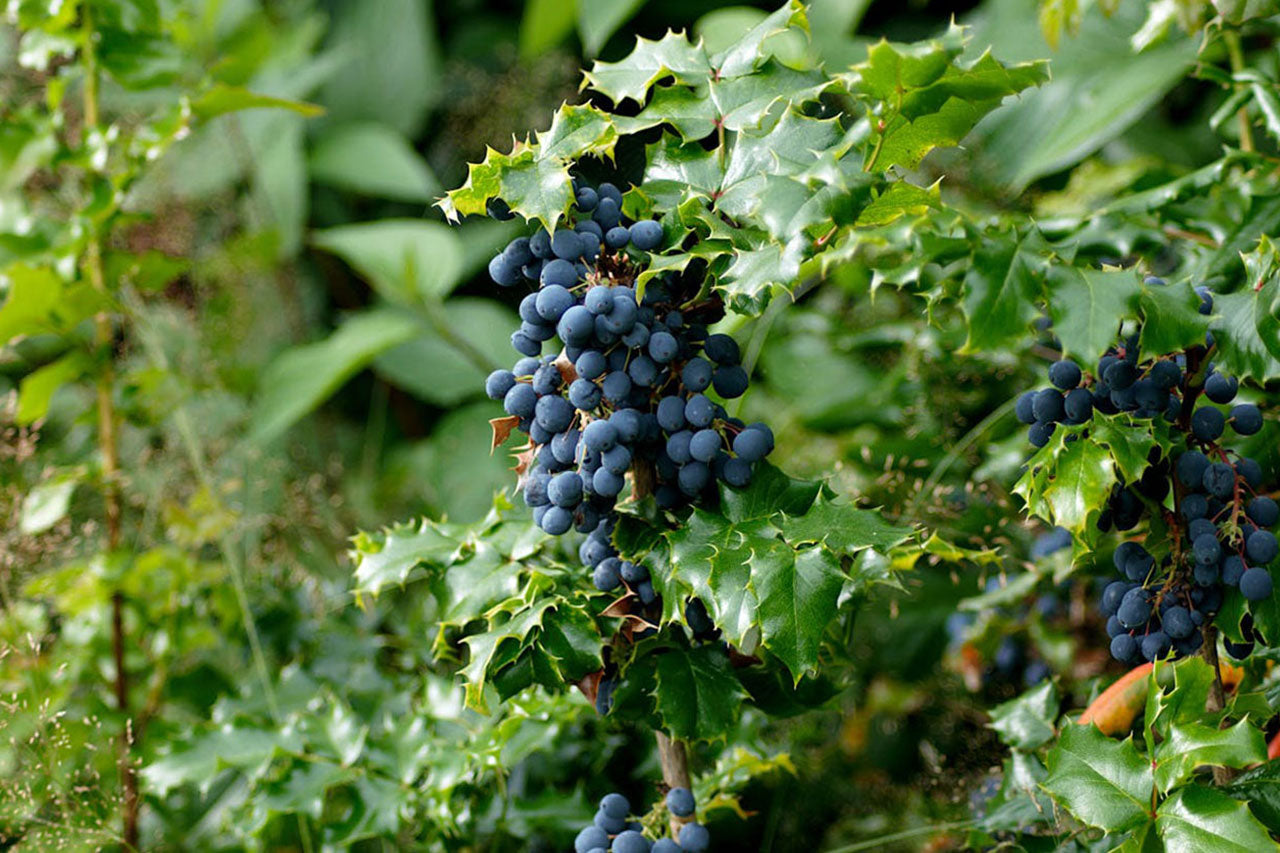
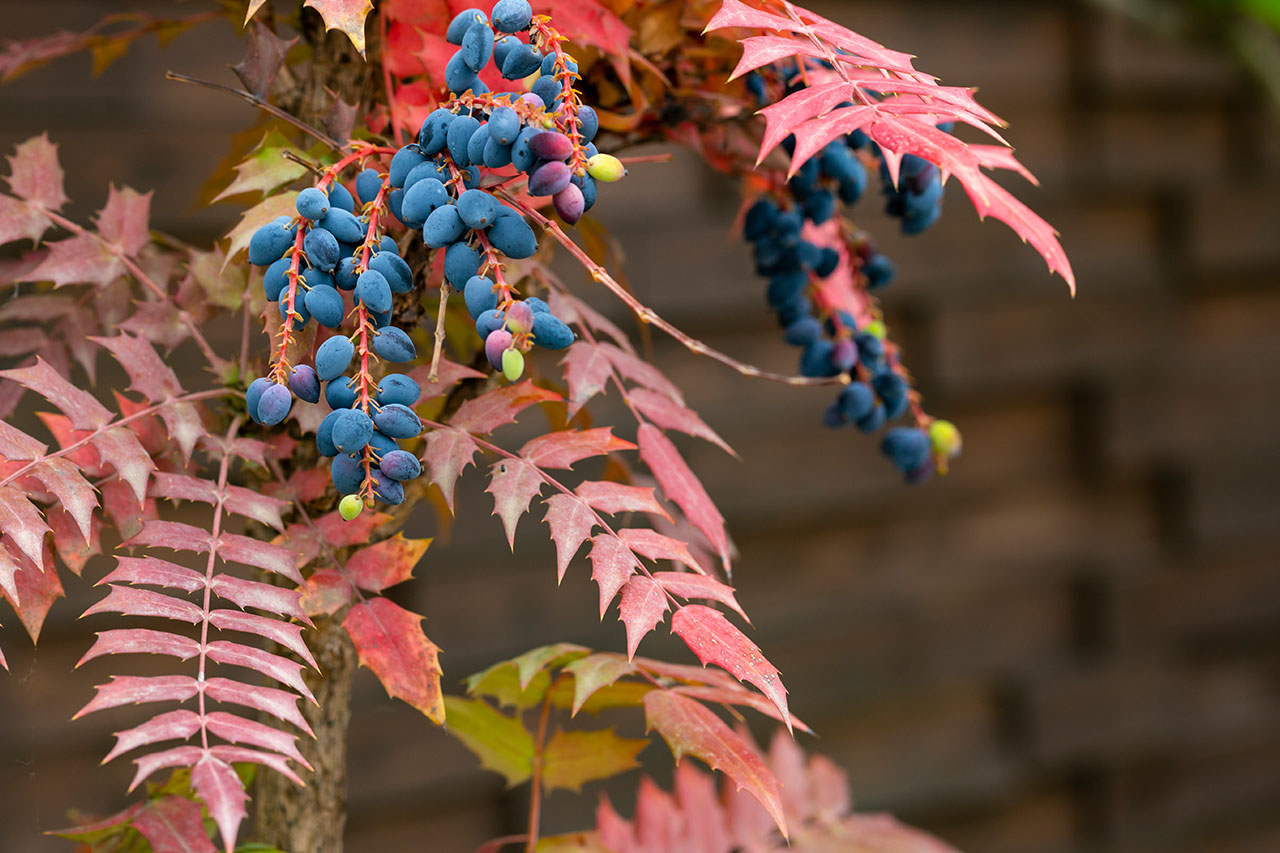
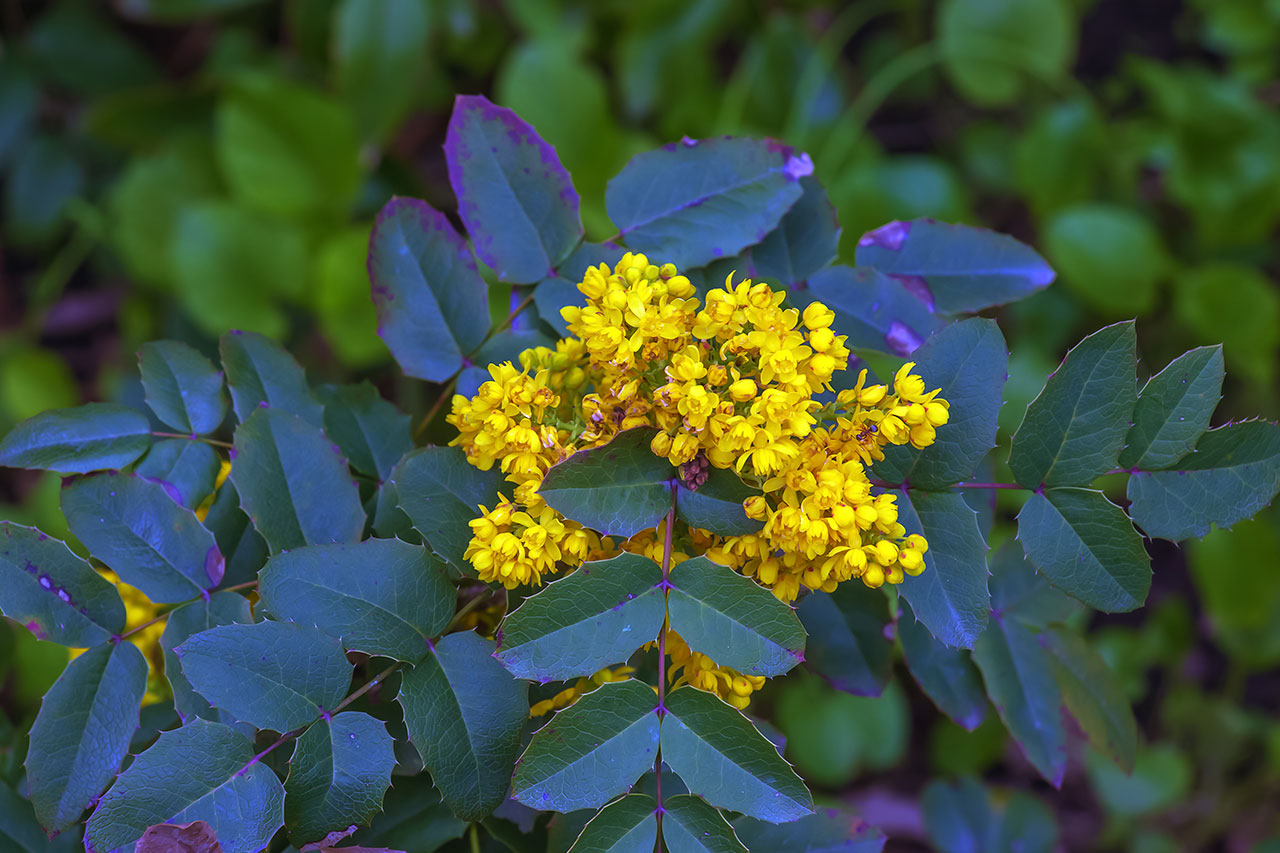
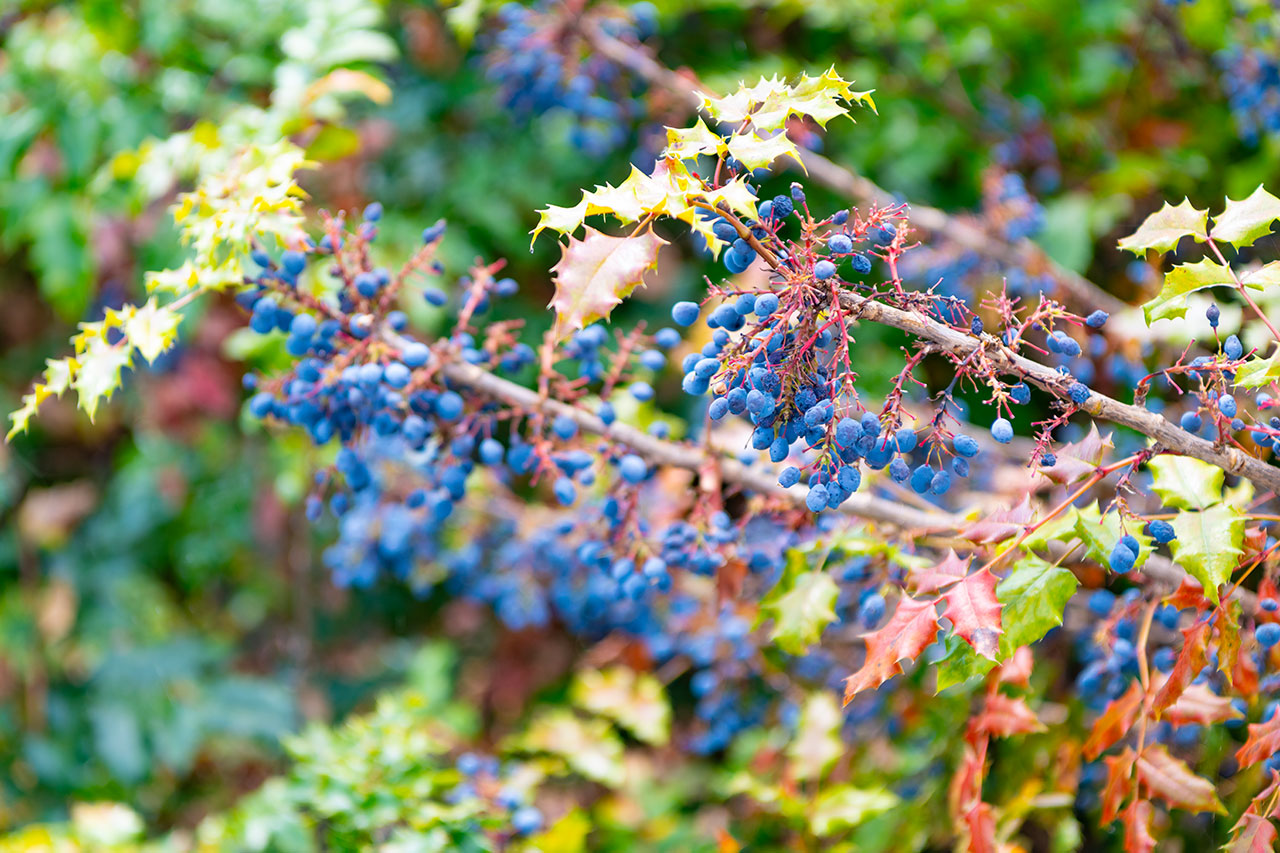
Flowering time: Many forms bloom in late autumn, winter or very early spring with yellow, scented racemes; others flower in spring or early summer, followed by blue‑black or purplish berries.
Fragrance: The yellow flowers of many garden varieties are pleasantly scented – often sweetly spicy or lily‑of‑the‑valley‑like on mild days – though some species are more lightly perfumed.
Hardiness: Generally fully hardy right across the UK; most commonly grown garden mahonias tolerate normal East Anglian winters without protection once established.
Care level: Easy to moderate – mahonias are tough, shade‑tolerant shrubs that need decent soil preparation and occasional pruning but are otherwise quite straightforward.

Rather than travelling halfway across Europe, our mimosa trees are grown on site by the Simpson’s team. They’re toughened to local conditions, properly potted, and ready to get growing the moment you plant them.
Planting time: As container‑grown shrubs, mahonias can be planted in most months when the soil is workable and not frozen or waterlogged, with spring and autumn usually the easiest times for both the gardener and the plant.
Watering: Water regularly during the first season or two, especially in lighter soils, so the root zone stays evenly moist. Once roots are down, established mahonias cope with ordinary dry spells but appreciate an occasional deep drink in prolonged drought, particularly in East Anglian summers.
Feeding: In average garden soil, a mulch of compost or well‑rotted manure in spring is usually all they need. On very poor or sandy ground, a light dressing of a general‑purpose fertiliser in early spring can help maintain vigour and flowering.
Pruning: Mahonias respond well to light pruning after flowering – removing spent flowered stems and, every so often, cutting back one or two older canes to encourage new shoots lower down. They don’t need precise clipping unless you’re keeping a hedge very formal.
Winter: Fully hardy in the ground; most mahonias need no special winter protection beyond a good mulch over the root area. Container plants benefit from a sheltered spot and care to avoid waterlogging or bone‑dry compost in cold weather.
Availability is always changing, so please check with us if you have a particular variety in mind.
A bold evergreen with big, architectural leaves that give instant structure, then bright yellow winter flowers that often carry a sweet scent. It’s perfect for a sheltered corner or woodland edge, where it brings drama when the garden is quiet. The blue berries are a bonus, and a light tidy in spring keeps it looking handsome.
A more refined mahonia with narrow, ferny, almost tropical-looking leaves—and crucially, no nasty spines—so it’s friendlier near paths and patios. In autumn and winter it produces yellow flower spikes, often pleasantly scented. Superb in pots and sheltered shade, where it adds year-round texture and calm greenery.
A real winter heart-lifter, sending out arching sprays of scented yellow flowers from late autumn into the colder months. The bold evergreen foliage provides strong structure all year, and it’s excellent as a backdrop plant in shade. Give it a sheltered spot and it will reward you when very little else is in bloom.
One of the best winter mahonias, with long, bright yellow flower racemes that appear from late autumn and carry into winter, often with a lovely perfume. It’s superb in shade or sun if sheltered, giving the garden that much-needed winter drama. After flowering, remove a few older stems to keep it fresh.
A striking, architectural mahonia with bold evergreen leaves and generous yellow winter flower spikes that bring real presence to shady borders. Often lightly scented, it’s a wonderful specimen or backdrop shrub where you want structure through every season. Shelter it from cold wind, and prune after flowering to keep it shapely.