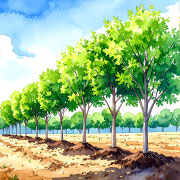

Medlar is wonderfully unhurried. The fruits don’t ripen in the usual way — they’re harvested late in autumn and then “bletted”, meaning they soften and sweeten after a little cold and time. It turns fruit growing into a small ritual: pick, store, wait, and then enjoy the rich, apple-and-date flavour when the flesh turns soft and brown. In UK gardens, it’s a lovely way to stretch the season, giving you something to look forward to when apples and pears are long finished and the garden is settling down for winter.


Common name: Medlar.
Latin name: Mespilus germanica.
Size in UK gardens: Often 3–5m tall and wide, forming a small tree with a rounded crown; can be kept smaller with light pruning.
Best position: Full sun (or very light shade) in a reasonably sheltered spot for best fruiting.
Soil: Fertile, moisture-retentive but well-drained soil; dislikes prolonged waterlogging.
Flowering time: Late spring to early summer; fruit ripens late autumn (then bletted after picking).
Fragrance: Usually not noticeably scented.
Hardiness: Very hardy in most UK gardens.
Care level: Low to moderate – mostly about good planting, steady watering while young, and light pruning.

The Simpson’s team raises the majority of our trees here at the nursery. For varieties outside our own production, we work with independent local growers we trust - all chosen for UK climate suitability.
Planting time: As container-grown trees, medlars can be planted in most months when the soil isn’t frozen or waterlogged; spring and autumn are usually easiest.
Watering: Water well in the first 1–2 seasons, especially in dry spells; steady moisture helps establishment and fruiting later on.
Feeding: A spring mulch of compost or well-rotted manure is usually enough; a light balanced feed helps on poorer soils.
Pruning: Minimal – light shaping and removing crossing or congested branches is usually all that’s needed.
Winter: Very hardy; mulch and shelter from the harshest winds help young trees settle in.
Availability is always changing, so please check with us if you have a particular variety in mind.


A wonderfully old-world medlar with a quirky, storybook presence—gnarled character, gentle blossom, and fruits that feel almost historical. The flavour is unusual and rewarding once bletted: soft, rich, and sweet, often compared to spiced apple purée or date-like richness. Perfect if you want something traditional, conversation-starting, and deeply seasonal.
A medlar with a slightly grander, more “heritage orchard” feel—ornamental in blossom, characterful in branch, and beautifully autumnal in fruit. The flavour, once bletted, is mellow, sweet, and richly fruity, with that distinctive medlar depth that feels like a Victorian pudding. Ideal if you want an old-fashioned fruit with real personality.