
There aren’t many trees you can plant in a Cambridgeshire garden that were once thought to be extinct, but dawn redwood is one of them. Discovered alive in China in the 1940s, it has a wonderful story behind it as well as a very contemporary look – tall, clean lines, fresh green foliage and a graceful habit. You get all the romance of a “living fossil” combined with a tree that actually performs reliably in ordinary British conditions, which is rather special.


Common name: Dawn Redwood
Latin name: Metasequoia
Size in UK gardens: A large tree for bigger gardens: typically 10–20m tall and 4–8m wide over 20–50 years in UK conditions, though ultimately capable of higher than 12m and best treated as a substantial specimen.
Best position: Full sun is ideal for strong growth and good autumn colour, though it will tolerate a little light shade if the soil stays moist.
Soil: Deep, humus‑rich, moist but well‑drained soil; happy in loam and heavier ground, and unusually tolerant of damp or seasonally wet spots as long as they are not stagnant.
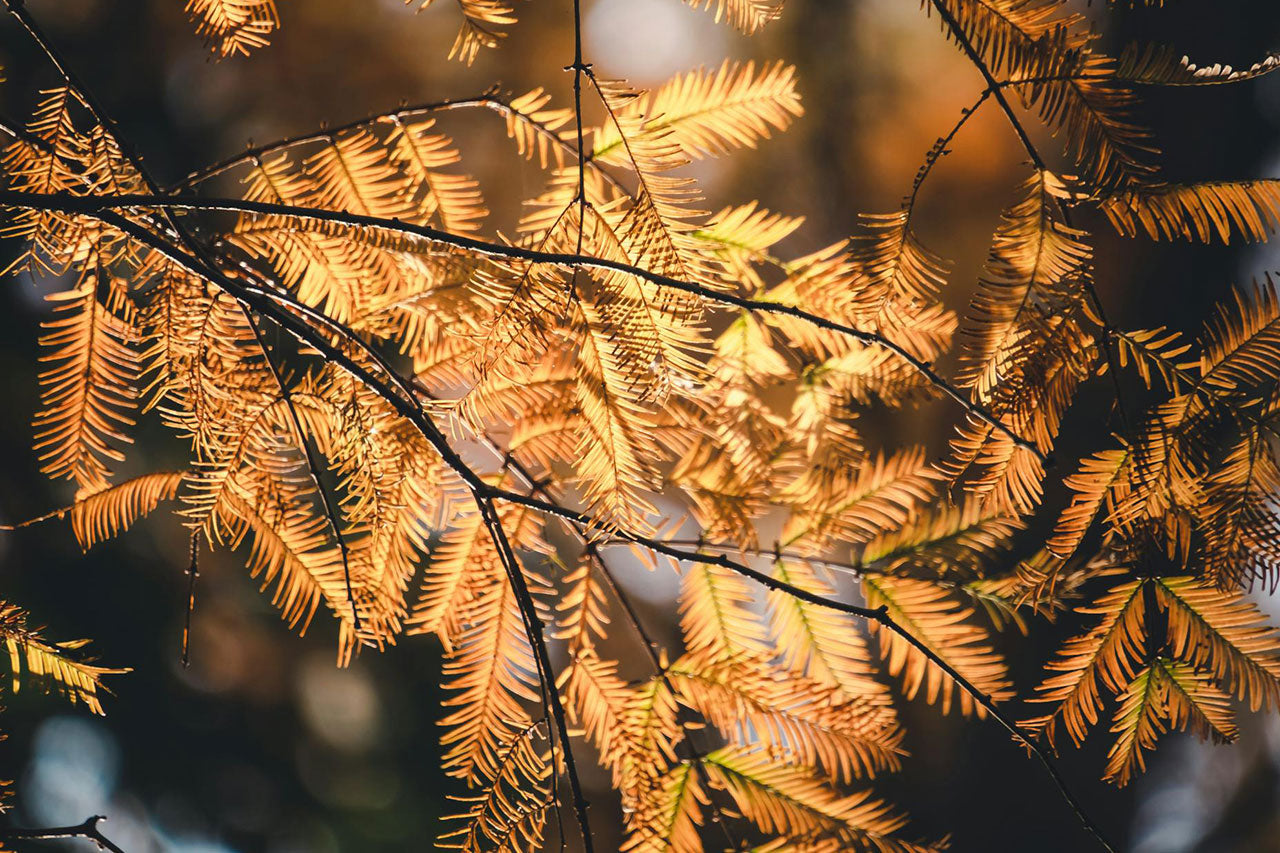
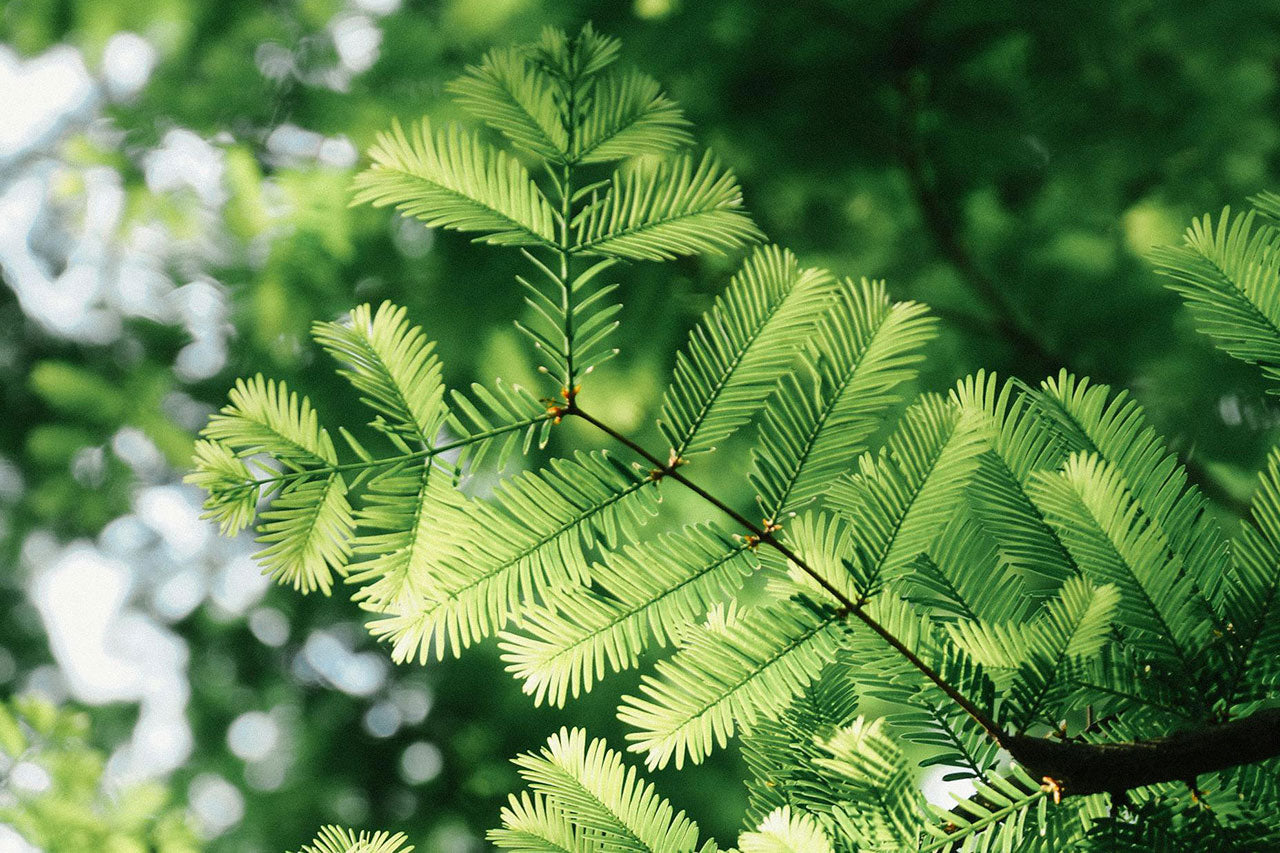
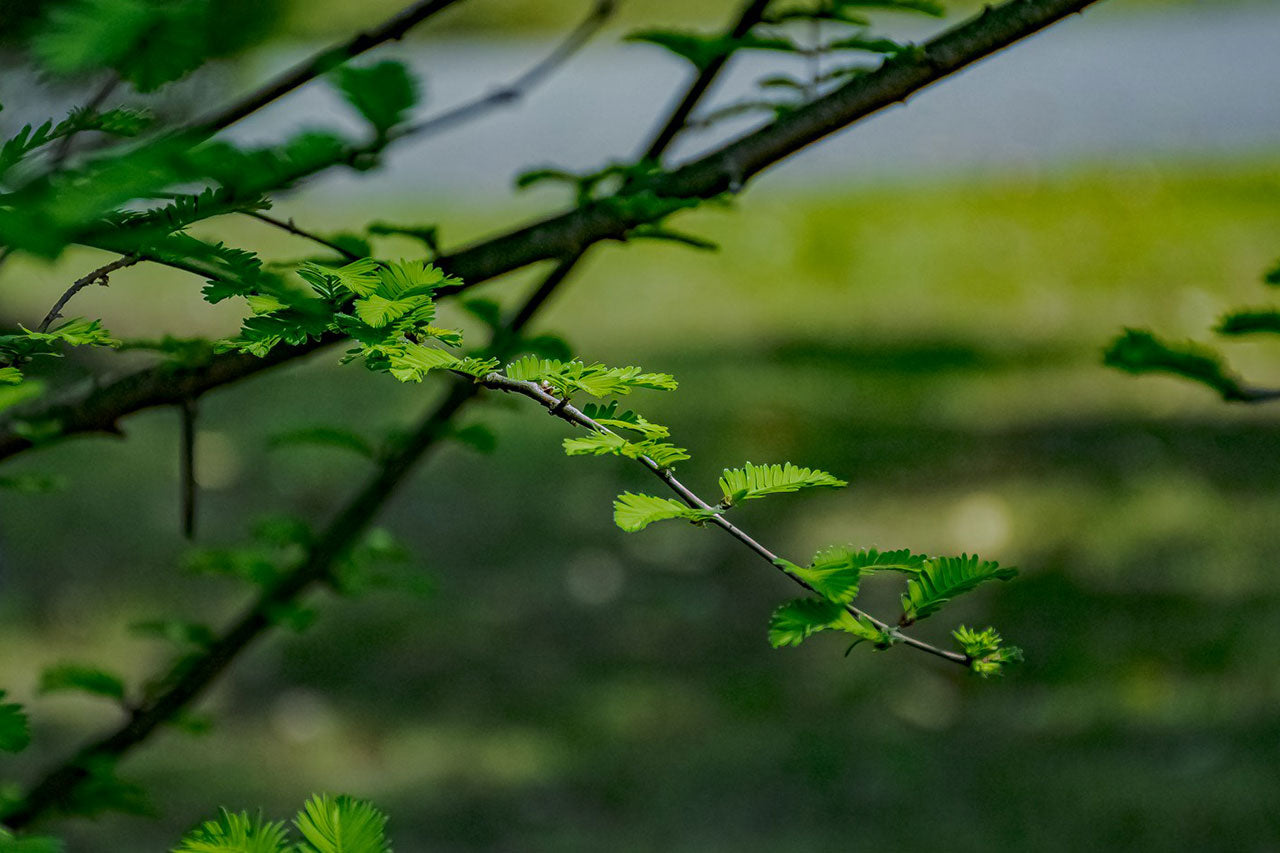
Flowering time: Small, inconspicuous flowers in spring; the real show comes from fresh green foliage in spring and summer, then rich copper‑orange to russet tones in autumn.
Fragrance: Usually not noticeably scented – dawn redwood is grown for its shape, foliage and bark rather than perfume.
Hardiness: Fully hardy across the UK (roughly to at least –20°C); wind‑resistant once established and happy in normal winters.
Care level: Moderate – vigorous and generally trouble‑free if planted in the right place, but it does need space to grow and appreciates consistently moist soil, especially in drier parts of the country.

The Simpson’s team raises the majority of our trees here at the nursery. For varieties outside our own production, we work with independent local growers we trust - all chosen for UK climate suitability.
Planting time: As container‑grown trees, dawn redwoods can be planted in most months when the soil isn’t frozen or waterlogged, with early spring and early autumn usually giving the kindest conditions for new roots.
Watering: Water regularly for the first few growing seasons, especially on lighter soils, so the rootball and surrounding ground never dry out completely. Once established in suitable soil they are relatively tolerant, but in dry East Anglian summers they still appreciate occasional deep watering.
Feeding: In decent garden soil, a generous mulch of garden compost or leafmould in spring is usually plenty. On poor or very sandy ground you can add a light dressing of a balanced fertiliser in early spring to support vigorous but steady growth.
Pruning: Dawn redwood generally needs little to no pruning – just remove dead, damaged or awkward branches in winter to maintain a single, straight leader and tidy framework. It is not a tree for hard topping or regular clipping.
Winter: Fully hardy in the ground, with no special wrapping needed. A winter mulch over the root area helps on lighter soils, particularly for newly planted trees, but mature specimens take frost, snow and wind in their stride.
Availability is always changing, so please check with us if you have a particular variety in mind.


A remarkable tree with soft, feathery foliage that gives a lighter, gentler look than most conifers. It grows with a clean, upright poise, then in autumn the needles turn warm coppery tones before falling, leaving a handsome winter framework. A superb specimen for height, grace, and seasonal change.
A golden form of dawn redwood with bright, lime-to-gold foliage that makes the whole tree look sunlit. The feathery texture stays soft and elegant, and the upright habit gives a crisp, architectural presence. A superb choice for adding colour at scale, with that lovely conifer lightness.