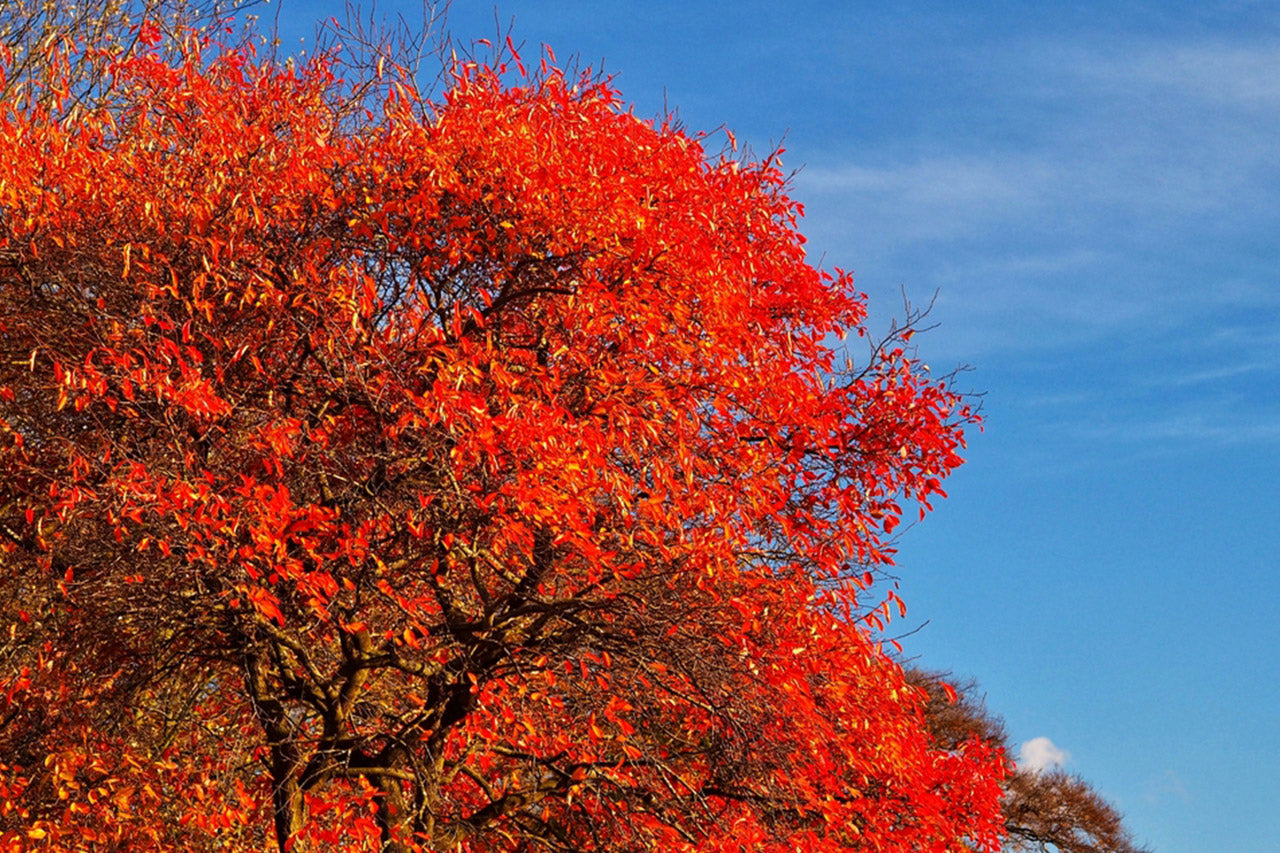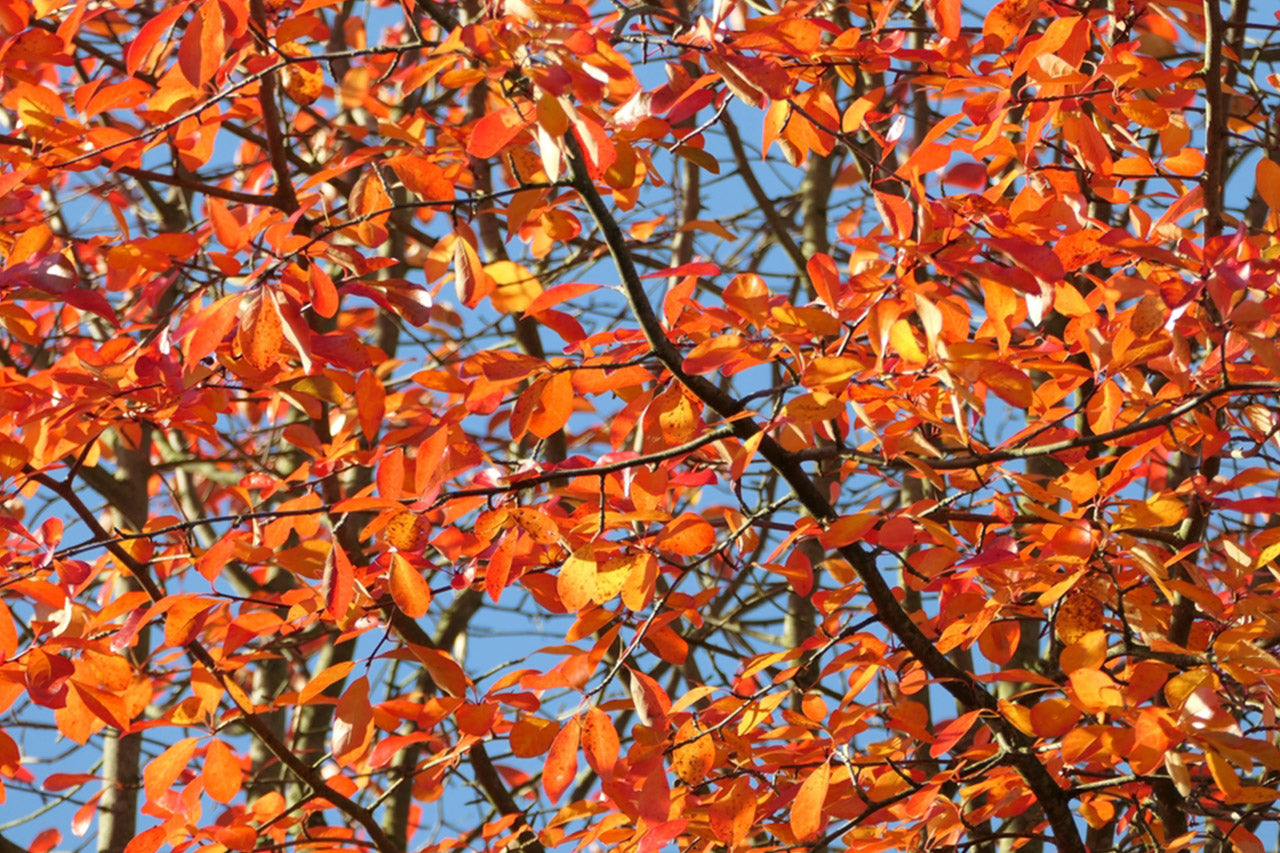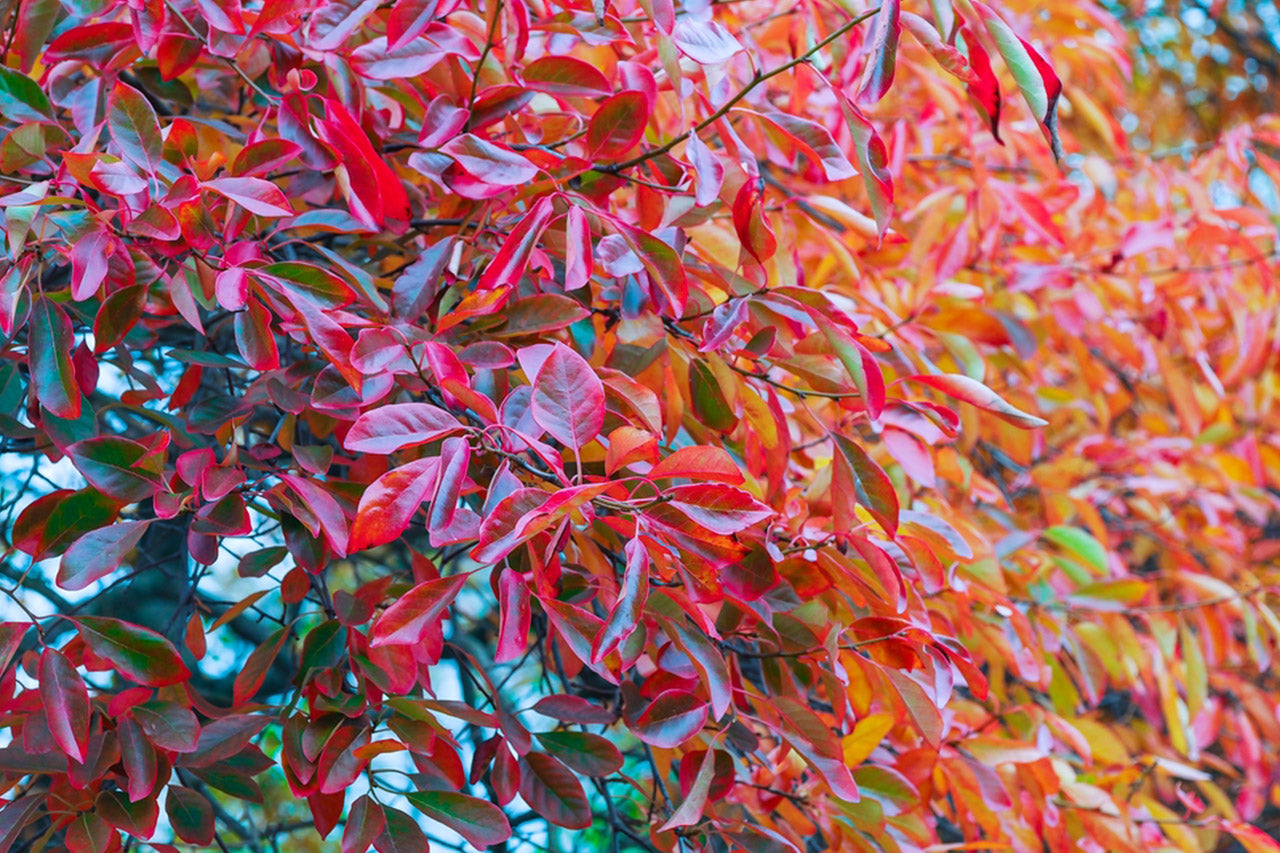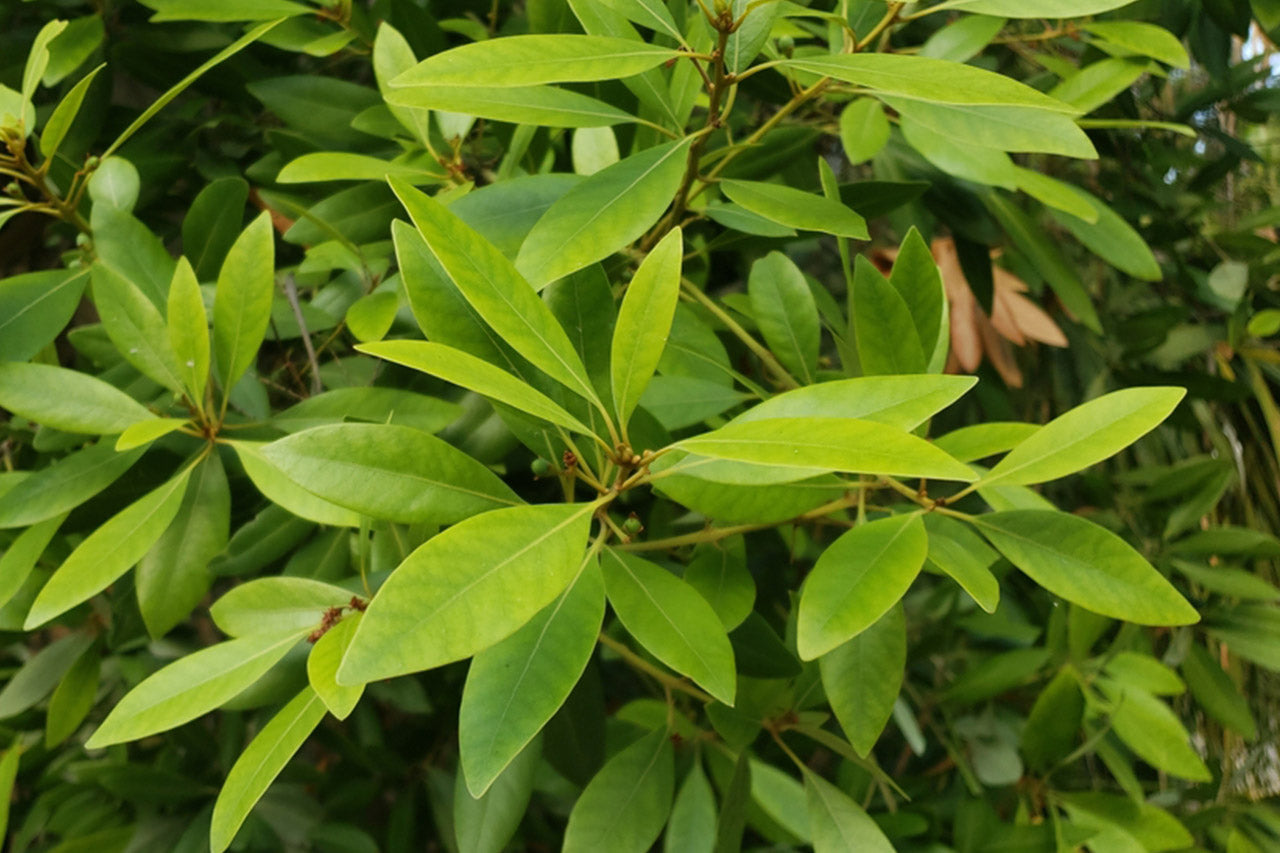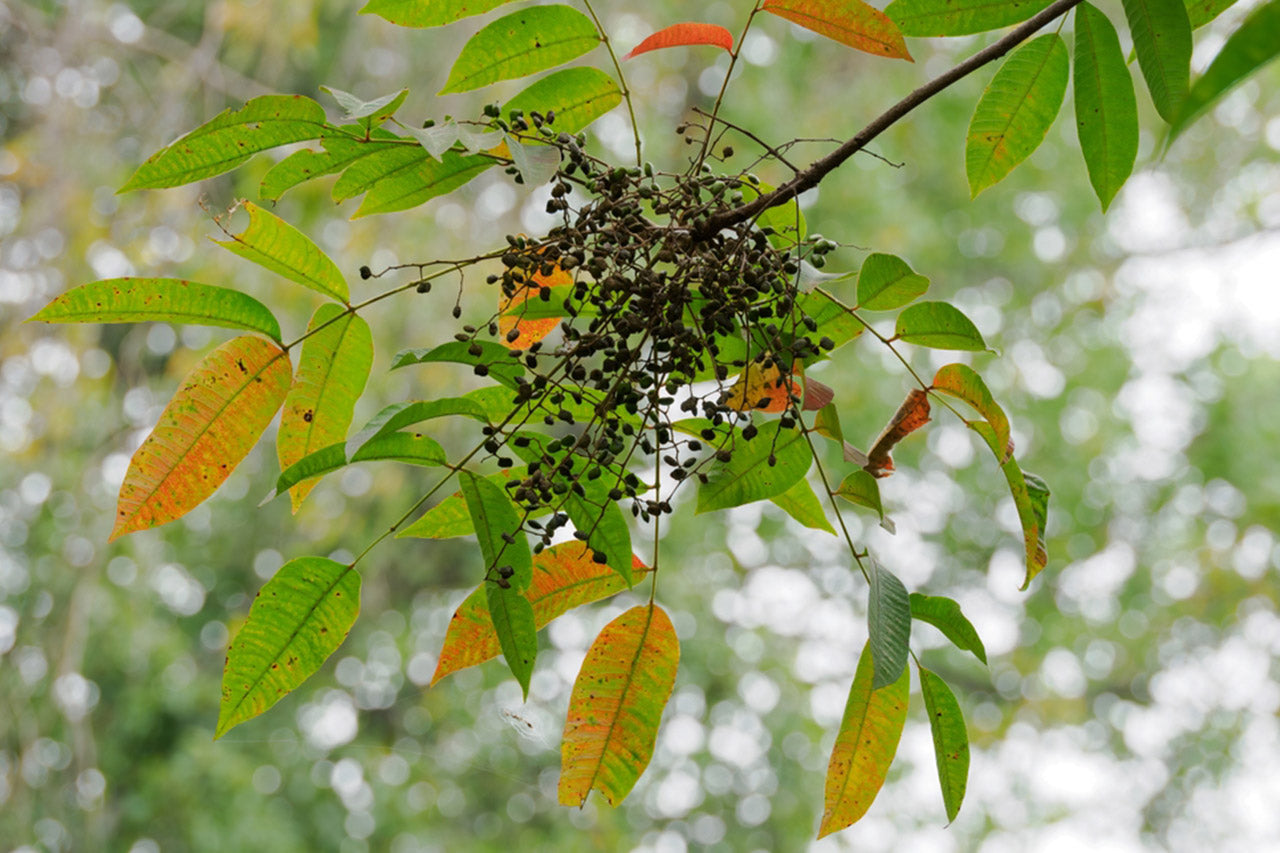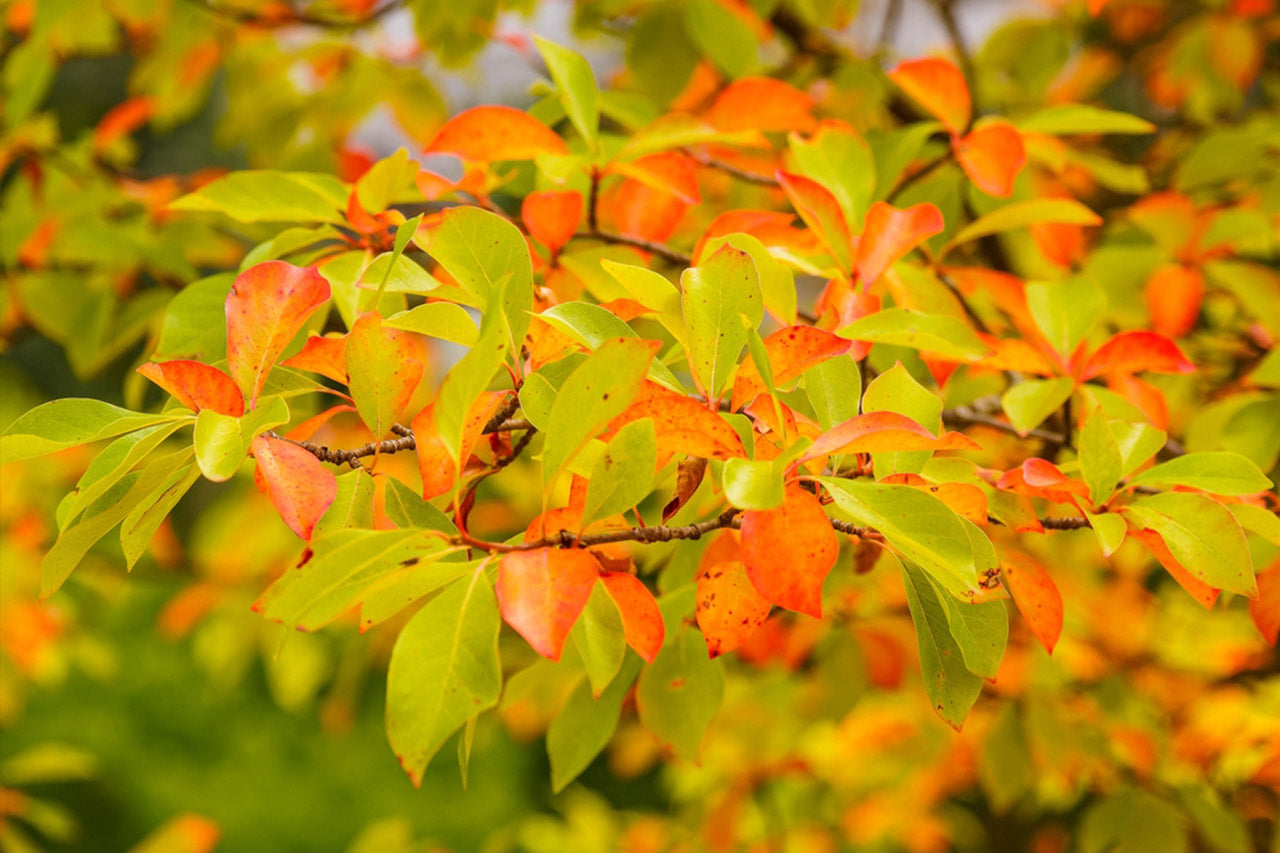

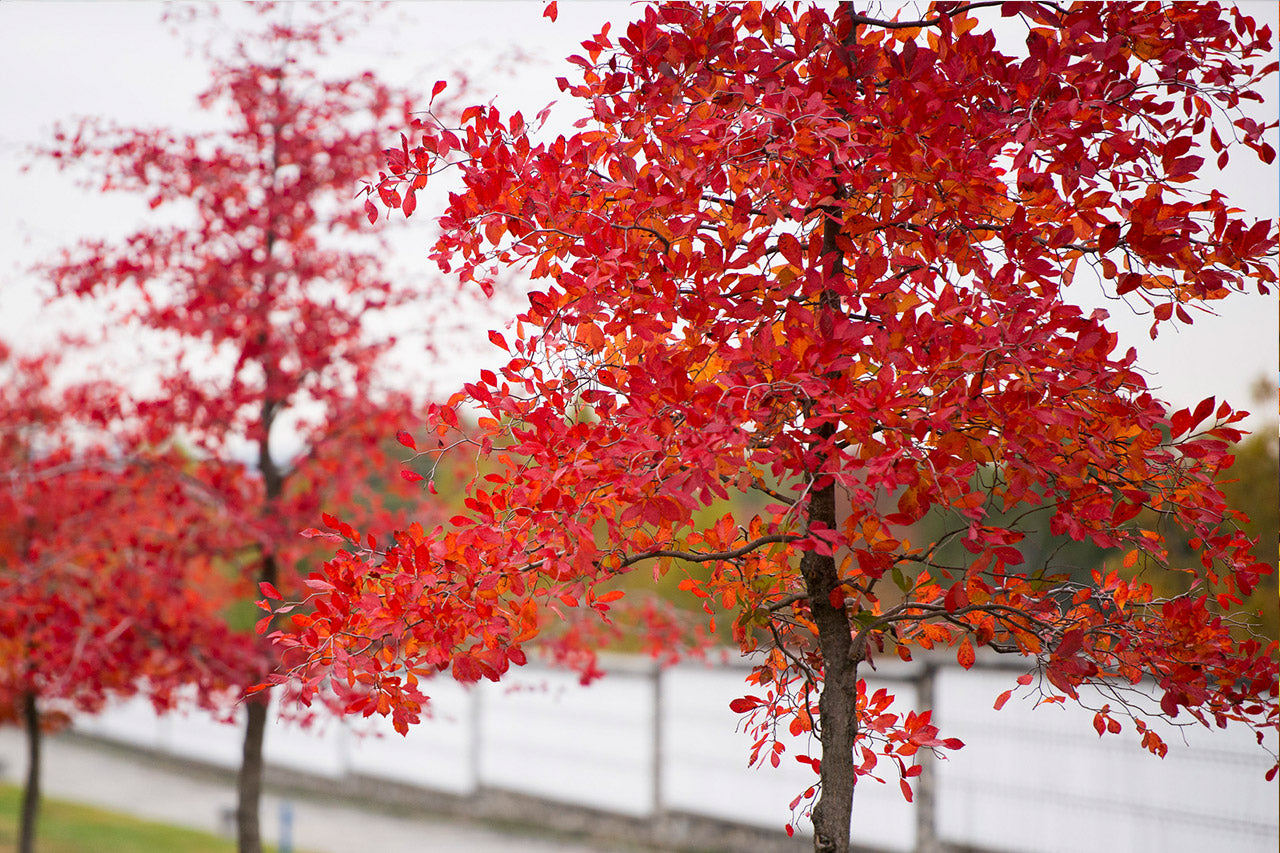
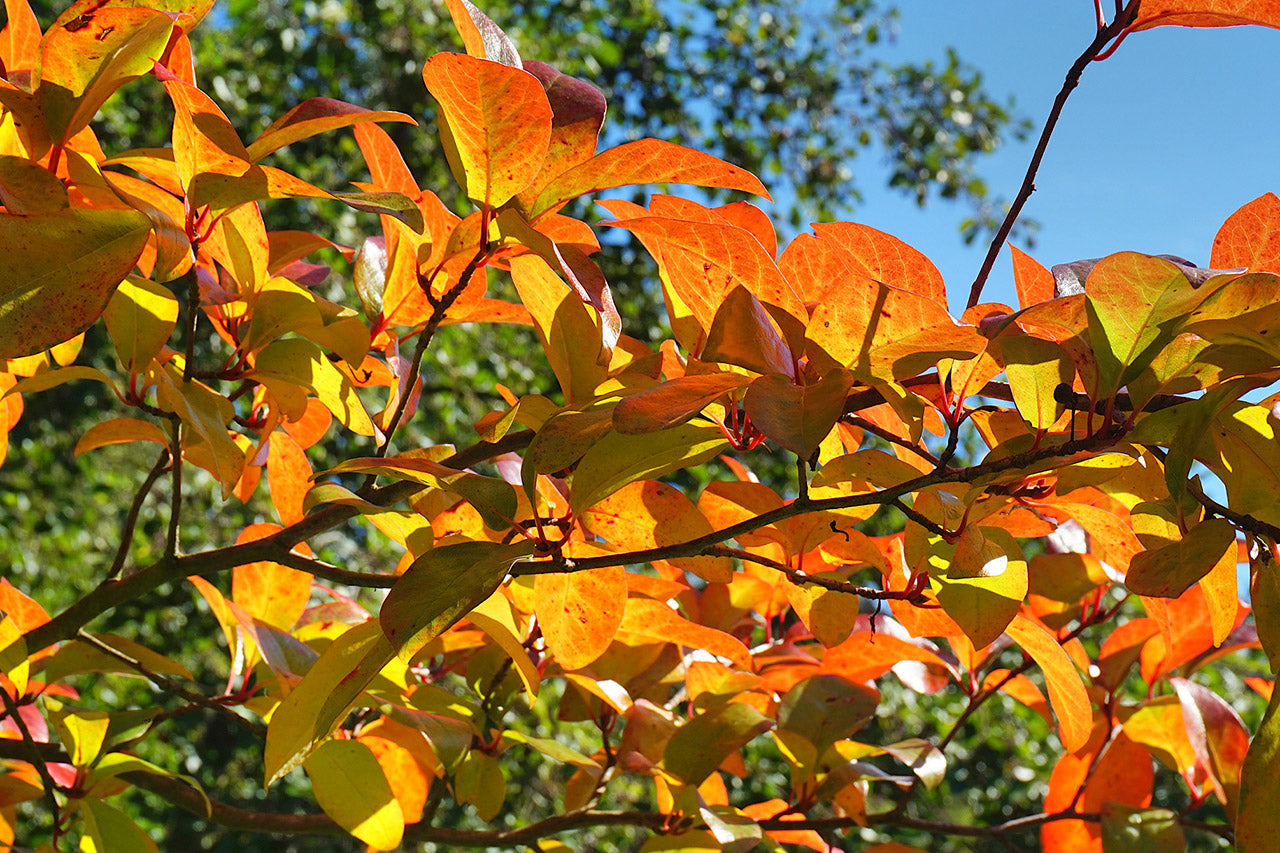
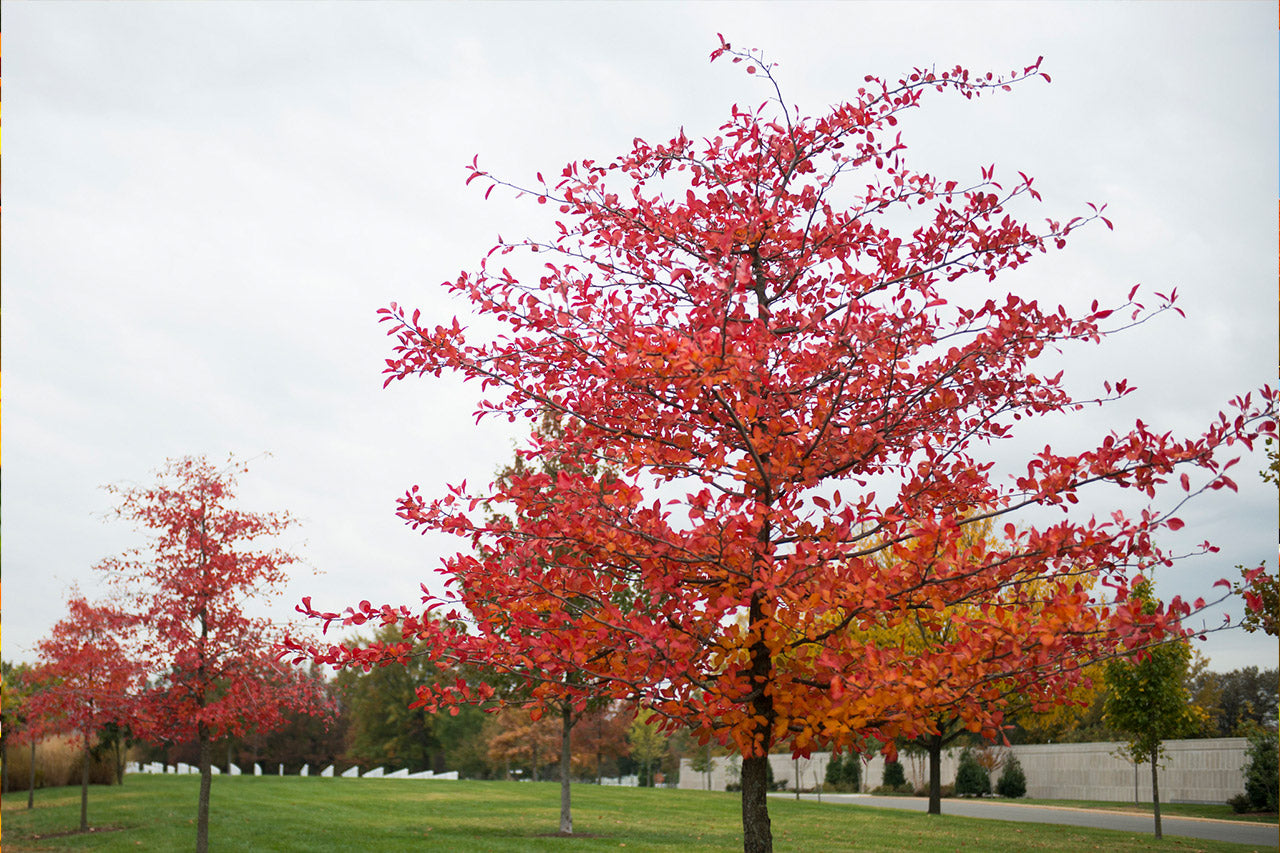
Nyssa is grown first and foremost for its autumn display. As summer begins to ebb, the leaves shift through warm yellow and orange into brilliant scarlets, crimson reds and deep wine tones, often with several colours on the tree at once. In the right conditions, it can be one of the most vivid autumn trees you’ll ever see in a UK garden. Even in smaller Cambridgeshire plots, a single Nyssa makes a huge impact at this time of year, giving you that “woodland in miniature” feeling without needing acres of space.
Common name: Tupelo, black gum, sometimes sour gum.
Latin name: Nyssa
Size in UK gardens: Often around 6–10m tall and 4–7m wide over time, depending on cultivar and conditions; some compact selections stay smaller
Best position: A sunny or lightly shaded, reasonably sheltered spot with moisture‑retentive, non‑chalky soil – ideal near ponds, lawns or the edge of a woodland‑style area.
Soil: Deep, moist but well‑drained, neutral to acidic soil; dislikes thin, very dry ground and strongly alkaline, chalky conditions.
Main interest: Outstanding autumn foliage colour, plus a graceful, light crown and attractive winter silhouette.
Fragrance: Not grown for scent – appeal is mainly visual and seasonal.
Hardiness: Generally hardy in most UK gardens once established; young growth may be nipped by late frosts in very cold springs.
Care level: Moderate – straightforward if you can offer the right soil and moisture, with light pruning and some early watering.

The Simpson’s team raises the majority of our trees here at the nursery. For varieties outside our own production, we work with independent local growers we trust - all chosen for UK climate suitability.
Planting time: As container‑grown trees, Nyssas can be planted in most months when the ground isn’t frozen or waterlogged; autumn and early spring are usually easiest, giving roots time to settle before summer heat or winter cold.
Watering: Water regularly in the first few years so the rootball and surrounding soil stay evenly moist, especially in dry spells and on lighter soils. Once established in deep, moisture‑retentive ground, Nyssa is quite self‑reliant but still benefits from extra water in prolonged drought.
Feeding: In good garden soil, Nyssa doesn’t need heavy feeding – a spring mulch of compost or leaf mould over the root area is usually enough. On very poor ground, a light balanced feed in early spring can help support growth.
Pruning: Pruning needs are modest. Focus on removing dead, damaged or awkwardly placed branches and on shaping lightly when young to form a good framework. Nyssa is not a tree to clip hard or “pollard” regularly.
Winter: Established trees usually need no special winter protection beyond mulch and a quick check after severe weather. Young plants benefit from staking, a clear, weed‑free root zone and avoiding waterlogged conditions.
Availability is always changing, so please check with us if you have a particular variety in mind.

A connoisseur’s tree for autumn colour, with glossy leaves that turn through glowing reds, oranges and purple, often in a rich, painterly mix. The habit is naturally elegant and well balanced, giving a calm, parkland feel. A superb specimen when you want an autumn finale that feels truly special.