

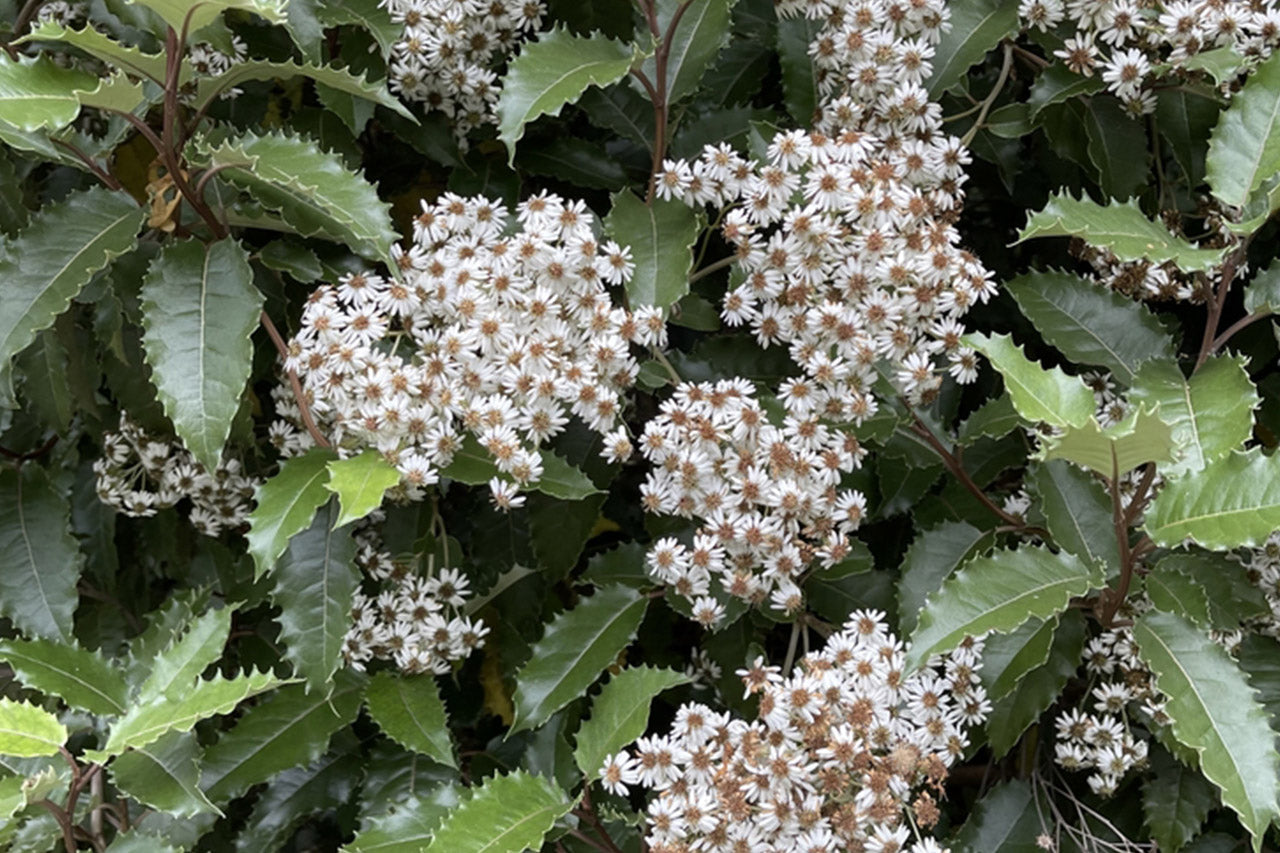
Olearia are often called daisy bushes, and many come from New Zealand’s wild, windy coasts. In UK gardens that translates into tough, evergreen shrubs with small, often grey‑green or glossy leaves that look good right through the year. The foliage has a slightly coastal, sun‑loving character that suits gravel, paving and modern planting just as well as traditional mixed borders. In a typical Cambridgeshire or Suffolk garden, an Olearia will happily sit where many other shrubs complain – in full sun, open to the breeze, knitting together different parts of the planting even in the depths of winter.
Common name: Daisy bush, New Zealand daisy bush.
Latin name: Olearia – various species and cultivars, often from New Zealand.
Size in UK gardens: Typically 1–3m tall and wide, depending on species and pruning; compact varieties stay closer to 1–1.5m.
Best position: A sunny, reasonably sheltered spot – ideal against a fence or wall, or as an informal hedge in an open, bright garden.
Soil: Well‑drained, moderately fertile soil; happy on many garden loams and lighter clays if they don’t sit waterlogged.
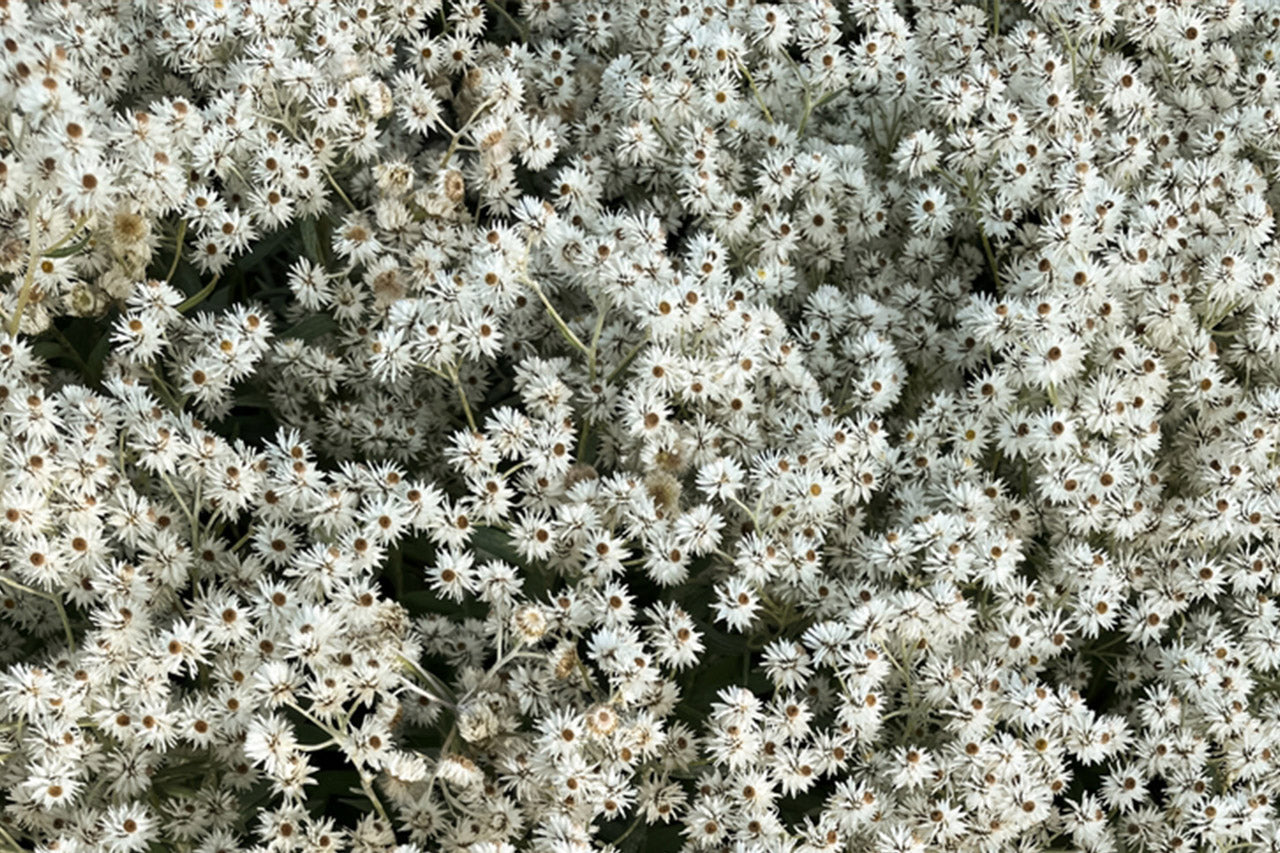
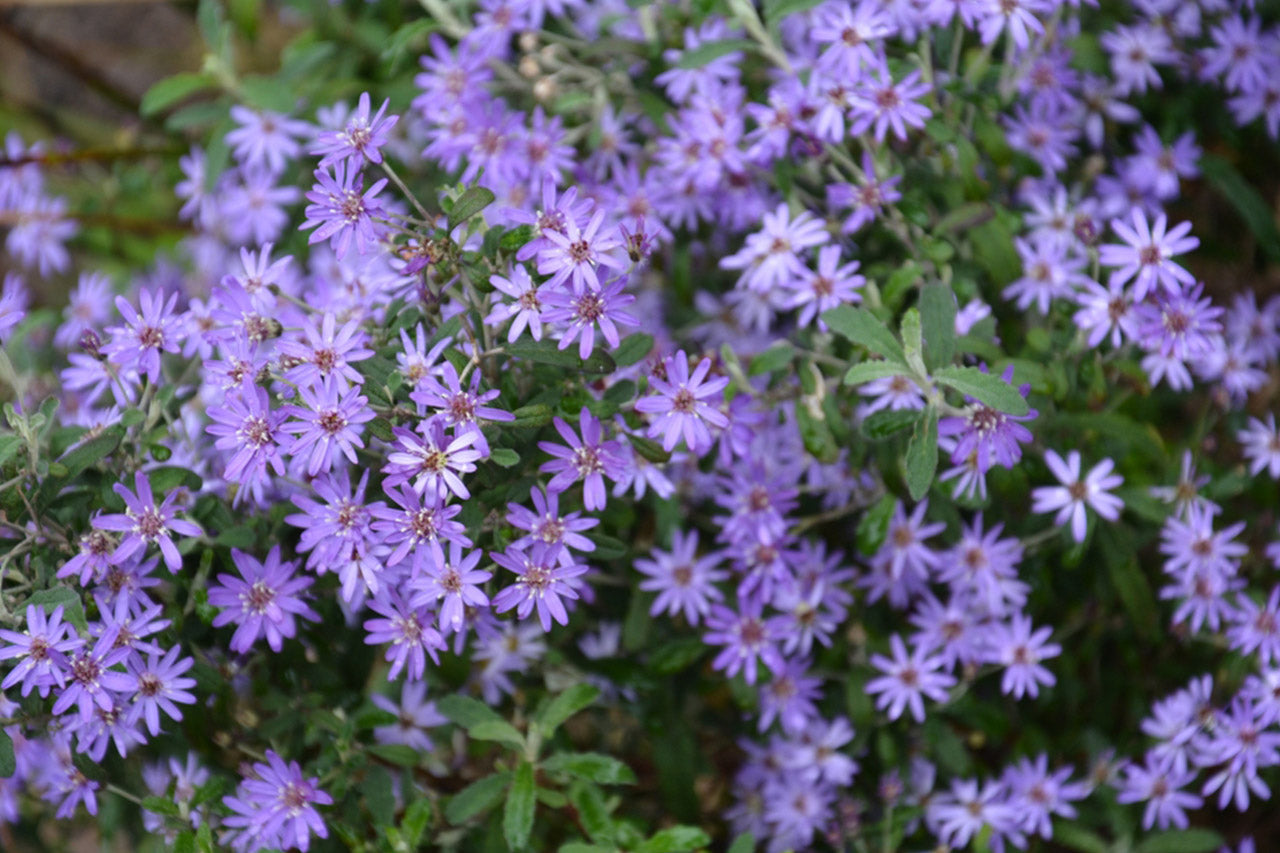
Flowering time: Usually late spring to early summer, with small daisy‑like flowers in clusters; some forms have a second, lighter flush.
Fragrance: Often lightly honey‑scented on warm days, though not overwhelmingly perfumed.
Hardiness: Generally hardy in milder parts of the UK; in colder or more exposed areas they appreciate shelter from severe frost and icy winds.
Care level: Moderate – easy if you can offer sun and decent drainage, with light pruning after flowering to keep plants neat and flowering well.

The Simpson’s team raises the majority of our trees here at the nursery. For varieties outside our own production, we work with independent local growers we trust - all chosen for UK climate suitability.
Planting time: As container‑grown shrubs, Olearia can be planted in most months when the soil isn’t frozen or waterlogged; spring and early autumn are usually easiest, giving roots time to settle before extremes of heat or cold.
Watering: Water regularly in the first year so the rootball and surrounding soil don’t dry out completely, especially in sunny, free‑draining spots or raised beds. Once established in the ground, daisy bushes are reasonably drought‑tolerant but will flower and grow better with occasional deep watering in long dry spells.
Feeding: In decent soil, a spring mulch of compost or well‑rotted manure is usually enough. On very poor or thin soils, a light balanced feed in early spring helps support steady growth and flowering; avoid heavy, late feeding that pushes soft, frost‑tender growth.
Pruning: Prune lightly after flowering to remove spent flowered shoots, tidy the outline and encourage bushy growth. Every few years you can cut back a bit more firmly into older wood to refresh a leggy plant, but avoid chopping right down to bare stumps in one go.
Winter: In milder gardens, established plants need little winter attention beyond mulch and a quick check for wind damage. In colder or more exposed sites, young or recently planted Olearia may benefit from a little fleece in very hard frosts until they are well rooted.
Availability is always changing, so please check with us if you have a particular variety in mind.
A tough, wind-tolerant evergreen with small grey-green leaves and a neat, bushy habit, often finished with a froth of white daisy flowers in summer. It’s excellent for coastal and exposed gardens, making a smart screen or informal hedge. A light trim after flowering keeps it dense, tidy and well shaped.