
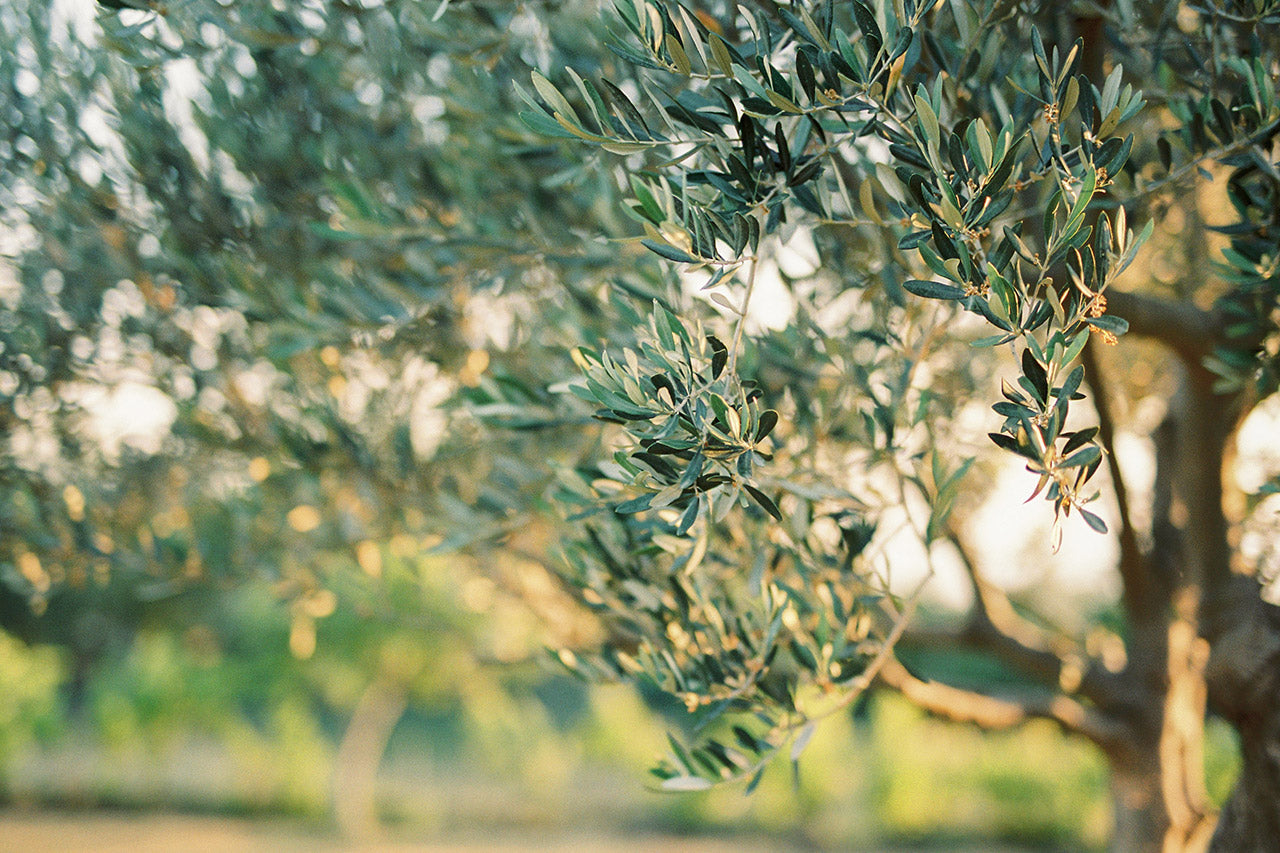
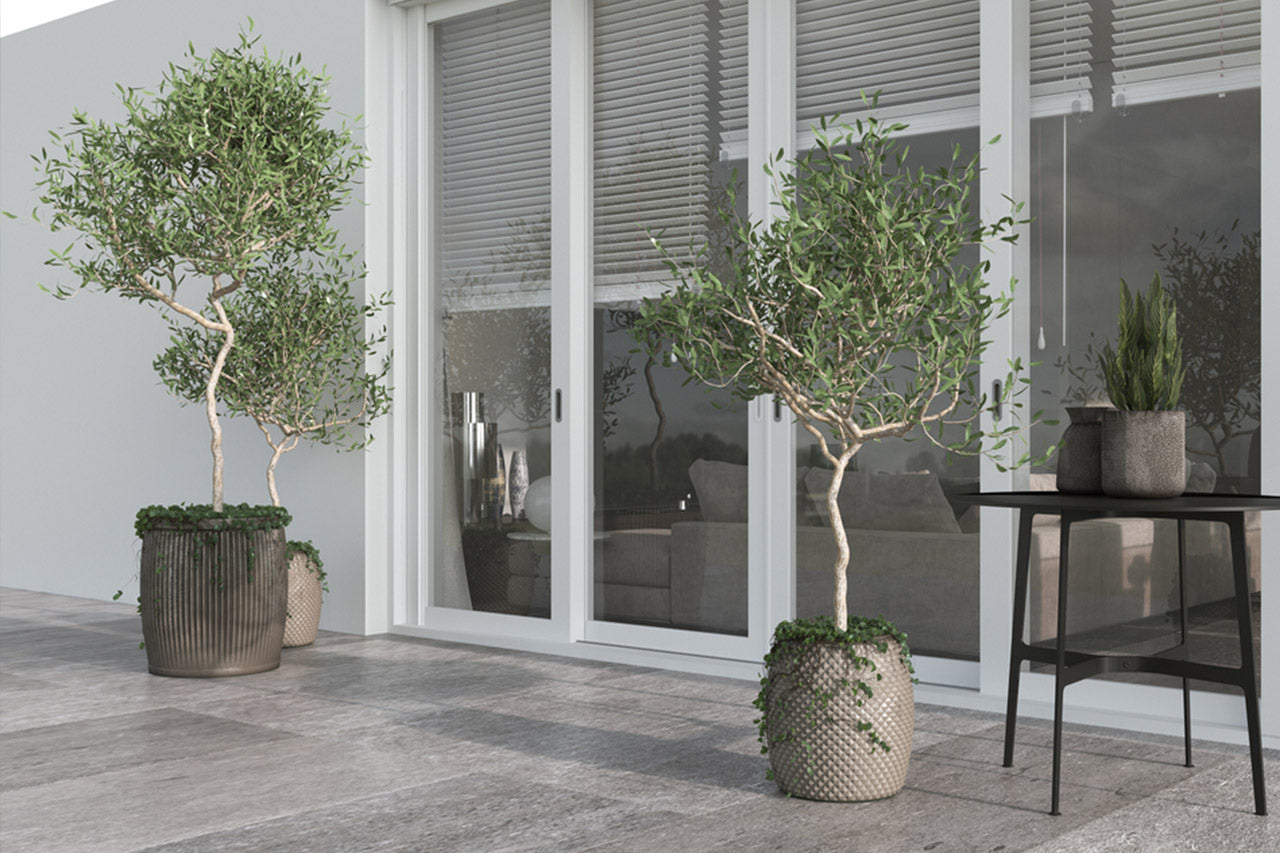
Olive is one of those plants that brings instant polish. The leaves are narrow and grey-green, with a silvery underside that catches the light and makes planting look calmer and more intentional. In UK gardens, that colour is especially valuable through winter, when bright greens can feel a bit flat and borders are often bare. Whether it’s in a pot by the front door or as a focal point on a sunny patio, an olive gives structure without shouting, and it seems to suit almost any style — from modern gravel to relaxed cottage planting.
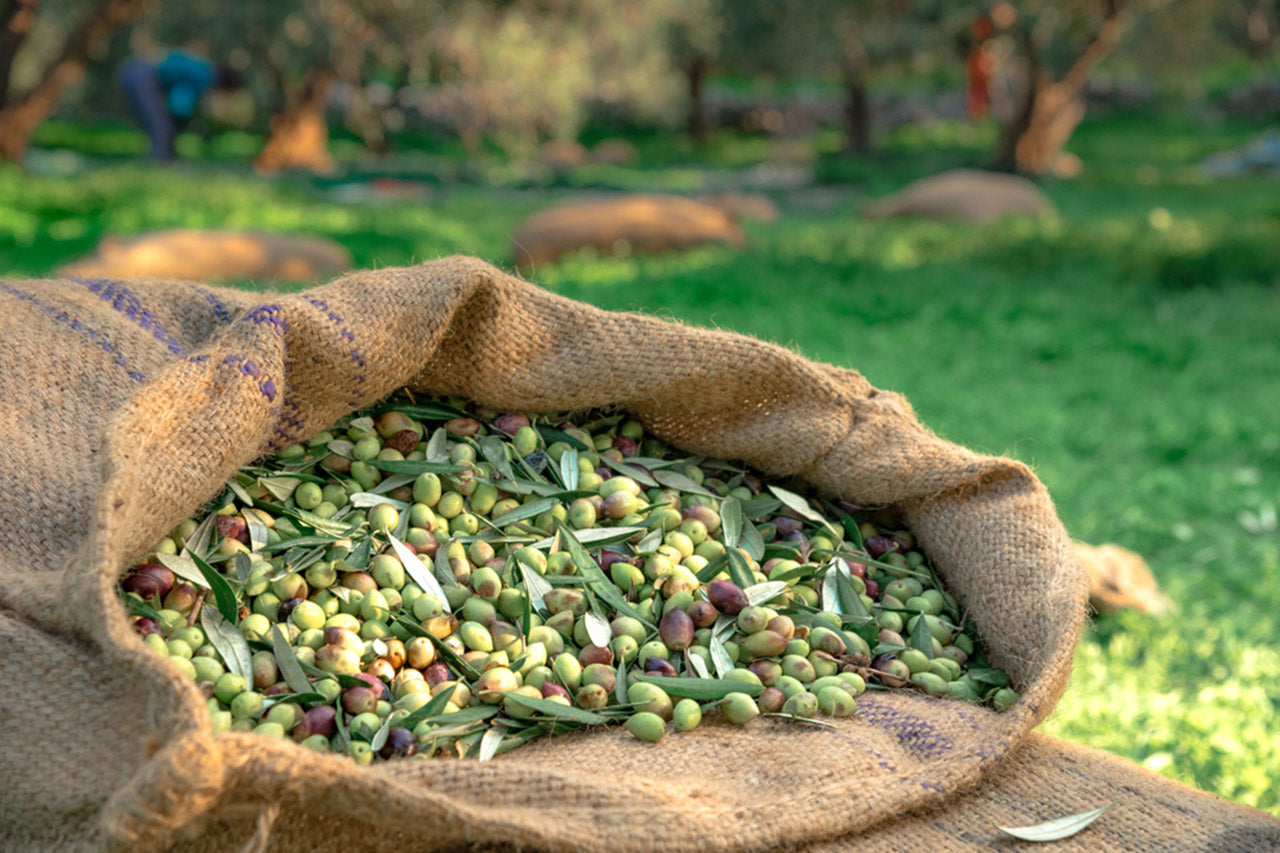
Common name: Olive tree.
Latin name: Olea europaea.
Size in UK gardens: Often 1.5–3m in pots over time; can reach 4–6m in the ground in the warmest, most sheltered spots, but usually kept smaller with pruning.
Best position: Full sun in a sheltered, warm spot — ideal by a south or south-west facing wall.
Soil: Free-draining soil; dislikes heavy, waterlogged winter ground.
Main interest: Evergreen silvery foliage, sculptural trunk with age, and occasional flowers/fruit in good summers.
Fragrance: Flowers can be lightly scented, but usually subtle.
Hardiness: Reasonably hardy once established, but young plants and pot-grown roots need protection in severe cold.
Care level: Low to moderate – easy if kept sunny and well-drained; occasional pruning keeps it tidy.

The Simpson’s team raises the majority of our trees here at the nursery. For varieties outside our own production, we work with independent local growers we trust - all chosen for UK climate suitability.
Planting time: As container-grown plants, olives can be planted in most months when the ground isn’t frozen or waterlogged; spring and early autumn are usually easiest.
Watering: Water regularly while establishing; once settled, olives are drought-tolerant but look best with occasional deep watering in dry spells.
Feeding: A light spring feed and a yearly mulch help; pot-grown olives benefit from a little more regular feeding in the growing season.
Pruning: Minimal — trim lightly to shape and remove any dead or crossing branches, usually in late spring or summer.
Winter: Protect pot-grown roots in hard frosts; shelter from cold winds helps prevent leaf scorch.
Availability is always changing, so please check with us if you have a particular variety in mind.

A timeless olive with a calm, silvery presence—gnarled trunk, narrow grey-green leaves, and that unmistakable Mediterranean atmosphere. It reads as architectural and serene, looking good all year even when it’s not fruiting. Perfect in pots or a sheltered, sunny spot when you want a tree that feels sculptural, sun-baked, and quietly elegant.