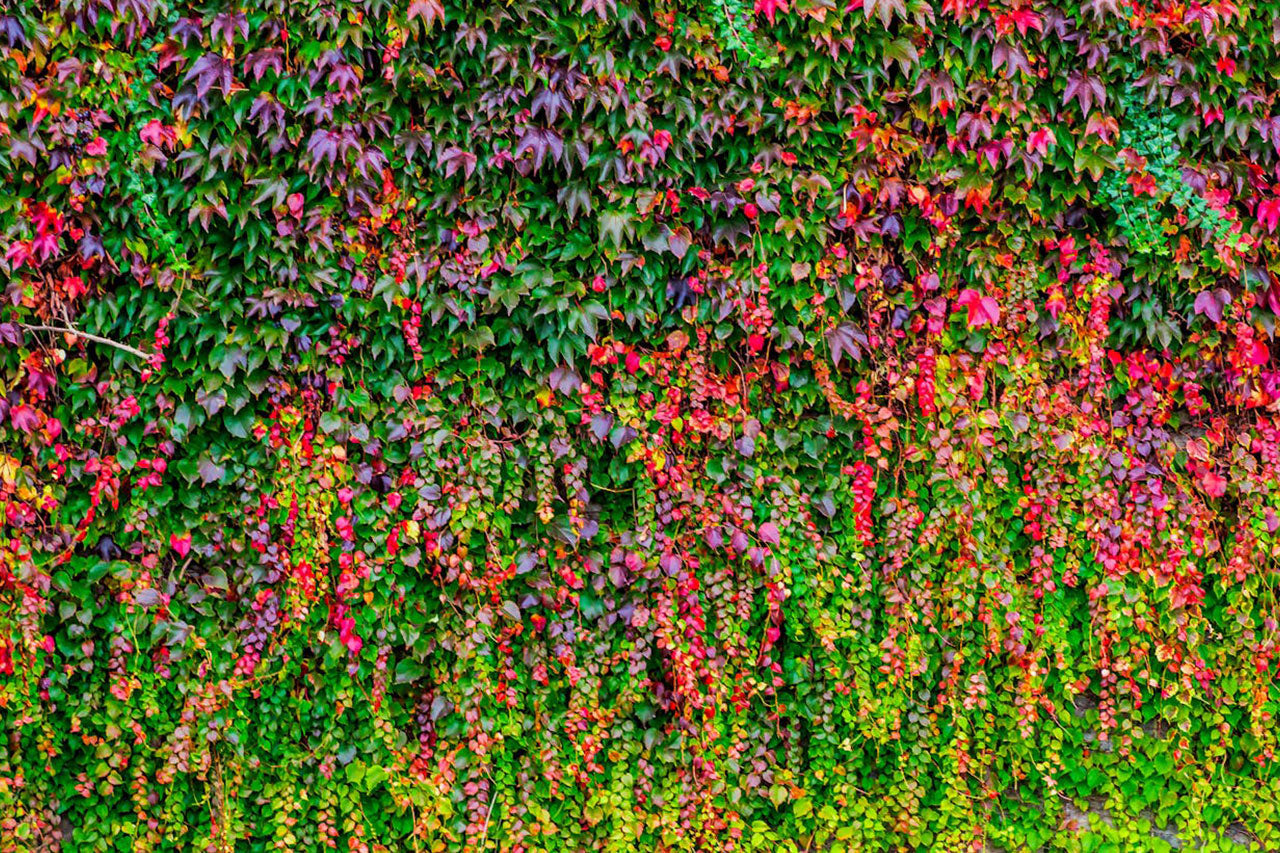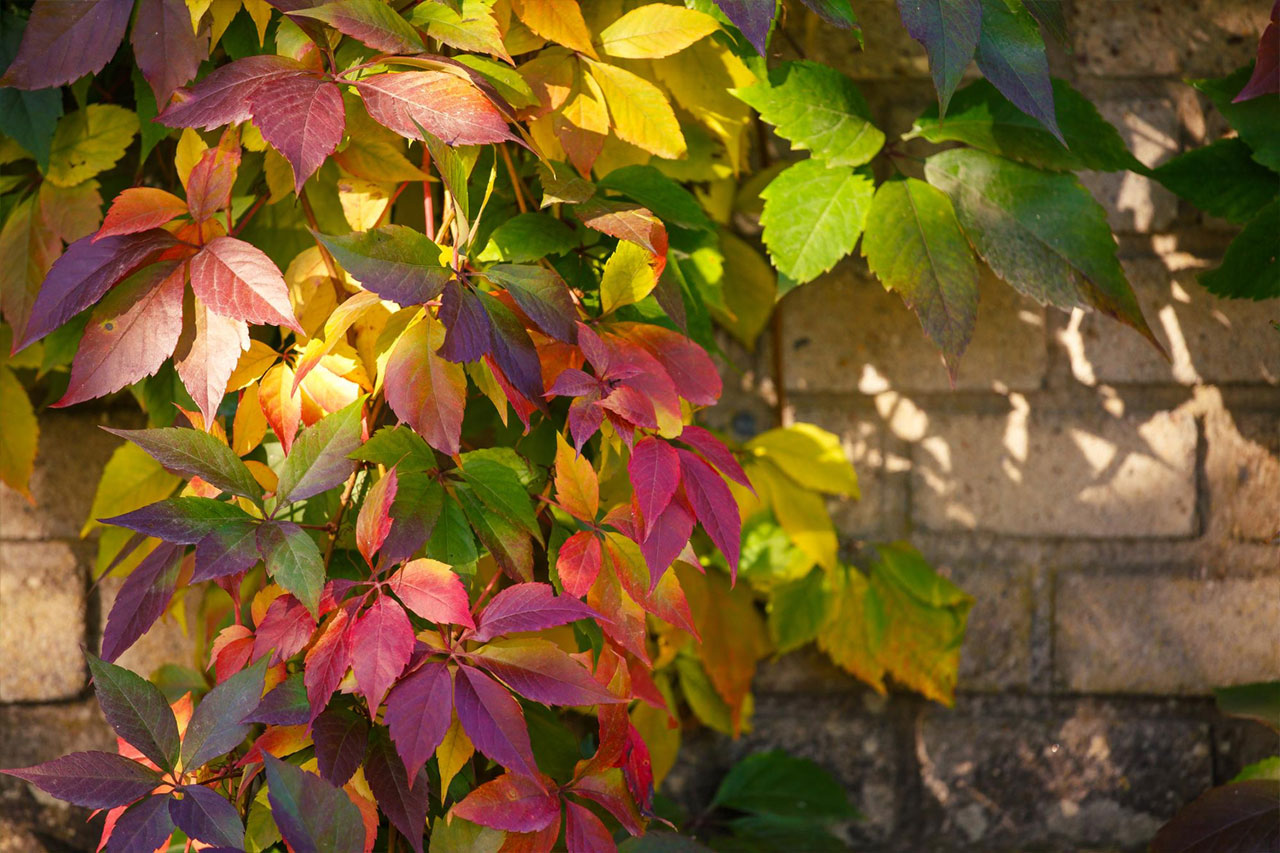

Parthenocissus is grown first and foremost for its extraordinary autumn display. Through spring and summer the foliage is cool, fresh green; as temperatures drop, leaves turn vivid shades of scarlet, crimson, orange and burgundy, depending on the species and position. Boston ivy (Parthenocissus tricuspidata) and Virginia creeper (P. quinquefolia) are especially famous for clothing whole house fronts and courtyard walls in fiery colour. Chinese Virginia creeper (P. henryana) adds silver veining and rich red tones for a slightly more refined effect, ideal in smaller gardens.


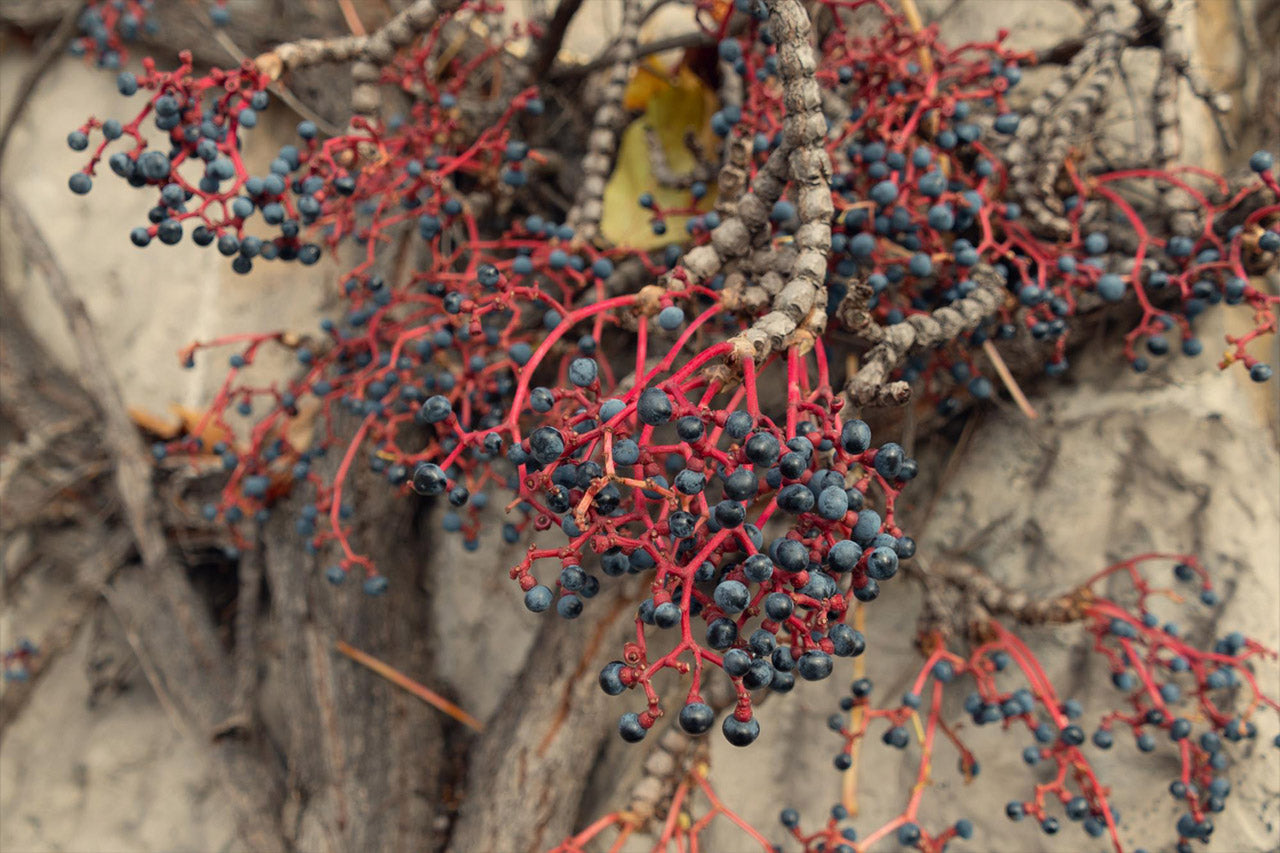
Common name: Virginia creeper, Boston ivy and Chinese Virginia creeper.
Latin name: Parthenocissus
Size in UK gardens: Typically 8–12m tall and 3–6m wide on a wall or fence; some forms can exceed 12m high and 8m wide if left unchecked.
Best position: A wall, fence, pergola or mature tree in sun, partial shade or even full shade, with room for vigorous growth and space to prune.
Soil: Any reasonably fertile, moist but well‑drained soil, from chalk and clay through to loam and sand, provided it isn’t permanently waterlogged.
Main interest: Lush green summer foliage turning spectacular shades of red, orange and purple in autumn, often with clusters of blue‑black berries.
Hardiness: Fully hardy or hardy in most of the UK (around RHS H4–H6), tolerating typical winters once established.
Care level: Easy to moderate – very tough and forgiving if you have space and are happy to prune regularly to keep it within bounds.

The Simpson’s team raises the majority of our trees here at the nursery. For varieties outside our own production, we work with independent local growers we trust - all chosen for UK climate suitability.
Planting time: As container‑grown plants, Parthenocissus can be planted in most months when the soil is workable and not frozen or waterlogged; spring and early autumn are usually the easiest times to get roots established.
Watering: Water well through the first growing season, especially in dry spells and where walls or eaves cast a rain shadow. Once established in the ground, vines are generally drought‑tolerant but will appreciate an occasional deep soak in long hot, dry periods.
Feeding: On average soils, an annual mulch of garden compost or well‑rotted manure is usually enough; on very poor or thin ground, a light balanced fertiliser in spring can give an extra boost. Potted plants need more regular feeding to replace nutrients washed out of the compost.
Pruning: Trim back in late autumn or early winter to keep growth away from gutters, rooflines and windows, and to maintain a neat outline. You can also give a light summer trim if shoots are racing ahead or exploring where they’re not wanted.
Winter: No special winter protection is needed for established plants; they simply drop their leaves and rest. The main winter job is to check that stems haven’t crept into gutters or under tiles and to tidy them back if necessary.
Availability is always changing, so please check with us if you have a particular variety in mind.


A more refined, almost “crafted” Virginia creeper, prized for its elegant, veined leaflets that look as though they’ve been delicately painted. It’s superb for giving walls a textured green cloak through summer, then providing rich seasonal colour later on, making it a wonderful backdrop for borders and a smart way to soften brick.
A big, bold transformer for walls and fences, quickly creating a dense green curtain that feels lush and established. The real theatre comes later, when the foliage turns fiery reds and purples, giving buildings that classic, autumnal drama and a sense of romance—excellent for privacy screens and large-scale coverage.
A tidier, more compact-feeling form that gives you the same “green wall” effect but with a more refined look, thanks to smaller leaves and a well-mannered outline. In autumn it colours beautifully, dressing walls and fences in rich, seasonal tones, and it’s ideal where you want coverage that still looks neat.
A bold Boston ivy with large, three-lobed leaves that make a strong architectural statement on brickwork, forming a dense, textured skin through summer. When autumn arrives it can turn a wall into a living tapestry of colour, making it perfect for dramatic vertical impact and for turning a plain boundary into a feature.

A classic for a reason: it clings neatly and sits flatter to the surface, giving walls a tailored, well-dressed look rather than a shaggy scramble. The foliage forms a clean green cloak, then colours richly in autumn, making it superb for smart façades, courtyard walls, and anywhere you want instant atmosphere.