

Phyllostachys bamboos are famous for making quick, evergreen screening that still looks light and elegant rather than solid and heavy. Tall canes lift the foliage up into the air, so you get privacy and shelter without blocking every scrap of light. In even a modest UK garden, a well‑placed bamboo can turn a boundary into a softer, greener backdrop, and the leaves bring that lovely, gentle rustle on breezy days. If you want a garden to feel more enclosed and “finished” without building taller fences, this is one of the most effective plants you can choose.
Common name: Bamboo
Latin name: Phyllostachys
Size in UK gardens: Commonly 3–8m tall depending on variety and conditions; can be kept smaller with pruning and containment.
Best position: Sun or light shade in a reasonably sheltered spot; ideal where you want height, privacy and movement.
Soil: Moist but well‑drained, fertile soil is ideal; tolerates many soils if not waterlogged or bone‑dry for long periods.
Main interest: Evergreen foliage and architectural canes; flowering is rare and unpredictable and not the reason to grow it.
Fragrance: Not noticeably scented.
Hardiness: Generally hardy in most UK gardens once established, though cold winds can scorch leaves in harsh spells.
Care level: Moderate – easy to grow, but needs thoughtful containment and occasional thinning to stay garden‑friendly.

The Simpson’s team raises the majority of our trees here at the nursery. For varieties outside our own production, we work with independent local growers we trust - all chosen for UK climate suitability.
Planting time: As container‑grown plants, Phyllostachys can be planted in most months when the soil isn’t frozen or waterlogged; spring and early autumn are usually easiest for establishment.
Watering: Water well in the first 1–2 seasons, especially in dry spells and near walls where rain may not reach. Established bamboo is fairly resilient, but looks best with occasional deep watering in prolonged drought.
Feeding: A spring mulch of compost or well‑rotted manure, plus a light, balanced feed in spring, supports strong canes and greener foliage.
Pruning: Remove a few older canes at ground level and thin crowded clumps to keep bamboo airy, tidy and within its space; trim height if needed.
Winter: Usually fine without protection once established, but cold winds can scorch leaves; shelter, mulch and good drainage make the biggest difference.
Availability is always changing, so please check with us if you have a particular variety in mind.


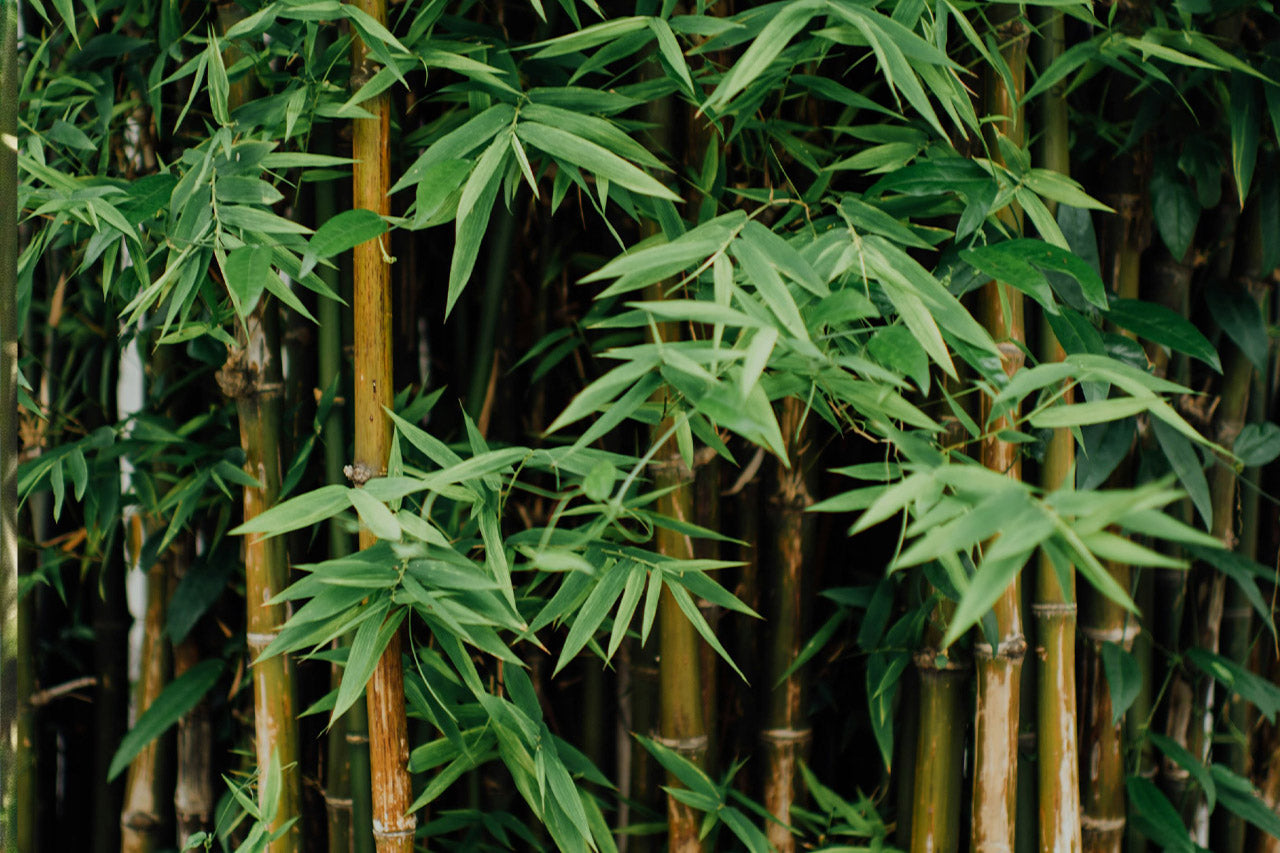
A classic golden bamboo with strong upright canes and a lush, leafy look that brings instant exotic atmosphere. The stems mature to warm yellow tones, creating a bright, architectural screen effect. Excellent for adding height, movement and that unmistakable bamboo “rustle” to the garden.
A superb bamboo with bright golden canes, often highlighted with green striping, creating a lively, patterned look. The stems stand upright and architectural, giving strong vertical rhythm. A brilliant choice when you want a bamboo that reads as both a screen and a feature—colourful, bold and elegant.
A striking bamboo with golden canes boldly striped in green, giving a crisp, almost painted effect. The upright stems create a strong architectural presence, while the foliage adds softness and movement. Ideal for modern gardens where you want structure, height and a vivid stem display.
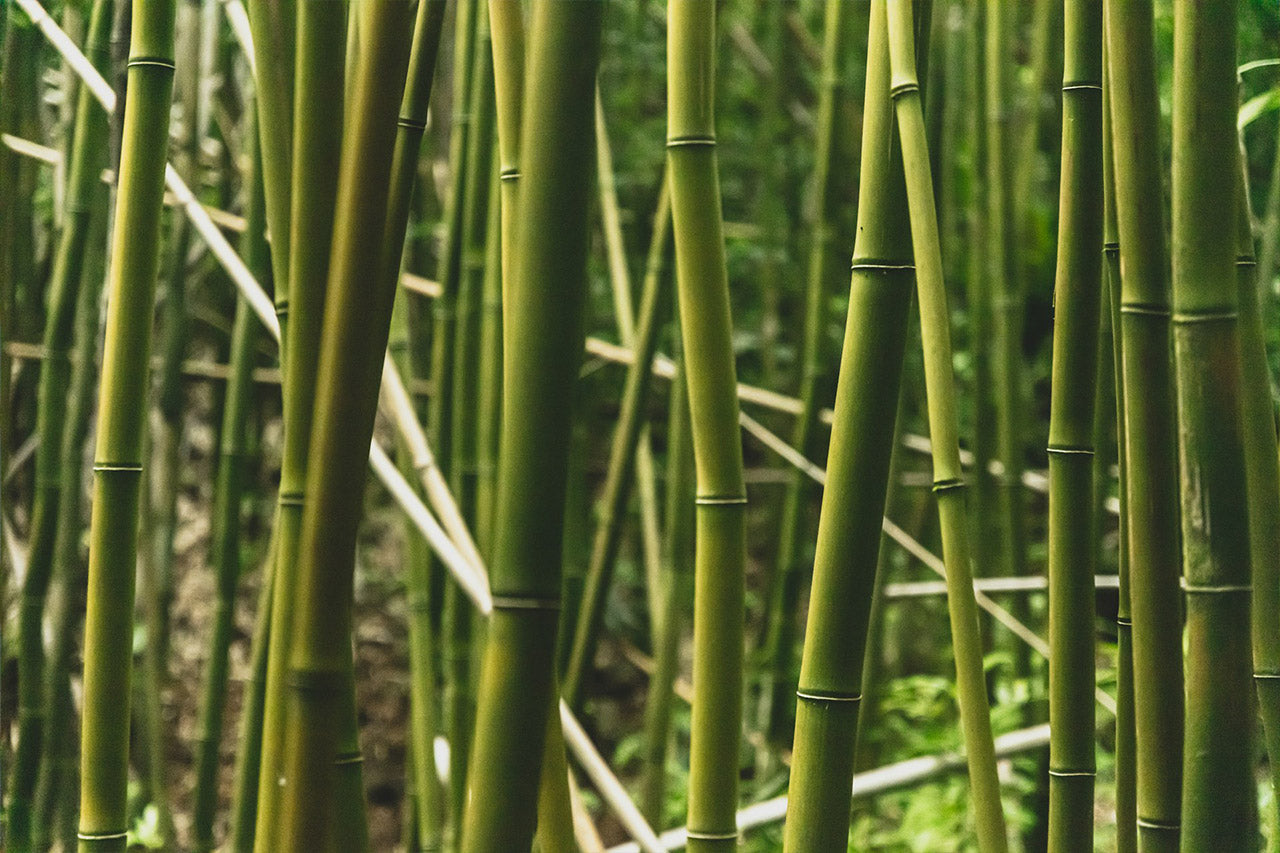
A robust green-stem bamboo with a dense, upright look and plenty of leafy volume, giving a strong screening effect. The canes are a fresh, clean green, and the overall feel is lush and energising—perfect for adding height, privacy and that gently moving bamboo atmosphere.

The famous black bamboo, with stems that mature to deep ebony for a dramatic, contemporary look. The contrast between dark canes and fresh green leaves is beautifully striking, especially in low winter light. A superb choice as a statement plant, or used in groups for a bold architectural screen.