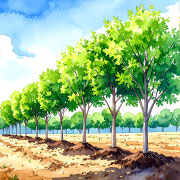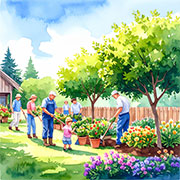

Spruces (Picea) give you that classic conifer look – neat tiers of branches and a clear, upright form – but in many cultivars the scale is very garden‑friendly. While some species are true forest giants, there are also compact, slow‑growing and dwarf forms that sit happily in ordinary front and back gardens. From tidy, conical “Christmas‑tree” shapes to broad, bun‑like mounds, you can pick the look that suits your space. Pop a well‑chosen spruce into a border or lawn island and you instantly gain year‑round structure that doesn’t rely on flowers to earn its place.
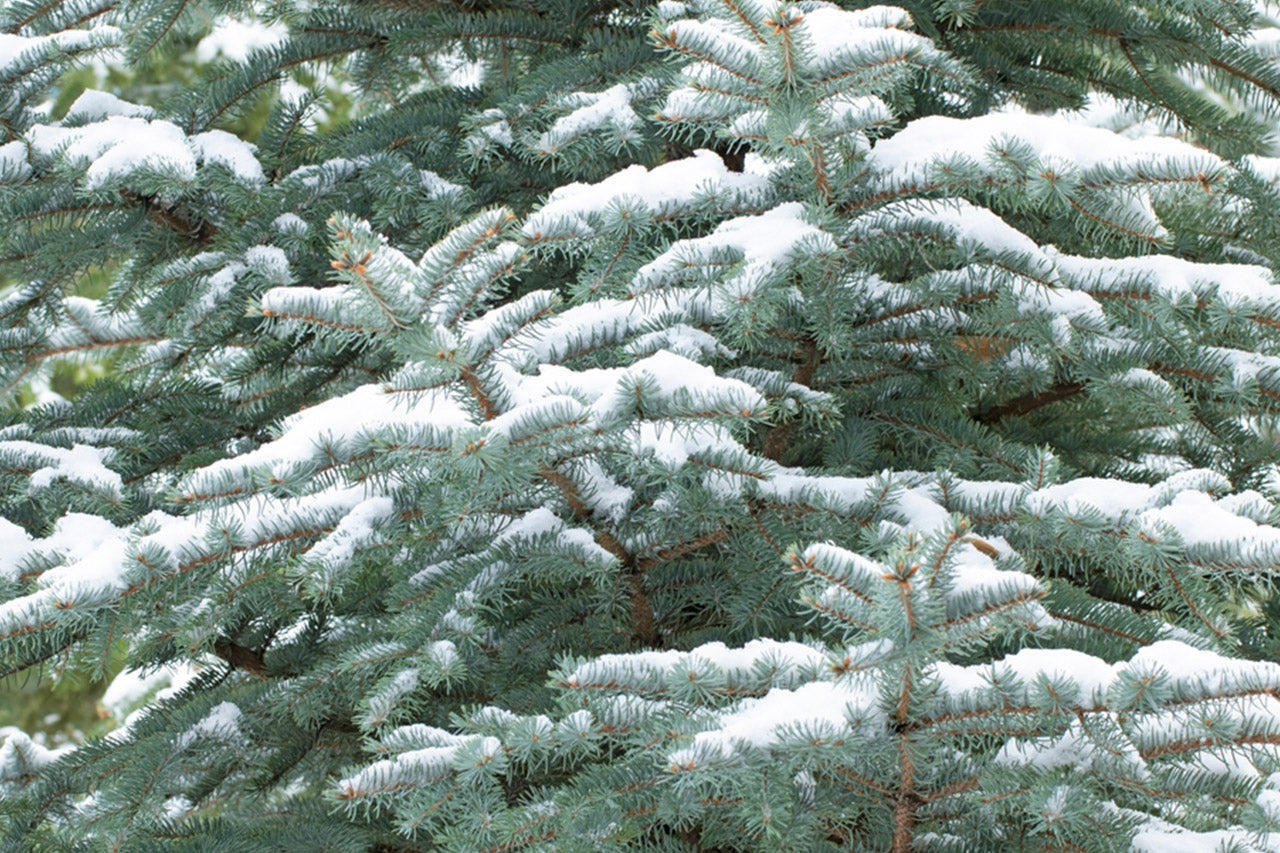
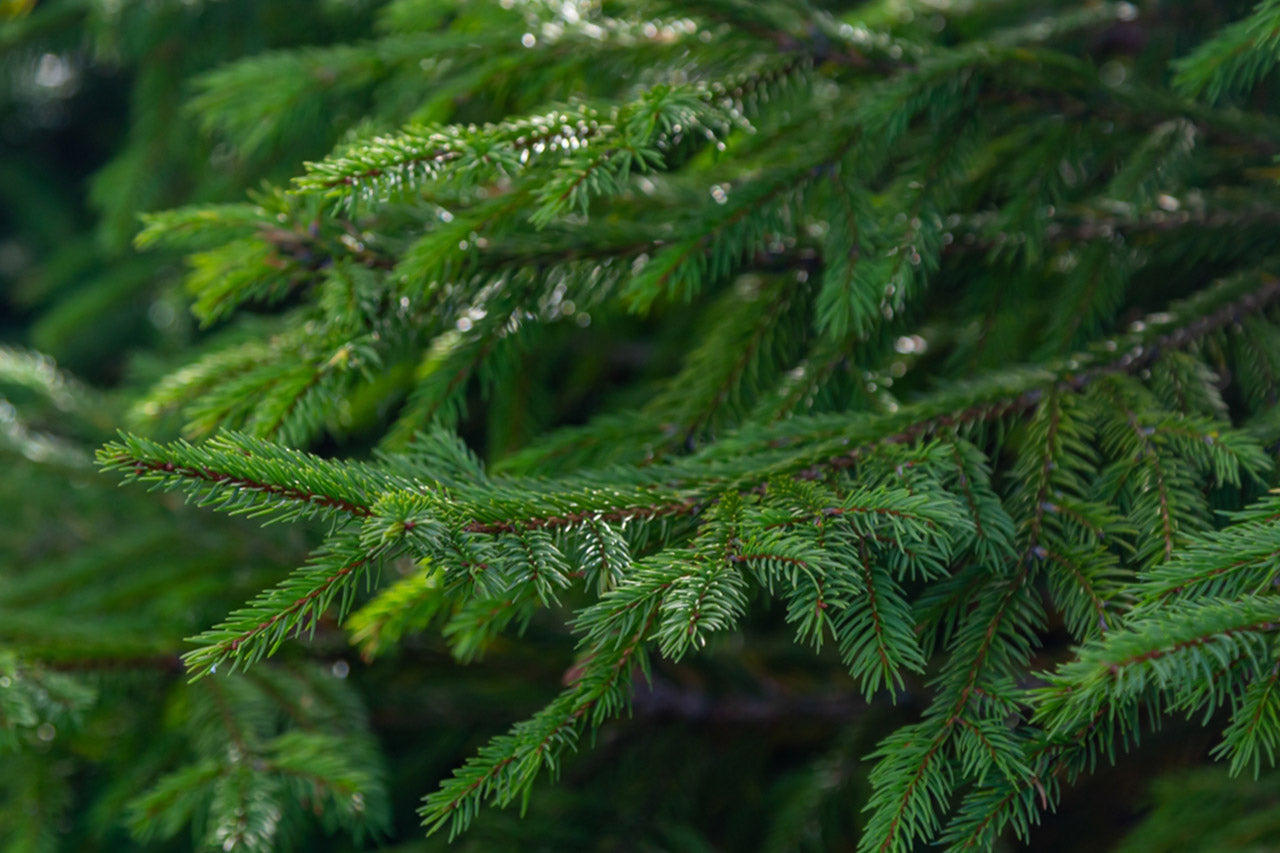
Common name: Spruce
Latin name: Picea
Size in UK gardens: Very variable; dwarf forms may reach 1–2m over many years, while larger garden trees often grow to 6–10m or more in time. Always check the expected size of the specific cultivar.
Best position: A sunny or lightly shaded, reasonably open spot, with enough room for the chosen form to develop its natural shape without crowding paths or buildings.
Soil: Moist but well‑drained, reasonably deep soil; many spruces prefer slightly acidic to neutral conditions and resent very heavy, waterlogged ground.
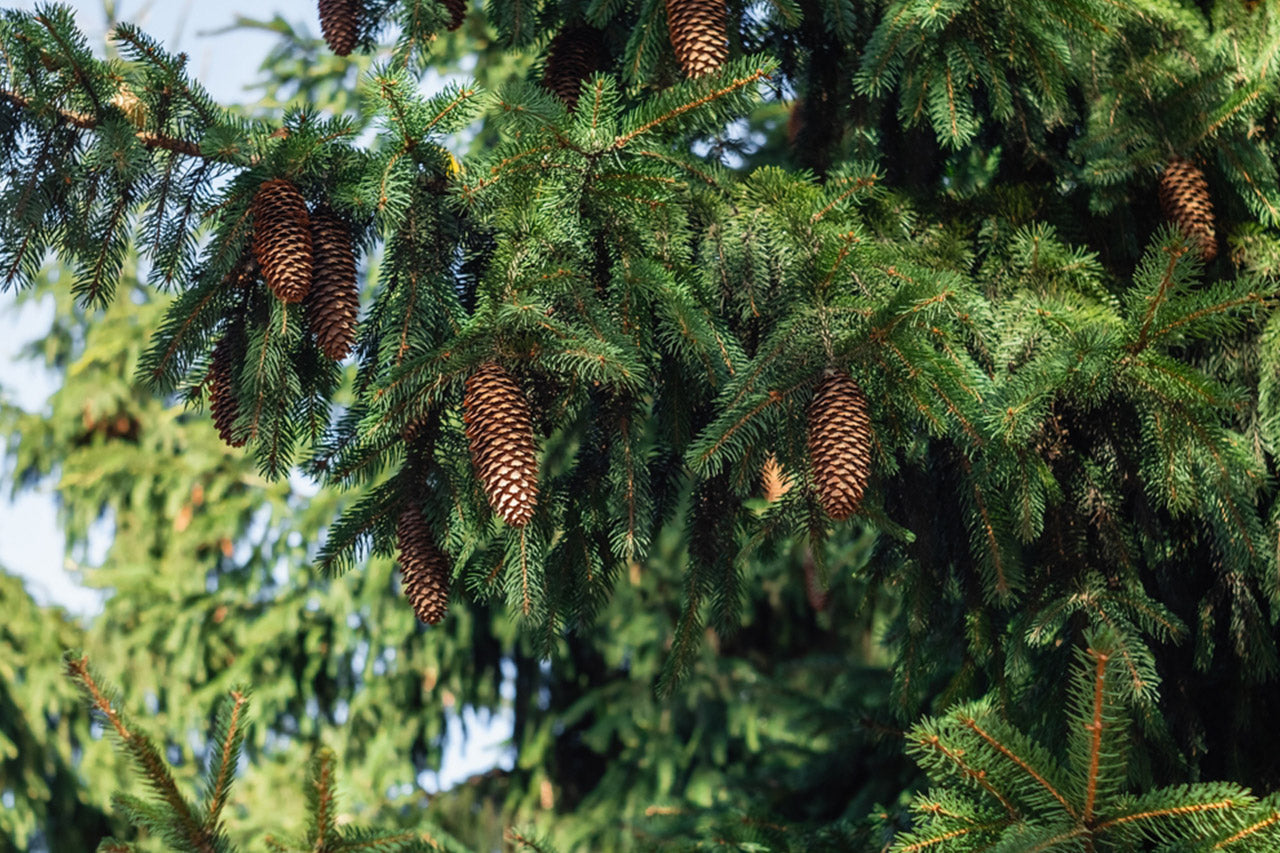
Flowering time: Not grown for flowers; main interest is evergreen needles, fresh flushes of growth in spring and decorative cones that form and ripen over several seasons.
Hardiness: Generally fully hardy in most UK gardens once established; many Picea species are quite cold‑tolerant, but all dislike sitting in soggy winter soil.
Care level: Easy to moderate – fairly low‑maintenance once settled, with sensible watering in the early years, some thought about eventual size, and only minimal pruning.

The Simpson’s team raises the majority of our trees here at the nursery. For varieties outside our own production, we work with independent local growers we trust - all chosen for UK climate suitability.
Planting time: Container‑grown spruces can be planted in most months when the soil isn’t frozen or waterlogged, with autumn and early spring usually easiest. This gives roots time to establish before summer heat or the worst of winter.
Watering: Water regularly in the first couple of years, especially in dry spells and on lighter soils, so the rootball and surrounding soil stay evenly moist but not soggy. Once established, most Picea cope with normal rainfall, needing extra water only in prolonged drought.
Feeding: In decent garden soil, spruces generally need little feeding beyond a spring mulch of compost or well‑rotted manure. On very poor or sandy soils, a light application of balanced, slow‑release fertiliser in early spring can support steady growth and good needle colour.
Pruning: Picea usually need minimal pruning. Restrict yourself to removing dead, damaged or badly placed branches, and avoid cutting back hard into old, bare wood. Choose a variety whose eventual size suits your garden rather than relying on heavy pruning.
Winter: Established spruces usually need no winter protection beyond a mulch over the root area. Minor browning from cold or wind is common on the windward side and is often hidden by new growth in spring.
Availability is always changing, so please check with us if you have a particular variety in mind.
A neat, rounded dwarf spruce that forms a perfect green globe, giving instant order without looking stiff. Excellent in pots, at path corners, or dotted through gravel beds, where its fine texture and tidy silhouette provide punctuation and structure with a calm evergreen feel.
A tiny, slow, button-like spruce with dense needles and a neat, miniature look that suits close-up planting. Ideal for troughs, rockeries and small courtyards, adding a touch of evergreen ‘woodland’ character and a crisp, clipped feel, especially beside stone and alpine plants.
A compact dwarf spruce with a classic, symmetrical outline—like a little Christmas tree that never loses its poise. Lovely as a focal point in a small border, a smart pot, or a gravel garden, where it brings year-round structure, fine texture, and that cosy fir-tree mood always.
A delightful colour-change spruce: fresh spring growth emerges bright and golden, then settles into green, giving a two-tone effect. Use it as a little beacon in a front garden, in pots by steps, or among darker evergreens where the colour shift really pops in every season.
A compact black spruce with a dense, dark-green look and a rugged, northern feel. Brilliant for adding depth to mixed conifer beds, for grounding lighter foliage, and for giving a small garden a steady evergreen backbone that looks handsome in winter and composed year-round.
A compact Colorado spruce with cool blue needles that look crisp and ‘ice-clean’ against brick and yew. Perfect as a small focal point in borders, a statement pot, or a gravel garden, where that blue colour brings instant polish, neat structure, and winter clarity in the view.
A tidy, blue-toned spruce that keeps a compact, rounded form, offering silvery colour without the bulk of a full-sized tree. Ideal for small gardens, modern gravel schemes, or pots near the house, where the blue needles add sparkle, clean contrast, and year-round definition.
A refined blue spruce with a well-shaped habit and a strong, silvery-blue presence that reads elegant rather than harsh. Use it as a specimen in a lawn or border, or to repeat as cool punctuation through planting, where it sharpens everything around it and lifts winter scenes.
A richly coloured blue spruce with a dense, ‘proper conifer’ look, giving that classic alpine feel in a manageable size. Brilliant as a winter anchor in mixed borders, beside grasses and silver foliage, or in a gravel garden where texture and colour do the work, week after week.
A famously chunky, conical blue spruce with a bold, sculptural silhouette—like a living Christmas tree for the garden. Ideal as a statement specimen in a lawn or large border, giving year-round structure, cool colour, and a strong focal point that looks superb in winter light.
A compact, rounded blue spruce that forms a handsome mound, bringing cool steel-blue colour at a lower level. Perfect for edging larger conifers, anchoring gravel beds, or planting near paths where its dense texture and colour can be appreciated up close in the quiet months.
A poised blue spruce with a softer, more graceful look, combining good form with clear blue colour. Lovely as a specimen in mixed planting, where it provides a calm evergreen anchor, and especially effective against warm brick, gold foliage, and ornamental grasses in winter.
One of the showiest blue spruces, with intensely silvery needles that glow in low winter sun and look superb year-round. Use it as a single statement tree, or as a cool contrast to reds and golds in the border, where it brings instant ‘wow’ and dependable structure every season.
A narrow, fastigiate blue spruce that gives height without width, perfect for tight spaces and formal planting. Use it to flank an entrance, mark a path, or add a strong vertical note among softer shrubs, with blue needles that keep the whole look crisp and architectural too.
A classic Koster blue spruce with a well-balanced, conical shape and dependable silvery-blue colour. Ideal as a feature tree in a lawn or border, where it brings year-round structure and a clean, cool tone that pairs beautifully with gold conifers, dark evergreens, and stone.