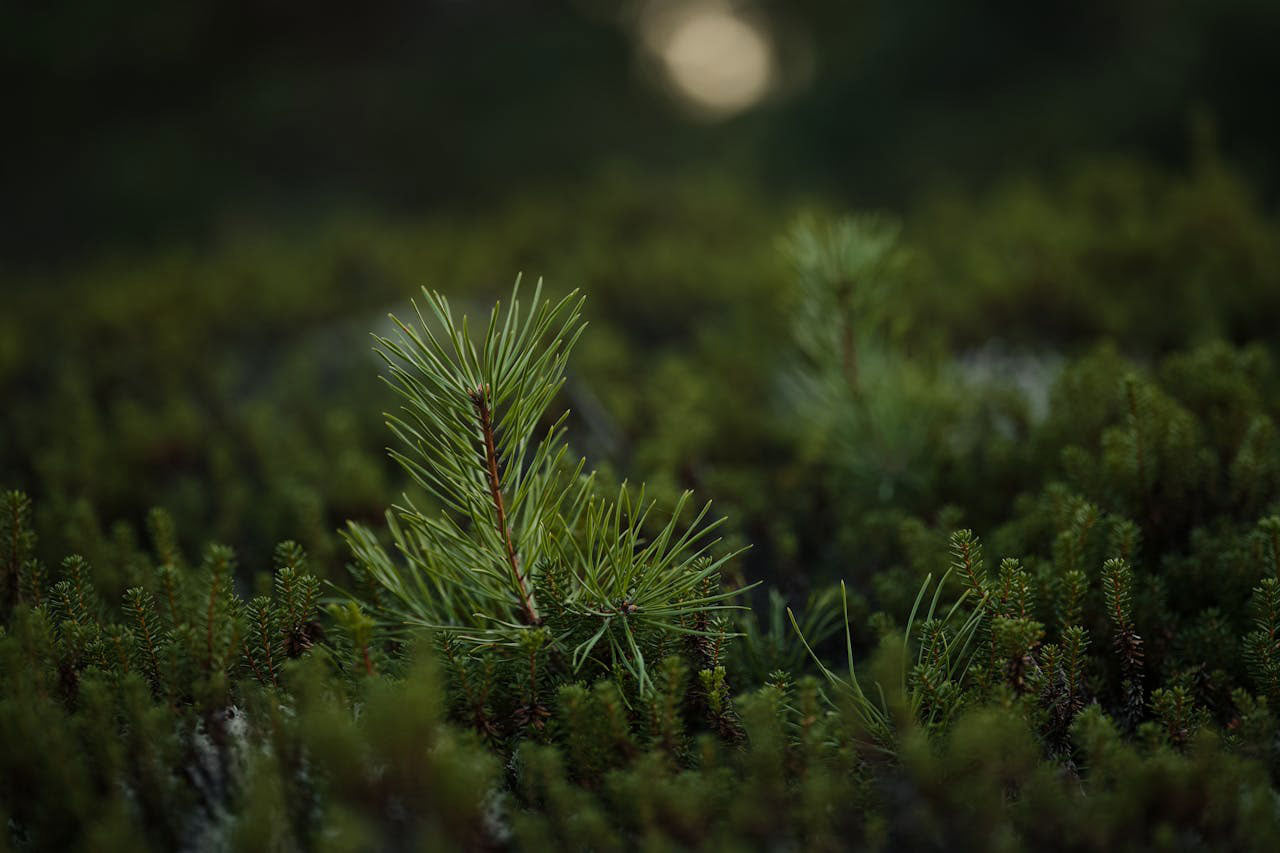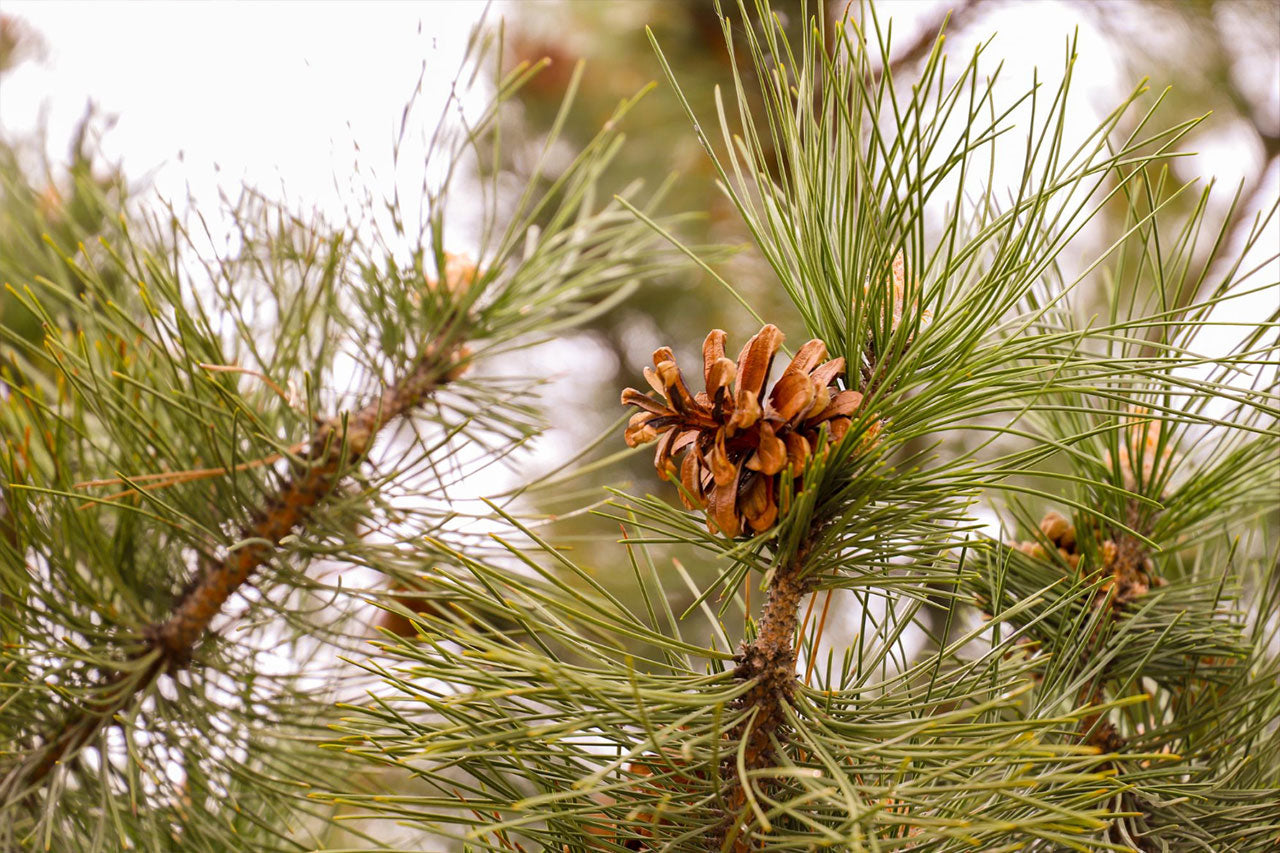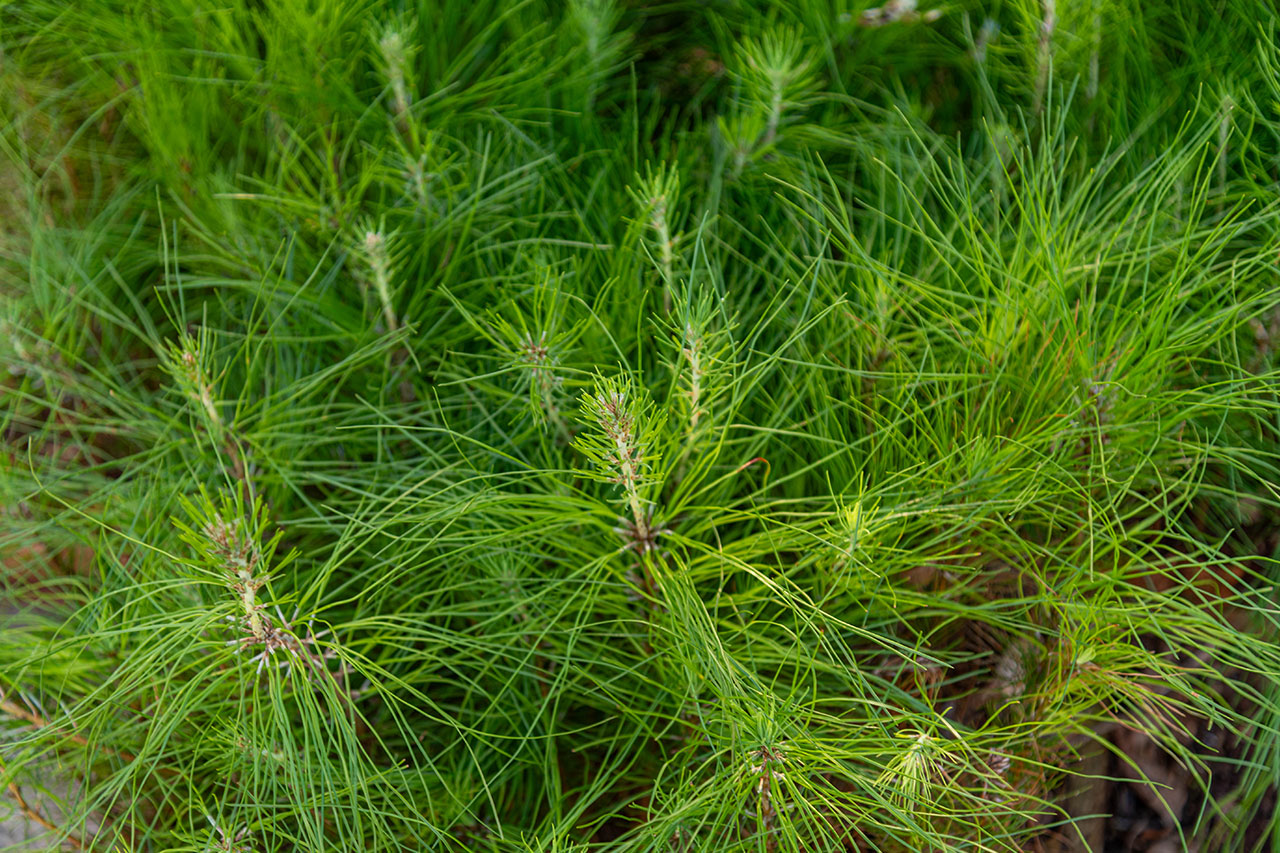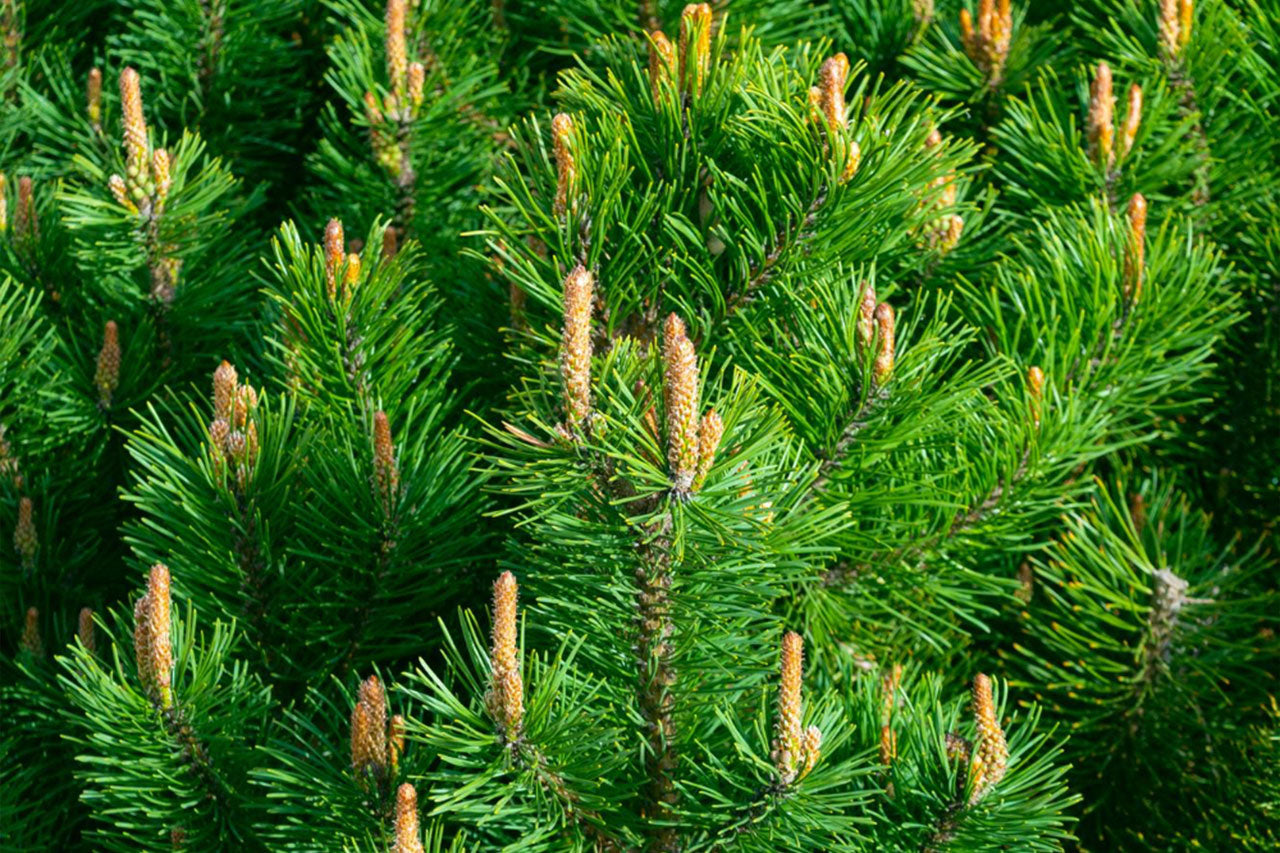

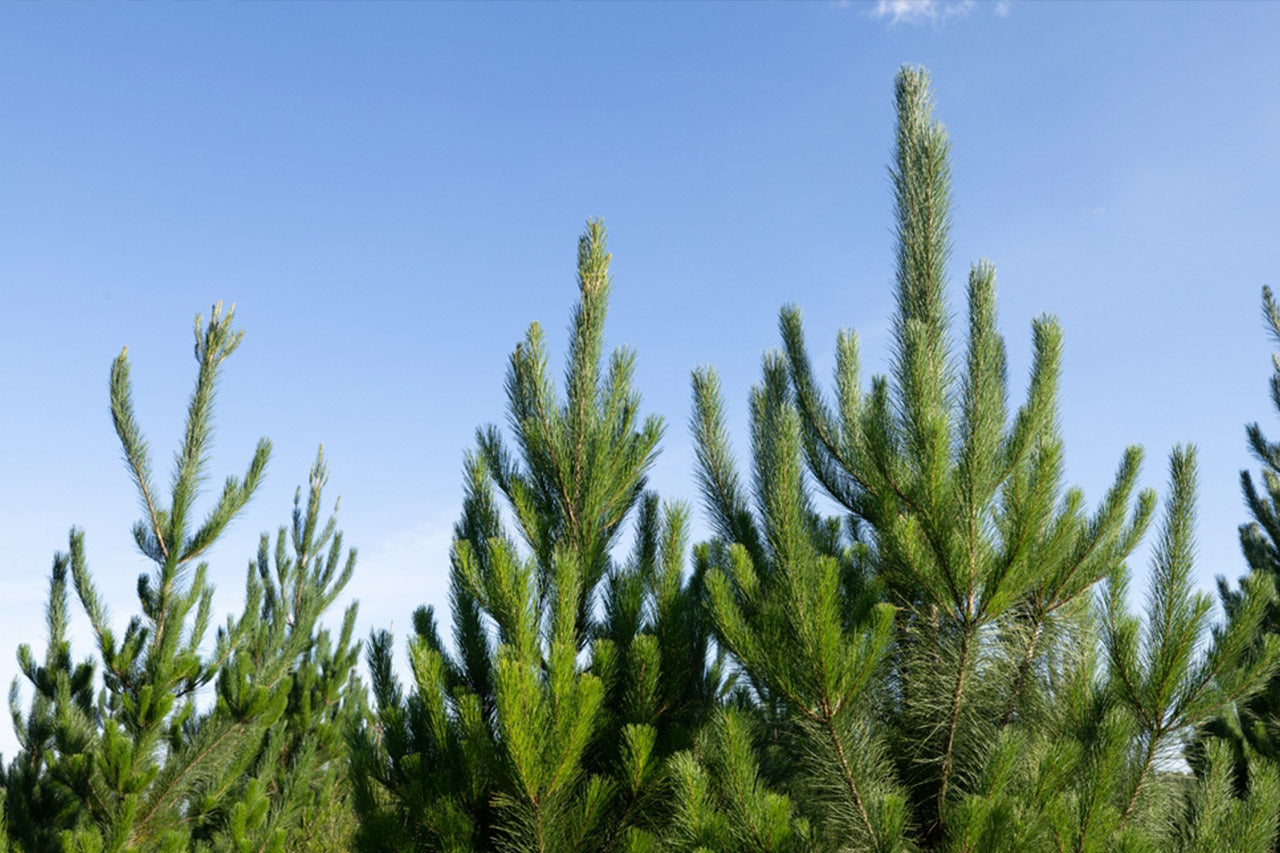
Pines (Pinus) are wonderfully adaptable trees for gardens because they come in so many shapes and sizes. There are tall, straight species that give a proper woodland feel; broad, umbrella‑crowned forms that look almost Mediterranean; and compact, slow‑growing cultivars that behave more like large shrubs than full trees. Whatever the scale of your garden, there is usually a pine to match. Once planted, that evergreen framework quietly holds the garden together all year, giving you something solid to look at when perennials are asleep and deciduous shrubs are little more than bare twigs.
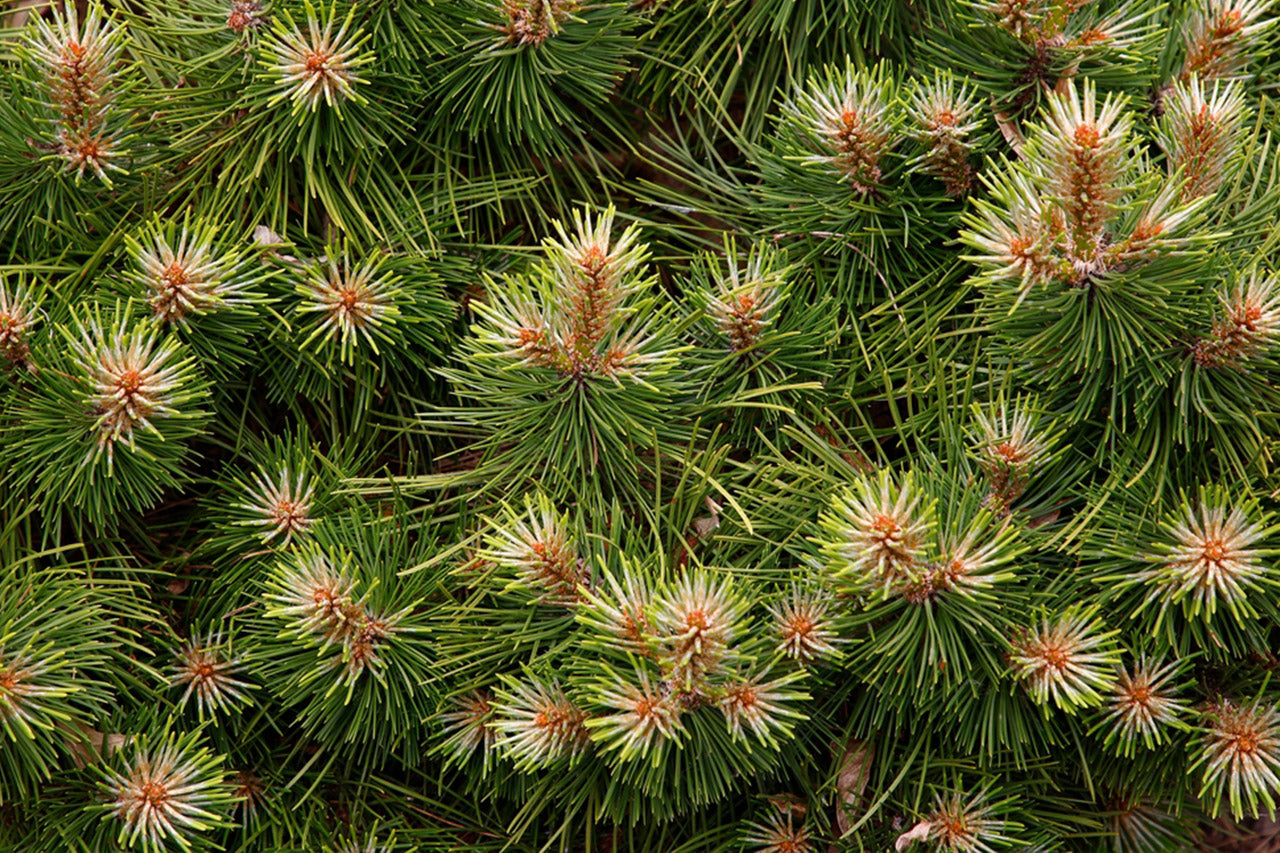
Common name: Pine
Latin name: Pinus
Size in UK gardens: Very variable; dwarf and slow‑growing forms may reach 1–3m over many years, while larger species and cultivars can reach 8–15m or more. Always check the specific variety.
Best position: A sunny, reasonably open spot with enough room for the chosen pine to develop its natural shape without crowding buildings, paths or overhead lines.
Soil: Well‑drained soil is essential; happiest in moderately fertile, sandy or loamy ground. Many pines dislike heavy, waterlogged clay, though some will tolerate chalk if drainage is good.
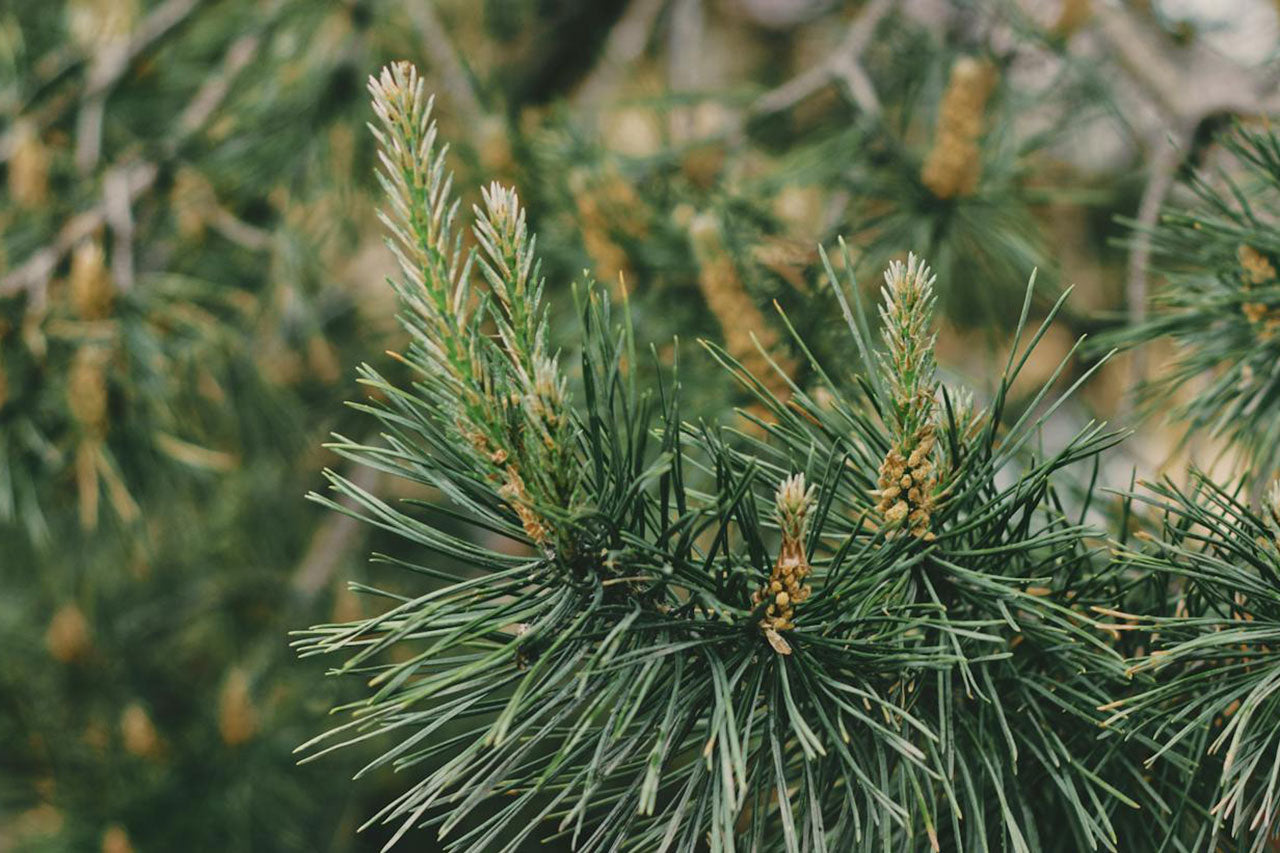
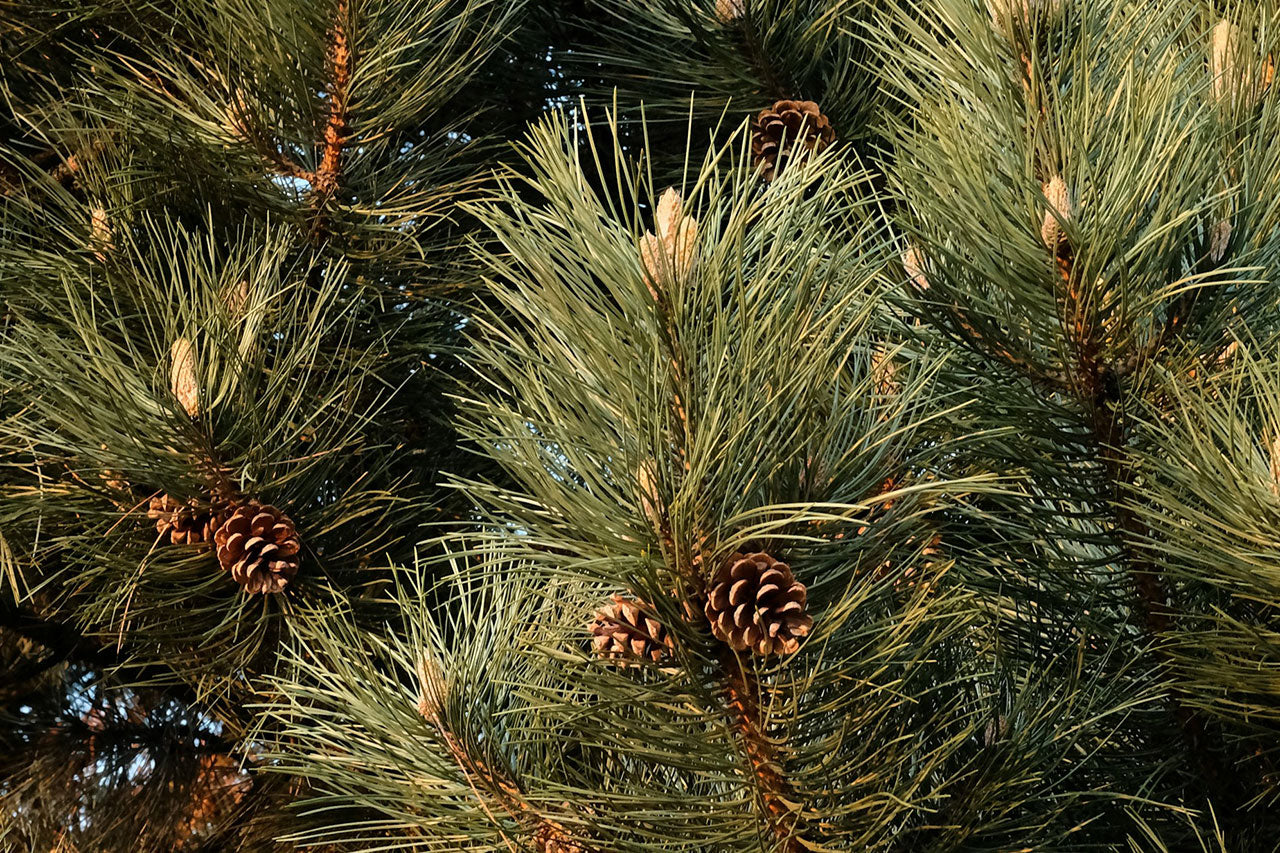
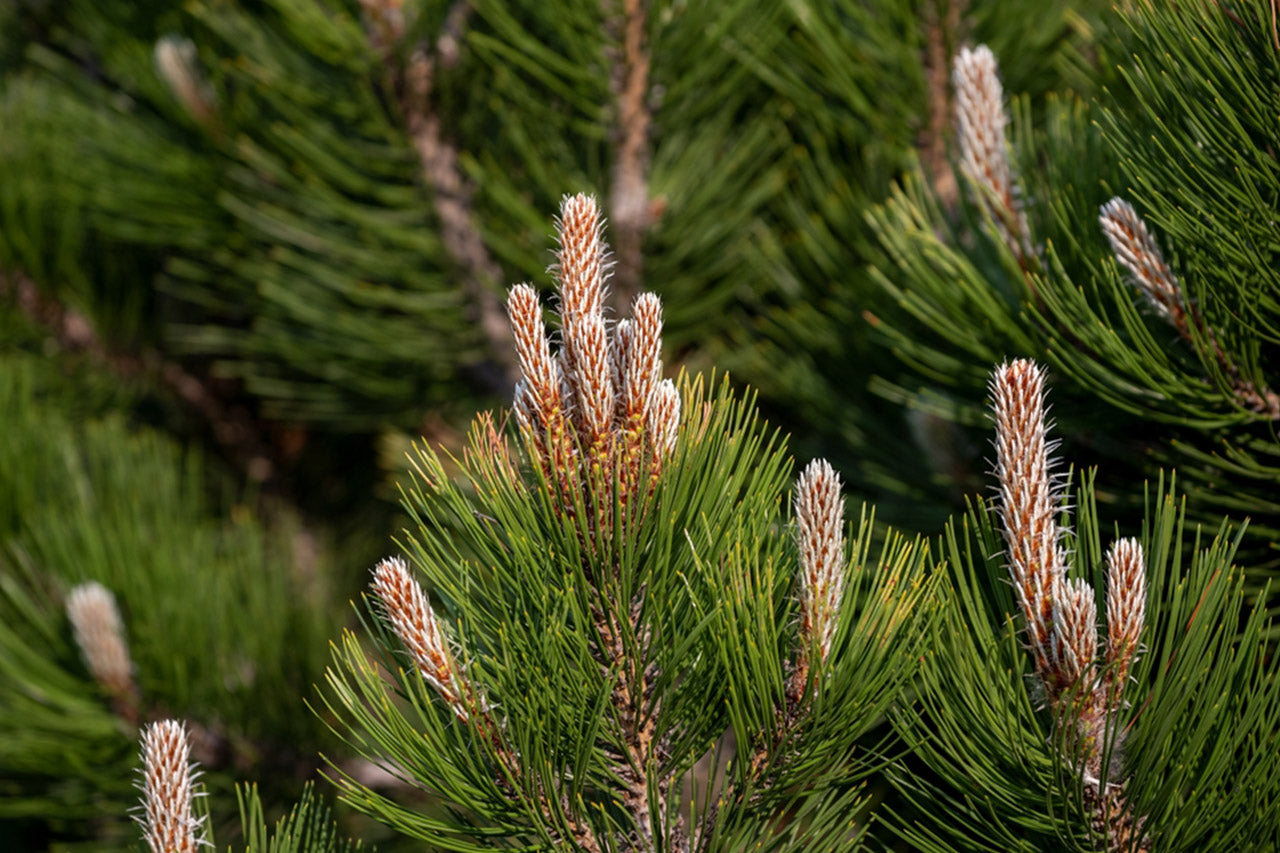
Flowering time: Not grown for flowers; main interest is evergreen needles, new “candle” growth in spring and decorative cones that develop and ripen through summer and autumn.
Hardiness: Generally fully hardy across most of the UK once established; some species prefer slightly milder, sheltered sites, but all resent long periods of waterlogged soil.
Care level: Easy to moderate – low‑maintenance once established, with simple watering in the early years, little or no routine pruning, and only modest feeding.

The Simpson’s team raises the majority of our trees here at the nursery. For varieties outside our own production, we work with independent local growers we trust - all chosen for UK climate suitability.
Planting time: Container‑grown pines can be planted in most months when the soil isn’t frozen or waterlogged, with autumn and early spring usually easiest. This allows roots to settle before summer heat or the depth of winter.
Watering: Water regularly in the first two or three seasons so the rootball and surrounding soil don’t dry out completely, especially in the drier, breezier conditions common in East Anglia. Once established in the ground, many pines are quite drought‑tolerant and only need extra water in prolonged, severe dry spells.
Feeding: On reasonably fertile soil, pines need very little feeding – a spring mulch of compost or well‑rotted manure is often enough. On very poor, sandy sites, a modest application of balanced, slow‑release fertiliser in early spring can help younger trees get going.
Pruning: Pines generally need minimal pruning. Restrict yourself to removing dead, damaged or badly placed branches, and avoid cutting back into old, bare wood. Heavy clipping is almost never needed if you’ve chosen a variety that fits your space.
Winter: Established pines need little winter attention beyond ensuring drainage is good and applying a mulch over the root area. Minor bronzing of needles on the windward side is common and usually greens up again as new growth appears in spring.
Availability is always changing, so please check with us if you have a particular variety in mind.
A distinctive pine with a slightly wild, windswept character, bringing the feel of upland landscapes into the garden. It’s ideal as a sculptural focal point in gravel or heath-style planting, where its twisting habit and open texture create atmosphere and contrast against smoother shrubs and grasses.
A refined Japanese red pine with a gentle, layered look that feels calm and considered, like a living bonsai at garden scale. Wonderful in a Japanese-style corner, gravel garden, or as a specimen near a patio, where its elegant structure and fine needles give year-round poise and character.
A compact Japanese red pine selected for dense growth and a tidy, rounded outline, giving strong evergreen presence in a small footprint. Ideal for pots, courtyard beds, or front gardens where you want a conifer that feels sculpted and ‘placed’, adding structure and a slightly oriental mood.
A low, spreading Japanese red pine with a soft, glowing look and a relaxed, ground-hugging habit. Brilliant for gravel gardens, banks, and the front of borders, where it creates a calm, evergreen carpet and contrasts beautifully with upright grasses, stones, and darker shrubs year-round.
A compact mountain pine with a sturdy, mounded habit and a wonderfully rugged, alpine feel. Perfect for rockeries, gravel beds, and mixed conifer borders, where it provides year-round backbone and a natural, windswept look that feels right with stone, heathers, and ornamental grasses.
A very neat dwarf mountain pine forming a tight, rounded mound, ideal for small gardens and containers. It adds evergreen structure with a crisp, tidy outline, and works beautifully as a repeating element in modern planting schemes, where its compact form brings order without feeling formal.
A bright, golden-tipped mountain pine that brings welcome warmth, especially through the colder months when colour is scarce. Use it as a little beacon in a gravel garden, as a highlight among darker evergreens, or in a pot near steps, where its sunny tones lift the whole scene.
A bold, imposing black pine with a strong, rugged silhouette and long, dark needles that give it real weight and presence. It’s a superb specimen for larger gardens, bringing a Mediterranean-meets-mountain mood, and creating a dramatic evergreen canopy that looks powerful in winter and timeless in summer.
The Italian stone pine is pure holiday atmosphere—eventually forming that iconic umbrella crown that instantly evokes Mediterranean landscapes. Even when young it reads as architectural and distinctive, perfect as a statement tree in a lawn or courtyard where you want a sculptural evergreen with real character and romance.
A softer, more feathery pine with slender needles that give a light, airy look, ideal when you want evergreen presence without heaviness. It works beautifully as a specimen in mixed borders, lending a gentle woodland feel and a calm, layered texture that complements broad-leaved shrubs and grasses.
A quirky little pine with curled needles that create a playful, textured look—very much a ‘collector’s’ plant. Perfect for pots, rock gardens, and close-up planting near paths, where the unusual foliage can be appreciated and the plant acts like a small, evergreen conversation piece through winter.
The Scots pine brings instant character: an open, airy canopy, rugged branching, and that wonderfully warm, coppery bark as it matures. It’s superb for larger gardens where you want a natural, woodland feel, adding height and lightness without gloom, and creating a timeless, windswept silhouette.
A Scots pine with a cooler, blue-toned twist, giving the familiar airy structure but with a more silvery cast in the needles. Ideal as a specimen in a gravel garden or mixed conifer bed, where the blue colour sharpens the palette and looks especially crisp against gold and dark green planting.
A characterful Scots pine selection with that same rugged, airy charm, often with a slightly more compact or picturesque outline suited to garden use. It brings the spirit of heaths and uplands into the garden, making a fine specimen tree where you want movement, lightness, and year-round structure.
A Japanese black pine with a strong, sculptural presence and dense, dark needles, often grown for its bold, architectural character. Ideal in Japanese-style gardens, gravel beds, and as a specimen near a patio, where its shape reads like living sculpture and gives deep evergreen structure all year.