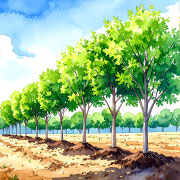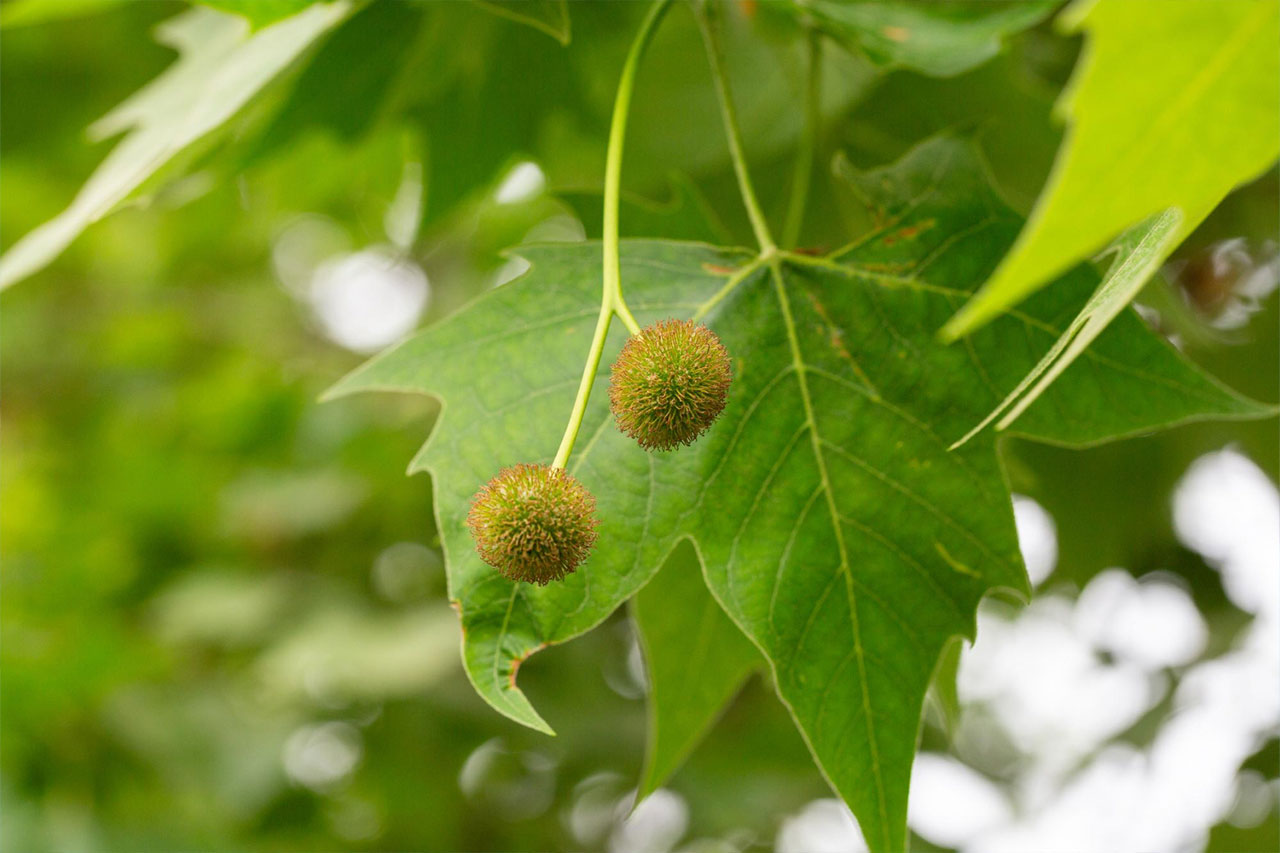

As summers get warmer, the value of a proper shade tree is only going one way. Plane trees have large, leathery leaves and wide crowns that cast a generous pool of cool shade underneath – perfect for seating areas, play spaces or a hammock on a big lawn. Because they leaf up relatively late, you still get spring light on the grass and bulbs; then, just as the sun starts to bite, the canopy fills in and the air beneath feels suddenly several degrees more comfortable.
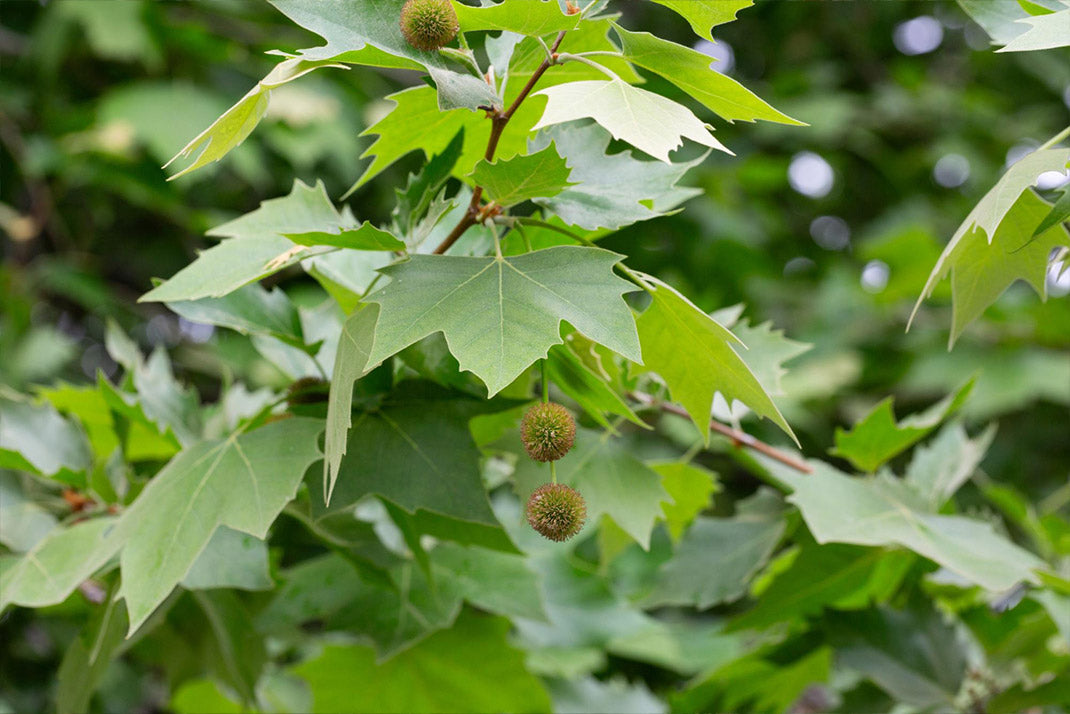
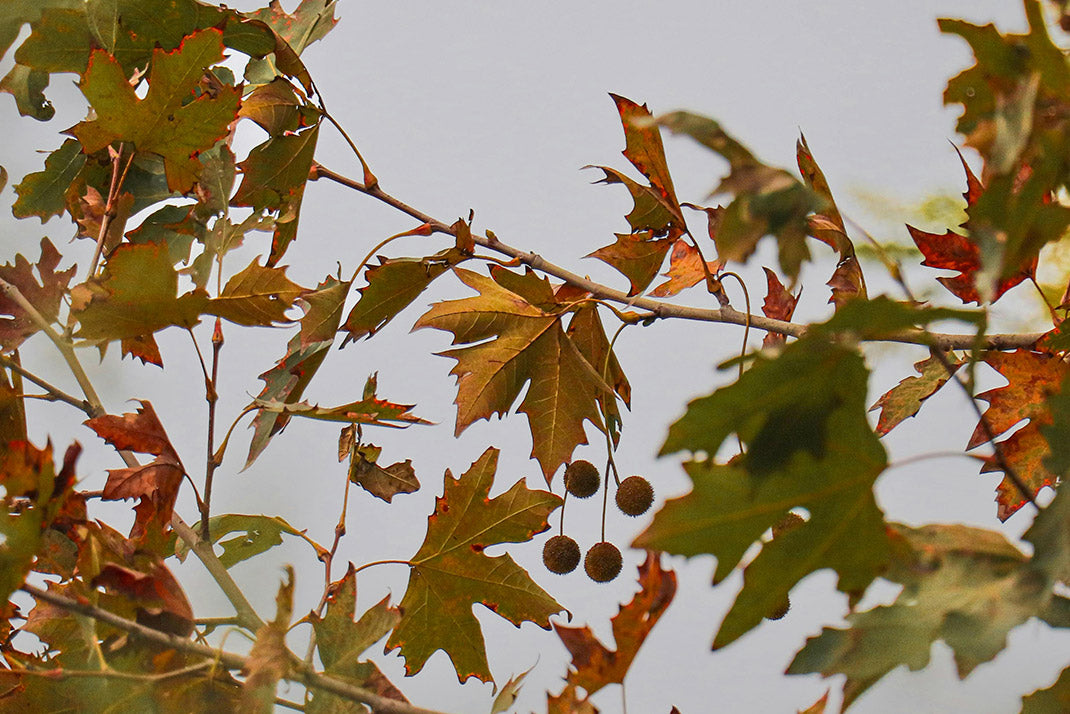
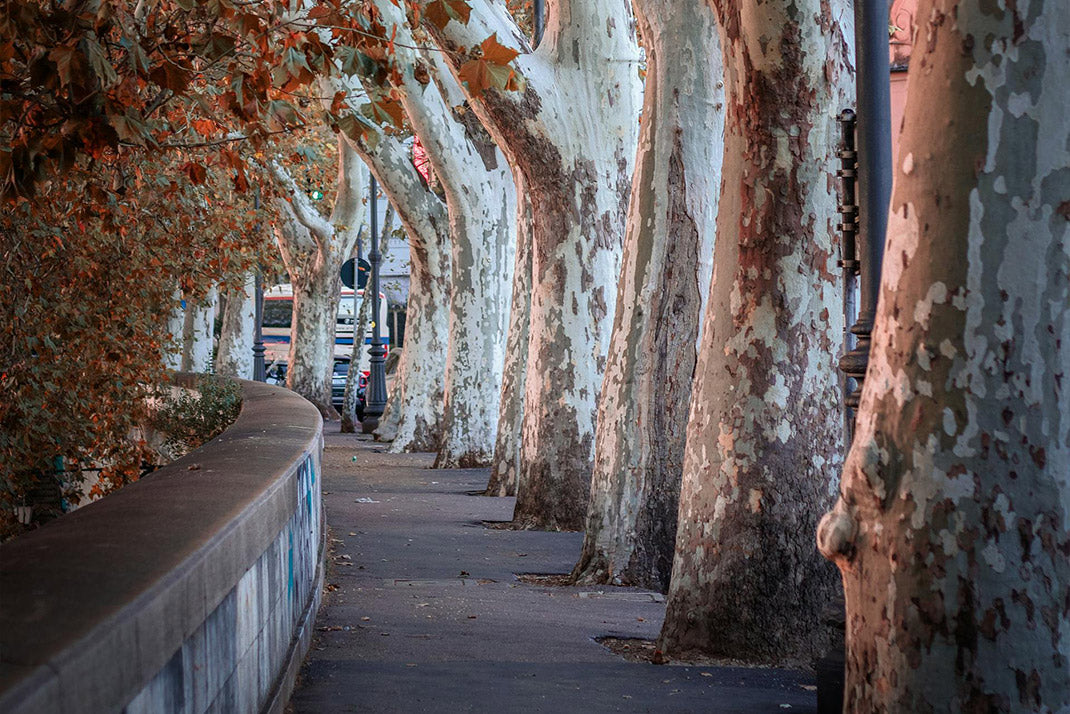
Common name: London plane
Latin name: Platanus
Size in UK gardens: A full‑sized tree can reach 20–30m tall with a wide crown 15–20m across; compact forms such as ‘Alphen’s Globe’ stay around 4–7m high and 3–4m wide.
Best position: Full sun in open ground, with plenty of room for the canopy and roots and a reasonably sheltered but not cramped position.
Soil: Moist but well‑drained, fertile soil is ideal, yet plane trees are famously tolerant of a wide range of soils, including compacted urban ground and sites that are occasionally wet.
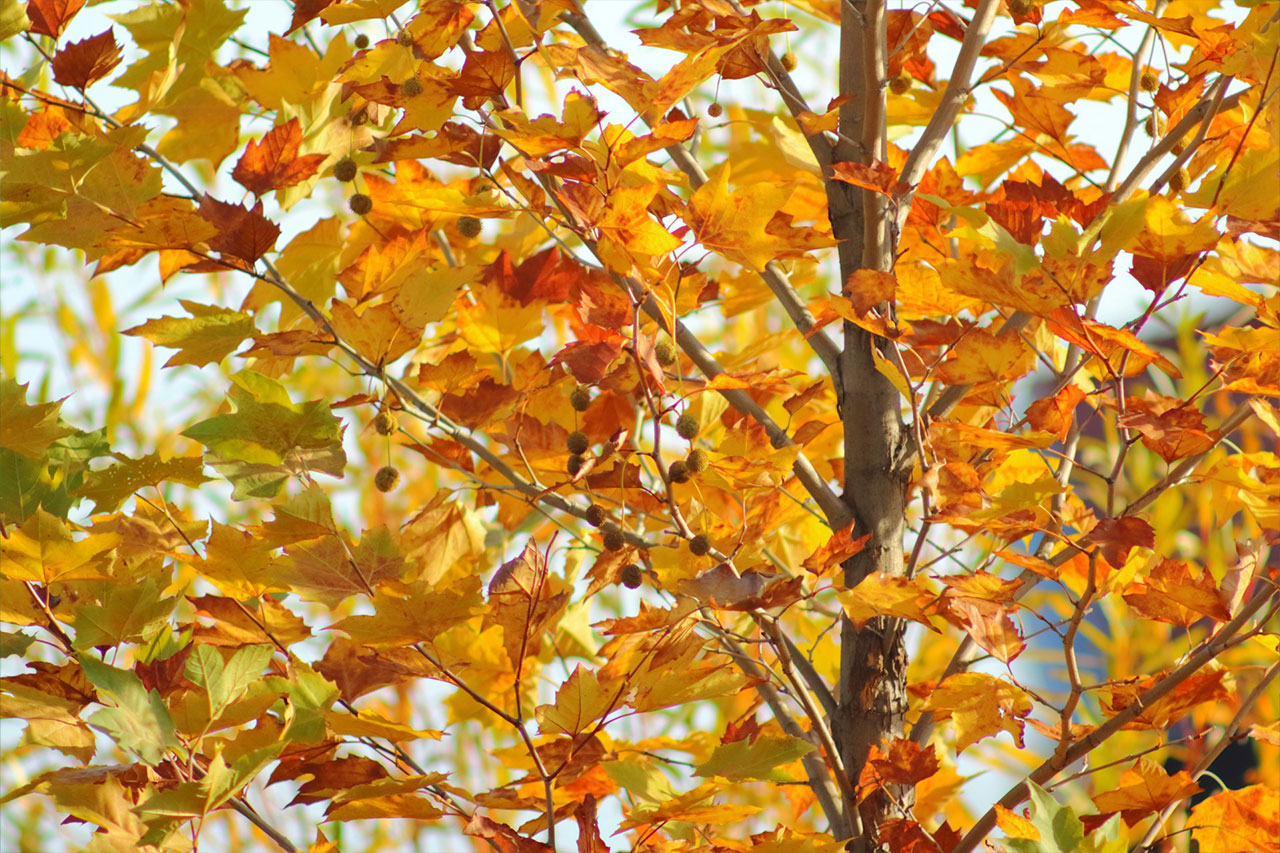
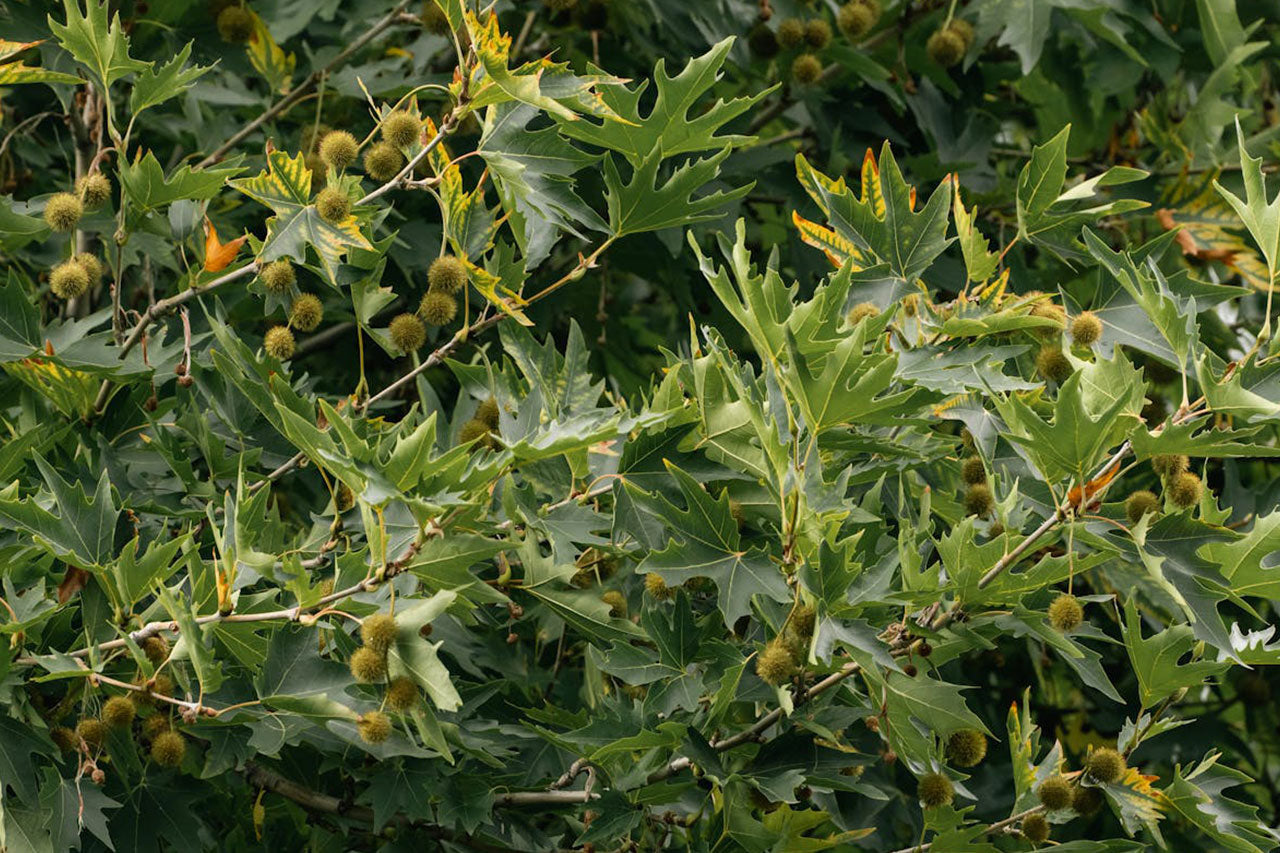
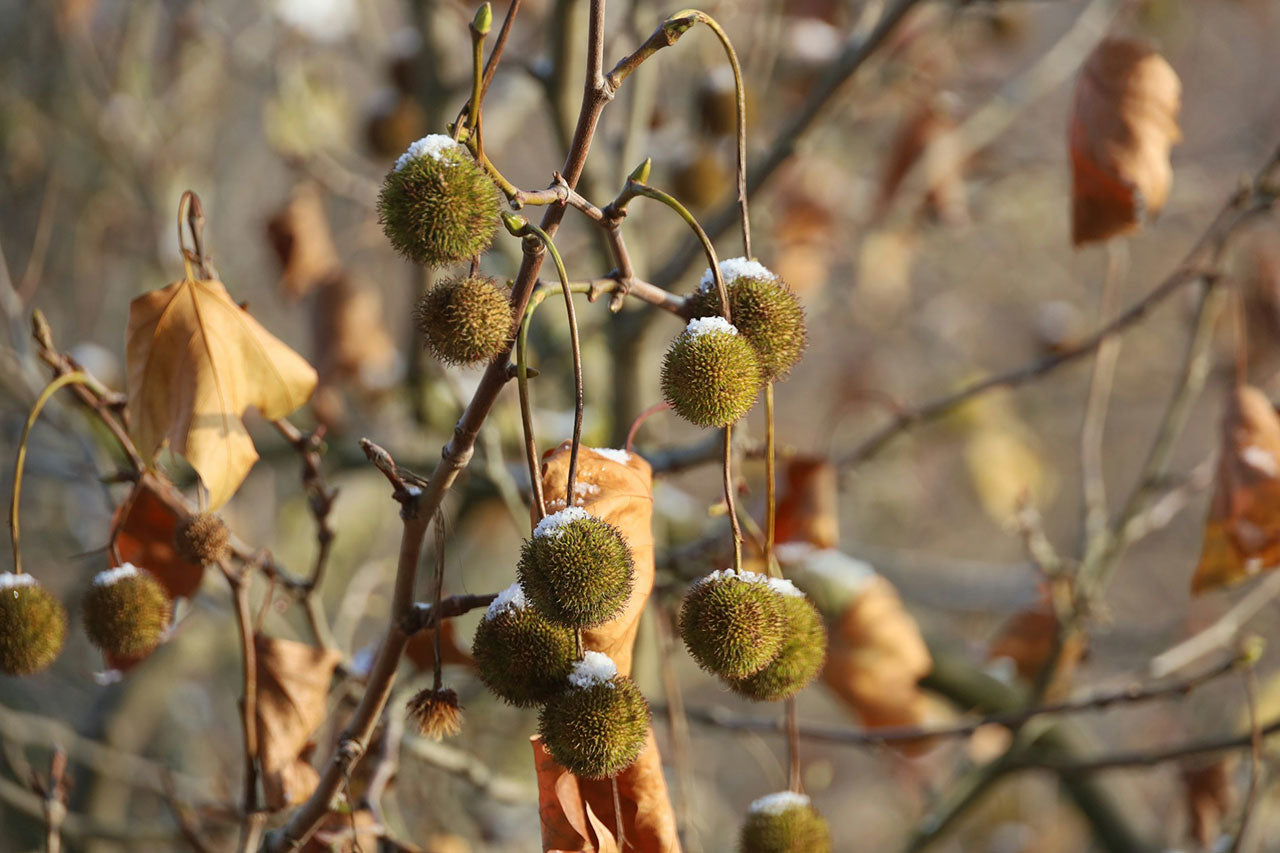
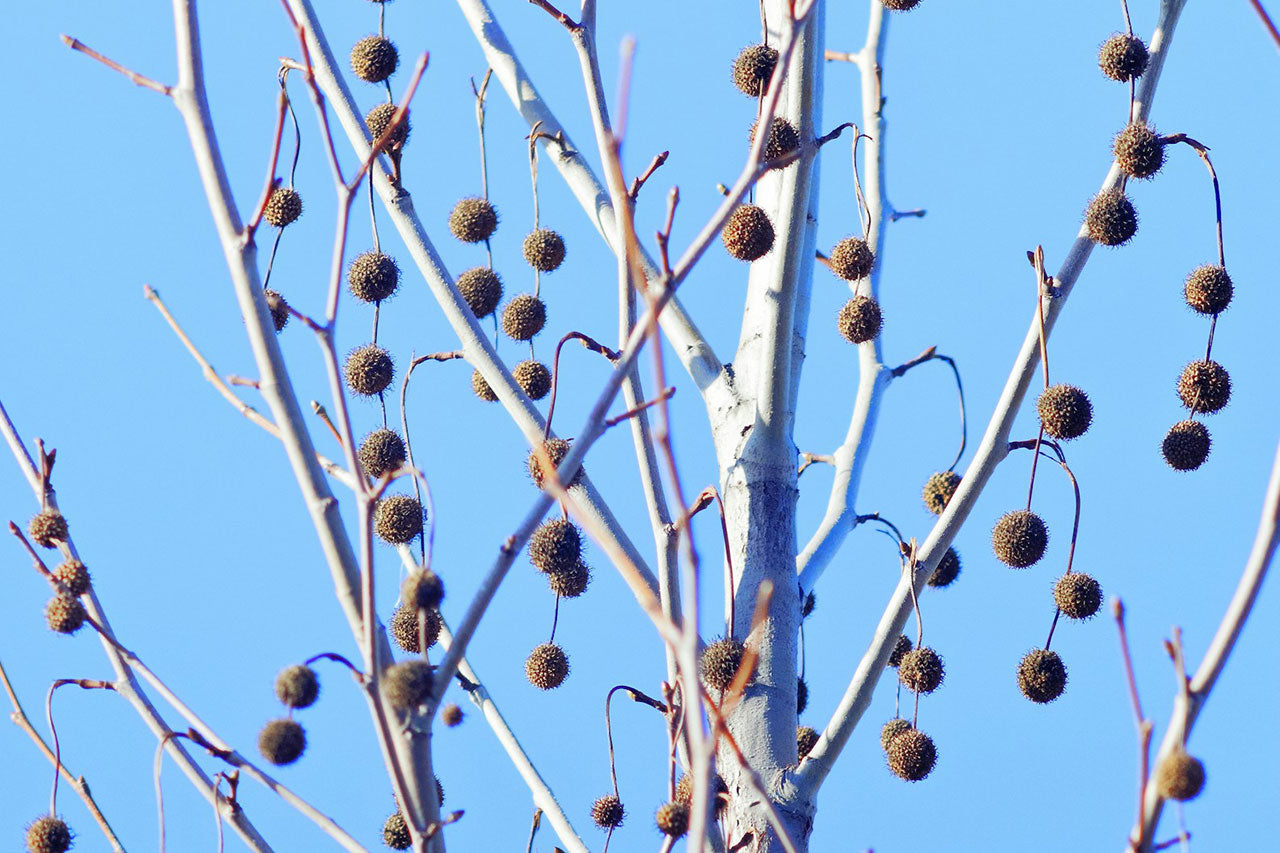
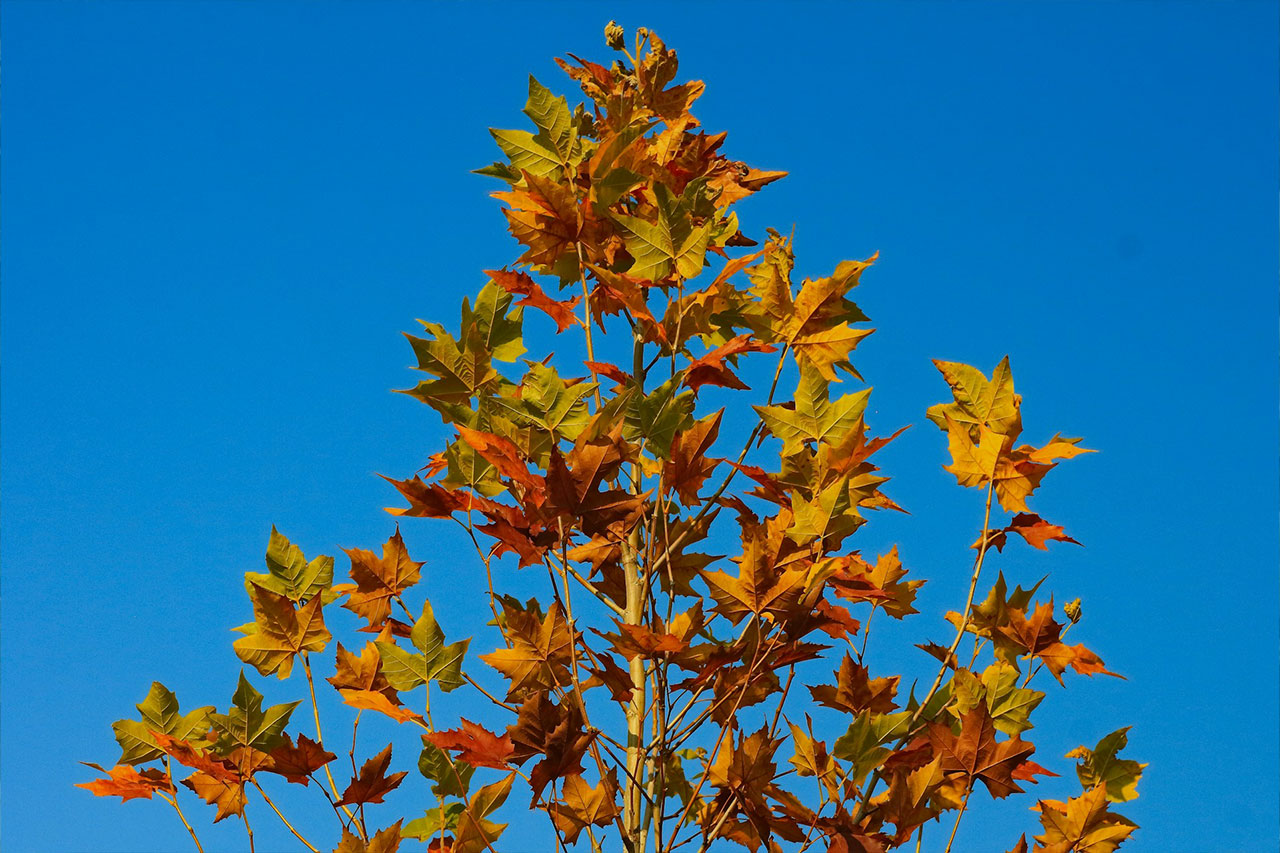
Main interest: Beautiful patchwork bark that flakes in plates, bold lobed leaves turning yellow‑bronze in autumn, and hanging seed balls that persist well into winter.
Fragrance: Flowers are small and usually not noticeably scented; Platanus is chosen for its presence, bark and foliage rather than perfume.
Hardiness: Fully hardy across the UK (around RHS H6, roughly –20°C to –15°C), shrugging off cold winters once established.
Care level: Easy in the right setting – vigorous, forgiving and long‑lived – but its ultimate size and strong roots mean it’s best for larger gardens, parks, paddocks and long drives rather than tiny plots.

The Simpson’s team raises the majority of our trees here at the nursery. For varieties outside our own production, we work with independent local growers we trust - all chosen for UK climate suitability.
Planting time: As container‑grown trees, planes can be planted in most months when the soil is workable and not frozen or waterlogged, with spring and early autumn usually giving the smoothest establishment.
Watering: Water thoroughly through the first couple of growing seasons, especially in dry spells, so that moisture reaches deep around the rootball. Once established in decent soil, they cope well with ordinary droughts but appreciate an occasional soak in prolonged dry periods.
Feeding: In open ground, most planes need little more than an annual mulch of compost or well‑rotted manure over the root area. On very poor soils, a light sprinkling of a balanced fertiliser in spring can help younger trees get away strongly.
Pruning: Small formative adjustments in the first few years help establish a good framework; beyond that, light crown‑lifting or thinning is occasionally helpful. Any major shaping or pollarding on a large tree is best carried out by a qualified arborist.
Winter: Established trees need no special winter protection in the UK. Young trees benefit from a mulch on light soils and a sturdy stake and tie system until the root system has properly anchored them.
Availability is always changing, so please check with us if you have a particular variety in mind.


A bold, sculptural plane with deeply cut leaves that instantly suggest a Mediterranean mood. The canopy stays light and open, casting a pleasing, dappled shade, while the bark flakes in pale patches for year-round character. A real statement for generous gardens and parkland scale—impressive close-up or from afar.
A slimmer, more upright oriental plane, perfect when you want stature without the breadth. The lobed foliage forms a refined canopy, and the mottled, peeling bark adds winter interest with quiet drama. Excellent for avenues, boundaries, or as a formal vertical accent. Always composed—very city-smart.
The classic London plane, admired for its broad, sheltering canopy and that unmistakeable camouflage bark that peels to reveal creamy, olive and grey patches. The bold leaves give a civilised, metropolitan look, and the whole tree carries a sense of instant maturity—ideal for shade and presence in larger spaces.