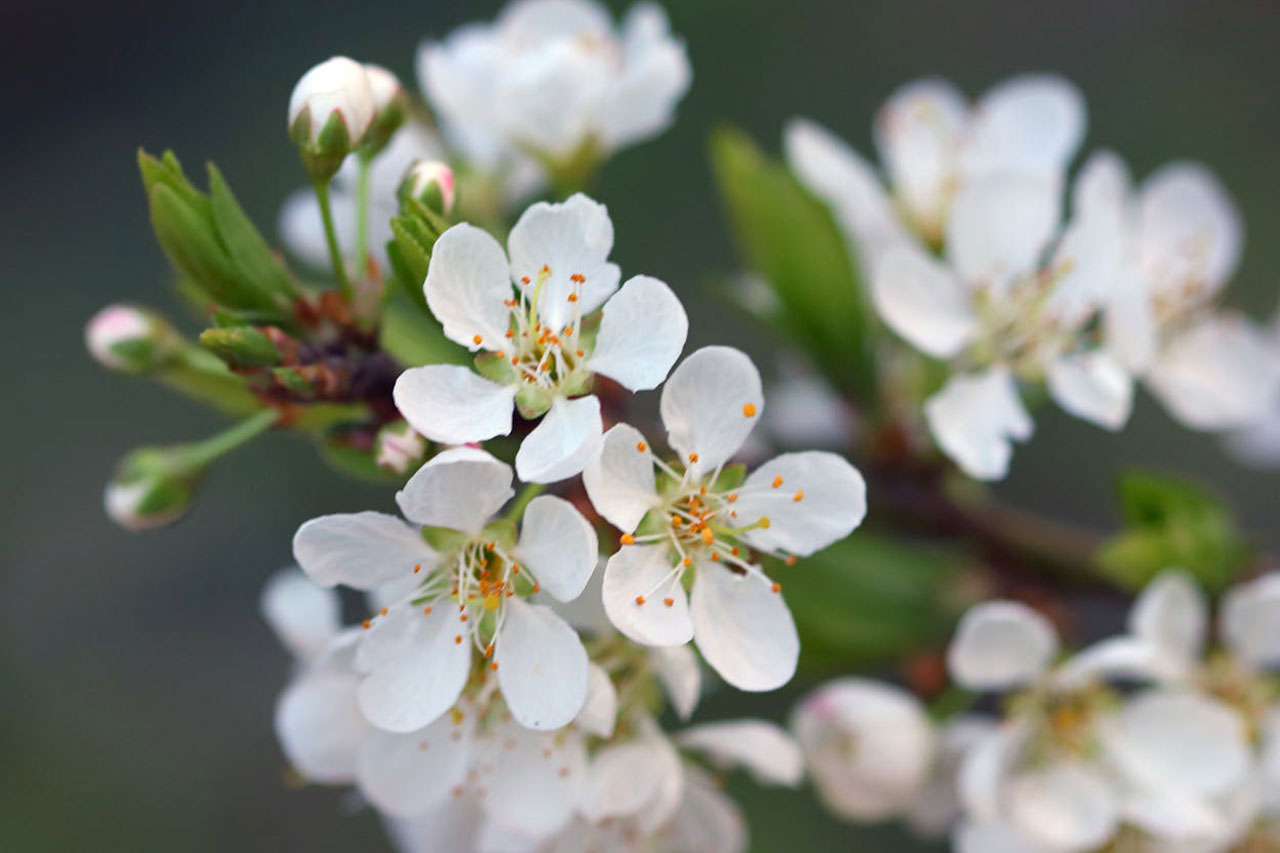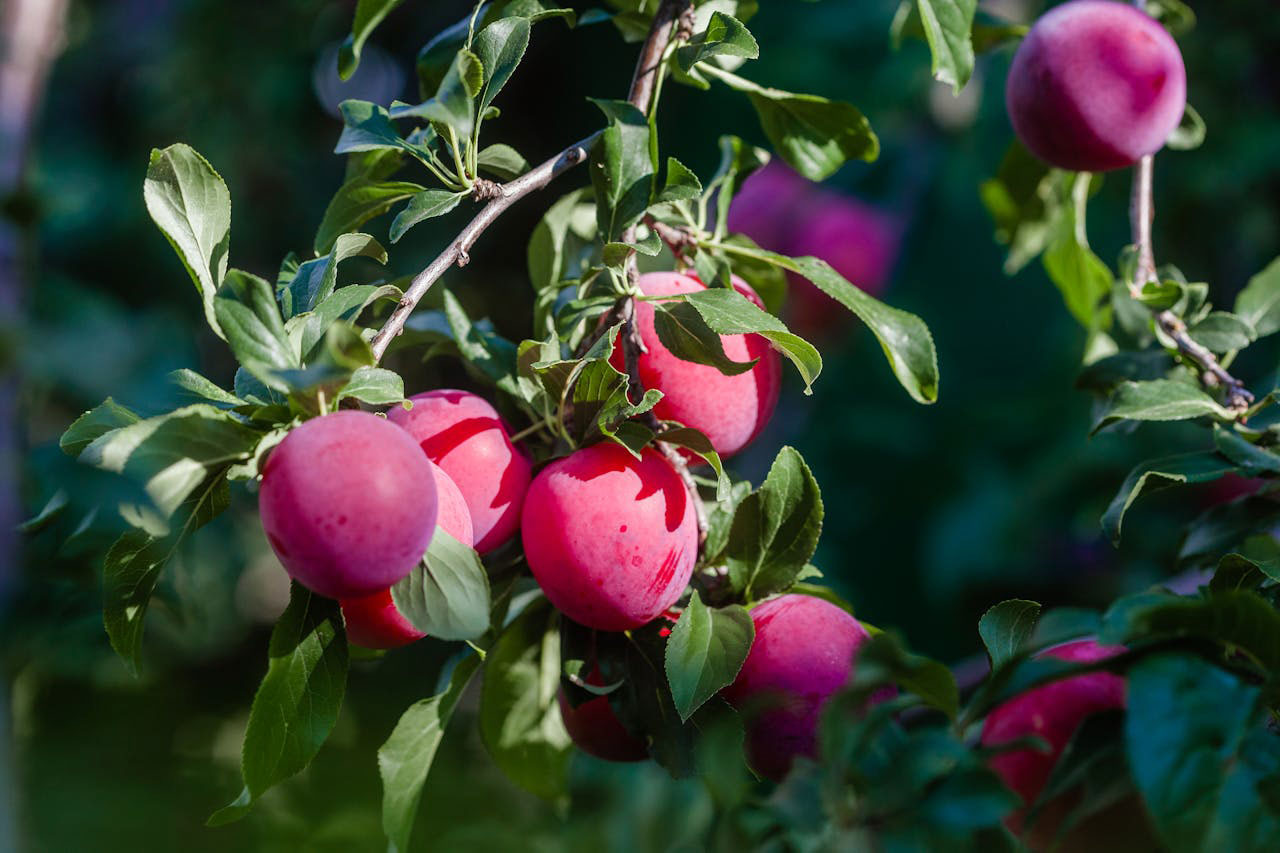

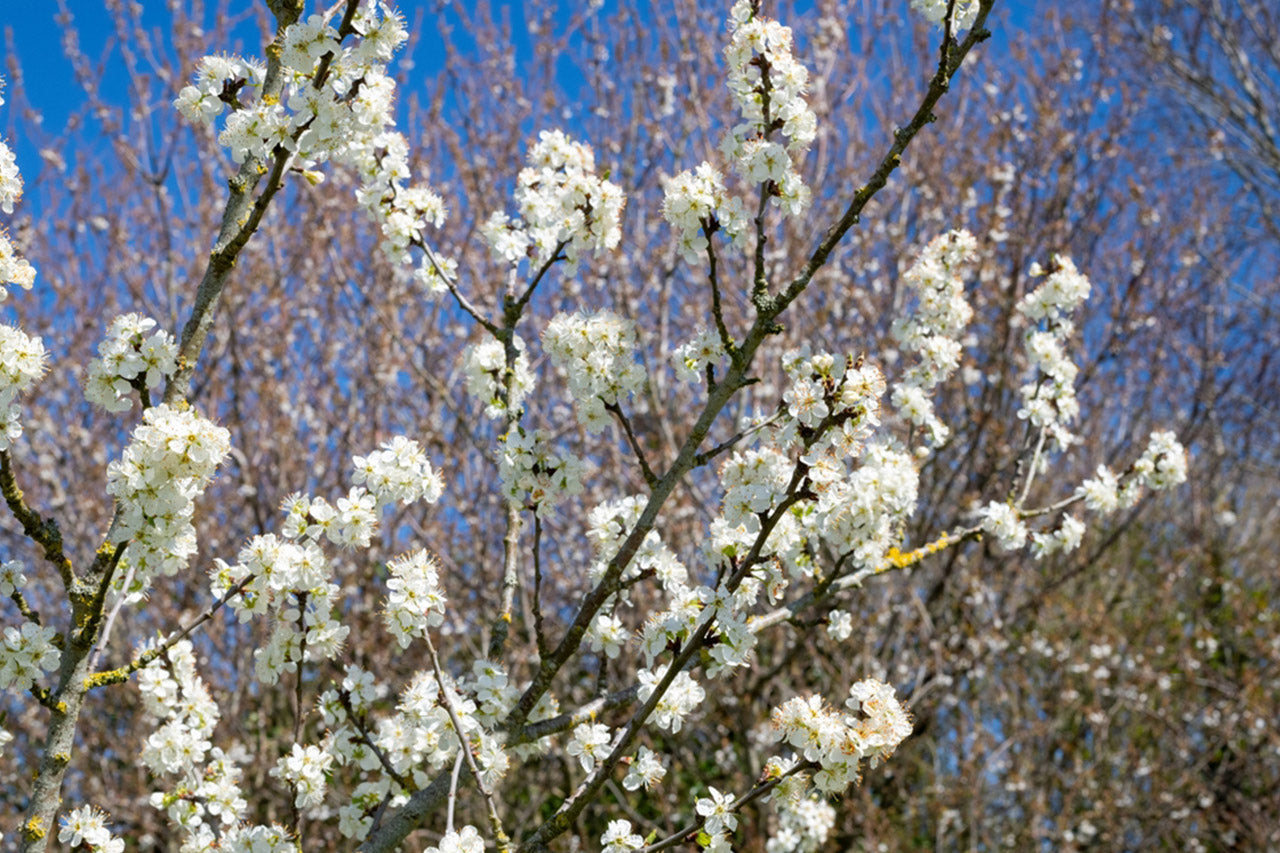
Plum blossom arrives at just the right moment — when you’re tired of winter shapes and you want proof that the garden is waking up. It’s often earlier than many fruit trees, with soft white or pale pink flowers that make even a simple lawn corner feel special. In the UK, blossom is more than decoration: it draws pollinators in and sets the stage for fruit later on. Even if you grow plums mainly for eating, that spring display is a real gift — bright, clean, and quietly cheering.
Common name: Plum tree.
Latin name: Prunus domestica (most plums), and related Prunus for some varieties.
Size in UK gardens: Often 3–5m depending on variety and rootstock; can be kept smaller with pruning or training.
Best position: Full sun for best flowering and fruit ripening, in a reasonably sheltered spot.
Soil: Fertile, moisture-retentive but well-drained soil; dislikes prolonged waterlogging.
Flowering time: Spring.
Fragrance: Blossom is usually lightly scented, but subtle.
Hardiness: Hardy in UK gardens; blossom can be affected by late frosts in exposed sites.
Care level: Moderate – generally straightforward, with pruning kept gentle and timed well.

The Simpson’s team raises the majority of our trees here at the nursery. For varieties outside our own production, we work with independent local growers we trust - all chosen for UK climate suitability.
Planting time: As container-grown plants, plums can be planted in most months when the soil isn’t frozen or waterlogged; spring and autumn are usually easiest.
Watering: Water regularly in the first 1–2 years and during dry spells; steady moisture helps fruit swell and reduces drop.
Feeding: Mulch in spring and use a balanced feed if growth is weak; healthy soil and organic matter usually do most of the work.
Pruning: Keep pruning gentle and well-timed; many plums are best pruned in summer to reduce disease risk.
Winter: Hardy and generally trouble-free; protecting blossom from late frost is the main extra step in exposed gardens.
Availability is always changing, so please check with us if you have a particular variety in mind.


A neat, modern plum with a friendly, garden-orchard feel—productive, well mannered, and easy to place in an ordinary plot. The fruit is typically dessert-leaning: sweet, juicy, and pleasantly rounded, with enough freshness to stop it feeling cloying. A great choice if you want a straightforward, rewarding plum for eating fresh.
A traditional, old-fashioned plum with a sturdy framework and that proper “country orchard” character. It’s best thought of as cooking to dual-purpose, with fruit that has a firmer, more robust nature and a tangier edge that shines once heated. Ideal if you love classic puddings, jams, and bakes with real plum flavour.
A cheerful, compact-feeling plum with a light, approachable personality—very suited to smaller gardens that still want genuine fruit-tree charm. The fruit is generally sweet and juicy, dessert-leaning, with a clean, easy flavour that’s lovely straight from the tree. A great pick for simple, reliable plum harvests.
A classic cooking plum with a strong, traditional orchard presence—reliable, hardy, and wonderfully useful. The fruit is darker, with a bold, tangy flavour that cooks into rich sauces and deep-coloured fillings, while still being enjoyable fresh when fully ripe. Perfect if you want a plum that earns its keep in the kitchen.


A robust, modern plum with a confident orchard presence—productive, reliable, and nicely balanced in habit. The fruit is dessert to dual-purpose, typically sweet and juicy with a fresh, clean tang that keeps it lively. A great all-rounder plum when you want good fruit without fuss.
A big-fruited plum with a bold, generous feel—one that looks and behaves like it’s here to provide plenty. The flavour is generally sweet and juicy, with a straightforward, dessert-leaning profile and a satisfying, substantial bite. Ideal if you like plums that feel abundant and rewarding.
A reliable early plum with a neat, productive character—exactly the sort of tree that makes a garden feel usefully orchard-like. The flavour is sweet and juicy with a light tang, dessert-leaning and easy to enjoy straight from the tree. Great if you want an early plum that feels dependable and rewarding.
A modern favourite plum with a friendly, productive habit—easy to grow, generous, and very “garden orchard” in spirit. The flavour is sweet and juicy with a gentle tang, dessert-leaning and pleasingly straightforward. A great choice if you want reliable plums for eating and light kitchen use.


A traditional plum with a practical, productive character—more “useful orchard tree” than showpiece, but quietly handsome all the same. The flavour is typically sweet with a balancing tang, working well as a dessert plum and also nicely in the kitchen. A good choice when you want steady harvests and classic plum flavour.
A sturdy, traditional plum with a calm, capable presence—one of those trees that feels properly “orchard” the moment it settles in. It’s best thought of as dual-purpose, with fruit that has a sweet core and a useful tang, making it as good for crumbles and jams as it is for fresh eating when fully ripe. A great choice if you want one plum that quietly does everything well.
A friendly, early plum with a neat, productive habit—one that often feels made for ordinary gardens. The flavour is sweet and juicy with a gentle tang, dessert-leaning and easy to enjoy, with fruit that ripens at a pleasing time in the season. A great choice if you want a reliable early plum for fresh eating.
A traditional early plum with a classic orchard feel—eager to crop and very satisfying when the season first begins. The flavour is sweet with a fresh, light tang, juicy and bright rather than deep and heavy. Great if you want an early plum that feels cheerful and reliably productive.


A plum with a calm, traditional orchard presence—useful, productive, and quietly handsome through the season. It’s generally dual-purpose, with fruit that carries a sweet core and a tangy edge that works well fresh and becomes richer in cooking. A good choice when you want dependable harvests with classic plum character.
The classic garden plum with a friendly, dependable personality—productive, familiar, and wonderfully suited to UK gardens. It’s dual-purpose, with fruit that’s sweet and juicy for eating but also excellent cooked into crumbles and jams as it softens and deepens. A brilliant choice if you want one plum that feels reliably “right.”
A plum with a slightly richer, more decorative feel—deep-toned fruit and a more “specialist orchard” vibe than the everyday standards. The flavour is sweet with a balancing tang, often richer and more rounded, making it good for dessert use and the kitchen alike. Ideal if you want a plum that feels a little more distinctive and indulgent.
A wonderfully characterful old plum with a relaxed, traditional habit—branches that naturally arch and “droop,” giving it a soft, orchard-at-the-edge feel. It’s best thought of as cooking to dual-purpose, with fruit that has a proper plum depth and a tangier edge that becomes rich and mellow once cooked. Ideal if you want a heritage plum with real personality and classic kitchen usefulness.

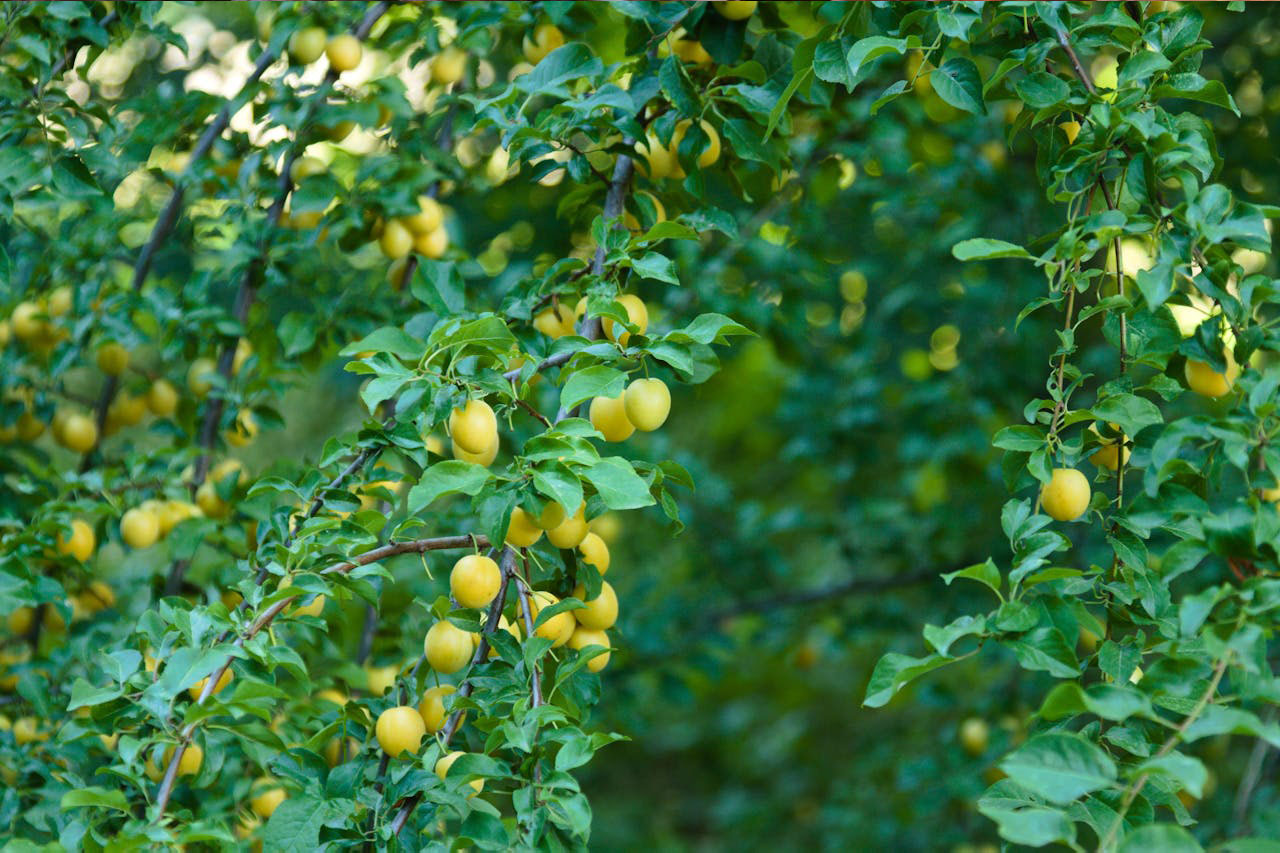
A cheerful, traditional plum with a brighter, sunnier look—golden fruit that gives the tree a warm, late-summer glow. It’s generally cooking to dual-purpose, with a flavour that’s gently sweet but properly appley-plum sharp when raw, becoming smooth and mellow once cooked. Great for jams, crumbles, and classic puddings with a lighter colour.