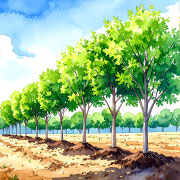

Populus have a special kind of movement that few other trees can match. The leaves are often held on flattened stalks, so they tremble and flutter at the slightest breath of air, giving a soft rustle that’s wonderfully calming on warm days. That constant motion also catches the light, creating a shimmering, silvery effect that feels almost like water in the garden. If you enjoy trees you can really “feel” as well as see, Populus brings atmosphere in spades. It’s especially effective where you can watch it from a window or seating area, letting the tree do its quiet work in the background.
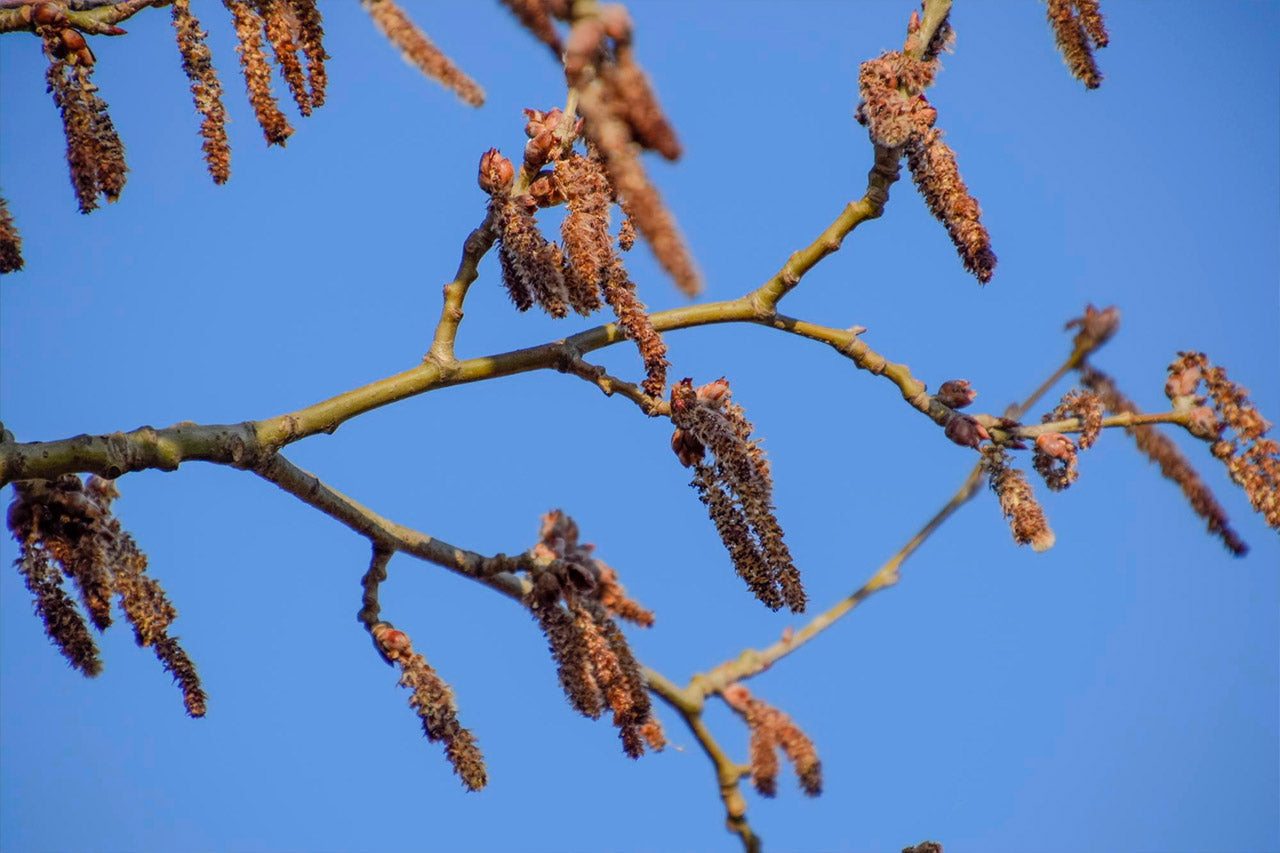
Common name: Poplar or Aspen.
Latin name: Populus
Size in UK gardens: Often 15–30m tall in time (sometimes more in ideal conditions); narrow columnar forms take less width but still make tall trees.
Best position: Full sun, with plenty of space away from buildings, drains and boundaries; best in large gardens, fields and wide edges.
Soil: Moist but well‑drained, reasonably fertile soil; many poplars enjoy moisture but dislike sitting in stagnant winter wet.
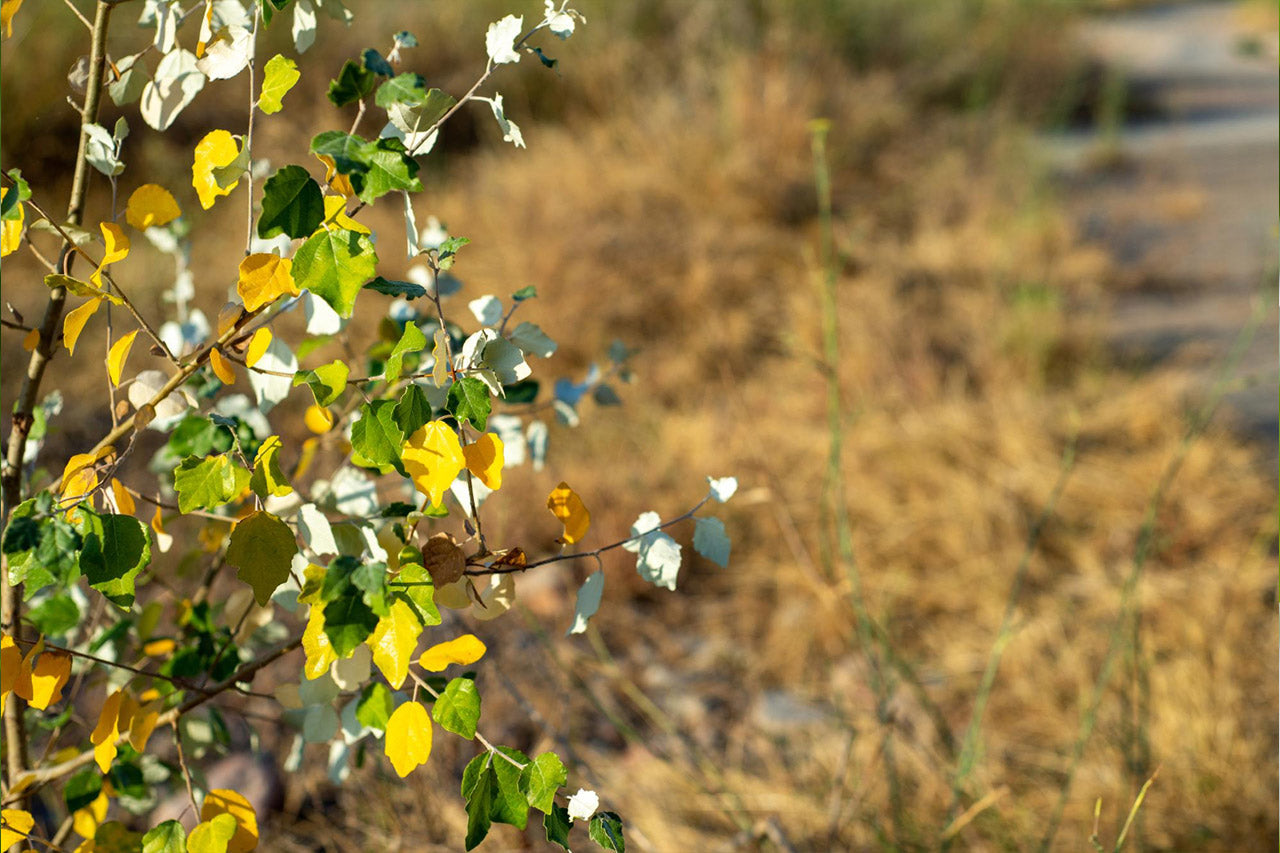
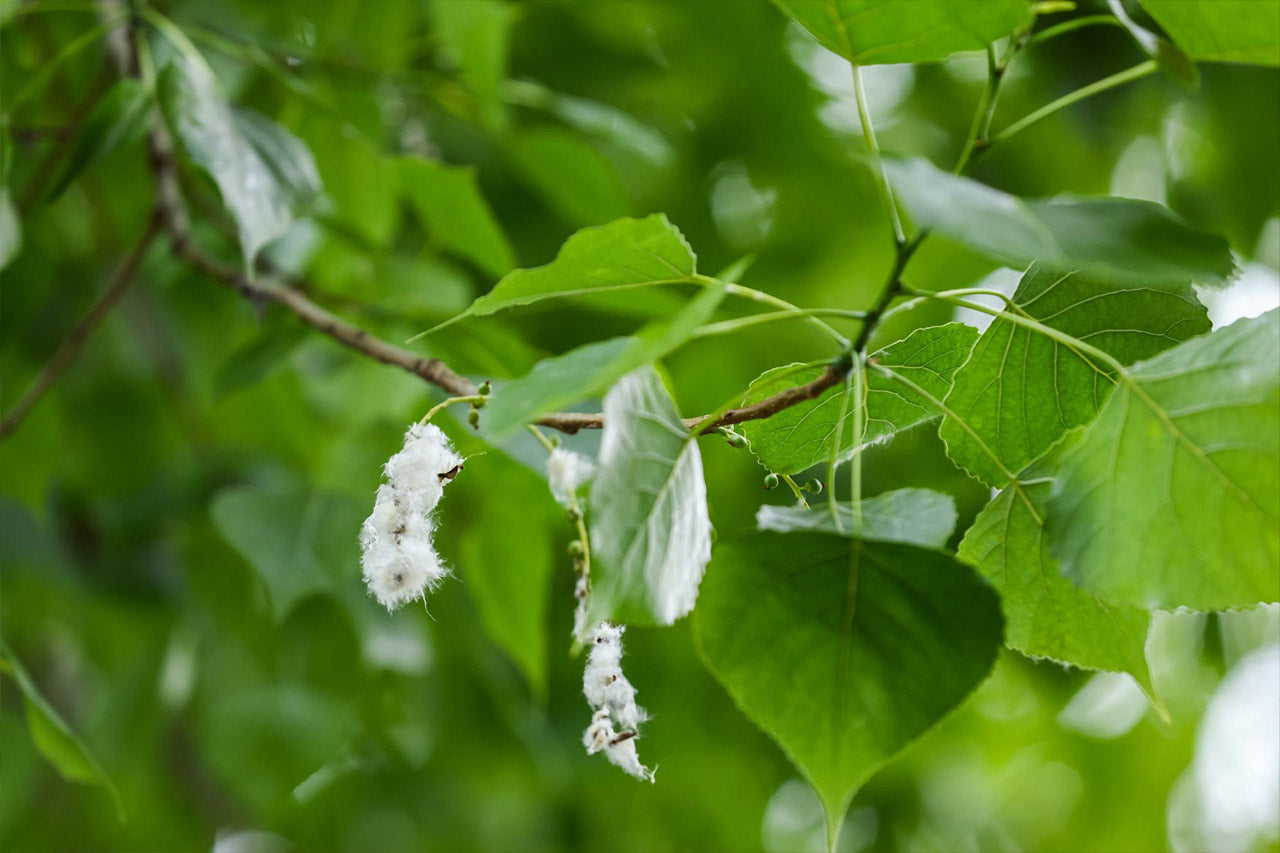
Main interest: Fluttering foliage, spring catkins, summer shade, and yellow autumn colour; strong vertical structure.
Fragrance: Not grown for scent.
Hardiness: Very hardy across the UK once established.
Care level: Moderate – easy to grow in the right place, but needs careful siting and occasional sensible pruning rather than constant trimming.

The Simpson’s team raises the majority of our trees here at the nursery. For varieties outside our own production, we work with independent local growers we trust - all chosen for UK climate suitability.
Planting time: As container‑grown trees, Populus can be planted in most months when the ground isn’t frozen or waterlogged; spring and early autumn are usually easiest for settling in.
Watering: Water thoroughly through the first couple of growing seasons, especially in dry spells; poplars dislike drying out while establishing. Mature trees usually cope, but prolonged drought can still cause stress.
Feeding: A spring mulch of compost or well‑rotted manure helps soil structure and steady growth; feeding is rarely needed beyond that in decent ground.
Pruning: Keep pruning light and sensible – remove dead, damaged or crossing branches and aim for a good framework early on; avoid constant hard cutting unless you’re deliberately managing by pollarding/coppicing.
Winter: Very hardy overall; the main winter “care” is simply good siting and keeping young trees stable in wind.
Availability is always changing, so please check with us if you have a particular variety in mind.


A striking silver poplar with leaves that flash as they move—green above, silver-white beneath—so the whole tree shimmers in the slightest breeze. It brings brightness, contrast and wonderful animation, reading as a cool, silvery beacon from a distance. A lively choice with real energy through the season.
A narrow, columnar poplar with rich purple foliage that looks dramatic from spring onwards. Its upright habit gives height without width, ideal for framing views or adding vertical punctuation. In summer it stands like a tall plume of wine-coloured leaves against the sky—bold, clean, and unmistakably modern.
The famous Lombardy poplar: tall, narrow and instantly architectural, creating strong vertical lines that sharpen boundaries and emphasise vistas. Its upright form brings crisp, formal rhythm, especially planted in repeats—excellent for adding drama, scale and a sense of structure to open spaces, fast.
A slim, upright aspen that keeps a tight column and lends a clean, contemporary line to the garden. The leaves tremble and shimmer, giving constant movement and a gentle rustle. Brilliant when repeated as a living screen, or used to punctuate borders with height—light in feel, never oppressive.