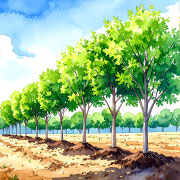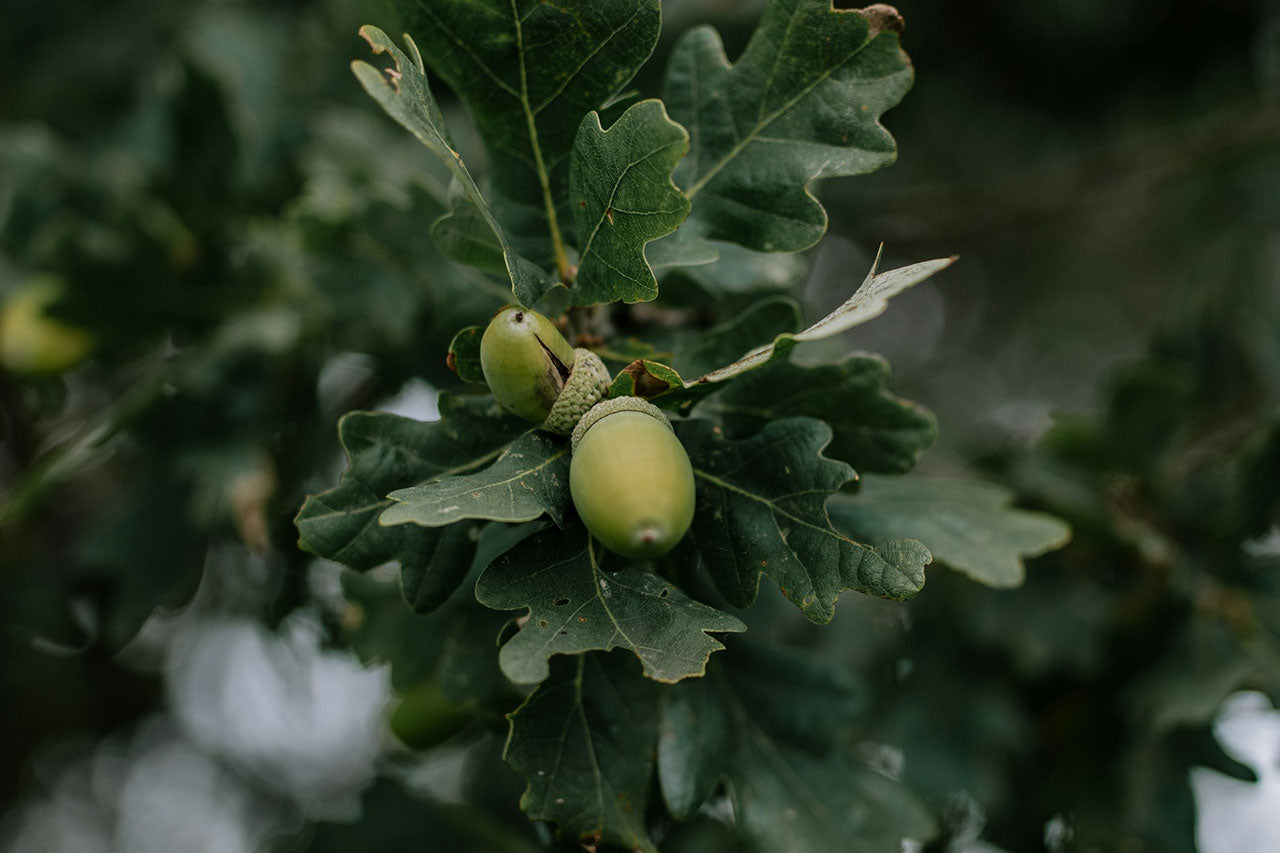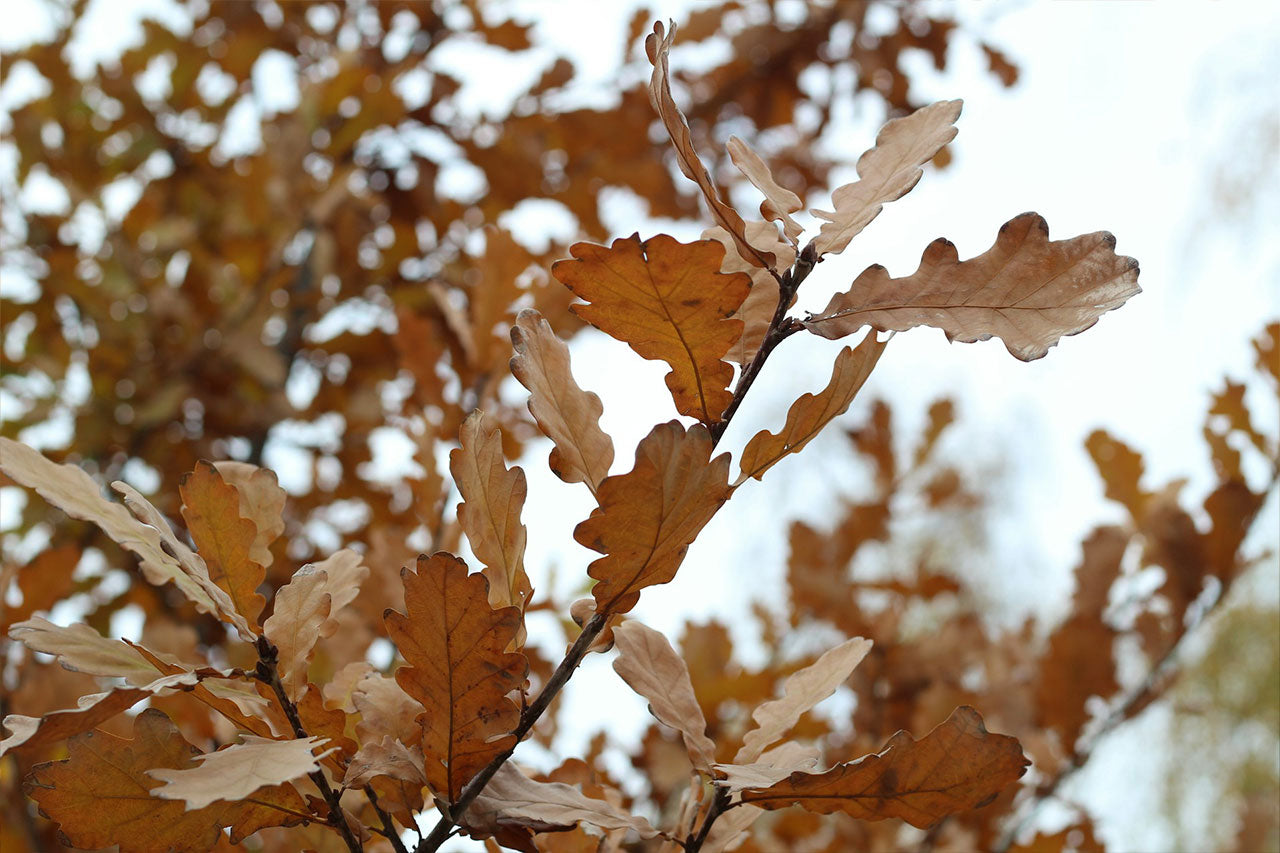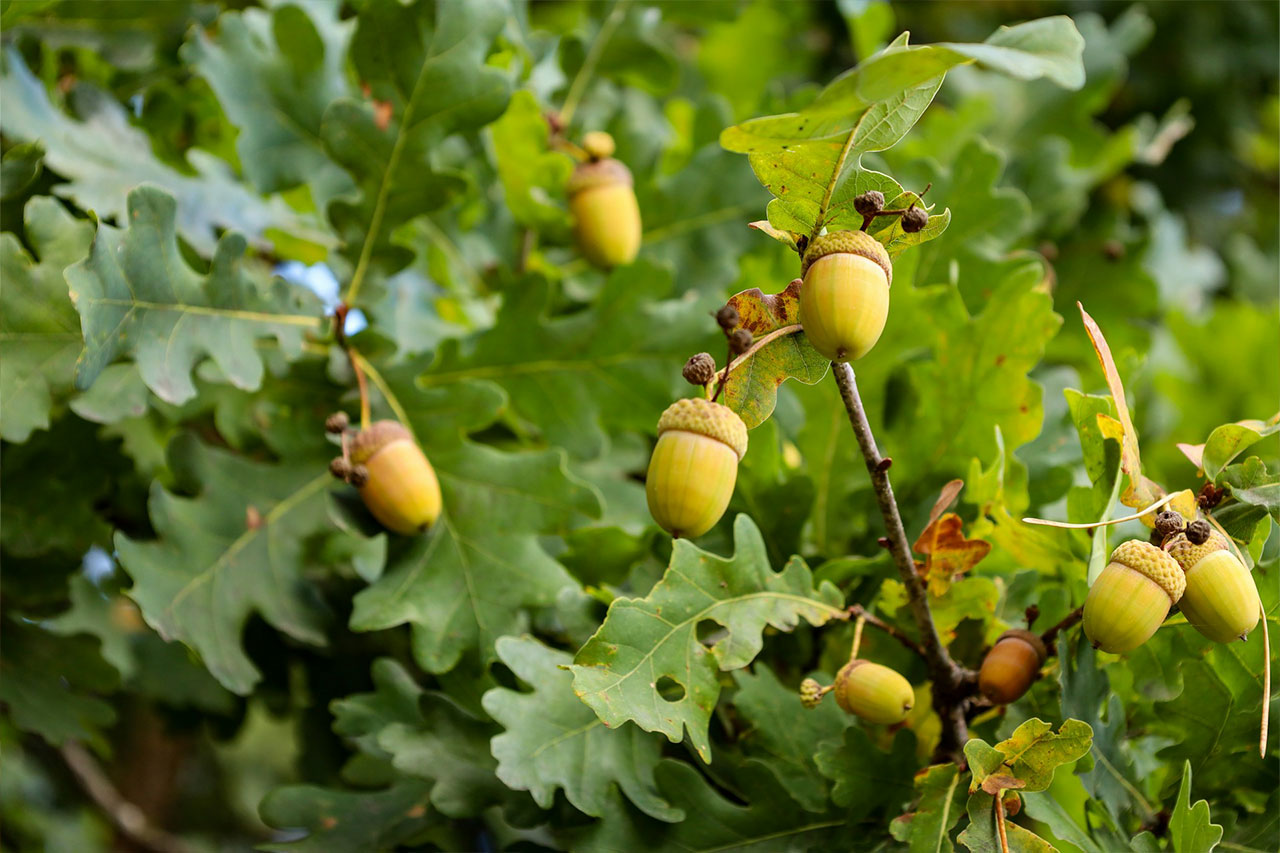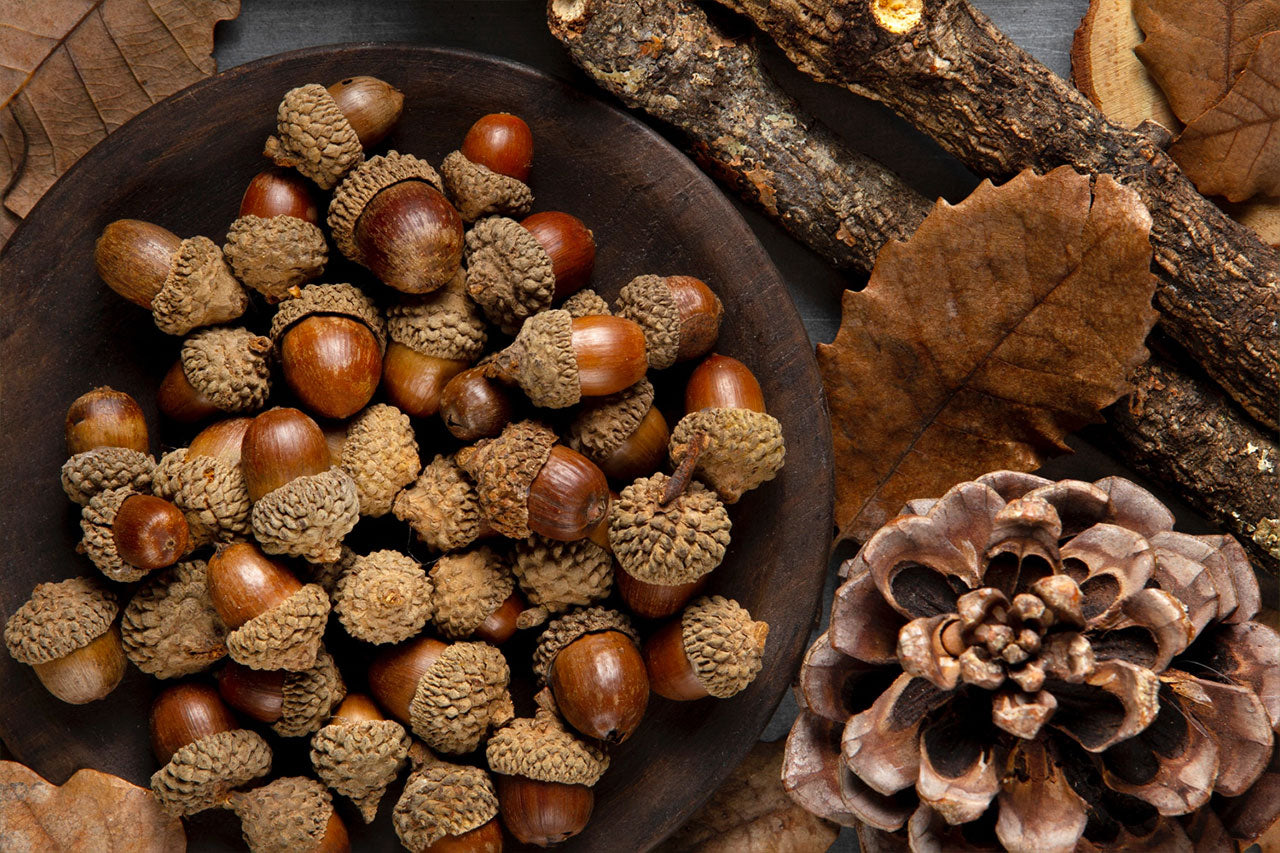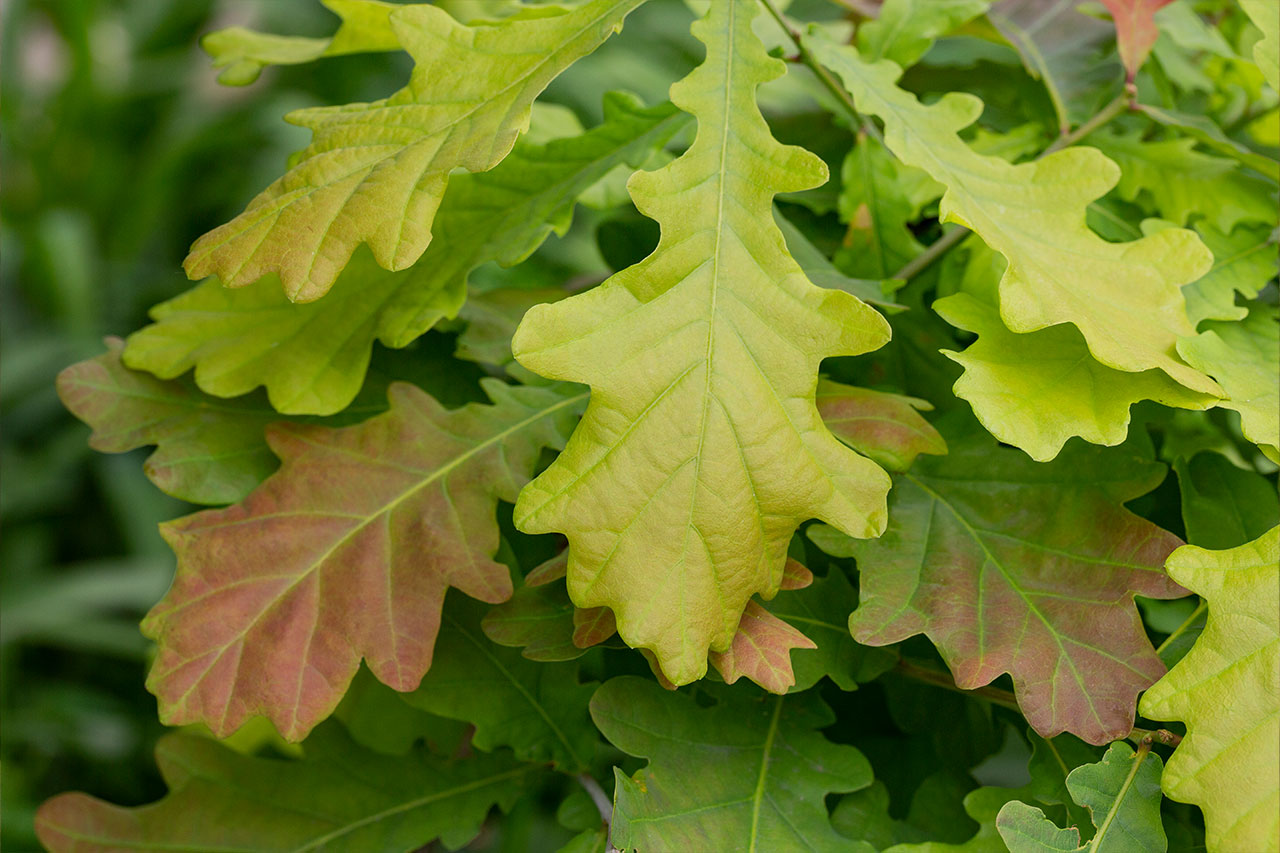

Planting an oak is a long‑term, almost storybook thing to do. These are not quick, flashy shrubs but trees that take their time, putting on steady growth year after year until they become part of the landscape itself. English oaks can live for centuries, holm oaks for a very long time too, so the tree you plant now may still be giving shade and shelter to your grandchildren’s children. There’s something quietly satisfying about that sense of continuity, especially in an ever‑changing world.
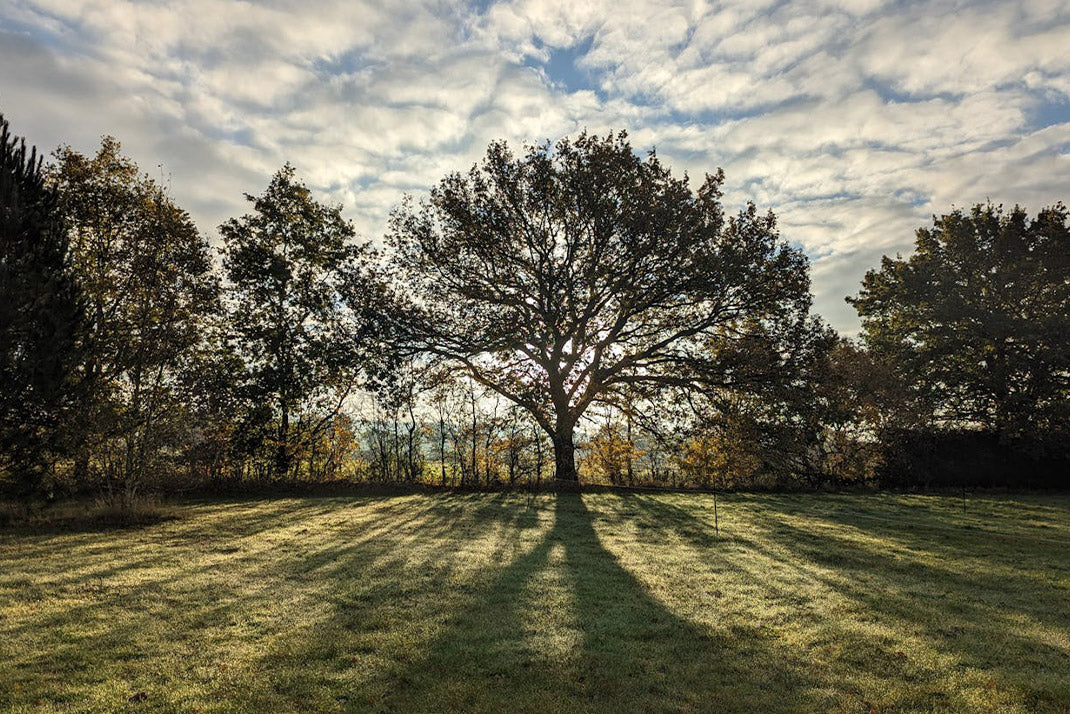
Common name: Oak Tree
Latin name: Quercus
Size in UK gardens: Full‑sized species like English oak can reach 20–40m tall and wide in time, so suit big gardens and paddocks; modern columnar and smaller cultivars, such as Quercus palustris ‘Green Pillar’, are better for typical plots, often maturing around 6–10m tall and much narrower.
Best position: Full sun with plenty of headroom is ideal; most oaks like open sky and good light, though holm oak and a few others will tolerate light shade.
Soil: Prefer deep, fertile, moist but well‑drained soil, yet many species cope with a wide range: English oak will tolerate heavier, occasionally wet ground, while holm oak favours rich, well‑drained soils and will grow on chalk.
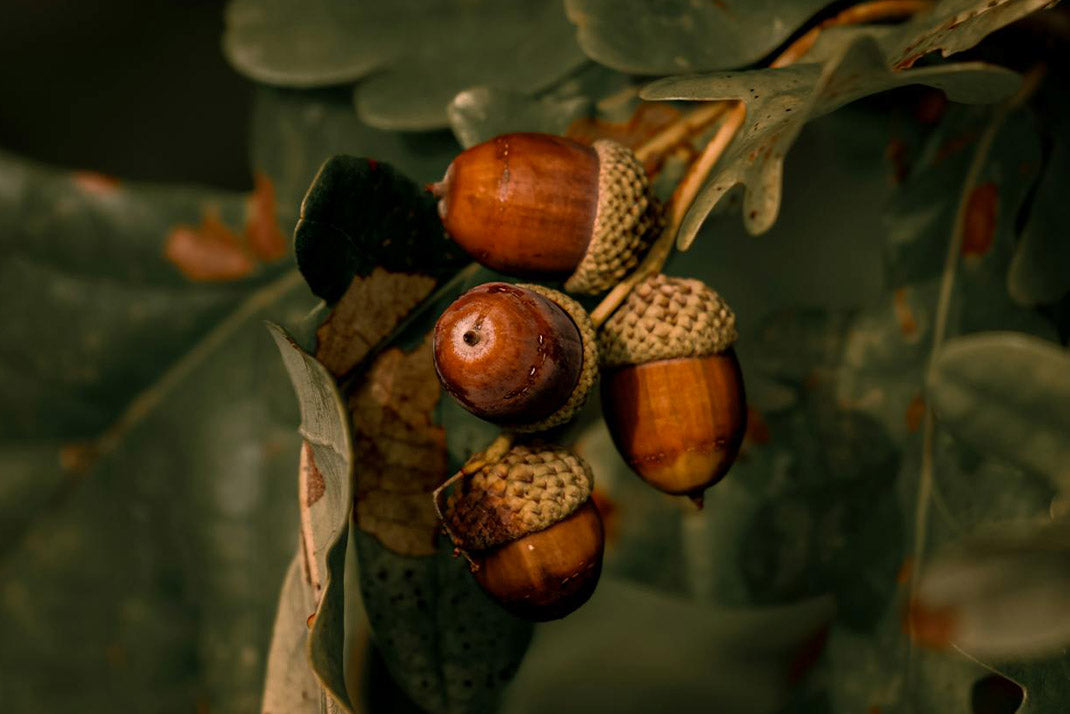
Main interest: Strong silhouette, handsome foliage, often good autumn colour, textured bark and acorns, plus exceptional value for wildlife over many decades.
Fragrance: Flowers are small and wind‑pollinated, usually not noticeably scented; oaks are grown for presence, canopy and wildlife rather than perfume.
Hardiness: Generally very hardy across the UK; English and holm oaks are well proven under British conditions and widely planted in parks and streets as well as countryside.
Care level: Moderate – choose the right size and species for your space, plant well, then they’re largely low‑maintenance, needing only occasional pruning and sensible watering while they establish.

The Simpson’s team raises the majority of our trees here at the nursery. For varieties outside our own production, we work with independent local growers we trust - all chosen for UK climate suitability.
Planting time: As container‑grown trees, oaks can be planted in most months when the soil is workable and not frozen or waterlogged, with spring and early autumn usually kindest for the new roots.
Watering: Water well through the first two or three growing seasons, especially in dry spells, so moisture reaches deep around the rootball. Once established in decent soil, most oaks need little or no routine watering, except during extreme drought.
Feeding: On ordinary garden soils, an annual spring mulch of compost or well‑rotted manure is usually enough. On very poor or sandy ground, a light scattering of balanced fertiliser in spring can help young trees settle and grow on.
Pruning: Oaks need very little pruning beyond formative work and the removal of dead, damaged or badly placed branches. Any bigger cuts should be made carefully, ideally in late summer, and major surgery on large trees is best left to a qualified arborist.
Winter: Fully hardy once established, they usually need no winter protection in the ground. Young trees on light soils benefit from a mulch over the root area and firm staking to prevent wind rock.
Availability is always changing, so please check with us if you have a particular variety in mind.


A handsome oak with a broad, steady presence and leaves that show a paler underside, giving a subtle shimmer in the breeze. The canopy feels generous and parkland-like, bringing calm shade and a sense of permanence. A fine choice when you want an oak that feels noble but not overly stern.
The Turkey oak has a rugged, traditional character, with boldly lobed leaves and a strong, spreading crown. Its acorns sit in shaggy “mossy” cups—one of its great quirks and a real talking point. A robust, landscape-style tree that brings a sense of established countryside.
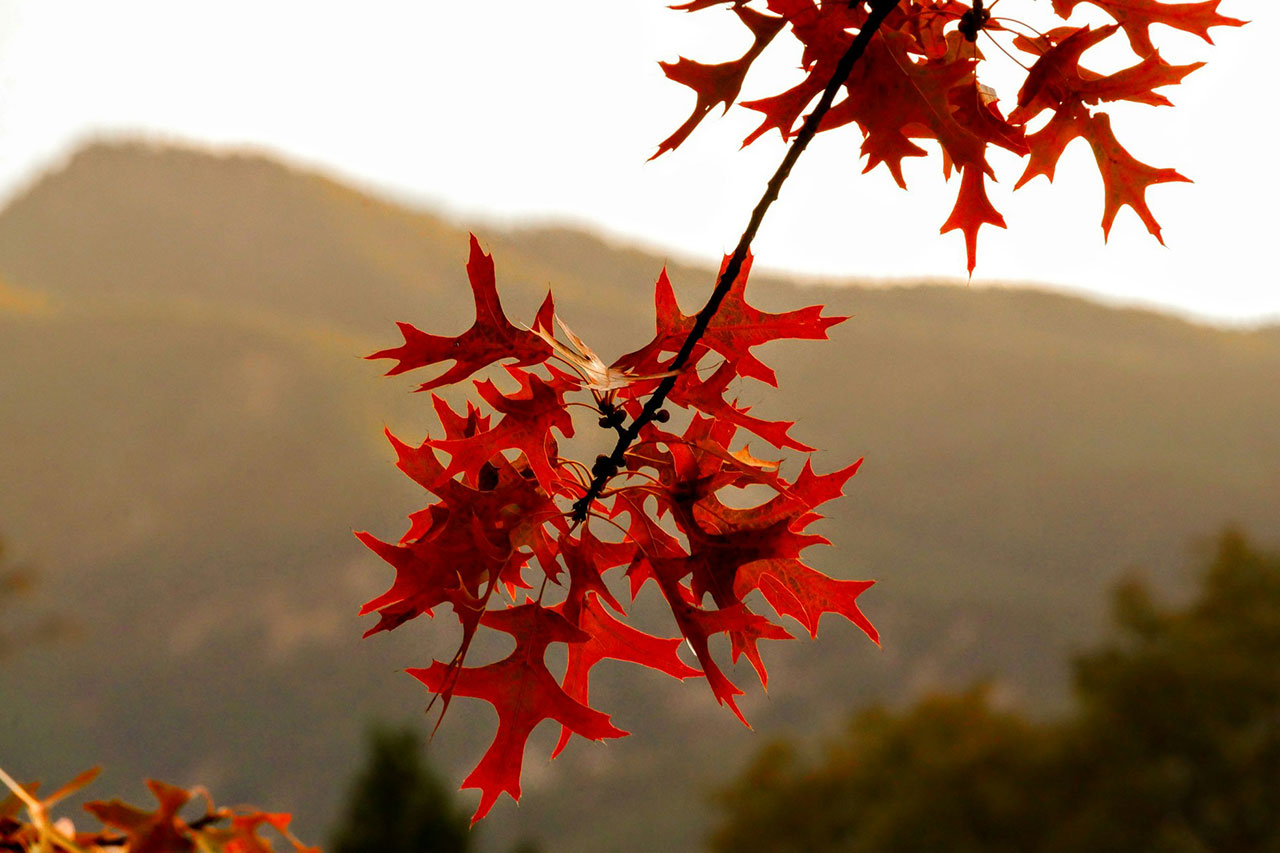
Scarlet oak is planted for its autumn finale, when the foliage can turn rich, fiery reds that command attention. Through summer it holds a neat, handsome canopy, then finishes with real theatre. A cracking specimen for anyone who wants an oak with a memorable seasonal flourish.
A more upright oak with long, chestnut-like leaves that give a slightly different texture from classic lobed forms. The habit is slimmer and more architectural, so it suits boundaries and tighter spaces. A good way to bring oak stature while keeping the outline disciplined.


The holm oak offers year-round presence, with dense evergreen foliage and a dark, dignified silhouette. The canopy looks composed and sheltering, giving a strong sense of structure in the garden. Perfect when you want a tree that feels settled and substantial in every season.
An elegant evergreen oak with long, narrow leaves that lend a more refined, slightly exotic texture. Its overall look is neat and composed, offering evergreen structure without the heaviness of some broad-leaved evergreens. A lovely choice for modern planting where leaf shape and line matter.
Pin oak has a naturally tidy outline, often with a strong central leader and gently tiered branching that looks beautifully ordered. The foliage is finely cut and elegant, giving a lighter canopy than you might expect from an oak. A very stylish specimen for lawns and larger borders.
A narrow, upright pin oak that gives you height and oak character in a slimmer footprint. The columnar outline adds a strong vertical line, perfect for avenues or tight boundaries. A smart choice when you want a formal, architectural oak without the broad spread.


The sessile oak brings classic, native-style grandeur, with a balanced crown and that unmistakable “English landscape” character. It feels steady, timeless and quietly magnificent, even when young. A wonderful option for larger gardens where you want a tree with legacy written all over it.
A poised, upright oak bred for a tidier, more space-efficient habit, giving stature without a sprawling crown. The silhouette is clean and purposeful, making it well suited to modern landscapes. A strong choice for anyone wanting oak presence with a more tailored outline.
The English oak: broad, noble, and full of character, with a crown that brings instant gravitas to the landscape. It’s the archetypal parkland tree—impressive in leaf, beautifully twiggy in winter, and always “right” in a traditional setting. The sort of tree that defines a garden.
An upright English oak with a columnar habit, offering classic oak character without the full width. It brings strong vertical structure and a formal feel, particularly effective planted in repeats. A very useful choice where you want that unmistakable oak look, but with a slimmer silhouette.


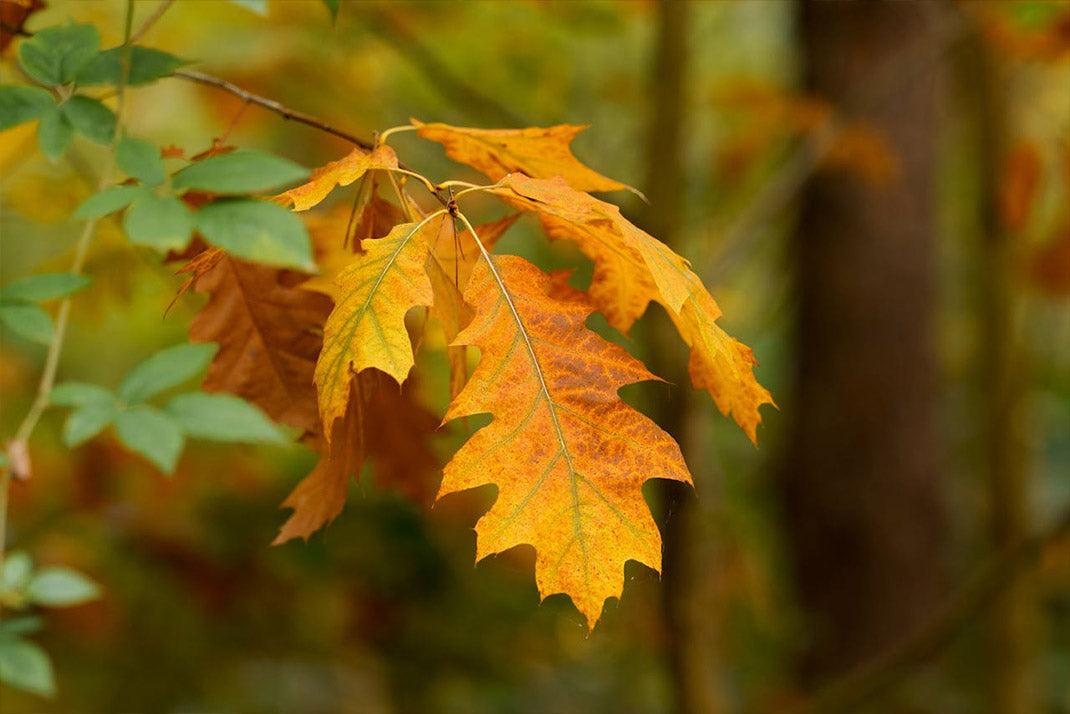
Red oak is valued for its bold leaves and its satisfying autumn colouring, often moving into warm russets and reds as the year turns. The crown is strong and rounded, giving a handsome parkland outline. A fine specimen when you want oak scale with a richer seasonal finish.
A golden form of red oak that brings warmth and brightness, the foliage glowing yellow-green to create a “lit from within” effect. The large leaves make the colour read clearly across the garden. A striking feature for contrast planting, especially against darker evergreens and deep greens.
The cork oak is wonderfully distinctive, with evergreen leaves and deeply textured bark that looks sculptural and ancient. Even at a glance it has personality, bringing a warm, southern feel and plenty of character. A superb statement tree when you want year-round structure plus bark that becomes a feature in its own right.